
REVIEW · COOKING CLASSES
Cooking class in organic garden and local market tour ThaiCottage
Garden curry paste lessons are a smart choice. ThaiCottage in Chiang Mai takes you from a local market into an organic herb garden, and I especially loved making curry paste from scratch while also getting real choice in what dishes I’d cook. The small group setup and hands-on stations make it feel less like a show and more like learning from a Thai family cook.
One consideration: the market stop can include more self-exploring time than product-by-product teaching, so I’d come ready with questions about ingredients you spot.
In This Review
- Key things I’d plan around
- ThaiCottage in Chiang Mai: why this cooking class feels worth it
- Pickup and getting oriented: the first part sets the mood
- The local market tour: ingredients you can actually point to
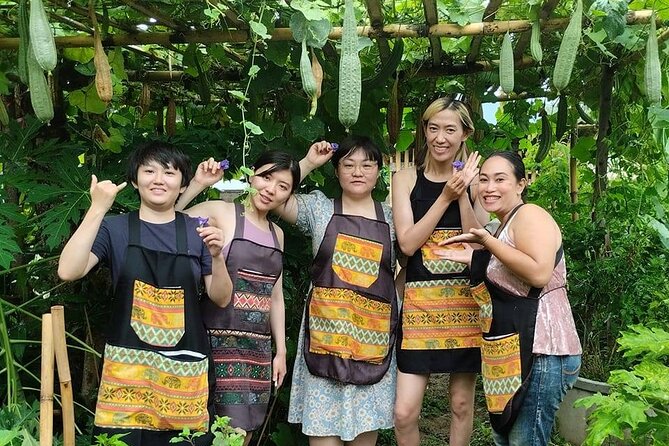
- Organic Thai herb garden: where the flavor starts
- Choosing your dishes: control without complexity
- Curry paste from scratch: the skill that transfers to your own cooking
- Sticky rice with mango: how dessert becomes part of the craft
- Cooking with a traditional Thai family style: stations, pacing, and attention
- Eating together: turning cooking into a meal you remember
- Transfers, timing, and group size: what it means for your day
- What you’ll actually get: inclusions that make the class easier
- Weather and the garden: when your schedule might shift
- Who should book this ThaiCottage cooking class
- Should you book this cooking class in Chiang Mai?
- FAQ
- How long is the ThaiCottage cooking class?
- Is hotel pickup and drop-off included?
- What do I cook during the class?
- How big is the group?
- Are the instructions and recipes available in English?
- What happens if it’s canceled due to weather?
Key things I’d plan around
- Small group cap of 8 means you get time at the stove, not just a look around.
- Curry paste from scratch is the centerpiece skill, and it’s taught with an emphasis on technique.
- Market visit plus organic herb garden helps you connect what you buy with what you cook.
- You pick your dishes, so you’re not stuck making something you won’t enjoy.
- Sticky rice with mango is included, so dessert is part of the hands-on payoff.
- English recipes in a PDF help you repeat the dishes back home.
Thai kitchens got sat through and written up
- Half-Day Thai Cooking Class at Organic Farm in Chiang Mai★ 5.0 · 19,087 reviews
- Chiang Mai: Cooking Class, Market & Thai Herbs Garden Tour★ 4.9 · 4,824 reviews
- Chiang Mai: Authentic Cooking Class with Market & Farm Visit★ 4.9 · 4,546 reviews
- Thai and Akha Cooking Class in Chiang Mai★ 5.0 · 4,358 reviews
ThaiCottage in Chiang Mai: why this cooking class feels worth it
For $35.86 per person and about 4 hours on the clock, this is one of the better “full experience” formats in Chiang Mai. You’re not just learning one dish, you’re connecting ingredients to technique, then cooking and eating in a garden-kitchen setting.
What makes it good value is the combo of included items. You get round-trip hotel transfer within 3 km of the city area, a local market visit, organic Thai herb garden time, ingredients and instructions in English, drinking water, and an online PDF recipe book. In other words, you’re paying for more than recipes, you’re paying for guided time.
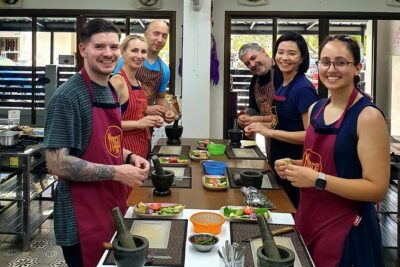
It’s also designed for practical learning. A maximum of 8 people keeps the group manageable, and you cook family-style together rather than waiting your turn in a crowd.
Pickup and getting oriented: the first part sets the mood
The day starts with hotel pickup and a transfer to the market. It’s a small detail, but it matters. A cooking class can eat up your day if you’re trying to navigate on your own, and Chiang Mai traffic is not always your friend.
Once you’re collected, the plan is straightforward. You head to the market, then move on to the organic herb garden for the cooking portion. This pacing is useful because it keeps you from feeling like you’re “just looking” for hours before you get to cook.
In my experience, the best way to do well on a class like this is to treat the pickup time as the moment to get your mindset right. Decide what flavors you like, spicy or mild, and be ready to choose dishes when your instructor gives options later.
The local market tour: ingredients you can actually point to
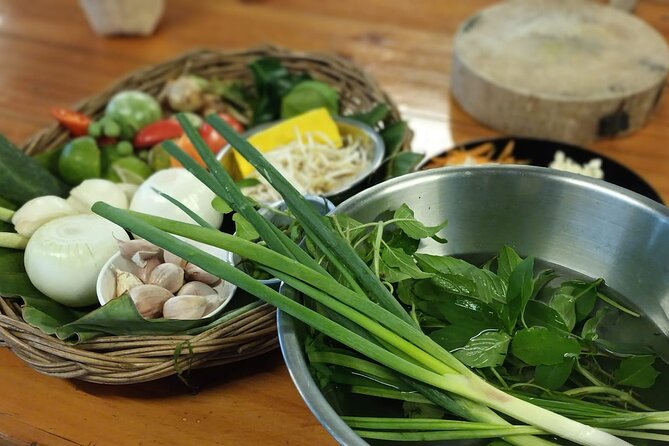
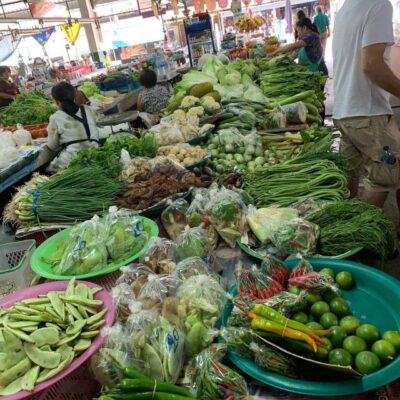
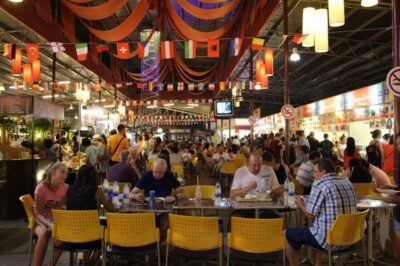
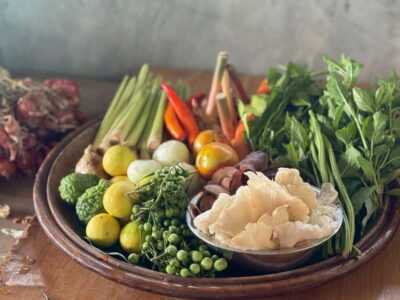
The market visit is the part that makes this class more than a cooking demo. You walk through the food landscape, see the fresh vegetables and ingredients that matter in Thai cooking, and you learn what you’ll be using in the garden kitchen.
One thing to know: market time may include some free exploring, so you might not get deep explanations on every single product you see. If that sounds annoying, you can make it work for you by doing two things:
- Take a quick photo of ingredients you don’t recognize.
- Ask about the ones you want to cook with later, especially for curry paste flavors.
You’ll also get the benefit of context. Thai cooking is all about balance, sour, salty, sweet, and heat. Seeing ingredients in the same place Thai cooks shop helps you understand why the flavors land the way they do.
Organic Thai herb garden: where the flavor starts
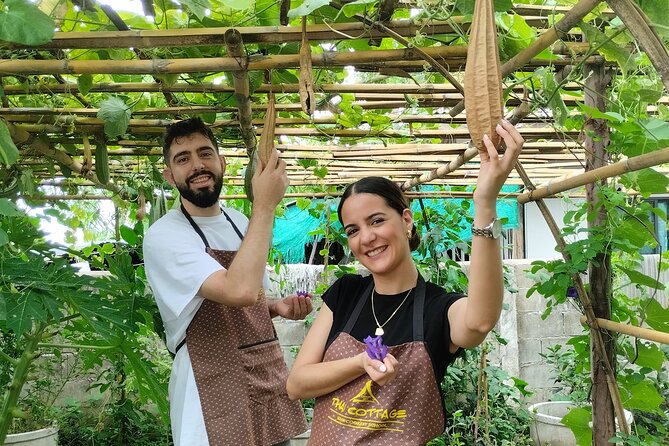
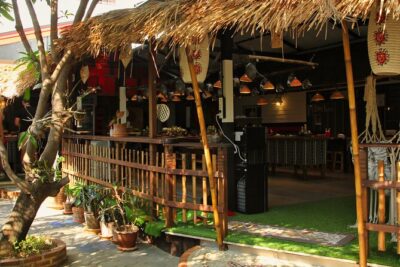
After the market, you go to an organic herb garden. This is where the experience turns tactile. You’re not just reading ingredient lists, you’re finding herbs and vegetables in the environment they come from.
The garden visit also sets up the cooking choices. When you can see and smell ingredients right before class, it’s easier to understand what each dish will taste like. It’s also the stage where many people get excited, because the “Thai flavors” you’ve heard about become real, visible plants.
Think of it like a guided ingredient reset. By the time you reach the kitchen area, you’re ready to pay attention to technique instead of guessing what something should taste like.
Thai market visits sat in the same notebook

Choosing your dishes: control without complexity
A big reason people love this class is the way dish selection works. You don’t end up cooking something you’d never order. You choose what you want to prepare from the offered options.
The structure is designed so everyone still learns the core Thai cooking foundations. Alongside your chosen dishes, everyone learns to make curry paste from scratch, and everyone makes sticky rice with mango as a traditional sweet finish.
In practice, many classes of this type land in a familiar set of dishes like a soup, stir-fry, curry, and dessert, but the key point for you is flexibility. You’re not just following someone else’s exact menu.
If you’re cooking with friends, this option is also great. You can choose different dishes and then taste each other’s results. That makes it easier to identify what you want to replicate at home.
Curry paste from scratch: the skill that transfers to your own cooking

If you care about Thai food beyond one meal, curry paste from scratch is the skill to focus on. Most people eat curry and think it’s about the sauce, but paste is where the personality lives.
In this class, you make curry paste from scratch and get hands-on direction so you understand the process, not just the final paste. You’ll learn how ingredients come together and how technique affects the texture and flavor.
Practical tip for you: don’t just taste the paste, pay attention to the stage you’re at. Thai curry paste is not a “mix everything and done” situation. Grinding, balancing aromatics, and adjusting to the flavors you want are part of the lesson. Once you can do that, you’re closer to cooking Thai meals on your own.
Sticky rice with mango: how dessert becomes part of the craft
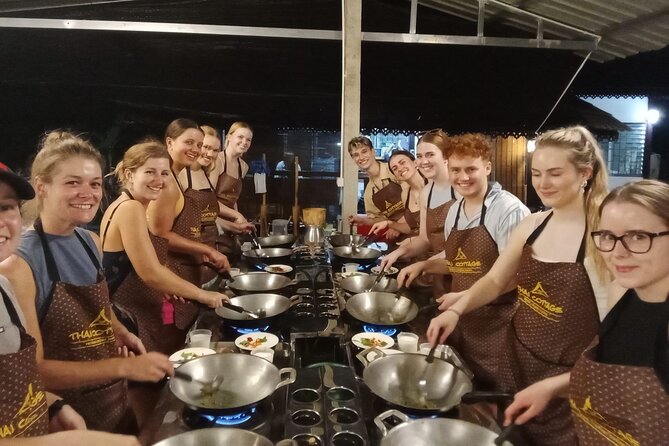
The dessert isn’t an afterthought here. Everyone learns to make sticky rice with mango, a sweet and classic Thai combo.
This matters because sticky rice is one of those dishes that often disappoint at home if you don’t get the method right. Having it included in the class means you’ll likely leave with a more reliable approach than you’d get from a recipe alone.
You’ll also taste it in a Thai family-style meal format, which helps you understand how the dessert sits with the rest of the flavors. It’s a clean, comforting finish after the savory dishes.
Cooking with a traditional Thai family style: stations, pacing, and attention
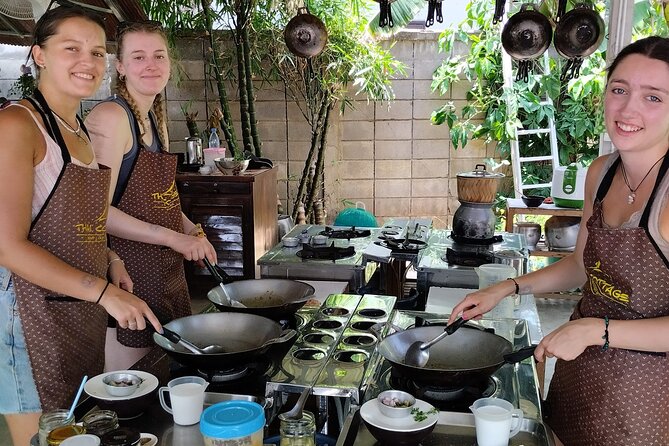
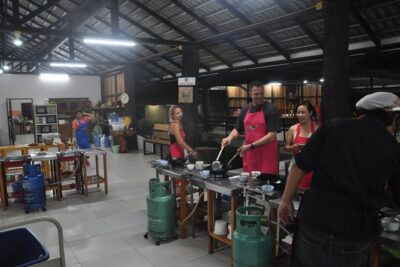
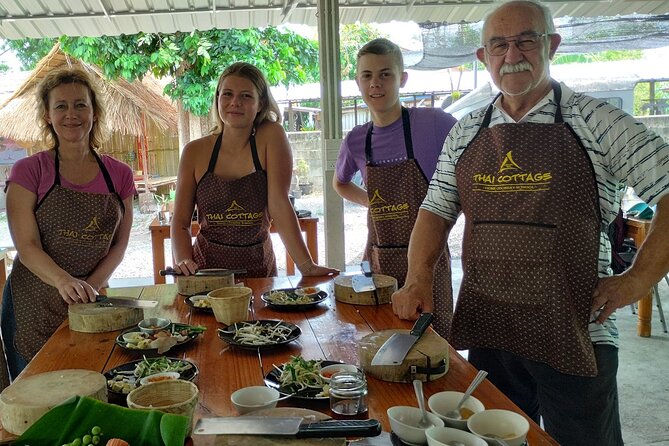
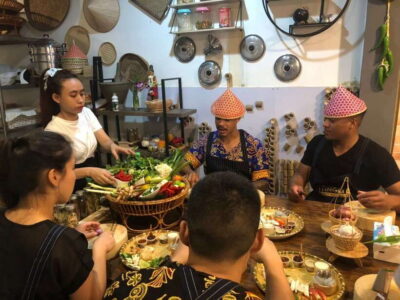
The cooking itself happens in a traditional Thai family style. You cook and eat together, and the instructor guides techniques at your pace.
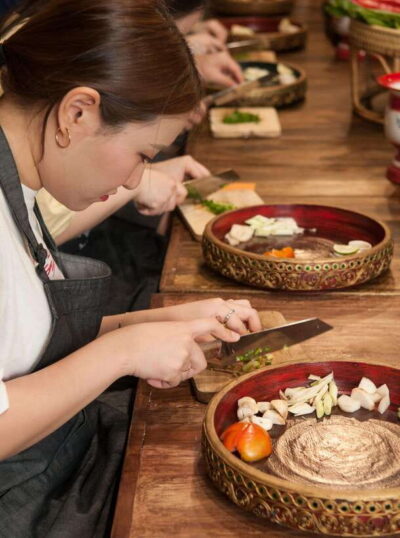
A recurring positive theme in the way the class runs is how organized it feels. People often note that each person gets a cooking station, which makes a big difference. When everyone has workspace, you spend more time learning and less time waiting.
Also, because it’s a small group, language support tends to be more effective. The class includes ingredients and instructions in English, and the teaching style is built for interactive learning. If you’re nervous about your cooking skills, you’ll likely relax once you’re actively chopping, grinding, and cooking alongside the instructor.
One practical note: some parts of the day may include items already prepared to keep things on schedule. That’s normal for a group class, especially when you’re learning multiple dishes in one afternoon. The best value is still in the taught steps, especially the curry paste and the key dish techniques.
Eating together: turning cooking into a meal you remember
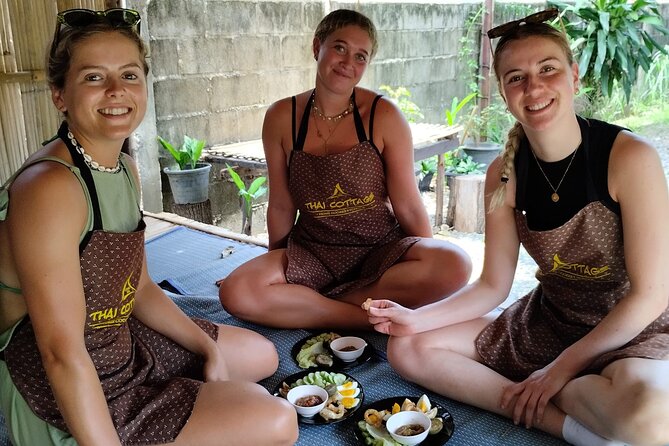
You don’t just cook and leave. You eat what you make together in the garden kitchen setting. This is where the day becomes satisfying, because your choices show up on the table.
This is also where you can check your understanding. Taste your soup, your stir-fry, your curry, or whatever you chose. Then connect that taste back to what you did during prep. That feedback loop is what helps you remember.
If you’re a foodie who likes to learn by eating, this meal format is ideal. It’s not just a class, it’s a complete Thai food experience in one sitting.
Transfers, timing, and group size: what it means for your day
The duration is about 4 hours. That makes it a good fit for people who want a meaningful activity without losing half the trip.
Pickup and drop-off are included, but only within 3 km from the city area. So if your hotel is a bit farther out, you should confirm whether pickup is available for your exact location before you book.
The group size maximum of 8 is a major reason the experience works. In a larger group, cooking classes often feel rushed and hands-on time drops. Here, the smaller cap supports more instructor attention and more actual cooking time.
For your planning, I’d treat it like a half-day cultural meal activity. Eat lightly beforehand so you’re ready to taste and enjoy the dishes you cook.
What you’ll actually get: inclusions that make the class easier
Here’s what’s included in the experience:
- Hotel round-trip transfer within 3 km of the city area
- Visit to a local market
- Organic Thai herb garden visit
- Ingredients, recipes, and instructions in English
- Drinking water
- PDF version recipe book online
Alcoholic drinks are not included, but they’re available to purchase. If you like to add a drink to your meals, plan on paying extra for it.
The online PDF recipe book is worth paying attention to. It’s one thing to get a list of ingredients, it’s another to have guidance you can reference later. When you leave, you’ll be able to recreate the meal rather than just remember flavors.
Weather and the garden: when your schedule might shift
Because the class is centered on an organic garden and a garden kitchen setting, it requires good weather. If it’s canceled due to poor weather, you’ll be offered a different date or a full refund.
This is not the kind of tour where you should ignore the weather forecast. If rain is in the forecast during your chosen day, consider booking at a time when you have flexibility for a reschedule.
Who should book this ThaiCottage cooking class
This class is a strong fit if:
- You want a hands-on Chiang Mai Thai cooking class, not just watching.
- You care about core skills like curry paste from scratch.
- You like choices in your menu, so you can cook dishes you actually want to eat.
- You enjoy market learning, ingredients you can recognize when you’re shopping later.
It’s also a good pick for couples, because you’ll cook and eat a shared meal, but you can still choose different dishes if you want variety.
If you’re a “cook everything from absolute raw ingredients in every step” purist, you might feel a little limited by the group-class pacing. But you’ll still get the important taught techniques, especially curry paste and the traditional sticky rice with mango dessert.
Should you book this cooking class in Chiang Mai?
My honest take: yes, you should book it if you want a compact, high-satisfaction experience where you cook Thai food using ingredients you shop for and herbs you see in an organic garden setting.
Book it sooner rather than later if you like learning curry paste methods and you want recipes you can use again. Skip it only if you dislike market walking with some free time, or if you want a fully custom one-on-one class with no shared pacing.
If you’re in Chiang Mai for a short stay and you want one activity that hits flavor, technique, and local food culture in about 4 hours, this is a very practical choice.
FAQ
How long is the ThaiCottage cooking class?
It lasts about 4 hours.
Is hotel pickup and drop-off included?
Yes, round-trip hotel transfers are included, but only within 3 km from the city area.
What do I cook during the class?
You’ll explore ingredients at a local market and then cook Thai dishes in the organic herb garden. You can choose what dishes you want to cook, and everyone learns to make curry paste from scratch and sticky rice with mango.
How big is the group?
The class has a maximum of 8 travelers.
Are the instructions and recipes available in English?
Yes. Ingredients, recipes, and instructions are provided in English, and you receive a PDF version recipe book online.
What happens if it’s canceled due to weather?
The experience requires good weather. If it’s canceled because of poor weather, you’ll be offered a different date or a full refund.
Thai kitchens you can book into
Guided Thai outings, continued
What else made it into the Thailand notebook
What else made it into the Chiang Mai notebook
- Full-Day Doi Inthanon National Park Tour with Trek and Pagodas
★ 4.5 · 20 reviews - Chiang Mai Private Tourist Guide with Private Transportation
★ 5.0 · 20 reviews - Private Luxury Car rental + English speaking driver:
★ 5.0 · 20 reviews - Half day Long Neck hill tribe and Hmong hill tribe village
★ 5.0 · 21 reviews - Chiang Rai One Day: Golden Triangle, Laos Border, Long Neck Tribe
★ 3.5 · 21 reviews - Old Town Chiang Mai Food Tour with 10+ Local Dishes Tastings
★ 5.0 · 21 reviews
Cooking Classes, compared.
 ★ 5.0Half-Day Thai Cooking Class at Organic Farm in Chiang MaiFrom $2919,087 reviews
 ★ 4.9Cooking Class, Market & Thai Herbs Garden TourFrom $314,824 reviews
 ★ 4.9Authentic Cooking Class with Market & Farm VisitFrom $344,546 reviews
 ★ 5.0Thai and Akha Cooking Class in Chiang MaiFrom $424,358 reviews
 ★ 5.0Phuket Thai Cooking Class with Market Tour OptionFrom $652,665 reviews
 ★ 4.9Hands-on Thai Cooking Class and Market TourFrom $451,614 reviews
 ★ 4.9Cooking Class with Market and PickupFrom $251,365 reviews
 ★ 4.9Tingly Thai Cooking School Half-Day Cooking ClassFrom $411,191 reviews
Browse the lists this tour appears in