
REVIEW · CHIANG RAI WHITE AND BLUE TEMPLE TOURS
Chiang Mai: Chiang Rai Temples, Karen Tribe and Hot Springs
Chiang Rai is a whole day of wow. This tour strings together Mae Kachan Hot Springs and three signature temples, plus a Karen long-neck village stop, so you get variety without changing hotels. The pace is busy, but the sights are the kind that stick in your camera roll.
I especially like how the day mixes art you can’t ignore with everyday human culture. The Wat Rong Khun (White Temple) is pure modern Buddhist theater, and the Wat Rong Suea Ten (Blue Temple) feels calm in a way that resets your head.
The only real catch is the time. You’re looking at a long day in a coach, with heat and long drives between stops, so go in with the right expectations and comfortable shoes.
In This Review
- Quick hits before you go
- Your day starts with warm mineral water, then speeds up
- Mae Kachan Hot Springs: what it is, what it is not
- The Karen long-neck Mae Kachan village: cultural experience with real-world context
- Wat Rong Khun (White Temple): modern Buddhist design you’ll want to see in person
- Lunch in Chiang Rai: plan for hungry, then get moving
- Wat Rong Suea Ten (Blue Temple): calm inside a loud color scheme
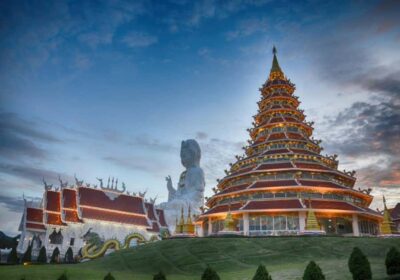
- Huay Pla Kang Temple: nine-tier pagoda plus Guan Yin views
- Time, transport, and why the pace feels intense
- Tour value at around $35: what you get for the money
- Guide style, languages, and how to use the audio option
- What to bring, what not to bring, and how to avoid temple friction
- Who this tour is best for (and who should skip it)
- Should you book this Chiang Rai temples, Karen village, and hot springs day trip?
- FAQ
- How long is the Chiang Rai temples and Karen village tour from Chiang Mai?
- What is included in the price?
- Do I need to pay extra fees during the day?
- Can I swim at Mae Kachan Hot Springs?
- What languages are available for the guide and audio guide?
- Where do I meet the guide?
- What should I bring and wear?
Quick hits before you go
- Hot springs start the day gently: warm mineral water with a relaxing break, but swimming is not allowed
- White Temple has modern symbolism: glass details, Buddhist themes, and surprising imagery
- Blue Temple is color therapy: deep blue interior tones, gold accents, and dragon guards
- Karen long-neck village teaches you through craft and culture: brass neck rings and handmade items, plus shopping time
- Huay Pla Kang Temple delivers big views: huge Guan Yin statue and a nine-tier pagoda
Wat Rong Khun runs also got a going over
- Chiang Mai: Chiang Rai Temples, Karen Tribe and Hot Springs★ 4.7 · 5,401 reviews
- Chiang Rai White Temple and Blue Temple Day Tour★ 4.6 · 3,366 reviews
- Chiang Rai Temples: Private Tour from Chiang Mai★ 5.0 · 1,267 reviews
- From Chiang Mai: Chiang Rai’s Temples Exploration Day Trip★ 4.5 · 871 reviews
Your day starts with warm mineral water, then speeds up
Pick-up is at Burger King Thapae in Hotel M Chiangmai, and the big rule is simple: be there 15 minutes before departure. From the second you join the group, the tour runs like a well-timed road trip, with a coach ride to get you north fast.
The first real stop is Mae Kachan Hot Springs. Even if you don’t plan to stay long, it’s a smart way to begin. The water is warm mineral water for a quick reset, and you’ll get a guided moment plus time for photos. The one limitation you should know up front: swimming is not allowed. Think more “soak your feet and breathe,” less “full swim session.”
If you’ve been traveling in Thailand for more than a day, you already know the heat can get loud. Starting with something soothing helps you handle the later temple climbs and stair-heavy temple grounds without feeling wrecked.
Mae Kachan Hot Springs: what it is, what it is not
This stop works because it’s short, easy, and practical. You’re not stuck waiting around, but you also get a break before you head into the more intense cultural and religious sites.
What to plan for:
- Photo stop plus guided tour, so you’re not wandering blind
- No swimming, but you can still enjoy the warm water for a brief comfort moment
- Shops and coffee options nearby, so you can snack or grab a drink if you need it
One more reason this stop is worth it: it helps you settle into the rhythm of the day. Later, you’ll be moving between temples that can feel like different worlds, with a lot of stairs and crowds at the most famous sites.
The Karen long-neck Mae Kachan village: cultural experience with real-world context
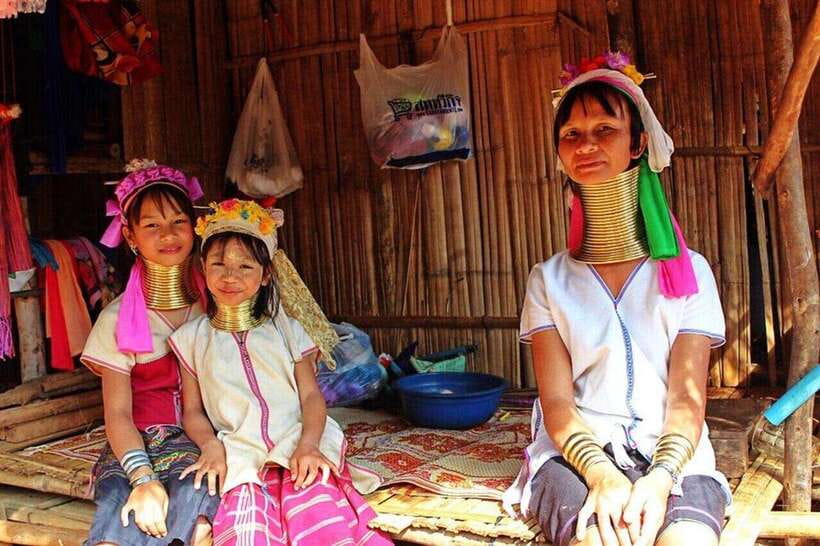
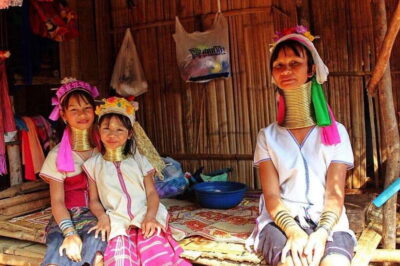
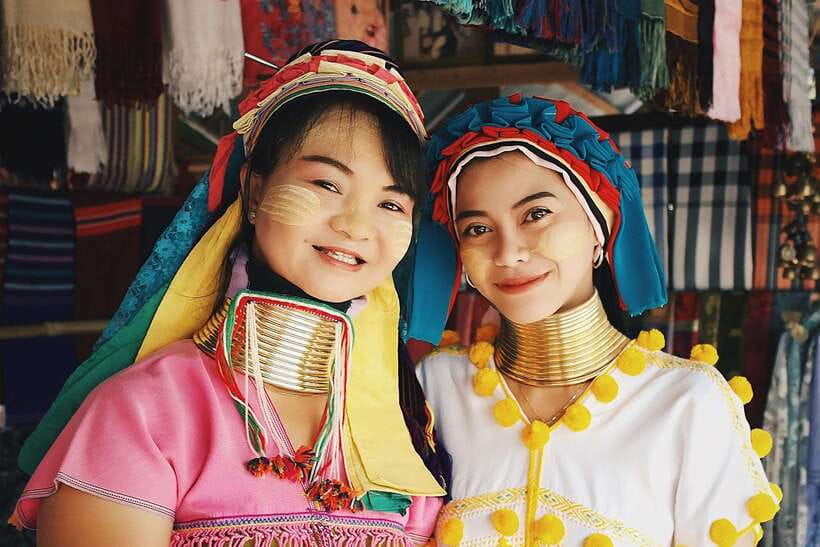
After the hot springs, you head to the Mae Kachan Karen long-neck village. This is one of those stops you can’t treat like a quick postcard stop. The women in the community traditionally wear brass neck rings, a practice that’s passed through generations. The village is also known for handmade crafts, and there’s usually time to look and, yes, buy.
A practical note: the long-neck village entrance fee is 300 THB and is not included in the tour price. If you don’t want surprises, keep some cash ready.
How to make this stop meaningful:
- Go in curious, not judgmental. The point is to learn how people live, not to turn it into a show.
- Be respectful with photos. Even when a place welcomes visitors, courtesy matters.
- If shopping is on your list, look for pieces made on-site rather than mass-produced souvenirs.
In the same spirit, it’s worth saying plainly: this kind of cultural practice can feel unsettling to some people. If you’re sensitive to that, do your own research ahead of time and decide what feels right for you in person.
Wat Rong Khun (White Temple): modern Buddhist design you’ll want to see in person
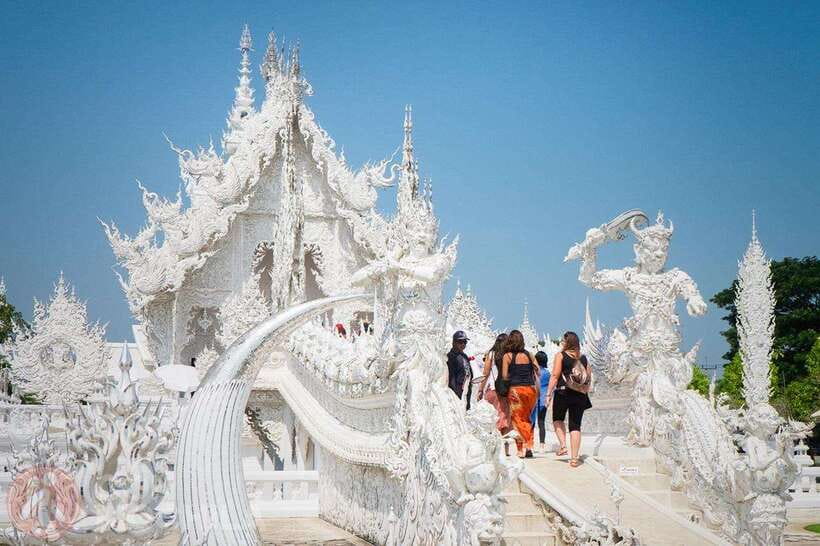
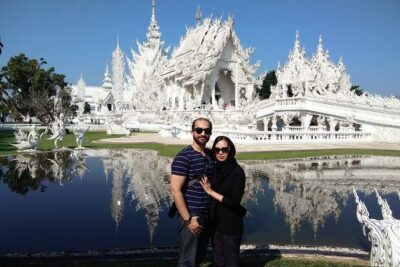
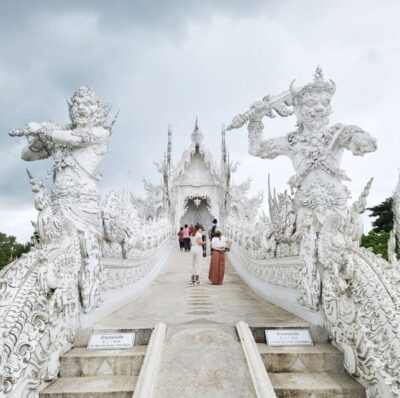
Then the day turns sharply toward the star attraction: Wat Rong Khun, the White Temple. This isn’t a traditional temple that looks old and simple. It’s a contemporary creation by artist Chalermchai Kositpipat, designed to represent purity through its all-white look, while the details point you toward Buddhist wisdom.
Here’s what I’d tell you to watch for once you’re there:
- The intricate glass elements: they catch light and turn the architecture into something almost shimmering
- The mix of classic and modern imagery: it can feel surprising if you expect only traditional religious art
- The overall symbolism: it’s not just “pretty white building,” it’s meant to communicate meaning
Expect crowds. This is the one that gets photographed the most. So bring patience for slow-moving viewpoints and use the audio guide option if you want extra context without crowding your brain.
Thai village visits got read for the small print
Lunch in Chiang Rai: plan for hungry, then get moving
Lunch is included as a stop in Chiang Rai Province, but the specific meal isn’t included in the tour price. In other words, you get time to eat, but you should budget for your lunch separately.
This matters because the day still has two major temple sites after lunch. If you eat lightly, you’ll still feel okay during stair climbs later. If you go heavy, take it slow at Wat Rong Suea Ten and save your energy for Huay Pla Kang.
Wat Rong Suea Ten (Blue Temple): calm inside a loud color scheme
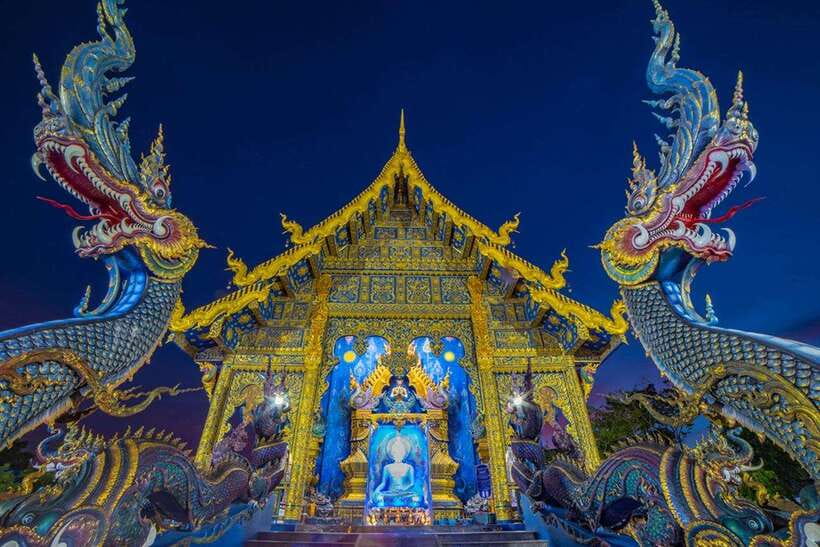
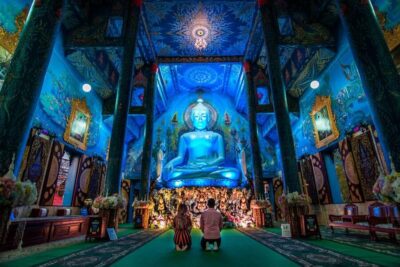
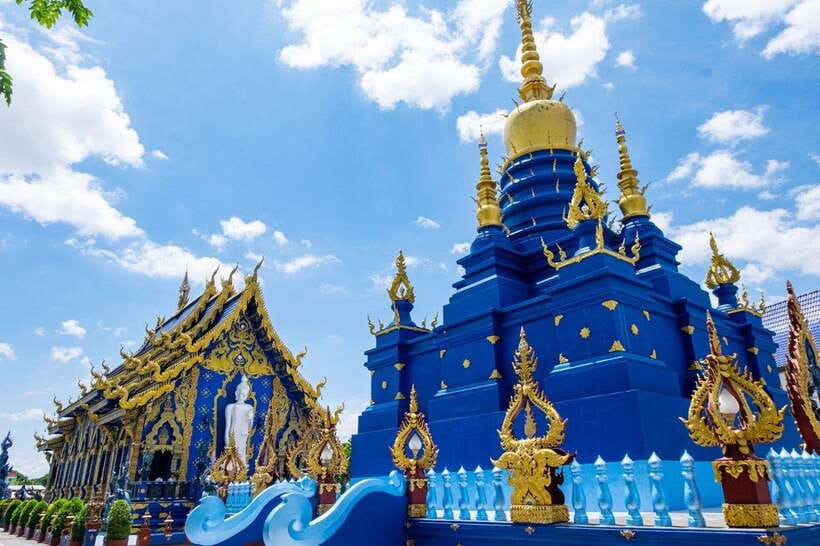
Next is the Blue Temple, formally known as Wat Rong Suea Ten. If the White Temple feels like bold modern symbolism, the Blue Temple feels more like a meditation you can walk into.
What you’ll notice quickly:
- Deep blue interior tones with gold details
- Dragon statues guarding the entrance
- A bright Buddha statue at the center that becomes the visual anchor once you step inside
I like this stop because it balances the day. The White Temple can feel like visual overload in the best way. The Blue Temple slows your pace. The colors do something to your mood, like your eyes are finally allowed to rest.
Use the time wisely. Don’t spend your whole visit just taking photos from the same spot. Walk around, find the light angles, and give yourself a moment to look at the center view before you rush.
Huay Pla Kang Temple: nine-tier pagoda plus Guan Yin views
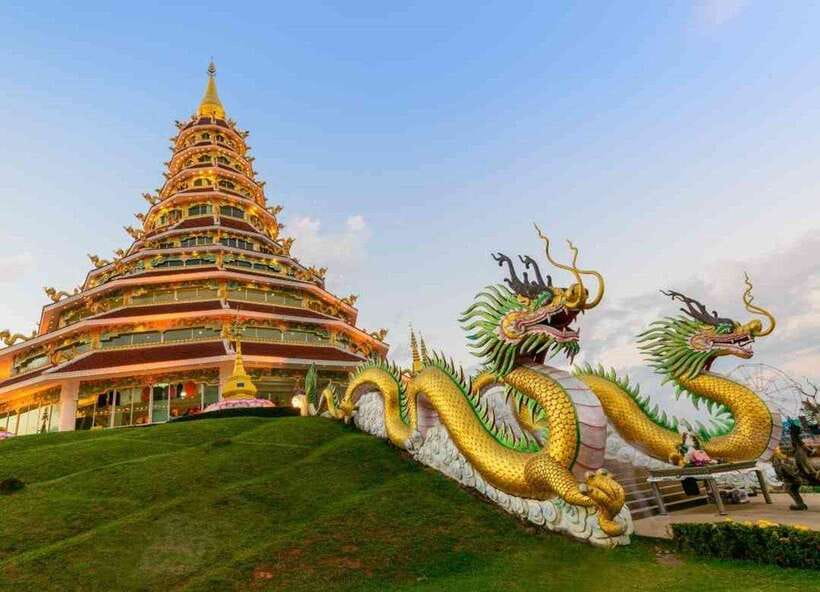
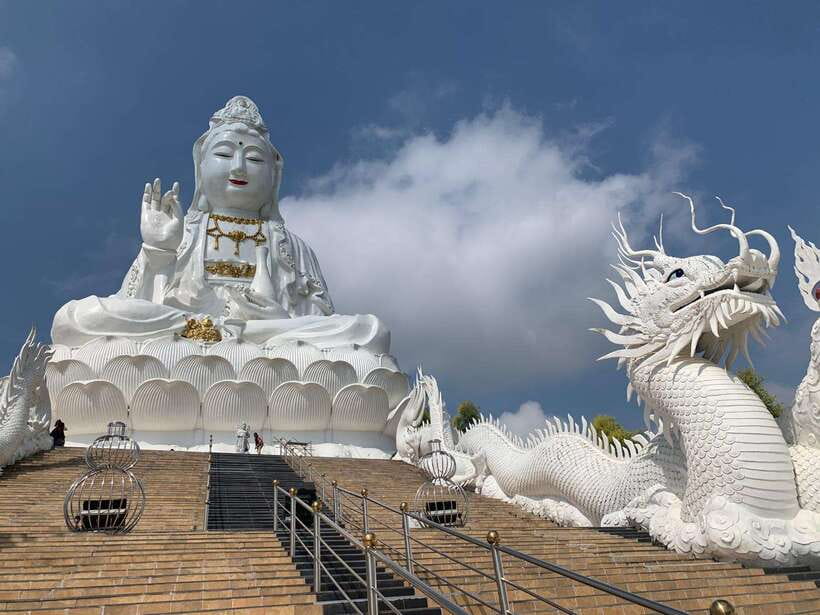
The final temple stop is Huay Pla Kang Temple, famous for its large statue of Guan Yin, Goddess of Mercy, and its nine-tiered pagoda. If you want one place in the day where you get both art and sweeping sightlines, this is it.
This is also the stop where stair energy matters. You’ll likely climb to reach higher levels, and you’ll want to wear comfortable shoes with grip. The temple grounds include beautifully carved statues and decorative details, so even if the climb is a workout, the reward is real.
Practical tip: go in order. Look at the main elements first, then work your way around. If you wait too long, time can run short, especially if the group stays together tightly to meet drop-off schedules.
Time, transport, and why the pace feels intense
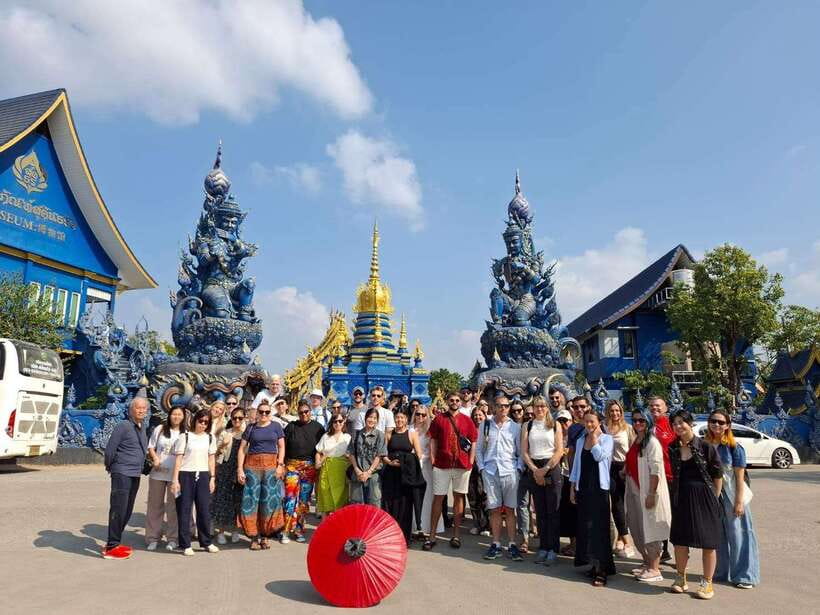
This tour runs for about 11 hours (listed as 810 minutes). There are multiple coach segments, including roughly 1.5 hours to the hot springs area and about 2.25 hours up to the White Temple region. Between stops you’ll also have short driving legs.
That means you’ll spend a noticeable chunk of the day on the bus. Most people consider it normal for a one-day Chiang Rai hit from Chiang Mai, but it still helps to plan your comfort:
- wear breathable clothes
- bring sunglasses and sunscreen
- keep water in mind, especially on warm days
Group dynamics can also affect your timing. You’re visiting major sites, and waiting is part of the deal. The value is that the coach moves you efficiently between the far-flung north stops, so you’re not stuck figuring out routes alone.
Tour value at around $35: what you get for the money
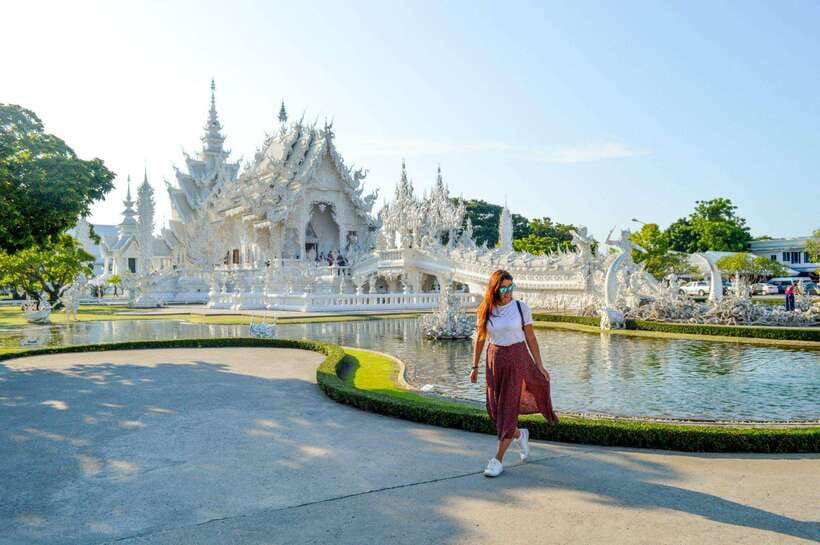
At roughly $35 per person, this tour can feel like a bargain, and it’s not just because of the temples.
What’s included that actually saves you money:
- Round-trip transportation from Chiang Mai
- Air-conditioned coach
- An official tour guide
- Entrance fees for Wat Rong Khun (White Temple), Wat Rong Suea Ten (Blue Temple), and Huay Pla Kang Temple
- Mandatory insurance
- Audio guide via QR available in many languages (but you need your own earphones)
What costs extra:
- Lunch (not included)
- Long-neck village entrance fee: 300 THB
- Earphones (not included)
To me, the value comes from three combined things: you get transport across the region, you don’t pay separate temple entry fees for the biggest sites, and a guide helps translate what you’re seeing so it’s not just decoration.
If you’re the type who wants maximum meaning per hour, a guided format like this is a solid deal.
Guide style, languages, and how to use the audio option
The live guide speaks English only, and the tour provides audio guide via QR in 41 languages. You’ll need to bring your own earphones because the audio is not fully usable without them.
This matters because Chiang Rai temples can be symbolic and layered. If you tune into audio for the moments that interest you, you’ll get more out of the art and religious references without slowing the group down.
Also, based on multiple guide names associated with this route, the best moments usually come from guides who keep the mood light while still explaining what you’re looking at. Guides like Benz, Kwan, Ruby, Ann, and Dee are repeatedly described as energetic and helpful, with lots of practical pacing advice and good photo tips.
What to bring, what not to bring, and how to avoid temple friction
Do yourself a favor and come prepared. The tour’s own rules are simple:
- Bring passport or ID card
- Wear comfortable shoes
- Bring sunglasses, sun hat, sunscreen, insect repellent
- Dress modestly at temples
- Avoid large bags or luggage
- No alcohol and drugs
If you follow that, you won’t waste time on awkward re-stuffing bags or dealing with tight entry rules at temple areas.
Who this tour is best for (and who should skip it)
This is a great pick if:
- you want major Chiang Rai sights in one day from Chiang Mai
- you like a mix of art, temples, and culture
- you enjoy guided context more than wandering solo
It may not be the best choice if you:
- have mobility limitations, because the temples involve stairs and the tour is not suitable for people with mobility impairments
- hate long travel days, because the coach time is real and the day can feel like it runs hot and fast
Should you book this Chiang Rai temples, Karen village, and hot springs day trip?
I think you should book it if you want a high-impact day that hits the main artistic temples, includes a human culture stop, and starts with a soothing hot-springs break. The included temple entrance fees plus transportation make it a strong value, and the audio guide option helps you turn photos into understanding.
I would hesitate if you want a slow, reflective pace, or if you’re uncomfortable with the realities of cultural-practice tourism. The long-neck village is fascinating for some people and emotionally complicated for others, so decide what kind of visit you want before you go.
If you’re ready for a packed schedule and you like seeing the big three temples of Chiang Rai in one shot, this is an efficient way to do it without getting stuck planning logistics on your own.
FAQ
How long is the Chiang Rai temples and Karen village tour from Chiang Mai?
The tour runs about 11 hours total.
What is included in the price?
Round-trip transportation from Chiang Mai, air-conditioned vehicle, an official tour guide, entrance fees for the White Temple, Blue Temple, and Huay Pla Kang Temple, mandatory insurance, and an optional audio guide via QR. Lunch is not included.
Do I need to pay extra fees during the day?
Yes. The long-neck village entrance fee is 300 THB and is not included in the tour price. Lunch is also not included.
Can I swim at Mae Kachan Hot Springs?
No. Swimming is not allowed there. You can still enjoy the warm mineral water as a relaxing stop.
What languages are available for the guide and audio guide?
The live official guide speaks English only. An audio guide via QR is available in many languages, and you need your own earphones.
Where do I meet the guide?
Meet the guide 15 minutes before departure at Burger King Thapae in Hotel M Chiangmai.
What should I bring and wear?
Bring passport or ID, comfortable shoes, sunglasses, sun hat, sunscreen, and insect repellent. Wear modest clothing for temples and avoid large bags.
The Emerald Pool, the springs and the cave temple
Village visits, and who the money reaches
The White Temple and the Blue Temple, continued
What else made it into the Chiang Mai notebook
- Half day Long Neck hill tribe and Hmong hill tribe village
★ 5.0 · 21 reviews - Chiang Rai One Day: Golden Triangle, Laos Border, Long Neck Tribe
★ 3.5 · 21 reviews - Old Town Chiang Mai Food Tour with 10+ Local Dishes Tastings
★ 5.0 · 21 reviews - 5 Day Tuk Tuk Adventure in Chiang Mai – with driver
★ 5.0 · 21 reviews - 1 Hour Foot Relaxing – Free Transportation
★ 5.0 · 21 reviews - Rantong elephant sanctuary Chiangmai
★ 4.4 · 21 reviews
Chiang Rai White and Blue Temple Tours, compared.
 ★ 4.6Chiang Rai White Temple and Blue Temple Day TourFrom $273,366 reviews
 ★ 4.9Guided Highlights Guided Tour with Buffet LunchFrom $371,532 reviews
 ★ 5.0Chiang Rai Temples: Private Tour from Chiang MaiFrom $1441,267 reviews
 ★ 4.5Chiang Rai’s Temples Exploration Day TripFrom $51871 reviews
 ★ 4.9Iconic Temples & 7 Major Sites—River View BuffetFrom $37692 reviews
 ★ 4.5Chiangmai to Chiangrai: 3 Temples, Hot Springs& Lalitta CafeFrom $41659 reviews
 ★ 4.8White, Blue, Red Temples, Long Neck TourFrom $57652 reviews
 ★ 4.5Chiang Rai White Temple, Blue Temple and more from Chiang MaiFrom $39605 reviews
Browse the lists this tour appears in