
REVIEW · HILL TRIBE VILLAGE VISITS
Chiang Dao Cave & 5 Hill Tribe villages
Lantern caves and hill tribe life in one day. This Chiang Dao Cave and 5 Hill Tribe villages trip mixes culture with real countryside sights, plus a greenhouse stop for orchids and butterflies. You start in Chiang Mai, then head north to Ban Huai I-Ko and Chiang Dao, where the cave walk is lit by lanterns.
I like how the day is built around local communities rather than staged performances. I also like that the cave is handled with a local cave guide, so you are not wandering in the dark guessing what to do. Expect stories about daily life, beliefs, and plants along the way, often with guides such as Jane, Tik, Saman, Amy, and Leo mentioned by name.
One consideration: Chiang Dao Cave includes two narrow passages that require crawling. If you get claustrophobic, this is not a casual stroll.
In This Review
- Key highlights you will actually feel on the day
- Why this Chiang Dao Cave and hill tribe combo is worth your time
- Pickup, timing, and how the 8-hour schedule behaves
- Ban Huai I-Ko: five hill tribe villages, Akha to Karen
- Chiang Dao Cave: lantern light, tight crawl points, and real darkness
- What the cave walk is like in practice
- Who the cave portion suits best
- Bai Orchid and Butterfly Farm: a greenhouse stop that adds color and calm
- Guides make or break this kind of day trip
- What you pay for, and where extra costs can appear
- Small practical tips that prevent headaches
- Who should book, and who might skip this one
- Should you book Chiang Dao Cave and 5 Hill Tribe villages?
- FAQ
- What time does the tour start, and how long is it?
- Is pickup and drop-off included?
- What entrance fees are included?
- Do I need special shoes for Chiang Dao Cave?
- Is the cave suitable for claustrophobia?
- How big is the group?
Key highlights you will actually feel on the day
- Five hill tribe stops at Ban Huai I-Ko: Akha, Meo, Lisu, Karen, and Palong
- Lantern-guided Chiang Dao Cave: narrow sections, stalactites, stalagmites, and darker-than-you-expect cave air
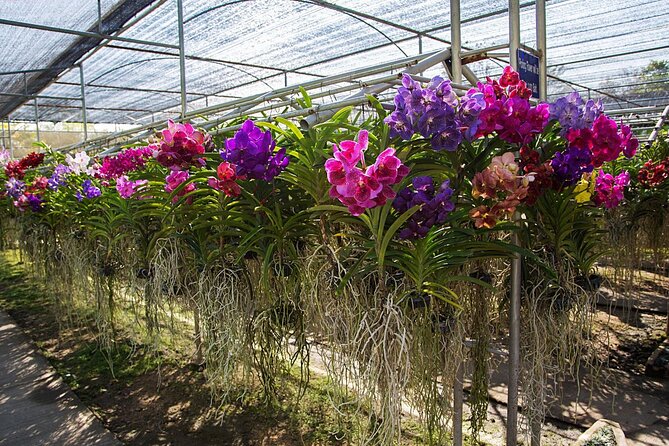
- Bai Orchid and Butterfly Farm: a greenhouse where butterflies flutter over orchids, plus orchid buying to take home
- Small group structure: max 15 travelers, with licensed English-speaking support
- Air-conditioned transport and pickup from Chiang Mai Old City area
Thai village visits got read for the small print
- Chiang Mai: Chiang Rai Temples, Karen Tribe and Hot Springs★ 4.7 · 5,401 reviews
- Thai and Akha Cooking Class in Chiang Mai★ 5.0 · 4,358 reviews
- Chiang Mai: Elephant Sanctuary, Long Neck & Sticky Waterfall★ 4.9 · 2,262 reviews
- 4-Hour Doi Suthep & Hmong Hill Tribe Village from Chiang Mai★ 4.7 · 696 reviews
Why this Chiang Dao Cave and hill tribe combo is worth your time
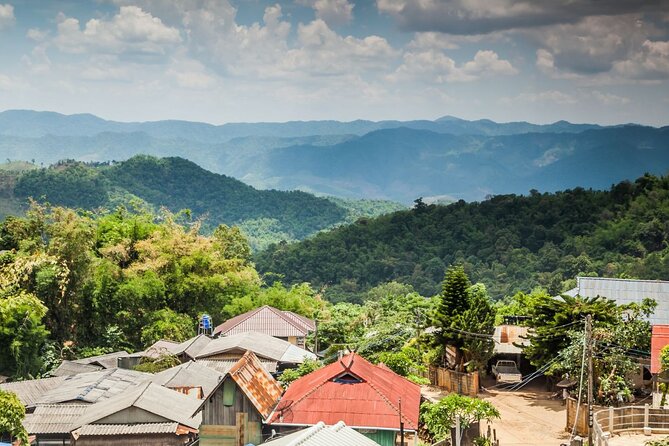
If you have already seen Chiang Mai’s temples, markets, and the usual “big-city Thailand” views, this tour gives you a different angle. It pulls you out of the urban rhythm and into northern countryside life, then tops it off with a cave experience that feels more physical than it sounds.
I like that the day mixes three kinds of “learning”:
1) how people live, farm, and dress in the hill tribe villages,
2) how a major cave formed over time, and
3) how Thai orchids and butterflies are grown and cared for in a controlled greenhouse.
That balance matters. If you only do villages, you can end up with lots of looking and not much context. If you only do the cave, it can feel like a single attraction. Here, you get a full arc, countryside to culture to geology, in about 8 hours.
Pickup, timing, and how the 8-hour schedule behaves
This is an all-day-ish outing without being exhausting. Pickup and drop-off are included for the Chiang Mai Old City area, and you ride in an air-conditioned vehicle, which is a big quality-of-life upgrade in Thailand heat.
The standard start time is 9:00 am, but your exact pickup time can fall between 8:00 and 9:00 depending on how many people are in your group. The tour operator also notes a practical rule: they can wait up to 10 minutes after the scheduled meeting time. That matters because if you are late, you might miss the start and have less flexibility.
Plan for a day that moves. You are hopping between a village learning stop, a longer cave visit, and a greenhouse farm stop. It is not the kind of tour where you can leisurely wander at every point, so if you love unhurried pacing, you may need to manage expectations.
Ban Huai I-Ko: five hill tribe villages, Akha to Karen
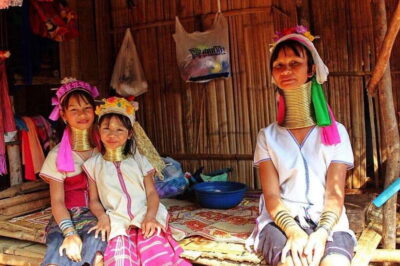
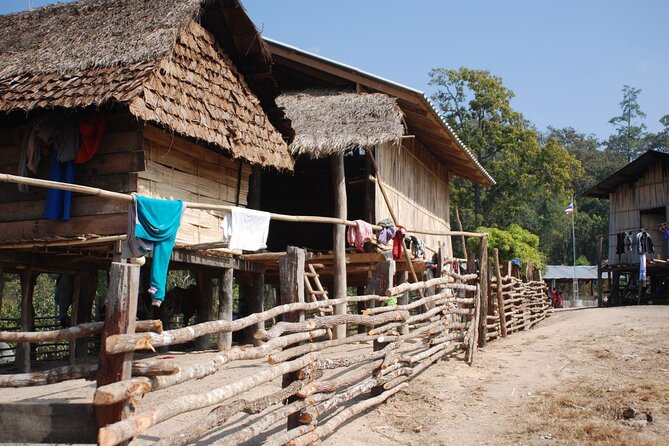
The first big stop happens at Ban Huai I-Ko, a village display area set up to show how several hill tribe groups live and think. The tribes you will see are listed as Akha, Meo, Lisu, Palong, and Karen.
What I like about doing multiple tribes in one go is contrast. These groups have different ways of living, and the tour is structured to help you notice those differences instead of treating them as one generic “tribe” box.
A few practical notes:
- You are not just looking at buildings from outside. You will typically walk through areas where you can observe everyday life and the cultural details connected to it.
- Shopping can happen because villagers often offer handmade goods. That can be part of the experience if you approach it respectfully. If you hate being pressured, keep your wallet mindset on your own choices, not anyone else’s sales pitch.
- Some guides are very strong on plant and practical local knowledge, with stories that connect plants to daily use, not just “look at this.”
One thing to remember: this is still a living community display area, not a theme park. That can be a plus for authenticity, and it can also mean the experience may feel less polished than tourist-only attractions.
Chiang Dao Cave: lantern light, tight crawl points, and real darkness
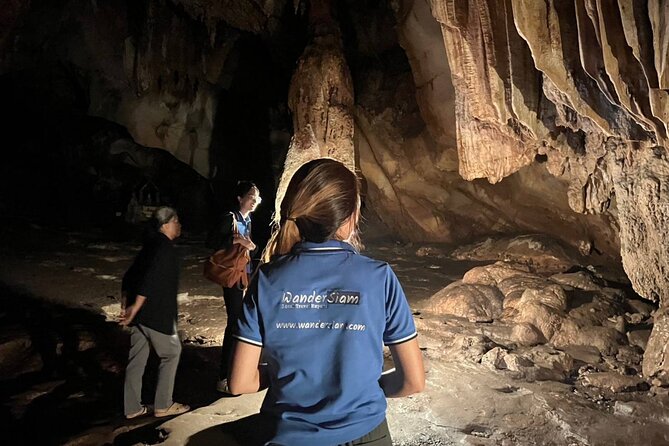
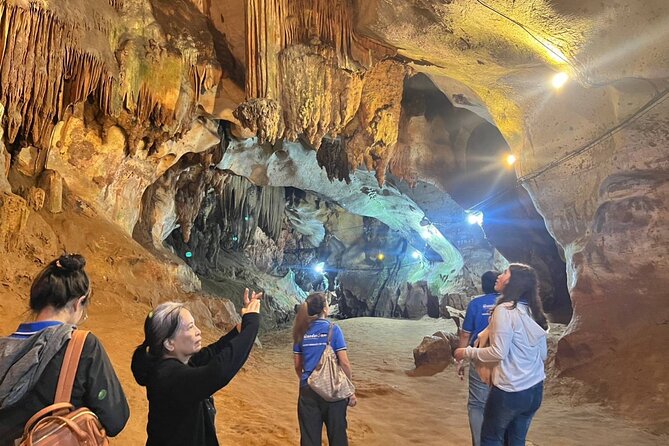
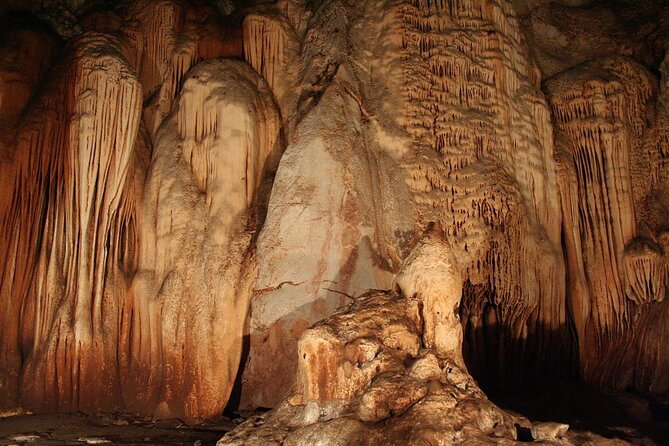
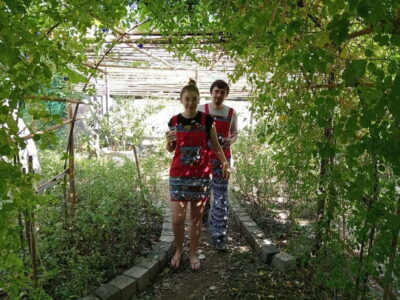
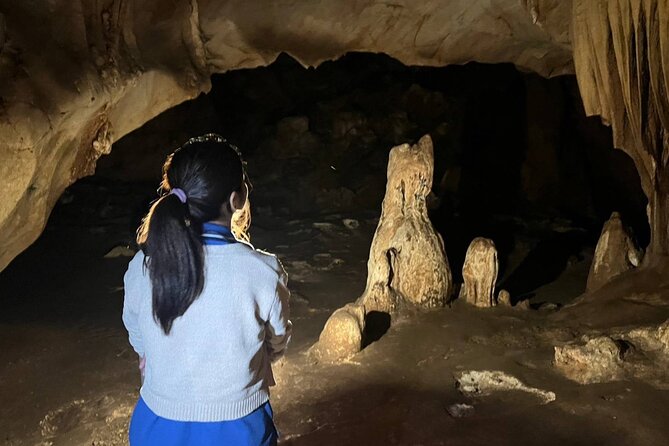
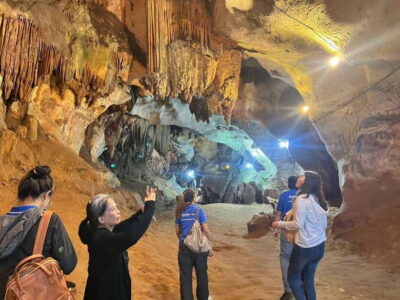
The cave is the centerpiece. Chiang Dao Cave is described as one of the biggest caves in Chiang Mai, with stalagmites and stalactites that form dramatic shapes over time. You explore with a guide and you use lanterns, which changes the feel completely.
Instead of relying on bright installed lights, you experience the cave in layers of light: where your lantern reaches, shadows fall fast. That is one reason the cave often gets mentioned as the true highlight.

What the cave walk is like in practice
- You will walk through sections under lantern guidance with a local cave guide.
- Expect some crawling and snug passages. The tour information specifically warns about two narrow passages inside the cave that require crawling through them.
- It can be warm and humid underground, so you want clothing that is comfortable and doesn’t make you overthink getting a little dusty.
There are also safety and comfort details worth taking seriously:
- The tour advises comfortable walking shoes and specifically says to avoid flip-flops.
- If you suffer from claustrophobia, this cave hike is not recommended.
One extra real-world detail from the rainy season: water can rise during heavy rains, and there may be signs of past flooding visible in the cave area. Even if you do not visit during peak monsoon conditions, it is a reminder that you are in a natural system, not a controlled show cavern.
Who the cave portion suits best
This portion suits people who:
- can handle uneven cave floors,
- do not mind crawling through tight spots, and
- can stay calm in low light.
If you are older, have mobility limits, or feel anxious in enclosed spaces, I would think twice before booking.
Bai Orchid and Butterfly Farm: a greenhouse stop that adds color and calm
After villages and cave, you shift from stone and tight passages to airier nature time at Bai Orchid and Butterfly Farm.
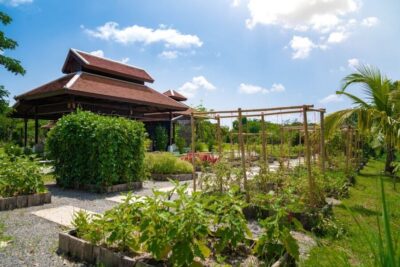
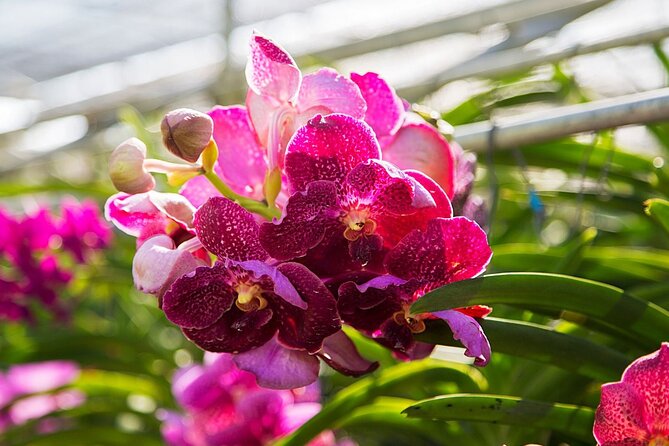
This stop is described as a cozy greenhouse setting for butterflies, plants, and flowers, including orchids. The core payoff is watching butterflies flutter around orchids while you are inside a controlled environment. It is a nice change of pace after the cave.
A key practical point: this stop’s admission is not included in the tour price. So you should budget for it separately.
From experience-style advice shared by past guests, I also recommend you bring Thai baht cash for this farm, because one review notes the orchid farm takes baht cash. If you only travel with a card, you might end up scrambling.
If you want a souvenir that is not a plastic trinket, the farm is also mentioned as a place where you can bring orchids home. That means you might be leaving with a living reminder of your day, not just photos.
Guides make or break this kind of day trip
The difference between a good day trip and a great one is often the guide. This tour includes a licensed English-speaking tour guide, plus local tour guides at the village area and at Chiang Dao Cave.
In the names that come up often, you’ll see guides like:
- Saman, praised for plant knowledge and history,
- Tik, praised for friendliness and hill tribe insights,
- Jane, praised for building real understanding through relationships,
- Amy, who also stands out for culture, history, and nature context,
- Leo, noted for timing and for making the countryside feel non-touristy.
That pattern matters. The strongest tours are not just translating words. They connect what you see to why it exists, whether that is local beliefs, everyday routines, or how plants fit into daily life.
What you pay for, and where extra costs can appear
The price is listed as $52.18 per person for an approximately 8-hour outing. For that, you get a lot covered:
- pickup and drop-off in Chiang Mai Old City area
- an air-conditioned vehicle
- a licensed English-speaking guide
- local guides for the village area and the cave
- entrance fee at Chiang Dao Cave
What is not included is also important:
- meal
- personal expenses
- gratuities (optional, not mandatory)
- admission ticket at the orchid and butterfly farm
So the real cost picture looks like: base tour price for transport, guides, and the cave. Then you add your own food and the farm ticket.
A practical tip: have extra Thai baht available. One review specifically suggests bringing extra baht for tips in the cave and villages. Even if tips are not required, small gestures can help if the guide goes out of their way.
Small practical tips that prevent headaches
Here’s how to make the day feel smooth instead of rushed:
- Wear comfortable walking shoes. The cave portion is not for flip-flops.
- Bring clothes you can handle for heat and humidity. The cave and village sun can be intense.
- If you visit during rainy season, bring a poncho or raincoat. The tour runs rain or shine, and showers can be quick, but you still want to be ready.
- Bring some Thai baht cash for the orchid farm, and for small purchases or tipping if you choose.
- Consider bringing your “light baggage” mindset. If you have to crawl through narrow cave sections, you will want your valuables secured and not jammed into pockets that snag.
Also, set your expectations about pacing. A late start can make parts of the day feel quick, and the cave is the main event. If you know you want longer time at the farm, you might prioritize it during the stop time you get.
Who should book, and who might skip this one
This tour is a great fit if you want:
- culture outside Chiang Mai city walls, with multiple hill tribe groups in one day,
- a cave experience that uses lantern light and comes with real physical elements, and
- an added nature stop at an orchid and butterfly greenhouse.
You might skip or adjust your expectations if:
- you have claustrophobia, due to crawling through narrow cave passages,
- you dislike any situation with tight spaces and uneven surfaces,
- you cannot handle moderate physical effort.
For families: one review mentions the tour went well with kids, but the cave warning is still real. If you are traveling with children, assess their comfort with crawling and enclosed spaces carefully.
Should you book Chiang Dao Cave and 5 Hill Tribe villages?
If you want a value-packed day that mixes countryside culture with Chiang Dao Cave as the main event, I think this is a smart booking. The cave is the draw, and the lantern-guided approach plus local guides is a strong combination. Pair that with the hill tribe village context and the orchid-and-butterfly farm for a calmer finish, and you get a day that feels complete rather than one-note.
Book it if you are comfortable with:
- walking and a bit of climbing,
- shoes with grip,
- and crawling through tight cave sections.
Skip it if you cannot handle narrow spaces. Otherwise, bring Thai baht, wear good shoes, and plan to buy only what you truly want at the village stops. This is the kind of trip where preparation helps you enjoy it more than rushing later.
FAQ
What time does the tour start, and how long is it?
The tour starts at 9:00 am, and pickup departure time may be between 8:00 and 9:00 depending on the number of participants. The duration is about 8 hours.
Is pickup and drop-off included?
Yes. Pickup and drop-off are included for travelers in the Chiang Mai Old City area.
What entrance fees are included?
Chiang Dao Cave entrance fee is included. The orchid and butterfly farm admission ticket is not included.
Do I need special shoes for Chiang Dao Cave?
Yes. The tour recommends comfortable walking shoes and advises against flip-flops for safety and comfort.
Is the cave suitable for claustrophobia?
No. The cave includes narrow passages that require crawling, so it is not recommended if you suffer from claustrophobia.
How big is the group?
The tour has a maximum of 15 travelers.
What else made it into the Thailand notebook
Village visits, and who the money reaches
What else made it into the Chiang Mai notebook
- Half day Long Neck hill tribe and Hmong hill tribe village
★ 5.0 · 21 reviews - Chiang Rai One Day: Golden Triangle, Laos Border, Long Neck Tribe
★ 3.5 · 21 reviews - Old Town Chiang Mai Food Tour with 10+ Local Dishes Tastings
★ 5.0 · 21 reviews - 5 Day Tuk Tuk Adventure in Chiang Mai – with driver
★ 5.0 · 21 reviews - 1 Hour Foot Relaxing – Free Transportation
★ 5.0 · 21 reviews - Rantong elephant sanctuary Chiangmai
★ 4.4 · 21 reviews
Hill Tribe Village Visits, compared.
 ★ 5.0Thai and Akha Cooking Class in Chiang MaiFrom $424,358 reviews
 ★ 4.74-Hour Doi Suthep & Hmong Hill Tribe Village from Chiang MaiFrom $36696 reviews
 ★ 4.8White, Blue, Red Temples, Long Neck TourFrom $57652 reviews
 ★ 4.3Long Neck Village & Chiang Rai’s Iconic TemplesFrom $55338 reviews
 ★ 5.04 in 1 Elephants Long Neck Rafting and Sticky Waterfall TourFrom $88126 reviews
 ★ 4.0Chiang Rai Full Day Tour with Boat Trip and Longneck VillageFrom $55112 reviews
 ★ 4.5Chiang Dao Cave & 5 Hill Tribe VillagesFrom $5175 reviews
 ★ 4.5Chiang Rai Day Tour from Chiang Mai + The Long Neck Hill Tribe With BoatFrom $7974 reviews
Browse the lists this tour appears in