
REVIEW · ELEPHANT SANCTUARY VISITS
Chiang Mai: Elephant Sanctuary & Waterfall Group Tour
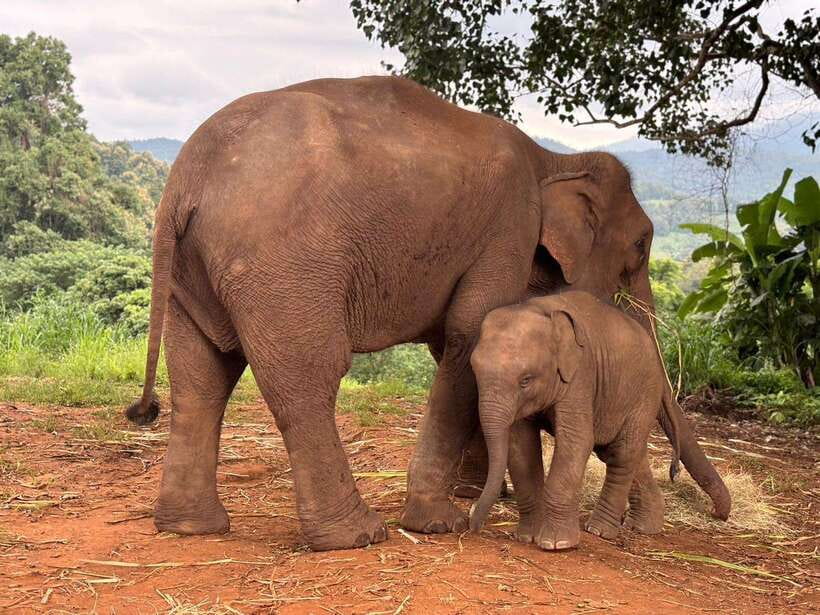
Elephants in the jungle, on your terms. This full-day trip pairs ethical sanctuary time with river bathing and a nature hike, and you get a close look at how rescued elephants live day to day. One thing to plan around: waterfall swimming can change with rain and safety conditions, so don’t assume you’ll be in the water the whole time.
What really sells it is the way your guide runs the day: the elephants set the pace, and you get taught how to feed and interact without turning it into a show. Guides I heard named again and again include Beer and Aamm, and that matters because they’re the ones translating elephant behavior into something you can actually understand, in plain English.
You’ll also spend a chunk of the day in transit, with about 80 minutes each way from Chiang Mai to the Maewang district. Go ready for wet shoes and hot jungle air, meaning swimwear, a change of clothes, and insect repellent are not optional if you want to be comfortable.
In This Review
- Key highlights to know before you go
- Why this sanctuary day feels different (and better) than the usual elephant visit
- Getting to Maewang: the drive out of Chiang Mai city
- Pon Elephant Thailand: feeding, touching, and learning elephant body language
- The river bath: cooling elephants in their natural home water
- Mae Wang Waterfall hike: jungle walking with safety-first water rules
- Lunch and downtime: fuel that works for an active day
- Price and value: what $50 buys you in Chiang Mai time
- Who this tour suits best (and who should skip it)
- What to bring so the day stays fun, not annoying
- Should you book this Chiang Mai elephant sanctuary and Mae Wang waterfall tour?
- FAQ
- How long is the Chiang Mai Elephant Sanctuary and Waterfall Group Tour?
- Where does pickup happen and what areas are covered?
- Is lunch included?
- Can I ride the elephants?
- What should I bring for the day?
- Will I be able to swim at Mae Wang Waterfall?
- Is the elephant experience ethical and are elephants forced to perform?
Key highlights to know before you go
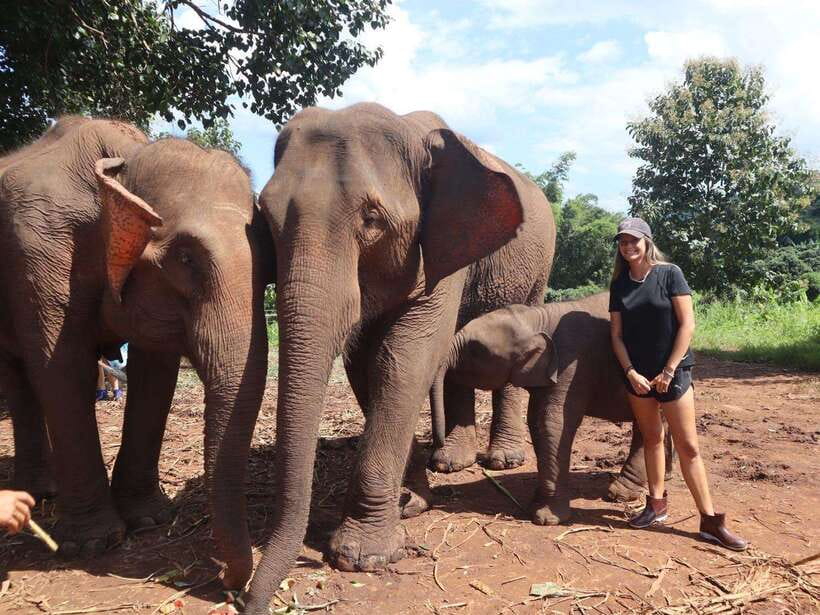
- Pon Elephant Thailand in the Maewang district: a more forested, calm setting than city side elephant meet-and-greets
- Hands-on feeding and gentle interaction: learn what snacks are safe and how to approach politely, no forced “performing”
- Elephant river time: a favorite part where you cool them down in their home waterway
- Guided hike to Mae Wang Waterfall: jungle walking plus time near the waterfall, with safety-first rules after rain
- Thai lunch with fruits and desserts: included, so you’re not spending your day hunting food
- Guides named like Beer, Mimi, Yaya, and Sunny: lots of emphasis on respectful elephant care and clear group direction
Thai sanctuary visits got read closely, riding-free
- Chiang Mai: Elephant Sanctuary, Waterfall & Bamboo Rafting★ 4.9 · 9,160 reviews
- Chiang Mai: Elephant Sanctuary & Waterfall Group Tour★ 4.9 · 5,780 reviews
- Chiang Mai: Elephant Sanctuary, Long Neck & Sticky Waterfall★ 4.9 · 2,262 reviews
- From Chiang Mai: Elephant Care Program and Nursery Tour★ 4.8 · 1,899 reviews
Why this sanctuary day feels different (and better) than the usual elephant visit
If you’ve seen the more touristy elephant options around Thailand, you’ll notice the tone here is different. The focus is on care and welfare, and the rules are simple: the day is built around what the elephants will and won’t do comfortably. That shows up in the way your guide teaches you, too. You’re not just handed treats and pointed toward the animals. You learn how feeding works, how touch should be gentle, and how to read when an elephant wants space.
The “no food, no friend” idea is basically the vibe. If you treat it like a respectful relationship rather than a photo mission, the whole visit clicks. You end up watching normal elephant behavior, like foraging and family interaction, instead of waiting for a trick.
The second big difference is that the day doesn’t end at a fence line. You get time in the elephants’ river routine, which is one of the most natural parts of their day in this environment. You’re not “making it happen,” you’re participating in a care moment that’s part of their living space.
A possible downside is that this is not an action-packed ride. It’s a slower, animal-led day. If you want constant thrills, you might find yourself waiting for elephants to move at their pace. That said, this is usually a good sign, not a problem.
Getting to Maewang: the drive out of Chiang Mai city
Your day starts with pickup. If you choose hotel transfers, they’re from Chiang Mai city center only, and the drive takes about 80 minutes to Pon Elephant Thailand in the Maewang area.
Why the drive matters: it filters out the “quick stop” feeling. By the time you arrive, you’re in a different rhythm. You’re leaving behind city noise and moving into temple-and-farm countryside, and that transition is part of the day’s enjoyment.
You’ll also get a briefing after arrival. The guide covers basics about elephants and even the difference between Asian elephants and African elephants, so you’re not learning only on the fly while standing in front of a huge animal. It helps the experience feel grounded.
And yes, it’s long enough that you should plan for comfort. This isn’t a “run in and out” tour, it’s a true half-day plus.
Pon Elephant Thailand: feeding, touching, and learning elephant body language
At Pon Elephant Thailand, you’ll spend about 3 hours with the rescued elephants. The flow usually goes in stages, starting with meeting the elephants and listening to their stories. Your guide explains how rescued elephants ended up here and what their care looks like now, including how the team prepares healthy snacks.
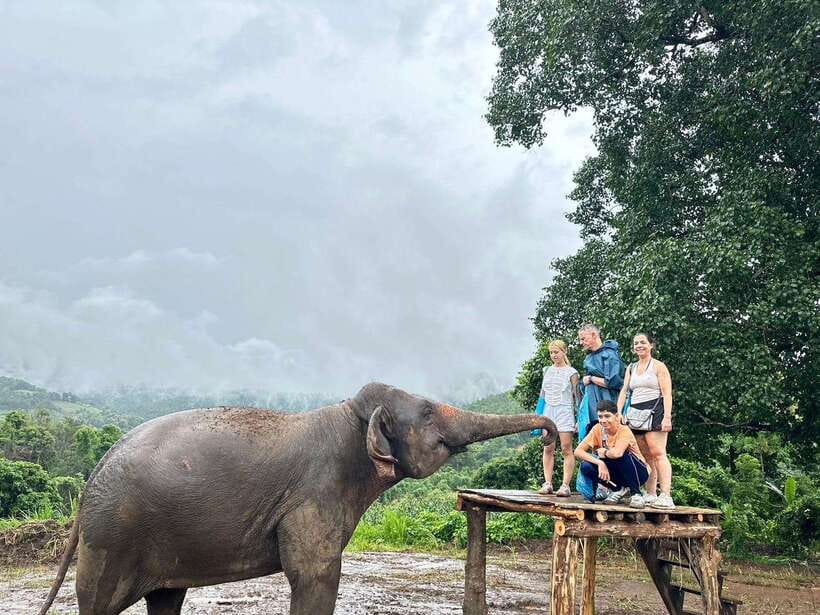
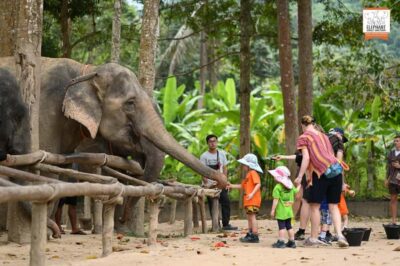
Then comes the best part for many people, the actual interaction. You’re taught how to feed, how to touch safely and politely, and how to get close without crowding. This is also where you learn the real meaning of ethical care. In this setup, elephants are not forced into performances. Your job is to follow the elephants’ signals, not ask for a trick.
A few details that make the experience feel thoughtful:
- You often get to watch elephants forage and behave like they normally would.
- You can see family interaction, which makes the day feel less like a personal encounter and more like observing a living community.
- Guides often encourage the group to move closer in a way that keeps things calm. I saw this approach described through guide names like Lek and Yaya, and it’s exactly what you want from a good handler.
It’s also worth mentioning what you will not do. Elephant riding is prohibited, and the tour isn’t built around sitting on an elephant’s back or doing gimmicky activities.
One practical consideration: you’ll likely get dirty and wet at some point, even before the river time. Wear clothing you don’t mind being stained slightly. You’ll be grateful you brought a change.
The river bath: cooling elephants in their natural home water
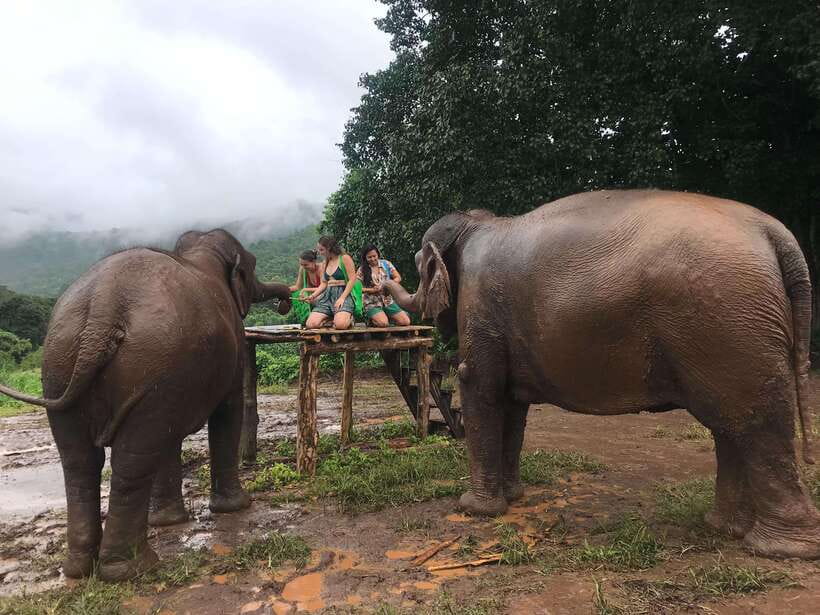
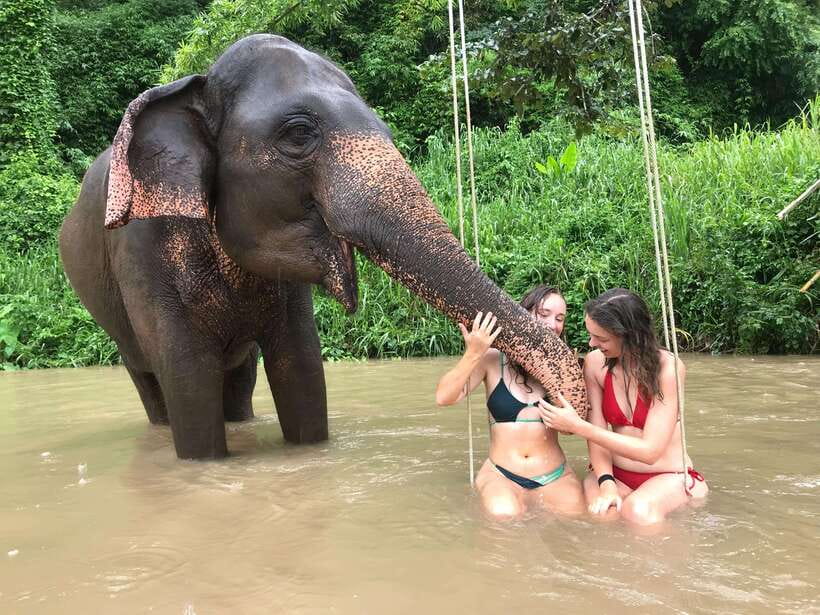
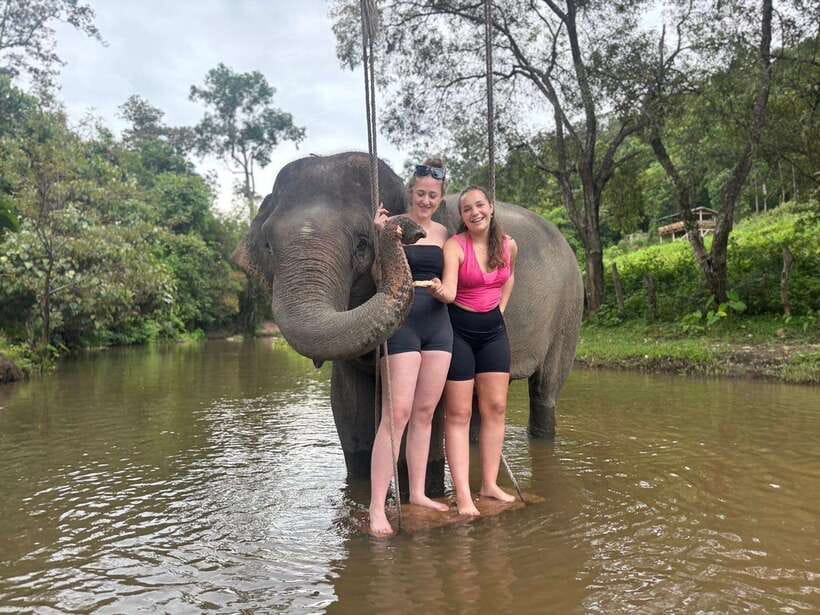
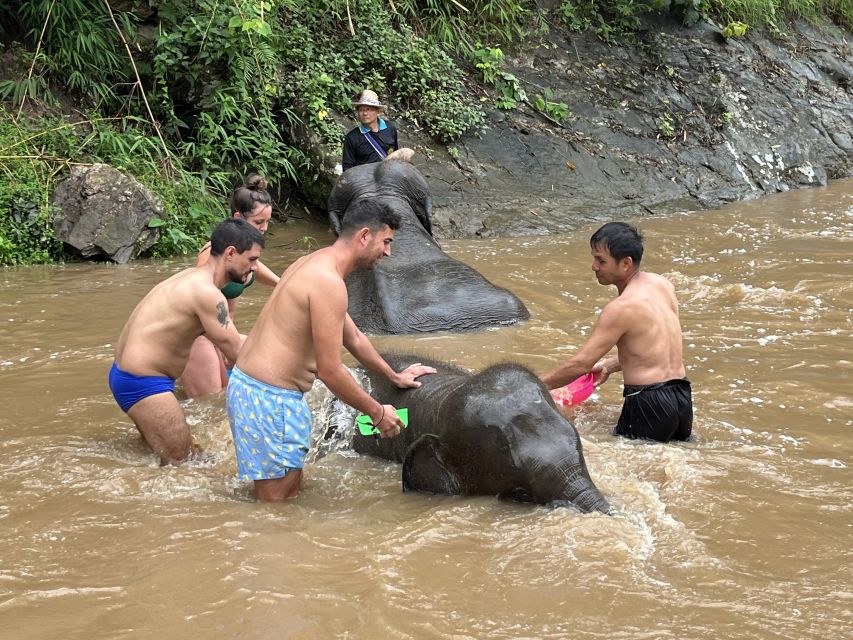
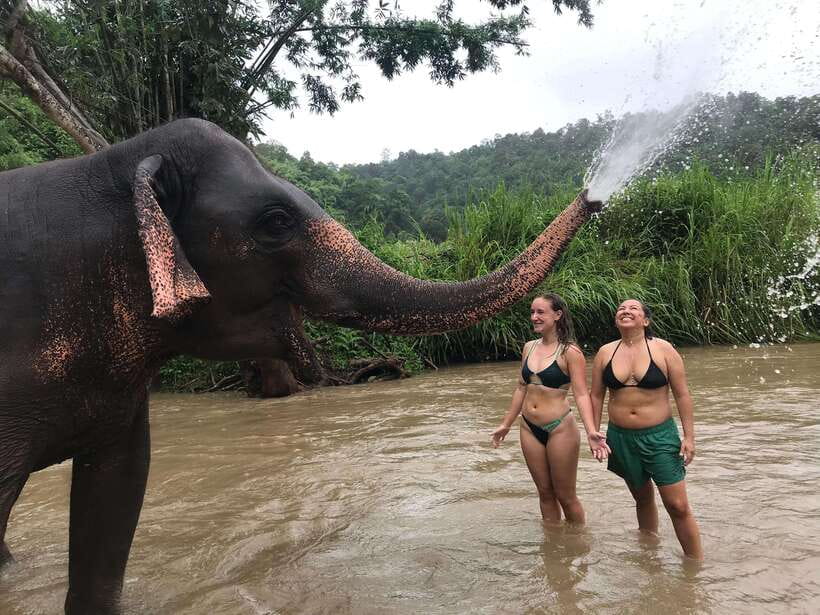
This tour includes a river experience that many people rank as the emotional high point. You go from the elephant areas toward their river routine, and the elephants cool down in the water. Your guide helps you navigate the area safely.
What I like about this section is the purpose. You’re not just playing in water. You’re helping support a normal, care-driven activity in a place where the elephants already live and manage their own comfort levels.
You should still go into it with realistic expectations. Water conditions can vary, and the team keeps safety first, meaning the pace and access might shift. If you’re expecting a perfect “swim the whole time” moment, keep the plan flexible.
Also, you’ll want the right footwear. Several helpful tips echoed through the day include bringing a pair of trainers you can walk in comfortably, then switching to sandals or sliders if you want something easy for wet sections. If you only bring one shoe type, the day can feel more painful than it needs to.

Mae Wang Waterfall hike: jungle walking with safety-first water rules
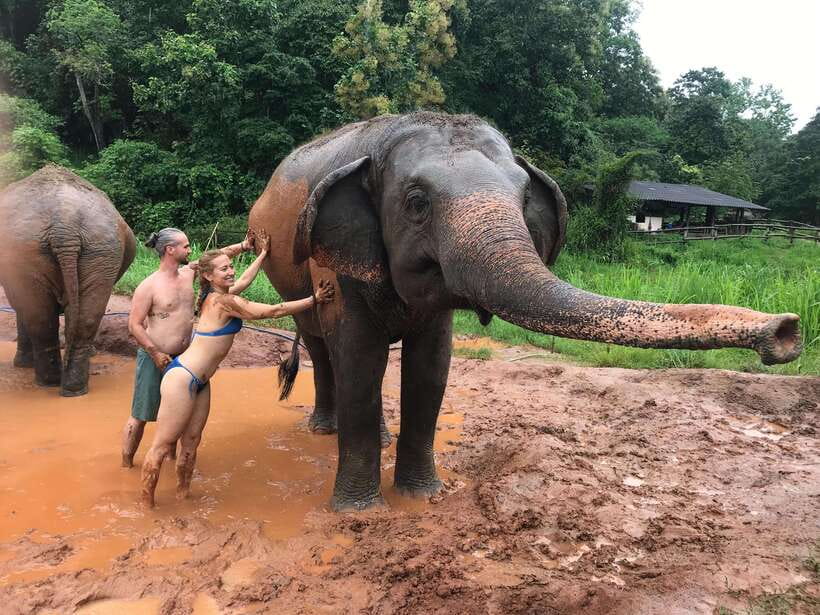
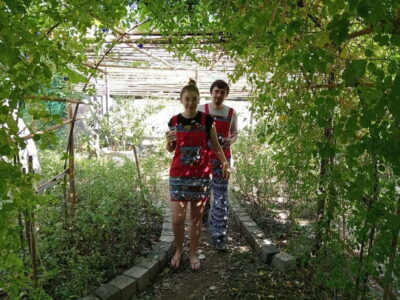
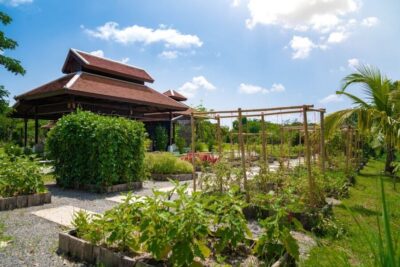
After the elephant portion, you head out toward Mae Wang Waterfall. The visit lasts about 1 hour, and you’ll hike in the area first, exploring the nature forest.
This is where the tour becomes a nature day, not just an animal day. You get a break from the close-up elephant focus. You also get that Chiang Mai mountain feeling, with forest air and a steady trail rhythm.
A key detail: swimming might not be possible depending on weather. The waterfall comes from Doi Inthanon Mountain, and after heavy rain, conditions can change. The tour states that sometimes you can’t swim and it’s always up to safety first. So, treat the waterfall as a cooling, scenic stop. If you do get water time, great. If not, you’re still there for the hike and the views.
One nice perk is that guides can adjust if a plan changes. I saw an example of a guide pivoting to another nearby waterfall when the first option wasn’t available, which is exactly the kind of practical flexibility that prevents your day from feeling stuck.
Lunch and downtime: fuel that works for an active day
You’ll get a traditional Thai lunch including seasonal fruits and Thai desserts. The food is included, plus you’ll have drinking water.
I like that lunch is part of the itinerary, not something you have to hunt after a long day. It makes the timing easier and keeps energy levels stable for the hike back into action.
One small detail that stood out in how people talked about the day: hot lunch in small serving containers is part of the routine. It might sound minor, but when you’ve been in the heat, it matters that the meal isn’t cold and you’re not scrambling for cutlery and a place to sit.
You’ll also get bathroom stops along the way. This is one of those “you don’t notice it until you need it” details, and good guides build it into the flow.
Price and value: what $50 buys you in Chiang Mai time
At $50 per person for a 7-hour day, the value depends on what you care about. If you want an ethical elephant day with a real guide, included meals, and transport, this price starts to make sense fast.
Here’s what you’re getting for that money:
- Hotel transfers from Chiang Mai city center (not across the whole province)
- An English-speaking guide
- Drinking water and lunch (with fruits and Thai desserts)
- Food for feeding elephants
- A waterfall visit and included time with the elephants
What’s not included is also important. Towel and a change of clothes aren’t included, and you’ll feel that quickly once you’re near water and jungle plants. The tour encourages bringing swimwear, a towel, and shoes that handle wet surfaces.
The best value angle is the pacing. You’re not paying for a quick elephant photo moment. You’re paying for guided, time-based interaction plus a nature stop, with transport and lunch handled.
Who this tour suits best (and who should skip it)
This is a strong fit for you if:
- You want an ethical sanctuary-style experience, not riding or forced tricks
- You like a mix of animal care and outdoor nature
- You’re comfortable with a full day and a bit of hiking in hot weather
It’s also a decent family option for some groups, but the tour has clear limits. It is not suitable for children under 2, and it lists several health and mobility restrictions, including pregnancy, back problems, mobility impairments, vertigo, respiratory issues, epilepsy, and more. It also says people with animal allergies or insect allergies may need to avoid this.
If you have any of those conditions, it’s smart to check with the tour provider before booking. The day involves time outdoors, water, and close proximity to large animals.
If you’re older, the tour lists people over 70 as not suitable, and it also notes fitness limits. So, be honest about your ability to handle the hike and the heat.
What to bring so the day stays fun, not annoying
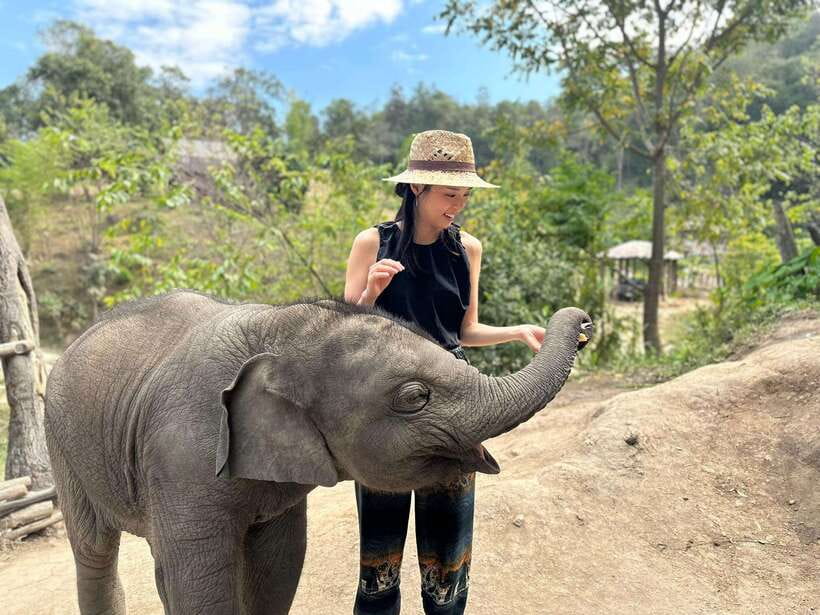
The tour gives a clear packing list, and I recommend you treat it like a checklist:
- Swimwear
- Change of clothes
- Towel
- Sandals for water, plus sports shoes for the hike
- Sunscreen
- Insect repellent
- Camera
- Cash
- Hiking pants
Also, bring personal medicine if you use it. The tour explicitly mentions not forgetting your medicine, and that’s a rare but valuable detail.
One more practical tip: plan for wet hair and damp clothing. Even if it doesn’t rain, elephant river time can leave you wet, and the hike area can get muddy. Dry socks and a spare shirt go a long way if you want to feel human afterward.
Should you book this Chiang Mai elephant sanctuary and Mae Wang waterfall tour?
I’d book this tour if you want a full day that treats elephants as living beings, not photo props, and you’d enjoy a real jungle change of scenery after the elephant time. The combination of sanctuary interaction, river cooling, and a Mae Wang Waterfall nature walk is what makes the day feel complete for most people.
Skip it, or at least ask questions first, if you expect easy chair comfort all day. There’s time in transit, a hike portion, and water conditions that depend on weather. It’s also not the right choice for anyone in the listed health and mobility categories.
If you’re trying to choose between a short elephant stop and a longer ethical day, this leans toward the ethical side and the “more value for time” side. You’ll leave with a better sense of how rescued elephants live, plus a waterfall outing that feels like a true Chiang Mai nature day.
FAQ
How long is the Chiang Mai Elephant Sanctuary and Waterfall Group Tour?
The tour duration is 7 hours.
Where does pickup happen and what areas are covered?
Hotel transfers are included to and from Chiang Mai city center only. You can also meet at the Pon Elephant Thailand office in town if you choose the meeting point option.
Is lunch included?
Yes. Lunch is included, along with drinking water and food for feeding the elephants.
Can I ride the elephants?
No. Elephant riding is prohibited on this tour.
What should I bring for the day?
Bring swimwear, a change of clothes, a towel, sandals, sports shoes, sunscreen, insect repellent, and any personal medicine you need. A camera is useful, and cash is recommended.
Will I be able to swim at Mae Wang Waterfall?
Sometimes you can swim, but it depends on rain and safety conditions. Heavy rain can change conditions, and the tour states safety comes first.
Is the elephant experience ethical and are elephants forced to perform?
The tour supports ethical elephant tourism with enhanced welfare. Elephants are not forced to perform any activities during the tour.
Guided Thai outings, continued
What else made it into the Thailand notebook
Sanctuary visits, and how the elephants are actually kept
What else made it into the Chiang Mai notebook
- Half day Long Neck hill tribe and Hmong hill tribe village
★ 5.0 · 21 reviews - Chiang Rai One Day: Golden Triangle, Laos Border, Long Neck Tribe
★ 3.5 · 21 reviews - Old Town Chiang Mai Food Tour with 10+ Local Dishes Tastings
★ 5.0 · 21 reviews - 5 Day Tuk Tuk Adventure in Chiang Mai – with driver
★ 5.0 · 21 reviews - 1 Hour Foot Relaxing – Free Transportation
★ 5.0 · 21 reviews - Rantong elephant sanctuary Chiangmai
★ 4.4 · 21 reviews
Elephant Sanctuary Visits, compared.
 ★ 4.9Elephant Sanctuary, Waterfall & Bamboo RaftingFrom $609,160 reviews
 ★ 4.8Elephant Sanctuary Feeding Program Half-Day TourFrom $274,527 reviews
 ★ 4.9Elephant Bathing Session at Krabi Elephant ShelterFrom $482,021 reviews
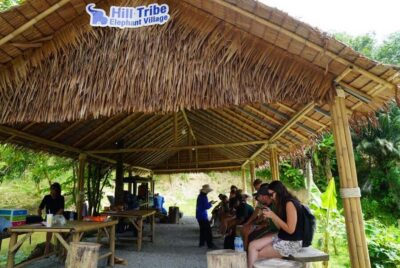 ★ 4.8Elephant Sanctuary Guided Tour with Hotel TransfersFrom $412,020 reviews
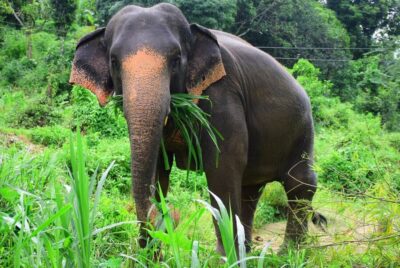 ★ 4.8Elephant Care Program and Nursery TourFrom $531,899 reviews
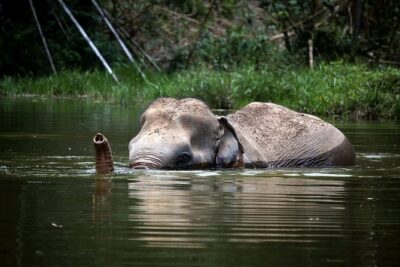 ★ 5.0A Morning with the Elephants at Phuket Elephant SanctuaryFrom $971,693 reviews
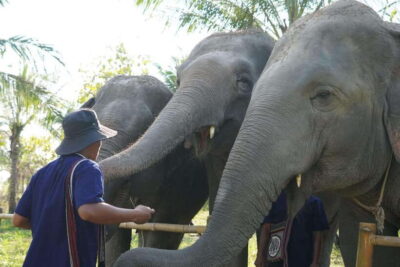 ★ 4.8Living Green Elephant Sanctuary Day TripFrom $571,541 reviews
 ★ 4.7Elephant Sanctuary Entry and Feeding ExperienceFrom $281,446 reviews
Browse the lists this tour appears in