
REVIEW · ELEPHANT SANCTUARY VISITS
Chiang Mai: Elephant Sanctuary Feeding Program Half-Day Tour
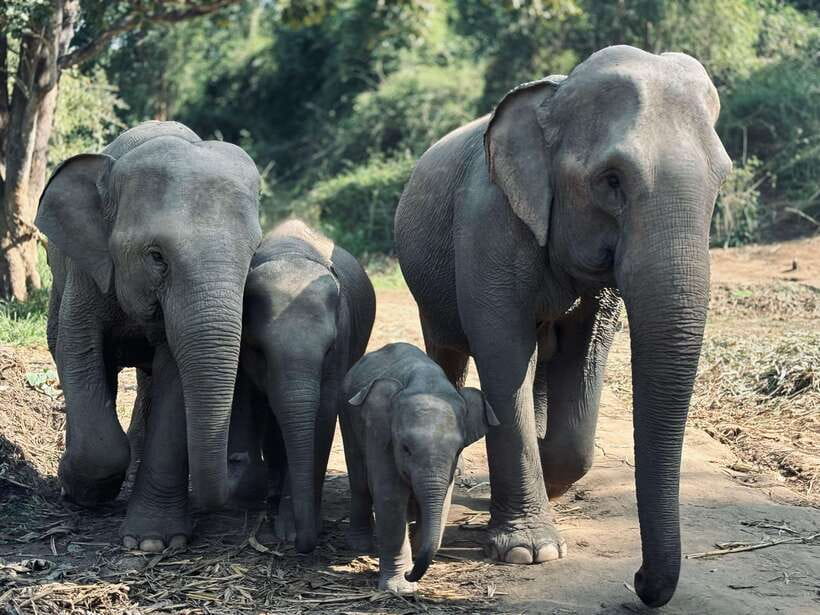
Elephants, rivers, and real space to roam. This half-day Chiang Mai program focuses on calm, close-up interactions in a forested sanctuary setting. You travel south of Mae Wang, meet the team at Pon Elephant Thailand, and spend the day learning how Asian elephants live while you feed them in a safe environment.
I especially like two parts: getting to feed elephants up close in natural surroundings, and the guided learning that explains elephant behavior and how to make herbal treats for them. You also get a river bathing segment that feels gentle and unforced, which makes the day memorable for the right reasons.
One thing to plan for is that the river time is not guaranteed in the exact way you imagine. The elephants choose whether they’ll bathe, and you should also expect some light walking, so it may not fit everyone.
In This Review
- Key highlights you should know first
- Chiang Mai Elephant Sanctuary Feeding, the ethical way
- The drive from Chiang Mai: hills, farms, and a slow build
- Getting oriented: briefing, habitat basics, and behavior rules
- Feeding time: Napier grass, sugarcane, bananas, and herbal treats
- River bathing and swimming: when the schedule follows the elephants
- Close-up encounters: photos, touching rules, and learning the herd as individuals
- Value and pricing: is $27 worth it?
- Who should book this half-day and who should skip it
- Should you book the Chiang Mai elephant sanctuary feeding tour?
- FAQ
- How long is the Chiang Mai elephant sanctuary feeding program?
- Where does the tour take place?
- Is hotel pickup and drop-off included?
- What do I feed the elephants?
- Do you swim or bathe with the elephants in the river?
- What should I bring for the tour?
- Is riding the elephants allowed?
- What activities or items are not allowed?
- Who is the tour not suitable for?
- What is the cancellation policy?
Key highlights you should know first
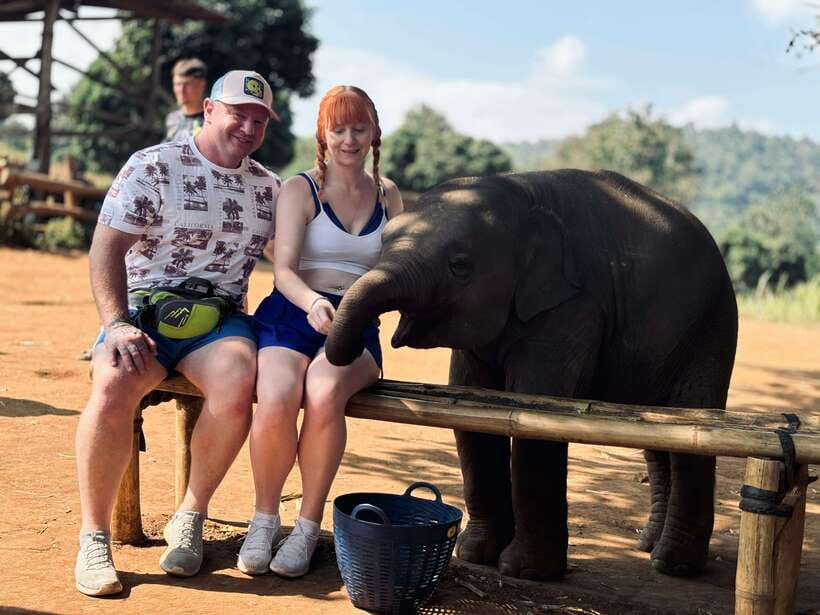
- A scenic 1.5 hour ride south of Mae Wang through hills, forests, and local farms before you reach the sanctuary
- Station-style flow at the sanctuary, with staff running the day and giving you clear instructions for each interaction
- Feeding with real foods like Napier grass, sugarcane, and bananas, plus time learning how to prepare herbal treats
- River bathing happens when elephants want it, so your schedule can shift at short notice
- Rules that keep things safe and respectful, including no riding and no forced activities
- Pack for getting wet, because river time can turn into a soak even when it stays peaceful
Thai sanctuary visits got read closely, riding-free
- Chiang Mai: Elephant Sanctuary, Waterfall & Bamboo Rafting★ 4.9 · 9,160 reviews
- Chiang Mai: Elephant Sanctuary & Waterfall Group Tour★ 4.9 · 5,780 reviews
- Chiang Mai: Elephant Sanctuary, Long Neck & Sticky Waterfall★ 4.9 · 2,262 reviews
- From Chiang Mai: Elephant Care Program and Nursery Tour★ 4.8 · 1,899 reviews
Chiang Mai Elephant Sanctuary Feeding, the ethical way
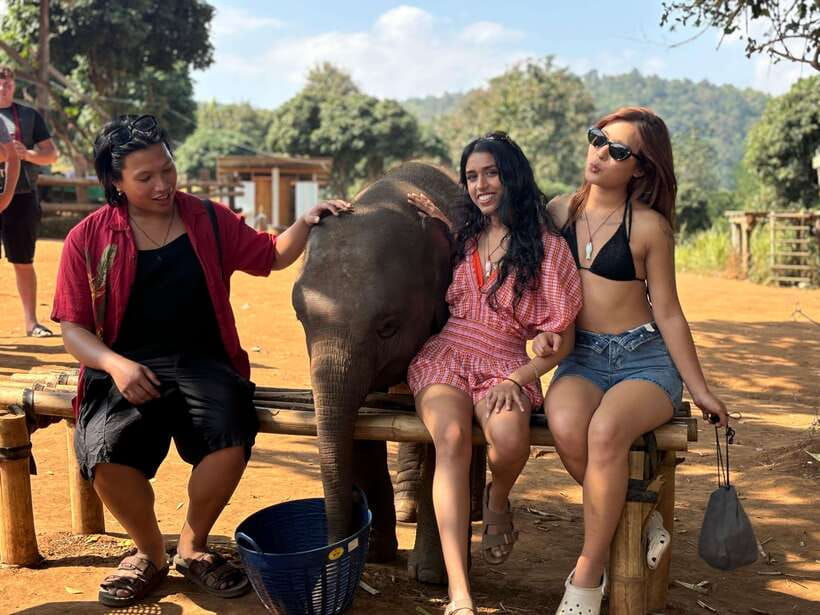
This is the kind of elephant day that feels like it’s built around the animals, not a performance. The sanctuary approach here is explicitly about not forcing elephants into activities. Instead, you’re guided to interact safely while the elephants set the pace, especially during river time.
Two details matter a lot. First, the feeding isn’t just about tossing food and snapping photos. You learn what elephants eat, how they behave, and how staff prepare herbal treats so your interaction fits the elephants’ needs. Second, you get that rare feeling of space. The whole point is to observe and care for elephants in a forest environment where they can roam safely.
If you want a quick moral checkbox, the clearest one is this: the program is structured so the elephants are never treated like rides or props. And if you’re hoping for lots of certainty, keep your expectations flexible. The day can adjust if weather changes or if the elephants decide not to bathe that moment.
The drive from Chiang Mai: hills, farms, and a slow build
The day starts with travel south of Mae Wang, roughly 1.5 hours through hills, forests, and local farms. This matters because you go from city energy to countryside calm before you ever reach Pon Elephant Thailand. If you’re prone to feeling rushed on tours, I like that the schedule gives you real transition time.
Hotel pickup is optional. If you select it, be ready in the lobby 5 to 10 minutes early since drivers will wait no longer than 5 minutes after the scheduled pickup time. The transport itself is rated highly, with 87% of reviewers giving it a perfect score, so the ride is generally comfortable and well-run.
Also, bring the small essentials that make a difference on countryside drives: a charged smartphone, sunscreen, and something for bugs. You are outside, you move around, and you’ll be glad you planned for heat and insects.
Getting oriented: briefing, habitat basics, and behavior rules
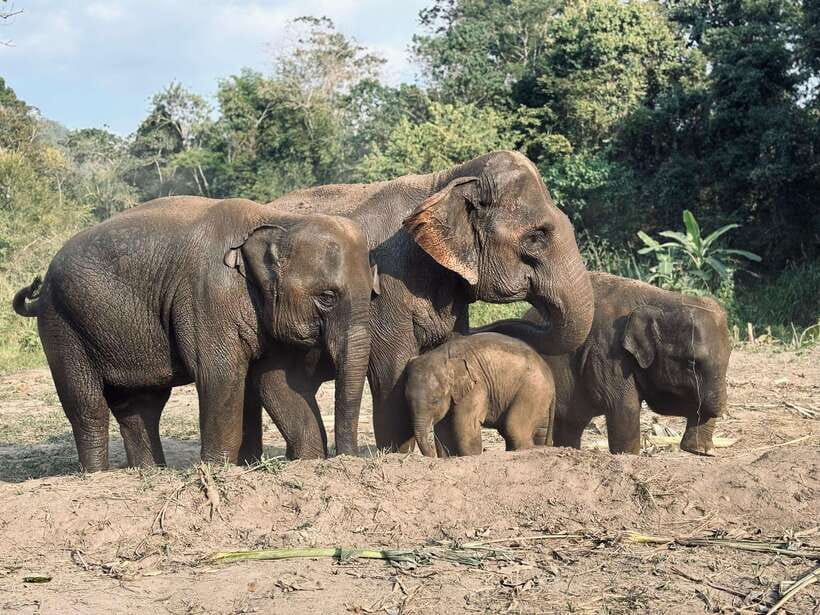
Once you arrive, you meet the team and get a briefing on the elephants’ habitat, history, habits, and behavior, plus how to behave around them. This is one of the highest-value parts of the tour, because it turns your time with the elephants from a photo mission into an actual understanding of what you’re seeing.
You also get instructions that make the interaction safer for both sides. The tour includes strict not-allowed items like weapons or sharp objects, intoxication, alcohol and drugs, and littering. And even though you will feed elephants during the tour, the rules still emphasize you should not feed animals on your own. Follow the guide’s timing and instructions every step of the way.
Then comes a nature walk with rangers. You’ll likely cross a bridge and do some light walking between stops, so wear comfortable clothes you can move in. One guest mentioned a slightly nerve-wracking bridge, but described it as safe, and it sounded like part of the adventure rather than a problem.
Feeding time: Napier grass, sugarcane, bananas, and herbal treats
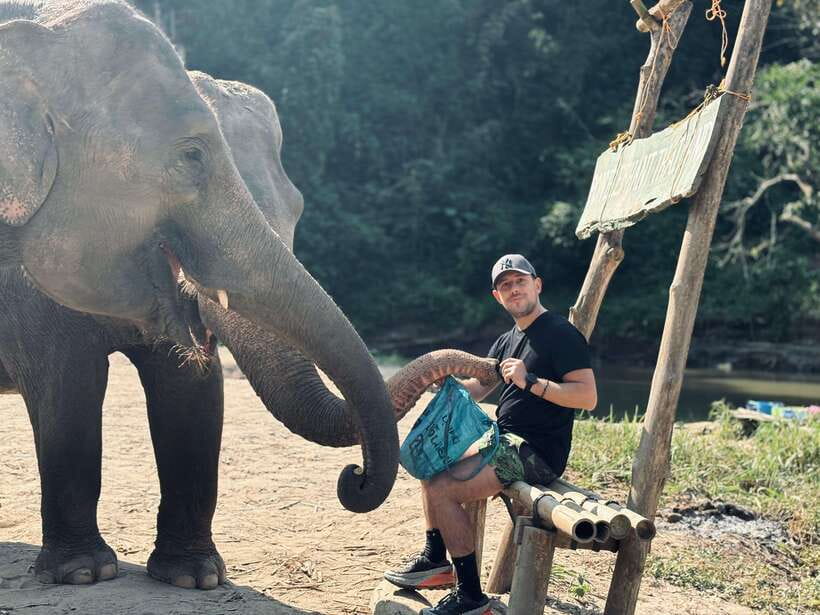
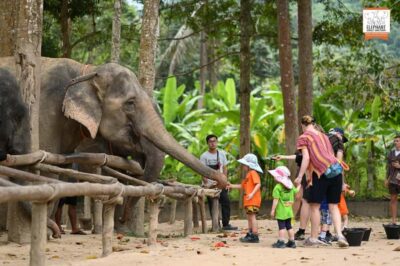
The feeding portion is the heart of this experience. After the nature walk, you get the chance to feed elephants Napier grass, sugarcane, and bananas. You’ll also enjoy fruit for the elephants, which is included, and you’ll learn how staff prepare herbal treats.
This is where the ethical design shows. Instead of treating food as a gimmick, the focus is on correct feeding and respect for behavior. When you understand why elephants like certain foods and how they eat, you notice more. You watch body language, slow movements, and how the elephants approach food calmly.
You may also do a hands-on preparation activity. Several experiences like making special treats or vitamin-style mixes come up in the details guests described, including heartwarming moments like helping prepare food for an older elephant. Even if your specific hands-on step varies day to day, the core lesson stays the same: you’re learning how to support elephant health through appropriate treats.

River bathing and swimming: when the schedule follows the elephants
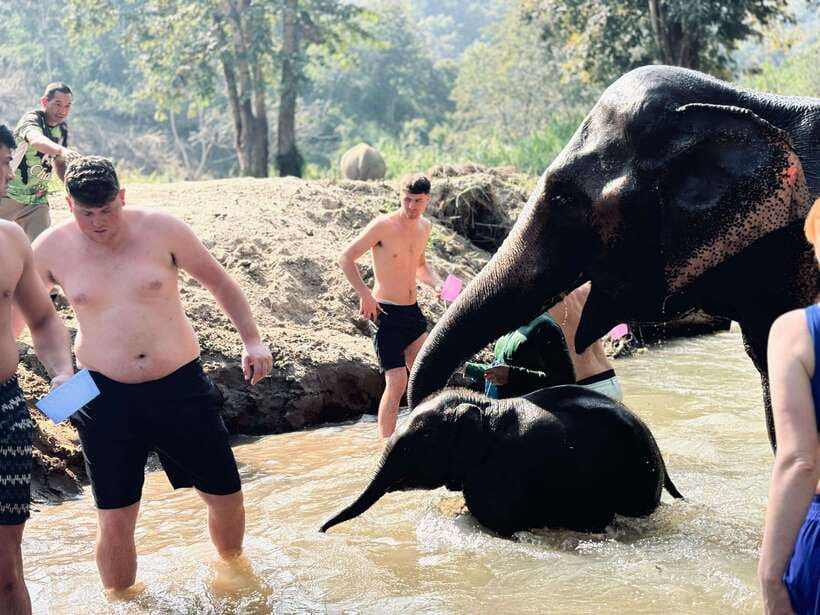
One of the most memorable moments is the river segment. The tour includes taking elephants to the river, with time for swimming and bathing with the herd. The tone here is calm, intimate, and peaceful.
But here is the key planning note: elephants choose to bathe in the river. The staff do not force it, so some activities may change at short notice. Weather can also affect timing, since the itinerary is subject to change due to bad weather or force majeure events.
What should you do with that information? Pack like you’re going to get wet. Bring beachwear, and expect that river time can include splashes that leave you soaked, even if it stays respectful. A towel and a change of clothes are not included, so you’ll want them ready. If you’re heading out afterward, this is not the tour to do with just a single outfit.
Close-up encounters: photos, touching rules, and learning the herd as individuals
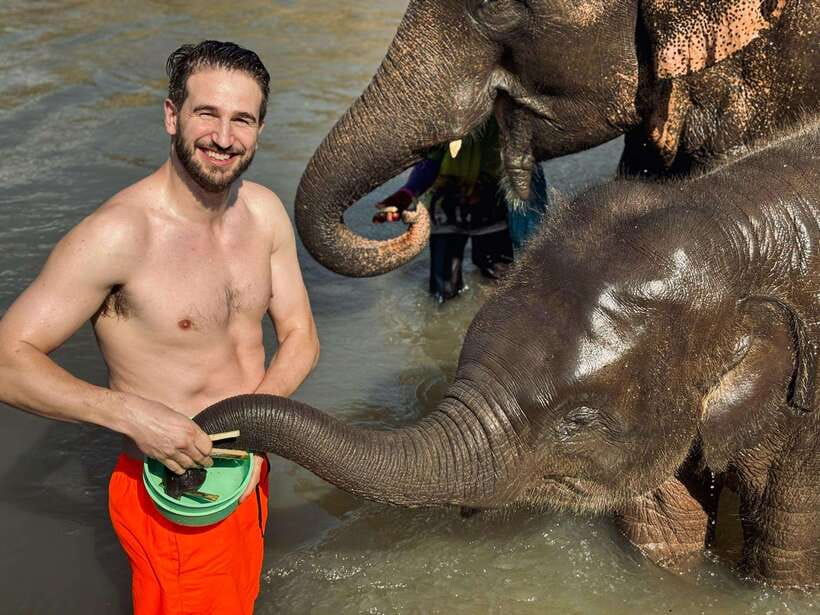
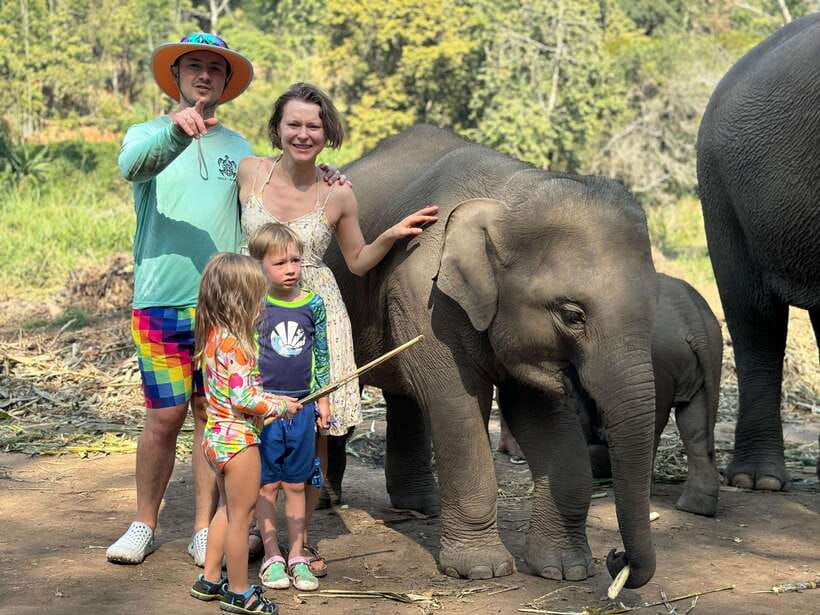
You’ll get photo time with elephants, and you’ll also have close-up interaction opportunities. Some people come for the pictures. You’ll leave with more than that, because staff explain elephant personalities and habits while you stand safely with them.
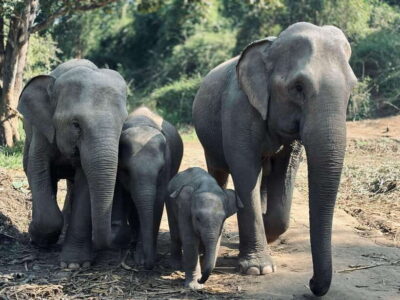
A standout theme from the experience is that elephants are treated as individuals. Staff and guides describe behaviors like how particular elephants respond to visitors and how families move together. In the same way that learning someone’s name makes a conversation better, learning what you’re watching makes your time feel more meaningful.
Guide energy also makes a difference. You might be with guides such as Tuto, Toto, Pat, Pan, Saki, Jackie, Oom, Lek, Jacky, or Mr. Hod, depending on the day. Many guests described guides with humor and real dedication, the kind of people who can explain elephant care in a way that sticks.
Keep it simple during your interaction: stay close to your guide, watch elephant body language, and move slowly. If the elephants step away, let them. This tour is designed around respect, and the best moments come when you follow that rhythm.
Value and pricing: is $27 worth it?
At $27 per person for a roughly 5-hour (330-minute) half-day, this is priced in the zone that often includes a real guide, transport support, and more than one elephant interaction. And the inclusions are meaningful for the cost.
Here’s what’s included: hotel pickup and drop-off if you select it, an English-speaking tour guide, insurance, fruit for elephants, and drinking water. That combination matters because you avoid the hassle of arranging transport and you get a structured day with safety guidance.
What’s not included is also important. A towel and a change of clothes are not included, and river time can be wet. If you show up unprepared, you’ll feel the extra cost fast. I treat this as a lesson in how to shop smart: pack well so the low price stays low.
So is it worth it? If your goal is an ethical elephant encounter where you feed, learn, and see the sanctuary as a living place, the value is strong. If your main goal is riding elephants or a high-adrenaline attraction, you’ll likely feel disappointed because riding animals is not part of what’s allowed.
Who should book this half-day and who should skip it
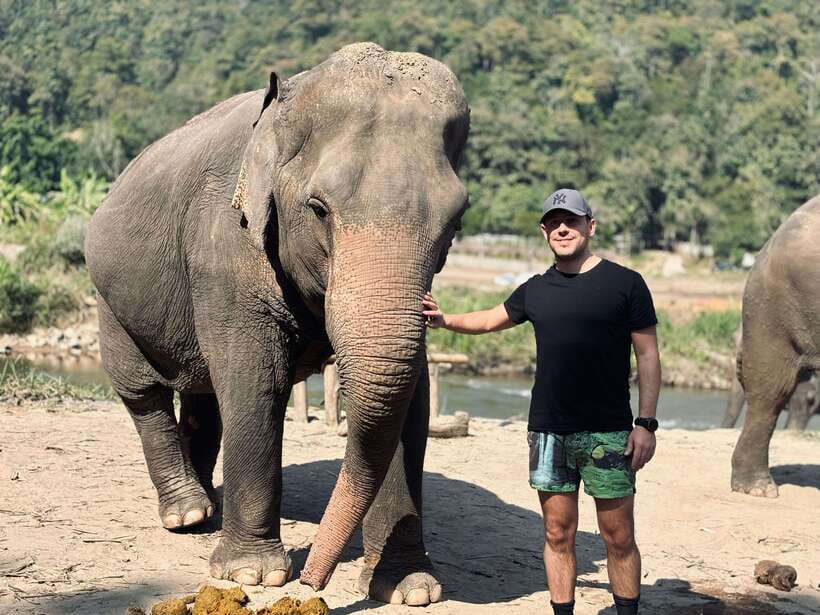
This tour is a good fit if you want a structured, respectful elephant day without turning it into a circus. I think it’s especially good for couples, families, and first-timers who don’t want a full-day commitment but still want substantial time with elephants and a river segment.
It is not suitable for several groups. If you have back problems, mobility impairments, use a wheelchair, have epilepsy, animal allergies, are visually impaired, had recent surgery, have low fitness, or have insect allergies, this may not be the right match. Also, avoid it if you’re looking for a completely static experience, because the day includes walking between stations.
For what to bring, don’t overthink it. Bring a change of clothes, beachwear, comfortable clothes you can get dirty, biodegradable sunscreen, biodegradable insect repellent, a camera, and a charged smartphone. Cash can be handy, and you can use a passport copy accepted.
A small practical tip: protect your phone and keep it reachable. You’ll want photos, but you’ll also want to avoid constantly handling your device in wet conditions.
Should you book the Chiang Mai elephant sanctuary feeding tour?
Book it if you want a half-day experience that balances close-up interaction with clear rules and a focus on elephant welfare. The best reason to choose it is that the day is designed around non-forced behavior, including the river segment, plus guided learning that helps you understand what you’re seeing.
Skip it if you need fully predictable river activities, have health conditions that conflict with the walking and outdoor setting, or you’re hoping for elephant rides. Also skip it if you’re allergic to insects or animals, since the tour does take place outdoors.
If you’re flexible, pack the wet-weather basics, and show up ready to follow guide instructions, this is the kind of Chiang Mai activity that leaves you with a real memory, not just a quick selfie.
FAQ
How long is the Chiang Mai elephant sanctuary feeding program?
The tour duration is listed as 5 hours, or 330 minutes.
Where does the tour take place?
The program is in Chiang Mai Province, and the sanctuary is at Pon Elephant Thailand, reached by traveling south of Mae Wang.
Is hotel pickup and drop-off included?
Hotel pickup and drop-off are included if you select the pickup option.
What do I feed the elephants?
You can feed elephants Napier grass, sugarcane, and bananas. Fruit for elephants is also included.
Do you swim or bathe with the elephants in the river?
The tour includes taking elephants to the river, with swimming and bathing time. The elephants choose whether they bathe, so activities may change at short notice.
What should I bring for the tour?
Bring a change of clothes, a camera, biodegradable sunscreen, comfortable clothes, beachwear, cash, clothes that can get dirty, a passport (copy accepted), a charged smartphone, and biodegradable insect repellent.
Is riding the elephants allowed?
No. Riding the animals is not allowed.
What activities or items are not allowed?
The not-allowed list includes weapons or sharp objects, intoxication, alcohol and drugs, fishing, littering, feeding animals on your own, and making fire. It also lists restrictions like no party groups and no fireworks or explosives.
Who is the tour not suitable for?
It is not suitable for people with back problems, mobility impairments, wheelchair users, epilepsy, animal allergies, visual impairments, recent surgeries, low level of fitness, or insect allergies.
What is the cancellation policy?
Free cancellation is available up to 24 hours in advance for a full refund.
Guided Thai outings, continued
What else made it into the Thailand notebook
Sanctuary visits, and how the elephants are actually kept
What else made it into the Chiang Mai notebook
- Half day Long Neck hill tribe and Hmong hill tribe village
★ 5.0 · 21 reviews - Chiang Rai One Day: Golden Triangle, Laos Border, Long Neck Tribe
★ 3.5 · 21 reviews - Old Town Chiang Mai Food Tour with 10+ Local Dishes Tastings
★ 5.0 · 21 reviews - 5 Day Tuk Tuk Adventure in Chiang Mai – with driver
★ 5.0 · 21 reviews - 1 Hour Foot Relaxing – Free Transportation
★ 5.0 · 21 reviews - Rantong elephant sanctuary Chiangmai
★ 4.4 · 21 reviews
Elephant Sanctuary Visits, compared.
 ★ 4.9Elephant Sanctuary, Waterfall & Bamboo RaftingFrom $609,160 reviews
 ★ 4.9Elephant Sanctuary & Waterfall Group TourFrom $505,780 reviews
 ★ 4.9Elephant Bathing Session at Krabi Elephant ShelterFrom $482,021 reviews
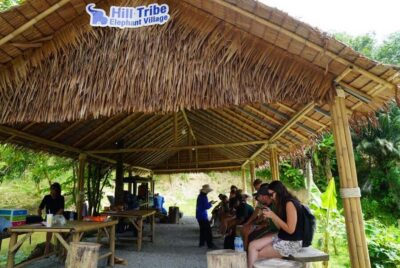 ★ 4.8Elephant Sanctuary Guided Tour with Hotel TransfersFrom $412,020 reviews
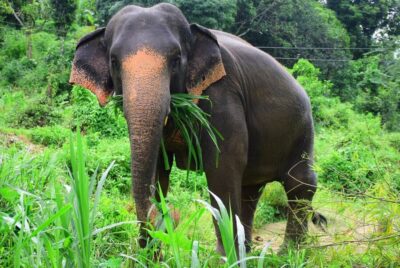 ★ 4.8Elephant Care Program and Nursery TourFrom $531,899 reviews
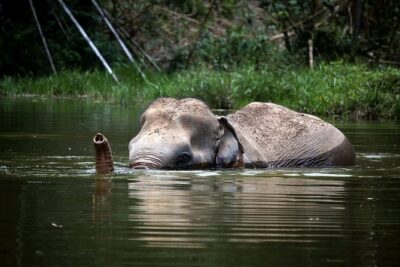 ★ 5.0A Morning with the Elephants at Phuket Elephant SanctuaryFrom $971,693 reviews
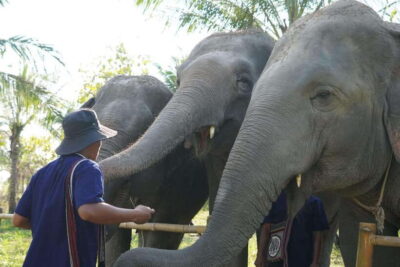 ★ 4.8Living Green Elephant Sanctuary Day TripFrom $571,541 reviews
 ★ 4.7Elephant Sanctuary Entry and Feeding ExperienceFrom $281,446 reviews
Browse the lists this tour appears in