
REVIEW · COOKING CLASSES
Chiang Mai: Authentic Cooking Class with Market & Farm Visit
Chicken hugs and Thai noodles in one day. I love the market ingredient hunt and the Grandma’s farm food time with chickens, eggs, and mushroom picking. One consideration: the pickup is timed for an afternoon start (around 3:30 PM to 4:00 PM for the included city-center pickup), so double-check your pickup details before you head to the lobby.
What you do next is the real payoff. You cook at your own station in an open-air kitchen with step-by-step guidance, then eat everything you made. If you want the signature Chiang Mai bowls like Khao Soi, or you’d like hands-on skills you can repeat back home, this is an easy value win for the money.
In This Review
- Key highlights you should care about
- Hotel pickup to your Thai cooking station in Chiang Mai
- Chiang Mai market tour: learning Thai ingredients you can actually buy later
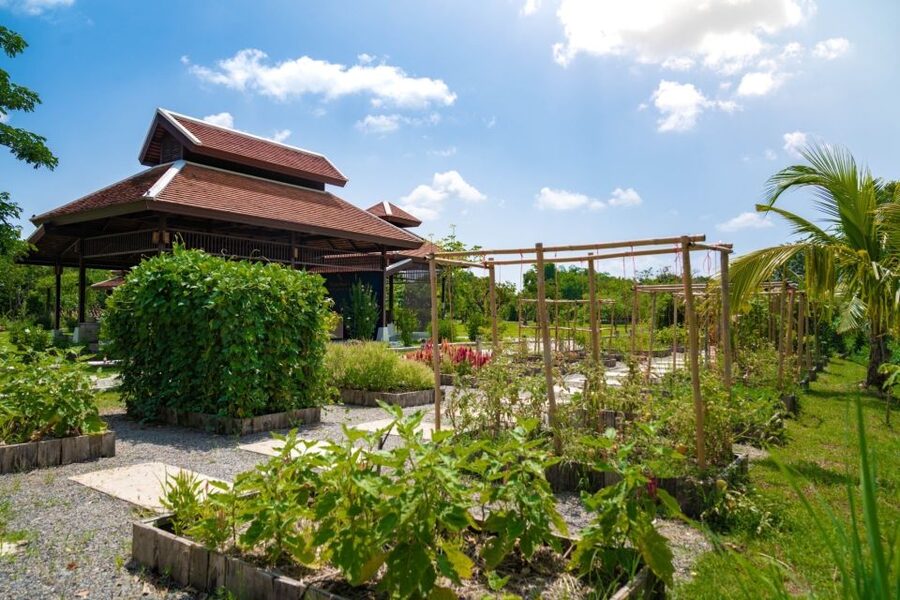
- Grandma’s organic farm: chickens, eggs, mushrooms, and herb smelling
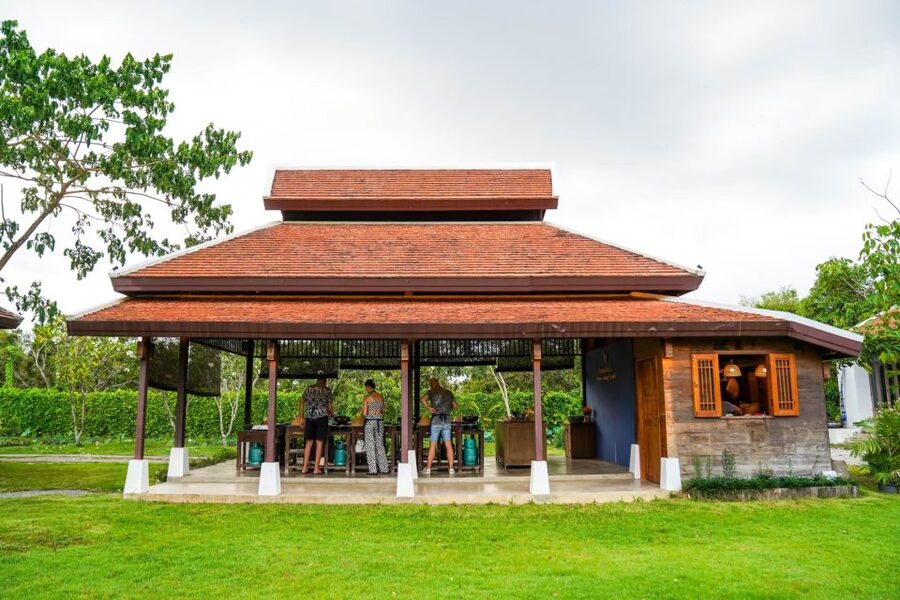
- Open-air cooking at your own station: how Thai classics get broken down
- Dishes you may cook (depends on your class)
- The Chiang Mai highlight: Khao Soi
- What makes the instruction work
- Curry paste, mortar-and-pestle technique, and why it matters
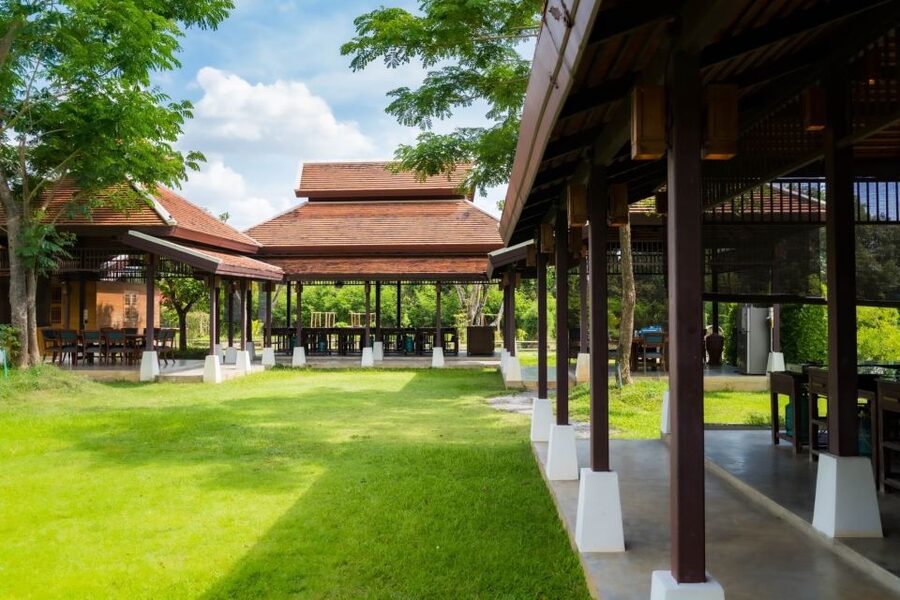
- Mango sticky rice and traditional coconut milk: the sweet endings
- Mango sticky rice
- Traditional coconut milk (full day only)
- Drinks during the class
- Price and value: why $34 feels fair for what you get
- Morning, afternoon, evening, or full day: which schedule fits your appetite
- If you want a lighter taste of the experience
- If you want the most complete Thai cooking day
- If you prefer dinner-time cooking and a calmer vibe
- Allergies, vegetarian, and Halal options without stress
- What to bring and wear for the farm part (and what to skip)
- Who should book this Chiang Mai cooking class, and who might not
- Should you book Grandma’s Home Cooking School in Chiang Mai?
- FAQ
- How long is the Chiang Mai cooking class experience?
- Is hotel pickup included?
- What time does pickup usually happen?
- What kinds of sessions are available?
- Do you cook Thai dishes during the class?
- Is mango sticky rice included?
- Is coconut milk preparation included?
- Can the class accommodate vegetarian or Halal diets?
- Can they handle gluten-free or allergies?
- What should I bring, and is there anything not allowed?
Key highlights you should care about
- Market stops that teach you what to buy, not just what to taste
- Chicken feeding and gentle hugs, plus collecting fresh eggs
- Mushroom hut and herb sniffing, with real farm moments you can’t fake
- Cook at your own station, so you actually learn the steps
- Curry paste from scratch, including mortar-and-pestle technique
- Session upgrades, like coconut milk making on full-day classes
Thai kitchens got sat through and written up
- Half-Day Thai Cooking Class at Organic Farm in Chiang Mai★ 5.0 · 19,087 reviews
- Chiang Mai: Cooking Class, Market & Thai Herbs Garden Tour★ 4.9 · 4,824 reviews
- Chiang Mai: Authentic Cooking Class with Market & Farm Visit★ 4.9 · 4,546 reviews
- Thai and Akha Cooking Class in Chiang Mai★ 5.0 · 4,358 reviews
Hotel pickup to your Thai cooking station in Chiang Mai
This experience is built around convenience and flow. You get hotel pickup and drop-off in an air-conditioned van if your hotel is within 5 km of the city center, and the day starts at that convenient neighborhood scale. The most practical thing to know is the timing: depending on the session you choose, you’ll likely be picked up in the late afternoon window (often around 3:30 PM to 4:00 PM for the included pickup).
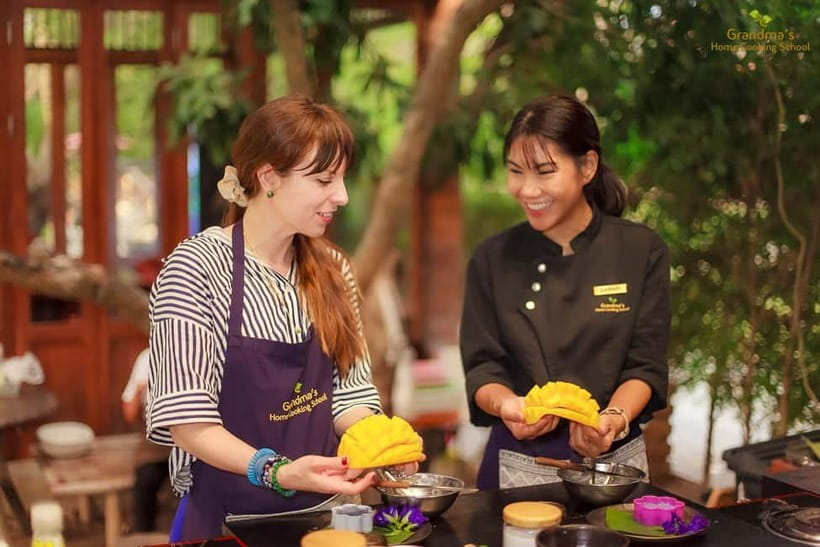
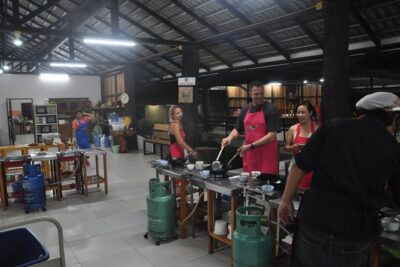
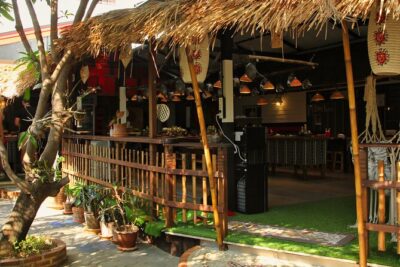
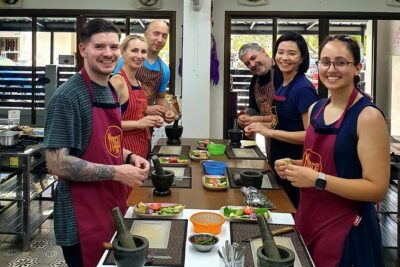
Once you arrive, the biggest difference from many cooking classes is the setup. It is not a cramped classroom where you watch and wait. You work at your own station in the open-air kitchen, which makes it easier to follow along, chop at the right pace, and ask questions when something is unclear. Many guides are English-speaking, and instructors like Kiki, Jimmie, Patty, Roger, and Joyzaa are repeatedly praised for clear instruction and good energy, so you feel supported rather than rushed.
Chiang Mai market tour: learning Thai ingredients you can actually buy later
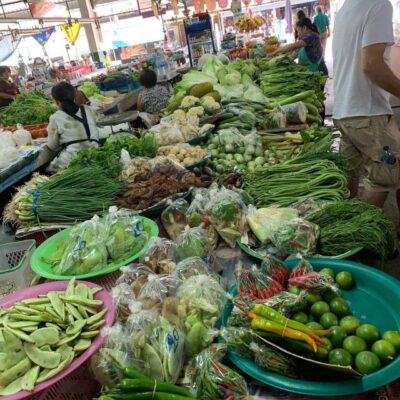
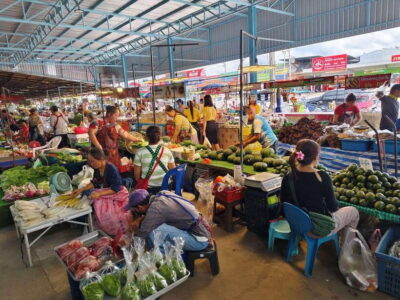
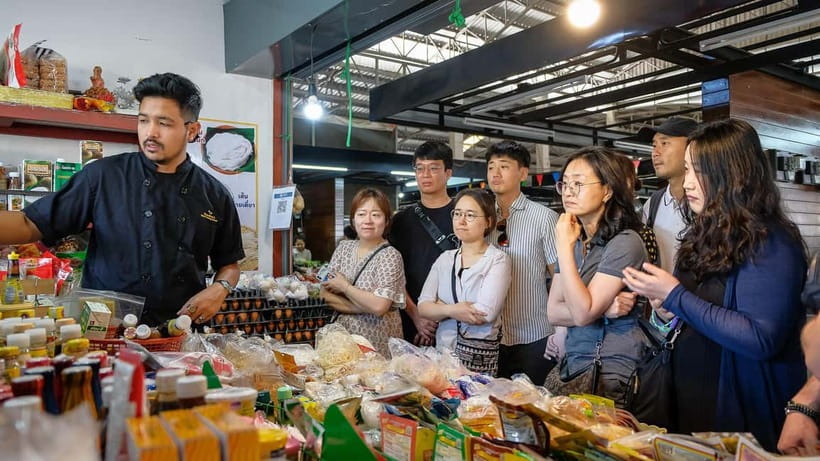
If you do a morning, afternoon, or full-day session, you start by meeting Thai ingredients in the market. The point here is not just photos. You learn what the common Thai flavors are made from, and how each ingredient behaves in cooking.
Here’s what you’ll typically get from a good market component:
- recognition of herbs, vegetables, and aromatics by smell and look
- understanding which items matter most for dishes like curry and stir-fries
- a clearer sense of how Thai sauce flavors are balanced
Even better, the cooking school takes dietary needs seriously. The class can adjust for vegetarian and Halal preferences, and you can request gluten-free and other allergy needs before the class starts. In practice, that matters because Thai cooking often relies on sauces and paste ingredients, so getting swaps approved ahead of time saves you from ending up with a half-meal.
Grandma’s organic farm: chickens, eggs, mushrooms, and herb smelling
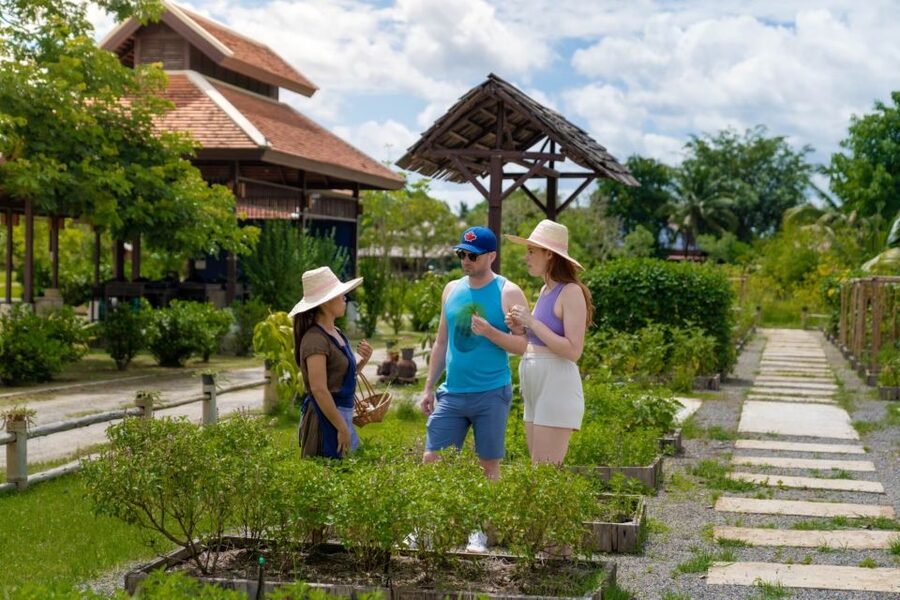
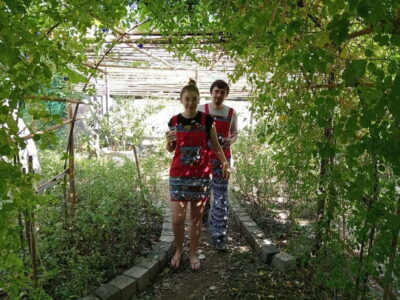
The farm visit is one of the most memorable parts because it’s active and sensory. You walk through rice fields and garden space, then get hands-on with the animals. The standout activities are feeding the chickens, collecting fresh eggs, and even giving them a gentle hug. It sounds whimsical, but it’s also a great way to slow down and see where the food mood comes from.
You can also pick mushrooms from a one-of-a-kind mushroom hut, and you’ll smell herbs and fruits as you learn what they contribute to Thai dishes. Some classes also include harvesting vegetables if what’s ready in the garden. What I like about this farm piece is that it connects ingredients to cooking. When you later make a dish like Pad Kra Prao or Tom Yum, the herbs and aromatics you saw on the farm stop being abstract.
One note: if you’re the type who dislikes animals, you can still participate by focusing on the garden and mushroom side, but chicken time is part of the experience. Also, pets are not allowed, so plan for your own visit space.
Open-air cooking at your own station: how Thai classics get broken down
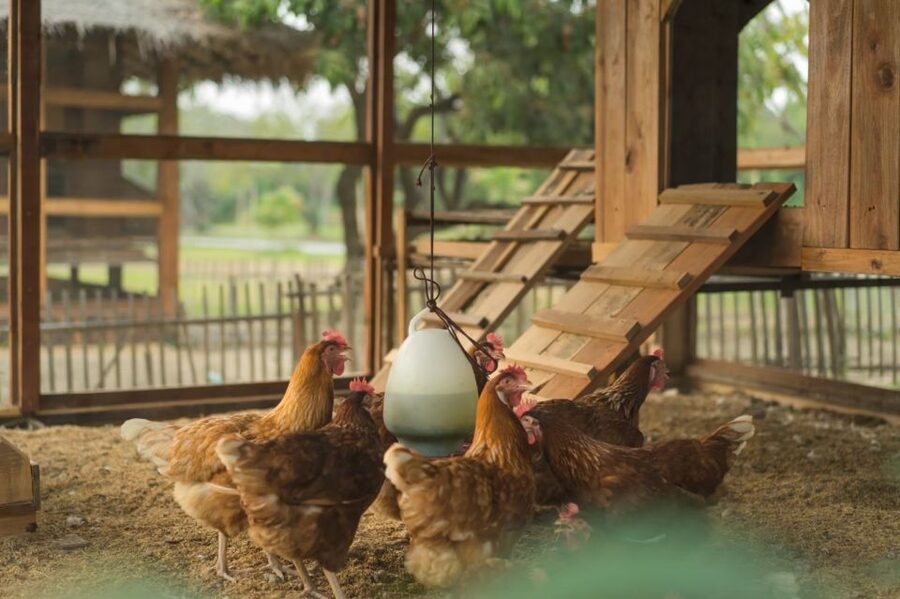
This is the core of the day. You cook Thai dishes step by step, at your own cooking station, with guidance from an English-speaking instructor. Many people like that you are not stuck standing in one place, and you are not stuck waiting for someone else to finish cutting before you can start. You do the work, then you eat it.
Thai market visits sat in the same notebook
Dishes you may cook (depends on your class)
The menu includes Thai favorites such as Pad Thai, Pad Kra Prao, Green Curry, Red Curry, Panang, Tom Yum, Tom Kha, Som Tam, and spring rolls. Many classes also include curry paste from scratch. That means you get hands-on with the mortar and pestle approach, which is a skill you can carry home.
The Chiang Mai highlight: Khao Soi
Khao Soi is the standout Chiang Mai signature, and it is listed as part of the experience. This is one of those dishes where technique matters, from the curry base to the noodle texture. Learning it in a class setting helps you avoid the common home-cooking mistake of making something that tastes like a shortcut instead of a bowl with layers.
What makes the instruction work
A lot of guides in this program are praised for making steps easy to follow while still teaching the why behind the flavors. In particular, there are multiple mentions of strong allergy handling, including gluten intolerance support from instructors like Jimmie, plus accommodations like gluten-free soy sauce and oyster sauce. That kind of practical adjustment helps you learn the method, not just the recipe.
Curry paste, mortar-and-pestle technique, and why it matters
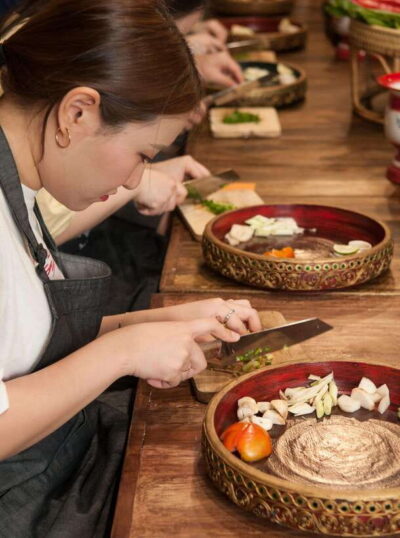
Thai curry taste often comes down to the paste. You don’t just open a jar and call it done. You make curry paste using a mortar and pestle. That sounds basic, but technique is the point.
When you grind and mash aromatics yourself, you learn:
- how the texture changes as ingredients break down
- how fragrant ingredients release oils and flavor
- how paste consistency affects cooking pace
You’ll use what you make for your curry dish, so it’s not a demo you forget after the photos. It’s also a great way to understand why Thai curry is never only about heat, it’s about balance and aroma.
Mango sticky rice and traditional coconut milk: the sweet endings
Dessert and extras vary by session, and it’s worth choosing based on what you love.
Mango sticky rice
Mango sticky rice is included and taught. Morning and afternoon sessions include it as part of the class plan, and full-day and evening classes also include mango sticky rice as part of the cooking. In other words, you’re not left with a bland afterthought. You get a proper sweet finish you can reproduce.
Traditional coconut milk (full day only)
If you choose the full-day option, you get an extra treat: making fresh coconut milk the traditional way with a wooden grater. This is a hands-on skill that changes how you think about Thai curries and soups, because coconut milk is not just a packaged ingredient. It’s part of the texture and timing of the dish.
Drinks during the class
You also get a welcome drink, with choices including Thai milk tea, Thai lemon tea, or butterfly pea flower tea. During the class, there’s herbal drink service, plus unlimited drinking water. That sounds small, but when you’re cooking for hours, staying hydrated makes the whole day feel smoother.
Price and value: why $34 feels fair for what you get
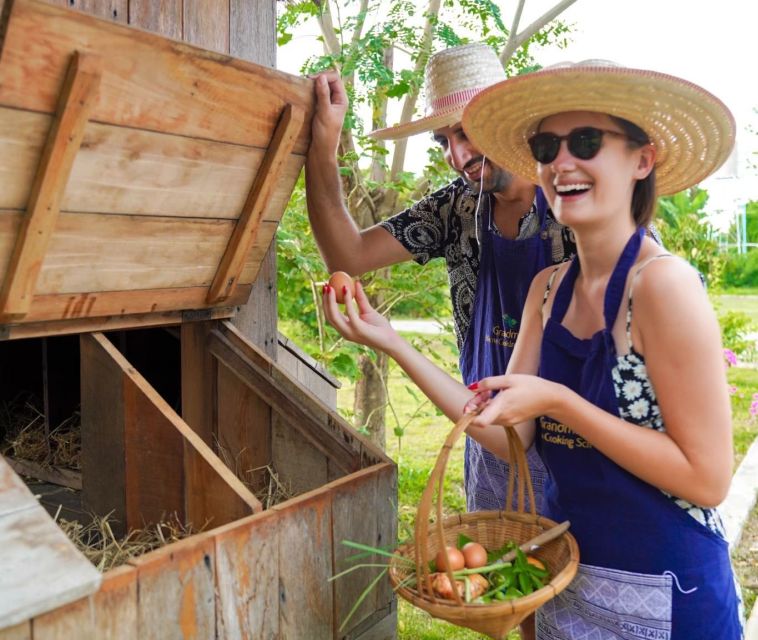
At around $34 per person, this class is priced like a practical local experience, not a splurge. The value comes from what is included, not just from the cooking.
You get:
- hotel pickup and drop-off within 5 km of the city center
- market tour for morning, afternoon, and full-day sessions
- farm tour and farm activities
- hands-on cooking at your own station
- the ingredients experience that explains what you are doing
- a digital recipe e-book
- welcome drinks, herbal drinks, and unlimited water
In real terms, you are paying for the whole learning loop: buy ingredients, see them at the source, cook with technique, then eat the result. Many standard cooking classes stop at the kitchen part. Here, you get the ingredient context that makes recipes easier to repeat at home.
Morning, afternoon, evening, or full day: which schedule fits your appetite
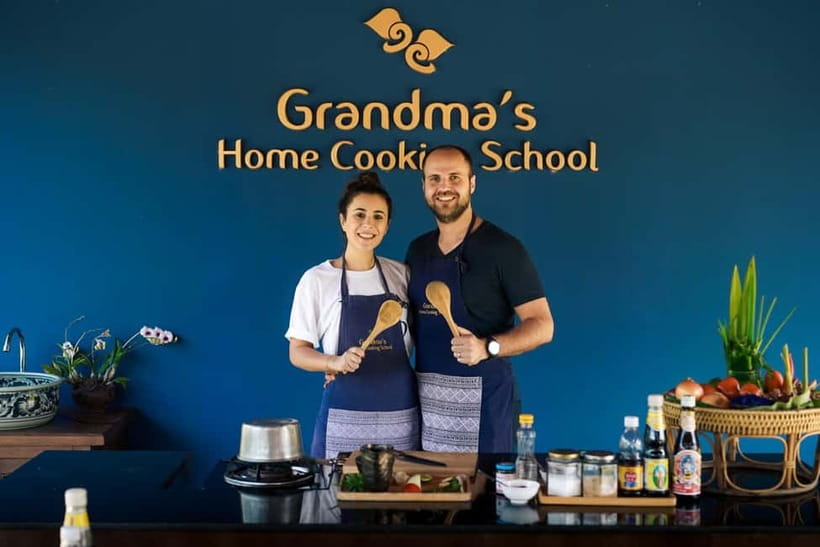
This program runs multiple session types, each with slightly different activities and timing. The total duration ranges from about 210 minutes up to roughly 7 hours, depending on class length.
If you want a lighter taste of the experience
Morning or afternoon classes are a good pick if you want to eat well and learn key dishes without committing to a full day. You still get the market and you’ll cook Thai classics, plus mango sticky rice as part of the plan.
If you want the most complete Thai cooking day
Full-day is for you if you want the full farm-to-table flow. You’ll add more time in the garden and animal activities, plus the coconut milk making with the wooden grater. If you love method, this is the option that gives you the most skills per hour.
If you prefer dinner-time cooking and a calmer vibe
Evening classes can be a great choice if your day is booked with temples or massage. You still learn, cook, and eat, with the rhythm of cooking in the later light.
A tip that helps: don’t over-plan your meal right before the class. Many people recommend arriving hungry, because you do cook multiple dishes and you eat what you make.
Allergies, vegetarian, and Halal options without stress
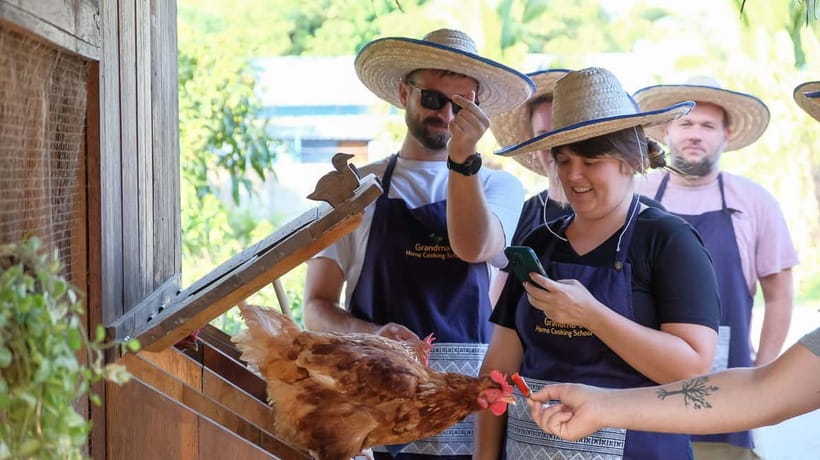
This is a strong point of the experience. You can request vegetarian and Halal options, and you can also ask for gluten-free and other allergy accommodations before the class begins. You choose your menu at the start of class before cooking begins, which gives the instructors time to adjust ingredients around your needs.
I also like that the class is structured enough to handle adjustments like gluten intolerance. One review specifically notes gluten-free support, including gluten-free soy sauce and oyster sauce. That tells you the program is thinking about real-world replacements, not just removing one ingredient and hoping for the best.
What to bring and wear for the farm part (and what to skip)
Keep it simple. Wear comfortable shoes, because you’ll walk during the farm portion. Bring a sun hat, since you can spend time outdoors in open-air areas and gardens. The program provides plenty of drinking water, but good shoes and sun protection are still on you.
Also, plan around one small rule: pets are not allowed. If you’re traveling with an animal, you’ll need to arrange care separately.
Who should book this Chiang Mai cooking class, and who might not
You’ll probably love this if:
- you want to understand Thai ingredients, not just copy recipes
- you like hands-on cooking with step-by-step guidance
- you want a memorable farm moment, not a quick photo stop
- you care about dietary adjustments and want them handled before cooking starts
It might be less ideal if you:
- want a totally private class setup. This is designed for a small group format with your own station, but it is not described as private.
- strongly dislike farm animals. Chicken feeding and eggs are part of the experience, though you can focus more on the garden side if needed.
For families, it can also work well. One detail to plan for: children under 10 are considered visitors and will not have their own station. They can join with parents unless you book an adult-priced station for them.
Should you book Grandma’s Home Cooking School in Chiang Mai?
Yes, if you want a class that teaches technique and ingredient logic, not just dish names. The combination of market time, farm activities, and cooking at your own station makes it feel like a full food lesson, with Khao Soi and curry paste from scratch as real skill builders. At around $34, the included pickup, market, farm, cooking, drinks, and recipe e-book make it feel fair rather than inflated.
Book it especially if you are the type who wants to come home with confidence. You’ll know what to look for at a Thai market, and you’ll have practiced the steps that make Thai flavors click.
FAQ
How long is the Chiang Mai cooking class experience?
The duration ranges from about 210 minutes to 7 hours, depending on the session you choose.
Is hotel pickup included?
Yes, hotel pickup and drop-off are included in an air-conditioned van for hotels within 5 km of Chiang Mai city center.
What time does pickup usually happen?
The included pickup time is around 3:30 PM to 4:00 PM, depending on your session and availability.
What kinds of sessions are available?
You can choose Morning, Afternoon, Evening, or Full Day, and each session includes slightly different activities.
Do you cook Thai dishes during the class?
Yes. You cook Thai dishes step by step at your own station, and the menu can include dishes like Pad Thai, Tom Yum, Green Curry, Red Curry, Panang, Pad Kra Prao, Som Tam, spring rolls, and more.
Is mango sticky rice included?
Yes. Mango sticky rice is included for Morning and Afternoon classes, and it is taught as part of the cooking for Full Day and Evening classes.
Is coconut milk preparation included?
Fresh coconut milk preparation is included as an option for Full Day guests only, using a traditional coconut grater.
Can the class accommodate vegetarian or Halal diets?
Yes. Vegetarian and Halal options are available, but you should tell the provider before the class starts.
Can they handle gluten-free or allergies?
Dietary restrictions like gluten-free and allergies are accommodated if you let them know before the class starts. You select your menu at the start of class before cooking begins.
What should I bring, and is there anything not allowed?
Bring comfortable shoes and a sun hat. Pets are not allowed. Alcohol is not included, but it may be available for purchase.
Thai market mornings, continued
Thai kitchens you can book into
What else made it into the Thailand notebook
What else made it into the Chiang Mai notebook
- Half day Long Neck hill tribe and Hmong hill tribe village
★ 5.0 · 21 reviews - Chiang Rai One Day: Golden Triangle, Laos Border, Long Neck Tribe
★ 3.5 · 21 reviews - Old Town Chiang Mai Food Tour with 10+ Local Dishes Tastings
★ 5.0 · 21 reviews - 5 Day Tuk Tuk Adventure in Chiang Mai – with driver
★ 5.0 · 21 reviews - 1 Hour Foot Relaxing – Free Transportation
★ 5.0 · 21 reviews - Rantong elephant sanctuary Chiangmai
★ 4.4 · 21 reviews
Cooking Classes, compared.
 ★ 5.0Half-Day Thai Cooking Class at Organic Farm in Chiang MaiFrom $2919,087 reviews
 ★ 4.9Cooking Class, Market & Thai Herbs Garden TourFrom $314,824 reviews
 ★ 5.0Thai and Akha Cooking Class in Chiang MaiFrom $424,358 reviews
 ★ 5.0Phuket Thai Cooking Class with Market Tour OptionFrom $652,665 reviews
 ★ 4.9Hands-on Thai Cooking Class and Market TourFrom $451,614 reviews
 ★ 4.9Cooking Class with Market and PickupFrom $251,365 reviews
 ★ 4.9Tingly Thai Cooking School Half-Day Cooking ClassFrom $411,191 reviews
 ★ 4.9Cooking Class with Organic Farm at Mama NoiFrom $321,151 reviews
Browse the lists this tour appears in