
REVIEW · COOKING CLASSES
Chiang Mai: Cooking Class with Market and Pickup
Thai cooking starts at the market. This Chiang Mai class pairs a fresh-herb market stop with a hands-on cooking session in a Thai-family style kitchen at Chiang Mai Daddy’s Kitchen, with hotel pickup and your own wok station. It runs long enough to feel like a real dinner, not a quick demo.
Two things I love are the market-to-menu workflow and the fact that you actually cook, not just watch. You get a small-group setup limited to 10, plus a digital PDF recipe book and photos you can use later.
One consideration is appetite. You should come ready to eat a lot, including mango sticky rice at the end, so plan your meal timing accordingly.
In This Review
- Key Highlights I’d Prioritize
- Hotel Pickup, English Instruction, and a Small-Group Pace
- Fresh Market Walk: Thai Herbs, Spices, and the Real Flavor Clues
- Back to Daddy’s Kitchen: Welcome Snack, Your Cooking Station, and Your Own Wok
- The Thai-Family Home Atmosphere and How the Chef Keeps You on Track
- How the Menu Works: Soups, Stir Fries, Curries, and a Team-Shared Curry Paste Moment
- What You Cook, What You Learn, and Why Hands-On Beat Taste-Only
- Mango Sticky Rice and the Ending Bite That Can Surprise You
- The PDF Recipe E-Book and Photos You Can Actually Use Later
- Price, Included Items, and Why $25 Often Feels Like Fair Value
- Who Should Book This Class (and Who Might Not)
- Practical Timing Tip: Arrive Ready to Eat
- Should You Book Chiang Mai Daddy’s Kitchen Cooking Class?
- FAQ
- How long is the cooking class in Chiang Mai?
- What is included in the price?
- Is this class a small group?
- Do I get to choose what I cook?
- Are drinks included, and are there any rules about alcohol?
- What do I take home after the class?
- Can I cancel if my plans change?
Key Highlights I’d Prioritize
- Hotel pickup that actually starts on time, with you meeting the driver in the lobby about 30 minutes before the class
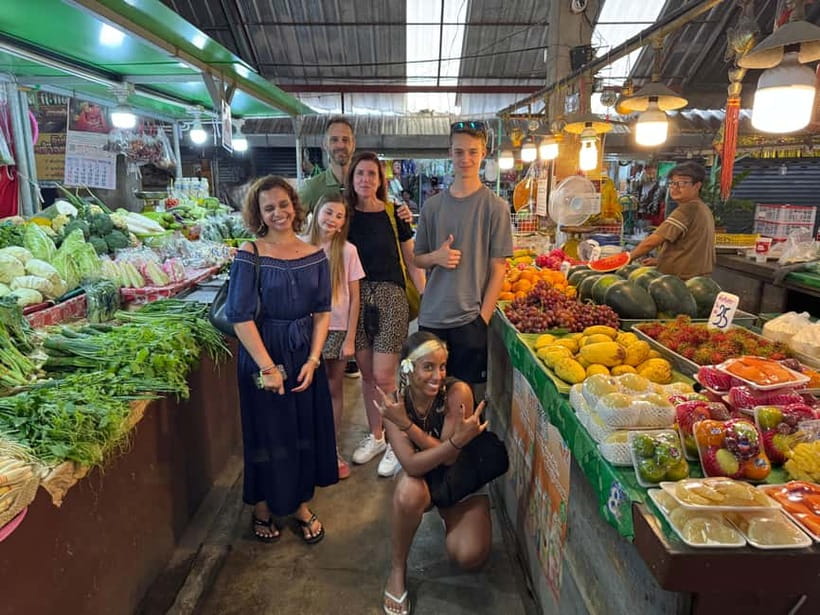
- A local fresh market visit, focused on herbs, vegetables, and the ingredients behind Thai flavor
- Your own wok, utensils, and cooking station, so you are active the whole time
- Choose from multiple dishes to build your menu, instead of being locked into one set program
- Hands-on instruction in English, designed for both confident cooks and total beginners
- A take-home PDF recipe e-book and activity photos, so you can repeat your favorites at home
Thai kitchens got sat through and written up
- Half-Day Thai Cooking Class at Organic Farm in Chiang Mai★ 5.0 · 19,087 reviews
- Chiang Mai: Cooking Class, Market & Thai Herbs Garden Tour★ 4.9 · 4,824 reviews
- Chiang Mai: Authentic Cooking Class with Market & Farm Visit★ 4.9 · 4,546 reviews
- Thai and Akha Cooking Class in Chiang Mai★ 5.0 · 4,358 reviews
Hotel Pickup, English Instruction, and a Small-Group Pace
This starts with a hotel pickup from Chiang Mai. You will wait at the hotel lobby about 30 minutes before the class start time, then head to the market and later on to Daddy’s Kitchen. For a $25 class, the pickup matters because it removes the mental load, so you can focus on learning.
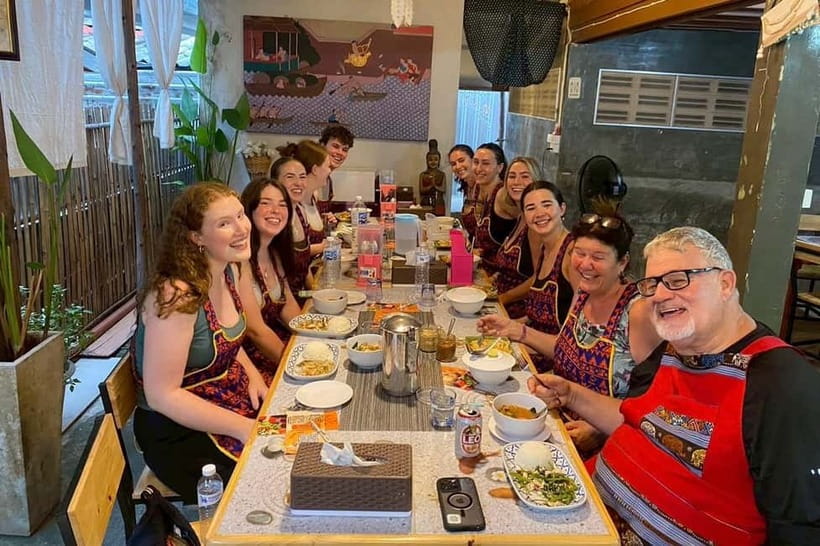
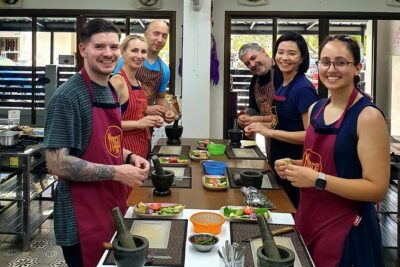
The session runs for 210 minutes, which is long enough to cover more than one dish and still keep things moving. The group is small, limited to 10 participants, and that size is part of the value. In practice, small groups tend to mean more attention while you are chopping, stirring, and timing things.
Instruction is in English, so you are not forced to play kitchen charades. I also like that the class is described as suitable for both skilled cooks and nonskilled cooks, which matches what you want from a hands-on experience. If you are worried about doing it wrong, you are not the only one.
Fresh Market Walk: Thai Herbs, Spices, and the Real Flavor Clues
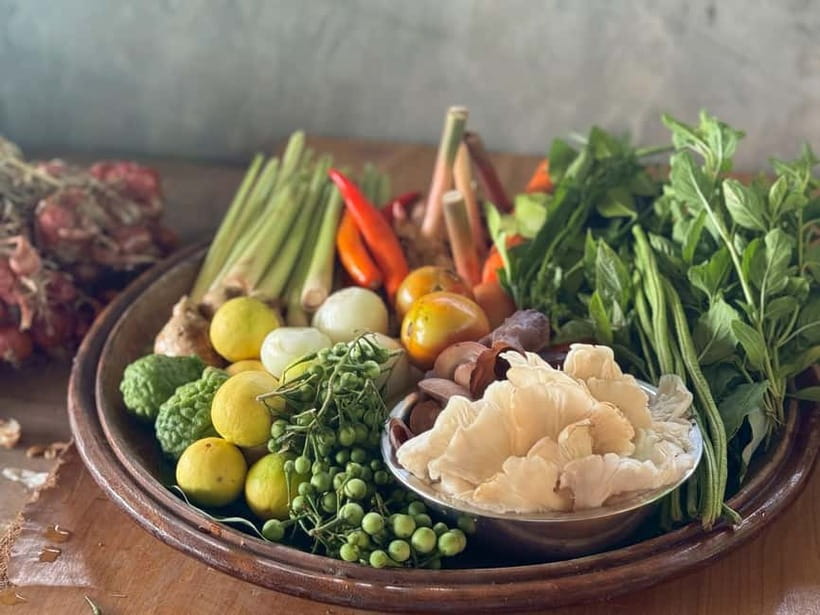
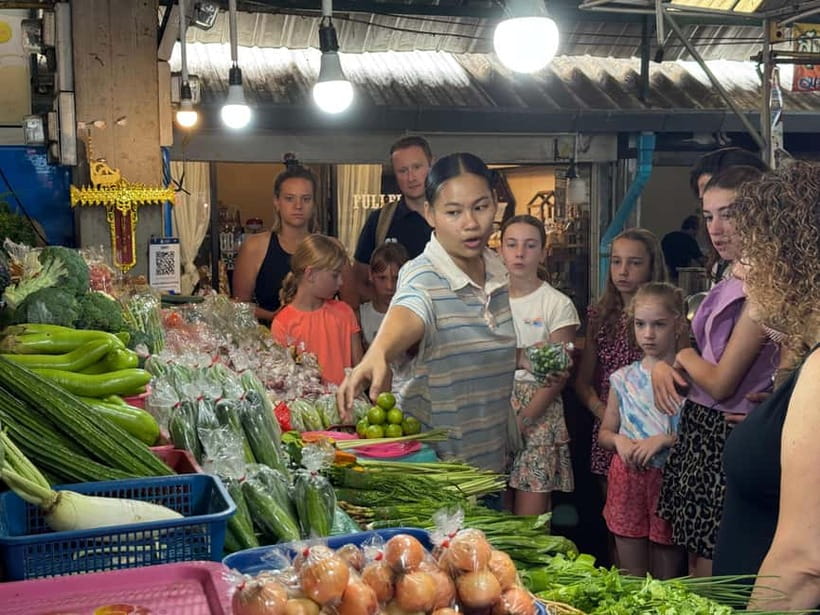
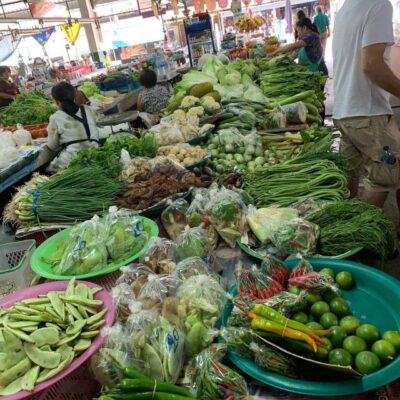
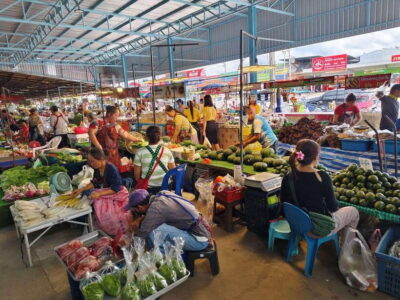
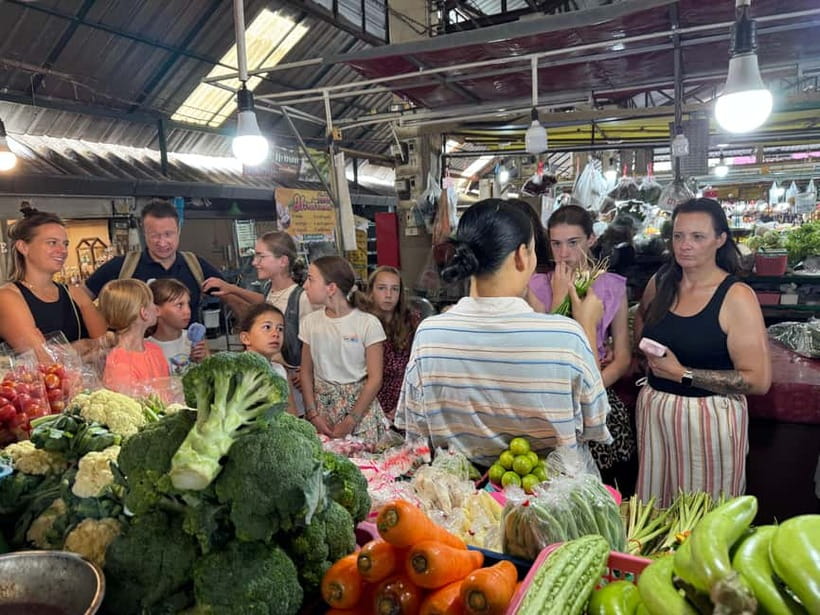
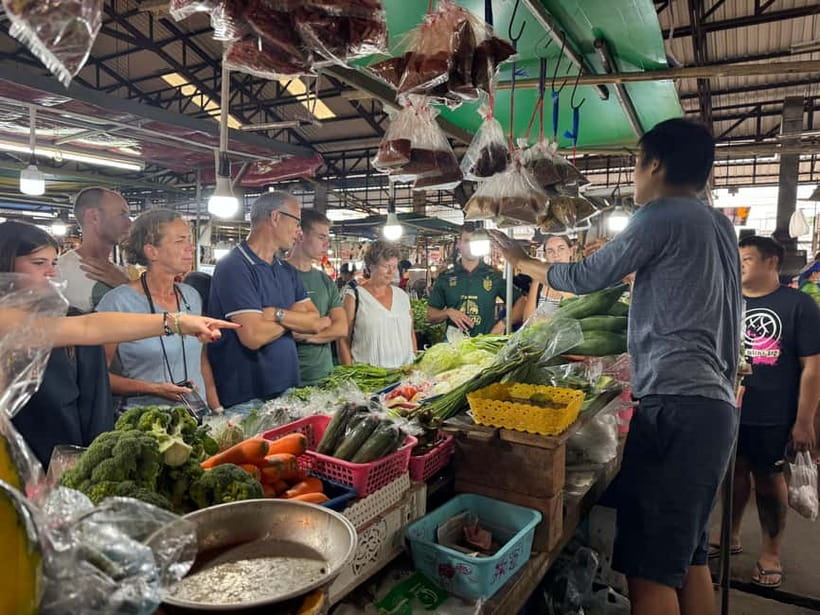
Before you cook, you go to a local fresh market. The goal is simple: you get introduced to Thai herbs and vegetables and you pick up ingredients for the dishes you will make later. This is where the class earns its credibility, because Thai cooking is built on freshness and balance, not just spice levels.
In the market you get to see ingredient variety up close. One detail that really sticks in my mind from how people talk about this stop is the sheer range of produce, like multiple types of eggplant. That kind of variety is a good lesson by itself: recipes make more sense when you can identify what the ingredient actually looks like.
You also learn what to look for, not just what to buy. Even if you do not remember every name, you will understand the role of herbs and vegetables in the final dish. That translates into better home cooking, because you can substitute intelligently later on.
Back to Daddy’s Kitchen: Welcome Snack, Your Cooking Station, and Your Own Wok
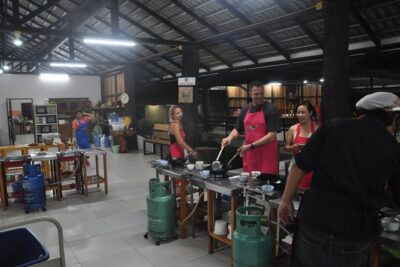
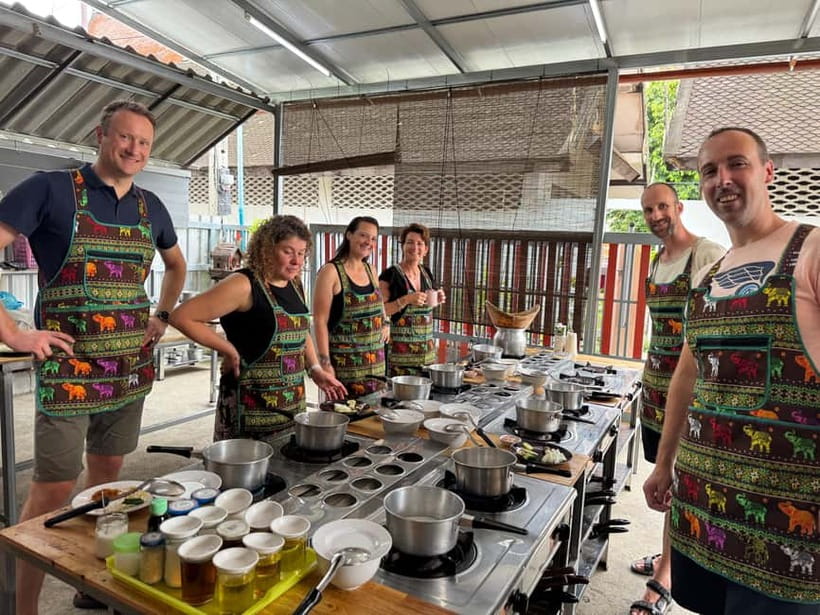
After the market, you return to Daddy’s Kitchen for a welcome drink and snack. Then it is hands-on time, with an active learning approach. This is also where you settle into the setup: each person gets their own cooking station, their own wok, and cooking utensils.
That equipment detail may sound minor, but it changes the experience. A hands-on class where you share one wok can turn into waiting. Here, having your own setup keeps you working and keeps the timing practical, especially when multiple dishes are happening at once.
Daddy’s Kitchen also emphasizes fresh herbs and ingredients. That matters because you are not learning Thai cooking through a shortcut kit. You are learning with the real thing, which is why the flavors you make are more likely to match what you tasted in Thailand.
Before you start cooking, you also receive the digital recipe book (PDF version) and access to photos of the activities online. I like this because it helps you follow along while you cook, and it gives you a reference for later.
The Thai-Family Home Atmosphere and How the Chef Keeps You on Track
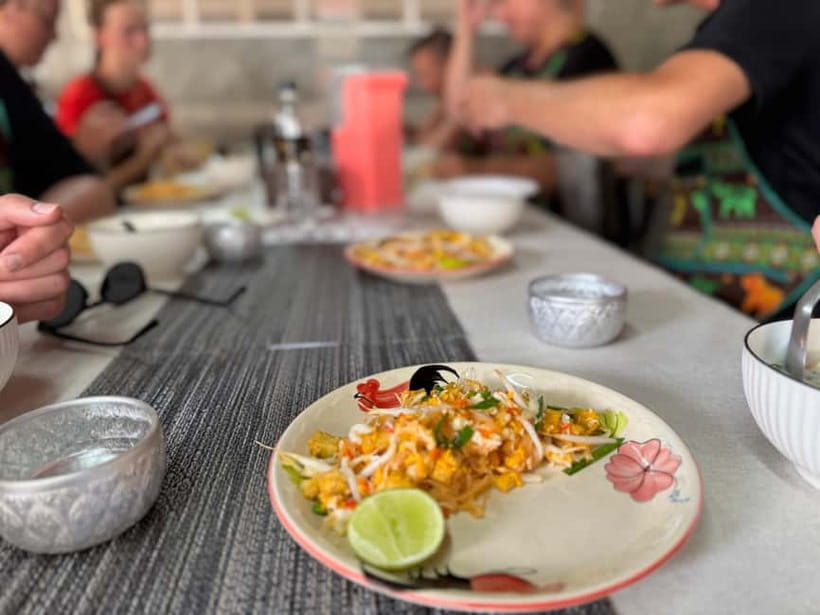
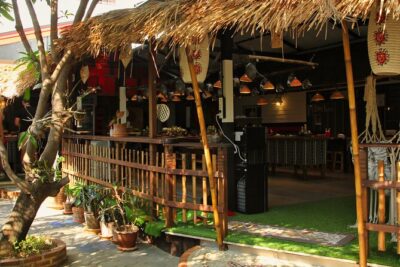
The cooking happens with a master local Thai chef, and the class is described as feeling like a Thai family home atmosphere. That shift in setting is a big deal. Cooking schools in sterile studio rooms can feel detached. Here, the home-style vibe tends to make the learning feel easier.
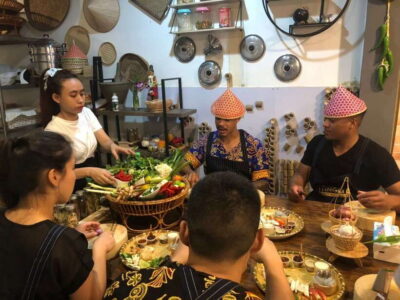
English-speaking instructors guide the process, and the tone matters. Names that come up strongly include Cha-em, Wave, New, Pe New, Tu, Kimmy, and Toey. Regardless of the name, the common thread is clear guidance with humor, plus step-by-step support so the class stays fun and understandable.
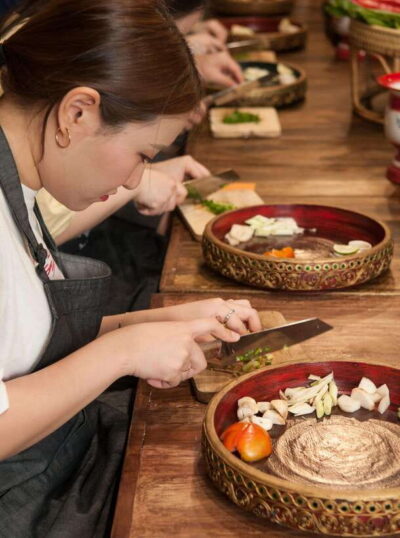
Also, the class format is about you doing the work. You are taught how to prepare and cook Thai dishes using a hands-on method, not passive watching. If you are nervous about your knife skills or your stirring technique, you will still have something meaningful to do from the start.
One small but helpful detail: you create your own menu. That means you are not stuck with what the school thinks you should like. It makes the class feel personal, and it increases your odds that you will actually cook these dishes again at home.
Thai market visits sat in the same notebook
How the Menu Works: Soups, Stir Fries, Curries, and a Team-Shared Curry Paste Moment
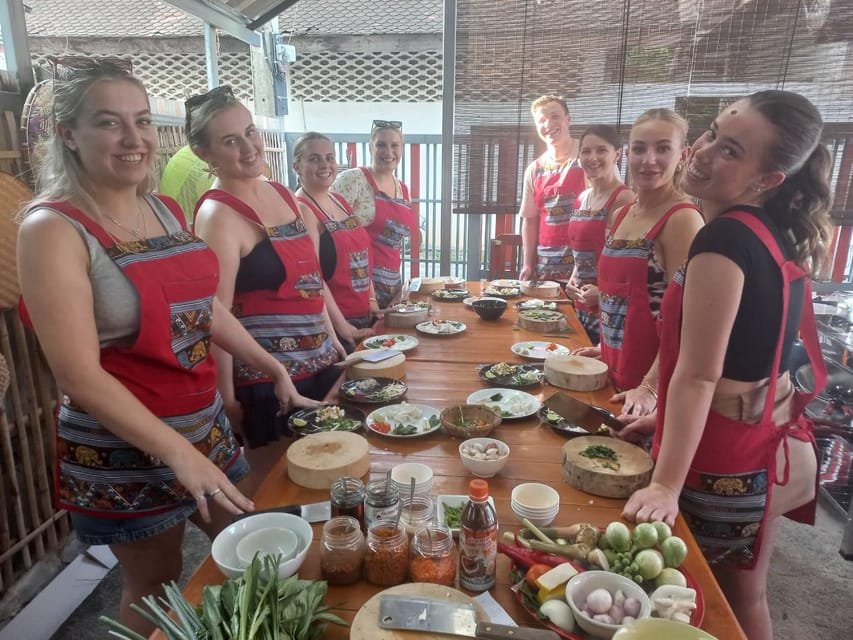
You choose what to cook from menu options. The experience includes a range that can include multiple soups, stir-fry options, and curries, with the opportunity to make paste for curry dishes. That menu variety is one reason this class feels better than a one-dish workshop.
In a small group, you can usually sample more than you would at a typical street-food crawl. The format also supports teamwork for the parts that benefit from shared effort, like curry paste preparation and the final dessert portion. So even if the station work is individual, the group energy stays collaborative.
If you are wondering what the session feels like, it is a mix of focused station tasks and shared timing. You will likely chop, stir, assemble, and plate while the instructor monitors the overall pace. That balance is useful because Thai dishes can have quick turnarounds, especially stir-fries and curry finishes.
And yes, the mango sticky rice dessert is part of the package. You will finish with a sweet Thai classic, which is a satisfying punctuation to a savory cooking session.
What You Cook, What You Learn, and Why Hands-On Beat Taste-Only
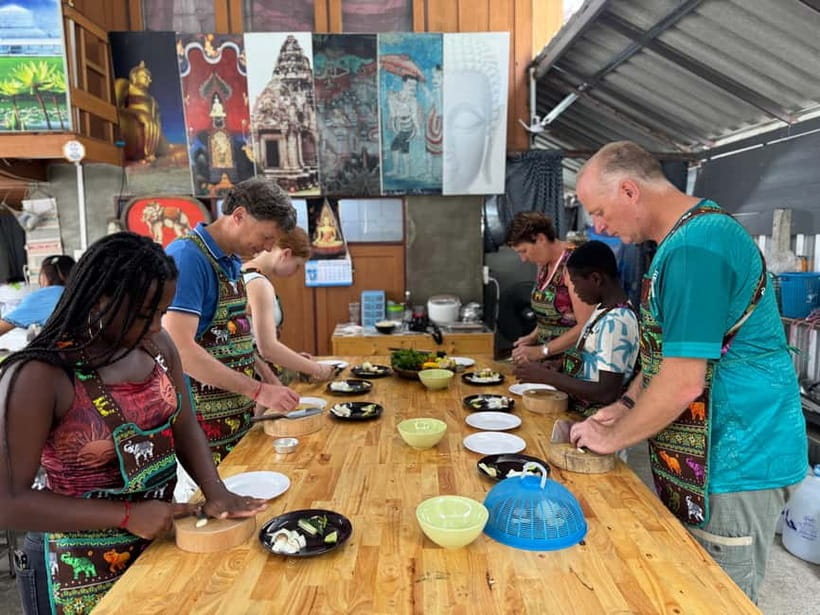
The big win here is that you learn the structure of dishes, not just the taste. A market walk primes you for what you are about to use. Then the cooking lesson teaches you how Thai flavors come together through herbs, spice blends, and paste-building for curries.
Because you choose your menu, you also learn which ingredients matter most for the dishes you pick. If you love aromatic soups, you will likely pay attention to herb choices and how you build flavor. If you choose stir-fry options, you will focus on cutting, heat, and timing. If you pick curry options, the paste-making step teaches you how the flavor base starts.
The class also stresses that ingredients are prepared and used fresh. That is a practical lesson for home cooking. Many people try to recreate Thai food at home but get stuck because ingredients are old, dried out, or not similar to what you used abroad. Here, you get an accurate starting point.
You will leave with food, yes. But you also leave with process. That is why this kind of class is so popular for people who want authentic results without needing to memorize a hundred recipes.
Mango Sticky Rice and the Ending Bite That Can Surprise You
The dessert included is mango sticky rice. For many people, it is a highlight because it is sweet, creamy, and familiar enough to enjoy after spicy or aromatic dishes. It is also a great Thai cooking takeaway because it gives you a second skill set: sweet sticky texture and balanced flavor.
That said, one detail to keep in mind is that not everyone loves the mango sticky rice style every time. If you have strong preferences about texture or sweetness, you might want to pace your earlier eating so you can still enjoy the ending.
To be practical: if you want to feel good at the end, do not arrive stuffed. The class gives you enough food to turn cooking into dinner, and dessert is the closer.
The PDF Recipe E-Book and Photos You Can Actually Use Later
One of the most useful parts is the take-home digital recipe e-book in PDF format. You also get photos of the activities online, plus the class provides a free recipe book online. For home cooking, PDFs are nice because you can save them, search them, and cook with your phone or tablet nearby.
The real value is recall. Thai cooking can feel complicated at first, but when you can revisit the steps and ingredients you used, it becomes much easier to repeat. A recipe you cook once is a recipe you can understand. This class gives you that advantage.
It also helps with confidence. If you try a dish at home and it tastes different, you can compare your cooking with the guide you already followed. That turns the recipe from a memory into a reference.
Price, Included Items, and Why $25 Often Feels Like Fair Value
At $25 per person for 210 minutes, this class is priced like a bargain compared to typical cooking experiences that include market time, ingredients, and a full meal. What you are paying for is not just instruction. You are paying for the market research, the cooking equipment setup, the ingredients, and a structure that lets you make multiple dishes.
Included items are clear: hotel pick-up and drop-off, hands-on cooking class, every ingredient, cooking station, mango sticky rice dessert, and a digital recipe e-book. Alcoholic beverages are not included, and the rules say alcohol and drugs are not allowed.
The small-group size also supports value. Limited to 10 participants, the staff can keep tabs on individual work. That attention is part of why the class feels smooth, and why people consistently rate it highly for transport and overall flow.
If you are comparing costs, think of it like this: you are getting a market experience plus a guided cooking dinner with take-home materials. In Thailand, that kind of package usually costs more when it does not include the equipment and ingredients.
Who Should Book This Class (and Who Might Not)
This is a good match if you want authentic Thai cooking you can recreate at home. It works whether you are a skilled cook or a complete beginner, because the teaching is described as hands-on and supportive.
It is also a smart choice if you enjoy learning by doing rather than following a passive program. You will be chopping and cooking at your station, not just tasting samples.
For families, the rules note it is not suitable for children under 5 years. It also notes it is not suitable for people over 95 years. If you are in that age range, you will want to consider a different activity that is less physically involved.
The class also follows clear rules about no alcohol and no drugs. If you are traveling with specific expectations around drinks during activities, this is not that kind of experience.
Practical Timing Tip: Arrive Ready to Eat
The class is long enough that you will be fed multiple times during the session, from the welcome drink and snack to the dishes you cook and the mango sticky rice dessert. One practical takeaway is to avoid a heavy breakfast right before your session.
If you go in hungry, you will taste and enjoy more, and dessert will still feel like a treat rather than a chore. If you go in full, you might still enjoy the cooking, but you will likely struggle to finish everything.
Also, give yourself time to be at the pickup point on schedule. Waiting at the hotel lobby about 30 minutes before start time keeps the whole flow smooth.
Should You Book Chiang Mai Daddy’s Kitchen Cooking Class?
You should book if you want a real Thai cooking lesson in a small group, with market ingredients, your own wok station, and take-home PDF recipes you can use later. The value is strong for the price because the package includes more than a class, it includes the ingredient sourcing and a full meal experience.
I would skip it only if you know you strongly dislike hands-on cooking or you cannot handle sitting through a 210-minute food-focused session. Otherwise, this is one of the better ways to turn Chiang Mai flavors into skills you actually take home.
FAQ
How long is the cooking class in Chiang Mai?
The total duration is 210 minutes.
What is included in the price?
The package includes hotel pick-up and drop-off, a hands-on cooking class, all ingredients, a cooking station, mango sticky rice dessert, and a digital recipe e-book.
Is this class a small group?
Yes. It is limited to 10 participants.
Do I get to choose what I cook?
Yes. You create your own menu based on the dishes offered during the class.
Are drinks included, and are there any rules about alcohol?
Alcoholic beverages are not included. The activity notes that alcohol and drugs are not allowed.
What do I take home after the class?
You receive a digital recipe e-book in PDF format, plus photos of the activities provided online.
Can I cancel if my plans change?
You can cancel up to 24 hours in advance for a full refund. You can also reserve now and pay later to keep plans flexible.
Thai market mornings, continued
Thai kitchens you can book into
What else made it into the Thailand notebook
What else made it into the Chiang Mai notebook
- Half day Long Neck hill tribe and Hmong hill tribe village
★ 5.0 · 21 reviews - Chiang Rai One Day: Golden Triangle, Laos Border, Long Neck Tribe
★ 3.5 · 21 reviews - Old Town Chiang Mai Food Tour with 10+ Local Dishes Tastings
★ 5.0 · 21 reviews - 5 Day Tuk Tuk Adventure in Chiang Mai – with driver
★ 5.0 · 21 reviews - 1 Hour Foot Relaxing – Free Transportation
★ 5.0 · 21 reviews - Rantong elephant sanctuary Chiangmai
★ 4.4 · 21 reviews
Cooking Classes, compared.
 ★ 5.0Half-Day Thai Cooking Class at Organic Farm in Chiang MaiFrom $2919,087 reviews
 ★ 4.9Cooking Class, Market & Thai Herbs Garden TourFrom $314,824 reviews
 ★ 4.9Authentic Cooking Class with Market & Farm VisitFrom $344,546 reviews
 ★ 5.0Thai and Akha Cooking Class in Chiang MaiFrom $424,358 reviews
 ★ 5.0Phuket Thai Cooking Class with Market Tour OptionFrom $652,665 reviews
 ★ 4.9Hands-on Thai Cooking Class and Market TourFrom $451,614 reviews
 ★ 4.9Tingly Thai Cooking School Half-Day Cooking ClassFrom $411,191 reviews
 ★ 4.9Cooking Class with Organic Farm at Mama NoiFrom $321,151 reviews
Browse the lists this tour appears in