
REVIEW · COOKING CLASSES
Phuket Thai Cooking Class with Market Tour Option
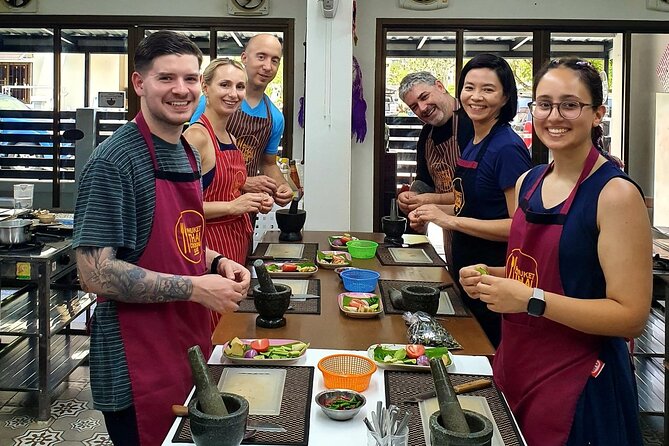
Thai food clicks fast when you cook it. This Phuket Thai cooking class is built around a hands-on kitchen setup, clear English-led instruction, and the option to pair your cooking with a real ingredient market stop at Mae Somchit Kata Fresh Market. You get the method, the flavors, and the confidence to recreate Thai dishes later, not just a one-off meal.
I love that you make your own curry paste the traditional way with a mortar and pestle, no MSG, and no ready-made shortcuts. I also like the organization, including everyone having their own cooking station, unlimited water plus tea and ground coffee during the class, and recipes emailed afterward.
One thing to consider: the pace can feel lively and hands-on, and while the kitchen is described as clean, one past guest did note a cleanliness issue on their station. If you’re very picky about surfaces, it’s smart to check how things look before you start chopping.
In This Review
- Key points worth getting excited about
- Phuket Thai Cooking Class by Chef VJ, what it’s really like
- Price and the value case for $65.22 per person
- 3 hours in Phuket, how the timing and flow usually feel
- Pickup, drop-off, and the meeting point game plan
- Mae Somchit Kata Fresh Market, what the market stop teaches
- Market tour or no market tour, you still learn the ingredients
- Curry paste made the traditional way, the moment things get real
- Kitchen setup and small-group help, why you don’t feel lost
- What dishes you might cook, and why the menu matters
- Eating your results, take-home food, and portion reality
- English teaching, substitutions, and using Thai flavors back home
- Who should book this cooking class in Phuket
- Tips to get the most out of your day
- Should you book it? My decision guide
- FAQ
- How long is the Phuket Thai Cooking Class by Chef VJ?
- Does this experience include hotel pickup and drop-off?
- Is there a market tour option?
- Do you make curry paste yourself?
- Are ingredients and drinks included?
- How do you get recipes after the class?
- What is the group size limit?
Key points worth getting excited about
- Curry paste from scratch using mortar and pestle, with no MSG and no pre-made paste
- Small group cap of 20 so you get real help while you cook
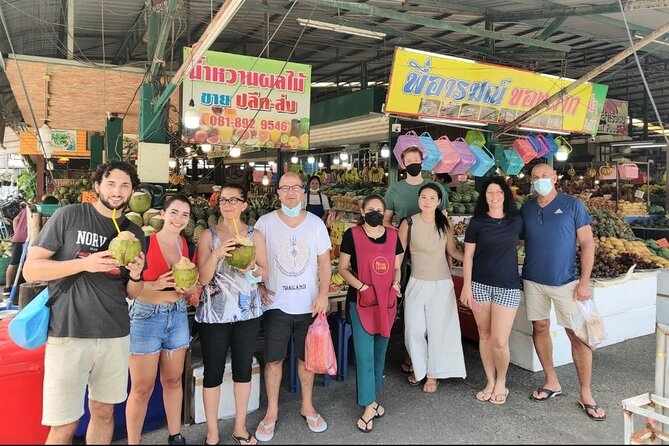
- Market option with fruit tasting at Mae Somchit Kata Fresh Market (for classes that include it)
- English instructions throughout so you can follow each step and ask questions
- Take-home support with recipes emailed after class and ingredient substitution guidance for home cooking
- Free round-trip transfers from select Phuket areas, plus clear meeting points for certain beaches
Thai kitchens got sat through and written up
- Phuket Thai Cooking Class with Market Tour Option★ 5.0 · 2,665 reviews
- Hands-on Thai Cooking Class Phuket with Market Tour Option!★ 5.0 · 808 reviews
- Thai Cooking Class in Phuket★ 5.0 · 375 reviews
- Half day Thai cooking Class + Market tour+Garden tour★ 5.0 · 237 reviews
Phuket Thai Cooking Class by Chef VJ, what it’s really like
This is not a sit-and-watch show. It’s a short, focused cooking session where you do the prep and the cooking yourself at your own station. The payoff is simple: Thai cuisine can feel intimidating when you only see finished dishes, but once you grind paste, smell herbs, and cook with the right balance of salty, sweet, sour, and heat, everything starts to make sense.
The class is designed to be approachable. Chefs are fluent in English and walk you step by step through the process, including introductions to key Thai ingredients and how to swap them if you can’t find the exact item at home. That substitution lesson is a big deal, because Thai cooking is often about what you replace, not just what you use.
Price and the value case for $65.22 per person
At $65.22 per person, you’re paying for three things that many budget classes skip. First, you get ingredients provided for the dishes you cook. Second, you get light refreshments plus unlimited bottled water, and tea or ground coffee for the session. Third, you get structured teaching with enough support that you can actually finish and taste what you made.
You also get the convenience factor. Pickup and drop-off are included for select areas, and the class runs about 3 hours. In a place like Phuket, that time and hassle savings matters more than people expect, especially if you’re staying outside the most central streets.
Finally, the market option adds real value if you pick the version that includes Mae Somchit Kata Fresh Market and fruit tasting. You’re not just learning recipes, you’re seeing where ingredients come from and how Thai cooks think about freshness.
3 hours in Phuket, how the timing and flow usually feel
The class runs for about 3 hours, roughly. That short window keeps it energetic, but it also keeps it practical. You’ll be chopping, cooking, tasting, and moving along with the group, rather than spending half a day waiting for someone else to finish.
You also get two class time options, which makes it easier to work into a beach day. If you’re trying to avoid the hottest part of Phuket afternoons, picking the slot that matches your energy level is a smart move.
Because everyone cooks at their own station, you’re not stuck waiting for one big shared pan. Still, expect a hands-on rhythm. If you prefer slow and calm, you might find the pace more intense than a casual cooking demo.
Pickup, drop-off, and the meeting point game plan
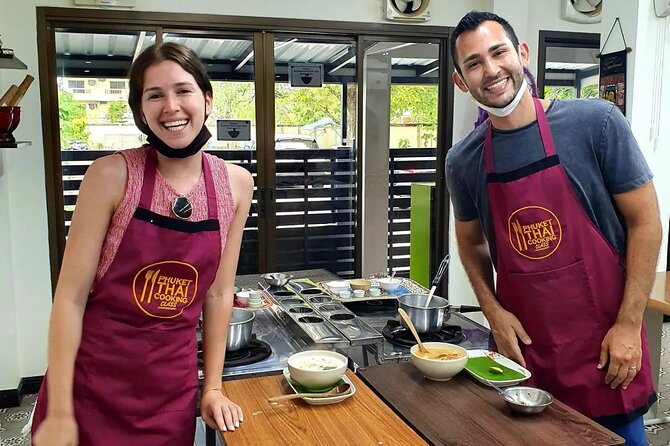
Transportation is one of the most reassuring parts of booking this class. You can get free round-trip transfer from Kata, Kata Noi, and Karon. For Patong, Rawai, and Naiharn, the free round-trip transfer applies with a minimum of 2 people. If you’re near Kamala beach or Surin beach, the meeting point is at Hard Rock Cafe Patong (also with a minimum of 2 people).
If your hotel is in one of the pickup zones, you can plan on a smoother day with less time negotiating with taxis and less uncertainty about where to meet. If you’re staying outside those zones, just confirm your exact transfer details so you’re not scrambling at the last minute.
The start point is the Phuket Thai Cooking Class by Chef VJ, located at 31 Patak Rd, Tambon Karon, Amphoe Mueang Phuket, Chang Wat Phuket 83100. Your activity ends back at the meeting point area.
Thai market visits sat in the same notebook
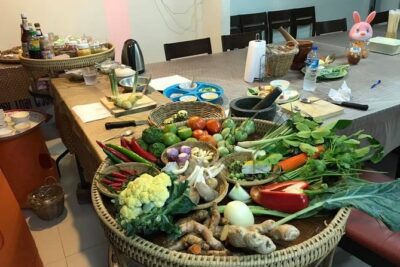
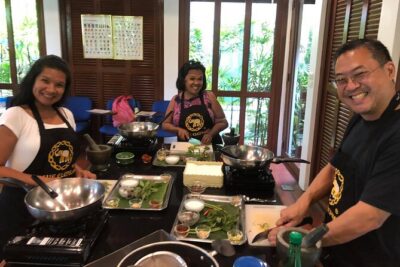
Mae Somchit Kata Fresh Market, what the market stop teaches
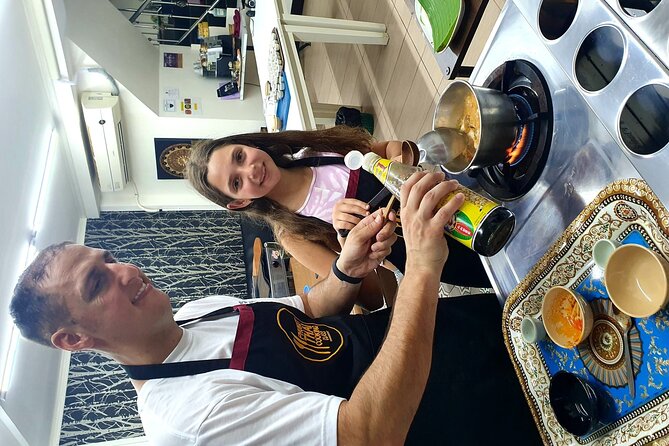
If you choose the class version with the market tour, Stop 1 is Mae Somchit Kata Fresh Market. This is the part that helps Thai cooking click, because you see ingredients as ingredients, not as vague labels on a grocery shelf.
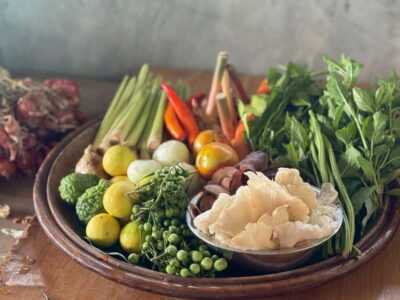
In the market, you get practical introductions to Thai staples like herbs, vegetables, aromatics, and spices that shape the flavor profile. The fruit tasting is also a highlight. It’s not just a token bite, it gives you a sense of how Thai sweetness and fragrance show up in desserts and even in how some dishes balance flavors.
A practical benefit here is substitution thinking. Thai recipes rely on specific flavors, so once you see common ingredients in the wild, you can better estimate what to look for when you try cooking later at home.
One possible drawback of any market stop is time. But the class is clearly managed, with enough attention to keep you from feeling rushed through the experience.
Market tour or no market tour, you still learn the ingredients
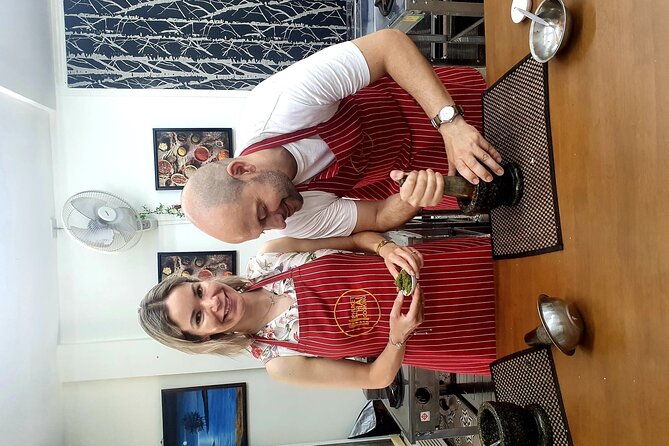
Not every class time includes the market stop. If you book a class without the market tour, they still teach you the ingredients. The approach is that they bring the market to you, then explain Thai ingredients inside the class itself.
That’s a smart compromise if you want the cooking portion but don’t have the timing for a market start. You miss the walk-through ingredient sourcing, but you don’t lose the core teaching: how ingredients work, what to combine, and how to swap items at home.
So your choice comes down to your travel style. If you want atmosphere and ingredient scouting, pick the market option. If you want pure hands-on cooking with less moving around, pick the no-market version.
Curry paste made the traditional way, the moment things get real
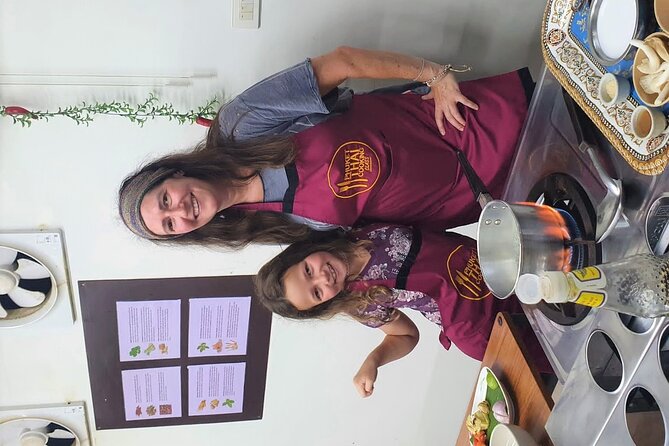
This class has one standout technical anchor: you make your own curry paste from scratch with a mortar and pestle. The goal is not just authenticity for photos. It’s about learning how Thai curry flavor is built, layer by layer, through grinding.
You’re also told specifically that it’s done without MSG, and you don’t buy pre-made paste from the market. That matters because pre-made paste often bakes in flavors that can be different from fresh Thai paste. Making it yourself teaches you what’s actually doing the work.
At home, this is the biggest transferable skill. Even if you can’t find every ingredient, learning the paste concept helps you avoid the common mistake of treating Thai curry like it’s just a sauce you pour in.
Kitchen setup and small-group help, why you don’t feel lost
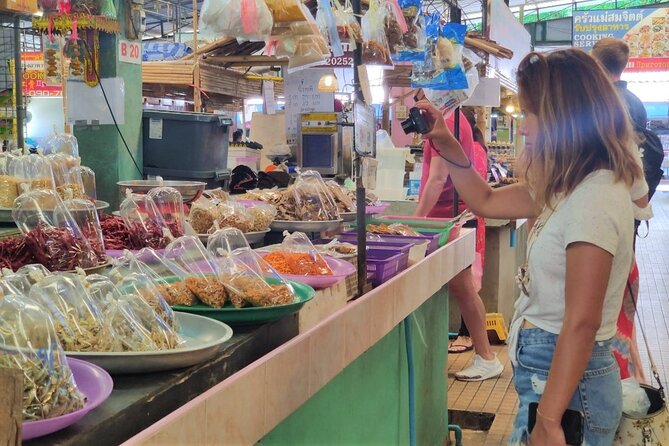
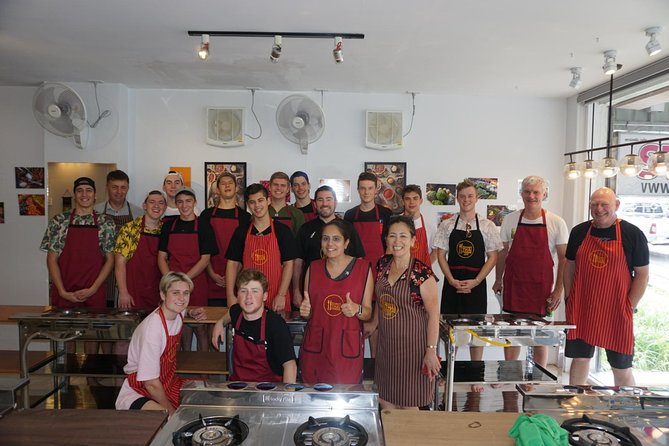
This class runs with a maximum of 20 travelers. That cap changes the entire experience. With a smaller group, it’s easier for chefs and assistants to check in, correct technique, and answer ingredient questions before you get stuck.
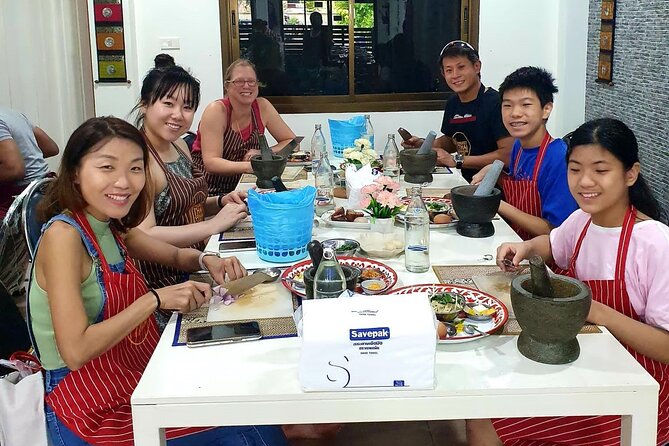
You also get a clean kitchen and a station-based setup, meaning everyone has their own cooking station. That matters for hands-on lessons. It reduces waiting, and it keeps your pacing aligned with the instructions.
In past sessions, guests have praised the energy and organization of the team. Names that come up are Chef Gigi and her assistant Nid, plus Chef VJ as the provider for the experience. Even if you don’t get those exact staff members, the teaching style seems consistent: clear steps, active guidance, and room for questions.
If your Thai cooking background is beginner, you’ll likely appreciate the friendly, organized flow. If you’re a serious home chef looking for deep theory all the time, you might find the session more playful and fast-moving than you want.
What dishes you might cook, and why the menu matters
Your exact menu is adapted to your preferences and dietary needs, which is helpful if you’re avoiding certain ingredients. The class includes curry paste, and the rest of the dishes can vary by session.
From the kinds of meals cooked in this format, you’ll commonly see Thai classics like Tom Yum soup and Pad Thai. Curry options can include red or green Thai curry, and you might also see a richer Panang curry style. For sweets, sticky rice shows up, sometimes as pineapple sticky rice and other times as mango sticky rice, depending on the session.
Here’s the value of that menu flexibility. You get Thai food you can recognize, but you’re also learning how different dish types depend on different flavor mechanics:
- Soups like Tom Yum teach balance and freshness
- Stir-fries like Pad Thai teach timing and heat control
- Curries teach paste building and how coconut milk or other bases soften and round flavors
- Sticky rice teaches how Thai desserts manage texture, not just sweetness
Eating your results, take-home food, and portion reality
When the cooking finishes, you eat what you made fresh. That’s more than a nice bonus. Freshly cooked dishes are the learning tool. You can taste how your curry paste aroma changes once it hits heat, and you can compare the sour, sweet, salty, and spicy notes while it’s still hot.
The class is also known for being filling. One of the consistent practical tips from guests is to pace yourself. If you rush through tastings, you might end up eating more than you can comfortably handle in the 3-hour window.
If you can’t finish, you can take the rest with you. That’s a real travel advantage. It reduces the odds you’ll immediately hunt for dinner right after the class.
English teaching, substitutions, and using Thai flavors back home
One of the best parts of this class is that you’re not only taught to cook, you’re taught how to replace. That’s the part that turns Thai cooking from wishful thinking into something you can actually do at home.
Chefs explain ingredients and give guidance on replacements for important items if you can’t find them elsewhere. This means you can plan a realistic ingredient shopping list and not get trapped by the fear that one missing herb or spice ruins the whole dish.
This is especially helpful if you cook outside Thailand. Thai ingredients are sometimes easy, sometimes not. The lesson here is to understand what role an ingredient plays, then choose the closest option you can find.
Who should book this cooking class in Phuket
This is a great pick if you want:
- A hands-on activity that feels cultural without requiring advanced cooking skills
- A short 3-hour block that won’t eat your whole day
- A market ingredient experience, if you choose that option
- Clear English instruction and active assistance
It’s also a good fit for couples, friends, and solo travelers because the station setup and small-group cap keep it social but not chaotic.
If you’re the type who hates group energy, or you want slow, quiet, technical cooking lecture time, you might find the pacing a bit lively. Also, if cleanliness is a deal breaker for you, ask how they keep stations spotless and check your station at the start.
Tips to get the most out of your day
A few practical moves help you learn faster and enjoy more.
- Arrive ready to cook
You’ll be chopping and cooking, so comfortable clothes and shoes matter. Bring a light layer if you get cold easily in air-conditioned rooms.
- Choose the market option if you like ingredient scouting
Mae Somchit Kata Fresh Market plus fruit tasting gives you extra context for what Thai cooks buy and why.
- Pay attention during the substitutions section
When they explain what to replace at home, jot down the key swaps. That’s the part you’ll use long after your Phuket trip ends.
- Pace your tasting
The portions can be a lot. Plan to slow down, and save some for take-home if needed.
Should you book it? My decision guide
Book this Phuket Thai Cooking Class by Chef VJ if you want the best mix of convenience and hands-on learning. The strongest reasons are the mortar and pestle curry paste experience, the small-group structure with clear English teaching, and the option to add a market tour at Mae Somchit Kata Fresh Market with fruit tasting.
If you’re on a tight schedule and only want cooking, choose the class version that brings the market to you, so you still get ingredient explanations and instruction without the extra stop. If you want the full cultural ingredient storyline, pick the market option.
Skip it only if you strongly prefer a quiet, slow cooking lecture, or if you’re extremely sensitive about kitchen cleanliness and need extra assurance before you get started. Otherwise, for most visitors, this is a high-value way to leave Phuket with real skills, not just photos.
FAQ
How long is the Phuket Thai Cooking Class by Chef VJ?
The class is about 3 hours.
Does this experience include hotel pickup and drop-off?
Pickup and drop-off are offered from select hotel areas in Phuket. Free round-trip transfer is listed for Kata, Kata Noi, Karon, and for Patong, Rawai, Naiharn with a minimum of 2 people. For Kamala beach and Surin beach, the meeting point is at Hard Rock Cafe Patong with a minimum of 2 people.
Is there a market tour option?
Yes. Some class options include a market tour and fruit tasting. For classes without the market tour, they bring the market to you and explain ingredients during the class.
Do you make curry paste yourself?
Yes. You make your own curry paste from scratch using mortar and pestle, and it is described as no MSG and not using ready-made paste.
Are ingredients and drinks included?
Ingredients are included, along with light refreshments. You also get free unlimited bottled water, plus free unlimited tea and ground coffee during the course.
How do you get recipes after the class?
Recipes are emailed to you after the class.
What is the group size limit?
The class has a maximum of 20 travelers.
Thai kitchens you can book into
Guided Thai outings, continued
What else made it into the Thailand notebook
What else made it into the Phuket notebook
- Thai Cooking Class by Kata Thai Cooking School in Phuket
★ 5.0 · 21 reviews - Similan Islands Private Tour
★ 5.0 · 21 reviews - Small Group Phuket Sightseeing and City Tour
★ 4.5 · 21 reviews - Private Phi Phi Islands & Bamboo Full Day Tour with snorkeling
★ 4.5 · 21 reviews - Phi Phi Island Viking Cave Monkey Beach Khai Island Tour from Phuket
★ 4.5 · 21 reviews - Andamanda Phuket Water Park Ticket in Phuket
★ 3.5 · 21 reviews
Cooking Classes, compared.
 ★ 5.0Half-Day Thai Cooking Class at Organic Farm in Chiang MaiFrom $2919,087 reviews
 ★ 4.9Cooking Class, Market & Thai Herbs Garden TourFrom $314,824 reviews
 ★ 4.9Authentic Cooking Class with Market & Farm VisitFrom $344,546 reviews
 ★ 5.0Thai and Akha Cooking Class in Chiang MaiFrom $424,358 reviews
 ★ 4.9Hands-on Thai Cooking Class and Market TourFrom $451,614 reviews
 ★ 4.9Cooking Class with Market and PickupFrom $251,365 reviews
 ★ 4.9Tingly Thai Cooking School Half-Day Cooking ClassFrom $411,191 reviews
 ★ 4.9Cooking Class with Organic Farm at Mama NoiFrom $321,151 reviews
Browse the lists this tour appears in