
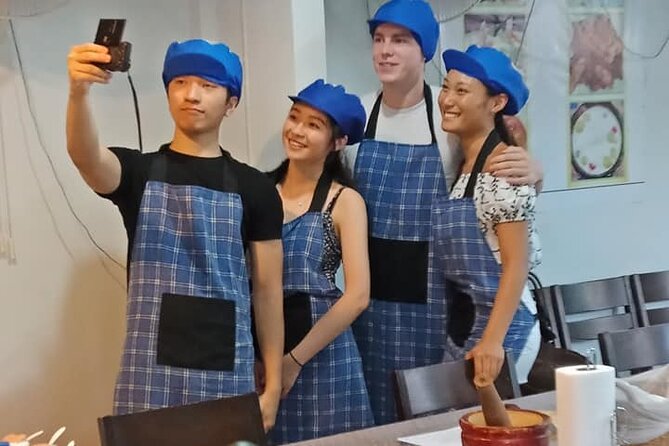
REVIEW · COOKING CLASSES
Half-Day Phuket Easy Thai Cooking
Thai cooking, fast, practical, and fun.
If you want a half-day in Phuket that goes beyond tasting and actually teaches you how to cook, this hands-on class is a great pick. Hotel pickup makes it easy, and the small group size keeps the teaching personal, with time for questions while you’re chopping, grinding curry paste, and cooking in real time. One thing to consider: the setup can feel pretty basic, so if you expect a fancy restaurant kitchen vibe, this is more home-kitchen work than glossy cooking show.
What makes it work so well is the rhythm. You shop for ingredients, learn how they fit into Thai flavors, then you cook and eat what you make, usually lunch or dinner depending on your session. You’ll leave with recipes and enough confidence to try again at home, even if you’re not a “kitchen person.”
In This Review
- Why This Easy Thai Cooking Class Feels Worth Your Half Day
- What You’ll Learn, Including the Dishes Most People Cook
- Starting With Hotel Pickup, Then Jumping Straight to the Market
- The Kitchen Part: Curry Paste, Fast Prep, and Hands-On Wok Cooking
- A few “small but meaningful” teaching moments
- Eating What You Cook, and Leaving With More Than Recipes
- Price and Value: Is $69 a Fair Deal for a Half Day?
- The Tradeoffs: Primitive Setup, Weather, and What to Bring
- Who This Phuket Cooking Class Fits Best
- Booking Smart: Morning vs Afternoon and How to Choose
- Quick Tips to Get the Most Out of Your Class
- Should You Book This Half-Day Easy Thai Cooking Class?
- FAQ
- How long is the Half-Day Thai cooking class in Phuket?
- Does this experience include hotel pickup and drop-off?
- Is there a choice between a morning and an afternoon class?
- How many people are in the group?
- What dishes will I learn to cook?
- Do you visit a market during the experience?
- Is lunch or dinner included?
- What if someone in my group does not want to cook?
- Are children allowed?
- What is the cancellation policy?
Why This Easy Thai Cooking Class Feels Worth Your Half Day
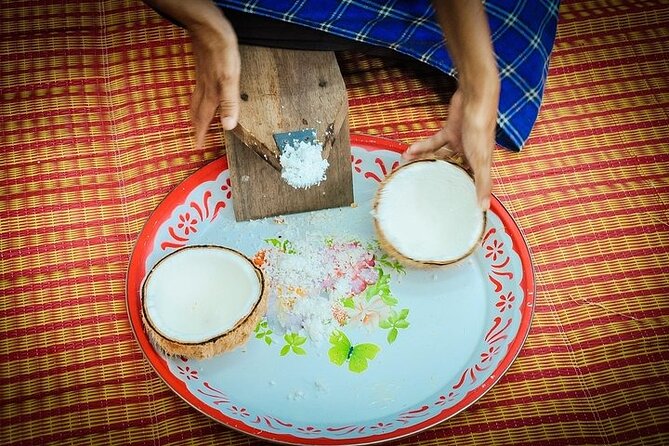
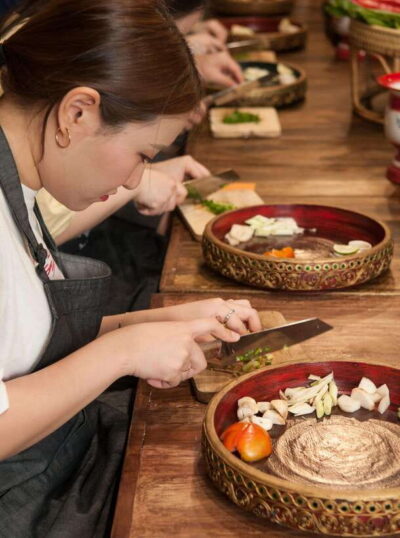
This isn’t a “watch someone cook while you snack” activity. You do the prep. You handle the ingredients. You cook at your own station, and the guide keeps things moving so you actually finish. The class runs about 3 to 4 hours, sometimes listed as 4 hours total, and it’s built around the idea that you should be able to recreate the dishes after you get home, not just take photos.
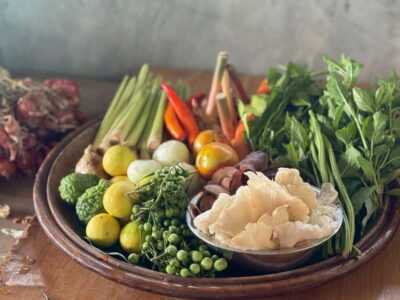
The market part matters too. Thai cooking makes more sense once you see what you’re buying and why. You’ll learn how to pick ingredients and what common items are used for, from aromatics to the sweet-salty elements that balance so much Thai food. Several sessions include extra nice touches, like visiting coconut sources or seeing plants used in cooking.
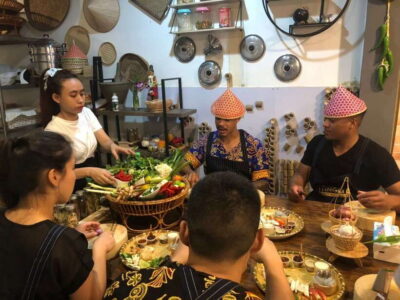
And because you’re in a very small group (typically up to 8 travelers), you get more hands-on attention than you would in a big bus tour. This is the kind of experience where you can ask, Can I adjust this flavor, and actually get an answer while you’re cooking.
Thai kitchens got sat through and written up
- Phuket Thai Cooking Class with Market Tour Option★ 5.0 · 2,665 reviews
- Hands-on Thai Cooking Class Phuket with Market Tour Option!★ 5.0 · 808 reviews
- Thai Cooking Class in Phuket★ 5.0 · 375 reviews
- Half day Thai cooking Class + Market tour+Garden tour★ 5.0 · 237 reviews
What You’ll Learn, Including the Dishes Most People Cook
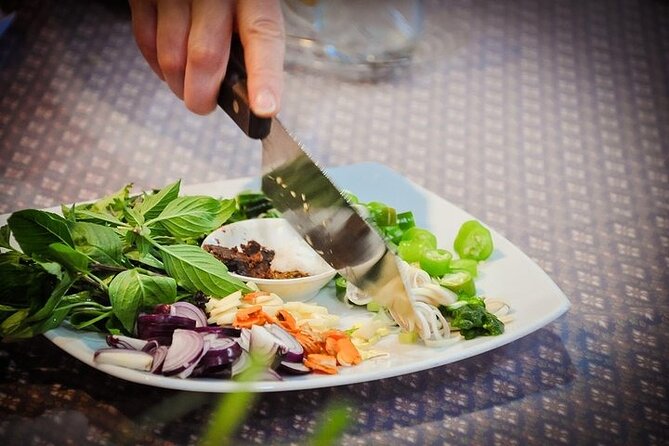
The menu focus is on Thai comfort classics and a few signature curry and noodle flavors. Depending on the session and what the instructor has planned, you can expect a mix of dishes such as:
- Pad Thai (often one of the main noodle dishes)
- Papaya salad (often included in the classic set)
- Massaman curry (a comfort curry favorite)
- Green curry paste made from scratch (a big highlight in the way the cooking starts)
- Tom Yum soup (mentioned in multiple cooking sessions)
- Mango sticky rice (a common sweet finale)
- Chicken satay, Panang curry with chicken, or similar Thai staples (some sessions include these)
In a few classes, you may get a bit of choice over what you cook. One example from a past class described picking dishes for that day, which is useful if you have specific cravings like green curry versus Tom Yum.
The big picture for you is this: you’re not just collecting recipes. You’re learning the building blocks. Curry paste technique, noodle sauce balance, and the sweet-tart profile that shows up in Thai desserts are the skills that carry over to home cooking.
Starting With Hotel Pickup, Then Jumping Straight to the Market
Most days begin with round-trip hotel transport. For you, that means less time figuring out rides, less risk of arriving late, and more time actually cooking. The tour uses a mobile ticket, and you’ll receive confirmation at booking.
Then comes the market visit. This is where the class earns its keep. You’re not wandering aimlessly. You’re shopping with an instructor who can point out what matters, like:
- what to look for when picking produce
- how herbs and flavoring ingredients are used
- what goes into the curry pastes and sauces
A few past sessions also included extra food stops beyond the main market, like picking up coconut milk from a local place. Even small detours make a difference because they connect the ingredient to the final dish. You start to understand why Thai food tastes the way it does, not just what it tastes like.
If you’re worried about humidity and heat, plan to stay flexible. Market time is real shopping time, and you’ll be doing it on foot at a human pace.
The Kitchen Part: Curry Paste, Fast Prep, and Hands-On Wok Cooking
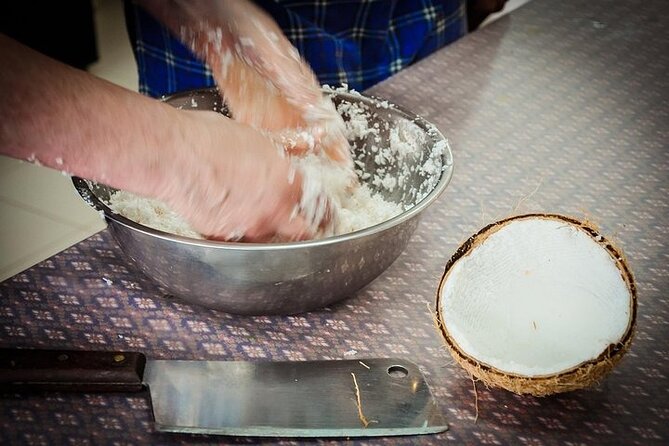
After the shopping, you head to the kitchen area and start cooking. The most repeated highlight is that you make key components yourself, especially homemade curry paste. Several classes emphasize learning this step from scratch, which is where most home cooks get stuck if they only ever use store-bought paste.
In the prep stage, you typically learn ingredient roles and then practice the steps you’ll need for the dishes you’re assigned. You might see the guide demonstrate the traditional approach and then show the easier path using common kitchen tools. For you, that’s a practical compromise. You get the Thai flavor logic, plus a version you can repeat without special equipment.
Then the cooking happens. Reviews and descriptions point to quick cooking over a wok, with everyone working at their own station or clearly following along while the guide checks in. This is hands-on, and yes, it moves fast. One class was described as intense because everything happens quickly, but that pace is part of why you leave with dishes you can actually replicate.
A few “small but meaningful” teaching moments
This class has a personal flavor thanks to the way instructors teach. Some guides have a garden or herb area where ingredients are picked right from the plants used in cooking. You might even get a quick lesson on those herbs before you use them in your dishes.
One especially memorable detail from a past class: a tea made with blue flowers, where the color changes after adding lime juice. It’s the kind of extra moment that makes the cooking feel like a full cultural experience, not just a food workshop.





Eating What You Cook, and Leaving With More Than Recipes
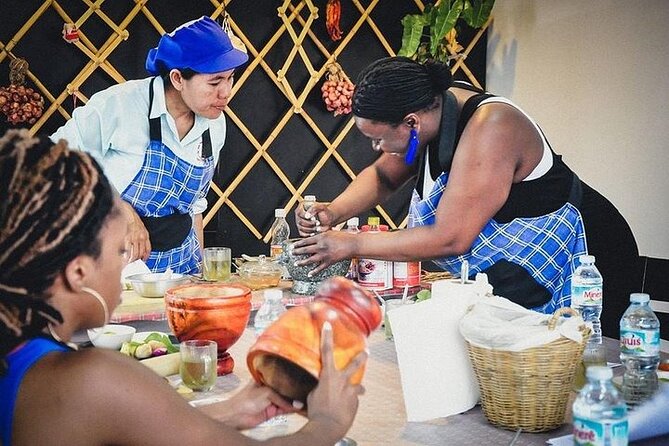
After you cook, you eat. This is one of those “simple ideas that matters” moments: you eat what you cook, not what someone else cooked before you arrived. It makes portion sizes make sense. It makes flavor adjustments feel personal. And it turns your effort into an actual meal, not a demo.
Many sessions wrap with a recipe format you can take home. A couple of classes specifically mention a recipe book, and more than one review notes that bottled water was included. One highlight: you may be able to take leftovers in boxes. That’s a nice value add, because you get extra Thai food the next day without repeating all the work.
There’s also a family or personal warmth component in some sessions. One described sharing lunch with family members who were visiting, and another mentioned the instructor’s spirit and family atmosphere in the kitchen. That kind of setting can be a comfort if you’re traveling solo or coming with a friend who enjoys cooking more than sightseeing.
Price and Value: Is $69 a Fair Deal for a Half Day?
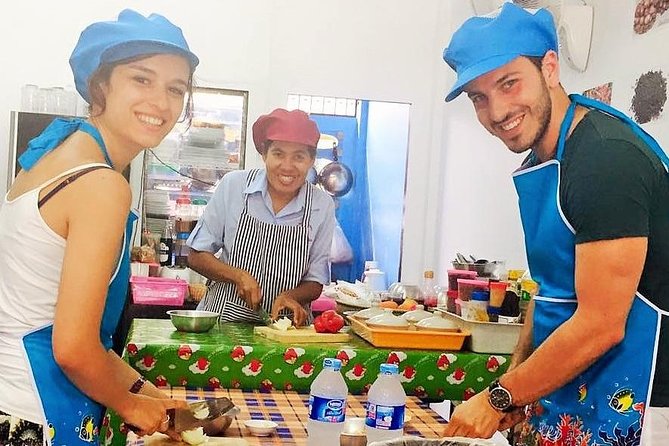
For $69, you’re paying for a full mini-experience: market shopping guidance, hands-on cooking time, transport from your hotel, and a meal. In Phuket, a lot of food experiences focus on eating, or they focus on show-and-tell. Here you’re doing both, and that changes the value.
The value improves further because of the group cap. With a small group, you spend less time waiting and more time actually cooking. That means you get better at the key techniques, like curry paste, and you can ask questions before the moment passes.
There is one possible cost surprise to watch for: if you bring a non-cooking participant, there’s an extra THB 1,100 charge listed for non-cooking guests. If everyone in your group wants to cook, that fee won’t apply. If you’re traveling with a spouse who thinks cooking classes are “not their thing,” it might still be worth it, but budget for it.
The Tradeoffs: Primitive Setup, Weather, and What to Bring
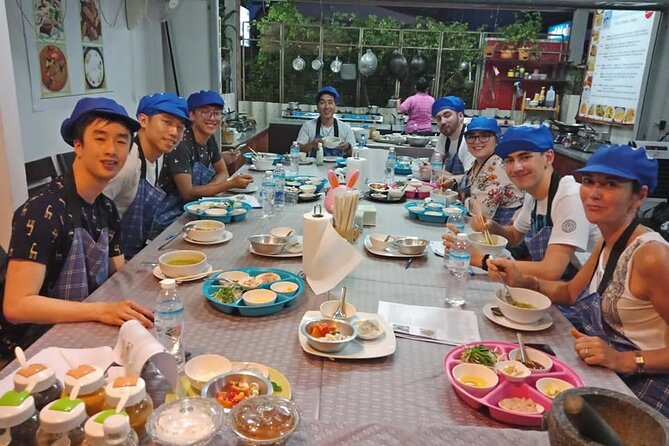
This class is highly rated, but it’s not trying to be a luxury studio. One review warned the setup can feel primitive. Another mentioned the demonstration room was cold. Someone also noted there were no aprons available.
So for you, the practical move is to come prepared. Even if you’re not a delicate person, a few cooking ingredients like turmeric can stain clothing. If you have a cheap apron, bring it. If you don’t, wear something you don’t mind getting food-scented or lightly stained.
Also keep in mind that kitchens in small local settings can vary in comfort. If you tend to run cold in air-conditioned rooms, pack a light layer.
The good news: despite these small downsides, the teaching and food quality show up again and again, especially when it comes to learning the curry paste and leaving with easy-to-follow instructions.
Who This Phuket Cooking Class Fits Best
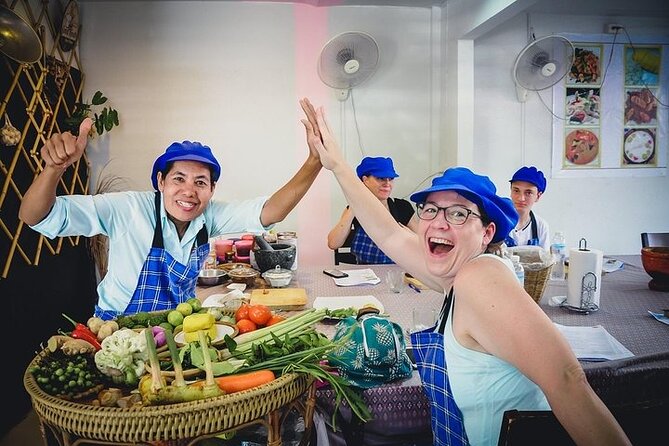
This is a strong fit if you want to bring home skills, not just souvenirs. It’s especially good for:
- Beginners who want clear steps and a guide standing next to you
- Couples or small groups who enjoy cooking together
- People who like markets and want to understand Thai ingredients
- Travelers who have only half a day and still want a meaningful activity
It might be less ideal if you need polished, high-end facilities, or if you’re very sensitive to basic room comfort. The kitchen experience is hands-on, and the tradeoff is that the setting is more practical than fancy.
Booking Smart: Morning vs Afternoon and How to Choose
You can select a morning or afternoon class. If you’re sensitive to heat, morning can feel easier for market shopping. If you’d rather sleep in and roll into your activity after some beach time, the afternoon option works well.
Because the class runs about 3 to 4 hours, plan your day so you’re not rushing straight to dinner reservations or tours with tight timing. Once you start chopping and cooking, you’ll appreciate having a clean buffer afterward.
If you’re booking as a couple or with friends, the group size is what makes this experience shine. You’ll get more attention in a tiny setup, and you’ll feel less like you’re waiting your turn.
Quick Tips to Get the Most Out of Your Class
You’ll learn better if you treat this like a skill session, not just entertainment. Here’s how to maximize it:
- Take mental notes on the order of steps, not only the final dish. Curry paste timing and noodle sauce balance matter.
- When the guide shows a quicker method, ask what you can keep the same when you cook at home.
- Taste as you go. Thai flavors are about balance, so adjusting to your preference is part of the learning.
- If your class includes herbs from a garden, ask what each plant is used for. That knowledge sticks.
One practical mindset that came through strongly in past classes: you learn faster when you adjust flavors to suit your taste. Not everyone likes the same level of sour, sweet, or heat, and you’ll be encouraged to make it yours.
Should You Book This Half-Day Easy Thai Cooking Class?
If you want a half-day activity that teaches real technique, this is one of the best values in Phuket for learning Thai cooking basics. The combination of market shopping, hands-on cooking, and small group attention is the real win. You’re not just eating Thai food, you’re building the framework to cook it later.
I’d recommend booking if:
- you have only a half day and want something that feels substantial
- you care about learning curry paste and Thai flavor building blocks
- you like the idea of hotel pickup so your day stays easy
I’d think twice if:
- you strongly expect a high-end kitchen environment
- you get uncomfortable with slightly basic facilities
- you don’t want to smell like turmeric for a day
Overall, if you show up ready to work at a normal cooking pace, you’ll leave with recipes you can use and the kind of confidence that makes Thai cooking at home feel doable.
FAQ
How long is the Half-Day Thai cooking class in Phuket?
The class runs about 3 to 4 hours, listed as 4 hours approximate.
Does this experience include hotel pickup and drop-off?
Yes. Hotel pickup and drop-off are included.
Is there a choice between a morning and an afternoon class?
Yes. You can select a morning or afternoon session.
How many people are in the group?
The class is kept small. It is limited to a maximum of 10 people per booking, and the activity has a maximum of 8 travelers.
What dishes will I learn to cook?
The class includes classic Thai dishes such as Pad Thai, papaya salad, and Massaman curry. Other dishes mentioned include homemade curry paste, chicken satay, Panang curry with chicken, and mango sticky rice.
Do you visit a market during the experience?
Yes. You’ll visit a local market to collect fresh ingredients.
Is lunch or dinner included?
Yes. You enjoy the meal you cook, and the session can be set up for lunch or dinner depending on the time slot.
What if someone in my group does not want to cook?
There is an extra charge of THB 1,100 for non-cooking participants.
Are children allowed?
Children under 7 are free, as long as they are accompanied by an adult.
What is the cancellation policy?
Free cancellation is available up to 24 hours in advance for a full refund.
Thai kitchens you can book into
What else made it into the Thailand notebook
What else made it into the Phuket notebook
- Thai Cooking Class by Kata Thai Cooking School in Phuket
★ 5.0 · 21 reviews - Similan Islands Private Tour
★ 5.0 · 21 reviews - Small Group Phuket Sightseeing and City Tour
★ 4.5 · 21 reviews - Private Phi Phi Islands & Bamboo Full Day Tour with snorkeling
★ 4.5 · 21 reviews - Phi Phi Island Viking Cave Monkey Beach Khai Island Tour from Phuket
★ 4.5 · 21 reviews - Andamanda Phuket Water Park Ticket in Phuket
★ 3.5 · 21 reviews
Cooking Classes, compared.
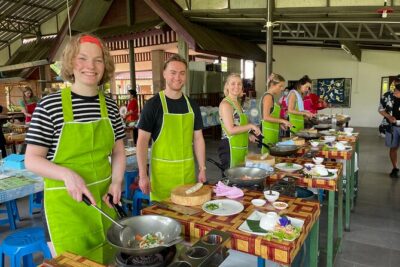 ★ 5.0Half-Day Thai Cooking Class at Organic Farm in Chiang MaiFrom $2919,087 reviews
 ★ 4.9Cooking Class, Market & Thai Herbs Garden TourFrom $314,824 reviews
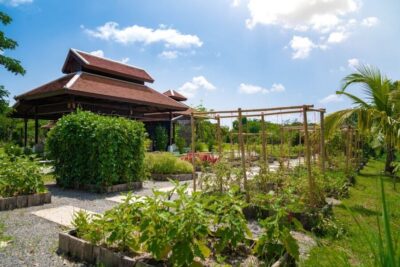 ★ 4.9Authentic Cooking Class with Market & Farm VisitFrom $344,546 reviews
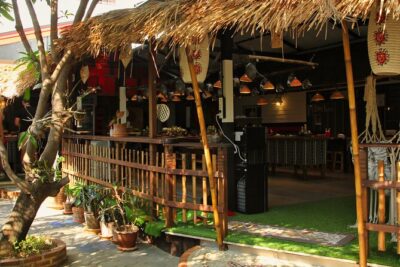 ★ 5.0Thai and Akha Cooking Class in Chiang MaiFrom $424,358 reviews
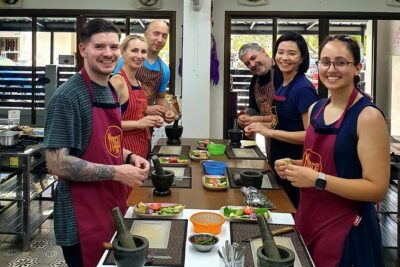 ★ 5.0Phuket Thai Cooking Class with Market Tour OptionFrom $652,665 reviews
 ★ 4.9Hands-on Thai Cooking Class and Market TourFrom $451,614 reviews
 ★ 4.9Cooking Class with Market and PickupFrom $251,365 reviews
 ★ 4.9Tingly Thai Cooking School Half-Day Cooking ClassFrom $411,191 reviews
Browse the lists this tour appears in