
REVIEW · COOKING CLASSES
Chiang Mai: Traditional Thai Cooking Class with Market Tour
Thai cooking starts at the market. In Chiang Mai, this half-day class pairs a walk for Thai herbs and spices with a hands-on session in a local Lanna home, taught in English by instructors like Tuu and Wave.
I especially like that you cook curry paste from scratch plus multiple dishes, not just watch and taste. The market stop also helps you understand what makes Thai flavor tick.
One consideration: the class starts with pickup and transport, and a few people noted the ride can be a bit bumpy and hot, plus the portions may not feel like a full dinner for everyone.
In This Review
- Key Points Before You Taste Thai Flavors
- Why This Chiang Mai Class Works So Well for Real Travelers
- What You Get in the 4 Hours: Pickup, Market, Cooking, and a Full Meal
- Hotel Pickup and Getting to the Action Near Chiang Mai Gate Market
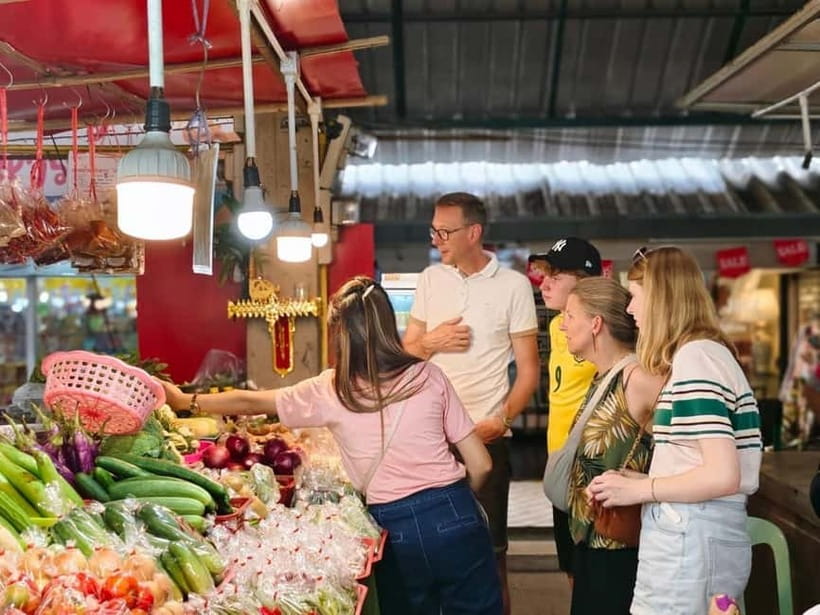
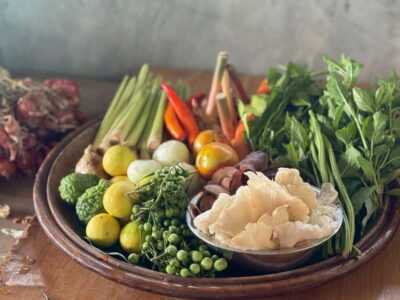
- The Market Tour: Herbs and Spices You Can Actually Recreate
- Cooking in a Local Lanna Home Kitchen: Six Dishes, Real Technique
- Curry Paste From Scratch: The Lesson Hidden in the Grind
- Sticky Rice and Mango: Why This Part Feels Like Thai Comfort Food
- The Meal You Eat: Expect It to Be Generous, Not Just a Bite
- English Instruction and Group Size: Comfort Matters When You’re Learning
- Price and Value: Why $32 Can Feel Like a Bargain
- Who This Class Is Best For (and Who Should Think Twice)
- Tips to Get More From the Class (Without Overthinking It)
- Should You Book This Chiang Mai Thai Cooking Class?
- FAQ
- How long is the Chiang Mai traditional Thai cooking class with market tour?
- Does the tour include hotel pickup?
- What will I cook during the class?
- Is an English instructor provided?
- Is alcohol included?
- What should I bring or wear?
- Who is this class not suitable for?
Key Points Before You Taste Thai Flavors
- Market first: Learn what you’re buying, not just what to cook.
- Curry paste from scratch: You’ll practice the core technique, not a shortcut.
- Six dishes, varied spice levels: Some menus include less-spicy options if you prefer mild.
- Lanna home kitchen setup: Cooking stations are set up so you can focus on technique.
- Recipe book to take home: You get a printed recipe book, and some instructors also share PDF notes.
- Small-group feel: Reviews point to good attention while you cook.
Thai kitchens got sat through and written up
- Half-Day Thai Cooking Class at Organic Farm in Chiang Mai★ 5.0 · 19,087 reviews
- Chiang Mai: Cooking Class, Market & Thai Herbs Garden Tour★ 4.9 · 4,824 reviews
- Chiang Mai: Authentic Cooking Class with Market & Farm Visit★ 4.9 · 4,546 reviews
- Thai and Akha Cooking Class in Chiang Mai★ 5.0 · 4,358 reviews
Why This Chiang Mai Class Works So Well for Real Travelers
If you love Thai food, you’ve probably ordered the same dishes in five different places and still wondered why they never taste exactly the same. This class is built for that question. You start with ingredients, then you move straight to technique. By the time you sit down to eat, it feels like you’re decoding the cuisine instead of just sampling it.
What makes this one especially practical is that it’s not overly theoretical. You’re working with real herbs, real spices, and real cooking steps. And because the instruction is in English, you can actually connect flavor to action, like how chili, aromatics, and seasoning build layers.
What You Get in the 4 Hours: Pickup, Market, Cooking, and a Full Meal
This is a 4-hour experience that includes several important pieces of value packed into one block of time.
Here’s what is included:
- Hotel pickup (you wait in the lobby 15 to 30 minutes before pickup)
- Local market tour to learn herbs, spices, and vegetables
- A cooking class where you prepare 6 different Thai dishes
- Ingredients for everything you cook
- A recipe book to take home
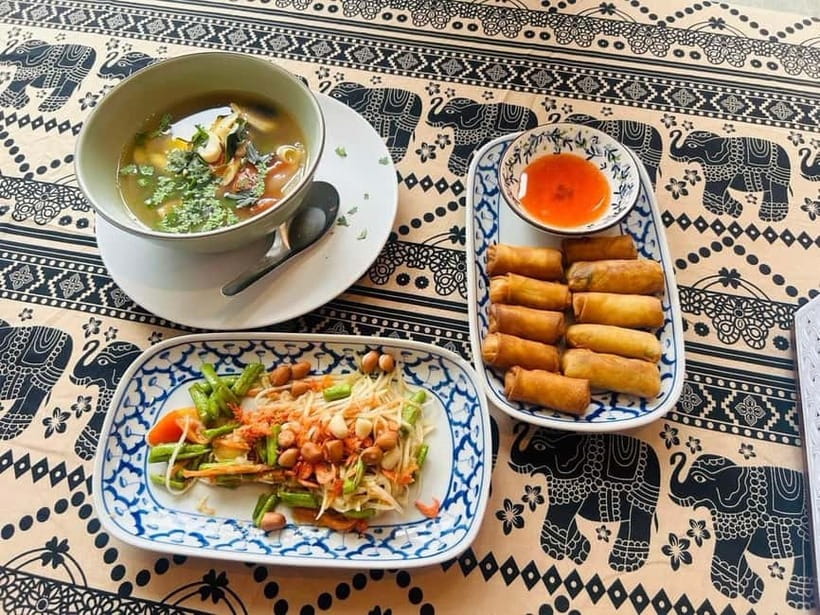
And you also get a meal at the end featuring the dishes you cooked. That part matters. Many “food experiences” are mostly tasting and photos. This is a make-and-eat format, which usually means you walk away with a clearer sense of how the finished plates are supposed to come together.
Not included: beer and alcohol. If you want drinks, plan on paying separately.
Hotel Pickup and Getting to the Action Near Chiang Mai Gate Market
The day typically starts with pickup from your hotel, then transportation to the cooking home and nearby market area. The experience is set up as a smooth, guided loop, so you’re not hunting for directions with a tote bag full of ingredients.
Two small logistics points based on what people reported:
- Pickup is time-sensitive. I’d still recommend you be early in the lobby, since pickup windows can shift.
- Transport can be hot and bumpy. One review mentioned using a jeep rather than a minivan with air conditioning. If that matters to you, wear light clothes and bring water if you tend to get overheated easily.
Once you reach the area near the Chiang Mai Gate Market, the tone changes fast. The class becomes practical, sensory, and very hands-on.
The Market Tour: Herbs and Spices You Can Actually Recreate
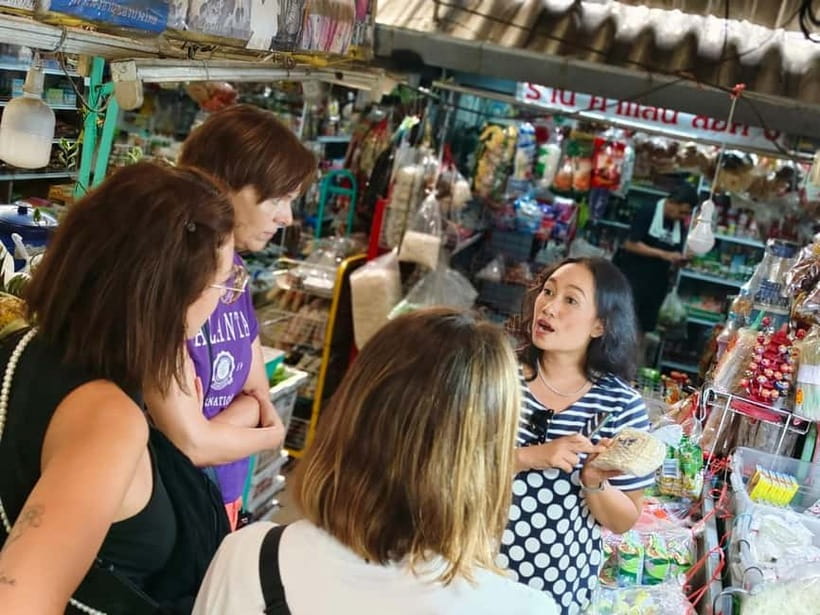
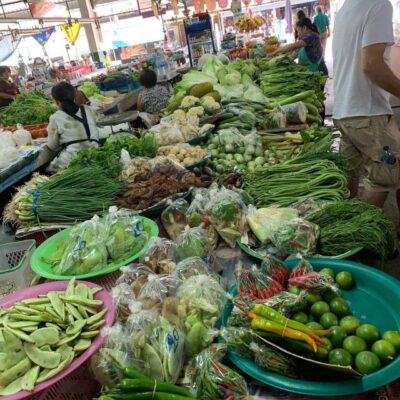
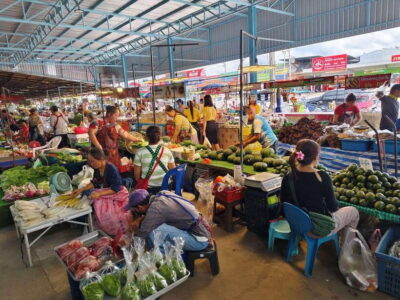
The market stop is where a cooking class starts to earn its keep. A lot of cooking tours show a few ingredients and move on. Here, the goal is learning, with a focus on Thai herbs, spices, and vegetables.
What you’re doing in the market:
- Identifying ingredients you’ll use in cooking
- Learning how they affect flavor
- Getting an idea of what Thai cooks look for, not just what looks good on a label
This is also where you’ll get helpful context for Thai cuisine’s flavor style, which is less about one “secret ingredient” and more about balance. You’ll see aromatics, dried spices, fresh herbs, and produce that tends to show up in Thai kitchens again and again.
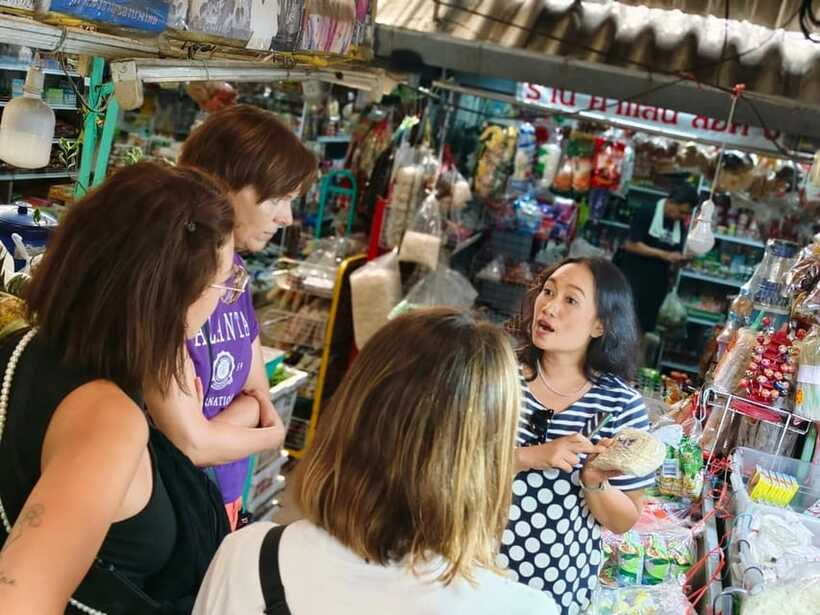
Practical tip for you: when you’re at the stalls, pay attention to how ingredients are grouped. Fresh herbs behave differently than dried spices, and that shows up in cooking time and aroma. If your instructor points out differences, note them mentally. You’ll use that knowledge later when you’re stirring a paste and deciding when to stop.
Thai market visits sat in the same notebook
Cooking in a Local Lanna Home Kitchen: Six Dishes, Real Technique
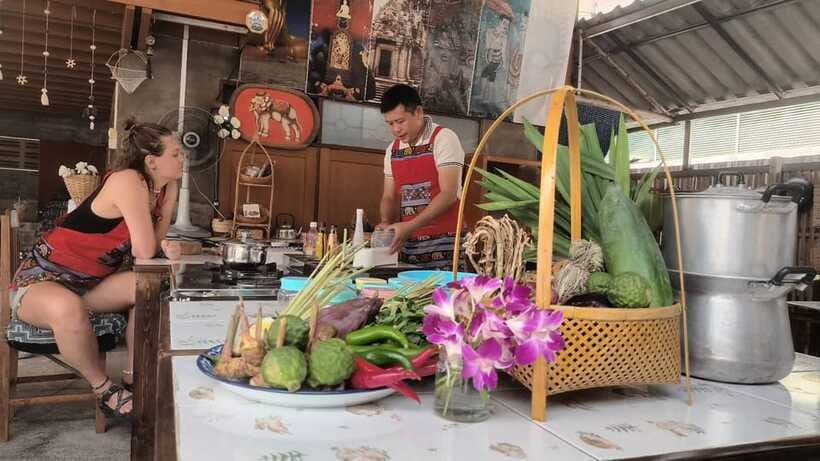
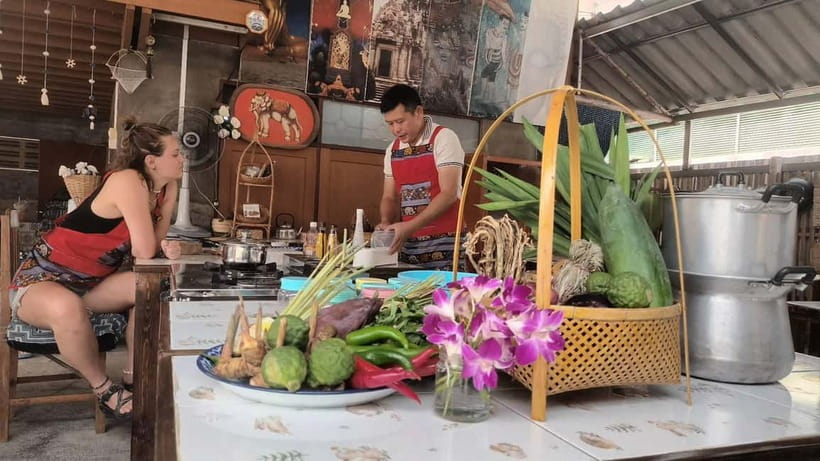
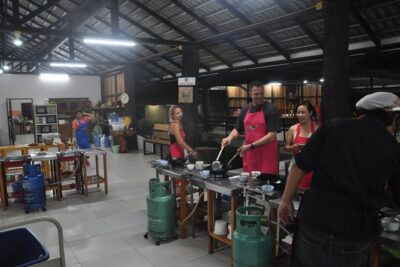
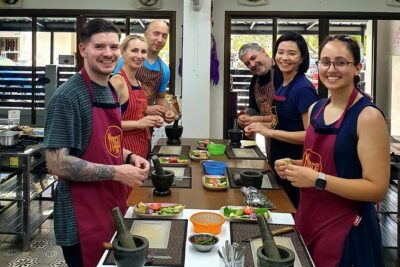
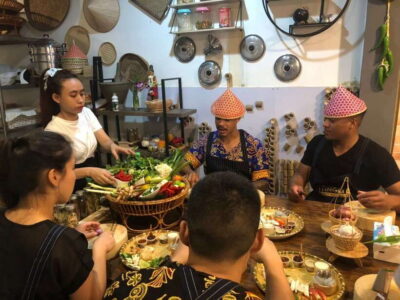
After the market, you move to a local Lanna home kitchen. That setting matters more than it sounds. It keeps things grounded, and it usually means the cooking setup is efficient for teaching, with clear station space and a workflow you can follow.
The big feature here is that you cook 6 traditional Thai dishes, including:
- Curry paste from scratch
- Sticky rice, including the mango version
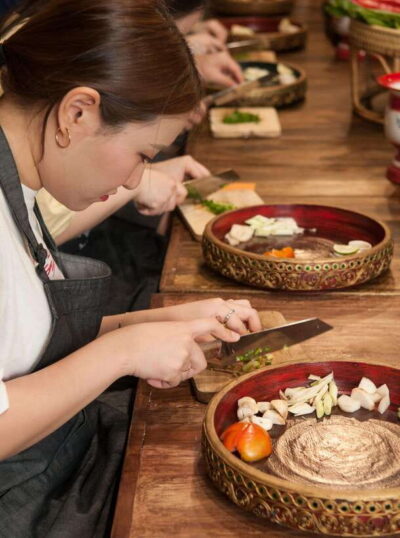
Curry paste from scratch is the centerpiece. Thai curry flavor starts with a paste that builds depth before heat ever hits the pan. When you make it yourself, you stop guessing. You see how ingredients combine, how texture changes, and how aromatic power ramps up as you grind.
Instructors like Flook, Tuu, Wave, Balloon, Mew, and Kat are repeatedly mentioned in reviews for being funny, patient, and organized. That matters because Thai cooking can feel intimidating if your teacher skips steps. Here, the teaching style is hands-on and step-by-step, so you’re less likely to feel lost when you hit the more complex parts.
Curry Paste From Scratch: The Lesson Hidden in the Grind
You might think curry paste is just a precursor, but it’s really the lesson. It trains your palate to recognize:
- How chili heat shows up
- How garlic and shallots add pungency and sweetness
- How spices change aroma as they get crushed and mixed
- Why balance is about timing and proportion, not only flavor
Since the class includes the ingredients and you’re guided while cooking, you’re learning a repeatable method. That’s what makes this class a “buy one day, use it for years” type of experience. If you like cooking at home, this is the skill that translates best.
One more practical note: reviews mention the dishes are not all extremely spicy, and some classes include options for different spice preferences. Still, Thai cooking often uses heat as flavor, so if you’re sensitive, tell your instructor at the start. It’s easier to adjust during cooking than after the dish is finished.
Sticky Rice and Mango: Why This Part Feels Like Thai Comfort Food
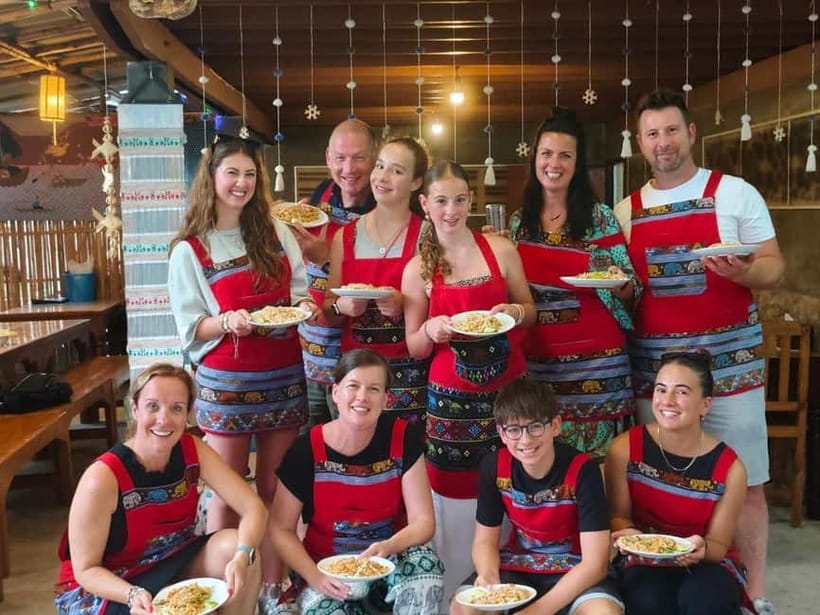
The menu includes sticky rice with mango, which is a fan favorite for a reason. It’s dessert, but it’s also a texture lesson. Sticky rice is not the same as regular rice. It’s about the right stickiness, the right timing, and the right sweetness balance to match mango.
When you cook it in class, you’re not just getting a sweet ending. You’re learning how Thai cuisine handles contrast:
- sticky, soft rice
- bright, juicy fruit
- rich coconut-style sweetness, depending on what’s used in your specific menu
Even if you’re not a dessert person, this dish is useful. It shows how Thai cooks treat sweetness as part of the overall flavor system, not as an afterthought.
The Meal You Eat: Expect It to Be Generous, Not Just a Bite
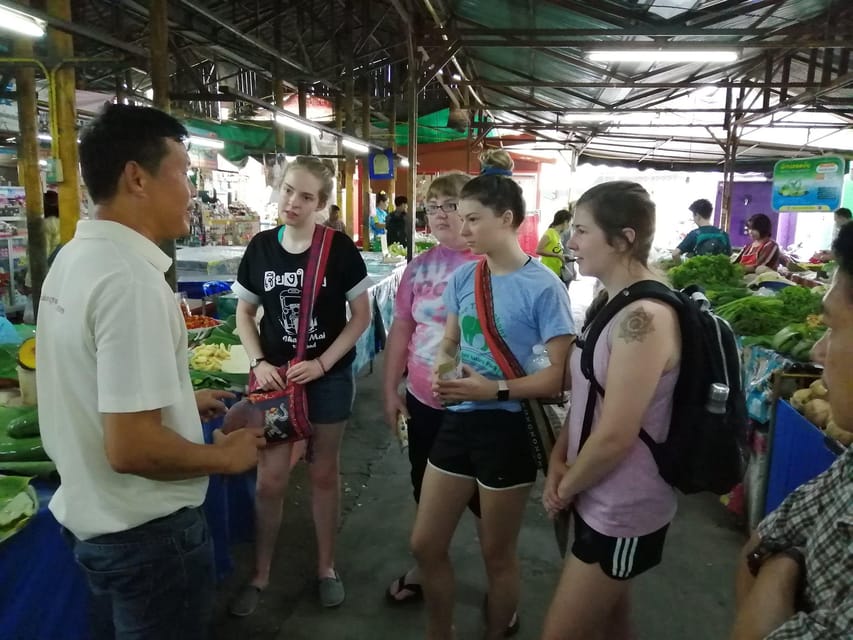
At the end, you eat what you prepared. That’s the real payoff. And reviews repeatedly mention that the food is delicious and plentiful.
That said, there is one honest consideration. One review mentioned still feeling a bit hungry, with portion sizes that might not feel like a full dinner. If you tend to eat a lot, you might want to plan a snack either before the class or afterward, depending on your schedule.
Also, some reviews highlighted thoughtful logistics, like stations being set up for you and cleanup happening after you cook. That gives the class a smooth rhythm. You get to focus on learning and tasting instead of scrambling for utensils and then doing dishes.
English Instruction and Group Size: Comfort Matters When You’re Learning
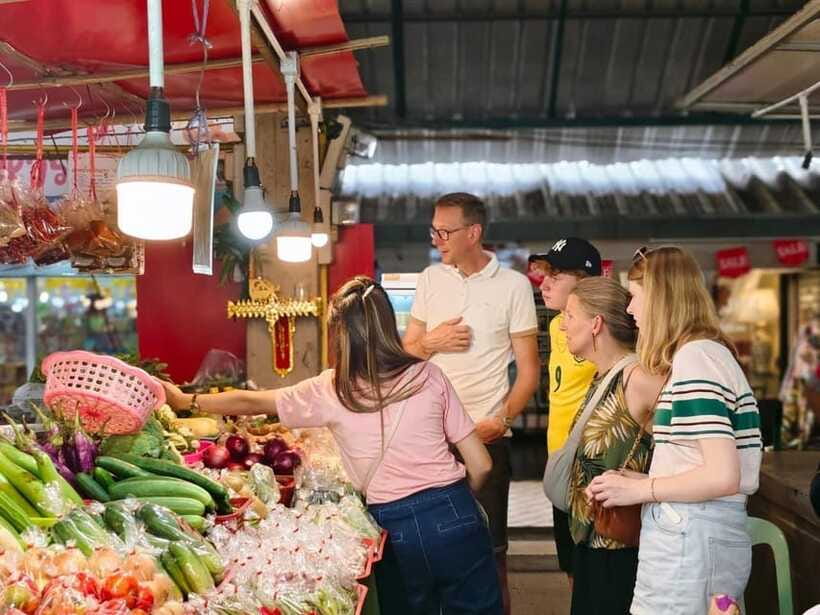
Instruction is listed as English, which is a big deal for this kind of class. Thai cooking has lots of small steps, and you want to understand the “why” as much as the “what.”
Reviews also suggest a small-group feel. That usually means:
- You can ask questions without shouting.
- Your instructor can help you if something goes off track.
- You’re more likely to actually finish each dish confidently.
If you’re traveling solo, this kind of group can also be a fun way to meet people with the same food focus. Several reviews mention good vibes and lots of laughing, which tends to happen when the teacher sets a relaxed tone.
Price and Value: Why $32 Can Feel Like a Bargain
At $32 per person for about four hours, hotel pickup, a market tour, ingredients, and a full cooking-and-eating meal, this is strong value.
Here’s why it makes sense for your money:
- You’re not just tasting. You’re cooking 6 dishes.
- You’re learning a core technique, curry paste from scratch, which is where many other classes cut corners.
- You get a take-home recipe book, which helps you repeat what you learned.
- Transportation is included, which can easily add cost and hassle on its own.
The only clear trade-off is that alcohol is not included. If you want to add drinks, budget for that separately.
Who This Class Is Best For (and Who Should Think Twice)
This class is a great fit if you want:
- A hands-on introduction to Thai cooking
- Market context so you understand ingredients, not just recipes
- An English-friendly class format
- A cultural day without needing to plan it yourself
It may be less ideal if:
- You’re expecting an all-spice explosion. The menu may include options that are not overly spicy, but you should still ask about heat levels.
- You’re very sensitive to transportation bumps or heat. Some reports mention a jeep ride.
It’s not suitable for children under 5.
Tips to Get More From the Class (Without Overthinking It)
You’ll get the most from this kind of experience if you show up ready to cook and ask questions.
A few simple tips:
- Wear comfortable clothes. You’ll likely be cooking, tasting, and moving around.
- Bring a mindset of learning, not perfection. Curry paste texture and final flavor come from the process, not from one “right” moment.
- If spice matters to you, mention it early. Adjusting during cooking is much easier than trying to fix a finished dish.
Also, if you’re a photographer, do it, but spend time listening too. Some instructors are especially good at explaining what to notice in the market and while mixing curry paste.
Should You Book This Chiang Mai Thai Cooking Class?
Yes, you should book it if you want a practical, teach-you-the-basics class in Chiang Mai. The combination of market tour + Lanna home cooking + curry paste from scratch is the standout formula. At this price point, with hotel pickup and a meal included, it’s one of the easiest “big learning for your day” choices you can make.
I’d hold off if you hate any chance of heat or bumpy transport, or if you’re expecting a dinner-sized meal every time. In that case, plan a snack and keep your expectations realistic.
If your goal is to leave Chiang Mai with flavors you can reproduce, this one is a smart use of half a day.
FAQ
How long is the Chiang Mai traditional Thai cooking class with market tour?
The experience runs for 4 hours.
Does the tour include hotel pickup?
Yes. Hotel pickup is included. You should wait in the hotel lobby 15 to 30 minutes before the scheduled pickup time.
What will I cook during the class?
You’ll cook 6 traditional Thai dishes, including making curry paste from scratch and sticky rice with mango.
Is an English instructor provided?
Yes. The instruction is listed as English.
Is alcohol included?
No. Alcohol and beer are not included.
What should I bring or wear?
Wear comfortable clothes.
Who is this class not suitable for?
It is not suitable for children under 5 years.
Thai kitchens you can book into
Guided Thai outings, continued
What else made it into the Thailand notebook
What else made it into the Chiang Mai notebook
- Half day Long Neck hill tribe and Hmong hill tribe village
★ 5.0 · 21 reviews - Chiang Rai One Day: Golden Triangle, Laos Border, Long Neck Tribe
★ 3.5 · 21 reviews - Old Town Chiang Mai Food Tour with 10+ Local Dishes Tastings
★ 5.0 · 21 reviews - 5 Day Tuk Tuk Adventure in Chiang Mai – with driver
★ 5.0 · 21 reviews - 1 Hour Foot Relaxing – Free Transportation
★ 5.0 · 21 reviews - Rantong elephant sanctuary Chiangmai
★ 4.4 · 21 reviews
Cooking Classes, compared.
 ★ 5.0Half-Day Thai Cooking Class at Organic Farm in Chiang MaiFrom $2919,087 reviews
 ★ 4.9Cooking Class, Market & Thai Herbs Garden TourFrom $314,824 reviews
 ★ 4.9Authentic Cooking Class with Market & Farm VisitFrom $344,546 reviews
 ★ 5.0Thai and Akha Cooking Class in Chiang MaiFrom $424,358 reviews
 ★ 5.0Phuket Thai Cooking Class with Market Tour OptionFrom $652,665 reviews
 ★ 4.9Hands-on Thai Cooking Class and Market TourFrom $451,614 reviews
 ★ 4.9Cooking Class with Market and PickupFrom $251,365 reviews
 ★ 4.9Tingly Thai Cooking School Half-Day Cooking ClassFrom $411,191 reviews
Browse the lists this tour appears in