
REVIEW · WALKING TOURS
Chiang Mai: Local Food and Markets Guided Walking Tour
This is two hours of snacks with a purpose. I love the way this Chiang Mai walking tour turns street food into a simple plan: walk, try, learn, repeat. You bounce between markets and tiny eateries, with a local foodie guide pointing out what to order and why it tastes the way it does.
My two favorite parts are the guided tasting lineup and the hands-on market time. First you get sweet and savory classics like Khao Kriab Pak Moh and Hakka-style noodles. Then you slow down just enough to browse Ton Lamyai’s flower and herb market, which is a fun contrast to all the food stalls.
One possible drawback: food isn’t included in the tour price, and there’s no vegan option. So if you’re budgeting tightly or you avoid animal products, you’ll want to plan your tasting choices (and expect to pay at the stalls).
In This Review
- Key highlights worth planning for
- Why this Chiang Mai food walk is a smart use of 150 minutes
- Where you meet at Khua Khaek, and how to prep for the walk
- Lung Khajohn Wat Ket and Khao Kriab Pak Moh, sweet first
- Ton Lamyai Flower Market, a break you’ll actually remember
- Go Neng and Pa Thong Ko, the dinosaur donut fun
- Warorot Market and mango sticky rice, choose your sweet hit
- Thana Ocha and Hakka-style noodles, the savory finale
- What you pay for: the tour is guided, food is on you
- Guide quality is the difference between a walk and a food education
- Timing matters, especially if you pick the later slot
- Carbon offsets and GSTC: what that means in plain terms
- Who should book this Chiang Mai food tour
- Final verdict: should you book it?
- FAQ
- How long is the Chiang Mai local food and markets guided walking tour?
- What is the meeting point for the tour?
- What times does the tour run?
- Is the tour food included in the price?
- What languages will the guide speak?
- Is there a vegan option?
- What food tastings might I try?
- Is the tour suitable for everyone with mobility or health concerns?
- What should I bring with me?
- Does the tour offset carbon emissions?
Key highlights worth planning for
- Khao Kriab Pak Moh first, because sweet steamed rice skin dumplings hit the spot before things get spicy
- Ton Lamyai flower and herb market for a colorful break, plus market sights you’d miss on your own
- Pa Thong Ko (dough sticks) at Go Neng, a snack locals love and yes, they can look like dinosaurs
- Warorot Market for a big market-feel stop and a go-to choice like mango sticky rice
- Thana Ocha to finish with Hakka-style noodles, including stuffed tofu, fish sausage, and wontons
- GSTC-certified tour with carbon offset credits, so the experience aims to be lower impact
Thai eating and drinking bookings got a going over
- Small-Group Chiang Mai Evening Street Food Tour★ 4.5 · 826 reviews
- Chiang Mai: Evening Local Street Food Market Tour★ 4.8 · 604 reviews
- Northern Flavours Chiang Mai Food Tour with 15+ Tastings★ 5.0 · 513 reviews
- The 10 Tastings of Chiang Mai With Locals: Private Street Food Tour★ 5.0 · 216 reviews
Why this Chiang Mai food walk is a smart use of 150 minutes
Chiang Mai street food can feel like a choose-your-own-adventure. This tour makes it easier because you are not guessing what is legit, what is popular, and what you can actually finish. In about 150 minutes, you get multiple tasting stops without needing a full afternoon of planning.
I also like that the pacing is built around real market life. You are walking between stalls, not sitting through a lecture. The guide also brings dish context, so when you taste something like Hakka-style noodles, you understand what makes it Hakka and why Chiang Mai has room for Chinese flavors too.
The price is $48 per person, which is fair for a guided, short walking experience with carbon offset credits included. The key value tradeoff is that your food and tasting costs are extra, so you should treat this as a guided tour plus a snack budget, not an all-inclusive meal.
Where you meet at Khua Khaek, and how to prep for the walk
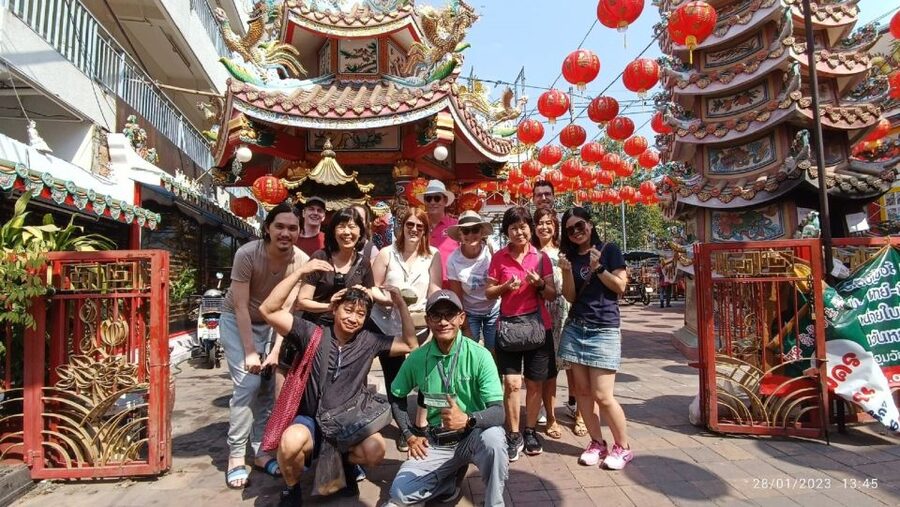
You start at Chansom Memorial Bridge (Khua Khaek), opposite Ton Lamyai Flower Market. Your TripGuru guide will be holding a sign, and you should be there about 10 minutes early. The guide can wait up to 10 minutes after the scheduled pickup time, so don’t roll in late and hope the universe is kind.
This is a walking tour, and the pace is not a slow stroll. One reviewer noted the walk can add up to around 2.5 miles, so comfortable shoes are not optional. Bring cash too, because you’ll pay for tastings at the stalls.
If you’re thinking about timing, mornings can be calmer and more enjoyable in markets. If you choose the later slot (there’s a 2:30 pm option), note that many restaurants close early. The guide will handle it with alternative stalls, but you should expect a bit more rush.
Lung Khajohn Wat Ket and Khao Kriab Pak Moh, sweet first
The first food stop is Lung Khajohn Wat Ket, known for sweet steamed rice skin dumplings stuffed with peanuts. The snack is Khao Kriab Pak Moh, and it is a great opening bite because it is mild, fun to eat, and different from the usual noodle-and-satay routine.
What I like about starting here is contrast. You get something soft and slightly chewy before moving on to deep-fried snacks and noodle dishes. It also sets you up to taste with a little curiosity. Your guide will help you notice textures and flavors, not just chase heat.
One more practical tip: arrive hungry, but not stuffed. Multiple reviews gave the same advice, don’t show up with a huge breakfast if you want to enjoy all the stops without feeling rushed to finish.
Ton Lamyai Flower Market, a break you’ll actually remember
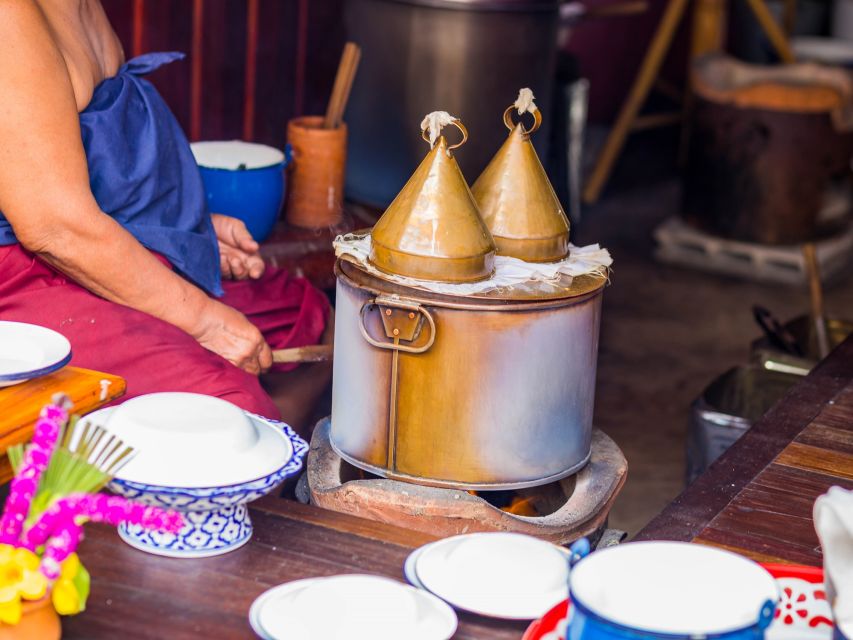
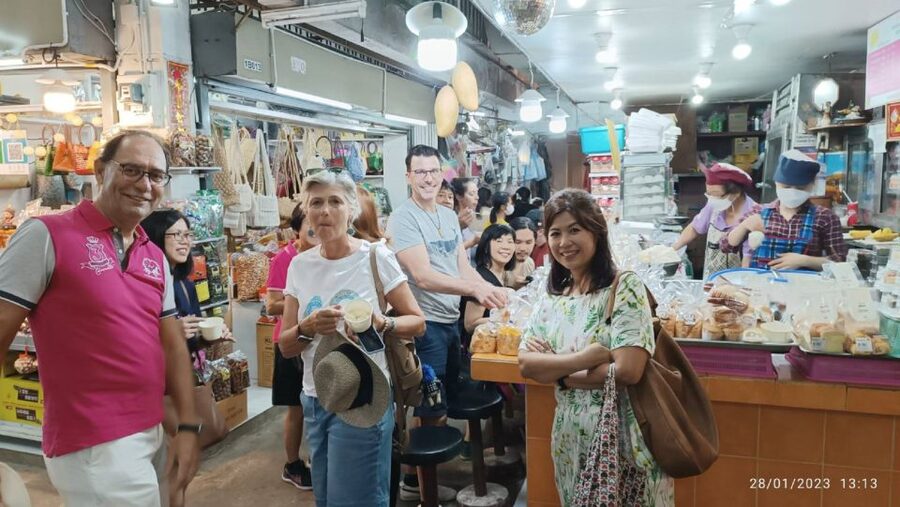
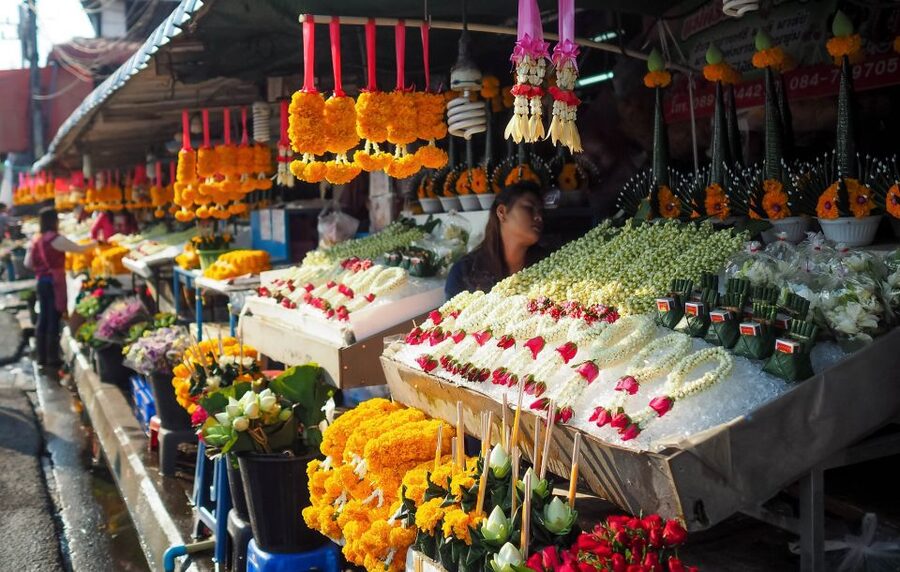
After the first tasting, you pass through Ton Lamyai Flower Market. This stop matters because it changes the whole mood of the tour. Food markets are sensory overload in the best way, but the flower and herb area brings color and scent, and it gives you a breather from fried snacks and sauces.
It also helps you see Chiang Mai as more than temples and tourist lanes. Flowers, herbs, and local goods show up in daily life here. Even if you are not buying anything, the market walk adds texture to the day.
If you want to buy something, bring small cash. Markets are quick and you can easily end up with a fun bundle of herbs or flowers, especially if your guide points out what locals use.
Thai walking routes sat in the same notebook


Go Neng and Pa Thong Ko, the dinosaur donut fun
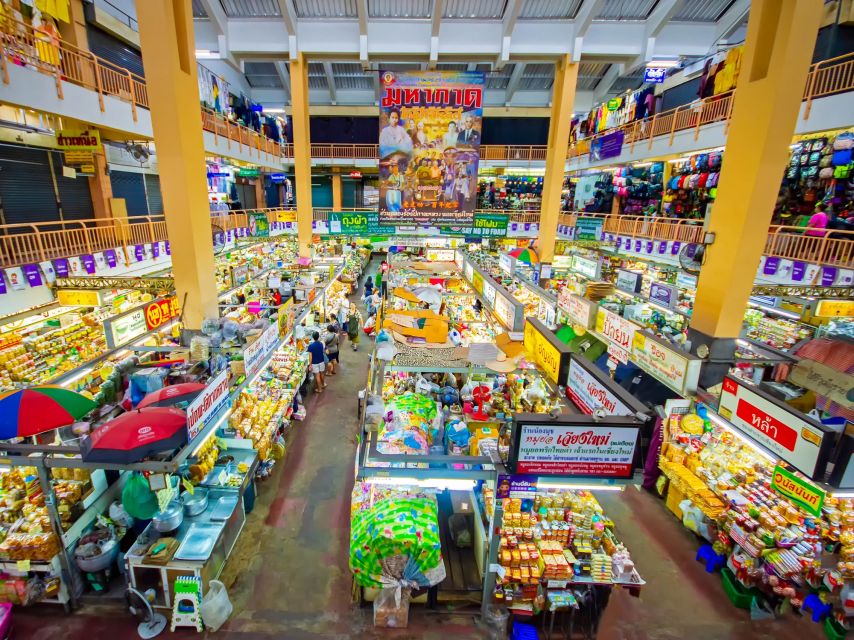
Next up is Go Neng for Pa Thong Ko, deep-fried dough shaped into little crunchy sticks. Some people jokingly say they look like dinosaurs, and honestly, that’s part of the charm. It’s a snack with local love behind it, not a gimmick for tourists.
Why this stop works: it teaches you a common Thai street-food pattern. Many snacks are built for nibbling while you walk, and the taste is more about crisp texture and sugar-salt balance than heavy plating. Once you nail the dough stick vibe, the rest of the tasting feels easier.
Also, this is a good moment to slow down and watch how people order. Your guide helps you do it without hesitation, and you’ll likely end up trying what the locals actually buy.
Warorot Market and mango sticky rice, choose your sweet hit
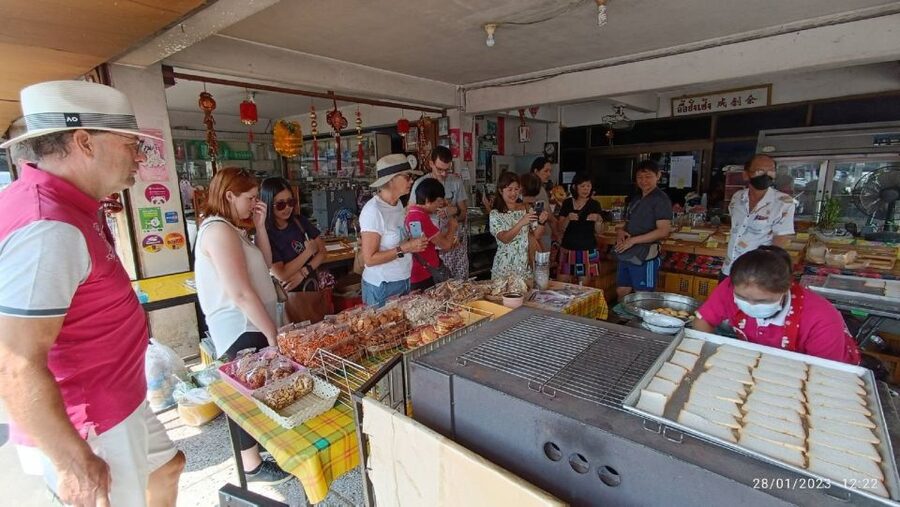
Then you move into Warorot Market, one of Chiang Mai’s famous market hubs. Expect a mix of snacks, produce, and everyday shopping energy. This is where the tour starts to feel like you’re walking through a food web, because so many stalls sell similar ingredients in different ways.
For dessert, you hunt down the mango sticky rice stall. Sticky rice with mango is a classic, but the point of the tour is that you don’t pick randomly. Your guide helps you go to a reliable place where the stall is known for the dish.
A tip that saved me on similar market days: plan your sweetness so you don’t overload. The tour includes both sweet and savory tastings, so I’d avoid stacking extra desserts before this stop. Let the tour do its job.
Thana Ocha and Hakka-style noodles, the savory finale
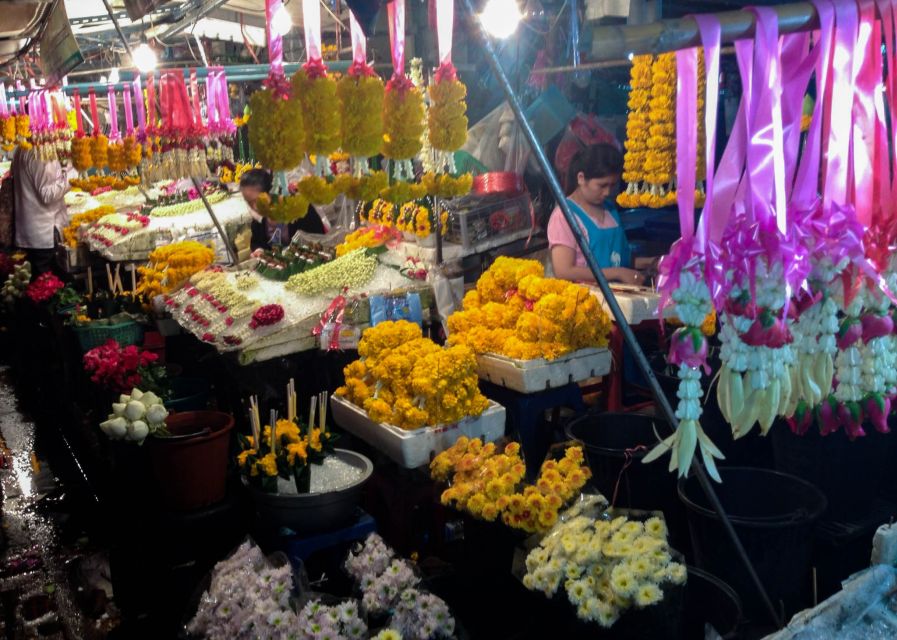
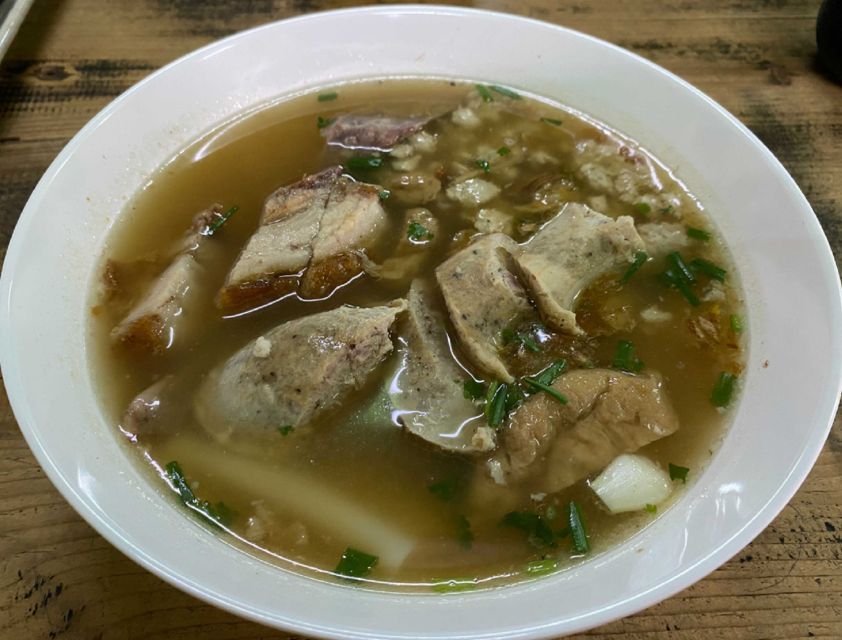
The last tasting stop is Thana Ocha, and it’s a strong finish. You try Hakka-style noodles with ingredients like Hakka stuffed tofu, fish sausage, and wontons.
This is the part that feels most like a “Chiang Mai” story, not just a food story. Chiang Mai has a mix of influences, and Hakka flavors show up as a real presence in the cuisine. The guide’s explanations help you understand what makes it distinct, so the last bite feels earned, not random.
If you’re a noodle fan, this is the one to prioritize. If you are not sure what to order or what to expect, this stop is the cleanest win because the dish is hearty enough to anchor the whole snack circuit.
What you pay for: the tour is guided, food is on you
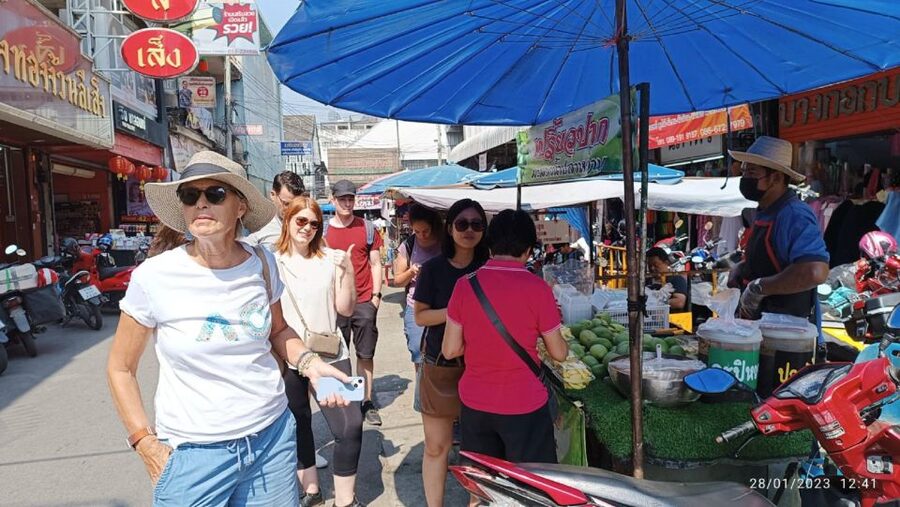
The tour includes the guide and the walking tour, plus carbon emissions offset credits. But food and tasting expenses are not included. The “possible tasting choices” you may get to choose from at your own expense include:
- Hakka-style noodles
- Sticky rice with mango
- Pa Thong Ko
- Khao Kriab Pak Moh
So the real budget math is: $48 for guidance and a route, plus however much you choose to spend on tastings. The price still makes sense if you like trying several foods in one go and you want local help picking stalls that locals actually use.
One practical inconvenience: because food is paid at each stop, you’ll be using cash during the walk. Guides can help with ordering, but you still need money ready.
Also, there’s no vegan option. That matters if you eat plant-based. The tour is designed for a more traditional lineup, so plan accordingly.
Guide quality is the difference between a walk and a food education
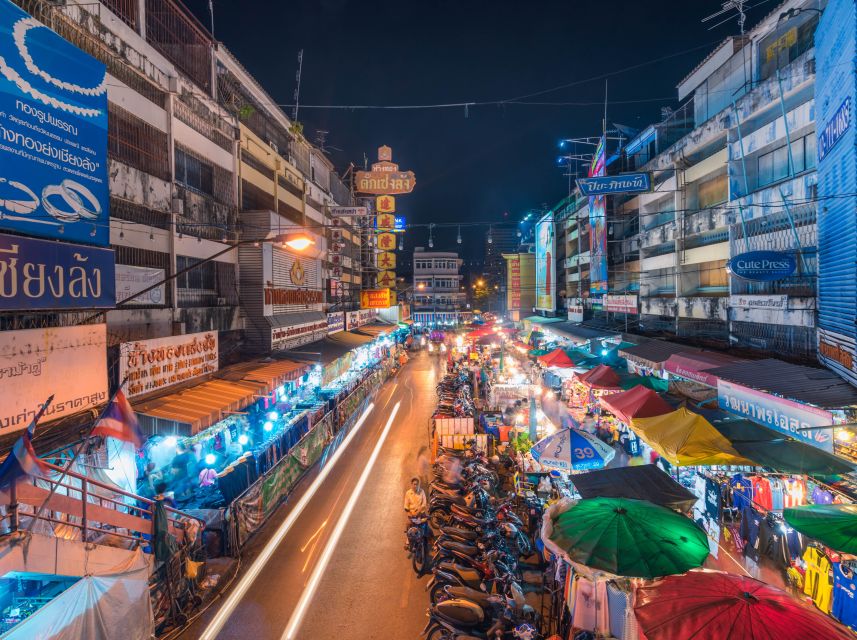
One reason this tour earns strong marks is the guides. You’ll see names like Nom, Koi, Pim, and Patty showing up in feedback, and the consistent theme is personal attention. People mention bilingual guides and guides who explain dishes clearly, then help with practical things like carrying shopping bags.
Guides also seem flexible when timing changes. For example, one review described the guide adjusting for a family with a picky 5-year-old, which tells me the tour can scale its approach when real life shows up. Another review mentioned a stop being closed and the guide replacing it with additional options, so you are less likely to feel “cut short.”
If you care about learning what to order next time you’re on your own, this is where the tour pays off. You are not just eating, you are getting a shortcut to better street-food decisions.
Timing matters, especially if you pick the later slot
You have multiple start time options, which is useful in Chiang Mai. But the tour’s note about the 2:30 pm slot is worth taking seriously.
Many restaurants close by early afternoon. If you pick later, the guide will steer you to alternative stalls so you still taste authentic street food. That’s good news, but it also means the experience can feel more compressed, so you’ll want to keep your energy up and avoid show-up-late chaos.
My advice: if this is your first day in town and you want the smoothest experience, pick the morning slot when you can.
Carbon offsets and GSTC: what that means in plain terms
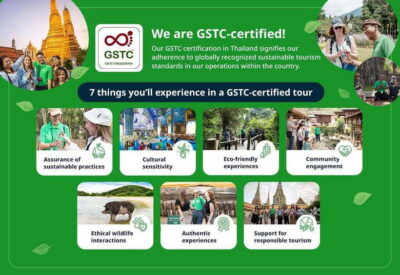
This is a GSTC-certified tour, and it includes carbon emissions offset credits. That doesn’t change the taste of mango sticky rice, but it does change the footprint angle of the experience.
For you as a visitor, it’s a simple signal: the operator is trying to account for impact instead of ignoring it. On a walking tour, the biggest emissions usually come from staff logistics and any support behind the scenes. Offsetting is not perfect, but it is at least a step in the right direction, and the tour is still built around low-impact walking.
Who should book this Chiang Mai food tour
I’d book this if you:
- Want a short, structured way to try Chiang Mai street foods without researching every stall
- Enjoy a mix of sweet and savory bites, not just one big meal
- Like market wandering with a guide who can point out what locals eat
- Want to finish with a real noodle dish like Hakka-style noodles
I’d skip or reconsider if you:
- Need vegan food options (there are none listed)
- Have mobility impairments, heart problems, or respiratory issues
- Are pregnant, since it is not suitable for pregnant women
- Hate walking or fast pacing. One reviewer called out a fast pace and extra walking between stops, so plan for it
Final verdict: should you book it?
If your goal is to eat your way through key Chiang Mai flavors in a short time, this tour is a strong bet. I like that it mixes signature dishes like Khao Kriab Pak Moh, Pa Thong Ko, mango sticky rice, and Hakka-style noodles with market atmosphere and guide context.
Book it if you’re flexible with food purchases and you show up hungry. Skip it if you’re vegan or you want a fully included meal with no cash stops.
In other words: bring good shoes, bring cash, and let the guide do the ordering work. You’ll leave with a clearer sense of Chiang Mai’s food scene, not just a sugar high.
FAQ
How long is the Chiang Mai local food and markets guided walking tour?
The tour lasts 150 minutes.
What is the meeting point for the tour?
You meet at Chansom Memorial Bridge (Khua Khaek), opposite Ton Lamyai Flower Market.
What times does the tour run?
There are multiple start time options available. One note is specifically given for the 2:30 pm slot.
Is the tour food included in the price?
No. The tour guide and walking tour are included, but food and tasting expenses are not included.
What languages will the guide speak?
The tour is offered with a live guide in English and Thai.
Is there a vegan option?
No vegan option is available.
What food tastings might I try?
Possible tasting choices include Hakka-style noodle, sticky rice with mango, Pa Thong Ko (deep-fried dough sticks), and Khao Kriab Pak Moh (steamed rice skin dumplings).
Is the tour suitable for everyone with mobility or health concerns?
No. It is not suitable for people with mobility impairments, people with heart problems, people with respiratory issues, or pregnant women.
What should I bring with me?
Bring comfortable shoes, sunglasses, a hat, a camera, sunscreen, insect repellent, and cash.
Does the tour offset carbon emissions?
Yes. Carbon emissions offset credits are included.
Thai eating and drinking, continued
Guided Thai outings, continued
What else made it into the Thailand notebook
What else made it into the Chiang Mai notebook
- Half day Long Neck hill tribe and Hmong hill tribe village
★ 5.0 · 21 reviews - Chiang Rai One Day: Golden Triangle, Laos Border, Long Neck Tribe
★ 3.5 · 21 reviews - Old Town Chiang Mai Food Tour with 10+ Local Dishes Tastings
★ 5.0 · 21 reviews - 5 Day Tuk Tuk Adventure in Chiang Mai – with driver
★ 5.0 · 21 reviews - 1 Hour Foot Relaxing – Free Transportation
★ 5.0 · 21 reviews - Rantong elephant sanctuary Chiangmai
★ 4.4 · 21 reviews
Walking Tours, compared.
 ★ 4.5City Highlights Temple and Market Walking TourFrom $423,990 reviews
 ★ 4.4Grand Palace and Wat Phra Kaew Guided Walking TourFrom $172,417 reviews
 ★ 4.6Wat Pho and Wat Arun Guided Walking TourFrom $171,720 reviews
 ★ 4.63 Hour Old City and Temples Guided Walking TourFrom $161,568 reviews
 ★ 4.9Beach walk with elephants, rain & care. 2.5 hoursFrom $59969 reviews
 ★ 4.9Bukit Elephant Park Sanctuary Walk and Feed TourFrom $51926 reviews
 ★ 4.9Bangkok Authentic Tasting Thai-Chinatown Walking Food TourFrom $43852 reviews
 ★ 4.7Historic Temples and City Guided Walking TourFrom $21650 reviews
Browse the lists this tour appears in