
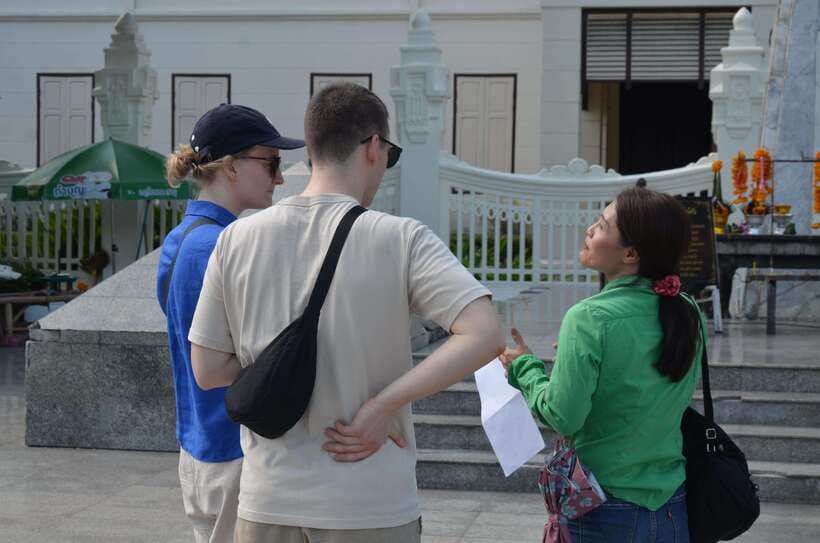
REVIEW · HISTORICAL TOURS
Chiang Mai: Historic Temples and City Guided Walking Tour
Chiang Mai temples make sense faster on foot. This 3-hour old-city walk links the city’s earliest landmarks with standout Lanna design, from Wat Chiang Man to the dramatic ruins of Wat Chedi Luang. I especially love the stop-by-stop explanations of what you are seeing, and the contrast between Lanna stone detail and Wat Phan Tao’s teakwood construction. The main drawback to plan for is that two temple entrances cost extra: Wat Phra Singh (50 THB) and Wat Chedi Luang (50 THB).
I also like the pace. A small group of up to 10 means you can ask questions, pause for photos, and handle the heat and crowds without feeling herded. Just note that it is not a good match for everyone, including pregnant travelers and people with back problems, since it is still a walking route through temple grounds and uneven surfaces.
In This Review
- Key highlights you will feel on this walk
- Why this Chiang Mai temple walk works so well
- Getting oriented at Wat Chiang Man (the 1296 starting point)
- Three Kings Monument and the Old City square rhythm
- Wat Phra Singh: classic Lanna temple style up close
- Wat Phan Tao teakwood viharn, and why it matters
- Wat Chedi Luang: ruined chedi drama plus the Buddha inside
- Finishing at Watchediluang Varaviharn, and what that implies
- Pacing, weather, and temple dress rules that actually affect your day
- Who will enjoy this most, and who should skip it
- Value check: the $21 price, plus two entrance fees
- The guide experience: what tends to make the tour feel easy
- Should you book this Chiang Mai temple walking tour?
- FAQ
- Where does the tour start?
- How long is the walking tour?
- Is it a small group?
- Is the tour guided in English?
- Are temple entrance tickets included?
- What is included in the price?
- What should I wear to temples?
- What should I bring?
- Is it a problem if it rains?
- Who is the tour not suitable for?
- Are there any restrictions on bags?
Key highlights you will feel on this walk
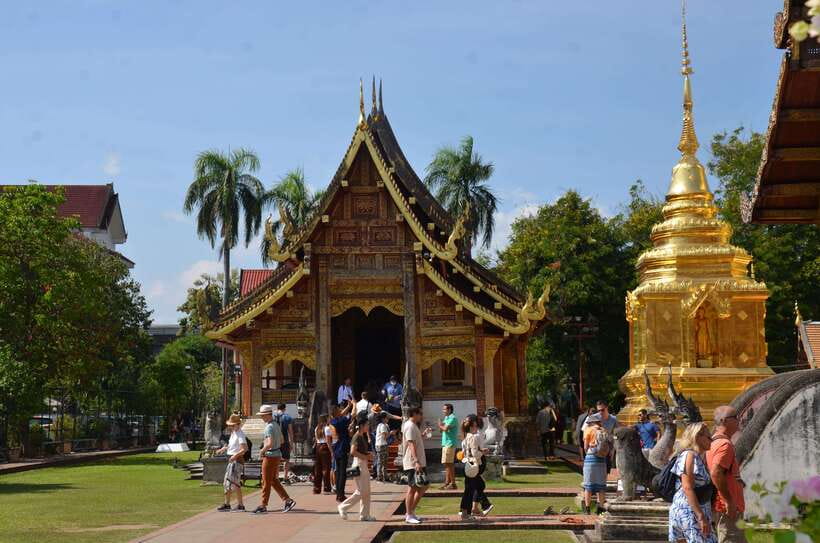
- Wat Chiang Man (built 1296) gets your trip off on the right foot with Chiang Mai’s earliest core
- Lanna architecture at Wat Phra Singh helps you spot the styles that make northern Thai temples look different
- Wat Phan Tao’s teak hall shows you how rulers once used timber at an almost ceremonial level
- Wat Chedi Luang’s chedi ruins are impressive even before you learn what to look for, and the Buddha inside is a major payoff
- Small group size (10 max) makes it easier to move at a comfortable pace and ask questions
Thai city outings also got written up
- Chiang Mai: 3 Hour Old City and Temples Guided Walking Tour★ 4.6 · 1,568 reviews
- Chiang Mai: Historic Temples and City Guided Walking Tour★ 4.7 · 650 reviews
- Chiang Rai Day Trip from Chiang Mai City with Golden Triangle★ 4.5 · 531 reviews
- Chiang Mai: Historic Old City Bike Tour – Morning or Night★ 4.7 · 263 reviews
Why this Chiang Mai temple walk works so well
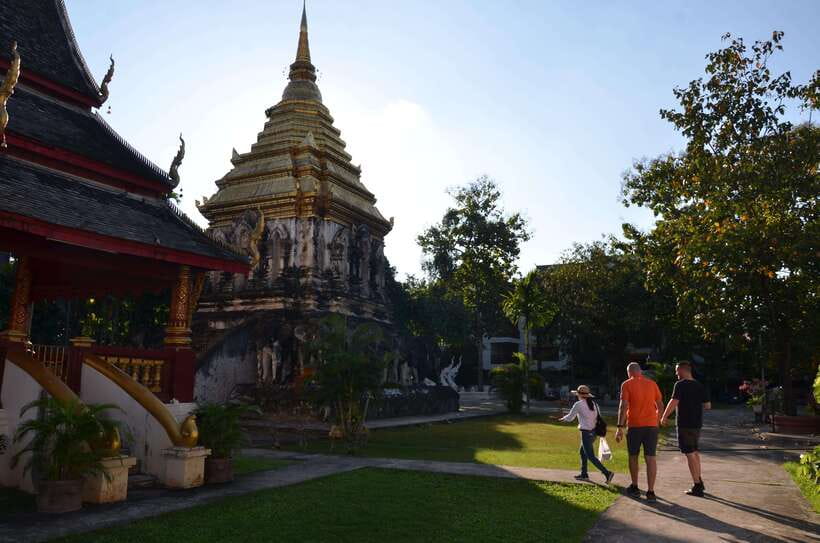
A good Chiang Mai temple tour should do two things at once: get you inside the right places, and explain what those places are trying to communicate. This one is built for that. You start at Wat Chiang Man, then you keep walking west through the old walled area, hitting the monuments that locals treat as part of daily memory.
The route is also practical. Everything is within a walkable stretch of the Old City, so you are not bouncing around town on transport. You also get a low-impact, low-stress rhythm, which is great if you want to see more without burning your day on long transfers.
The value is solid for the price too. At $21 per person you get a local English-speaking guide and a bottle of water. Add the two entrance fees you will pay on site, and you still end up with a short, efficient tour that covers multiple top temples without feeling like a rushed checklist.
Getting oriented at Wat Chiang Man (the 1296 starting point)
Wat Chiang Man is the kind of place that makes your whole day click. It is the oldest temple in Chiang Mai, built in 1296, so it gives you context before you start comparing different architectural eras.
Expect a photo stop, then a guided visit where you get help understanding how the temple sits within the city’s spiritual map. This is where you learn the basics you will carry to the next stops, like how temple structures relate to authority, Buddhism, and the Lanna tradition.
Practical tip: temple rules matter here. Plan to cover your shoulders and knees, and skip shorts and sleeveless shirts. If you forget, you might have to adjust on the spot or miss parts of the visit.
Three Kings Monument and the Old City square rhythm
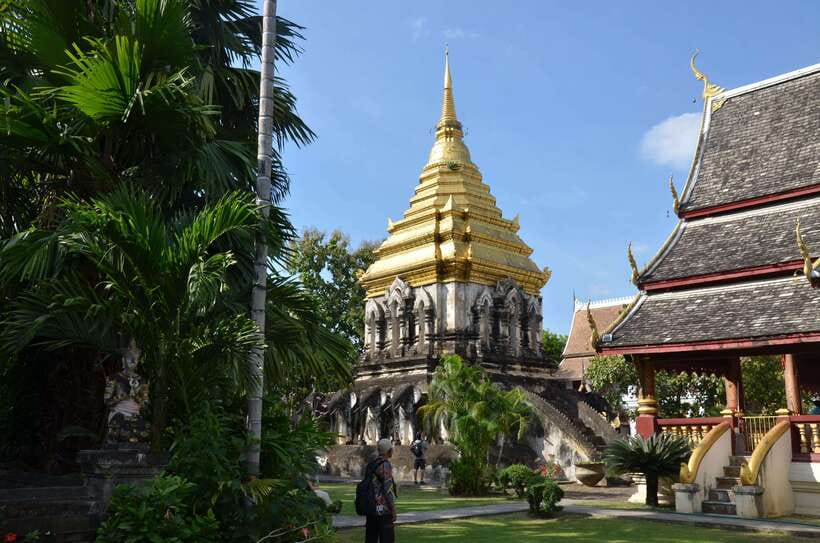
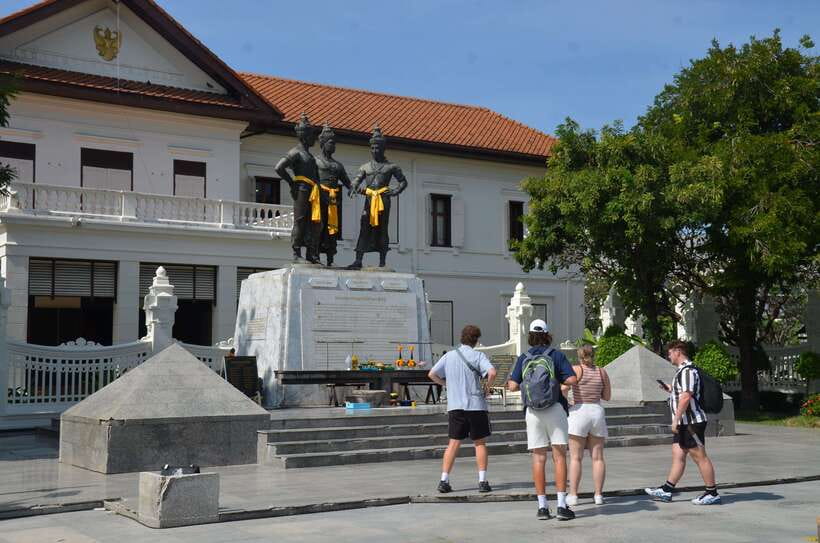
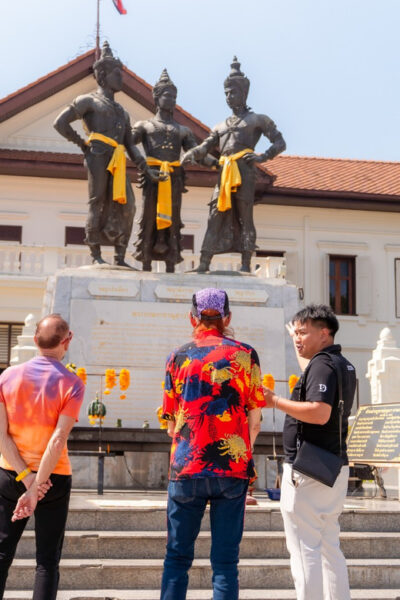
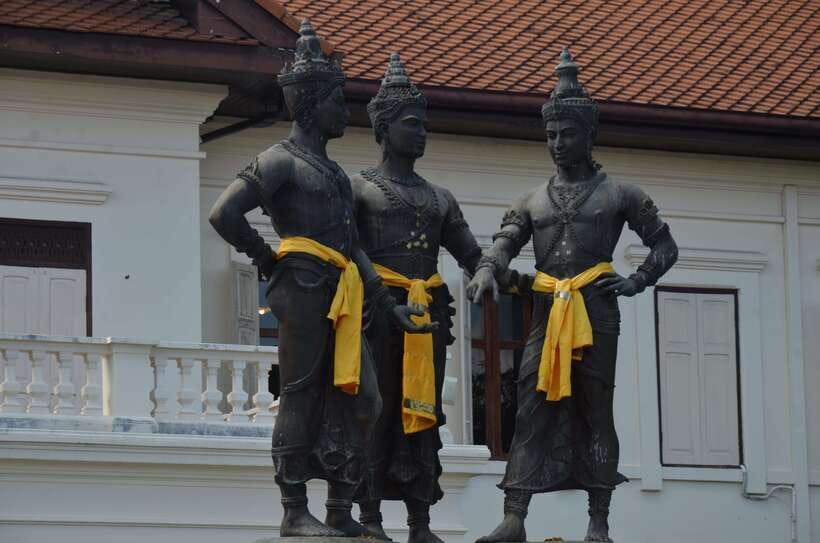
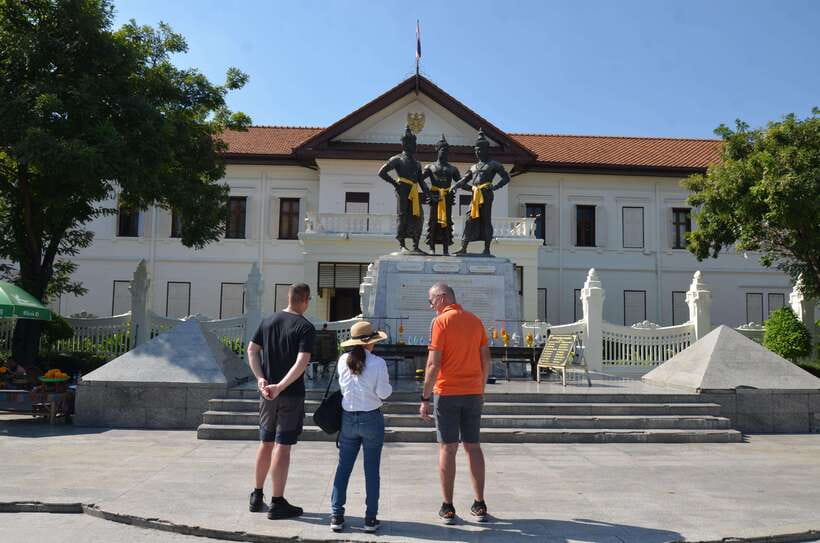
Right after Wat Chiang Man, the tour moves to a more open landmark: Three Kings Monument. It is a photo-and-short-walk moment, but it is also useful because it marks the beat of the walled old town.
This stop helps you read the area. In a place like Chiang Mai, temples are not isolated. They feel connected, and walking between them makes that connection visible. The guide also uses the location to explain historical context, so when you reach the bigger temples, you already understand why the city grew the way it did.
If you are someone who likes to understand the “why,” this is a good bridge stop. It prevents you from arriving at Wat Phra Singh and only noticing the beauty without grasping the meaning.
Wat Phra Singh: classic Lanna temple style up close
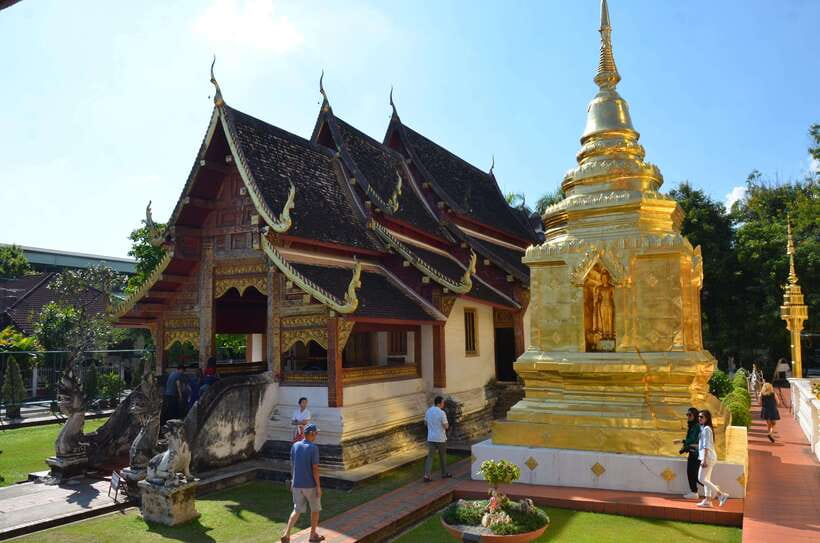
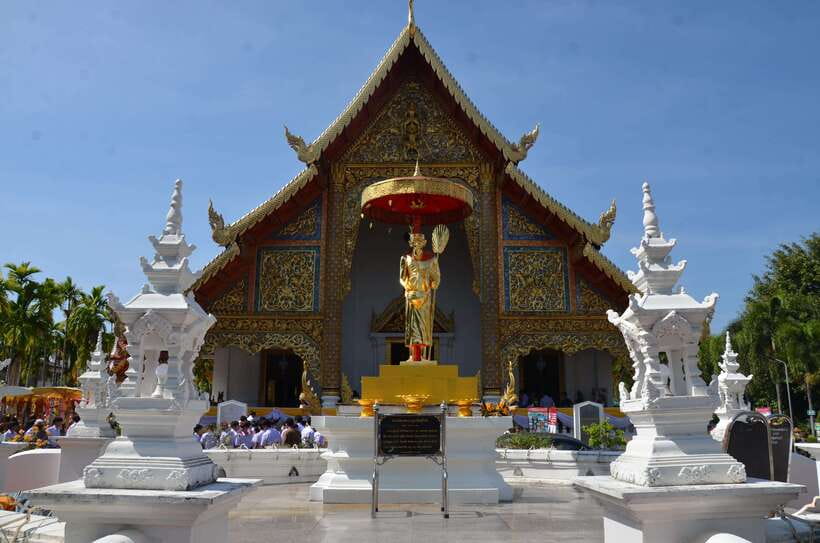
Wat Phra Singh is one of Chiang Mai’s best examples of Lanna architecture, and you will feel it the moment you start looking at the details. This is not just about big, dramatic structures. It is about patterns, proportions, and the way the temple’s elements work together.
The visit includes a photo stop and guided time, about 40 minutes. That duration matters. It is long enough to notice the style choices and to ask why things look the way they do. It also gives you time to move slowly through areas you might otherwise rush past.
Plan for the entrance fee here: 50 THB is listed for Wat Phra Singh. That cost is worth building into your budget, since this is one of the anchor temples on the route.
One drawback to consider: this area can feel warm and bright, especially if you have been in the sun already. If you come prepared with sunscreen and a hat, you will enjoy the details more and sweat less.
Thai walking routes sat in the same notebook


Wat Phan Tao teakwood viharn, and why it matters

Wat Phan Tao is a temple you remember for a simple reason: it is built almost entirely of teak wood. And it is not just any woodwork. The main hall features an enormous teak throne that was once used by Chiang Mai’s rulers.
This stop is special because it shifts the story from stone and chedi shapes to power expressed through materials. You are seeing how rulers and royal life shaped religious spaces, not only how Buddhism filled them with meaning. The building is also described as originally part of a royal palace, which helps explain why the space feels both formal and intentional.
Expect a short photo stop and guided visit, about 15 minutes. That may sound brief compared with other temples, but the focus is sharp. When the building is basically a living exhibit of teak craftsmanship, you do not need a long time to understand the core idea.
Practical comfort note: teak buildings can feel cooler in shade, but you may still have sun outside the hall. Bring a light scarf. It is useful for temples and for staying comfortable as you move.
Wat Chedi Luang: ruined chedi drama plus the Buddha inside
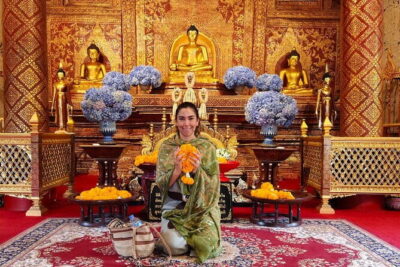
Wat Chedi Luang is one of Chiang Mai’s most dramatic temple sights, even before you learn what you are looking at. The ruined chedi is impressive on its own, and the best part is that the visit includes a guided look at what the site represents.
This is the emotional payoff on the walk. You spend about 40 minutes here, with photo time and a guided visit. You get to see the standing Buddha in the main prayer hall as well, which is a major contrast to the chedi ruins. Ruins can look like broken stone at first glance. With the guide’s explanation, they become readable pieces of a larger story.
Like Wat Phra Singh, Wat Chedi Luang has an entrance ticket listed: 50 THB. Plan for that. If you are trying to keep your day simple, just set aside the extra cash before you arrive.
Also, pace yourself on the ground. Temple areas can include uneven surfaces and steps. The tour is only 3 hours, but your feet do a lot of short work in the old town.
Finishing at Watchediluang Varaviharn, and what that implies
The tour ends at Watchediluang Varaviharn. In practice, this finish feels like a clean wrap-up of your chedi-focused segment. By the time you reach the end, you have already moved from origins (Wat Chiang Man) to stylistic anchors (Wat Phra Singh), to royal timber craft (Wat Phan Tao), and finally to the huge chedi story (Wat Chedi Luang).
That progression matters. It means you end the day with a mental map, not just a collection of photos.
If you want to keep exploring after the tour, you will likely be in a good position to wander nearby streets. The route is designed to help you get oriented, so you are not stuck staring at a map.
Pacing, weather, and temple dress rules that actually affect your day
This tour is 3 hours on foot, and it works best when you show up ready for Chiang Mai weather. July to mid October is rainy season, and you will want an umbrella or raincoat. If you forget, you still can do temples, but you will spend less time enjoying details and more time dodging puddles.
Start with the basics:
- Comfortable shoes matter because temple grounds are not uniform
- A hat, sunscreen, and a small scarf help you stay comfortable
- Cover up at temples, meaning shoulders and knees covered when entering
The tour also lists clear “not allowed” items: no shorts, no short skirts, no sleeveless shirts. It also says no luggage or large bags, so travel light. That one detail can save you hassle if you are coming from a hotel check-in or out of a day tour.
Health note: the experience is not suitable for pregnant women and for people with back problems. If either applies, it is worth choosing a less walking-heavy option.
Who will enjoy this most, and who should skip it
This is a great match if you want:
- A fast introduction to the Old City and key Lanna temples
- A guide who can connect structures to meaning, so you understand what you see rather than only photographing it
- A small group experience that keeps the day flexible, with a pace that does not feel frantic
It is also ideal for first-time visitors who want the “best hits” without spending hours comparing tours. The short duration makes it easy to fit into your arrival day or your last full day.
Skip it if you need a fully seated experience, because even with a gentle pace, you are still walking and moving through temple grounds. If you are sensitive to heat, rainy weather, or mobility limits, choose a route with fewer steps and more transport support.
Value check: the $21 price, plus two entrance fees
At $21 per person, this is priced like a budget-friendly orientation. What you get for that price is the part that matters: a local guide for the full 3 hours, plus water. The guide is what turns temples into lessons you can carry forward, like learning how Lanna architecture differs and why teakwood design is such a big deal at Wat Phan Tao.
The only obvious “add-on” cost is the entrance fees. You should plan for:
- Wat Phra Singh entrance: 50 THB
- Wat Chedi Luang entrance: 50 THB
So think of it like paying for guided time and access, with small extra tickets once you arrive. For many people, that is the sweet spot. You are not paying for transportation all day, and you are not locked into one temple where you feel like the ticket was the only purpose.
The guide experience: what tends to make the tour feel easy
One reason this tour keeps scoring well is that the guides are consistent in delivery. English-speaking guides are repeatedly described as friendly, patient, and able to answer questions without making you feel rushed.
Some past groups highlight specific guide styles:
- Jen gets praise for being sweet, supportive, and early enough to help with heat
- Pun is mentioned for strong historical context and patience with questions
- Danny is described as having real monastic experience, which adds a deeper layer when Buddhism stories come up
- Jackie is noted for guiding at a comfortable information level and even helping with group photos
You also get a practical benefit from small-group touring. When you are with fewer people, the guide can keep an eye on timing and help you rejoin if you get dropped at the wrong spot. If your taxi leaves you nearby but not exactly at the start, the guide team has shown they can help you catch up.
Should you book this Chiang Mai temple walking tour?
I think it is a strong yes if you want an easy way to understand Chiang Mai’s temples in a short time. You cover the oldest temple, a top Lanna architecture stop, a rare teakwood hall with a royal connection, and the major chedi ruins with the Buddha inside. That mix is efficient and memorable.
Book it if you value a small group and want a local guide who can explain what you are looking at. You should also book it if you are the type who likes getting your bearings in the Old City quickly.
Skip it if walking is hard for you, if you cannot follow temple dress rules, or if you want a tour that is mostly inside with minimal outdoor time. For everyone else, this is one of the better ways to turn temple photos into actual understanding, without taking over your whole day.
FAQ
Where does the tour start?
You meet your guide at Wat Chiang Man. Look for the Beyond Experience sign.
How long is the walking tour?
The duration is 3 hours.
Is it a small group?
Yes. It is limited to 10 participants.
Is the tour guided in English?
Yes, the live tour guide is English.
Are temple entrance tickets included?
No. Wat Phra Singh entrance is 50 THB, and Wat Chedi Luang entrance is 50 THB. These are not included.
What is included in the price?
Included items are a local guide and a bottle of water.
What should I wear to temples?
The dress code is casual, but shoulders and knees must be covered. Shorts, short skirts, and sleeveless shirts are not allowed.
What should I bring?
Bring comfortable shoes, a hat, umbrella, sunscreen, comfortable clothes, cash, and a scarf.
Is it a problem if it rains?
Rain can happen. From July to mid October, it is rainy season, so bring an umbrella or raincoat.
Who is the tour not suitable for?
It is not suitable for pregnant women or people with back problems.
Are there any restrictions on bags?
Yes. Luggage or large bags are not allowed.
Thai city outings, continued
Guided Thai outings, continued
What else made it into the Thailand notebook
What else made it into the Chiang Mai notebook
- Half day Long Neck hill tribe and Hmong hill tribe village
★ 5.0 · 21 reviews - Chiang Rai One Day: Golden Triangle, Laos Border, Long Neck Tribe
★ 3.5 · 21 reviews - Old Town Chiang Mai Food Tour with 10+ Local Dishes Tastings
★ 5.0 · 21 reviews - 5 Day Tuk Tuk Adventure in Chiang Mai – with driver
★ 5.0 · 21 reviews - 1 Hour Foot Relaxing – Free Transportation
★ 5.0 · 21 reviews - Rantong elephant sanctuary Chiangmai
★ 4.4 · 21 reviews
Historical Tours, compared.
 ★ 4.6Ayutthaya Historical Park Guided Day TripFrom $283,020 reviews
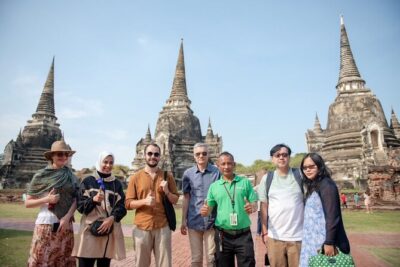 ★ 4.5UNESCO’s Ayutthaya Historical Park: Full-Day Tour from BangkokFrom $281,559 reviews
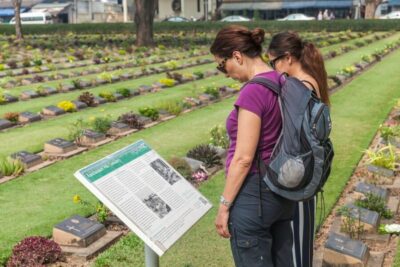 ★ 4.6Historical Day Tour to River KwaiFrom $51868 reviews
 ★ 5.0Historical City of Ayutthaya – Unesco Full Day Tour From BangkokFrom $41847 reviews
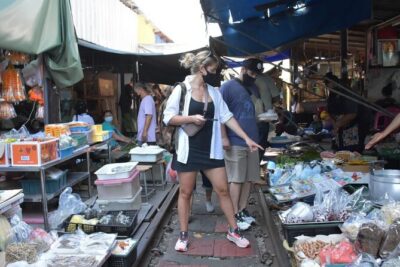 ★ 5.0Private Excursion to Floating Market and Ayutthaya World HeritageFrom $184515 reviews
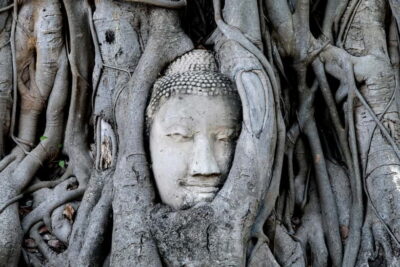 ★ 4.5Ayutthaya Heritage Tour with Sunset Boat RideFrom $32490 reviews
 ★ 5.0Private Excursion to Ayutthaya, UNESCO World Heritage site with Boat TourFrom $159460 reviews
 ★ 4.7Ao Nang Landmark Stadium Muay ThaiFrom $38287 reviews
Browse the lists this tour appears in