
REVIEW · GRAND PALACE AND BANGKOK TEMPLE TOURS
Bangkok: Wat Pho and Wat Arun Guided Walking Tour
Wat Pho and Wat Arun in one easy walk. This 3-hour route gets you inside two of Bangkok’s most meaningful temple stops, with a real guide to translate what you’re seeing into context. I like that it stays focused and efficient, so you get the big highlights without spending your whole day in transit, plus you can usually pick from multiple start times.
I especially love the pairing: Wat Pho’s 46-meter long reclining Buddha is one of Bangkok’s most memorable sights, and Wat Arun is the opposite mood, all about the riverfront skyline and those mosaic-covered surfaces that look amazing in photos. You also get a included coconut water break and a low-impact approach, with carbon emissions offset credits added to every tour.
One thing to plan for: the dress code is strict at both temples, so you will want to bring a sarong, scarf, or a light layer you can cover with. Also, temple entry tickets are not included, so budget extra cash for Wat Pho and Wat Arun.
In This Review
- Quick highlights you’ll notice fast
- Why Wat Pho and Wat Arun work so well together
- Starting at Tha Tian Pier, then stepping into temple Bangkok
- Wat Pho: the 46-meter reclining Buddha and the mosaic-world around it
- Wat Arun: a 300-year old river temple built for skyline views
- Price and value: what $17 covers, and what to budget for tickets
- Heat, shoes, and the strict dress code you must plan for
- Responsible touring: GSTC certification and carbon offset credits
- How the guides raise the experience, from humor to prayer tips
- Final call: should you book this Wat Pho and Wat Arun walking tour?
- FAQ
- How long is the Wat Pho and Wat Arun guided walking tour?
- Where do I meet the guide?
- Are entry tickets included?
- What is included in the tour price?
- What should I bring for temple visits?
- What clothing is allowed at the temples?
- Is the tour offered in English or other languages?
Quick highlights you’ll notice fast
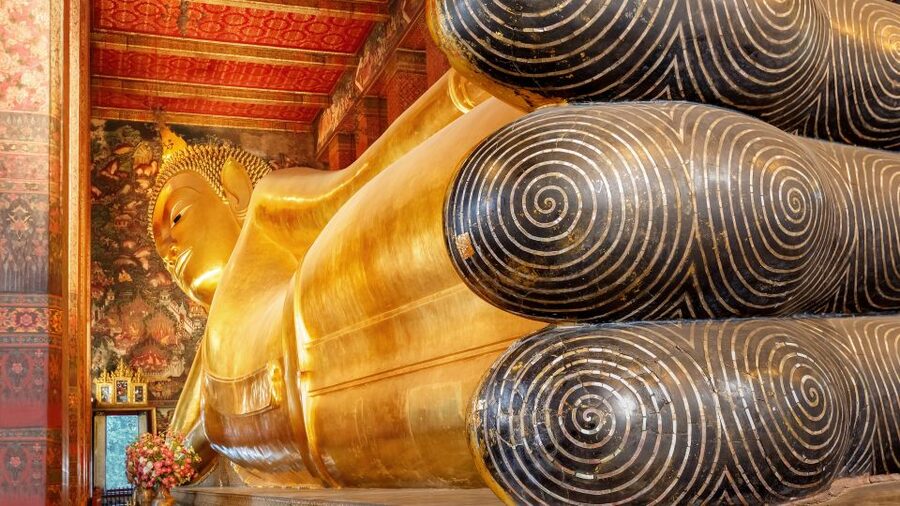
- 46-meter reclining Buddha at Wat Pho, plus colorful mosaic details around the grounds
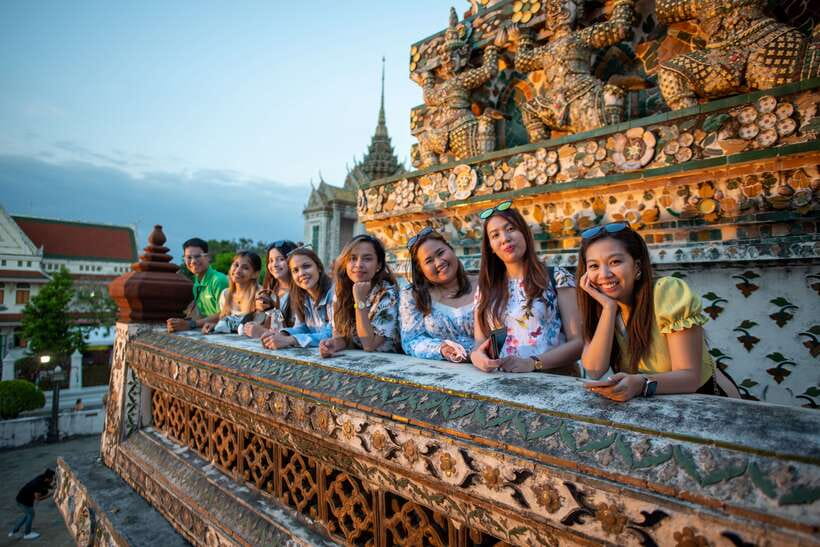
- Wat Arun’s white chedi covered in thousands of colorful mosaic pieces, with Chao Phraya River views
- Coconut water included between the two temples, which helps on Bangkok’s hot walking afternoons
- GSTC-certified, low-impact touring with carbon offset credits included in the price
- Guides who help with photos and questions (people often mention guides like Nancy, Jack, Surina, and Tee for their storytelling and attention)
Grand Palace and Wat Pho visits also got written up
- Bangkok: Grand Palace, Wat Pho, and Wat Arun Guided Tour★ 4.8 · 3,632 reviews
- Bangkok: Grand Palace and Wat Phra Kaew Guided Walking Tour★ 4.4 · 2,417 reviews
- Bangkok: Grand Palace, Wat Pho, Wat Arun Sacred & Local Tour★ 4.3 · 2,256 reviews
- Bangkok: Wat Pho and Wat Arun Guided Walking Tour★ 4.6 · 1,720 reviews
Why Wat Pho and Wat Arun work so well together
If you only have a half day, this is a smart combo. Wat Pho gives you the spiritual and artistic “must-see” center of Bangkok’s temple culture, while Wat Arun feels more cinematic, right by the river, with that iconic white chedi dominating the view.
The best part is pacing. You are not rushing through hundreds of details at a sprint. You get a guided walk that connects the dots, then you can slow down where you want, especially around the key photo spots.
Starting at Tha Tian Pier, then stepping into temple Bangkok
Your tour meets at Tha Tian Pier, and your guide will be holding a TripGuru sign. You should aim to arrive about 10 minutes early, since Bangkok timing can be unpredictable and it helps everyone start together.
From there, the experience shifts right away. The river pier area is loud and busy, then the moment you head toward the temple grounds, everything gets quieter and more rule-based, with the dress code setting the tone immediately. Bring your camera, but also bring your patience for the parts where people slow down for worship spaces, photos, and careful walking.
Wat Pho: the 46-meter reclining Buddha and the mosaic-world around it
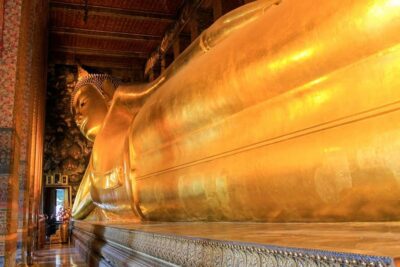
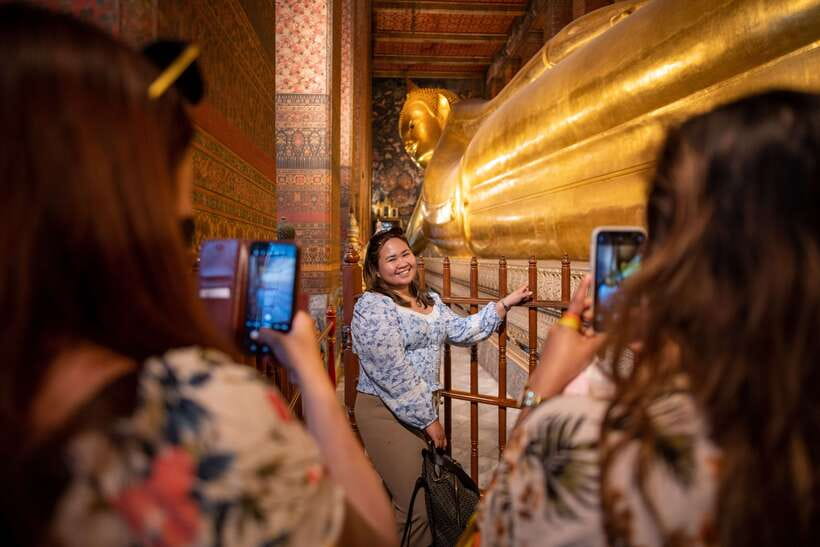
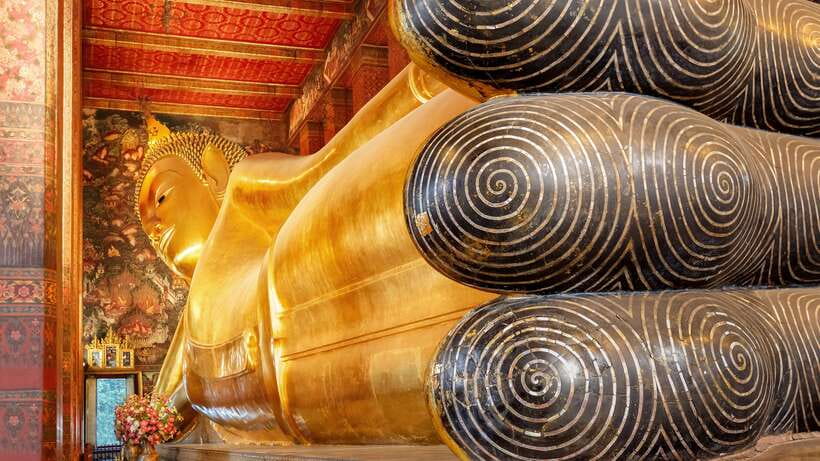
Wat Pho is the temple stop that anchors the whole tour. You are there for about 1.5 hours, and the highlight is the 46-meter long reclining Buddha statue, a huge figure that’s hard to understand at a distance until you’re close and can really see the scale.
What makes Wat Pho special is how the guide helps you read the space. Instead of just pointing at big things, a good guide explains what different parts of a temple mean and how the design supports Buddhist practice and respect. If your guide is someone like Nancy or Jack, expect a storytelling style that makes the place feel less like sightseeing and more like a living spiritual site.
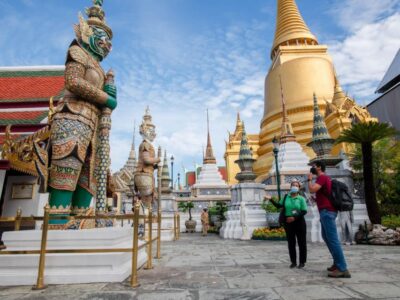
You will also see colorful mosaic shrines and decorative details that reward looking up, not just straight ahead. This is one of those places where photos look good, but the real payoff is learning what you’re looking at, especially around shrines and pathways people use during prayers.
Practical tip: wear shoes you can trust for temple stone and uneven ground. Even when the walking is manageable, the surfaces can be slick or irregular, and you will be standing, circling, and pausing a lot.
Wat Arun: a 300-year old river temple built for skyline views
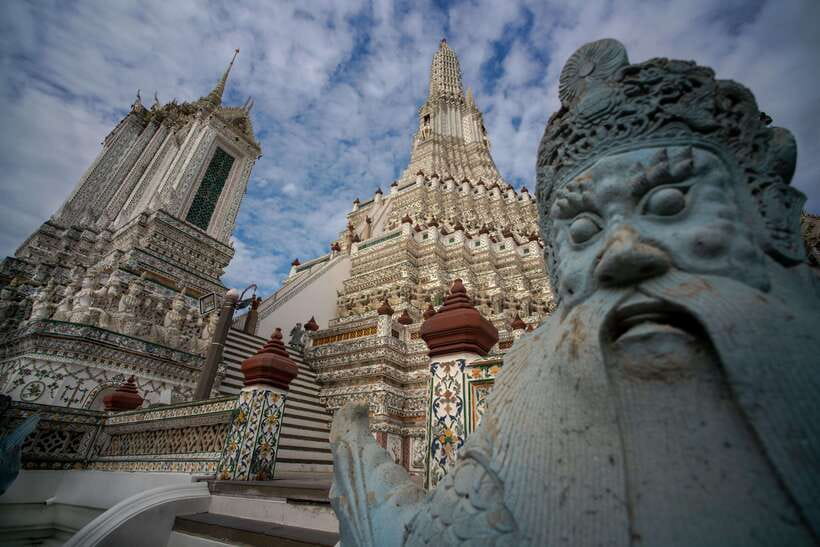
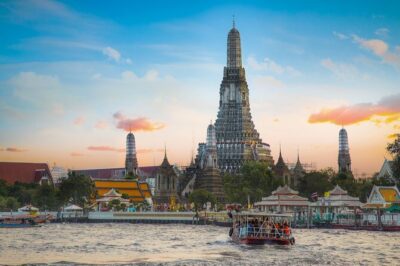
After Wat Pho, you head to Wat Arun for another 1.5 hours. This temple is known for its enormous white chedi with thousands of colorful mosaic pieces, and it’s the kind of architecture that looks dramatic from multiple angles.
What I like about Wat Arun is the way it changes as you move. It’s not just one view. The riverfront setting means you can shift your perspective and get different takes on the chedi, the details, and the surrounding skyline.
This is also the more “Instagrammable” feeling stop, but you do not need to turn it into a photo contest. You can treat it like a guided architecture walk, where your guide points out patterns, materials, and design features that you might miss if you’re just trying to capture one perfect shot.
If you want a bit of extra room to breathe for photos, many guides are described as helpful with picture-taking and ensuring you get time to explore on your own. That matters here, because Wat Arun’s best angles come from patience, stepping back, and trying again after the crowd moves.
Thai walking routes sat in the same notebook
Price and value: what $17 covers, and what to budget for tickets
The listed price is $17 per person for about a 3-hour guided walking tour. In practical terms, what you are paying for is a guide, a structured route, and the support that makes temple visits easier and more meaningful, plus a small but welcome break.
Your ticket includes:
- Guide and guided walking tour
- Coconut water
- Carbon emissions offset credits
Temple entry fees are not included:
- Wat Pho: 300 Thai baht
- Wat Arun: 200 Thai baht
That means you should budget around 500 Thai baht total for entry across both sites, and bring cash since it’s specifically listed. I like this setup because it keeps the tour price low, and you can still make choices on food and drinks separately without feeling locked in.
Heat, shoes, and the strict dress code you must plan for
This tour is short, but Bangkok heat does not care about your schedule. Bring what you would bring for any walking day: comfortable shoes, sunglasses, a hat, sunscreen, and insect repellent. The tour also suggests cash, which matters because entry tickets are extra.
The dress code is strict: clothes revealing shoulders, underarms, back, or knees are not allowed in some sites on the tour. If you forget, you might end up hunting for a cover-up when you are already hot and rushing. I recommend packing a sarong, scarf, or sweater so you can fix the issue fast.
One more note for your comfort. This tour is listed as not suitable for pregnant women, people with mobility impairments, people with heart problems, and people with high blood pressure. Even if the walking seems reasonable on paper, temple visits can involve uneven ground, standing time, and sun exposure.
Responsible touring: GSTC certification and carbon offset credits
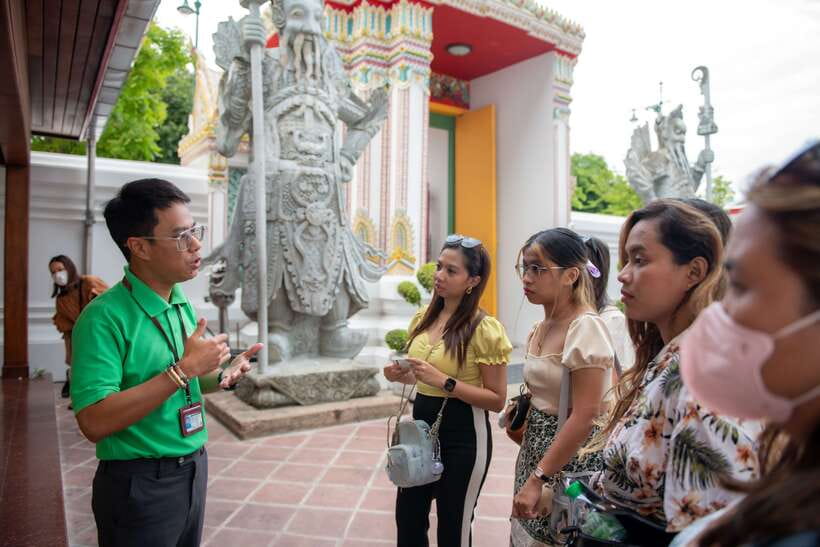
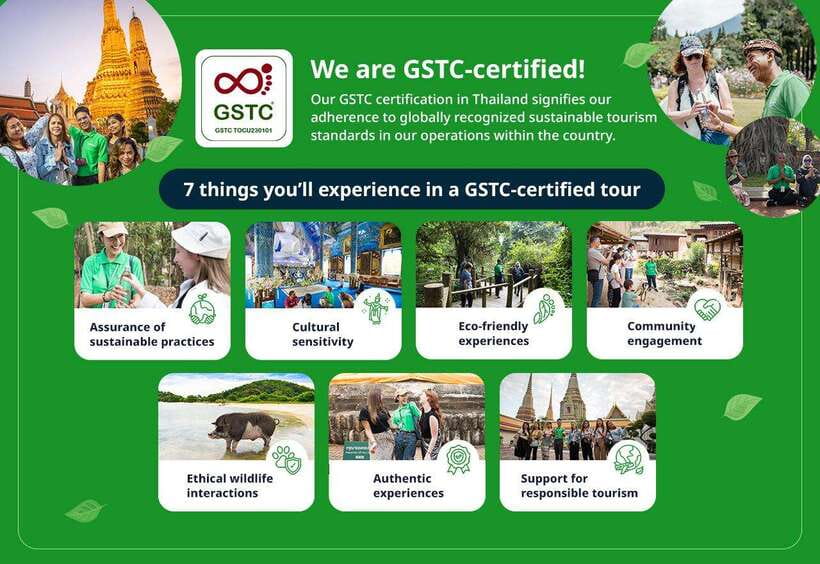
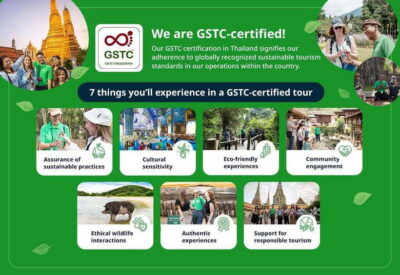
I appreciate the explicit “do less harm” angle here. The tour is described as GSTC-certified, and it focuses on low-impact choices such as providing water in glass bottles and including carbon emissions offset credits.
What that means for you as a visitor is simple. You get a guided experience that does not just tell you to recycle after the fact. It builds in small sustainability choices into the day’s operation, and you can feel a bit better about where your money goes.
Also, carrying less weight helps on temple days. Coconut water is included, so you start with a built-in hydration moment. Still, Bangkok can be intense, so if you tend to run thirsty, consider bringing an extra personal bottle for between stops.
How the guides raise the experience, from humor to prayer tips
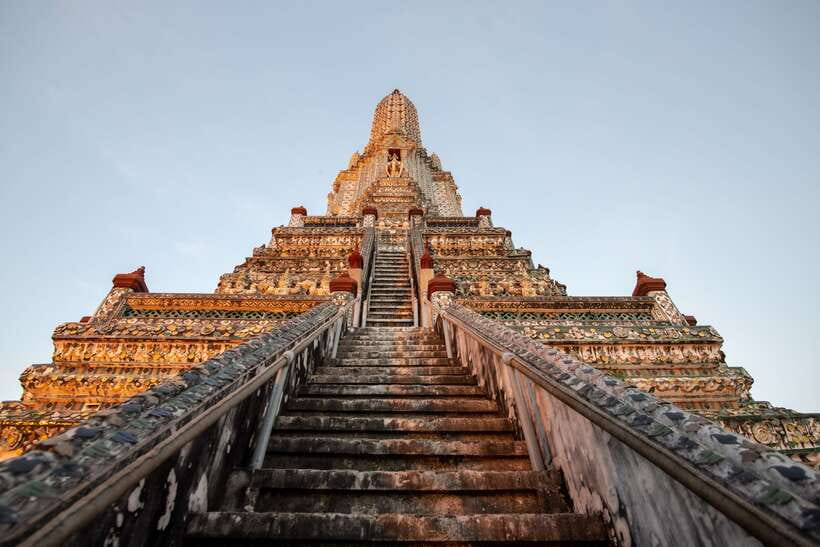
A lot of the magic here is how the guide makes the temples understandable. People consistently describe guides as attentive, friendly, and quick to answer questions, which matters because temple sites have rules and symbols that can be confusing without context.
You might get a guide like Nancy, praised for knowing temple history and helping people understand Buddhist culture. Or Tee, described as an ex-monk who adds humor while explaining what you’re seeing. Guides like Surina and Tank are often mentioned for passion and for keeping the info organized, not overwhelming.
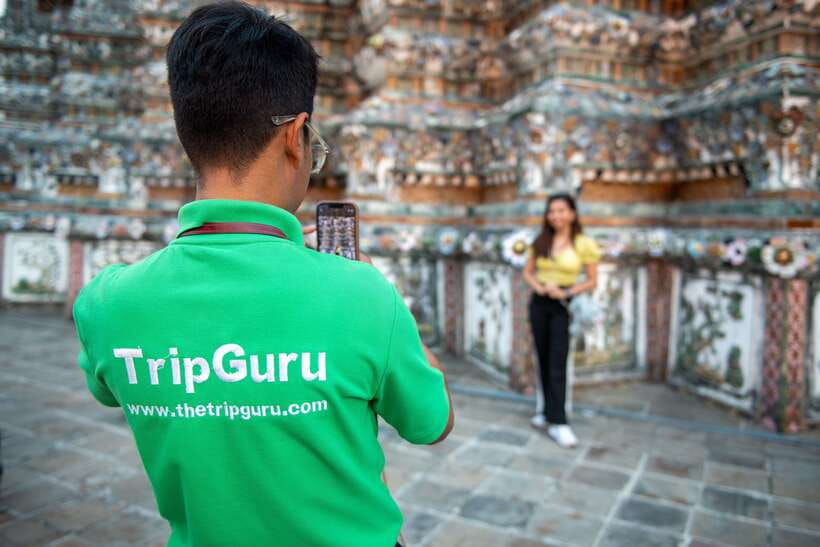
There is also a practical side. Several people note that guides help with navigation inside the temple grounds, and some help with photos so you are not stuck trying to coordinate yourself and your camera. That can be a big quality-of-life upgrade at Wat Pho and Wat Arun, where the best views come from specific spots.
One consideration: the street and crowd noise can make it hard to hear at times. If that happens, keep your body oriented toward your guide and ask follow-up questions when you can. The tour’s whole point is getting value from explanations, so it’s worth actively listening.
Final call: should you book this Wat Pho and Wat Arun walking tour?
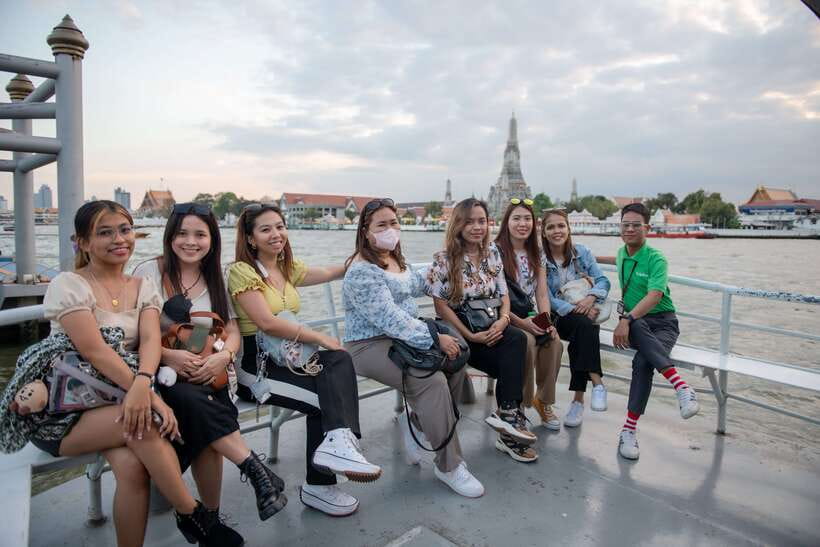
I think this tour is a strong choice if you want two major temple stops with clear guidance, a manageable 3-hour time commitment, and a route that keeps the day simple. It’s especially worth booking if you care about what the monuments mean, not just what they look like, because the guide role is a big part of the value.
Book it if:
- You want Wat Pho’s reclining Buddha and Wat Arun’s mosaic chedi without sorting it out alone
- You prefer a structured walk with built-in breaks, like coconut water
- You appreciate responsible tourism, including GSTC certification and carbon offset credits
Skip it or choose another option if:
- You need an accessibility-friendly route, since it’s listed as not suitable for mobility impairments
- Your health situation makes heat and walking hard, since it’s listed as not suitable for heart problems and high blood pressure
- You are not ready for the strict temple dress code, since shoulders and knees need to be covered
If you book, pack the cover-up and the right shoes. Then show up ready to slow down at the key statues and chedi details. This is the kind of Bangkok day that feels like you learned something, not just clicked photos.
FAQ
How long is the Wat Pho and Wat Arun guided walking tour?
The tour lasts 3 hours in total, with about 1.5 hours at Wat Pho and 1.5 hours at Wat Arun.
Where do I meet the guide?
Meet your guide at Tha Tian Pier (ท่าเรือท่าเตียน). The guide will be holding a TripGuru sign.
Are entry tickets included?
No. Wat Pho entry is 300 Thai baht, and Wat Arun entry is 200 Thai baht, and you pay these separately.
What is included in the tour price?
The tour includes a guide, a walking tour, coconut water, and carbon emissions offset credits.
What should I bring for temple visits?
Bring comfortable shoes, sunglasses, a hat, a camera, sunscreen, insect repellent, and cash.
What clothing is allowed at the temples?
Some sites have a strict dress code. Clothes revealing shoulders, underarms, back, or knees are not allowed. You should bring a sarong, scarf, or sweater to cover up.
Is the tour offered in English or other languages?
Yes, the live guide is available in Chinese and English.
Guided Thai outings, continued
What else made it into the Thailand notebook
Bangkok temple visits, dress code and all
What else made it into the Bangkok notebook
- Mahanakhon SkyWalk Entry Ticket
★ 4.3 · 20 reviews - Bangkok: Nimitr Rooftop by 137 Pillars
★ 4.8 · 20 reviews - Bangkok: Cook authentic Thai food with Smart Cook
★ 5.0 · 20 reviews - Bangkok: Travstore Original Bangkok Discovery Tour
★ 4.5 · 20 reviews - Bangkok: Chao Phraya Princess Dinner Cruise & Hotel Transfer
★ 4.2 · 20 reviews - 1 Hr Private Bangkok Canal Boat Tour: Traditional Flat Boat
★ 4.5 · 20 reviews
Grand Palace and Bangkok Temple Tours, compared.
 ★ 4.8Grand Palace, Wat Pho, and Wat Arun Guided TourFrom $243,632 reviews
 ★ 4.4Grand Palace and Wat Phra Kaew Guided Walking TourFrom $172,417 reviews
 ★ 4.3Grand Palace, Wat Pho, Wat Arun Sacred & Local TourFrom $182,256 reviews
 ★ 5.0Grand Palace & Temples of Bangkok with experienced guideFrom $22890 reviews
 ★ 4.2Grand Palace Skip-the-Line Entry TicketFrom $20720 reviews
 ★ 4.6Evening Tour with Wat Arun, Wat Pho & Tuk Tuk RideFrom $41701 reviews
 ★ 4.5Bangkok City Highlights Tour: Grand Palace & Three Iconic TemplesFrom $149542 reviews
 ★ 4.3Longtail Boat Canal Tour to Wat ArunFrom $28438 reviews
Browse the lists this tour appears in