
REVIEW · BANGKOK CHINATOWN FOOD WALKS
Bangkok: Discover a Taste of Chinatown – 2 Hr Walking Tour
You can taste Chinatown without a rigid plan. In two hours you’ll follow a local guide through Yaowarat with flexible street-food stops and real cultural moments, including noodles at Guay Jub Ouan Pochana (a MICHELIN Bib Gourmand bowl) and crispy snacks like Pa Tong Go Savoey. The main catch is that food you order at stalls costs extra, so bring cash and plan your snack budget.
I like that this isn’t a cookie-cutter checklist. You’ll start outside Exit 3 of Wat Mangkon MRT, walk at night-market speed, and let your guide steer you toward what you actually want to eat, with a group capped at 9 so it stays personal. One more thing to consider: it’s a lot of standing and walking on busy streets, so wear comfortable shoes and skip it if you have major mobility or breathing concerns.
In This Review
- Key points to know before you go
- Getting to Wat Mangkon, and why the meet point matters
- How the flexible, no-fixed-itinerary style really feels
- Yaowarat Night Market streets, where the guide turns noise into clarity
- Guay Jub Ouan Pochana noodles, the Michelin Bib Gourmand stop
- Pa Tong Go Savoey and the crispy snack pace
- HKN Hong Kong Noodle and HAGOW Yaowarat style stops
- Temple moments in the middle of the food walk
- What you’ll likely eat, if you want savory plus sweet
- Price and value: what $64 covers, and what you should budget
- Comfort and timing: 2 hours that still require real walking energy
- Small group limit (up to 9) is the quiet luxury here
- Responsible travel touches that matter (and what you get)
- Who should book this Chinatown taste tour
- Should you book this tour?
- FAQ
- Where do I meet the guide?
- How long is the tour?
- Is the tour a fixed itinerary?
- What food is included in the price?
- What is the group size?
- What languages are offered?
- Is insurance included?
- Does the tour include responsible travel features?
- What should I bring?
- Is the tour wheelchair accessible?
Key points to know before you go
- Wat Mangkon MRT Exit 3 is your exact meet point, with the guide holding a TripGuru sign
- No fixed itinerary means you can request savory, sweet, or both, and the route can change with weather and stall availability
- Stop highlights include Guay Jub Ouan Pochana noodles and Pa Tong Go Savoey crispy dough sticks
- You might also get temple and prayer etiquette moments, depending on what’s open that evening
- Small group size (up to 9) helps you ask questions and negotiate pace with your guide
- Tour price includes the guide and insurance, but stall food tasting expenses are on you
Yaowarat eating walks sat in the same folder
- Bangkok: Tuk Tuk Adventure Chinatown Michelin Food & Temples★ 4.3 · 725 reviews
- Bangkok Tuk-Tuk Tour by Night with Chinatown Street Food Meal★ 5.0 · 635 reviews
- Bangkok by Night Food Tour with 10+ Tastings in Chinatown★ 5.0 · 545 reviews
- Bangkok Tuk-Tuk by Night with Chinatown Street Food Meal★ 4.6 · 263 reviews
Getting to Wat Mangkon, and why the meet point matters
This is a nighttime Chinatown walk, so start location matters more than you’d think. You meet outside Exit 3 of Wat Mangkon MRT station, and your guide will be holding a TripGuru sign. Show up about 10 minutes early so you don’t have that stressed, last-minute sprint in the heat.
The Wat Mangkon area is a smart launch pad because it puts you close to the Chinatown action without forcing you into pre-dinner taxi chaos. Once you’re together, you’ll head into Yaowarat streets where food is the main event, and the guide helps you read the scene.
How the flexible, no-fixed-itinerary style really feels
The tour is listed as flexible, and that’s exactly what you want in Yaowarat. Instead of marching you through five mandatory items, your guide adjusts the route around what you’re craving: noodles, dumplings, crispy snacks, or sweet desserts.
In practice, this means you’ll spend more time at stalls that work for your taste and energy level. If you’re hungry for savory, you’ll lean into the noodle and dim sum rhythm. If you want to sample a mix, you can do that too, with your guide nudging you toward dishes that are easier to eat on the move.
Also, because the itinerary is subject to change based on weather and availability, you’re not locked into one shop that might be closed or out of something that night. It keeps the experience from feeling like a timed shopping tour.
Yaowarat Night Market streets, where the guide turns noise into clarity
Chinatown can be loud, fast, and a little overwhelming at first. What I like about a guided walk here is that you don’t just see stalls, you learn how to make sense of them.
Your guide leads the flow, talks through what you’re looking at, and helps you navigate ordering and timing at food counters. That’s especially valuable in Bangkok because street food is often a bit of performance: the vendor is busy, the line moves quickly, and the best dish might be the one that sells out first.
If you have dietary restrictions, this tour format is generally built for flexibility. Some guides have tailored tastings for specific needs in past groups, so it’s worth mentioning any allergies or strong preferences at the start.
Guay Jub Ouan Pochana noodles, the Michelin Bib Gourmand stop
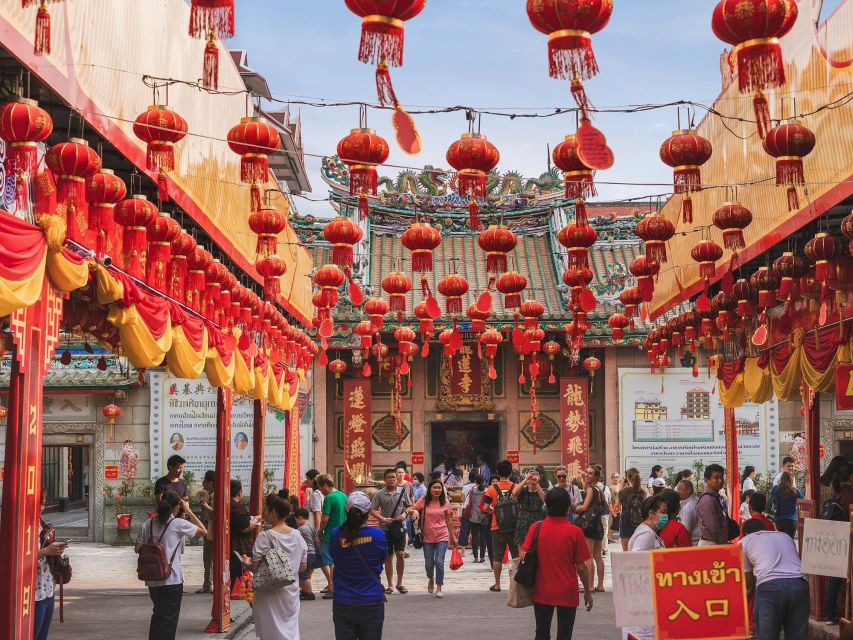
One of the most praised pieces of this tour is the noodle stop at Guay Jub Ouan Pochana. You’re specifically going for a rice noodle soup, and it carries MICHELIN Bib Gourmand recognition, which is a good sign that you’re not just eating something random because it’s popular.
Why this stop is worth it: noodle soup is both comfort and culture. It’s filling enough for a 2-hour walk but still light enough to keep moving, which matters when you’ll be sampling several things.
There’s also a smart sequencing effect. Starting with something warm and brothy gives you a baseline before you hit crisp snacks and more intense flavors. If you tend to get overwhelmed by too many new foods at once, this type of start helps your stomach and your brain.
Thai walking routes sat in the same notebook

Pa Tong Go Savoey and the crispy snack pace
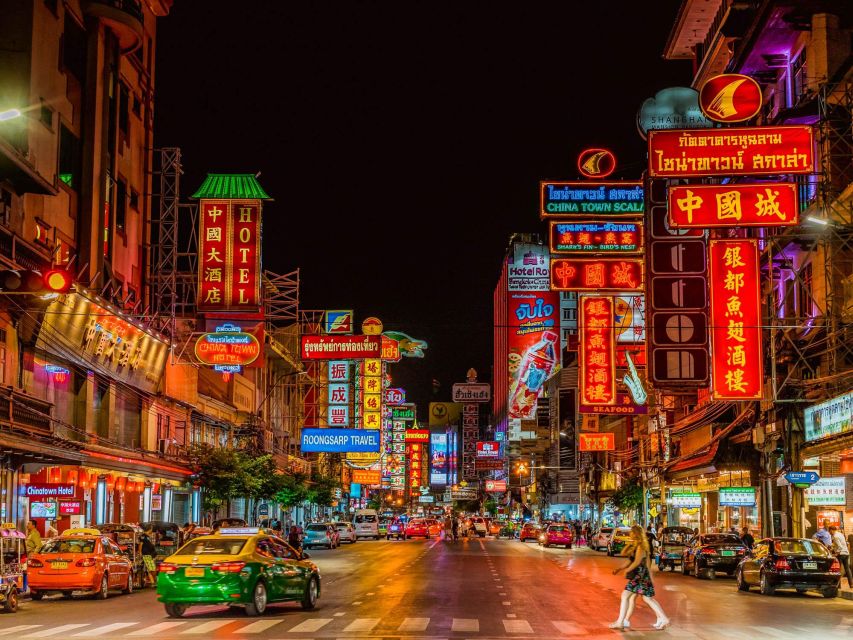
After noodles, you get the contrast that makes Chinatown food fun: crisp, fried, snackable items. Pa Tong Go Savoey is called out as a highlight, and you’ll be sampling crispy dough sticks.
These are ideal walking foods. They’re easy to portion, and they hold up while you stroll. They also give you that satisfying texture shift that makes the rest of the tastings more enjoyable, because you’re not just repeating the same flavor profile.
Your guide helps you order and choose without turning it into a guessing game. If you’ve ever stood in front of a stall thinking, I have no idea what to point at, that relief is the point.
HKN Hong Kong Noodle and HAGOW Yaowarat style stops
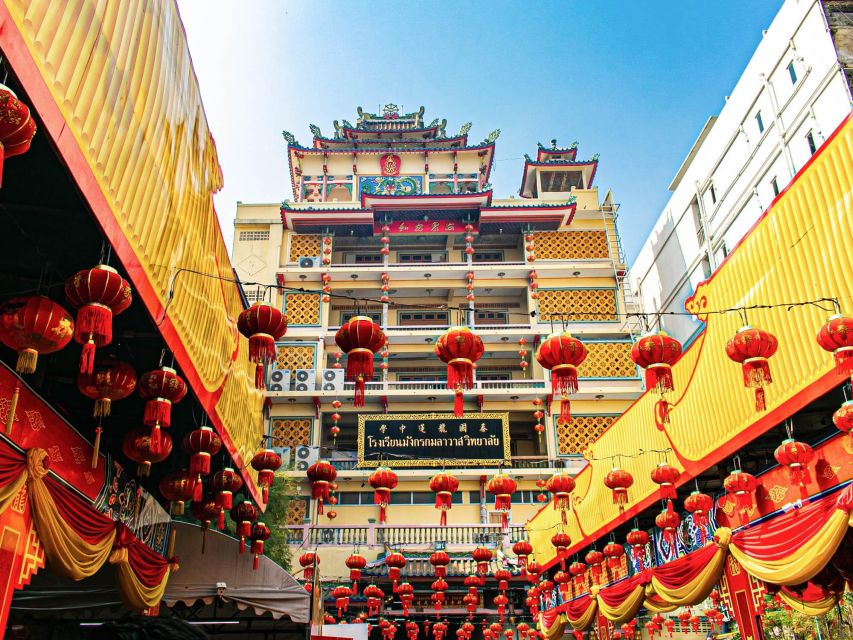
Beyond the two headline dishes, the tour can include other Chinatown staples, like HKN Hong Kong Noodle and authentic dim sum at HAGOW Yaowarat. These stops matter because Chinatown isn’t one food category, it’s a whole system of bite-sized variety.
Dim sum is especially helpful on a short tour because you can sample multiple items without committing to a full meal. Noodles and dumplings together also create a nice balance: chewy and savory at one point, then soft and delicate at the next.
If your goal is to leave with a clearer sense of what Chinatown food actually is, these variety stops do the job. You start recognizing patterns, like which flavors pair together and what each stall does best.
Temple moments in the middle of the food walk
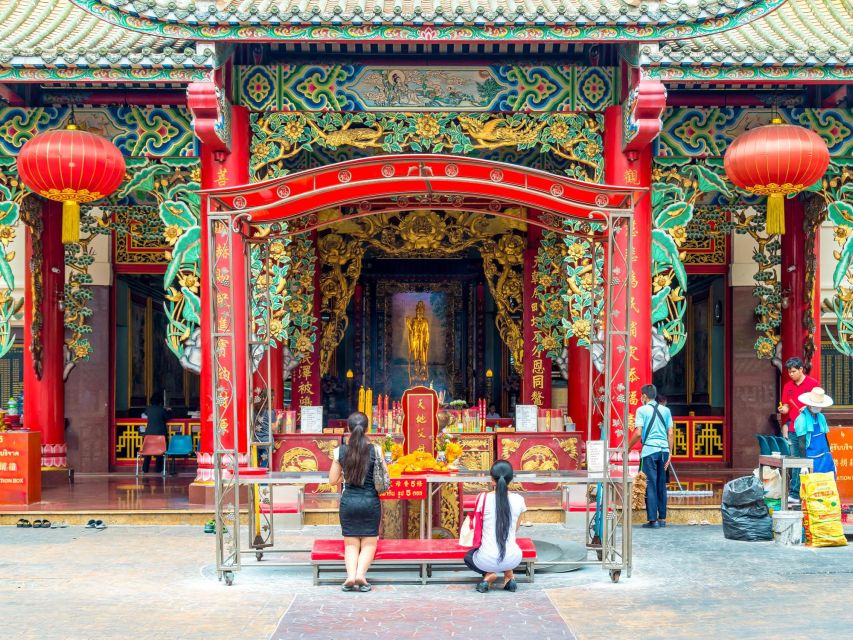
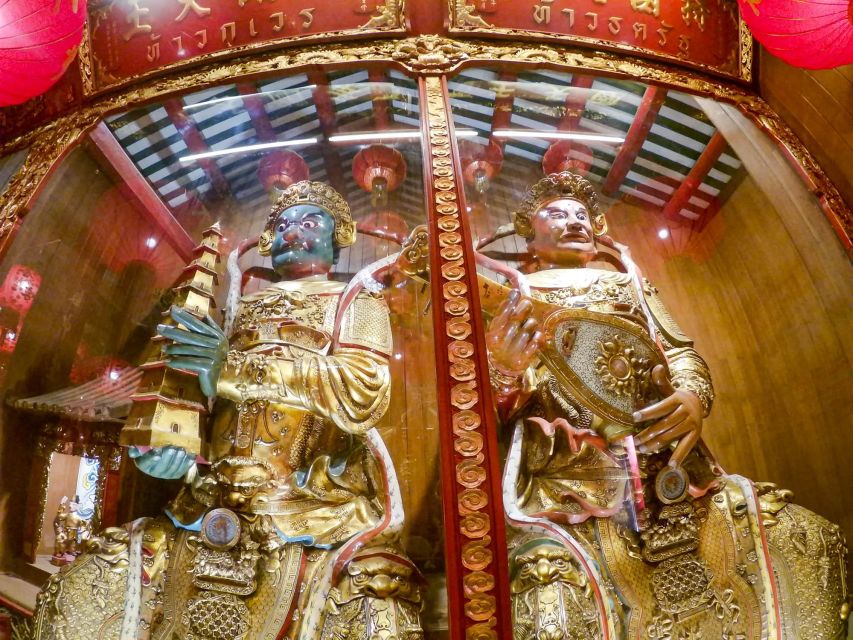
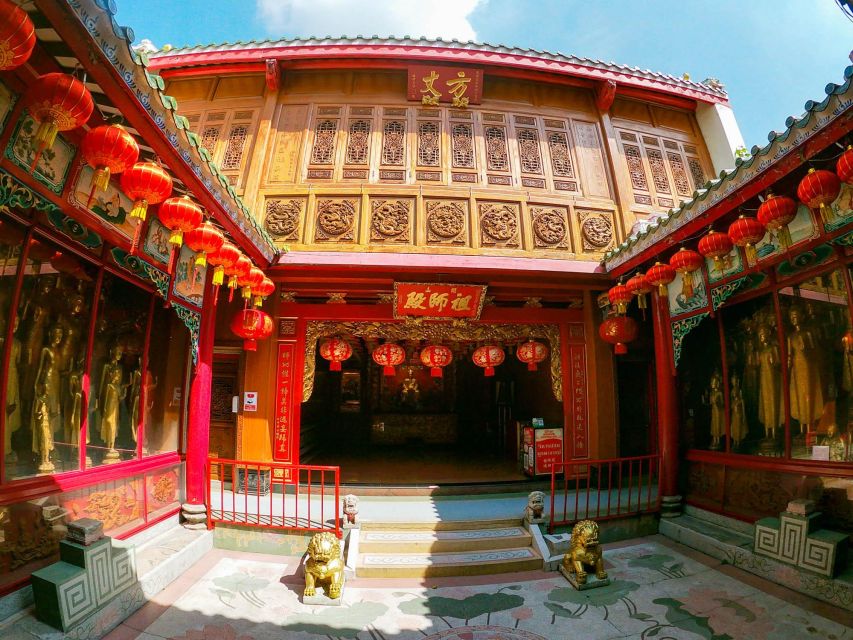
This tour is mainly about eating, but it doesn’t ignore the spiritual side of Chinatown. Many experiences include visits to Buddhist temples, with explanations of how to pray and what you’ll see in the space.
In some cases, you may even get access to areas connected to monks or a ceremony, depending on timing and what’s open. That’s not something you should treat as guaranteed, but it is part of what makes this tour feel more than just a food crawl.
Practical takeaway for you: treat temple stops with the same respect you would anywhere in Bangkok. Keep your voice down, follow the guide’s cues, and dress appropriately for entering worship spaces.
What you’ll likely eat, if you want savory plus sweet
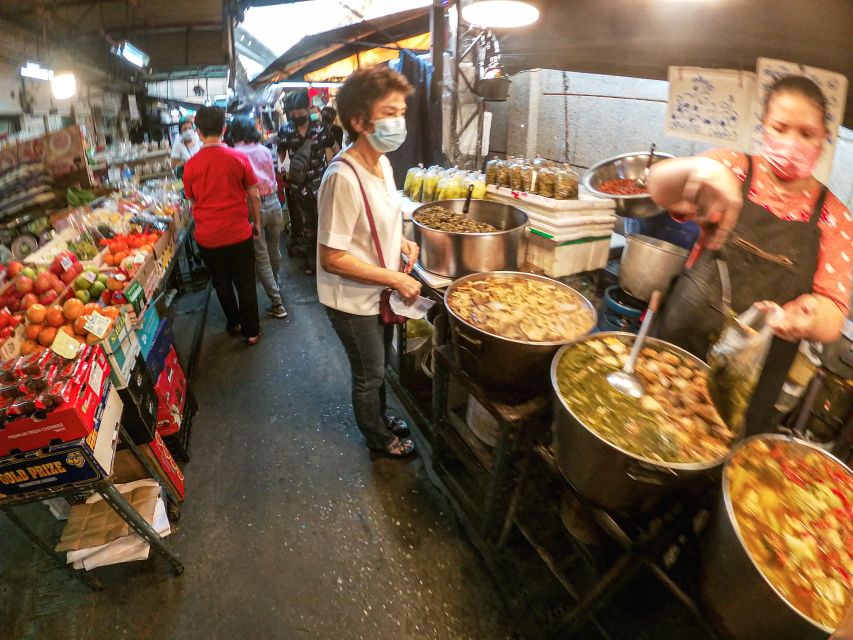
The tour is designed to be flexible, so you’re not locked into only one type of food. If you’re craving savory, you’ll spend more time on soups, noodles, dumplings, and crispy fried snacks. If you have a sweet tooth, your guide can steer you toward dessert dishes, including options that past groups have called out as worth trying.
One smart tip I’d copy from the way guides have helped people in the past: ask what’s best to eat now versus what’s good to take away. That way, you can keep snack spending under control on the street, then enjoy leftovers later.
Price and value: what $64 covers, and what you should budget
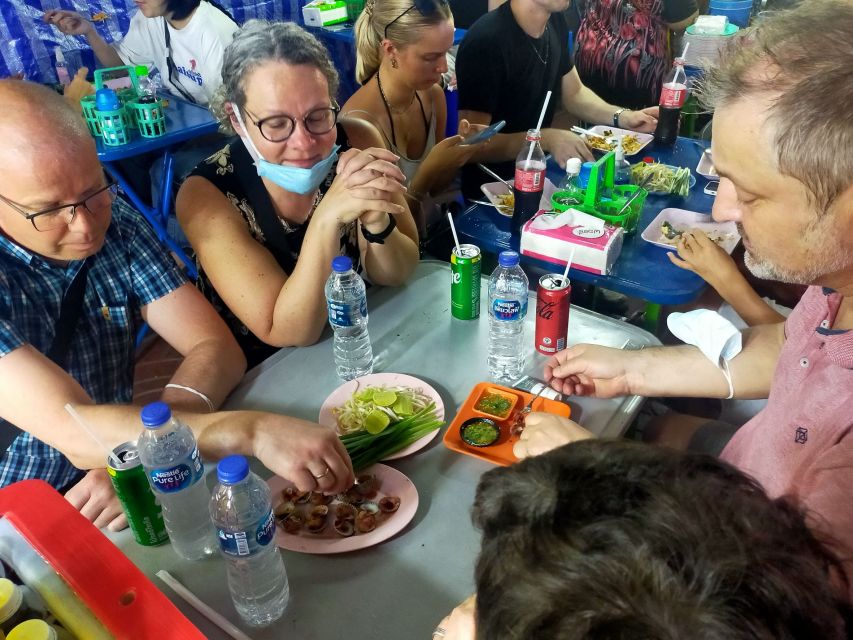
The tour costs $64 per person for a 2-hour guided walk in a small group. That includes the tour guide (English and Thai speaking), walking tour structure, insurance, and carbon emissions offset credits.
What it does not include is important: food tasting expenses are not included. So you’re effectively paying for the guidance, not pre-paid meals. Bring cash, expect to buy what you taste, and think of it like paying for your own mini dinner made up of several stalls.
How much should you plan to spend on top? It depends on your appetite and what you choose. Some participants have reported keeping total food costs relatively modest, while others will naturally spend more if they add drinks or buy extra to take home.
My practical advice: decide your personal goal before you go. If you want a gentle sample of a few bites, you’ll spend less. If you want to eat enough to feel satisfied, treat it like a meal and budget accordingly.
Comfort and timing: 2 hours that still require real walking energy
This is a walking tour through busy streets. Even if you’re not doing long distances, you’ll be on your feet, likely stopping often, and navigating crowds.
Bring comfortable shoes because you’ll regret fashion footwear. Also plan for weather and street conditions. The suggested packing list is spot on for Bangkok nights: sunglasses, a hat, umbrella, camera, sunscreen, insect repellent, cash, scarf, and sarong.
The tour isn’t for everyone. It’s not suitable for wheelchair access, and it’s also not recommended for people who are pregnant or have mobility impairments, heart problems, or respiratory issues. If any of those apply, choose a lighter option.
Small group limit (up to 9) is the quiet luxury here
A group capped at 9 is a big deal for a food tour. It means you can actually hear your guide, ask questions, and adjust your pace without feeling like you’re trapped in a moving train.
It also helps with timing at stalls. Vendors are busy, and Chinatown lines can form fast. A small group makes it easier for your guide to manage the flow and keep you from waiting too long between stops.
And if you’re traveling solo, small groups also reduce the awkwardness of being the only person at a big-table meal. Some departures even run with very small groups, so you may get more personal attention than you expected.
Responsible travel touches that matter (and what you get)
This is described as a GSTC-certified tour, and the experience includes insurance plus carbon emissions offset credits. Those details aren’t flashy, but they matter if you want a smoother, more reliable tour operation.
GSTC certification signals that someone is paying attention to responsible tourism standards, which can show up in small ways, like how the route is handled and how the experience is managed on the ground.
Still, the best sign of quality is simple: you get a guide who can explain what you’re eating and how to experience Chinatown in a respectful, street-smart way.
Who should book this Chinatown taste tour
This is a great fit if you want:
- A first-time Chinatown orientation that doesn’t require planning every meal
- A guide-led walk where you can ask questions and get ordering help
- A mix of iconic dishes (like MICHELIN-recognized noodles) plus a few different stalls
- The option to learn practical culture, including temple etiquette, if it’s included on that evening
I would skip it if you hate walking at night, have serious respiratory issues, or want a tour where all food is already paid for. Since food tastings are extra, you’ll need to manage your own spending.
Also, if you’re the type who likes to self-serve and wander without guidance, you might find a free-stroll plan cheaper. But if you want speed plus context, this is built for that.
Should you book this tour?
Yes, if you’re hungry for real Chinatown food and you value a guide who can steer you. The strongest reasons to book are the smart mix of stops like Guay Jub Ouan Pochana noodles and Pa Tong Go Savoey crispy snacks, plus the flexible format that helps you eat what you actually want in only 2 hours.
If you’re cost-sensitive, go in with a plan for food spending because the tour price is not a full meal package. If you’re physically limited or have health issues that make night walking difficult, choose a different style of tour.
If you want a guided night in Yaowarat that feels like it has a point, not just a checklist, this one is easy to recommend.
FAQ
Where do I meet the guide?
You meet outside Exit 3 of Wat Mangkon MRT station. The guide will be holding a TripGuru sign, and you should be ready about 10 minutes before the pickup time.
How long is the tour?
The tour lasts 2 hours.
Is the tour a fixed itinerary?
No. It’s flexible, with no fixed itinerary, and the exact stops can change depending on weather, availability, and other circumstances.
What food is included in the price?
Food tasting expenses are not included. The tour price covers the guide and the guided walking experience, while you’ll pay for what you taste at stalls.
What is the group size?
It’s a small group limited to 9 participants.
What languages are offered?
The guide provides English, and the tour guide is described as English- and Thai-speaking.
Is insurance included?
Yes, insurance is included with the tour.
Does the tour include responsible travel features?
It is described as GSTC-certified, and carbon emissions offset credits are included.
What should I bring?
Bring comfortable shoes, sunglasses, a hat, an umbrella, a camera, sunscreen, insect repellent, cash, and a scarf or sarong.
Is the tour wheelchair accessible?
No. It is not suitable for wheelchair access, and it’s also not recommended for pregnant women, people with mobility impairments, heart problems, or respiratory issues.
Guided Thai outings, continued
What else made it into the Thailand notebook
Yaowarat after dark, plate by plate
What else made it into the Bangkok notebook
- Mahanakhon SkyWalk Entry Ticket
★ 4.3 · 20 reviews - Bangkok: Nimitr Rooftop by 137 Pillars
★ 4.8 · 20 reviews - Bangkok: Cook authentic Thai food with Smart Cook
★ 5.0 · 20 reviews - Bangkok: Travstore Original Bangkok Discovery Tour
★ 4.5 · 20 reviews - Bangkok: Chao Phraya Princess Dinner Cruise & Hotel Transfer
★ 4.2 · 20 reviews - 1 Hr Private Bangkok Canal Boat Tour: Traditional Flat Boat
★ 4.5 · 20 reviews
Bangkok Chinatown Food Walks, compared.
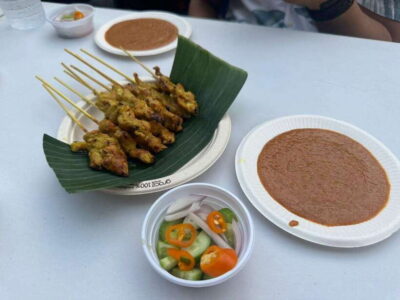 ★ 4.9Bangkok Authentic Tasting Thai-Chinatown Walking Food TourFrom $43852 reviews
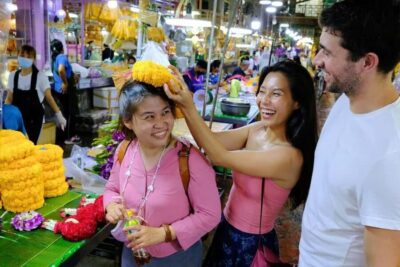 ★ 4.3Tuk Tuk Adventure Chinatown Michelin Food & TemplesFrom $18725 reviews
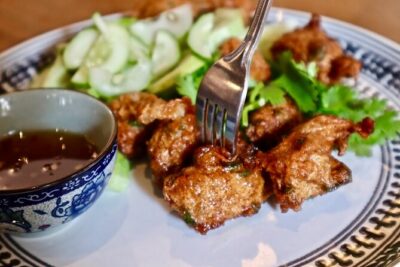 ★ 5.0Bangkok by Night Food Tour with 10+ Tastings in ChinatownFrom $46545 reviews
 ★ 4.6Bangkok Tuk-Tuk by Night with Chinatown Street Food MealFrom $40263 reviews
 ★ 4.8Chinatown Food Tour with Michelin Food StallsFrom $36226 reviews
 ★ 5.0Bangkok Night Michelin Foodie Tour in Chinatown with 15+ tastingsFrom $56189 reviews
 ★ 5.0Night Street Food Tour of Bangkok’s ChinatownFrom $58173 reviews
 ★ 5.0Private Tuktuk Authentic Food Tour (Chinatown-Flower Market)From $10475 reviews
Browse the lists this tour appears in