
REVIEW · HILL TRIBE VILLAGE VISITS
Chiang Mai: Traditional Thai-Akha Cooking Class& Market Tour
Markets first, curry after. This Chiang Mai class pairs a local market tour with cooking Akha dishes at Thai Akha Kitchen, and hotel pickup keeps the day easy.
What I like most is the way the menu is built around freshness and balance, from papaya salad and fried spring rolls to desserts like mango with sticky rice and pumpkin in coconut milk.
One consideration: Thai cooking often means heat. If you are sensitive, tell the instructor your spice level right away, because the class can be adjusted to your taste.
In This Review
- Key highlights to look for
- Why Thai-Akha cooking in Chiang Mai feels different
- The market tour: where the flavors start
- Thai Akha Kitchen: what you cook, dish by dish
- Appetizers
- Akha dishes that set the tone
- Curries and curry paste (choose one)
- Thai soups (choose one)
- Stir-fry and noodle options (choose one)
- Desserts (two sweet finales)
- What the menu teaches you about Akha flavors
- The pace, group feel, and what 5 to 6 hours is really like
- Price and value: what $41 gets you
- Who should book this class, and who should think twice
- FAQ
- How long is the Chiang Mai Thai-Akha cooking class and market tour?
- Is hotel pickup included?
- What languages are the instructors?
- What does the class menu include?
- Can I request help if I have food allergies?
- What is the cancellation policy?
- Should you book this Thai-Akha cooking class in Chiang Mai?
Key highlights to look for
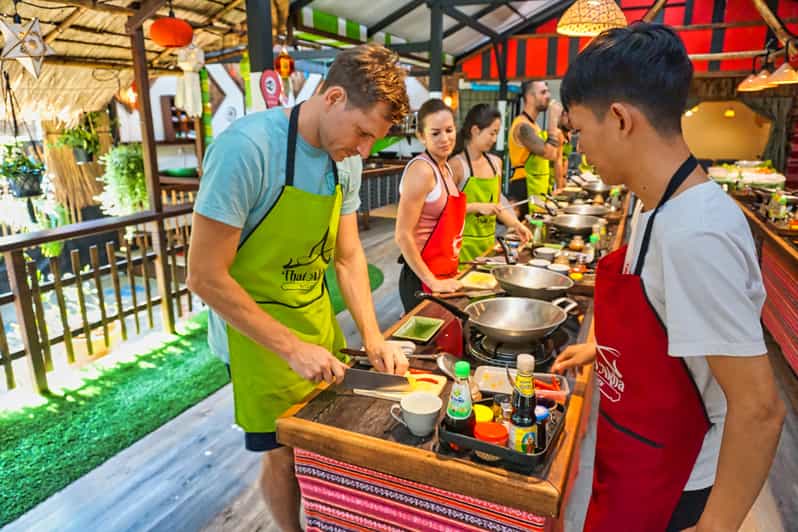
- Market tour with real ingredient choices so the cooking makes sense the moment you get back to the kitchen
- Akha-specific dishes like Sapi Thong (tomato dipping sauce), Akha salad, and Akha soup
- A full lineup of Thai classics, including pad Thai, stir-fries, and curry options
- Hands-on cooking time that goes fast, with many dishes on the board
- English and Thai instructors, with names like An, Xuan, and Evelyn showing up in past classes
Thai village visits got read for the small print
- Chiang Mai: Chiang Rai Temples, Karen Tribe and Hot Springs★ 4.7 · 5,401 reviews
- Thai and Akha Cooking Class in Chiang Mai★ 5.0 · 4,358 reviews
- Chiang Mai: Elephant Sanctuary, Long Neck & Sticky Waterfall★ 4.9 · 2,262 reviews
- 4-Hour Doi Suthep & Hmong Hill Tribe Village from Chiang Mai★ 4.7 · 696 reviews
Why Thai-Akha cooking in Chiang Mai feels different
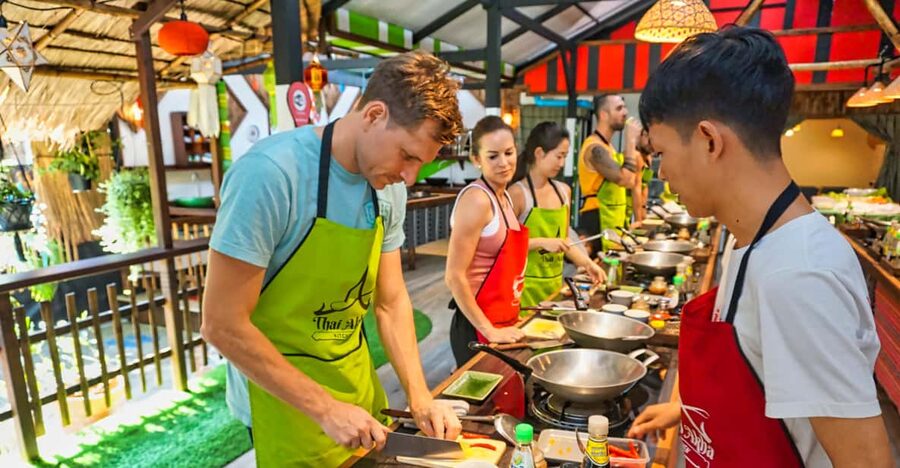
If you have only done a standard Thai cooking class, this one changes the angle. You are not just learning Thai recipes, you are also learning the flavors the Akha people are known for in northern Thailand.
The heart of the experience is the mix: Thai cooking techniques plus Akha ideas built on freshness, health, and sustainable habits. That comes across in the menu, especially in the tomato-based Akha salad and the lime-peanut flavors that show up in more than one dish.
You also get a day that is practical, not just hands-on. The included hotel pickup helps you avoid the usual Chiang Mai scramble, and that matters when the full experience runs about 5 to 6 hours.
The market tour: where the flavors start
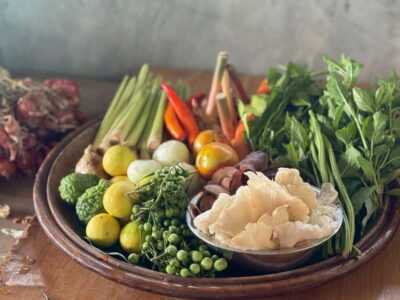
The experience begins with a local market tour session, and that is the secret sauce for making the later cooking feel logical. You see ingredients before you touch them, and you understand why Thai food tastes so strong and clean when it is built from fresh produce.
In the market, you are typically guided to look at key items used across the day’s dishes, from herb-heavy components for salads to fruits that later become dessert. One standout in the experience is that you also get to sample local delicacies and treats along the way, which helps you connect the shopping list to real tastes.
This part is also where you can ask quick questions. If you are unsure what something is, or how spicy something should be, this is the moment to set your preferences. People who have done the class often highlight how easy it is to communicate adjustments, especially for heat.
Thai Akha Kitchen: what you cook, dish by dish

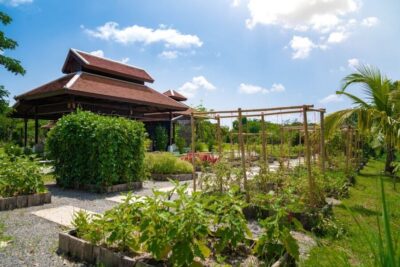
After the market, you head to Thai Akha Kitchen for the cooking session. The menu is broad, and it is designed so you cover multiple flavor styles in one go: sour and crunchy, creamy and sweet, herbal and sharp, plus curries and stir-fries.
Here is the full structure of the class menu, with choices where they apply.
Appetizers
You start with two appetizers:
- Papaya salad
- Fried spring roll
Papaya salad gives you a working lesson in balancing sour, salty, and a little sweetness. Fried spring rolls help you understand how Thai comfort food can still feel light when the fillings and dipping sauces are right.
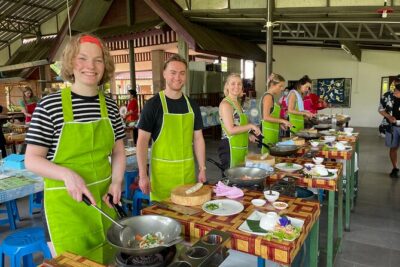
Thai kitchens got sat through and written up

Akha dishes that set the tone
Then the Akha-focused part shows up clearly. You cook three Akha dishes:
- Sapi Thong (tomato dipping sauce)
- Akha salad (tomato, cucumber, coriander, pepper, lime juice, salt, and ground peanuts)
- Akha soup
This is the section you will remember when you cook later at home. The tomato and lime combination, plus the peanuts, is a distinctive profile. It also explains why Akha-inspired meals often feel fresh, not heavy.
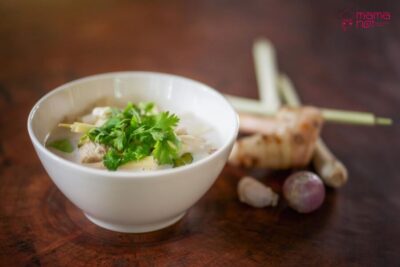
Akha soup rounds out the set, so you are not stuck with only salad-based flavors. You get a warmer counterpoint that still holds onto that sharper Akha character.
Curries and curry paste (choose one)
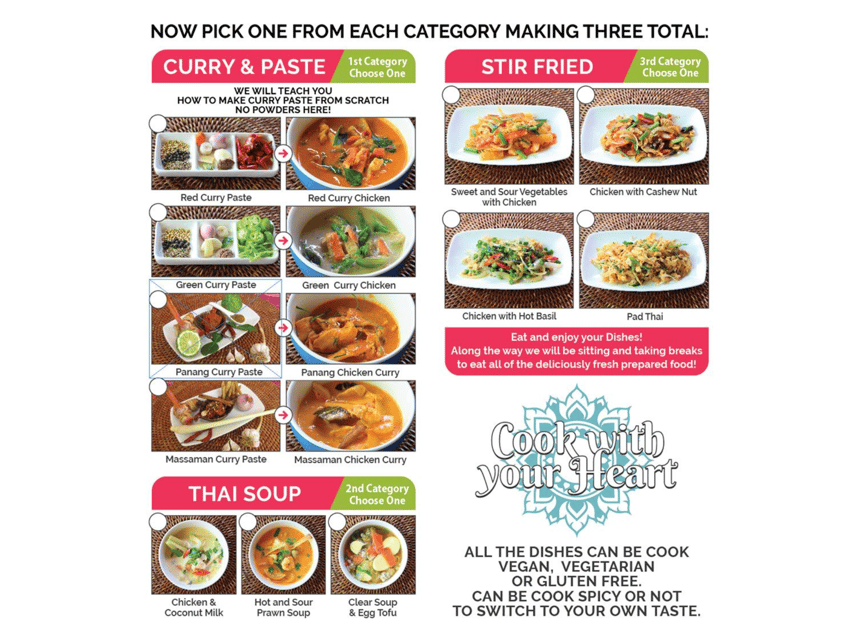
Next you choose one curry and paste dish from:
- Red Curry Chicken
- Green Curry Chicken
- Panang Chicken Curry
- Massaman Chicken Curry
Curry time is where Thai cooking skills really show. You are not only learning the final dish, you are also learning how the paste turns into depth once it meets heat and coconut or broth flavors.
If you are a curry person, pick the one that matches your spice tolerance. Green curry tends to feel bolder and fresher, while Massaman often feels more mellow and comforting.
Thai soups (choose one)
You also choose one Thai soup:
- Chicken and Coconut Milk
- Hot and Sour Prawn Soup
- Clear Soup with Egg Tofu
This is a smart move for a class of this length. Soup teaches you timing and balancing, and it gives you variety so the day does not become only curry and stir-fry.
If you want something calmer, chicken and coconut milk can be a good option. If you like punchy flavor, hot and sour prawn soup is the one that tends to wake up the taste buds.
Stir-fry and noodle options (choose one)
Then comes the stir-fried dish choice:
- Sweet and Sour Vegetables and Chicken
- Chicken with Hot Basil
- Chicken with Cashew Nut
- Pad Thai
This is where Thai food can feel playful. Sweet and sour focuses on contrast. Basil gives you fragrant heat. Cashew nut dishes add texture. Pad Thai is the classic move for anyone who wants a dish they already recognize, then learn how it is built in a Thai way.
Desserts (two sweet finales)
To close, you cook two desserts:
- Mango with Sticky Rice
- Pumpkin in Coconut Milk
These desserts are a nice match to the savory flavors. Mango with sticky rice feels clean and bright. Pumpkin in coconut milk adds warmth and softness, which is great after a day with spice and herbs.
What the menu teaches you about Akha flavors
The Akha influence in this class is not just an extra course. It shapes your understanding of how flavors can be both simple and specific.
Take Akha salad. The combination of tomato, cucumber, coriander, pepper, lime juice, salt, and peanuts gives you a flavor pattern that is recognizable even outside the dish. You taste sour citrus, cool crunch, and nutty depth in one bite.
Then look at Sapi Thong, the tomato dipping sauce. Once you cook it, you understand why tomato can taste savory in northern Thai cooking, not just like a base ingredient. Pair it with herbs and lime, and it becomes a whole flavor system.
This is also where sustainability and freshness connect. The Akha approach, as presented here, emphasizes using ingredients while they are at their best. That is exactly what you are practicing when you shop in the market first and cook with ingredients that match the dishes.
The pace, group feel, and what 5 to 6 hours is really like

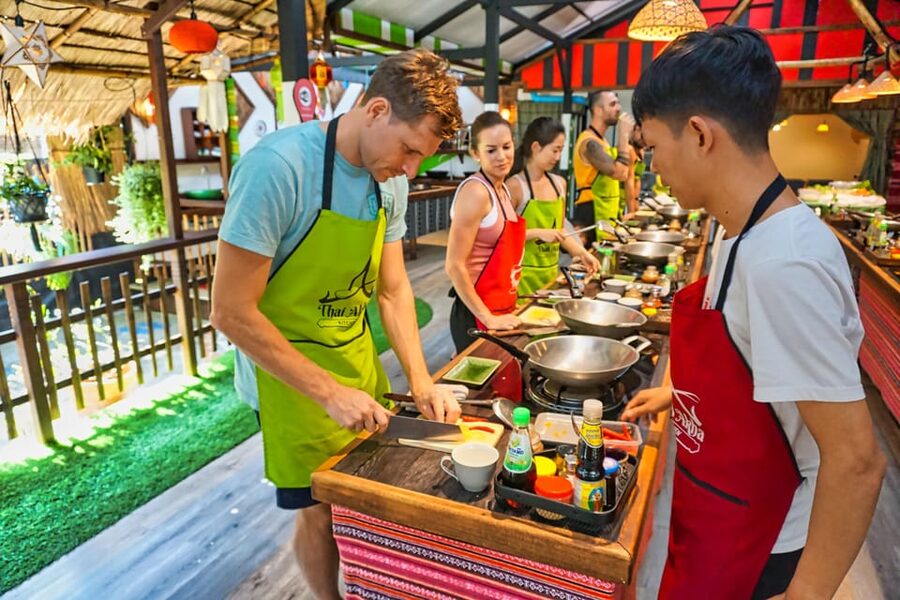
A full day around 5 to 6 hours sounds standard on paper, but the structure matters. You start with a market tour session, then you get a cooking session that covers a lot of dishes.
More than one person has noted that the cooking block can be quite packed, even when it feels well paced. In one recent example, the hands-on portion reached 11 dishes, which tells you you are not going to be waiting around for long stretches.
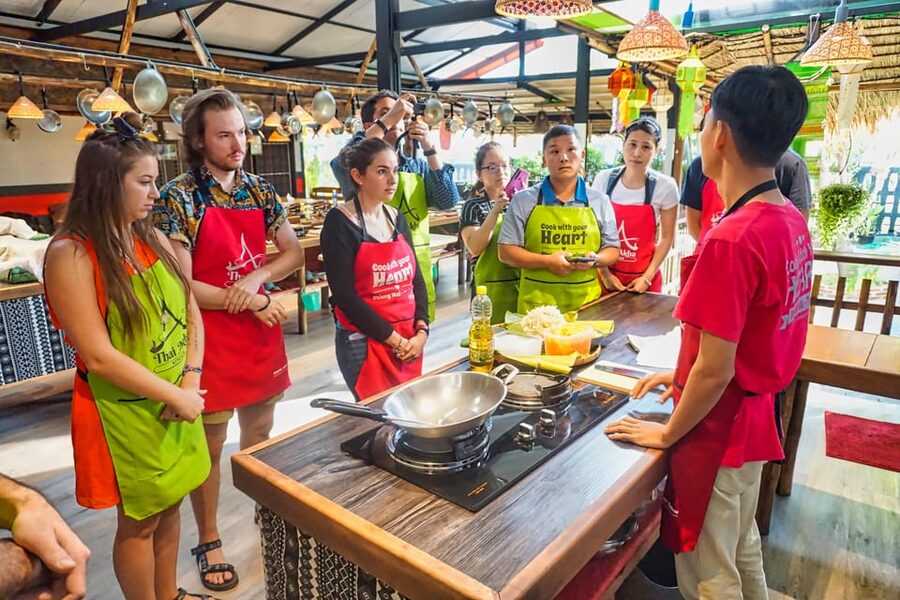
Most classes like this depend on teamwork. You will likely have breaks between steps, and the instructor will guide you so the group stays on time. The best part is that you are cooking, not just watching.
Another practical win is the instructor support. Past classes highlight teachers like An, and also Xuan and Evelyn, and the common theme is friendly instruction paired with humor. That matters because Thai dishes can move fast when you are learning, and a relaxed classroom keeps mistakes from turning into stress.
Price and value: what $41 gets you
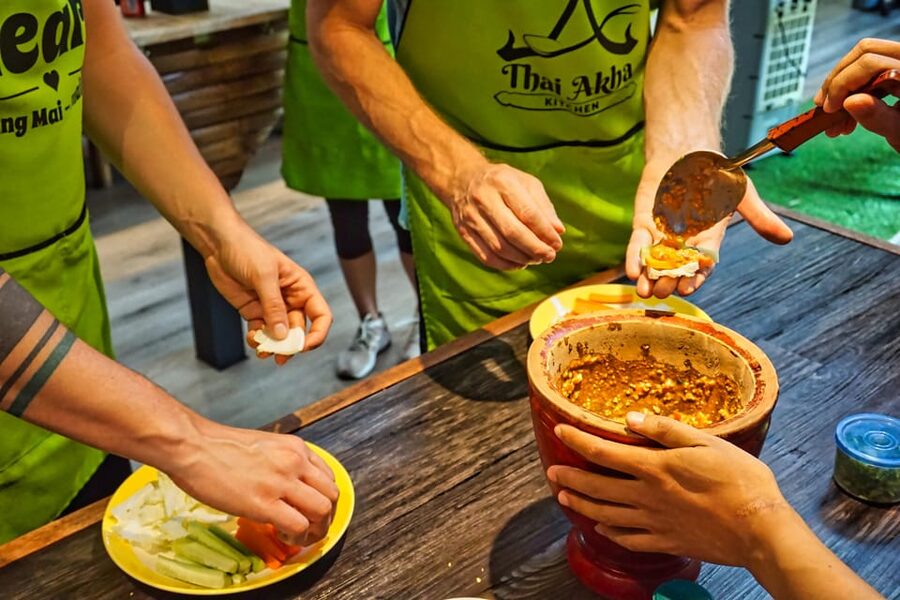
At about $41 per person for 5 to 6 hours, this class is strong value when you compare what is included. You are getting:
- a local market tour session
- the cooking session
- organic ingredients
- a recipe and a cook book
- hotel pickup from Chiang Mai
For a class that covers multiple dishes across appetizers, curries, soups, stir-fries, and desserts, the biggest value is the ingredient coverage. You do not leave with a single recipe you can repeat someday. You leave with a full set of flavor profiles, plus a printed cookbook and recipe support.
That cookbook part matters more than people expect. You can use it to rebuild dishes at home without guessing measurements. Also, past participants note they receive spices, which helps you keep that Thai and Akha flavor profile consistent.
Who should book this class, and who should think twice
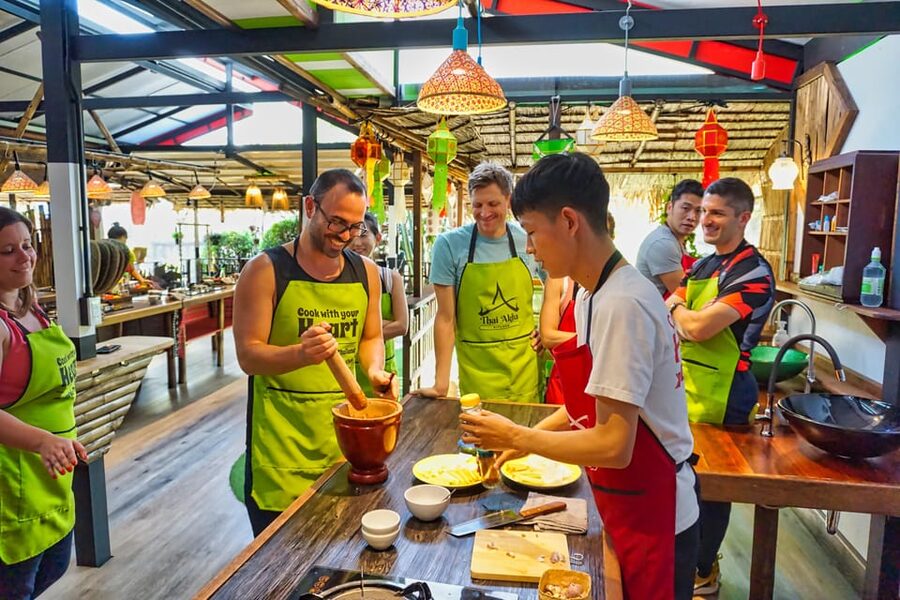
This is a great fit if you want:
- Hands-on cooking with a long menu
- A market start, not only a kitchen lesson
- Akha dishes mixed into classic Thai dishes
- A clear way to learn spice balancing, since you can adjust heat
You should also be aware of who it might not suit. If you have strict food allergies, you must inform the team in advance. The class asks you to share food allergy details ahead of time via email or WhatsApp.
If you dislike spicy food, do not assume you are stuck with one heat level. The class experience includes adapting spice to your taste, and that is part of why people rate it highly. Just be proactive at the start.
FAQ
How long is the Chiang Mai Thai-Akha cooking class and market tour?
It runs about 5 to 6 hours.
Is hotel pickup included?
Yes. Pickup from your Chiang Mai hotel is included.
What languages are the instructors?
Instruction is available in English and Thai.
What does the class menu include?
You cook appetizers, Akha dishes, Thai curry or curry paste choices, Thai soup choices, a stir-fried or noodle choice, and two desserts. The exact curry/soup/stir-fry choices are selected during the class.
Can I request help if I have food allergies?
Yes. You should inform the team of any food allergies in advance via email or WhatsApp.
What is the cancellation policy?
Free cancellation is available up to 24 hours in advance for a full refund.
Should you book this Thai-Akha cooking class in Chiang Mai?
Yes, if you want a cooking day that actually teaches flavor, not just technique. The market tour gives you context, and the menu covers both Thai favorites and clearly Akha-specific dishes like Sapi Thong, Akha salad, and Akha soup. The included cookbook, recipes, and spices help you bring the experience home, not just enjoy it for one meal.
Book it with confidence if you like learning by doing, and if you can communicate your spice preferences early. And if you have allergies, send your details ahead of time, so the team can plan accordingly.
Guided Thai outings, continued
What else made it into the Thailand notebook
Village visits, and who the money reaches
What else made it into the Chiang Mai notebook
- Half day Long Neck hill tribe and Hmong hill tribe village
★ 5.0 · 21 reviews - Chiang Rai One Day: Golden Triangle, Laos Border, Long Neck Tribe
★ 3.5 · 21 reviews - Old Town Chiang Mai Food Tour with 10+ Local Dishes Tastings
★ 5.0 · 21 reviews - 5 Day Tuk Tuk Adventure in Chiang Mai – with driver
★ 5.0 · 21 reviews - 1 Hour Foot Relaxing – Free Transportation
★ 5.0 · 21 reviews - Rantong elephant sanctuary Chiangmai
★ 4.4 · 21 reviews
Hill Tribe Village Visits, compared.
 ★ 5.0Thai and Akha Cooking Class in Chiang MaiFrom $424,358 reviews
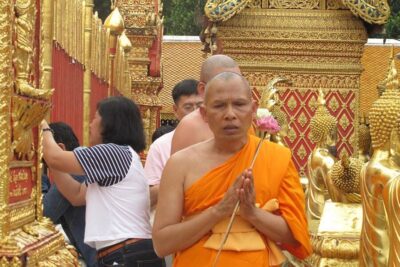 ★ 4.74-Hour Doi Suthep & Hmong Hill Tribe Village from Chiang MaiFrom $36696 reviews
 ★ 4.8White, Blue, Red Temples, Long Neck TourFrom $57652 reviews
 ★ 4.3Long Neck Village & Chiang Rai’s Iconic TemplesFrom $55338 reviews
 ★ 5.0Chiang Dao Cave & 5 Hill Tribe villagesFrom $52181 reviews
 ★ 5.04 in 1 Elephants Long Neck Rafting and Sticky Waterfall TourFrom $88126 reviews
 ★ 4.0Chiang Rai Full Day Tour with Boat Trip and Longneck VillageFrom $55112 reviews
 ★ 4.5Chiang Dao Cave & 5 Hill Tribe VillagesFrom $5175 reviews
Browse the lists this tour appears in