
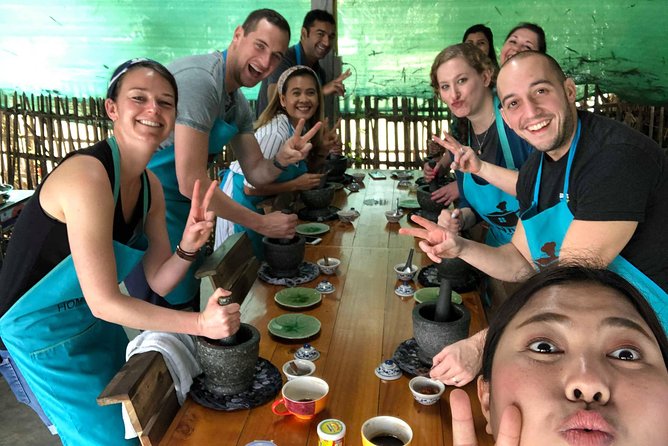
REVIEW · COOKING CLASSES
Benny’s Home Cooking Chiang Mai
Want Thai cooking with a friend? That is the vibe here, with a real market morning and hands-on dishes in a home setting outside the city rush. I love the small group size for hands-on attention, and the local market tour that feels like everyday Thai life. One thing to plan around: kids under 10 are not allowed in the group class.
This is a practical 6-hour (approx.) cooking experience that teaches you what to buy, what to cook, and how to adjust flavors to your taste. You start with a menu checklist in the morning, then you choose what you want to cook from multiple options, including a vegetarian choice if you request it.
In This Review
- Key points to know before you go
- Benny’s Home Cooking Chiang Mai: what makes it feel local
- Market Morning at 8:15: tastings, shopping, and choosing your dishes
- Back at the home garden: organic produce and curry paste from scratch
- Hands-on cooking timeline: appetizer, soup, noodles, curry, and dessert
- Small group instruction with Benny and the kitchen fairies
- Vegetarian choices, spice control, and allergy care
- What you take home: recipe book and real cooking confidence
- Price and value: why this class costs about $55
- Practical tips so your day runs smoothly
- Who should book Benny’s Home Cooking Chiang Mai
- Should you book Benny’s Home Cooking Chiang Mai?
- FAQ
- How long is the cooking class?
- What time does the experience start?
- Is hotel pickup and drop-off included?
- Is there a vegetarian option?
- Can kids join the group class?
- What is the group size limit?
- What is included in the price?
- Are alcoholic drinks included?
- What should I bring or wear?
- What if I need to cancel?
Key points to know before you go
- Market first, then cooking: you tour a local market outside the main tourist area and do tastings before you ever touch a stove
- Pick your dishes: you get a morning menu checklist so you can choose what you want to cook
- Curry paste hands-on: you make curry paste yourself, not just watch it happen
- Organic garden setting: you cook at Benny’s home, with organic vegetables and a rice paddy nearby
- Small groups, real help: maximum 9 people means instruction stays personal, and the kitchen team helps you along
Thai kitchens got sat through and written up
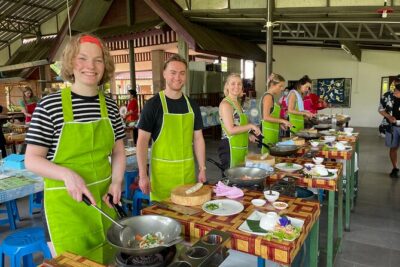
- Half-Day Thai Cooking Class at Organic Farm in Chiang Mai★ 5.0 · 19,087 reviews
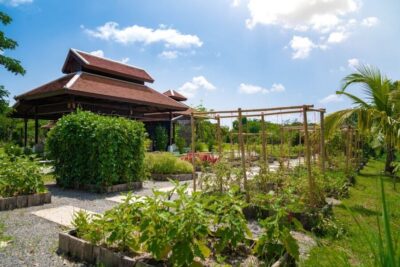
- Chiang Mai: Cooking Class, Market & Thai Herbs Garden Tour★ 4.9 · 4,824 reviews
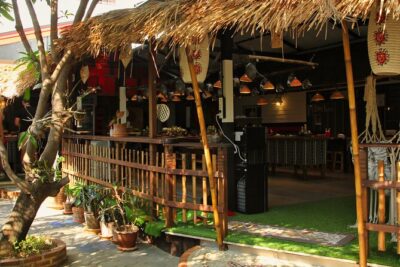
- Chiang Mai: Authentic Cooking Class with Market & Farm Visit★ 4.9 · 4,546 reviews
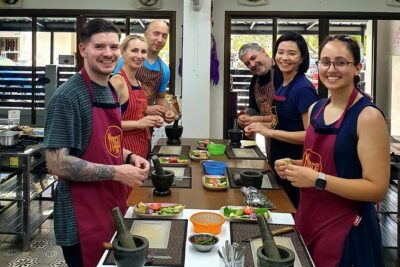
- Thai and Akha Cooking Class in Chiang Mai★ 5.0 · 4,358 reviews
Benny’s Home Cooking Chiang Mai: what makes it feel local
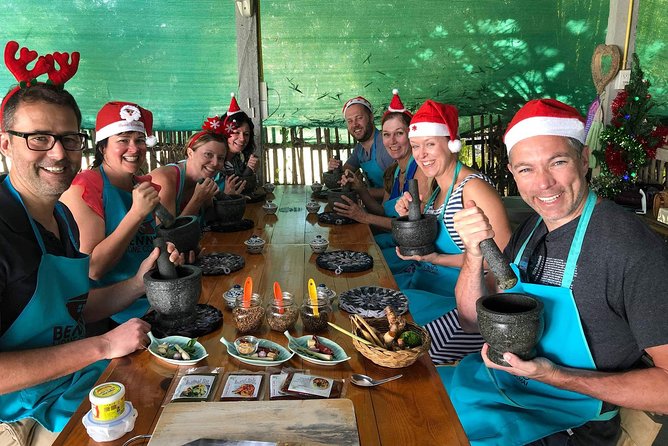
This class is built around the simple idea that Thai food makes more sense when you see ingredients first, then cook them with guidance. Instead of rushing you through a script, the day moves like a warm invitation, with time for tastings, choosing dishes, and practicing techniques at a home kitchen station.
Two details make it especially “real.” First, you shop at a market that is a bit out of town, where you see how Thai people actually buy their groceries. Second, the cooking happens at Benny’s home, where you can see the organic vegetables growing around the property, plus a rice paddy next door. That shift from city streets to garden calm is part of the appeal, especially if you want one day that does not feel like another checklist stop.
The class also fits a wide range of skill levels. Cooking does not require you to be a pro, and the pace is friendly. People who do not cook much still tend to do fine because you get clear steps and plenty of “do it with you” support.
Market Morning at 8:15: tastings, shopping, and choosing your dishes
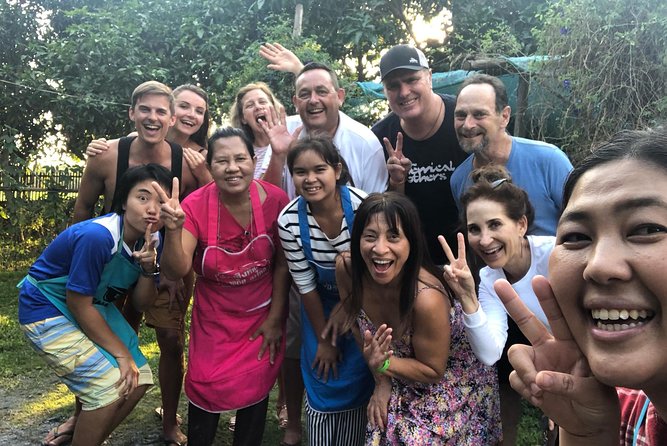
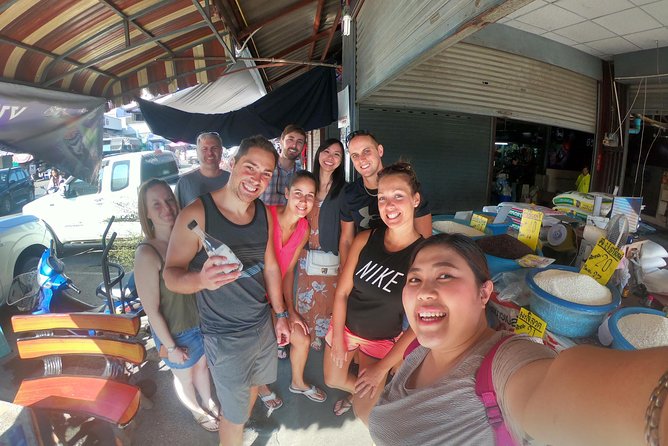
Your day starts with pickup in downtown Chiang Mai, then you head to the fresh local market for a guided tour and tastings. The market is intentionally not the kind built for tourists. It is closer to how locals shop, which means you get a better sense of what Thai cooks look for day to day.
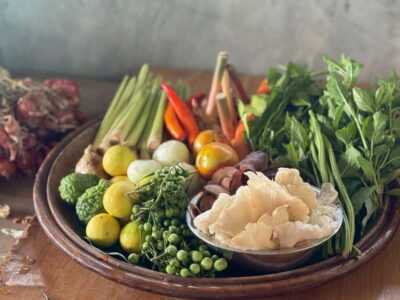
During the market portion, you learn about fruits, vegetables, and spices that show up in common dishes. You also snack on market foods, so you get flavor context before you choose your own menu for the cooking portion.
Then comes one of the most useful parts: you receive a menu checklist on the morning of the class, with descriptions, and you choose what you want to cook. This is not one fixed set menu for everyone. Based on how the class runs, you’ll typically be able to choose from multiple options within each category, which makes the day feel more personal and helps your group end up with a wider mix of dishes.
A quick, practical tip: bring a bottle of water during the market tour and wear casual clothes. The tour involves walking, and you will be eating as you go, so comfort matters.
After the tasting and shopping, you can walk around the market again. If something catches your eye, you can buy it to eat or take photos. That second walk is a nice bonus because you are not only there to learn. You can also pick up snacks and souvenirs that match what you are actually craving.
Back at the home garden: organic produce and curry paste from scratch
After the market, you head to Benny’s home cooking space. The setting is part of the story: you can see organic vegetables grown around the house, and the rice paddy nearby gives the day a quieter, countryside feel. It is a break from the constant traffic and noise, and it makes the cooking lesson feel like a day off, not just a class.
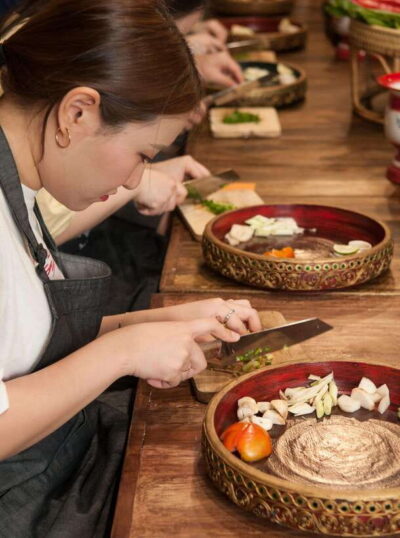
Then you start cooking with one of the most satisfying steps, making curry paste yourself. This is a key difference between a cooking show and a real lesson. Instead of only hearing about flavors, you get to create the base that drives the curry, then watch (and practice) how it turns into the finished dish.
Benny’s team also tends to keep things moving so you spend your time on cooking, not on endless prep. In the class style, you often get basic prep handled so you can focus on the parts you really want to learn, like seasoning and technique. That approach works well for most skill levels, especially if you are on vacation and do not want your entire day reduced to chopping.
You also cook in a sequence that builds confidence. You begin with earlier dishes, then move into richer curry and dessert. By the time you get to the final plates, you generally know what to look for and how to adjust as you go.
Hands-on cooking timeline: appetizer, soup, noodles, curry, and dessert
The day is structured so you do multiple dishes, not just one. The cooking portion typically includes:
- Curry paste preparation by you
- An appetizer and a soup
- A stir-fried noodles dish
- Curry and dessert
What you get out of this structure is variety, plus a clear chain of learning. You see how Thai flavor builds across different dish types, from lighter starters to savory curry and sweet finishing plates.
One small detail that matters more than you might expect: you eat what you cook. The class is designed around you making and then tasting your own work, so you leave with fuller knowledge, not just a stack of instructions. If you like food, it is hard to top that. If you do not love cooking, it still works because the day is organized around eating and learning together.
Dessert rounds out the experience, which is a good reminder that Thai meals are not only about salt and spice. If you tend to only think of Thai as savory, you will likely be pleasantly surprised by the sweet finish you make in the class.




Small group instruction with Benny and the kitchen fairies
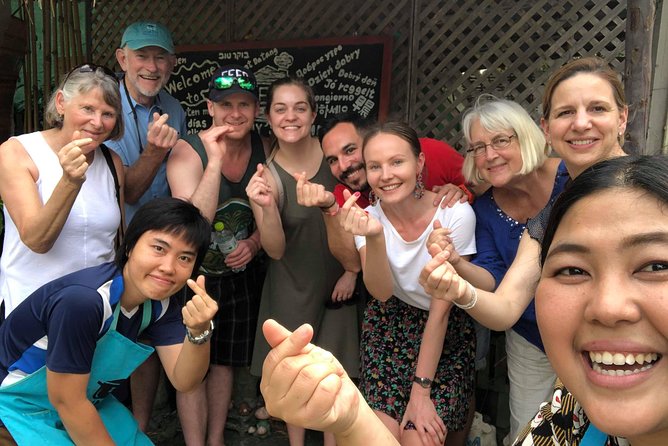
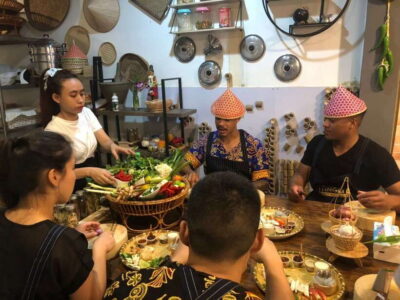
The class is capped at a maximum of 9 travelers, and that small size comes through in how instruction feels. You are not fighting for attention, and you are not stuck waiting your turn for basic help. You can ask questions mid-step and get answers while your pan is still hot.
Benny herself is a big part of the energy. People consistently highlight her attentiveness and step-by-step teaching. The day also includes help from her kitchen team, including Nan, often described as a kitchen fairy. That kind of support matters when you are learning. It reduces stress, keeps your station clean, and helps you stay on track without feeling like you are falling behind.
Another practical upside of the small format: you end up cooking enough to feel ownership. It is not a “watch and taste” setup. It is more like learning Thai food from a capable host while your group members share the kitchen space with you.
Vegetarian choices, spice control, and allergy care
If you want vegetarian Thai cooking, this class can work well. A vegetarian option is available, as long as you request it at booking. That gives you a path to learn real technique without having to skip the fun.
The class also supports spice control in a straightforward way. If you do not like spicy food, you can adjust flavors to your taste. You are not stuck with a preset chili level. In practice, the teaching style includes showing you how to tune your dish once you taste and cook along.
Allergy awareness is also part of the experience. People with allergies have reported that the team adjusted recipes to keep things safe and still delicious. If you have dietary restrictions beyond vegetarian, tell them clearly ahead of time so they can plan your menu and ingredient choices.
What you take home: recipe book and real cooking confidence
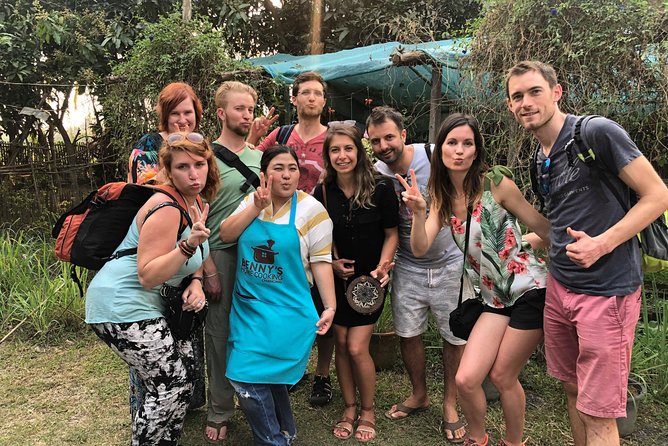
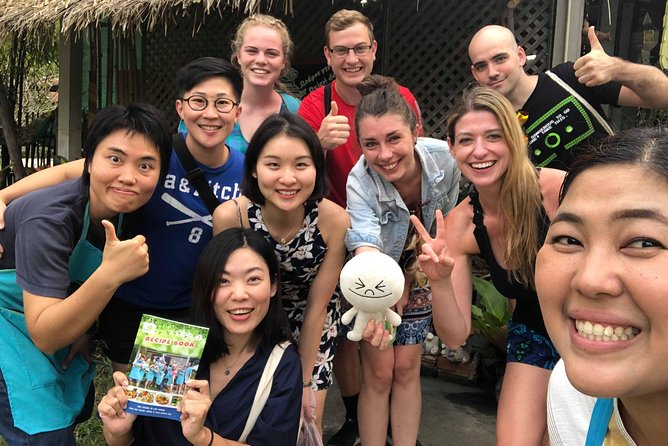
At the end, you receive a recipe book. That is valuable because it turns the day from a fun activity into something you can repeat at home.
The recipe book helps most when you understand the logic of Thai dishes, not just the ingredient list. Because you choose from different menu options and make multiple dish types, you leave with a wider base of how flavors work together. You also get practical guidance on what parts you need to get right when you cook later.
If you have ever tried to cook Thai food at home and felt like it never tastes the same, this is the remedy. It is one thing to get a recipe online. It is another to have built the curry paste, stir-fried noodles, and finished with dessert using a process you practiced with someone coaching you through it.
Even if you are not a regular cook, you can still use the book as a guide for what to look for, how to adjust flavor, and how to rebuild the dish with confidence.
Price and value: why this class costs about $55
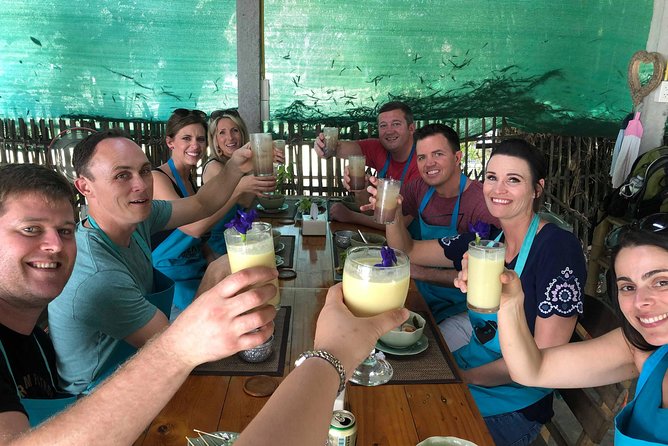
At about $55.11 per person for roughly a 6-hour experience, the value mostly comes from what is included, not just the teaching itself.
You get:
- Hotel pickup and drop-off in downtown Chiang Mai
- A professional instructor
- Local market tour and food tastings
- All ingredients for cooking
- Beverages like coffee and herbal tea
- A recipe book
When those pieces are bundled together, you are not paying extra for transport, market entry, ingredients, or written recipes. You also get a small group structure, which usually means you get more attention per person than larger classes.
Alcohol is not included, but it can be purchased. For most people, that keeps the price grounded while still letting you choose how you want to handle drinks.
For value, the most important part is the tradeoff you are making: you are spending part of a vacation day, not just a quick half-day class. If you like food enough to want a full-day meal experience, the cost makes sense fast.
Practical tips so your day runs smoothly
You can make this day easier on yourself with a few simple habits.
Wear comfortable clothes and bring water for the market portion. The class instruction encourages that, and it makes a big difference once you start tasting and walking.
Plan your food timing. The class is structured around tasting and then eating what you cook through the day. If you eat a huge breakfast, you might feel stuffed by mid-afternoon.
Also, be ready to interact. You are cooking alongside the group, choosing dishes, and asking questions. If you are shy, it is still friendly, but it helps to come in with an open mind and a willingness to taste and adjust.
Finally, if you have dietary restrictions or spice preferences, be upfront. This is one of the clearest ways to get a better match between the menu and what you actually want to eat.
Who should book Benny’s Home Cooking Chiang Mai
This fits best if you want a Thai cooking class that feels personal, not crowded.
Book it if you:
- Want a small-group cooking class in Chiang Mai
- Like the idea of starting with a local market tour outside the tourist lanes
- Want to learn multiple dishes, not just one
- Care about vegetarian options or need spice adjustment
- Prefer hands-on cooking where someone coaches you step-by-step
You might think twice if you:
- Are traveling with kids under 10, since kids are not allowed in the group class
- Want only a quick, light taste session, since this is a full-day food-focused experience
Should you book Benny’s Home Cooking Chiang Mai?
If your goal is to leave Chiang Mai able to cook Thai food at home, I think this is a strong choice. You get the most important “triad” for real learning: ingredients first at a local market, hands-on cooking at a home kitchen, and a recipe book when you are done.
It is also one of the better value setups for the money because pickup, market tastings, ingredients, and recipes are all built in. If you like food, and you want an authentic day away from the city rush, this is the kind of class you will remember because you cooked the meal yourself.
If you want, tell me your dietary needs and whether you prefer spicy or mild. I can help you decide what to aim for in the menu choices.
FAQ
How long is the cooking class?
The duration is approximately 6 hours.
What time does the experience start?
The start time is 8:15 am.
Is hotel pickup and drop-off included?
Yes. Hotel pickup and drop-off in downtown Chiang Mai are included.
Is there a vegetarian option?
Yes. A vegetarian meal option is available if you advise the provider at the time of booking.
Can kids join the group class?
Kids under 10 years old are not allowed in the group class.
What is the group size limit?
The class has a maximum of 9 travelers.
What is included in the price?
The included items are beverages (coffee and herbal tea), a professional instructor, local market tour and food tasting, all ingredients for cooking, a recipe book, and hotel pickup and drop-off (downtown Chiang Mai).
Are alcoholic drinks included?
Alcoholic drinks are not included, but they are available to purchase.
What should I bring or wear?
Bring a bottle of water for the market tour and wear casual dress.
What if I need to cancel?
This experience is non-refundable and cannot be changed for any reason. If you cancel or ask for an amendment, the amount you paid will not be refunded.
Thai kitchens you can book into
What else made it into the Thailand notebook
What else made it into the Chiang Mai notebook
- Full-Day Doi Inthanon National Park Tour with Trek and Pagodas
★ 4.5 · 20 reviews - Chiang Mai Private Tourist Guide with Private Transportation
★ 5.0 · 20 reviews - Private Luxury Car rental + English speaking driver:
★ 5.0 · 20 reviews - Half day Long Neck hill tribe and Hmong hill tribe village
★ 5.0 · 21 reviews - Chiang Rai One Day: Golden Triangle, Laos Border, Long Neck Tribe
★ 3.5 · 21 reviews - Old Town Chiang Mai Food Tour with 10+ Local Dishes Tastings
★ 5.0 · 21 reviews
Cooking Classes, compared.
 ★ 5.0Half-Day Thai Cooking Class at Organic Farm in Chiang MaiFrom $2919,087 reviews
 ★ 4.9Cooking Class, Market & Thai Herbs Garden TourFrom $314,824 reviews
 ★ 4.9Authentic Cooking Class with Market & Farm VisitFrom $344,546 reviews
 ★ 5.0Thai and Akha Cooking Class in Chiang MaiFrom $424,358 reviews
 ★ 5.0Phuket Thai Cooking Class with Market Tour OptionFrom $652,665 reviews
 ★ 4.9Hands-on Thai Cooking Class and Market TourFrom $451,614 reviews
 ★ 4.9Cooking Class with Market and PickupFrom $251,365 reviews
 ★ 4.9Tingly Thai Cooking School Half-Day Cooking ClassFrom $411,191 reviews
Browse the lists this tour appears in