
REVIEW · ELEPHANT SANCTUARY VISITS
Chiang Mai: Thai Cooking Class and Elephant Sanctuary Observation
A market-to-elephants day in Chiang Mai hits different. I love starting at Mae Hia Fresh Market to pick ingredients you will actually cook, and I love how the class at Team Aim Cooking School is guided by Aim with clear, hands-on technique. One thing to consider is it is a long day, about 10 to 11 hours, so comfy shoes and a relaxed pace matter.
You also get a rare combo: serious Thai cooking plus an Elephant Observation day focused on responsible viewing. Best part for planning, you get brunch and dinner, plus coffee or tea, elephant food, and an e-book of recipes, all with an air-conditioned vehicle and a small group size capped at 24.
In This Review
- Key things to know before you go
- Price and what you actually get for $87.12 in Chiang Mai
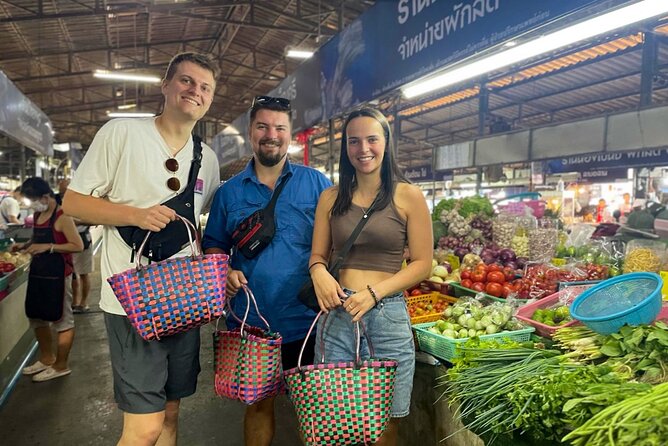
- Getting started at Mae Hia Fresh Market: more than a photo stop
- Team Aim Cooking School: cooking Thai dishes with a 10-year teacher
- Vegan and vegetarian options that do not feel like a compromise
- What you’ll leave with
- Moving from Thai kitchens to Karen traditions at Joy Elephant Sanctuary
- Elephant food prep and gentle observation: learning what matters
- The good kind of hands-on
- Elephant Paradise break: herbal tea, waterfall time, and a breather
- Crafting a Thai handmade souvenir: take home a story, not just a trinket
- Meals and included comforts that make a full day trip easier
- Group size and timing: how it affects your experience
- Who this is best for in Chiang Mai (and who might want to skip)
- Should you book this Chiang Mai cooking and elephant observation tour?
- FAQ
- What time does the tour start in Chiang Mai?
- How long does the experience take?
- Does the tour include pickup?
- Is a mobile ticket used?
- Are vegan or vegetarian options available for the cooking class?
- Do I need prior cooking experience to join?
- Is elephant food preparation included?
- Are pets allowed on this tour?
- What is the maximum group size?
Key things to know before you go
- Mae Hia Fresh Market first: pick your ingredients, not just watch a demo.
- Aim-led cooking class: you follow a real Thai workflow with teacher guidance and vegan and vegetarian options.
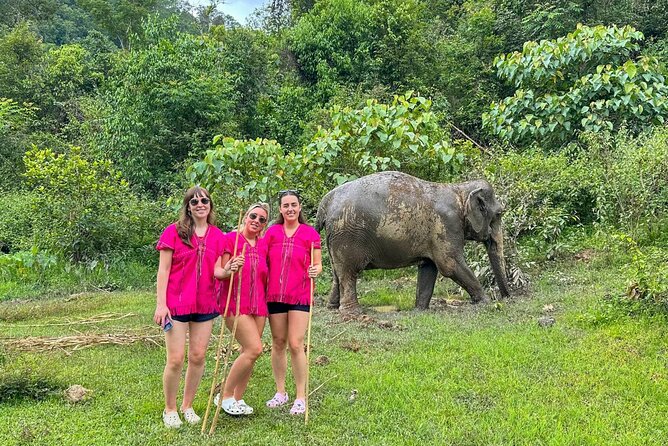
- Karen clothing experience: you change into traditional Karen attire for elephant-related hands-on activities.
- Observation focused at Joy Elephant Sanctuary: you learn elephant history and behavior while watching them in a natural setting.
- A waterfall break plus herbal tea: you get a calm pause in lush forest surroundings.
- Small group size: with a maximum of 24 people, you can ask questions without feeling lost.
Thai sanctuary visits got read closely, riding-free
- Chiang Mai: Elephant Sanctuary, Waterfall & Bamboo Rafting★ 4.9 · 9,160 reviews
- Chiang Mai: Elephant Sanctuary & Waterfall Group Tour★ 4.9 · 5,780 reviews
- Chiang Mai: Elephant Sanctuary Feeding Program Half-Day Tour★ 4.8 · 4,527 reviews
- Chiang Mai: Elephant Sanctuary, Long Neck & Sticky Waterfall★ 4.9 · 2,262 reviews
Price and what you actually get for $87.12 in Chiang Mai
At $87.12 per person, this feels less like a bare-bones add-on and more like a full-day itinerary with multiple “included” pieces that would cost real money if you booked them separately. You get transportation by air-conditioned vehicle with pickup, meals, ingredients, and even elephant food and snacks.
The value lands in two places. First, the cooking side includes ingredients, brunch, dinner, coffee or tea, and an e-book recipe set, so you leave with something practical for your next Thai craving at home. Second, the elephant sanctuary portion is not just a photo stop. You spend time preparing elephant food, observing their behavior, and learning about their history, with Karen clothing included as part of the cultural activity.
If you hate spending the day in transit, note the overall duration is 10 to 11 hours. That does not mean it drags, but you should treat it as a proper day trip, not a quick afternoon outing.
Getting started at Mae Hia Fresh Market: more than a photo stop
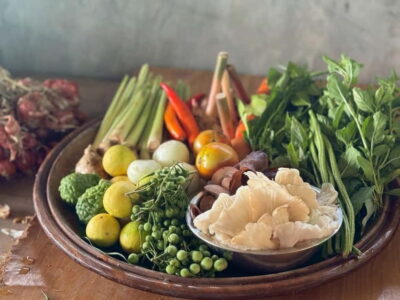
Your day begins with hotel pickup and a trip to Mae Hia Fresh Market, with about 30 minutes there. This short window is purposeful. You are meant to choose ingredients for your cooking session, so the market is the bridge between Thai flavors and what ends up on your table.
What I like about this setup is that it trains your palate. In Thailand, small differences in herbs, curry base ingredients, and produce maturity can change the whole dish. Even if you do not know the names, you can learn what looks fresh and what smells right when your teacher later helps you use it.
Practical tip: bring a little patience for crowded aisles. Markets move fast, and 30 minutes goes quickly. Keep your water handy, and if you have food allergies, make sure you flag them early so the cooking teacher can guide you.
Team Aim Cooking School: cooking Thai dishes with a 10-year teacher
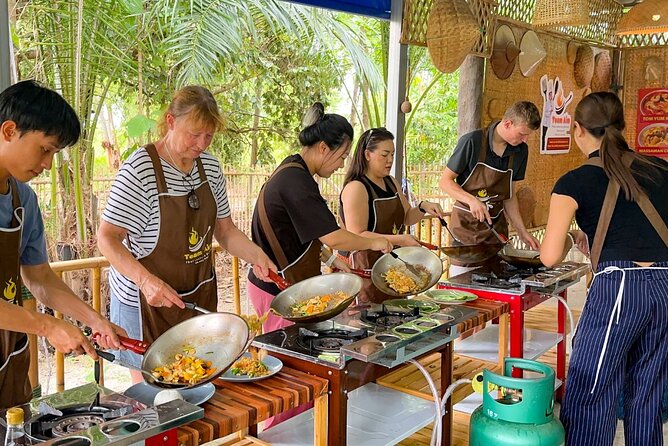
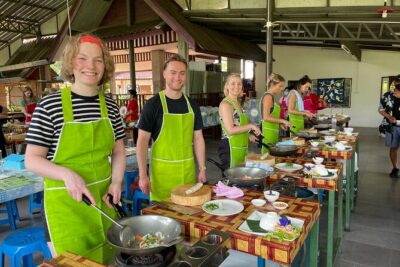
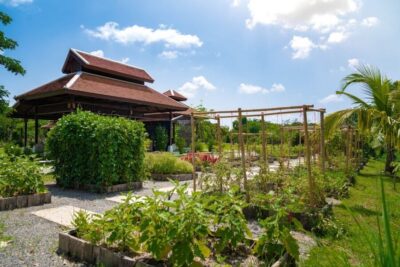
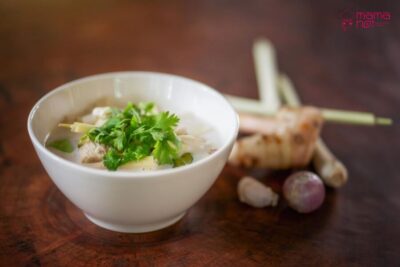
After the market, you head to i-Like Thai Cooking School at Team Aim Cooking School for about 3 hours of cooking. The setting includes views that help set a relaxed mood, and the real value is the structure of the lesson with a teacher who brings 10 years of experience.
You will cook multiple classic Thai dishes, including options like spring rolls, curries, soups, salads, and stir-fries. That matters because you are not just learning one technique. You get exposure to Thai flavor building across different textures and cooking methods, from crunchy rolls to saucy curry bases to quick wok work.
Vegan and vegetarian options that do not feel like a compromise
The class includes vegan and vegetarian options, which is a big deal when you are dealing with Thai menus where fish sauce and shrimp paste are common. The key is simple: if you have dietary restrictions, tell the cooking teacher so your dishes match your needs instead of trying to improvise after.
In the same spirit, if you have allergies, you should let the teacher know. This is the part where clear communication saves you stress.
Thai kitchens got sat through and written up
What you’ll leave with
You get brunch and your own meal from the cooking experience, plus an e-book recipe set. I like that last part because it helps you recreate flavors later without relying on memory.
If you are traveling as a couple or with friends, this is also a good class type because it gives you something concrete to talk about during the rest of the day. Food becomes the common language.
Moving from Thai kitchens to Karen traditions at Joy Elephant Sanctuary
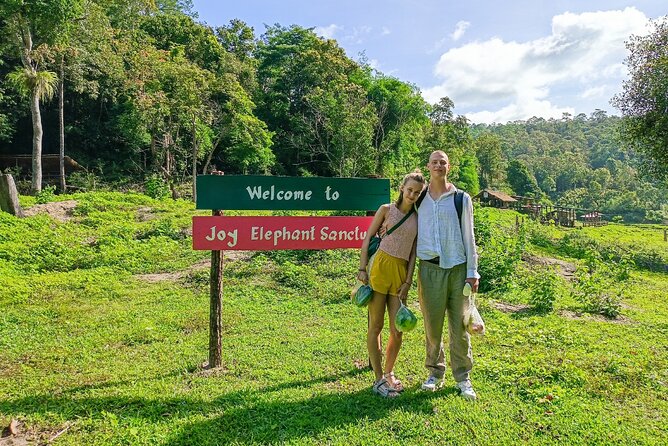
Next comes Joy Elephant Sanctuary, with around 3 hours there. This is where the day shifts tone from cooking to observation and learning, and you can feel it as soon as you arrive.
One of the most distinctive elements is that you change into traditional Karen clothing. You then do hands-on activities connected to feeding elephants, while you learn about elephant history and behavior. The cultural clothing part is not just a costume moment. It is part of a guided experience meant to frame the relationship between people and elephants in the region.
This section is also where the responsible tourism approach shows up. The program is built around Elephant Observation, meaning you are there to watch and learn, not to treat elephants like an entertainment prop.
Practical reality check: even though this is an observation-focused visit, you should still expect some time outdoors and in natural settings. Wear clothing you can move in, and keep sun protection in mind.
Elephant food prep and gentle observation: learning what matters
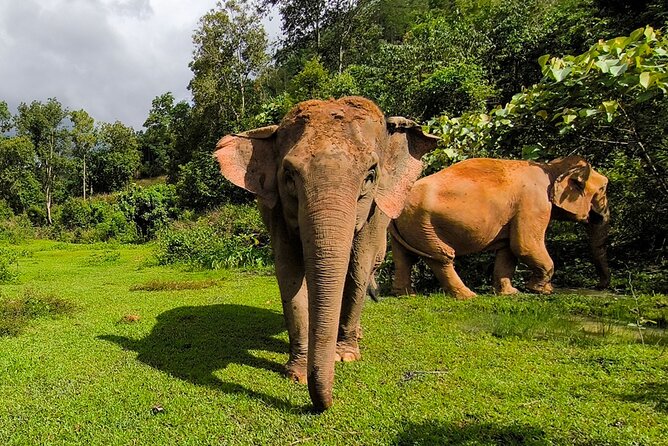
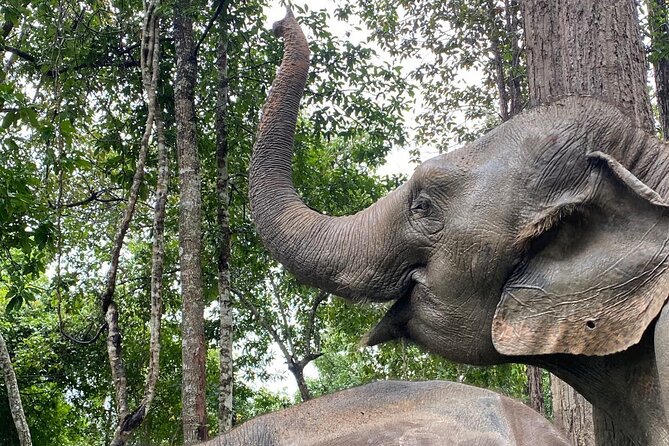
At the sanctuary, you prepare elephant food and snacks, then observe the elephants as they go about natural behavior. This is one of the most praised parts of the experience because it turns your attention away from quick photos and toward real understanding.
The learning focus is not vague. You are taught about elephant history and their behavior, which is the kind of context that makes your observations make sense. Instead of thinking, I wonder what that means, you start recognizing patterns.
What to expect during observation
You will likely spend time watching their movements and social dynamics from within the program setting. You should go in with a calm mindset. Elephants are not on a schedule made for your camera. If you stay patient, you will get better chances to see normal interactions and feeding behaviors.
The good kind of hands-on
The feeding prep is one of those experiences that makes your visit feel real. You are participating in a task connected to daily care, not just standing in front of an animal. That small shift can change how meaningful the whole day feels.
If you are worried about ethical animal practices, keep your expectations aligned with the program’s emphasis on observation and behavior learning. That is what this experience is built for.
Elephant Paradise break: herbal tea, waterfall time, and a breather
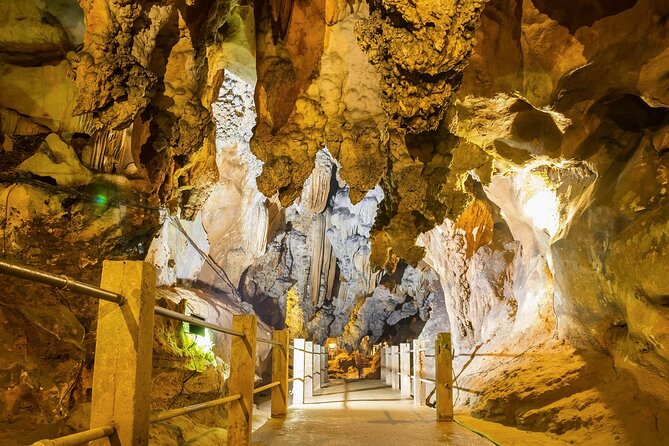
After the elephant activities and observation time, you get a break with herbal tea. You also have time near a waterfall in lush forest surroundings, plus serene rivers.
This matters because it gives your brain a reset. Cooking can be fast and sensory, elephant observation can be quietly intense, and then the waterfall break gives you a chance to decompress and soak in the environment.
What I like here is that the “rest time” is not wasted time. It is placed after the main activity, so it feels earned instead of turning into a random extra stop.
If you want great photos, this is often where the light and calm atmosphere help. Even if you are not chasing pictures, this is a nice moment to slow down.
Crafting a Thai handmade souvenir: take home a story, not just a trinket
The day also includes time to craft a Thai cultural handmade souvenir. This is a smart addition because it is not just about watching, eating, and observing. You also create something tangible.
I would approach this part with low pressure. Handmade souvenirs are not about perfection. They are about learning how the process works and coming home with a small reminder of your time there.
If you enjoy classes or making small crafts, this is the kind of activity that keeps the day feeling personal. If you are not into crafts, treat it as a short cultural moment between the larger experiences.
Meals and included comforts that make a full day trip easier
This is a full-day format, so the included basics are not filler.
You get:
- Brunch
- Dinner
- Coffee or tea
- Drinking water
- Air-conditioned vehicle
That means you are not constantly calculating food costs or trying to find meals on the fly, especially after the morning cooking work and the later sanctuary activities.
Also, there is insurance included. That is one of those quiet benefits that helps you feel better about spending the day outside your comfort zone.
Finally, mobile tickets are supported, which keeps things simple on your end. The smaller the hassle, the more you can stay in the moment.
Group size and timing: how it affects your experience
The tour runs about 10 to 11 hours and starts at 8:00 am. It is built like a day itinerary with clear blocks: morning market, cooking session, elephant sanctuary time, and cultural and relaxation moments wrapped around that.
The maximum group size is 24. In practice, this tends to help with question time during cooking and helps your day feel less chaotic during transitions. It is also part of why the experience can feel more personal than a large coach tour.
If you are someone who gets cranky when plans run tight, this may still be okay, but you need a flexible mindset. A day that starts early and finishes later will feel like a commitment. The upside is you get two major Chiang Mai experiences in one go.
Who this is best for in Chiang Mai (and who might want to skip)
This combo tour is perfect if you fall into one of these categories:
- You want real hands-on Thai cooking with vegan or vegetarian choices.
- You like animal-focused experiences that emphasize observation and behavior learning.
- You want a full-day structure so Chiang Mai feels efficient without turning into a sprint.
It might not be ideal if:
- You hate long days or you need a very low-stress schedule.
- You want only a quick elephant stop with minimal time outside.
- You are very sensitive to being outdoors for parts of the day.
Kids note: most travelers can participate, and the cooking class is recommended for children above 5 years old. There is no mention that the sanctuary part is limited by age, but you should consider the overall time and outdoor nature of the visit.
Pets are prohibited, so plan for that if you are traveling with animals.
Should you book this Chiang Mai cooking and elephant observation tour?
I’d book it if you want a day that mixes food, culture, and responsible elephant observation without feeling like three separate tours stapled together. The best reason to choose it is the way the market and cooking connect, then the way the sanctuary visit is framed around learning and behavior rather than quick spectacle.
If you are on the fence, here is my practical checklist:
- If Thai food is a priority, you will appreciate the ingredient-first approach and the variety of dishes like curries, soups, salads, stir-fries, and spring rolls.
- If animal ethics and learning matter to you, the Elephant Observation focus, elephant history, and behavior education are the heart of the experience.
- If you like cultural touches, Karen clothing and the handmade souvenir add meaning beyond the main activities.
If your ideal day is short, highly sedentary, or you need extra downtime with no schedule, then you may prefer something lighter. But for a committed, full-day Chiang Mai experience, this one is a strong match.
FAQ
What time does the tour start in Chiang Mai?
The start time is 8:00 am.
How long does the experience take?
The duration is approximately 10 to 11 hours.
Does the tour include pickup?
Yes, pickup is offered.
Is a mobile ticket used?
Yes, the tour uses a mobile ticket.
Are vegan or vegetarian options available for the cooking class?
Yes, vegan and vegetarian options are available.
Do I need prior cooking experience to join?
No prior cooking experience is required.
Is elephant food preparation included?
Yes, elephant’s food and snack are included, and you take part in preparing elephant food.
Are pets allowed on this tour?
No, pets are prohibited.
What is the maximum group size?
The maximum number of travelers is 24.
Thai kitchens you can book into
What else made it into the Thailand notebook
Sanctuary visits, and how the elephants are actually kept
What else made it into the Chiang Mai notebook
- Walk With Monks Collecting Alms(meeting point maybe change)
★ 4.9 · 8 reviews - Doi Suthep and Hmong Hilltribe Half Day Tour in Chiang Mai
★ 3.5 · 8 reviews - Aroidee’s Farm-Fresh Thai Cooking Experience
★ 5.0 · 8 reviews - 2- Days in Doi Inthanon National Park
★ 4.5 · 8 reviews - Khantoke Dinner Experience & Cultural Dance Show with Transfers
★ 4.0 · 8 reviews - Sticky Waterfalls Private Half Day Fun Escapades
★ 4.5 · 8 reviews
Elephant Sanctuary Visits, compared.
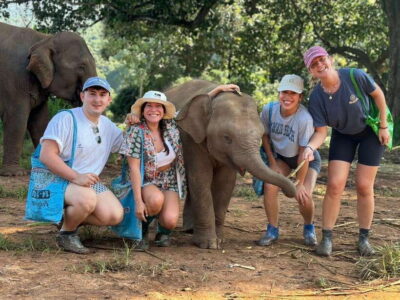 ★ 4.9Elephant Sanctuary, Waterfall & Bamboo RaftingFrom $609,160 reviews
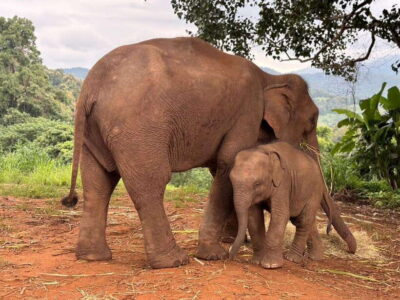 ★ 4.9Elephant Sanctuary & Waterfall Group TourFrom $505,780 reviews
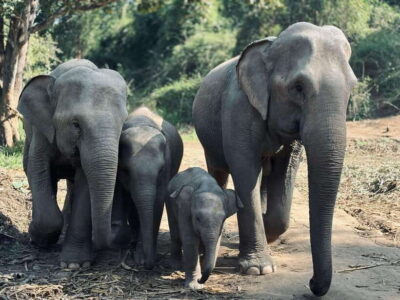 ★ 4.8Elephant Sanctuary Feeding Program Half-Day TourFrom $274,527 reviews
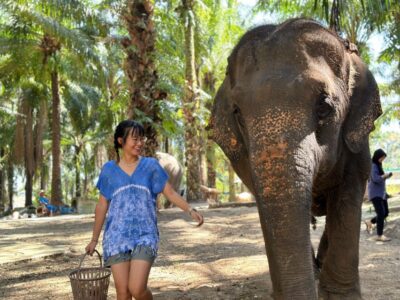 ★ 4.9Elephant Bathing Session at Krabi Elephant ShelterFrom $482,021 reviews
 ★ 4.8Elephant Sanctuary Guided Tour with Hotel TransfersFrom $412,020 reviews
 ★ 4.8Elephant Care Program and Nursery TourFrom $531,899 reviews
 ★ 5.0A Morning with the Elephants at Phuket Elephant SanctuaryFrom $971,693 reviews
 ★ 4.8Living Green Elephant Sanctuary Day TripFrom $571,541 reviews
Browse the lists this tour appears in