
REVIEW · DOI SUTHEP AND CHIANG MAI TEMPLES
Private-Tour Doi Suthep Temple and Khun Chang Kien Village Half-Day
Temple views start early in Chiang Mai. This private half-day links Doi Suthep with a Hmong village visit, using a mix of A/C comfort and a more old-school open-truck ride.
I like how the tour builds meaning, not just photos. You get a guided temple walk through sacred spaces at Doi Suthep, then you shift to the Khun Chang Khian Hmong village to meet people and understand their community story.
One thing to weigh: the ride segment to the village is done on an open truck, and the road is narrow in places. If you’re prone to motion sickness or you’re sensitive to driving style, it’s smart to plan for that.
In This Review
- Key highlights to know before you go
- Morning Start, Pickup, and How the Day Flows
- Wat Phra That Doi Suthep: Golden Stupa, Terraces, and Temple Etiquette
- Coffee and Tea with a View, and Why It’s Worth the Stop
- The Open-Truck Ride to Khun Chang Khian: Fun or Frustrating?
- Khun Chang Khian Hmong Village: Daily Life, Crafts, and a History Museum
- The Guide Makes It: What “Private” Really Means in Practice
- Price and Value: Is $87.47 Fair for This Half-Day?
- Logistics You Can Plan Around (Without Losing the Fun)
- Who Should Book This Tour, and Who Might Skip It
- Quick Tips to Make the Most of Your 5 Hours
- Should You Book This Doi Suthep and Khun Chang Khian Private Tour?
- FAQ
- What is the duration of the private Doi Suthep and Khun Chang Khian tour?
- What time does the tour start in Chiang Mai?
- Is hotel pickup included?
- What transportation is used during the tour?
- What does the tour include?
- What is not included in the price?
- What is the dress code for visiting the temple?
- Do I need good weather?
- What is the cancellation policy?
Key highlights to know before you go
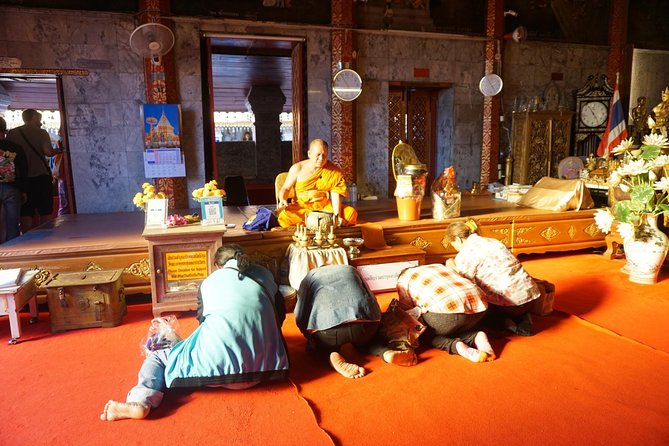
- Wat Phra That Doi Suthep walk with a guide who explains what you’re seeing, including Buddhist practices and temple layout
- Golden stupa and temple terraces plus courtyards, giving you a proper feel for this major north Thailand site
- Open-truck transfer from Doi Suthep up toward Khun Chang Khian, adding a raw, local travel flavor
- Panoramic tea or coffee stop en route, with snacks and a village-support angle
- Khun Chang Khian museum stop, designed to help you place Hmong history in context
- Central Chiang Mai pickup included within a limited radius, so you’re not wasting time on logistics
Doi Suthep and old city wats also got written up
- Chiang Mai: Doi Suthep and Wat Umong Enchanting Evening Tour★ 4.6 · 1,811 reviews
- Chiang Mai: Doi Suthep, Wat Umong, and Pha Lat Sunrise Tour★ 4.7 · 1,425 reviews
- Chiang Mai: Wat Pha Lat & Wat Phra That Doi Suthep Tour★ 4.8 · 1,207 reviews
- Wat Phra That Doi Suthep spiritual Sunrise Tour with an Ex-monk★ 5.0 · 798 reviews
Morning Start, Pickup, and How the Day Flows
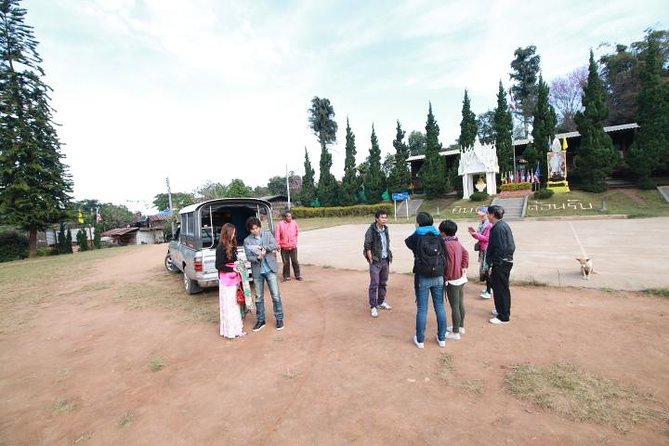
This tour is built for people who want a big cultural hit without losing the whole day to traffic. You start at 7:30am, with a pickup option for hotels located within 6 kilometers of the Three Kings Monument. If your hotel is farther out, a surcharge applies, so it’s worth checking your exact distance early to avoid surprises.
The first ride is in an air-conditioned minivan with a professional driver. That matters because Doi Suthep is up on the mountain, and even in the morning you can feel the heat and sun. The A/C transport also gives you a smoother start before you swap to something more rustic later.
From there, the schedule moves steadily. You’re not rushed in a frantic way, but you also aren’t left wandering on your own for long stretches. The time allocations are fairly clear: you spend about 45 to 60 minutes in Khun Chang Khian, and about 60 to 90 minutes at Doi Suthep, with a coffee or tea stop built into the route.
One practical note: the tour is described as private, meaning it’s just your group. That usually makes a difference in how quickly you can ask questions, how smoothly the guide can tailor pace, and how much you can linger at the best viewpoints.
Wat Phra That Doi Suthep: Golden Stupa, Terraces, and Temple Etiquette
Doi Suthep is the headliner for a reason. It’s one of northern Thailand’s most important temple sites, and the experience here is designed around that main idea: you’re not just passing by big buildings, you’re walking through the compound and learning how it works.
You’ll visit Wat Phra That Doi Suthep, which dates back to the 14th century. The highlight is the golden stupa, but the real value is how the guide connects the dots between the visible parts of the temple and the beliefs behind them. I love tours that explain what you’re seeing as you see it, and this one is set up that way.
What to expect on the ground:
- You’ll move through terraces and courtyards, which makes the site feel layered rather than flat.
- You get time to look closely, not just arrive, snap photos, and leave.
- The guide can explain the role of monks, rituals, and what the spaces mean in practice.
Temple etiquette is part of the day. The dress code is smart casual, and when visiting the temple your knees and shoulders must be covered. This isn’t just a rule to avoid hassle. It helps you feel more respectful in a place that’s still actively lived in by the community.
You should also plan for a moderate physical level. Even if you don’t tackle every steep step, the mountain setting and temple walking add up. If your legs are tired easily, consider wearing shoes with solid grip and moving at a steady pace.
Coffee and Tea with a View, and Why It’s Worth the Stop
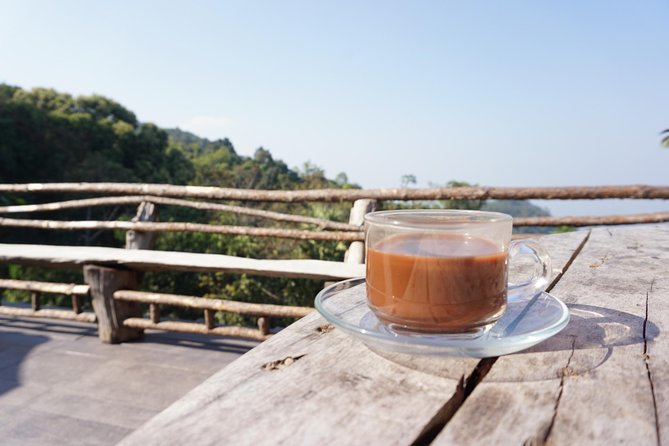
Between the temple and the village experience, you get a panoramic stop for tea or coffee, plus biscuits. On paper, it sounds like a break. In reality, it helps you transition your mindset.
You’re moving from a sacred temple zone into a community visit, and the viewpoint time is a mental reset. It also helps you prepare for the open-truck segment later. You can grab a warm drink, cool off a bit, and take in the mountain views before you head into the village setting.
One nice detail here is the village-area coffee or tea element. The tour describes it as community support, which means your purchase isn’t just a personal treat, it’s tied to local life. That makes the stop feel more purposeful than a tourist pit stop.
Also, hydration matters. Bottled water is included, and I suggest you treat that as your baseline, even if you don’t feel thirsty. Morning temple visits can sneak up on you.
The Open-Truck Ride to Khun Chang Khian: Fun or Frustrating?
Then comes the switch that makes this tour feel different: you ride on a small open truck from Doi Suthep to the Hmong village.
This is one of those travel moments where your enjoyment depends on your comfort level with movement. The open truck is part of the charm, because it changes the tone from “chauffeured sightseeing” to something closer to how people travel through the area.
But there’s a balance to strike. One clear drawback showed up in feedback: the drive can feel unpleasant if the road is narrow and the driving style feels fast or out of your comfort zone. If you’re the sort of person who prefers smooth rides and predictable pacing, go in expecting that the road conditions can create a bumpier feeling than you might get on a standard closed vehicle.
How you can improve the experience:
- Sit in a spot where you feel stable and you can grip the sides safely.
- Wear something that protects you from sun and wind.
- Keep expectations flexible. This is not meant to be a luxury ride.
In other words, the open-truck segment is often why people remember this tour. Just be honest with yourself about whether that kind of transport works for your nerves.




Khun Chang Khian Hmong Village: Daily Life, Crafts, and a History Museum
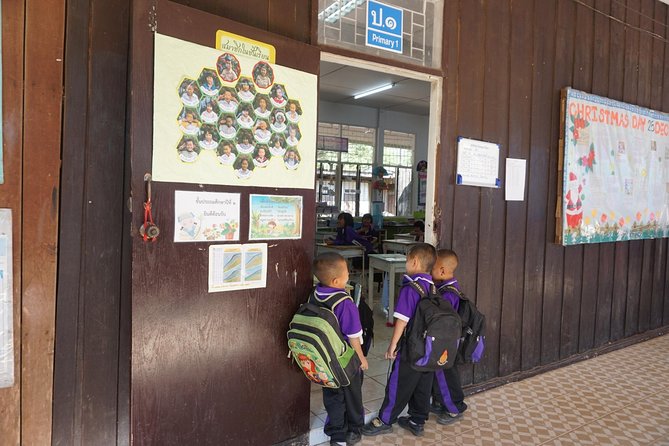
Khun Chang Khian is where the tour shifts from sacred sites to living culture. You’ll spend about 45 to 60 minutes visiting the village, with additional time built in for tea or coffee and a museum stop.
I like this part because it’s not limited to casual sightseeing. The experience includes learning about the villagers’ lives and traditions, plus a stop at a museum that helps you map Hmong history in context. That combination matters. Otherwise, village visits can become “look and leave.” Here, you’re given a structure for what you’re seeing.
What you’ll likely notice right away:
- Community life is central. You’re not walking through a staged set, you’re moving through a neighborhood.
- There’s a focus on understanding rather than just taking photos.
- You get a museum component, which is the anchor that connects the present-day scene to a broader story.
The Hmong community here is often associated with distinctive cultural traditions and crafts. Even if you don’t remember every detail, a guided explanation helps you avoid the common mistake of treating the village as a spectacle. A good guide turns the visit into a conversation in your head: what you’re seeing now, why it developed, and how community life sustains itself.
One more timing note: you have only about an hour at the village. That means you’ll get a taste, not a full day immersion. If your goal is deep ethnographic learning, you might feel slightly shortchanged. But for a half-day tour, it’s a practical balance between temple time and village learning.
The Guide Makes It: What “Private” Really Means in Practice
In a half-day tour, the guide’s role is huge. You’re packing a temple compound plus a village visit into about 5 hours, including transport. That tight schedule makes interpretation essential.
One guide name that came up in feedback is Tui. People highlighted that he was extremely knowledgeable about both the village and the temple. The comments also pointed to how he explained Buddhist monks, teachings, rituals, and how the region’s story unfolded over time. That kind of explanation is the difference between watching and understanding.
And since this is private for your group, you can ask questions without feeling like your curiosity is slowing down a busload. Even if your group is quiet, the guide can still set a strong pace, keeping you pointed at the “why” behind the “what.”
If you want the best version of this tour, come prepared to participate. Wear the right clothes for the temple, keep your questions ready, and you’ll get more from the guide’s time.
Price and Value: Is $87.47 Fair for This Half-Day?
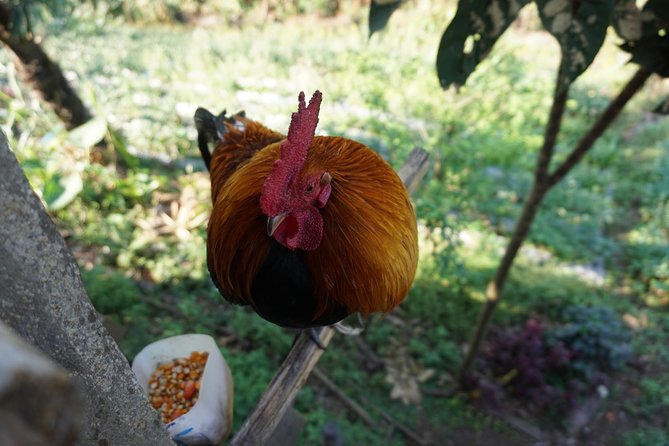
At $87.47 per person, this is not the cheapest way to do Doi Suthep. But when I look at the included stuff, it starts to make sense for the value you’re buying.
Here’s what you’re paying for, in practical terms:
- Hotel pickup and drop-off in central Chiang Mai (within a limited radius)
- An English-speaking guide
- Air-conditioned minivan transport
- Doi Suthep admission
- Open-truck transfer to the village
- Morning tea or coffee with biscuits
- Bottled water
- Travel accident insurance
You also avoid the most annoying parts of DIY planning: figuring out mountain transport timing, finding the right flow between temple and village, and dealing with temple etiquette questions on the fly.
What’s not included:
- Breakfast and lunch
- Souvenirs and personal expenses
- Alcoholic drinks (if you want them)
- Any pickup surcharge if your hotel is outside the included radius
My take on value: if you want interpretation, not just transit, and you’re short on time, this pricing can feel fair. If you already know you can do Doi Suthep and Khun Chang Khian on your own comfortably, you may find cheaper options. But if you want a guide-led day with transfers handled, the cost buys convenience plus context.
Logistics You Can Plan Around (Without Losing the Fun)
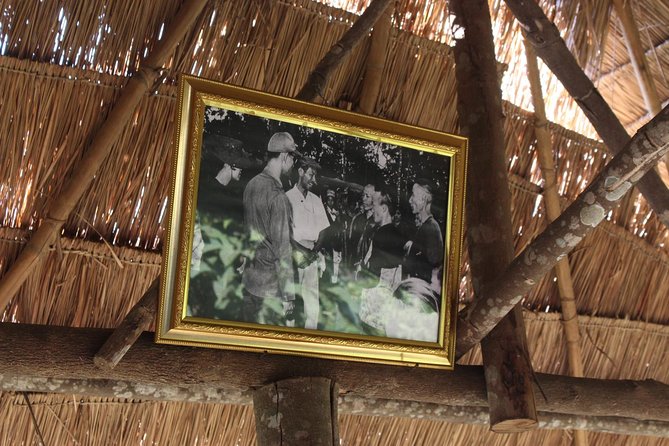
This tour has a simple shape, but there are a few logistics details that matter.
First, you start early. A 7:30am start gives you a better chance of comfortable conditions at the temple. If you sleep in, you miss the point of the experience.
Second, clothing matters because of the temple dress code. Knees and shoulders covered. Bring a light layer that covers you without making you overheat.
Third, the physical demand is described as moderate. That means you should be comfortable walking around uneven surfaces and managing stairs or slopes at the temple compound.
Fourth, weather can affect the tour. The experience is noted as requiring good weather, and if it’s canceled for poor weather you’ll be offered another date or a full refund. If you’re traveling in a rainy season window, build in some flexibility.
Finally, start point and finish point are straightforward. The activity starts at Coffee Plus14 and ends back at the meeting point. If your hotel is within the pickup radius, pickup and drop-off are included. If not, you might still meet at the listed start point, with a potential surcharge depending on where you’re staying.
Who Should Book This Tour, and Who Might Skip It
This half-day is a strong fit if you:
- Want a time-efficient day that still includes real explanation
- Care about understanding Buddhism at Doi Suthep and learning about Hmong life beyond quick photo stops
- Like having transport handled, especially with pickup included in central areas
- Prefer a private group experience, where your questions and pace matter
You might want to rethink it if you:
- Strongly dislike open-vehicle rides or you get uneasy on narrow mountain roads
- Expect an all-day village deep dive. This is a taste, not a long stay.
- Want your own strict itinerary control. The structure is guided and time-boxed.
If your goal is the “big Chiang Mai checklist” in one morning, this tour hits it. If your goal is total comfort on every road segment, consider whether the open-truck portion will be a dealbreaker.
Quick Tips to Make the Most of Your 5 Hours
A few practical moves can make a noticeable difference:
- Wear closed-toe shoes with grip. Temple floors can be slick.
- Dress to meet the temple code before you leave the hotel so you don’t rush at the last minute.
- Bring sunscreen and sunglasses. The mountain sun can still bite even early.
- Drink the included water, then add your own if you’re sensitive to heat.
- If you’re nervous about the open-truck ride, mentally treat it like a short “ride experience,” not a smooth transfer.
This is a morning packed with meaningful stops. Being comfortable physically helps you enjoy the cultural parts more.
Should You Book This Doi Suthep and Khun Chang Khian Private Tour?
I’d book it if you want a guide-led morning that connects Wat Phra That Doi Suthep to real life in Khun Chang Khian, with transport arranged and a history angle through the village museum. The best part is the way the tour uses context, especially with guides like Tui, who people clearly found strong at explaining temple life and Hmong community story.
I would hesitate only if open-vehicle travel on narrow mountain roads makes you uncomfortable. In that case, you can still go to Doi Suthep and the village, but you might want a different transport style or a version that uses a more enclosed vehicle for the transfer.
If you’re aiming for value in time, respect the dress code, and you’re okay with a bit of bumpy-road adventure, this half-day is a smart Chiang Mai choice.
FAQ
What is the duration of the private Doi Suthep and Khun Chang Khian tour?
It runs for about 5 hours.
What time does the tour start in Chiang Mai?
The start time is 7:30am.
Is hotel pickup included?
Hotel pickup and drop-off are included for hotels within 6 kilometers of the Three Kings Monument. There is a pickup/drop-off surcharge for hotels outside that city-center area.
What transportation is used during the tour?
You travel in an air-conditioned minivan for the main route, then you ride in a small open truck from Doi Suthep Temple to the Hmong village.
What does the tour include?
Included items are hotel pickup and drop-off (within the stated radius), a professional English-speaking guide, air-conditioned minivan transport, open-truck transport to the village, Doi Suthep admission, morning tea or coffee with biscuits, bottled water, coffee or tea, and traveling accident insurance.
What is not included in the price?
Not included are breakfast and lunch, alcoholic drinks (available to purchase), souvenirs, and personal expenses. Any pickup/drop-off surcharge may also apply for hotels outside the city-center radius.
What is the dress code for visiting the temple?
You need smart casual clothing, with knees and shoulders covered while visiting the temple.
Do I need good weather?
Yes. The tour requires good weather, and if it’s canceled due to poor weather you’ll be offered a different date or a full refund.
What is the cancellation policy?
Free cancellation is available up to 24 hours in advance for a full refund. If you cancel less than 24 hours before the start time, the amount paid is not refunded.
Guided Thai outings, continued
What else made it into the Thailand notebook
Chiang Mai wats, dress code included
What else made it into the Chiang Mai notebook
- Walk With Monks Collecting Alms(meeting point maybe change)
★ 4.9 · 8 reviews - Doi Suthep and Hmong Hilltribe Half Day Tour in Chiang Mai
★ 3.5 · 8 reviews - Aroidee’s Farm-Fresh Thai Cooking Experience
★ 5.0 · 8 reviews - 2- Days in Doi Inthanon National Park
★ 4.5 · 8 reviews - Khantoke Dinner Experience & Cultural Dance Show with Transfers
★ 4.0 · 8 reviews - Sticky Waterfalls Private Half Day Fun Escapades
★ 4.5 · 8 reviews
Doi Suthep and Chiang Mai Temples, compared.
 ★ 4.6Doi Suthep and Wat Umong Enchanting Evening TourFrom $271,811 reviews
 ★ 4.7Doi Suthep, Wat Umong, and Pha Lat Sunrise TourFrom $321,425 reviews
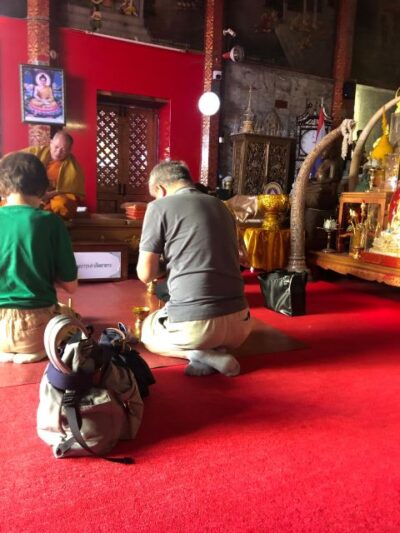 ★ 4.8Wat Pha Lat & Wat Phra That Doi Suthep TourFrom $241,207 reviews
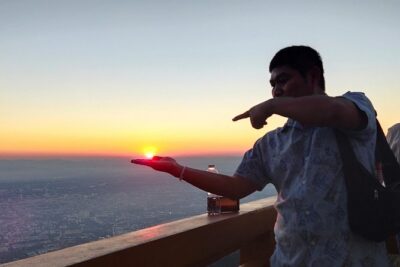 ★ 5.0Wat Phra That Doi Suthep spiritual Sunrise Tour with an Ex-monkFrom $64798 reviews
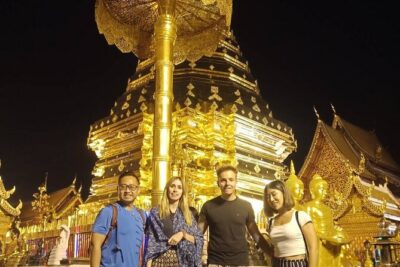 ★ 4.6Chiang Mai – Doi Suthep Temple & Wat Pha Lat HikeFrom $25740 reviews
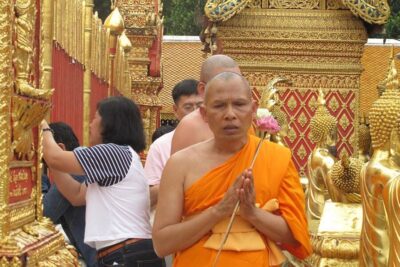 ★ 4.74-Hour Doi Suthep & Hmong Hill Tribe Village from Chiang MaiFrom $36696 reviews
 ★ 4.9Spiritual Sunrise Wat Doi Suthep, Pha Lat, Alms & MeditationFrom $59674 reviews
★ 5.0Chiang Mai – Doi Suthep Temple & Wat Pha Lat HikeFrom $26657 reviews
Browse the lists this tour appears in