
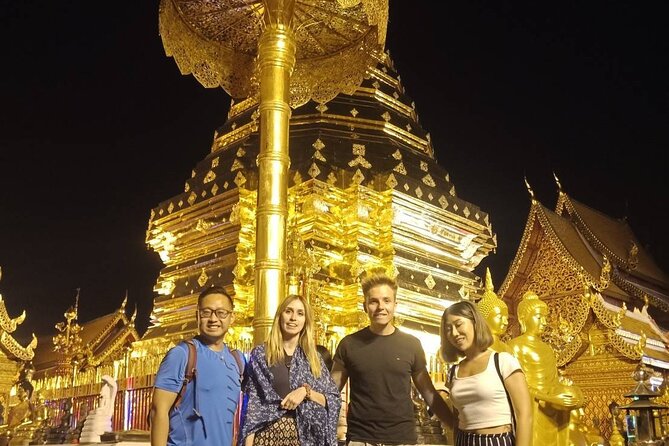
REVIEW · DOI SUTHEP AND CHIANG MAI TEMPLES
Chiang Mai – Doi Suthep Temple & Wat Pha Lat Hike
Temples, stairs, and a jungle walk in one pass. This small-group Chiang Mai outing threads the Monk’s Trail hike to Wat Pha Lat with the gold-splashed Doi Suthep summit, plus an English speaking guide who helps you understand what you’re looking at. I love the mix of quiet forest moments and big sacred views, and I love that you get time for photos and wall art. One heads-up: the open-air songthaew ride has no air-conditioning, and the exhaust on curvy roads can bother people.
For Wat Pha Lat, you walk about 30 to 40 minutes on the monk’s route. Later, you reach Doi Suthep and either climb the dragon staircase (300 plus steps) or take the cable car. If you book the sunrise program, the order flips and you hike down the Monk’s Trail instead of up.
In This Review
- Key highlights to plan around
- Why Wat Pha Lat plus Doi Suthep fits together
- Songthaew pickup and the reality of open-air rides
- Wat Pha Lat hike: walking the Monk’s Trail in real time
- Wat Pha Lat: the forest temple feeling you actually come for
- Doi Suthep: dragon stairs, Naga serpents, and copper gold
- Steps or cable car?
- Timing matters: sunrise route swaps and the walking trade-off
- What you pay: $26.09 base price plus temple fees
- Guides who make the temples click
- Fitness and comfort: who this tour is best for
- Should you book this Chiang Mai Doi Suthep and Wat Pha Lat tour?
- FAQ
- What is included in the tour price?
- What entrance fees do I need to pay for Wat Pha Lat and Doi Suthep?
- How long is the hike to Wat Pha Lat on the Monk’s Trail?
- Do I have to walk the dragon staircase at Doi Suthep?
- Does the tour offer a sunrise option?
- What kind of pickup and transport do you use?
- Where do I meet the group if my hotel is not in the pickup area?
- What should I wear for temple visits?
- How many people are in each group?
Key highlights to plan around
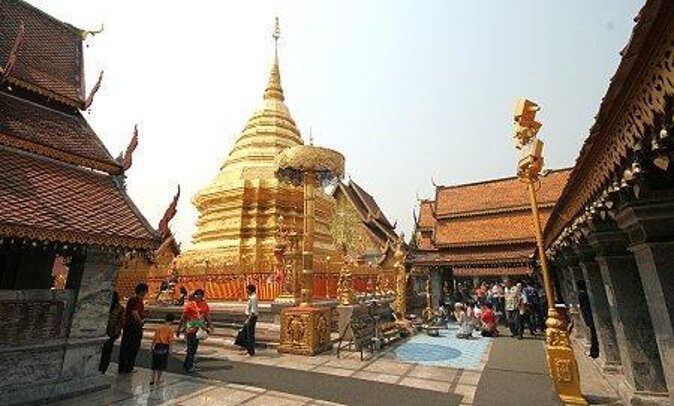
- Monk’s Trail to Wat Pha Lat takes 30 to 40 minutes on a historic route used by monks
- Doi Suthep’s dragon staircase is 300+ steps with the seven-headed Naga flanking the stairway
- Cable car is available if you want a break from the steps (extra cost)
- Pay cash entrance fees on the day (THB 100 for Wat Pha Lat Monk’s Trail, THB 80 for Doi Suthep)
- Small groups, up to 10 people, with songthaew pickup and an English speaking guide
Doi Suthep and old city wats also got written up
- Chiang Mai: Doi Suthep and Wat Umong Enchanting Evening Tour★ 4.6 · 1,811 reviews
- Chiang Mai: Doi Suthep, Wat Umong, and Pha Lat Sunrise Tour★ 4.7 · 1,425 reviews
- Chiang Mai: Wat Pha Lat & Wat Phra That Doi Suthep Tour★ 4.8 · 1,207 reviews
- Wat Phra That Doi Suthep spiritual Sunrise Tour with an Ex-monk★ 5.0 · 798 reviews
Why Wat Pha Lat plus Doi Suthep fits together
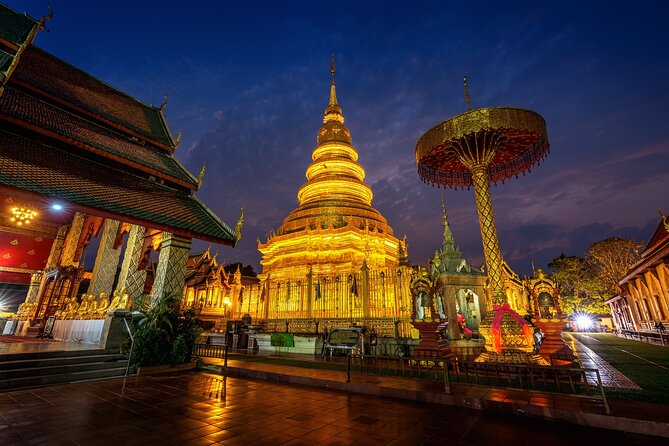
This tour works because it gives you two totally different “faces” of Northern Thai Buddhism in one afternoon or morning. Wat Pha Lat feels like a forest hideaway, while Doi Suthep is all about ceremony, gold, and city views from high up.
You’re also not doing this solo. The guide talks through the meaning behind what you’re seeing, including the wall paintings that explain the life of Buddha. You’ll leave with more context than a quick stop and snap.
With a 4-hour (approx.) timeline, it’s a doable add-on even if your Chiang Mai schedule is already packed. Just know it is still walking. You’ll want decent shoes and a water plan.
Songthaew pickup and the reality of open-air rides
The tour uses a converted pick-up truck called a songthaew for transport. It has benches, open sides, and no air-conditioning, so you’re riding in the elements.
There’s a practical upside: this is very local, and it gets you closer to how people actually move around Chiang Mai. The downside is heat, dust, and fumes in traffic. Some people report motion sickness from the curves and exhaust, so if that’s you, bring what helps.
Pickup starts early. Expect pickups to begin up to 45 minutes before the scheduled start time. If you’re not staying in the hotel pick-up zone inside the old walled city, the designated meeting point is in front of Burger King at Tha Pae Gate. Do not pick a random hotel and hope for the best.
Wat Pha Lat hike: walking the Monk’s Trail in real time
Wat Pha Lat is the finishing point of the popular Monk’s Trail, an ancient pilgrimage route. When you start from the songthaew drop-off, you walk to Wat Pha Lat along the trail used for years by monks ascending Doi Suthep.
The walk itself is about 30 to 40 minutes. That’s long enough to feel like you did something, but short enough that you can still enjoy the temple without arriving completely cooked.
Bring proper walking shoes. The trail can get slippery and muddy if it rains, and Chiang Mai weather can change fast. A good grip sole matters more than pretty sandals.
One more thing to keep in mind: you might encounter dogs along the trail. Guides have a way of handling situations, so don’t panic. Just keep your pace steady and listen to your guide.
Wat Pha Lat: the forest temple feeling you actually come for

Wat Pha Lat is often described as a jungle temple, and the vibe is exactly that. You move from bright outdoors into a calmer, shaded space where statues and temple structures sit inside a garden-like setting.
This is where the tour slows down, so you can enjoy the quieter side of the day. The atmosphere feels more reflective than a big tourist-famous walkway, even though you’re still in a religious complex.
Also, plan your clothing for temples. You’ll want shoulders and knees covered. It’s not about style, it’s about respect and simple compliance once you’re inside the sacred grounds.
Wat Pha Lat Monk’s Trail entrance fees are not included. You pay THB 100 per person in cash on the day. I’d carry a little cash ready so you’re not scrambling in the temple area.
Thai treks got the same going over

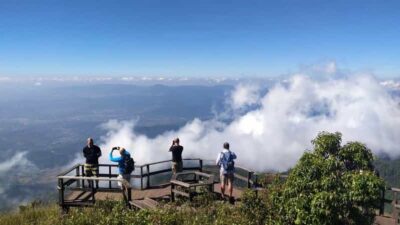

Doi Suthep: dragon stairs, Naga serpents, and copper gold
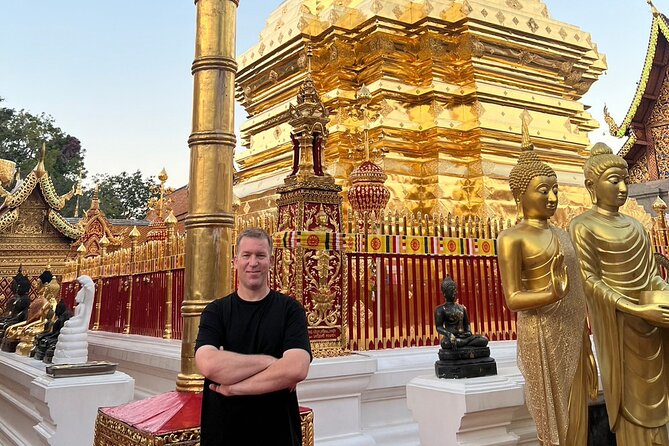
Doi Suthep Temple is one of Northern Thailand’s most sacred pilgrimage sites. You reach it via the famous dragon staircase, with more than 300 steps flanked by the Naga, a mythical serpent with seven heads.
This is the part many people remember later. The stairway is a classic visual, and your guide can help you understand what the serpent imagery represents and how the temple complex is laid out.
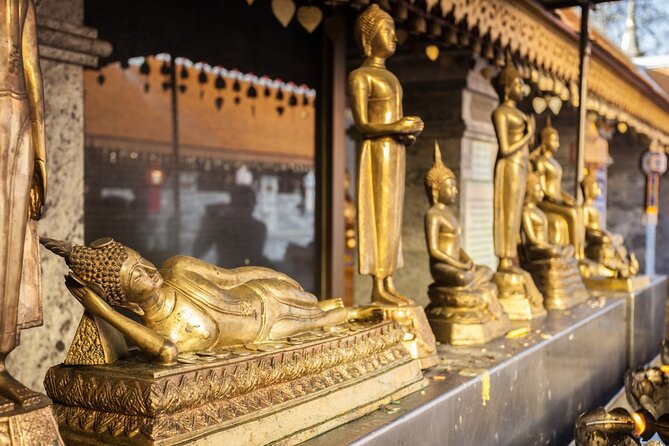
At the top, you’ll find statues, pagodas, shrines, bells, and Buddhist drawings. One detail that stands out is the original chedi covered with copper, which is described as the most sacred part of the temple.
You also get explanations of the meaning of the wall paintings, which depict the life of Buddha. Even if you’re not a religion deep-dive person, this context makes the art feel purposeful instead of random.
Steps or cable car?
Not everyone wants to climb 300 plus steps. You can take the cable car, but it costs extra. If you cannot do the hike up the mountain, there’s also an option to go up by songthaew instead.
If you’re thinking about your body, here’s the simple math: the stairs are great for those who like a challenge, but the cable car can save your knees and keep you from feeling wrecked before the main temple time.
Timing matters: sunrise route swaps and the walking trade-off
The tour has a sunrise option that changes the order and the hiking direction. For the sunrise program, you start around 5:00 in the morning and visit Wat Phra That Doi Suthep first. After sunrise, you continue to Wat Pha Lat and begin the Monk’s Trail from where you hike down the mountain instead of up.
That switch matters. Hiking down is often easier on legs than climbing, and you get cooler morning air while the temple grounds can feel calmer. Reviews for the early start are consistently positive about the view, and it’s easy to see why when the whole place feels less crowded.
If you go later in the day, the trade-off is temperature and light. Late slots can be cooler, and you may catch better sunset-style color at the end of your visit. Either way, you’re still walking, so pack for heat first and beauty second.
What you pay: $26.09 base price plus temple fees
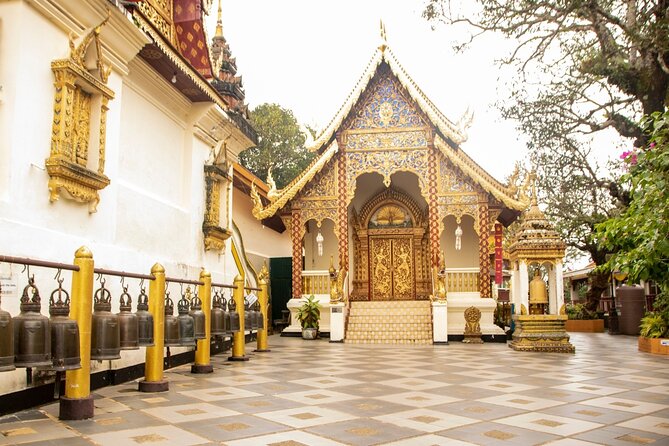
The listed price is $26.09 per person, and it includes real, useful stuff. You get songthaew transport, an English speaking guide, and a bottle of drinking water. For many visitors, that’s what turns a complicated day into a simple one.
The main extras are temple entrance fees. Wat Phra That Doi Suthep entrance and the cable car option are THB 80 per person and are not included. Wat Pha Lat Monk’s Trail entrance is THB 100 per person paid in cash on the day.
So in plain terms, you should budget for:
- THB 100 for Wat Pha Lat
- THB 80 for Doi Suthep (and cable car if you use it)
Tips for driver and guide are not mandatory. You can give something if you feel it, but you’re not required to pad the cost to make the system work.
Guides who make the temples click
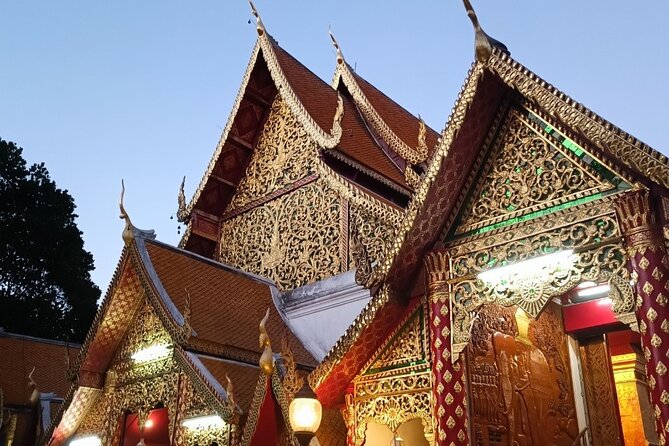
What you’re really buying is not just rides and tickets. You’re buying a guide who helps you connect the dots between Buddhist art, the temple layout, and the stories behind what you see.
In the wild, guides you might get include people like Saman, Jane, Amy, Emmy, Pia, Bright, Maggie, Bum, and Sanam. The common thread from what you’ll hear is explanations tied to what’s in front of you, not just general facts.
If you like your travel with a bit of meaning, this format is a good fit. If you just want photos, you can still do that, but you’ll get more value if you’re willing to pause and listen.
Fitness and comfort: who this tour is best for
This tour is doable for most people, but it is not “sit and watch.” You’re facing two movement tasks: a 30 to 40 minute monk-trail walk and then the Doi Suthep approach with either steps or cable car.
Here’s who should book:
- You want nature and culture together, not a single temple only day
- You’re okay with walking and stairs
- You want context about Buddhist art, including wall paintings
Here’s who should think twice:
- You have knee issues and dread stair climbs, even with pacing
- You strongly dislike open-air transport without air-conditioning
- You get motion sick easily on winding roads, because the songthaew ride is open and can be fume-y
Your best strategy is simple. If stairs scare you, plan for the cable car. If you cannot do the climb portion, use the option to go up by songthaew. And if the weather turns, keep your shoes grippy and your expectations flexible.
Should you book this Chiang Mai Doi Suthep and Wat Pha Lat tour?
Yes, if you want a half-day that feels real, not rushed. The combination of the monk-trail hike to Wat Pha Lat and the Doi Suthep dragon staircase makes it worth doing as one plan, especially because the guide helps you understand what you’re seeing, not just where to stand.
Skip it, or at least book with an easier plan in mind, if you cannot handle stairs or heat. Also consider cable car from the start if you know you will struggle on 300 plus steps.
If you go, my advice is to show up with good shoes, a temple-ready outfit, and the right cash for fees. Then pick the timing that matches your energy, sunrise if you want views and quieter vibes, later slots if you’d rather trade early wake-up time for cooler temperatures.
FAQ
What is included in the tour price?
You get songthaew transportation, an English speaking guide, and a bottle of drinking water. Entrance fees and cable car costs are not included.
What entrance fees do I need to pay for Wat Pha Lat and Doi Suthep?
Wat Pha Lat Monk’s Trail entrance fee is THB 100 per person, paid cash on the day. Wat Phra That Doi Suthep entrance fee and cable car (if used) are THB 80 per person and are not included.
How long is the hike to Wat Pha Lat on the Monk’s Trail?
The hike from the drop-off starting point to Wat Pha Lat takes about 30 to 40 minutes.
Do I have to walk the dragon staircase at Doi Suthep?
No. You can use the cable car for an extra cost. If you cannot do the hike up the mountain, you can also go up with the songthaew.
Does the tour offer a sunrise option?
Yes. The sunrise program starts at 5:00 in the morning. The order is Doi Suthep first, then Wat Pha Lat, and you hike down the Monk’s Trail instead of up.
What kind of pickup and transport do you use?
Pickup and transport are done on a typical Thai songthaew, a converted pick-up truck with two benches in the back, open sides, and no air-conditioning.
Where do I meet the group if my hotel is not in the pickup area?
The designated meeting point is in front of Burger King at Tha Pae Gate. Your pickup is also available inside the old (walled) city only if you are staying in the pick-up area.
What should I wear for temple visits?
You should wear proper walking shoes. Temples require appropriate dress, with shoulders and knees covered.
How many people are in each group?
The tour has a maximum of 10 persons per group.
Thai treks, continued
What else made it into the Thailand notebook
Chiang Mai wats, dress code included
What else made it into the Chiang Mai notebook
- Half day Long Neck hill tribe and Hmong hill tribe village
★ 5.0 · 21 reviews - Chiang Rai One Day: Golden Triangle, Laos Border, Long Neck Tribe
★ 3.5 · 21 reviews - Old Town Chiang Mai Food Tour with 10+ Local Dishes Tastings
★ 5.0 · 21 reviews - 5 Day Tuk Tuk Adventure in Chiang Mai – with driver
★ 5.0 · 21 reviews - 1 Hour Foot Relaxing – Free Transportation
★ 5.0 · 21 reviews - Rantong elephant sanctuary Chiangmai
★ 4.4 · 21 reviews
Doi Suthep and Chiang Mai Temples, compared.
 ★ 4.6Doi Suthep and Wat Umong Enchanting Evening TourFrom $271,811 reviews
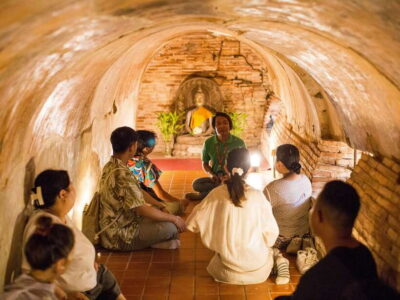 ★ 4.7Doi Suthep, Wat Umong, and Pha Lat Sunrise TourFrom $321,425 reviews
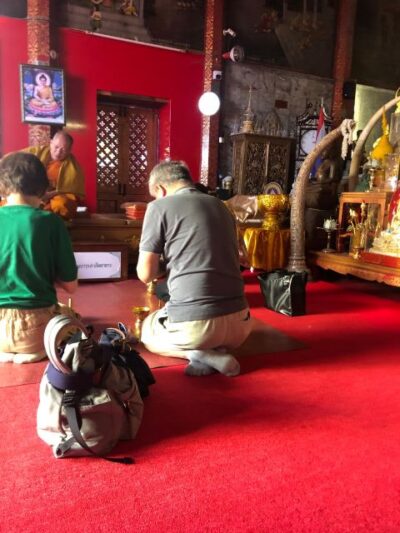 ★ 4.8Wat Pha Lat & Wat Phra That Doi Suthep TourFrom $241,207 reviews
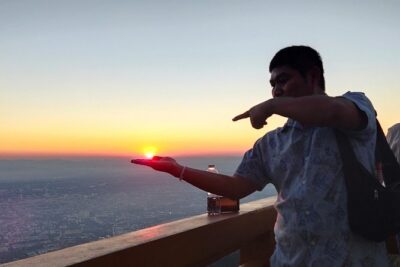 ★ 5.0Wat Phra That Doi Suthep spiritual Sunrise Tour with an Ex-monkFrom $64798 reviews
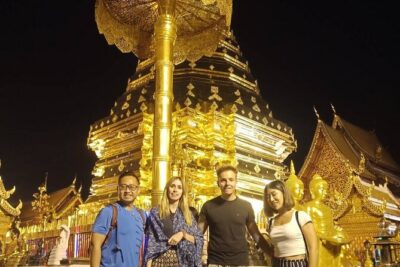 ★ 4.6Chiang Mai – Doi Suthep Temple & Wat Pha Lat HikeFrom $25740 reviews
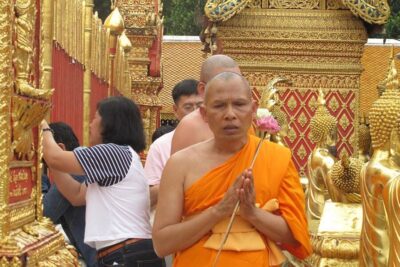 ★ 4.74-Hour Doi Suthep & Hmong Hill Tribe Village from Chiang MaiFrom $36696 reviews
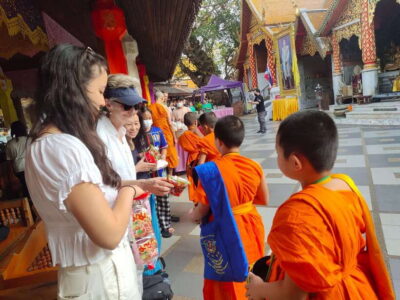 ★ 4.9Spiritual Sunrise Wat Doi Suthep, Pha Lat, Alms & MeditationFrom $59674 reviews
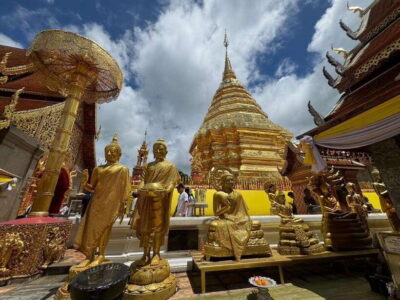 ★ 4.9Elephant Sanctuary, Monk Trail & Doi Suthep TourFrom $57563 reviews
Browse the lists this tour appears in