
REVIEW · HIKING & TREKKING
From Chiang Mai: Chiang Dao Cave Trekking Full-Day Tour
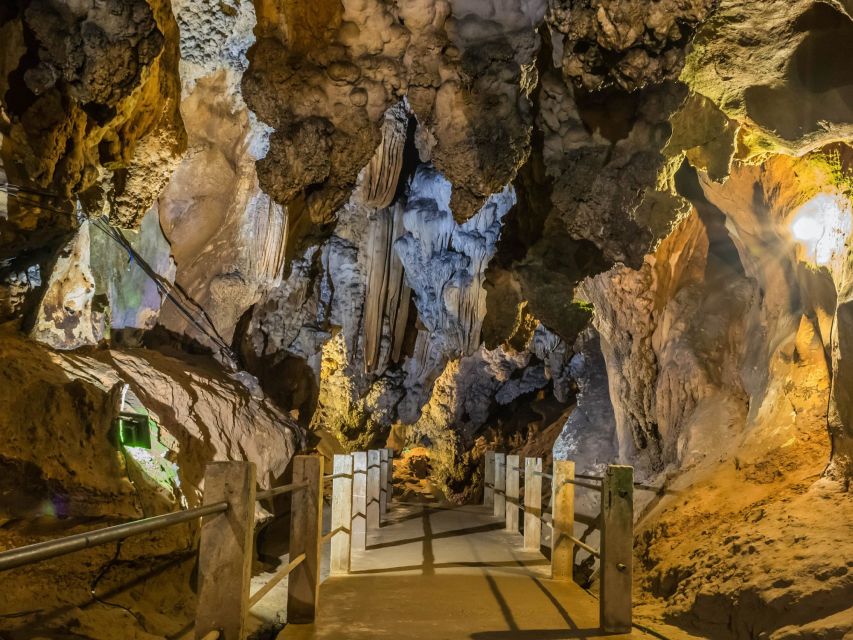
Chiang Dao Cave feels like another planet. From Chiang Mai you head north to Wat Tham Chiang Dao, where you walk through interconnected limestone caverns with Buddha statues and sections lit with electric lights, then cool off at Bua Tong Sticky Waterfall where you can actually climb upward.
I like the small-group pace. It caps at 9 people, and you might even end up effectively private if your date has low demand, which makes photos and questions much easier. I also like how the cave route is managed with guides who know the spots, and you get extra value if you choose the lantern and local-guided deeper section.
One thing to consider: this is not a walk-in-the-park day. The cave has low tunnels and tighter passages, and the waterfall requires real balance and climbing effort, so skip it if you have back problems, mobility issues, claustrophobia, or heart problems.
In This Review
- Key things that make this day trip click
- Chiang Dao Cave and Bua Tong Sticky Waterfall in one tight 8 hours
- Pickup from Chiang Mai, then straight into the north-country rhythm
- Wat Tham Chiang Dao: five caverns, Buddha statues, and cave-air reality
- The optional lantern and local-guide deeper section is usually worth budgeting
- Chiang Dao market lunch: eat local, not just fast food
- Bua Tong Sticky Waterfall: how you climb it and what to expect
- Mae Malai market pass-by: a quick look at daily life
- Price and value: what $106 actually buys you
- Guides and drivers: why pacing and safety matter here
- Responsible touring: GSTC certification, glass bottles, and fewer plastic habits
- What to pack, and how to set yourself up for a smoother day
- Who this tour fits, and who should skip it
- So, should you book Chiang Dao Cave Trekking from Chiang Mai?
- FAQ
- How long is the Chiang Dao Cave trekking full-day tour?
- What is included in the tour price?
- Is lunch included?
- Do I need to pay extra for the cave lantern and deeper exploration?
- How big is the group?
- Is the tour only for English speakers?
- What should I bring for the waterfall and the cave?
- Is hotel pickup available from anywhere in Chiang Mai?
- Is this tour suitable for claustrophobia or mobility issues?
Key things that make this day trip click
- Chiang Dao Cave’s five limestone caverns with Buddha statues, including a reclining figure
- Cooler cave air plus both electric lighting and optional lantern-guided deeper sections
- Bua Tong Sticky Waterfall mineral traction that lets you climb with a safety rope
- Small-group tour up to 9 people, with guides praised for timing and photo help (Art and Tik get mentioned a lot)
- Market lunch stop built into the day so you eat local, not just snack tourism
- GSTC-certified responsible touring, including glass-bottle water and carbon offsetting
Thai treks got the same going over
- 3-in-1: Doi Inthanon Tour, Elephant Sanctuary, and Trekking Trail★ 5.0 · 1,087 reviews
- Chiang Mai: Doi Inthanon Trip with Pha Dok Siew Guided Trek★ 4.6 · 910 reviews
- Chiang Mai: Doi Inthanon Park with Kew Mae Pan Hike Day Trip★ 4.7 · 841 reviews
- Chiang Mai: Doi Inthanon Park and Pha Dok Siew Trail Trek★ 4.6 · 752 reviews
Chiang Dao Cave and Bua Tong Sticky Waterfall in one tight 8 hours
This is the kind of day trip that makes sense if you want real variety without spending your whole day on logistics. You get caves first, then a nature finish, and the contrast is the point. Expect a full schedule: travel time, a solid cave walk, lunch plus a market stop, and then 2 hours at the waterfall before heading back.
The “small-group” setup matters more than people think. With a larger bus, you get dragged along and people lose focus. Here, you move at a human pace, and that is why guides like Samphan and Cookie get singled out for being attentive and keeping things on time.
Pickup from Chiang Mai, then straight into the north-country rhythm
Pickup is from your hotel or registered accommodation in Chiang Mai city center, not random roadside stops. That saves you time and stress, especially on a day when you already have a lot packed into 8 hours.
Transportation is by air-conditioned vehicle, and the drives are about 1 hour each way. If you’re the kind of traveler who likes to use travel time well, this part is usually where your guide sets the tone, sharing context as you head toward Chiang Dao.
Wat Tham Chiang Dao: five caverns, Buddha statues, and cave-air reality
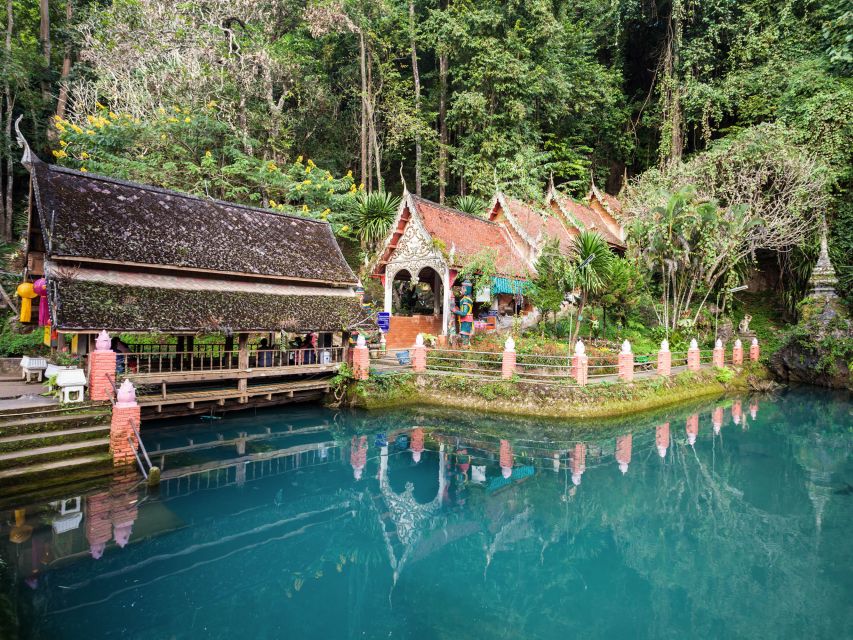
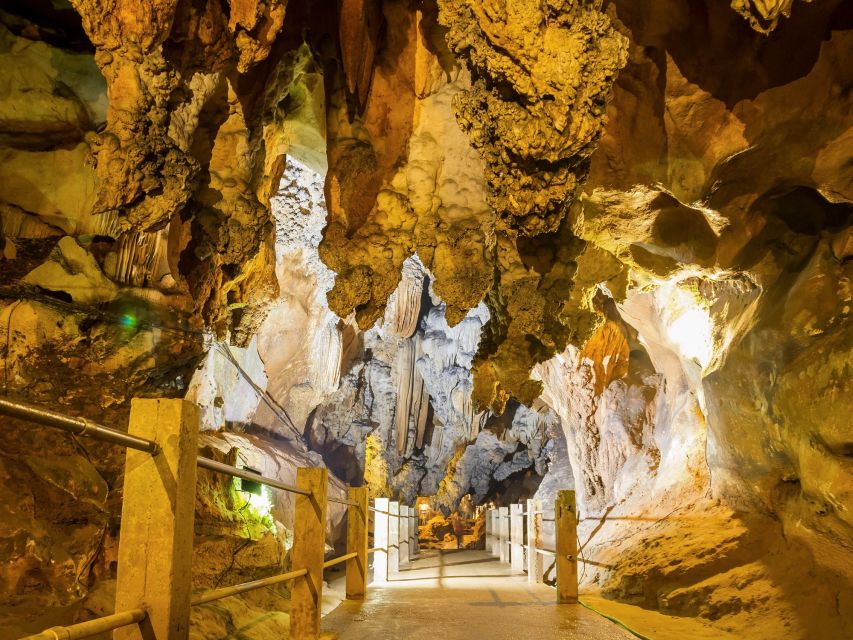
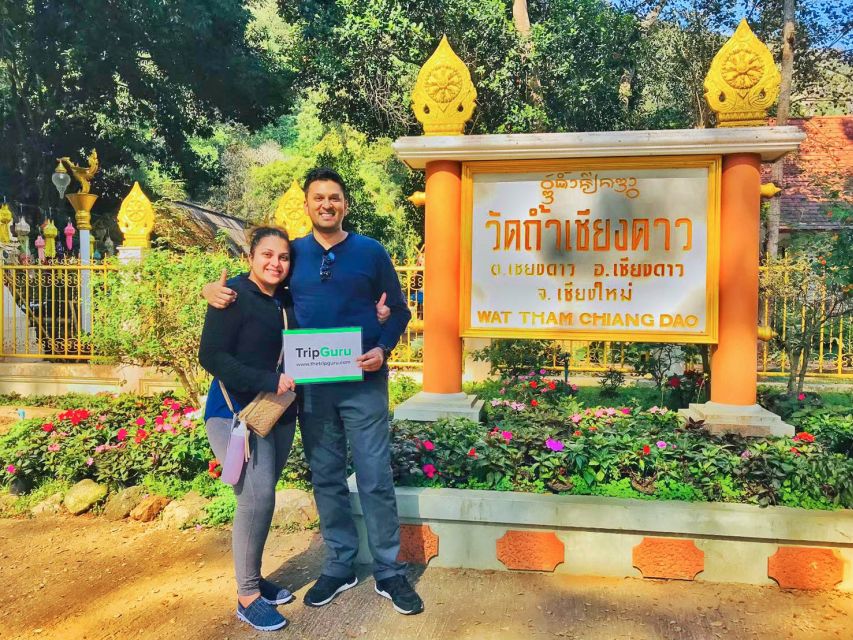
Chiang Dao Cave is also known as Wat Tham Chiang Dao, and it’s the headliner. After a small entrance fee, you start moving through interconnected caverns that run deep into the mountain, with about 7 miles of passages mapped through the area.
Here’s what surprises people: the cave air can feel noticeably cooler, even on hot days. At the same time, weather outside can make it humid inside, so if you tend to sweat easily, wear clothes that dry fast.
Inside, you’re not just looking at stalactites and stalagmites. You also see Buddha statues and offerings, including a 13-foot reclining Buddha, plus a row of five seated Buddhas in the first main cavern. Many first-timers say the seated group is one of the most impressive sights because you can actually take it in, not just speed-past it.
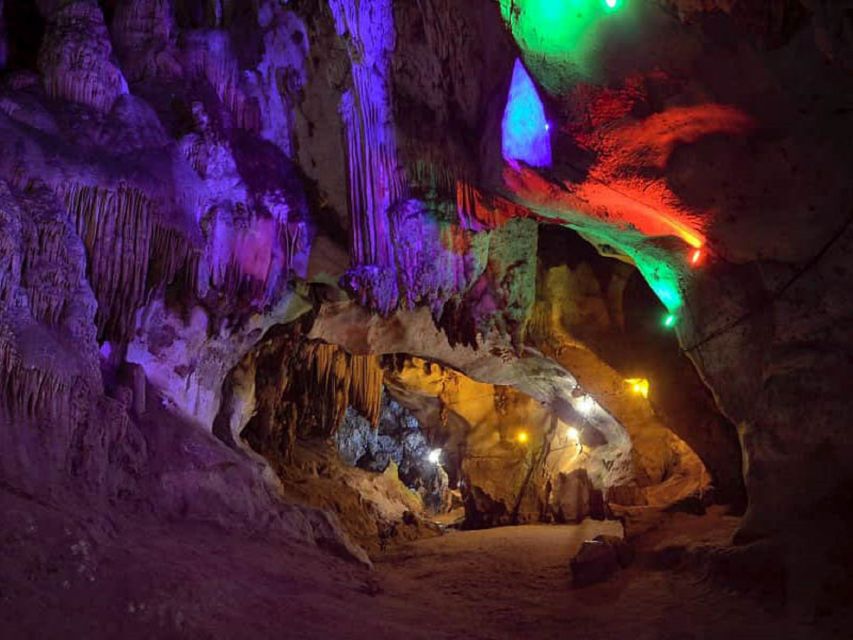
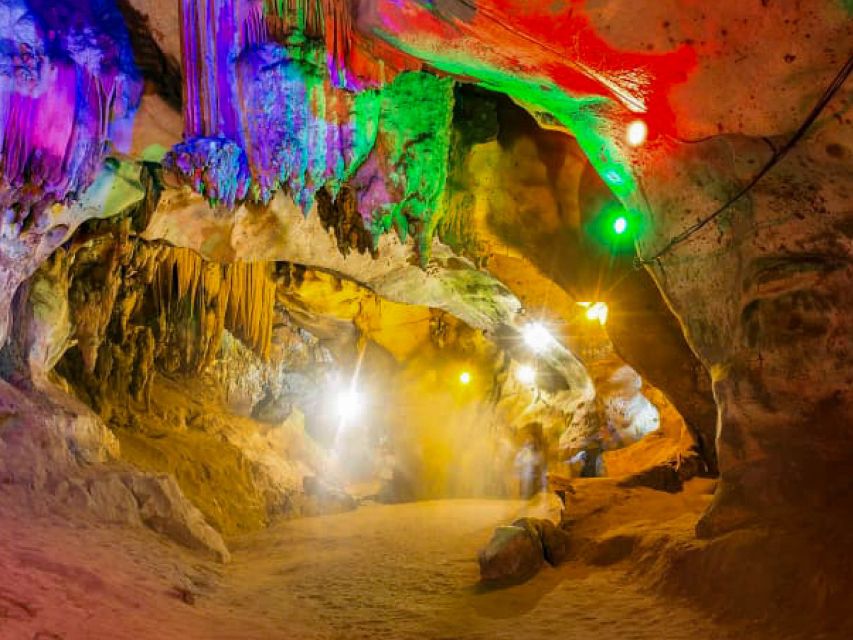
Lighting is part of the experience too. Some sections use electric lights, which makes it easier to keep your footing and understand the spaces, while other parts feel more natural and darker. Either way, it’s a change from typical temple sightseeing in town.
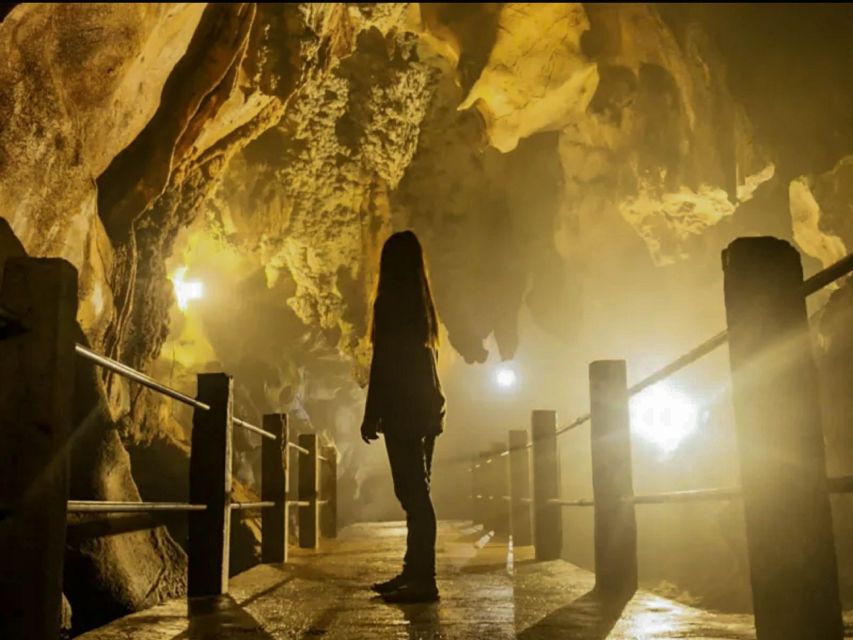
Practical note: the cave is part walkway, part crawling, part ducking. Reviews mention low tunnels and tight squeezes, and that can be a mental adjustment if you don’t love confined spaces.
The optional lantern and local-guide deeper section is usually worth budgeting
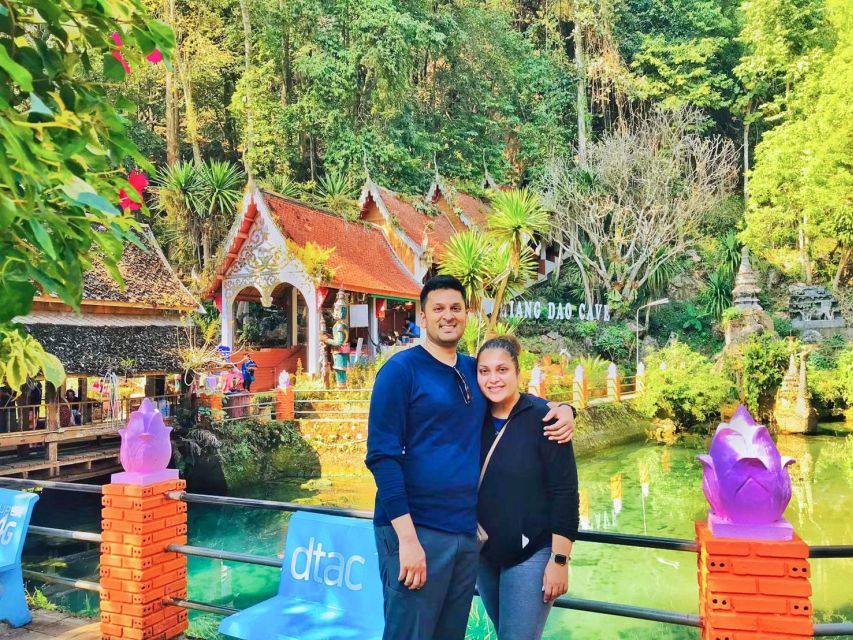
You’ll get the standard route in the cave, and then you may be offered a deeper segment led by a local guide with a lantern. This is extra, paid in cash on the spot, and reviews point to a common fee of around 300 baht.
Why it tends to be worth it: the deeper parts change the whole mood. With a lantern guide, you see formations and details that feel more like exploration than sightseeing. People also describe it as a more natural-feeling guided experience, with the guide explaining what you’re looking at while keeping you oriented.
The tradeoff is physical. The deeper route is more difficult and includes tighter spots. If you’re deciding on the fly, ask your guide what the route will feel like for your comfort level. You can also look at your own energy and do the safe, standard section if you prefer to keep it relaxed.
If you’re hoping for photos, this is one of your better opportunities. Guides such as Art and Tik get praised for knowing picture spots and taking photos without awkward interruptions.


Chiang Dao market lunch: eat local, not just fast food
After the cave, you’re set up for a meal at the Chiang Dao market area. There’s a local restaurant stop and time to eat from what’s on offer, plus time to walk through the market. This is where the trip stops being only about nature and turns into a cultural day.
Because food and drink are not included, you’ll be paying for lunch yourself. The upside is that you get choice, and guides can point you to solid options in the moment rather than sending you to some predictable tourist menu.
A smart approach here is simple: pick one main dish you’re curious about, add a side or snack if it looks good, and don’t try to over-order just because everything looks tempting. You have the waterfall next, and you don’t want a heavy stomach plus climbing.
Bua Tong Sticky Waterfall: how you climb it and what to expect
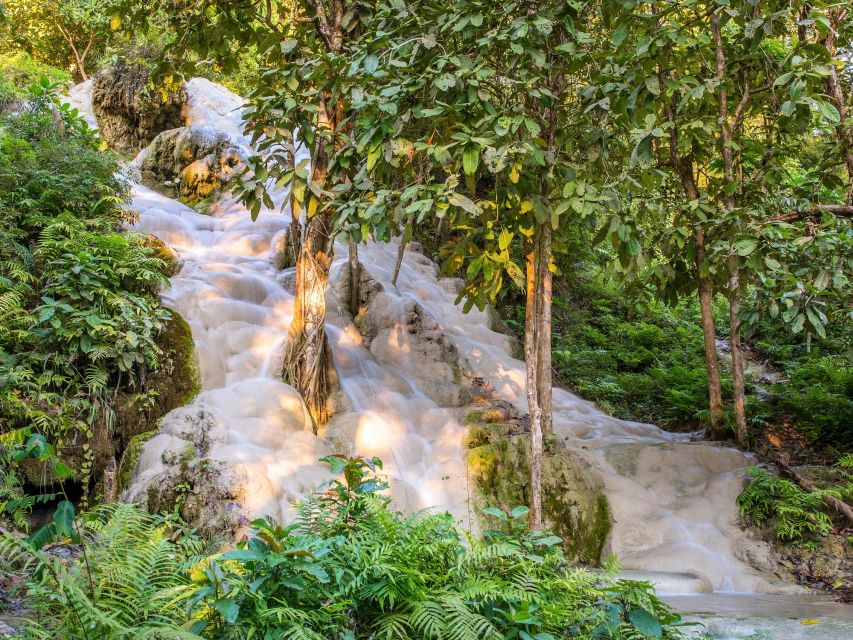
Then comes Bua Tong Sticky Waterfall, famous for the sticky mineral deposits on the rock. The result is traction that lets you climb upward, using a safety rope.
This is not just a photo stop. You’ll spend around 2 hours at the waterfall, which usually means time to climb, take breaks, and cool down. People often expect a short scramble and instead get an experience that feels like a mix of hike and obstacle course.
Water shoes can help, and some visitors prefer rubbery soles for grip. Others go barefoot, but the safer bet is footwear that protects your feet while still helping you stand securely. If you’re prone to slips, grip-focused shoes matter.
You’ll want swimwear and a change of clothes. The waterfall is part walk, part splash zone. A towel is also key unless you plan to dry off in your vehicle like a lizard.
One more tip: start your climb with balance, not speed. The rope is there for safety, and traction is real, but you still need good foot placement.
Also, think about timing. The waterfall can be crowded depending on when you arrive. The fact this itinerary starts from Chiang Mai early enough usually helps you avoid the peak crush, but it’s still a popular spot.
Mae Malai market pass-by: a quick look at daily life
The day includes a pass-by of Mae Malai Market. That usually means you see it as part of the route, not as a long, slow wander. It’s a nice add-on for atmosphere, especially if you like seeing how locals shop and snack before the drive back.
Price and value: what $106 actually buys you
At around $106 per person for an 8-hour day trip, the value comes from the combo: guided cave time, transportation, entrance to Chiang Dao Cave, and hotel pickup and drop-off. You also get a glass bottle of drinking water, plus insurance.
What you should factor in as possible extras:
- Food and drink are not included, so lunch is on you
- There’s a likely on-the-spot cash fee for a lantern and local guide if you want the deeper cave portion
- Some cave items may require proper leg coverage, and wraps can be used or rented depending on the setup you encounter
So the smart value question isn’t just price. It’s whether you want the deeper cave experience and whether you’re comfortable with some crawling and climbing. If yes, this becomes a strong deal because you’re paying once for transport and guidance, then spending your money on the on-site upgrades you choose.
Guides and drivers: why pacing and safety matter here
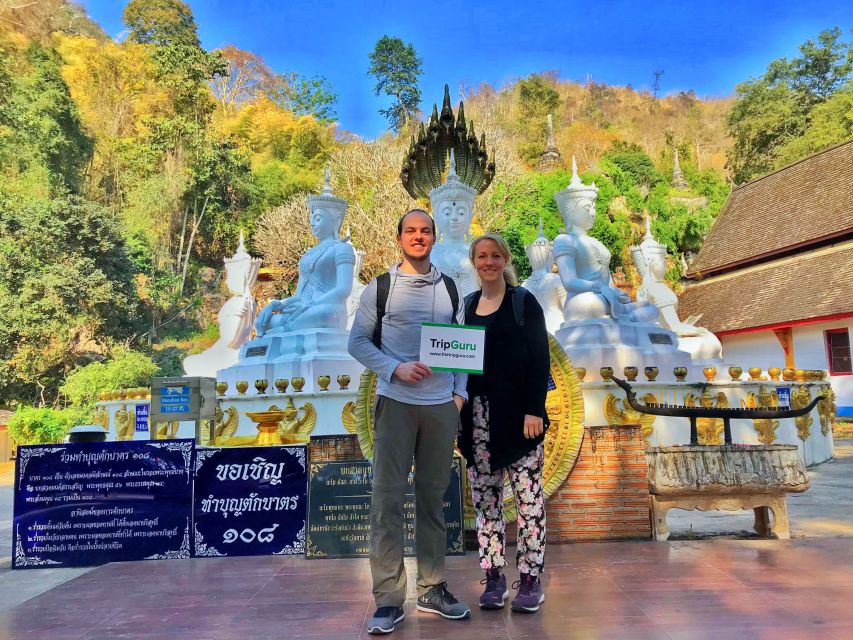
Most of the “wow” in this day trip comes from your guide’s flow control. When the cave is crowded, the timing becomes everything. When the waterfall starts feeling tricky, confidence and calm matter.
In the real-world examples, guides like Samphan and Art get praised for being attentive and knowledgeable about the cave and its details. Avi is mentioned for friendliness and Chiang Mai context, and Nom and Pranom are repeatedly credited with caring for belongings and keeping the day organized.
Even the drivers show up in the pattern. People mention safe, comfortable driving, and that matters because you’ll feel the trip more if you’re tense during the transfers.
Responsible touring: GSTC certification, glass bottles, and fewer plastic habits
This tour positions itself as a responsible option, including GSTC-certified practices. You’re also told that glass-bottle water is used rather than more wasteful packaging, and carbon emissions are offset for each tour.
Will that change your day in a dramatic way? Not directly, but it helps you feel better about doing something popular without shrugging at the environmental footprint.
What to pack, and how to set yourself up for a smoother day
You’ll have a better time if you treat this like an active outdoor day, not a sightseeing carousel. Bring:
- Swimwear
- Change of clothes
- Towel
- Cash for on-site fees
- Flashlight (helpful if you’re doing darker cave sections)
- Long pants and a long-sleeved shirt
- Trekking gear or at least grippy shoes
If you tend to get cold in caves, wear layers that you don’t mind getting damp or dusty. If you sunburn easily, the long-sleeve shirt gives you shade, especially if you end up waiting a bit at stops.
Also, think about mobility. Even if you’re generally okay with walking, the cave includes low and narrow sections. The waterfall includes repeated steps up slippery-looking rock, even with mineral traction.
Who this tour fits, and who should skip it
This is a great match for:
- People who like unique natural sights more than shopping streets
- Travelers who are okay with moderate climbing and uneven surfaces
- Anyone who wants a guided cave experience paired with a hands-on waterfall climb
It’s a bad match for:
- Claustrophobia, because the cave can include tighter passages
- Mobility impairments or back problems, due to the crawling and climbing nature of the walk
- Heart problems, based on the tour’s stated unsuitability
If you’re in the middle, your best move is to be honest about your comfort with tight spaces. You can always choose the easier cave route and still get a strong day.
So, should you book Chiang Dao Cave Trekking from Chiang Mai?
If you want one of the more unusual day trips from Chiang Mai, I think this one is a strong booking. You get a big cave system with Buddha statues, a chance to choose a deeper lantern-guided section, and then the standout payoff of climbing Bua Tong Sticky Waterfall.
Book it if you’re comfortable with some crawling and climbing and you’re willing to pay a bit extra for the deeper cave option if offered. Skip it if confined spaces or physical exertion are a hard no.
One practical recommendation before you go: bring cash, pack swimwear, and plan your energy for the waterfall. If you do that, the day feels efficient, fun, and genuinely different from the usual temple-plus-market route.
FAQ
How long is the Chiang Dao Cave trekking full-day tour?
The tour lasts about 8 hours in total.
What is included in the tour price?
Hotel pickup and drop-off, a tour guide (English), air-conditioned transportation, a glass bottle of drinking water, the entrance fee to Chiang Dao Cave, and insurance are included.
Is lunch included?
Food and drink are not included, but the schedule includes a restaurant stop and a market area where you can eat locally.
Do I need to pay extra for the cave lantern and deeper exploration?
Yes. The fee for a local guide and lantern in the cave is paid on the spot in cash.
How big is the group?
It is a small-group tour limited to 9 participants.
Is the tour only for English speakers?
Yes, the live tour guide is available in English.
What should I bring for the waterfall and the cave?
Bring swimwear, a change of clothes, a towel, cash, a flashlight, long pants, a long-sleeved shirt, and trekking gear.
Is hotel pickup available from anywhere in Chiang Mai?
Pickup is only offered from hotels or registered accommodations. The operator cannot pick up from roadsides or shopping malls.
Is this tour suitable for claustrophobia or mobility issues?
No. It is not suitable for people with claustrophobia, mobility impairments, back problems, or heart problems.
Thai treks, continued
Guided Thai outings, continued
What else made it into the Thailand notebook
What else made it into the Chiang Mai notebook
- Half day Long Neck hill tribe and Hmong hill tribe village
★ 5.0 · 21 reviews - Chiang Rai One Day: Golden Triangle, Laos Border, Long Neck Tribe
★ 3.5 · 21 reviews - Old Town Chiang Mai Food Tour with 10+ Local Dishes Tastings
★ 5.0 · 21 reviews - 5 Day Tuk Tuk Adventure in Chiang Mai – with driver
★ 5.0 · 21 reviews - 1 Hour Foot Relaxing – Free Transportation
★ 5.0 · 21 reviews - Rantong elephant sanctuary Chiangmai
★ 4.4 · 21 reviews
Hiking & Trekking, compared.
 ★ 5.03-in-1: Doi Inthanon Tour, Elephant Sanctuary, and Trekking TrailFrom $481,087 reviews
 ★ 4.6Doi Inthanon Trip with Pha Dok Siew Guided TrekFrom $50910 reviews
 ★ 4.7Doi Inthanon Park with Kew Mae Pan Hike Day TripFrom $62841 reviews
 ★ 4.6Doi Inthanon Park and Pha Dok Siew Trail TrekFrom $61752 reviews
 ★ 4.6Chiang Mai – Doi Suthep Temple & Wat Pha Lat HikeFrom $25740 reviews
★ 5.0Chiang Mai – Doi Suthep Temple & Wat Pha Lat HikeFrom $26657 reviews
★ 4.6Chiang Mai – Doi Suthep Temple & Wat Pha Lat HikeFrom $25740 reviews
★ 5.0Chiang Mai – Doi Suthep Temple & Wat Pha Lat HikeFrom $26657 reviews
 ★ 5.0Doi Inthanon Private Tour with Trek & Lunch from Chiang MaiFrom $135622 reviews
 ★ 4.5Doi Inthanon National Park and Pha Dok Siew TrekFrom $39527 reviews
Browse the lists this tour appears in