
REVIEW · CITY TOURS
Chiang Mai: Temple & City Tour Part II
Chiang Mai’s temple stories get way better on foot. This walk connects Wat Chiang Man (1296) with Shan and Burmese history through Wat Chiang Yuen, Wat Pa Pao, and the unusual Wat Ku Tao chedi. I love that the temples are not just pretty backdrops, they come with clear explanations, and I also like that you are given practical temple etiquette, plus plenty of photo help from guides who know their way around. One thing to plan for is the heat and the long stretch of walking, so start hydrated and bring what you need, especially an umbrella.
You’ll begin at 08.20 and follow a relatively easy route between four iconic sites. The biggest payoff for me is the way this tour frames Chiang Mai as a meeting point, not a bubble, with Shan residential roots and the Burmese overlord connection tied directly to what you see. A small drawback: food and extra drinks are not included, so you will want to plan your own breaks and water breaks.
In This Review
- Key highlights to look for on this Chiang Mai temple walk
- A Temple Walk That Tracks Chiang Mai’s Shan and Burmese Layers
- Starting at 08.20: Timing, Pace, and How to Handle the Weather
- Wat Chiang Man: Mengrai’s 1296 Temple and the Crystal Buddha Thread
- Wat Chiang Yuen: The 16th-Century Shan Residential Space
- Wat Pa Pao: Shan-Burmese Style Outside the Old City Walls
- Wat Ku Tao: The Unusual Chedi and Prince Saravadi’s Ashes
- How Your Guide Makes Temple Visits Practical (Not Just Decorative)
- Price and Value: What $31 Covers and Why Food Is Up to You
- What to Bring and the Temple Rules You Actually Need to Know
- Who This Chiang Mai Temple & City Tour Part II Fits Best
- Should You Book This Chiang Mai Temple & City Tour Part II?
- FAQ
- What time does the tour start?
- How long is the Chiang Mai Temple & City Tour Part II?
- Which temples are included?
- Is food included in the price?
- What languages are the live guides?
- Is the tour private or small group?
- What should I bring?
- Is there free cancellation?
Key highlights to look for on this Chiang Mai temple walk
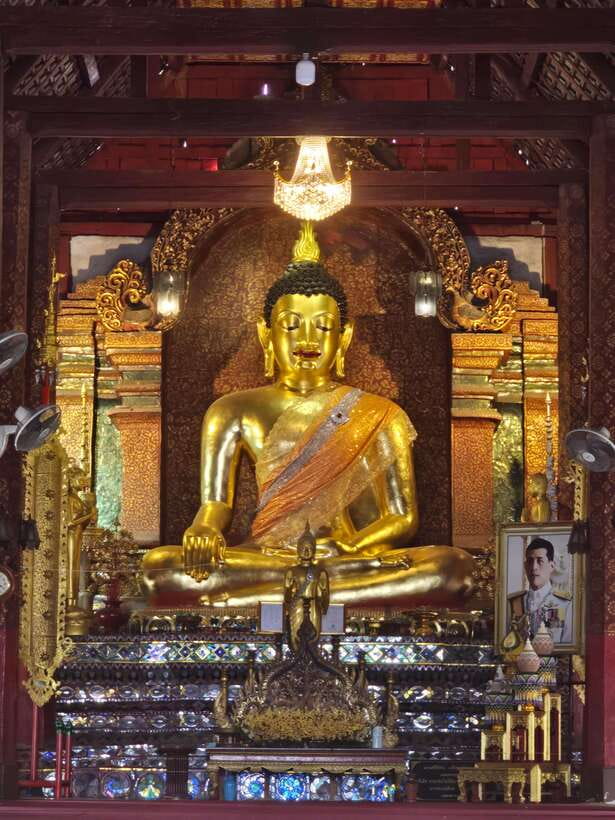
- Wat Chiang Man (built 1296), linked to King Mengrai and the crystal Buddha statue story
- Wat Chiang Yuen (16th-century), tied to Shan residential life in the area
- Wat Pa Pao, a Shan-Burmese style temple that sits outside the old city walls and moats
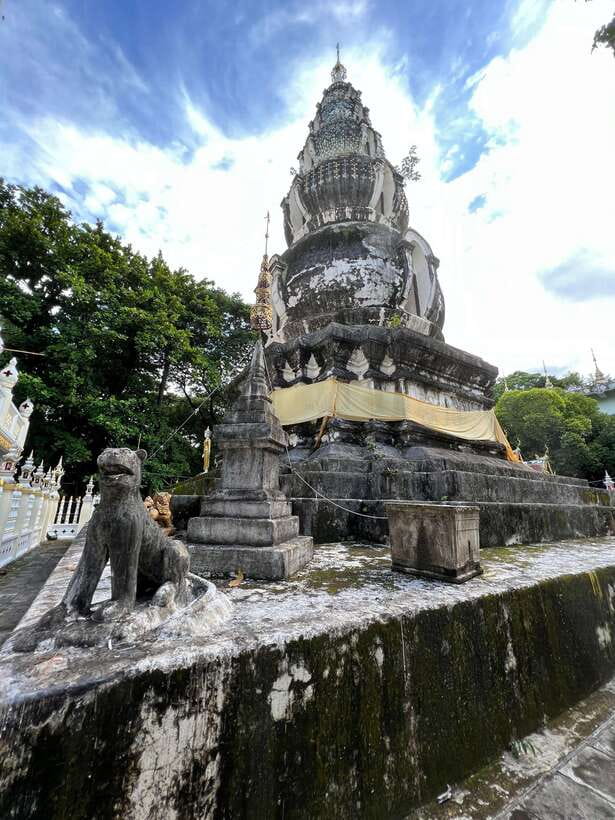
- Wat Ku Tao (thought built 1613), with a chedi connected to Prince Saravadi, the first Burmese overlord of Chiang Mai
- Ex-monk style teaching and photo-friendly guiding, with etiquette tips and time to ask questions
Thai city outings also got written up
- Chiang Mai: 3 Hour Old City and Temples Guided Walking Tour★ 4.6 · 1,568 reviews
- Chiang Mai: Historic Temples and City Guided Walking Tour★ 4.7 · 650 reviews
- Chiang Rai Day Trip from Chiang Mai City with Golden Triangle★ 4.5 · 531 reviews
- Chiang Mai: Historic Old City Bike Tour – Morning or Night★ 4.7 · 263 reviews
A Temple Walk That Tracks Chiang Mai’s Shan and Burmese Layers
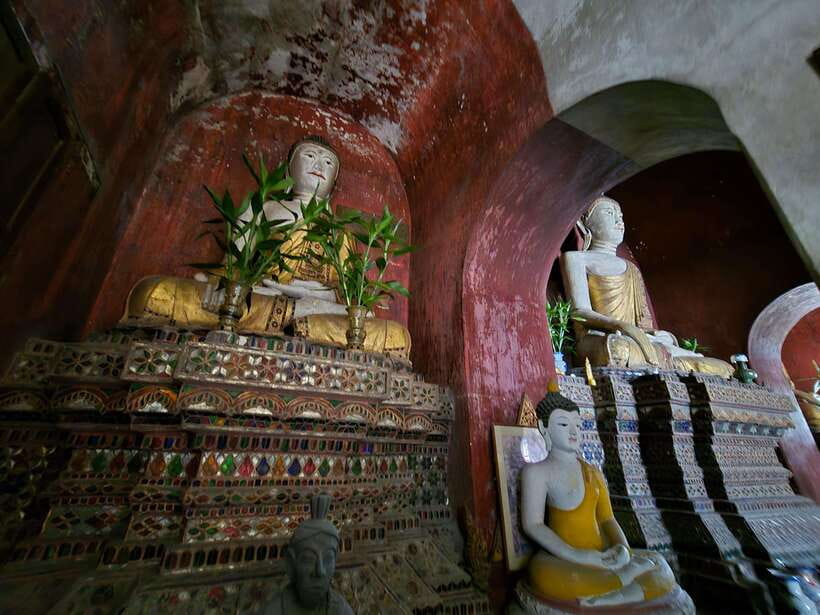
This tour is for you if you want Chiang Mai that feels human and historical, not just “tourist temple number four.” I like that the route is built around a theme you can actually see, Shan community space, Burmese influence, and Chiang Mai’s own royal origins, all folded into temple architecture and sacred objects.
What makes it especially satisfying is how the stops build on each other. Wat Chiang Man gives you the anchor point inside Chiang Mai town. Then the walk pushes outward in meaning, from the Shan residential space of Wat Chiang Yuen, to the Shan-Burmese style of Wat Pa Pao, and finally to the power story behind Wat Ku Tao.
And yes, there’s a modern touch too. The tour is designed with an environmental mindset, including offsetting carbon emissions and reducing environmental impact. That may not change the view, but it makes the whole day feel more considered.
Starting at 08.20: Timing, Pace, and How to Handle the Weather
The tour starts at 08.20, which is smart in Chiang Mai. Mornings give you cooler air for temple walking and fewer crowds to fight with at entrances.
Expect a walking tour with a relatively easy pace, but do not let the word easy fool you. Temple days add up. You are moving between sites, stopping for explanations, and standing around for photos and prayer practice, so your feet will notice by the end.
Bring the practical basics the tour calls for:
- Umbrella (sun or sudden showers, Chiang Mai keeps you guessing)
- Drinks
- Cash
If you are sensitive to heat, treat this like a full morning outing, not a casual stroll. One simple trick I recommend is to start slow for the first half hour, so your body is not already tired when the first temple “wow” moment hits.
Wat Chiang Man: Mengrai’s 1296 Temple and the Crystal Buddha Thread
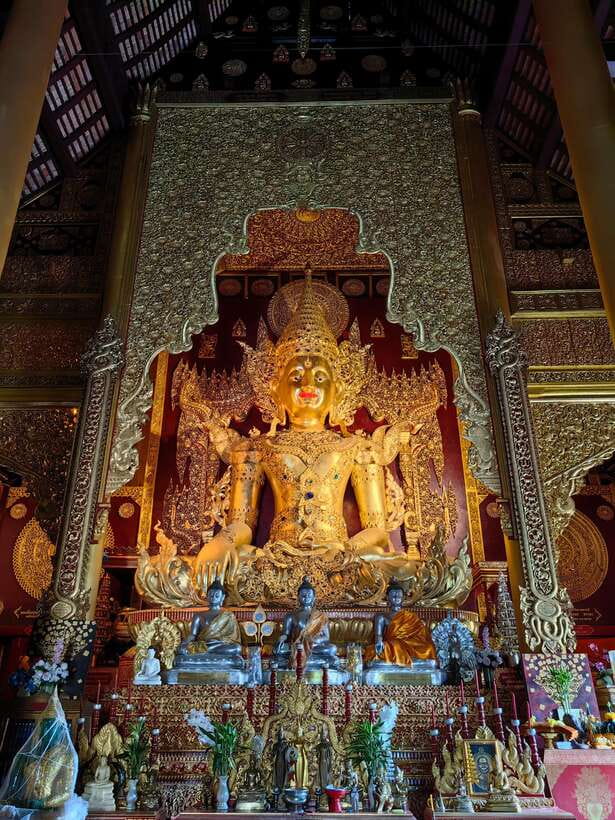
Your first major stop is Wat Chiang Man, described as the oldest temple in Chiang Mai town. It dates to 1296, built by King Mengrai, and that connection matters because it sets the tone for why these temples are more than landmarks.
The story you should listen for here is the crystal Buddha statue that was enshrined at the temple. Even if you’ve seen Buddha images before, this is the kind of detail that makes a temple feel anchored in a specific moment of history, not just an ongoing tradition.
What I like about starting here is how it gives you a mental map. Once you understand the oldest reference point, the later temples make more sense. You’ll notice style differences and the geographic shift outside the old walls more clearly, because you have context.
Possible drawback to consider: this temple, like many major sites, can have bright light and busy entrance areas. Wear something that lets you move comfortably, and plan for time at the main areas before you get quieter corners.
Wat Chiang Yuen: The 16th-Century Shan Residential Space
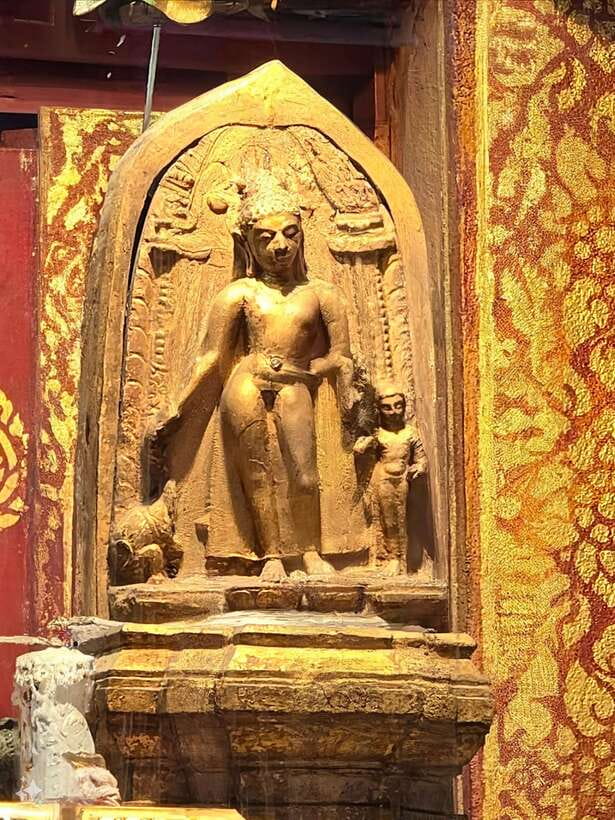
Next comes Wat Chiang Yuen, a 16th-century temple in an area that served as a residential area of the Shan people. That detail is the key. You are not just looking at a building, you are stepping into the idea of a community space that used to surround the temple.
Temples tied to daily life often hit differently. You start thinking about who lived nearby, how worship fit into routines, and why the layout and setting matter. This stop helps you see Chiang Mai as a regional crossroads, where ethnic groups and cultures shaped the religious landscape.
This is also where I’d lean into questions. In the guides’ style described from past guests, the best moments often happen when the guide slows down and explains why something is the way it is, not just what it is. If you care about Buddhism as a lived practice, this is a good place to ask how people approach merit, prayer, or temple etiquette.

Wat Pa Pao: Shan-Burmese Style Outside the Old City Walls
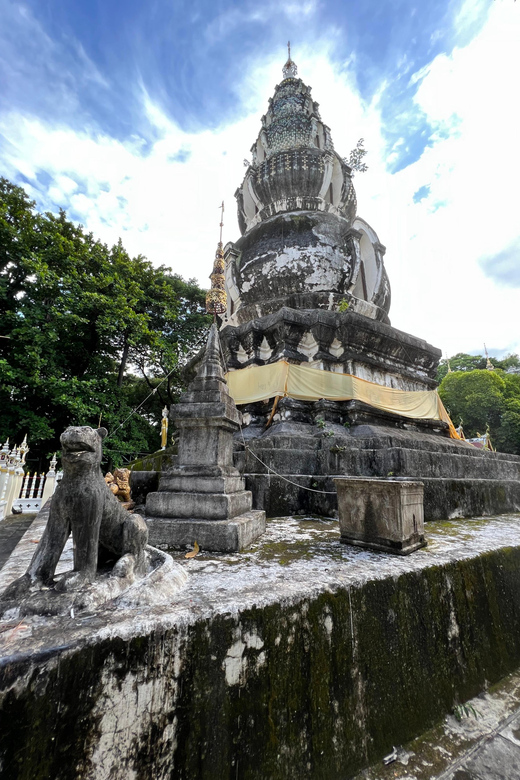
Then you move to Wat Pa Pao, which is described as a Shan Burmese style temple located outside the old city walls and moats. That outside-the-walls positioning is not just a geography detail. It signals how religious influence spread beyond the core city center.
This temple’s style matters because it helps you connect cultural history to visible design. When a guide points out Shan-Burmese elements, you get a stronger sense of how Chiang Mai absorbed and translated influences over time.
You’ll also feel the pacing shift. Being outside the core old city areas often means more open walking space, which can be refreshing after the denser feel of the oldest temple. Just remember: open space also means more sun. That umbrella you brought will probably earn its keep again.
One more practical note: this is a walking day. Even if each temple stop is manageable, you’ll want to time your water sips so you don’t wait until you feel overheated.
Wat Ku Tao: The Unusual Chedi and Prince Saravadi’s Ashes
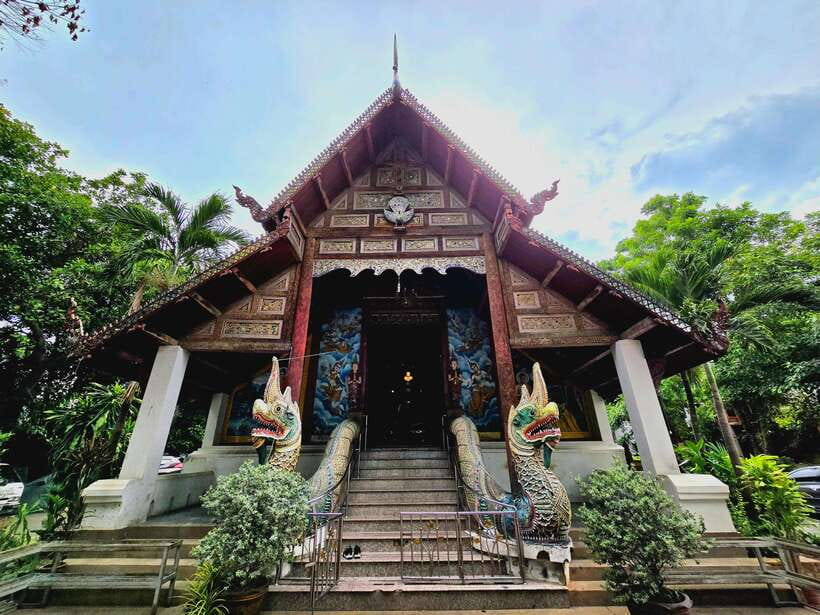
The final temple in the set is Wat Ku Tao, known for a highly unusual chedi thought to have been built in 1613 to hold the ashes of Prince Saravadi (1578 to 1607). He’s identified as the first Burmese overlord of Chiang Mai.
This is where the tour theme clicks for many people. The history is not distant. It is literally built into what you are standing in front of. A chedi tied to a specific political shift makes the religious landscape feel like an archive.
I like that because it keeps the day from becoming only aesthetic. Yes, you’ll see details worth looking at. But you are also learning why power, lineage, and belief got intertwined in the region.
If you’re into storytelling: ask your guide to connect Prince Saravadi to the surrounding regional context. Even basic explanations here can make the architecture feel more readable.
How Your Guide Makes Temple Visits Practical (Not Just Decorative)
A big reason this tour earns such strong marks is the way guides teach. Past guests highlight guides who explain Buddhism beliefs and practice in an understandable way, and guides who know proper etiquette for entering temples. Some guides also share experience that goes beyond normal tour guiding.
For example, names like Katoon show up with references to ex-monk teaching and the ability to discuss monk life and meditation basics. Other guides, like Mr. Big or Eddy, are described as friendly, attentive, and very hands-on with explanations and even photo help.
What you should take from that for your own day: don’t treat this as a “look and leave” tour. This is a chance to practice understanding. If your guide asks you to slow down, follow their lead. When you’re taught simple prayer steps or how to behave inside sacred spaces, the whole visit becomes more respectful and more interesting.
Also, bring your curiosity. When guides are patient about questions, you’ll often learn more from your own follow-ups than from the first explanation.
Price and Value: What $31 Covers and Why Food Is Up to You
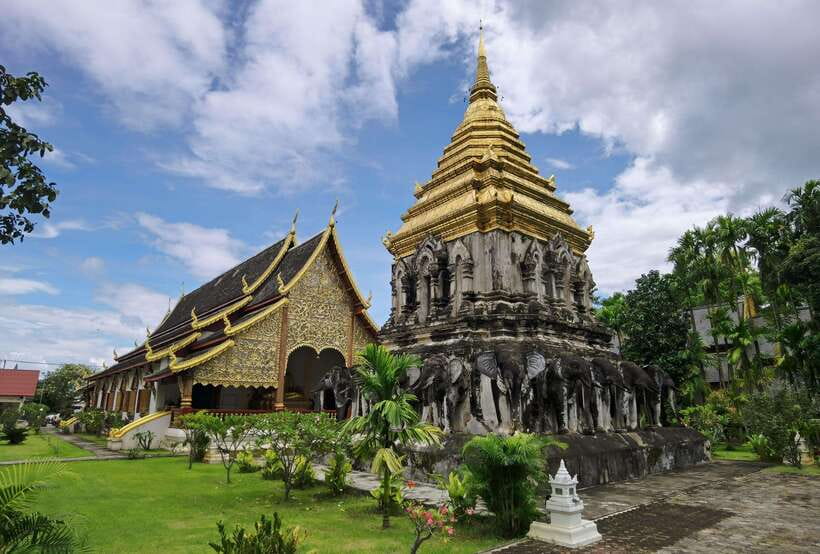
At about $31 per person for a 1-day tour, the value is tied to the guide and the walk. You are paying for interpretation, not just transportation between four temples.
Here’s what is included:
- Tourist guide
- Walking tour
- Hotel pickup and drop-off if you choose the private option
What is not included:
- Food and additional drinks
That split matters. In Chiang Mai, temple mornings can turn into a long afternoon. If you wait too long to eat, you’ll feel it. I recommend building a simple plan in your mind: where you’ll buy water, where you’ll eat afterward, and how you’ll stay comfortable.
One more value angle: the tour also mentions efforts to offset carbon and reduce environmental impact. That doesn’t replace good planning from you, but it adds another layer of “worth it” for people who care about travel footprint.
What to Bring and the Temple Rules You Actually Need to Know
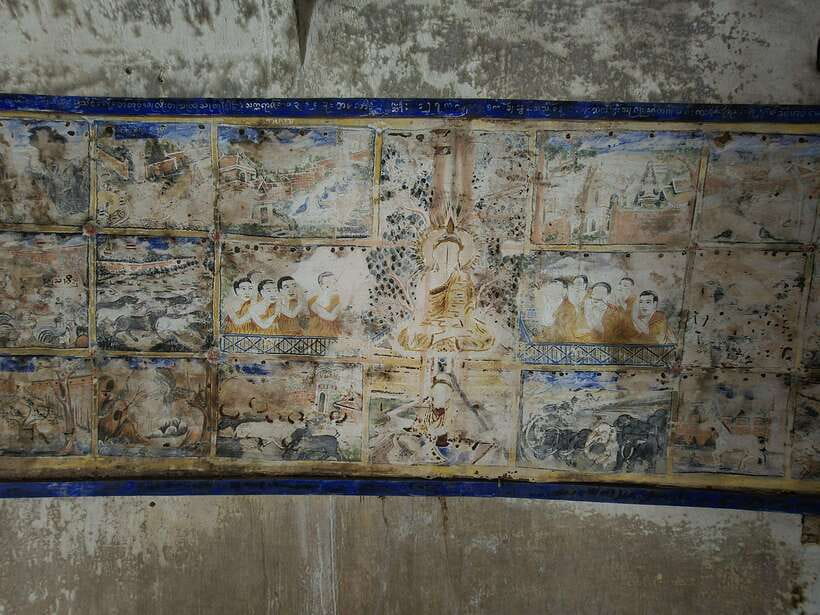
This walking day has real, practical requirements. Follow them and your experience will feel smoother.
Bring:
- Umbrella
- Drinks
- Cash
Plan clothing with temple respect in mind. Short skirts are listed as not allowed, and there are several clear do-not items like drones and weapons. The tour also lists restrictions on pets, smoking indoors, intoxication, alcohol and drugs, and loud disruptive behavior.
If you are traveling with someone who might be affected by restrictions, check suitability first. The tour is listed as not suitable for:
- Children under 2 years
- Babies under 1 year
- Pregnant women
- Wheelchair users
That might sound strict, but it often comes down to comfort during walking and shared expectations around sacred spaces.
Finally, one logistics tip from lived experience: meeting points can sometimes be described using codes instead of obvious street addresses. If your tour details include a hard-to-read location code, save a screenshot of the map and check a nearby landmark in your phone before you go. It can save a lot of stress.
Who This Chiang Mai Temple & City Tour Part II Fits Best
This is a great choice if you:
- Want a temple-focused walking tour that connects history to what you see
- Prefer learning from a guide with real depth on Buddhism and temple etiquette
- Like small-group or private-style pacing, so you can ask questions and take your time
It’s especially good as a follow-up if you did another part of a Chiang Mai city and temple tour earlier. The themes continue, and you’ll notice patterns you might miss on a first pass.
If you hate walking or you need frequent, long breaks due to mobility or comfort needs, you might find the format challenging. And if you are very early in your Chiang Mai trip, you may still enjoy it, but you’ll get the most meaning if you have a bit of city orientation first.
Should You Book This Chiang Mai Temple & City Tour Part II?
I’d book it if you want your Chiang Mai temples to mean something. The route through Wat Chiang Man, Wat Chiang Yuen, Wat Pa Pao, and Wat Ku Tao gives you a story arc, not random stops. Add in guides who can explain Buddhist practice and correct temple behavior, plus the fact that this tour is built around an easier walking style, and it becomes a strong value day.
Skip or reconsider if you know you are sensitive to heat, you dislike walking between multiple sites, or you need food included during the tour.
If you want a respectful, history-to-architecture kind of day, this one delivers.
FAQ
What time does the tour start?
The tour starts at 08.20 am.
How long is the Chiang Mai Temple & City Tour Part II?
It lasts for 1 day.
Which temples are included?
Wat Chiang Man, Wat Chiang Yuen, Wat Pa Pao, and Wat Ku Tao.
Is food included in the price?
No. Food and additional drinks are not included.
What languages are the live guides?
The live tour guide speaks English, Chinese, and Thai.
Is the tour private or small group?
Yes. Private or small groups are available.
What should I bring?
You should bring an umbrella, drinks, and cash.
Is there free cancellation?
Yes. You can cancel up to 24 hours in advance for a full refund.
Thai city outings, continued
Guided Thai outings, continued
What else made it into the Thailand notebook
What else made it into the Chiang Mai notebook
- Full-Day Doi Inthanon National Park Tour with Trek and Pagodas
★ 4.5 · 20 reviews - Chiang Mai Private Tourist Guide with Private Transportation
★ 5.0 · 20 reviews - Private Luxury Car rental + English speaking driver:
★ 5.0 · 20 reviews - Half day Long Neck hill tribe and Hmong hill tribe village
★ 5.0 · 21 reviews - Chiang Rai One Day: Golden Triangle, Laos Border, Long Neck Tribe
★ 3.5 · 21 reviews - Old Town Chiang Mai Food Tour with 10+ Local Dishes Tastings
★ 5.0 · 21 reviews
City Tours, compared.
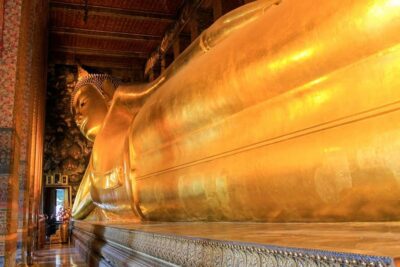 ★ 4.5City Highlights Temple and Market Walking TourFrom $423,990 reviews
 ★ 4.5Full Day City Tour with Night MarketFrom $312,888 reviews
 ★ 4.7Guided Tour of Phuket City with Hotel TransfersFrom $382,527 reviews
 ★ 4.63 Hour Old City and Temples Guided Walking TourFrom $161,568 reviews
 ★ 4.5Phuket City Tour with Wat Chalong, Big Buddha & Famous ViewpointsFrom $271,285 reviews
 ★ 4.5Travstore Original Phuket Discovery Tour – Shared Half Day City TourFrom $211,103 reviews
 ★ 5.0Historical City of Ayutthaya – Unesco Full Day Tour From BangkokFrom $41847 reviews
 ★ 5.0Lopburi Monkey Temple & Ayutthaya Old City Tour From BangkokFrom $61719 reviews
Browse the lists this tour appears in