
REVIEW · COOKING CLASSES
Bangkok: Hands-on Thai Cooking Class & Market Tour in Sathon
Fresh curry starts with what you pick. This hands-on Bangkok class in Sathon mixes a quick Suan Phlu market walk with proper cooking skills, and it focuses on the parts most people skip. What I love is getting to make curry paste and coconut milk from scratch, then cooking four dishes you can eat hot and fresh. The main drawback to consider is the food can lean spicy, so you should speak up early if you want it mild.
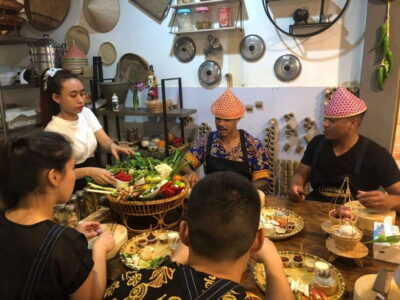
You’ll meet at a cooking school in Suan Phlu, Sathon, then take a short walk to the Suan Phlu fresh market. The big win here is that the ingredient hunt and cooking time connect, so you’re not just watching someone else cook. You also get take-home recipes, plus a personal locker and all the ingredients and equipment you need, so you can focus on learning without scrambling.
At $45 for about 3.5 hours, this is priced like a full-value cooking class, not a quick demo. One note: alcohol is sold separately, so plan on water (which is included) if you want to keep your budget tight.
In This Review
- Key things that make this class worth your time
- Fresh Curry Starts at Suan Phlu Fresh Market
- Meeting in Sathon, Then Walking to the Market
- Choosing Ingredients That Actually Drive the Flavor
- Making Fresh Coconut Milk and Curry Paste From Scratch
- Cooking Four Thai Dishes, Then Eating While Hot
- Spice Level and Diets: What You Can Customize
- Teachers Who Keep It Clear, Not Complicated
- What You Get to Take Home (And Why It Matters)
- Price and Logistics: Paying for Time, Ingredients, and Practice
- Who This Class Fits Best
- Should You Book This Thai Cooking Class in Sathon?
- FAQ
- How long is the Bangkok Thai cooking class and market tour?
- What dishes will I cook?
- Is alcohol included?
- Can the class accommodate dietary restrictions?
- What languages are the instructors?
- Where do I meet the group?
Key things that make this class worth your time
- Suan Phlu fresh market right next door, so shopping and cooking stay linked
- Coconut milk and curry paste from scratch, not pre-made shortcut versions
- Four Thai dishes cooked on your schedule, then eaten while hot
- Different daily menus, so you can pick a lineup based on your day in Bangkok
- Clear instruction for beginners, with teachers who explain and guide
- You take the recipes home, so your cooking at home has a real roadmap
Thai kitchens got sat through and written up
- Bangkok: Hands-on Thai Cooking Class and Market Tour★ 4.9 · 1,614 reviews
- Bangkok: Tingly Thai Cooking School Half-Day Cooking Class★ 4.9 · 1,191 reviews
- Bangkok: Maliwan Thai Cooking Class with Market Tour★ 4.9 · 1,133 reviews
- Hands on Thai Cooking Class and Market Tour★ 5.0 · 660 reviews
Fresh Curry Starts at Suan Phlu Fresh Market
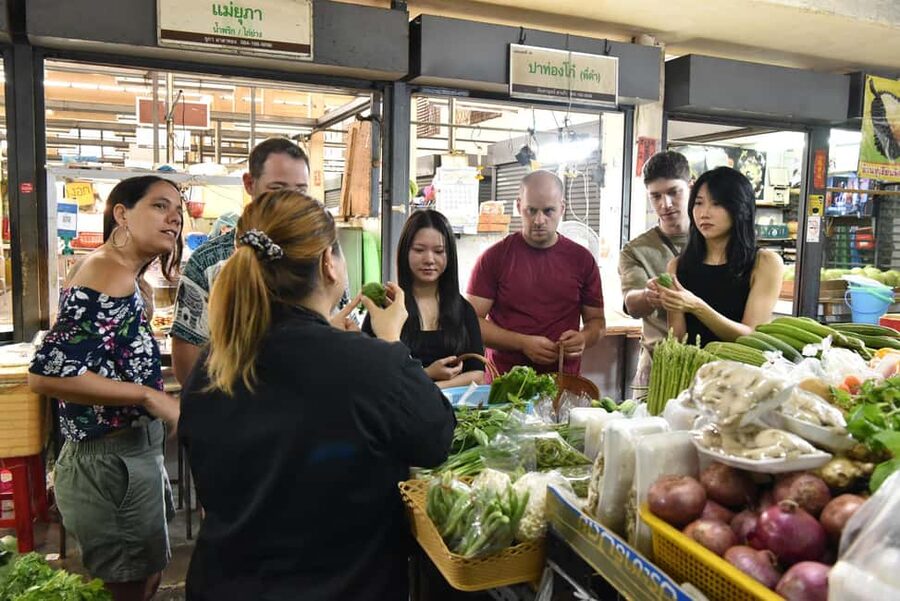
The Suan Phlu fresh market visit is one of the smartest parts of this experience because it teaches you how Thai cooking really works. Instead of learning recipes as isolated steps, you learn what each dish needs, and why you choose certain ingredients. You’ll be picking items for the menu you’ll cook that day, and that makes the cooking section feel practical, not theoretical.
This also helps your future cooking. When you know what to look for, you’re more likely to recreate the dish at home with decent results. Even if you can’t find every Thai ingredient in your local supermarket, you’ll at least understand what you’re replacing and what role the ingredient plays.
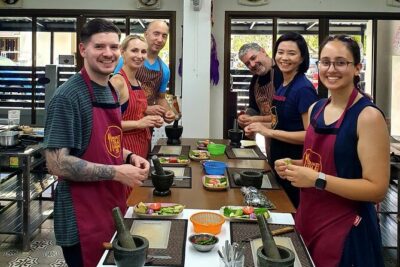
The class runs in a private group format, which matters more than you might think. Fewer people means more direct help at the cutting board and the mortar. And it’s the kind of class where it helps to ask questions in plain language, including about spice level and substitutions.
Meeting in Sathon, Then Walking to the Market
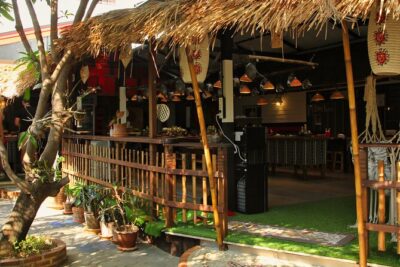
You start at a cooking school in Suan Phlu, Sathon, with the Suan Phlu fresh market behind it. The meeting point you should search is 33, Thanon Suan Phlu, behind Suan Phlu Market, Thung Maha Mek, Sathon Bangkok 10120. After that, you head to the market for your ingredient selection.
Timing is built into the flow. The class is about 210 minutes, which is long enough to cook four dishes and still eat them properly while warm. In other cooking classes, you often leave hungry because everything happens fast and you only taste at the very end. Here, the pacing is designed so you can get through the menu while the food is at its best.
You also get drinking water and a personal locker, so you’re not juggling bags around a hot cooking area. That kind of small comfort lets you stay focused. It’s easier to learn when you can keep your workspace calm.
Also, the instructor communicates in English and Thai, which makes a real difference if you’re not confident with your Thai vocabulary. You can follow what’s happening, not just what you’re supposed to do.
Choosing Ingredients That Actually Drive the Flavor
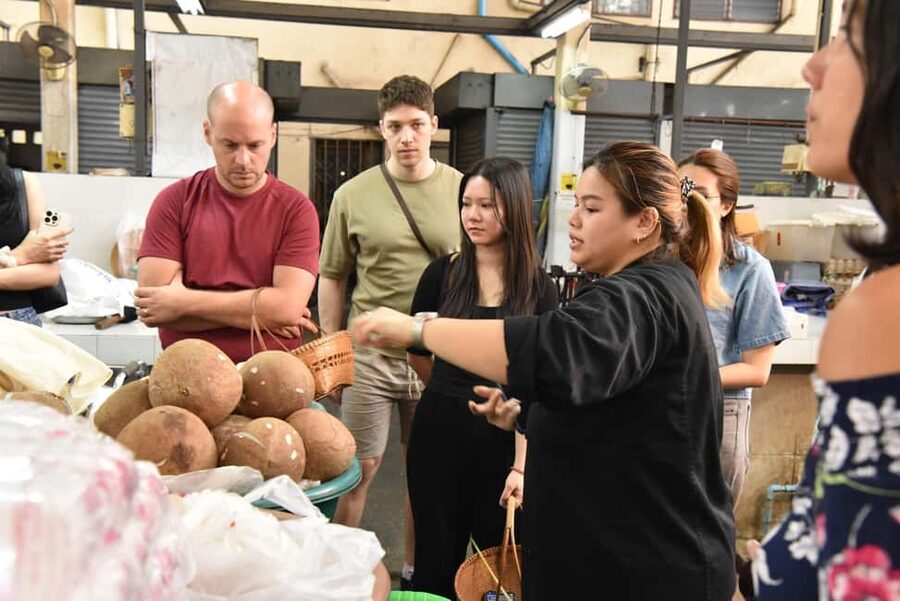
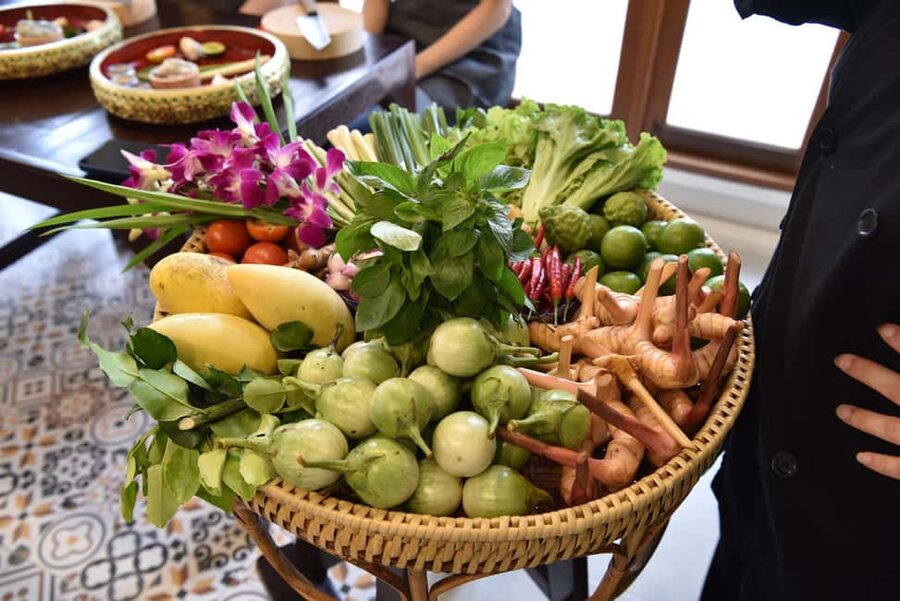
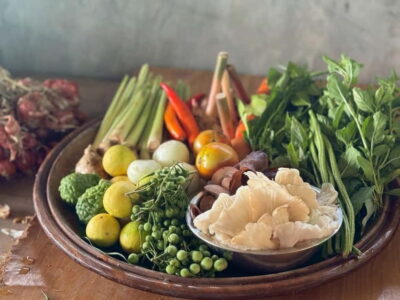
This class makes a big deal out of the ingredient step because Thai cooking is ingredient-led. Your menu includes things like herbs, vegetables, rice noodles, and the classic curry building blocks. When you select fresh ingredients yourself, you immediately understand what changes the flavor, texture, and aroma.
During the market portion, you learn about exotic Thai ingredients, including produce, herbs, and spices. You’re also introduced to key items tied to your dishes. That’s where the class goes beyond “buy these things” and starts to become genuinely useful.
One practical benefit: if you like, you can often pick up a few extra items while you’re at the market for your own experiments at home. Not everything will be easy to replace, but buying a couple of staples can help you recreate at least part of the flavor profile. Even if you only bring back dried or packaged ingredients, you’ll have a head start.
Making Fresh Coconut Milk and Curry Paste From Scratch
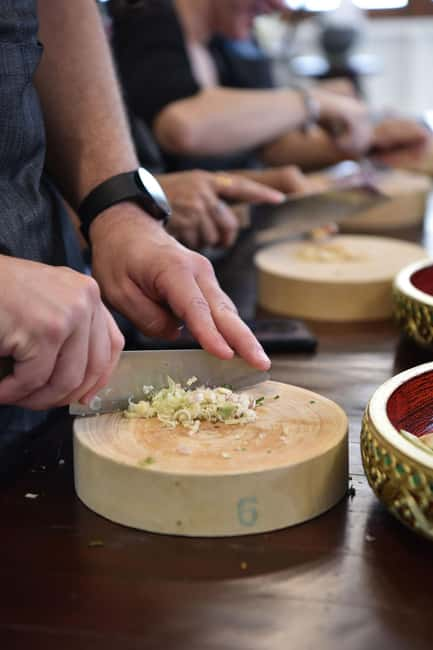
This is the centerpiece skill, and it’s exactly why this class feels worth the money. Making fresh coconut milk and curry paste from scratch turns Thai cooking from a mystery into a process you can repeat.
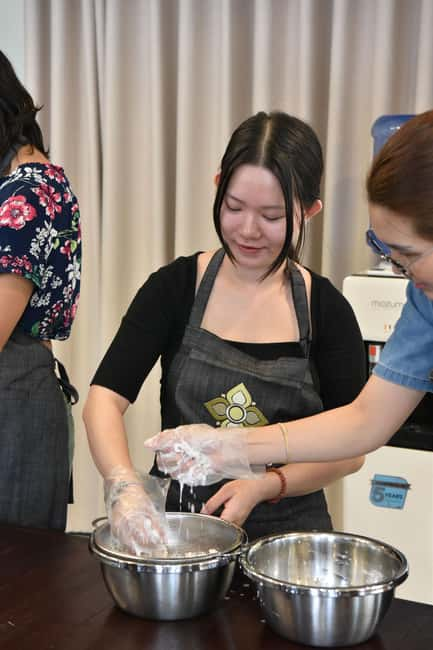
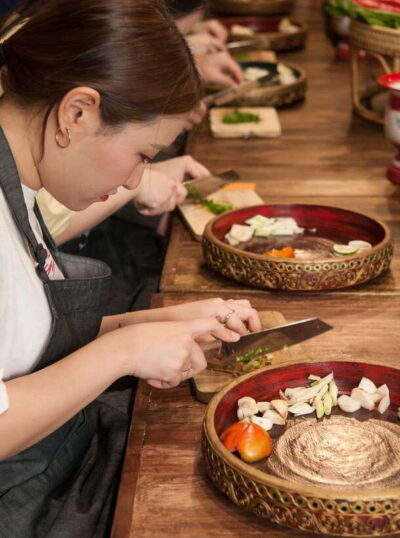
You’ll get your hands in it, including grinding and mixing to build the paste. Curry paste is not just flavor, it’s the structure of the curry. When you build it yourself, you understand how spice, aromatics, and texture work together.
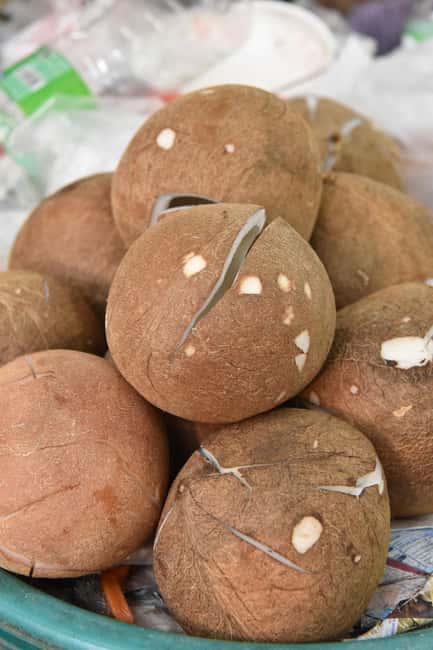
And coconut milk is similar. If you’ve only used canned coconut milk at home, it’s easy to think it’s all the same. The class approach teaches you what changes when the coconut milk component is fresh and handled properly. Even if your home version won’t match perfectly, you’ll know what to aim for.
If you’re new to cooking, don’t worry. The instruction style is simple and step-by-step, and teachers keep it approachable. Several people highlighted that anyone can follow along, which lines up with the way the cooking stations are set up for real participation.
Thai market visits sat in the same notebook



Cooking Four Thai Dishes, Then Eating While Hot
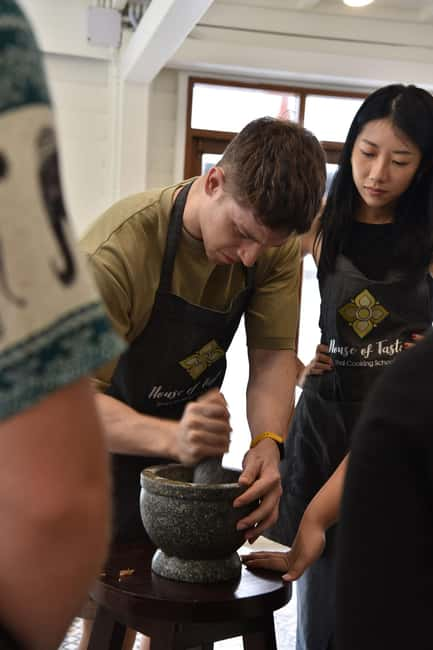
The cooking section is about two hours and includes four dishes. That combination matters. You get a full class arc, then you get the payoff while it’s still hot, not after everything cools down.
Most menus include Mango Sticky Rice as the sweet finish. It’s a classic choice for good reason: it gives you that Thai dessert experience without turning the class into a complicated pastry lesson. It’s also a good way to end the meal on something that feels celebratory, not heavy.
Your weekday menu changes, and that’s one of the best reasons to match the class to your calendar. Here are the lineups:
- Monday: Thai Papaya Salad (Som Tum), Stir-Fried Noodles with Shrimp (Pad-Thai), Green Curry with Chicken, Mango Sticky Rice
- Tuesday: Spicy Coconut Soup with Chicken (Tom Kha Gai), Stir-Fried Thai Basil Chicken (Pad Krapow Gai), Red Curry with Chicken, Mango Sticky Rice
- Wednesday: Hot and Sour Soup with Shrimp (Tom Yum Goong), Stir-Fried Flat Rice Noodles with Chicken (Pad See Ew), Green Curry with Chicken, Mango Sticky Rice
- Thursday: Spicy Minced Chicken Salad (Larb Gai), Stir-Fried Noodles with Shrimp (Pad-Thai), Panang Curry with Chicken, Mango Sticky Rice
- Friday: Thai Papaya Salad (Som Tum), Stir-Fried Thai Basil Chicken (Pad Krapow Gai), Red Curry with Chicken, Mango Sticky Rice
- Saturday: Spicy Coconut Soup with Chicken (Tom Kha Gai), Stir-Fried Noodles with Shrimp (Pad-Thai), Green Curry with Chicken, Mango Sticky Rice
- Sunday: Hot and Sour Soup with Shrimp (Tom Yum Goong), Stir-Fried Flat Rice Noodles with Chicken (Pad See Ew), Panang Curry with Chicken, Mango Sticky Rice
The repeated favorites like Pad Thai, curry, and mango sticky rice give you that balanced Thai meal feeling. And the variety across soups, salads, and stir-fries means you’re not only learning one technique. You’re practicing the logic behind different flavor profiles: sour and spicy, herbal and savory, creamy and aromatic, crisp and fresh.
Spice Level and Diets: What You Can Customize
Thai food is bold. Sometimes that means heat. The good news is you can accommodate dietary preferences and restrictions by providing substitute ingredients for vegetarian, halal, kosher, and allergy-sensitive guests.
That’s important because it’s not just about removing one ingredient. Substitutions in Thai cooking can affect texture and flavor, especially in curries and salads. When the class offers substitutes, you can still learn the steps with an end result that fits your needs.
Here’s the practical way to use this flexibility: tell the instructor what you need before cooking starts, not after. If you want it mild, say so early. If you avoid certain ingredients, list them up front. That keeps your cooking smoother and helps the staff adjust your ingredient plan.
Teachers Who Keep It Clear, Not Complicated
Good instruction is the difference between a class you remember and a class you forget. People have praised the teachers for being friendly, clear, and focused on making the steps easy to follow.
You might meet instructors like Pitch (sometimes listed as Pitcher), April, or Jay, depending on the day. Each one is described as creating a relaxed, fun atmosphere while still getting you to produce real Thai dishes. That’s the best combination: calm confidence plus actual technique.
One tip you can steal from this teaching style: watch for the small decisions. Thai cooking often rewards timing and texture, like how long you stir noodles or when to stop reducing a sauce. You’ll get guidance during cooking, and you’ll also get recipes so you can repeat those decisions at home.
What You Get to Take Home (And Why It Matters)
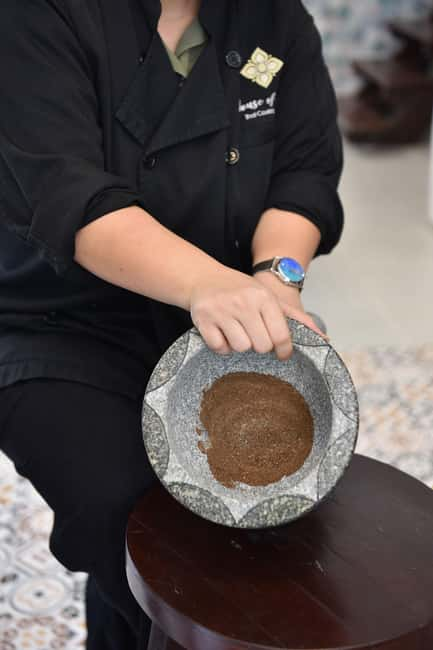
You don’t just leave with satisfaction. You leave with recipes, and they’re provided free of charge. Having the written steps is what turns your experience into a skill.
Thai cooking can look intimidating because it uses a lot of ingredients and looks complex. Recipes bridge the gap. When you return home, you can rebuild the dishes you made here without guessing which ingredients were for which step.
This is also why the market ingredient selection matters. When you try to recreate at home, you’ll remember the shopping logic. You’ll know what you were aiming for: fresh herbs, specific spice intensity, and the base flavors in curry and soup.
If you want to do more than one “practice night,” pick one menu item to start. Recreate the sauce or paste first, then move to the dishes once you’re comfortable with that flavor foundation.
Price and Logistics: Paying for Time, Ingredients, and Practice
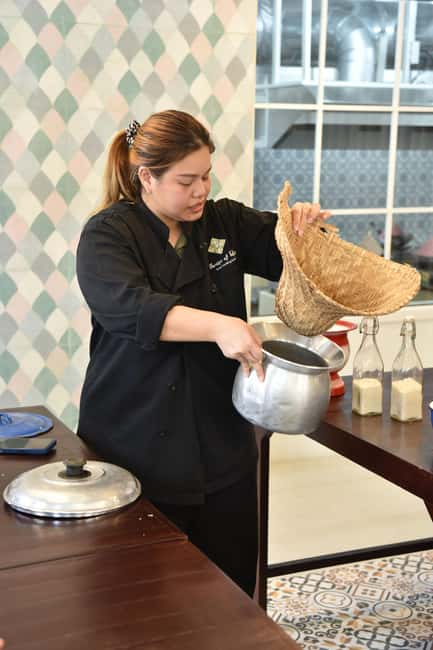
The price is $45 per person for about 210 minutes. For Bangkok, that’s fair when you consider what’s included.
You get:
- four-course meal components (four dishes you cook)
- all ingredients and cooking equipment
- water
- a personal locker
- recipes at no extra charge
- a market tour each class session
In other words, you’re paying for guided practice plus the raw materials to do it. You’re not paying extra for every “ingredient add-on.” And the lesson is built around doing the work, not just watching.
Alcohol isn’t included and is available for purchase, so your final total depends on what you order. If you want a predictable budget, stick to water and keep it simple.
One logistical consideration: since this is in Suan Phlu, Sathon, you’ll want to plan your transport from where you’re staying. Bangkok traffic can be unpredictable, so build in buffer time.
Who This Class Fits Best
This is a great fit if you want real Thai cooking skills, not just food tasting. You’ll do the ingredient selection, you’ll cook four dishes, and you’ll make core components like curry paste and coconut milk.
It also works well for families with children, based on how the class is described. That usually means the pacing is manageable and instruction is kept clear.
It’s also ideal for:
- beginners who want step-by-step coaching
- food lovers who want to understand ingredients, not just flavors
- anyone staying in or near Sathon who wants a meaningful Bangkok activity without long travel time
If you hate spicy food, you should still go, just communicate your heat preference right away. Thai dishes often include chili, but you can usually adjust the intensity with guidance.
Should You Book This Thai Cooking Class in Sathon?
If your goal is to leave Bangkok with skills you can use at home, this is a strong choice. You’re paying for a structured meal plus hands-on cooking, and the standout element is making curry paste and coconut milk from scratch. The four-dish format also keeps it fun, because you get multiple wins instead of one big dish.
I’d skip it or think twice only if you’re very sensitive to Thai spice and you don’t want to communicate your preferences. Otherwise, it’s a smart way to experience Thai food through ingredients and technique, not just a “taste and go” stop.
FAQ
How long is the Bangkok Thai cooking class and market tour?
The experience runs for about 210 minutes.
What dishes will I cook?
You cook four Thai dishes, and the menu changes by day of the week. Mango sticky rice is included, and examples include dishes like Pad Thai, green curry, Tom Yum Goong, and Som Tum depending on your day.
Is alcohol included?
No. Alcoholic drinks are available for purchase, but they are not included.
Can the class accommodate dietary restrictions?
Yes. Suitable substitute ingredients can be provided for vegetarian, halal, kosher, and allergy-sensitive guests.
What languages are the instructors?
The instruction is available in English and Thai.
Where do I meet the group?
Search for 33, Thanon Suan Phlu, behind Suan Phlu Market, Thung Maha Mek, Sathon Bangkok 10120 on your map app.
Thai kitchens you can book into
Guided Thai outings, continued
What else made it into the Thailand notebook
What else made it into the Bangkok notebook
- Discover UNESCO World Heritage Sites – Ayutthaya to Khao Yai National Park
★ 5.0 · 7 reviews - Damnoen Saduak Floating Market & Maeklong Train Market Tour
★ 5.0 · 7 reviews - Unique and Scenic Slow Boat Tour from Bangkok to Ayutthaya
★ 5.0 · 7 reviews - Bangkok Tour: Highlights & Hidden Gems & Long Tail Boat
★ 4.5 · 7 reviews - Silom Thai Cooking Experience with Market Visit
★ 5.0 · 7 reviews - Private Tour: Grand Palace,Wat Phra Kaew, Museum&Cooking Class
★ 5.0 · 7 reviews
Cooking Classes, compared.
 ★ 5.0Half-Day Thai Cooking Class at Organic Farm in Chiang MaiFrom $2919,087 reviews
 ★ 4.9Cooking Class, Market & Thai Herbs Garden TourFrom $314,824 reviews
 ★ 4.9Authentic Cooking Class with Market & Farm VisitFrom $344,546 reviews
 ★ 5.0Thai and Akha Cooking Class in Chiang MaiFrom $424,358 reviews
 ★ 5.0Phuket Thai Cooking Class with Market Tour OptionFrom $652,665 reviews
 ★ 4.9Hands-on Thai Cooking Class and Market TourFrom $451,614 reviews
 ★ 4.9Cooking Class with Market and PickupFrom $251,365 reviews
 ★ 4.9Tingly Thai Cooking School Half-Day Cooking ClassFrom $411,191 reviews
Browse the lists this tour appears in