
REVIEW · CHIANG RAI WHITE AND BLUE TEMPLE TOURS
From Chiang Rai: 3 Temples, Golden Triangle Tour, Tea Plantation
Chiang Rai is best sampled in one long day. This tour strings together the White Temple and Blue Temple, then adds the Golden Triangle sights, the Opium Museum, a long-neck Karen village visit, and a tea plantation stop, all with hotel pickup and drop-off built in. I especially like the all-in pacing for first-timers, and the way the day stays organized thanks to an English-speaking guide like Ping (and sometimes Fido, Yolk, or M, depending on your group). The one drawback to plan for is that it’s a full 10 hours, and you may face extra costs like a boat ride fee at the Golden Triangle area, plus the Black House admission is not included.
You get a lot for the money because lunch is included (a buffet), the vehicle is air-conditioned, and you also receive drinking water and insurance. Most entry tickets are included as well, which matters when you’re trying to avoid surprise add-ons in between stops.
This works best if you want a guided whirlwind of northern highlights without spending time building your own route. With a maximum group size of 12, it’s not a big cattle-car experience, but it still involves plenty of walking and moving between hills and viewpoints.
In This Review
- Key things that make this tour work
- A fast, focused day around Chiang Rai’s most famous sights
- Getting picked up and the small-group pace you’ll feel
- Wat Rong Khun, the White Temple in real life
- House of Opium Museum and how the Golden Triangle story fits together
- Long-neck Karen village visit, what to expect and how to be respectful
- Golden Triangle, watching borders meet the Mekong
- Wat Rong Seur Ten, the Blue Temple restoration visit
- Baan Dam Museum, Black House art in dark teak wood
- Tea plantations and Chui Fong’s end-of-rain season appeal
- Price and what you should budget beyond the tour cost
- The guide makes the day: what to look for in your group
- Who this tour is best for (and who should skip it)
- Should you book this Chiang Rai 3 Temples and Golden Triangle tour?
- FAQ
- What time does the tour start in Chiang Rai?
- How long is the Chiang Rai 3 Temples, Golden Triangle, and Tea Plantation tour?
- Is this tour private?
- What’s included in the price?
- Which stops have admission tickets included, and what is not included?
- Is hotel pickup and drop-off included?
- Are there extra costs you might need to pay during the day?
- Does the tour include a guide and language support?
- What happens if the weather is poor?
Key things that make this tour work
- Hotel pickup and drop-off in Chiang Rai keeps the day low-stress and efficient
- English-speaking guides like Ping, Fido, Yolk, and M can make the history and symbolism click
- A tight route that covers temples, museums, Golden Triangle, a village visit, and tea all in one day
- Included lunch buffet plus water and insurance, which helps when you’re on the go for hours
- Most tickets included, but plan for Black House (Baan Dam) and optional boat riding extra
Wat Rong Khun runs also got a going over
- Chiang Rai: Guided Highlights Guided Tour with Buffet Lunch★ 4.9 · 1,532 reviews
- Chiang Rai: Iconic Temples & 7 Major Sites—River View Buffet★ 4.9 · 692 reviews
- Chiang Rai: White, Blue, Red Temples, Long Neck Tour★ 4.8 · 652 reviews
- Sightseeing Join Tour Chiang Rai / PICK UP ONLY IN CHIANG RAI★ 4.5 · 398 reviews
A fast, focused day around Chiang Rai’s most famous sights
If you’re only in Chiang Rai for a short time, you face a choice: either you do a bit of everything on your own, or you let a guide handle the logistics. This tour is built for the second option. You’ll move from landmark to landmark, with a schedule that tries to squeeze in multiple styles of Thai and regional culture in one day.
What I like most is that the stops aren’t all the same type of place. You get sculpted temple art at Wat Rong Khun and Wat Rong Seur Ten, a museum stop at the Hall of Opium, a cultural village visit to the long-neck Karen community, a borderland viewpoint at the Golden Triangle, and then something calmer at the tea plantation. It’s a mix that helps the day feel varied instead of repetitive.
One thing to keep in mind: the itinerary is “up and down” style travel. You’ll spend time going up and down hilly temple areas and moving between sites, so comfortable shoes are a must. If you prefer slow travel with lots of downtime, this may feel like a sprint.
Getting picked up and the small-group pace you’ll feel
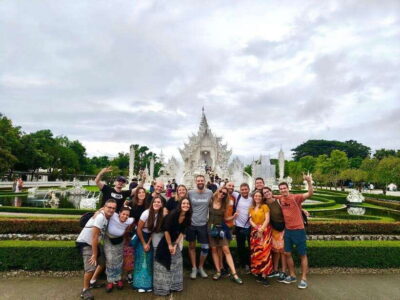
The day starts at 8:00 am, with pickup from your hotel and then return drop-off to Chiang Rai. The tour runs about 10 hours total, and it’s designed as a joint tour, not private. That means you’re sharing the vehicle and guide time with other guests, but the cap is 12 people, so it stays manageable.
In reviews, the group size has often been described as small, like a minibus with around 9 people. In practice, that kind of headcount usually makes it easier to hear the guide, take photos without bottlenecks, and ask a question without waiting your turn forever.
Also watch for the “itinerary flexibility” feel that comes with a day this full. You’re going to hit the key sights, but there’s still travel time to and from the hills and viewpoints. If you’re the type who needs exact minutes to stay calm, build in a little patience for the natural rhythm of road travel and queue times.
Wat Rong Khun, the White Temple in real life
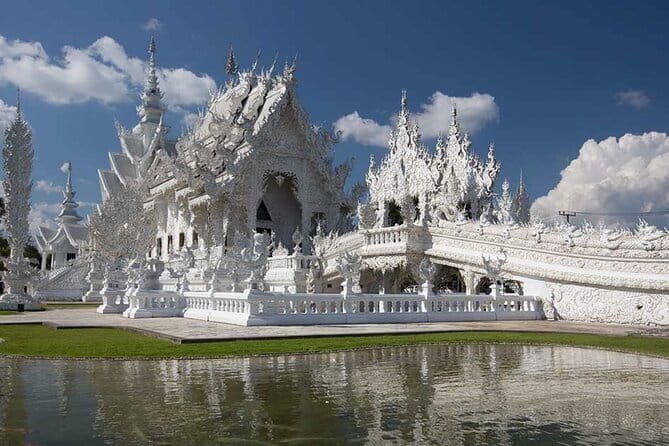
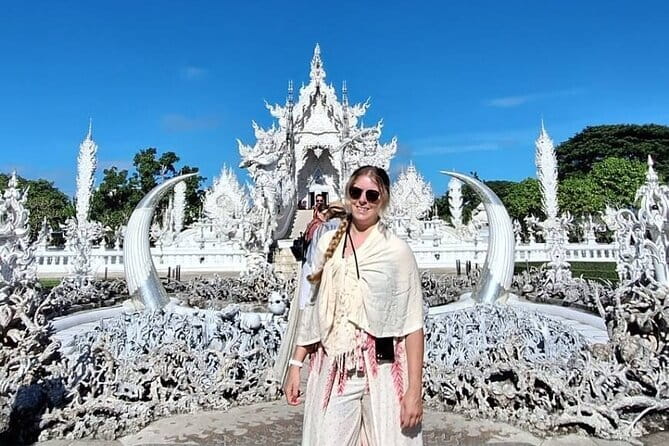
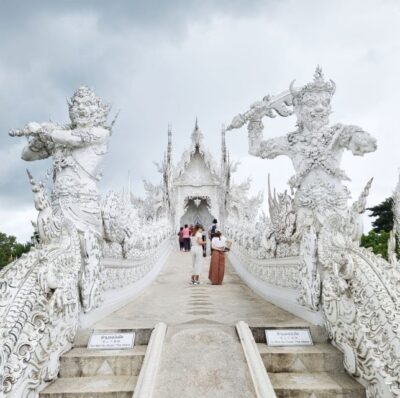
Wat Rong Khun, the White Temple, is the kind of place that looks unreal in photos and then becomes even more interesting once you’re standing in front of it. The main draw here is its bold, white exterior and its distinctive artistic design, which is why it’s often the first stop on a Chiang Rai highlight list.
From a practical point of view, this is also a great first temple stop because the site is iconic and visually clear. When your day includes multiple temples, starting with Wat Rong Khun helps you set the visual theme and vocabulary for what you’re seeing. Your guide can point out what to pay attention to, so you’re not just taking pictures and hoping you remember what mattered later.
One tip for your visit: go with a plan for photos, not just a camera. Decide whether you want wide shots of the main facade, close-ups of the details, or both. The best photos come when you’re not rushing through everything at the last second.
House of Opium Museum and how the Golden Triangle story fits together
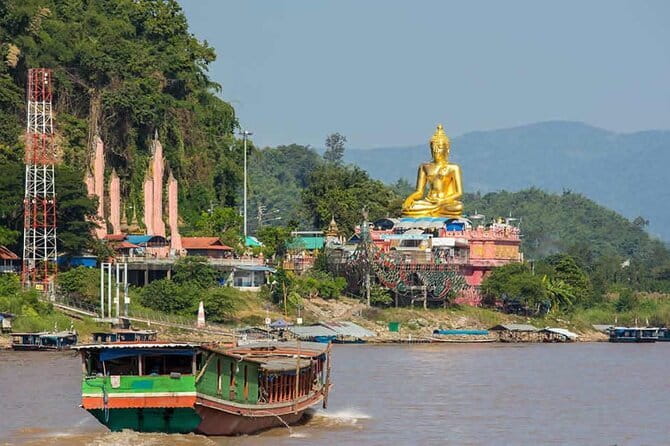
Next up is the Hall of Opium at the Golden Triangle Park. This part of the day changes the mood from pure temple aesthetics to something more educational. The museum uses a mix of multimedia and exhibitions, which helps you understand how this region became tied to the opium trade, and why the Golden Triangle concept exists in the first place.
Even if museum history isn’t your main travel style, I think this stop is valuable because it adds context. After you’ve visited the borderland viewpoint at the Golden Triangle, the museum helps you connect the landscape to human stories rather than treating it like just a scenic stop.
Because you’re short on time, the museum duration is set to about an hour. That means you should choose your focus. If you like visuals, stay with the multimedia sections. If you prefer reading, concentrate on the exhibition areas that explain the big shifts over time.
Golden Triangle days also got written up

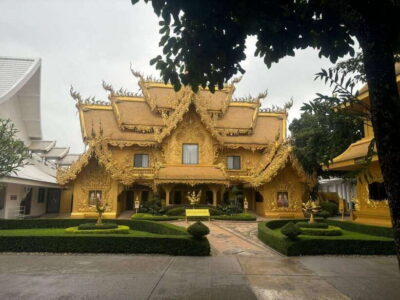
Long-neck Karen village visit, what to expect and how to be respectful
The Longneck Karen Village visit is a chance to meet a community known as long-neck Karen, who refer to themselves as Padaung. The tour includes about an hour here, with an emphasis on seeing the village and learning about their background, including the idea that their roots are linked to Yunnan Province in central China, based on the community’s account.
This is one of those cultural stops where your behavior matters. I suggest treating it like a respectful introduction, not a zoo visit. Ask questions if your guide invites you to, listen carefully to the explanations, and keep your camera use mindful of people’s comfort.
Also remember this is still part of a packed day. You might do some walking and you’ll be moving again soon after. If you want the visit to feel meaningful, slow down for the key moments rather than trying to see everything at full speed.
Golden Triangle, watching borders meet the Mekong
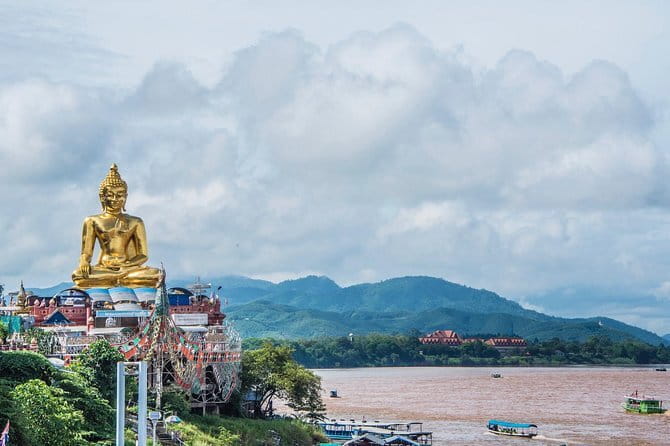
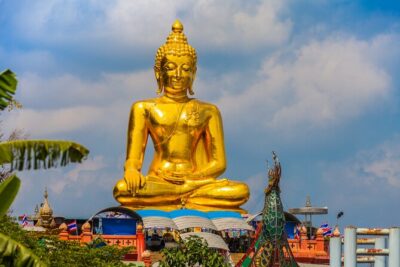
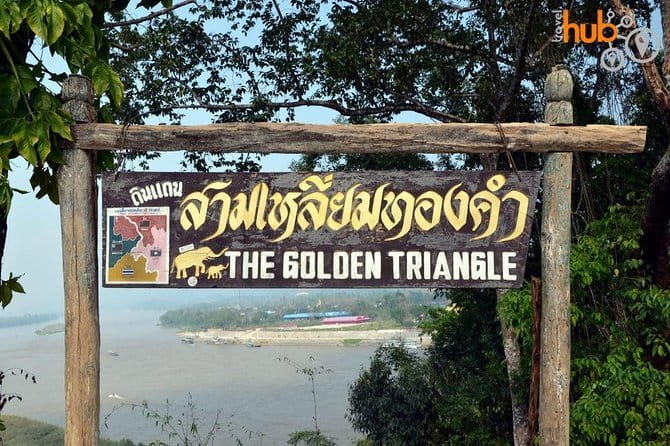
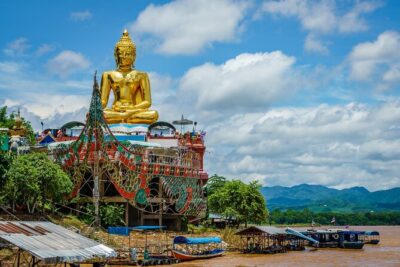
The Golden Triangle stop is all about the geography. You’re in an area known for the meeting of Thailand, Myanmar, and Laos, with the location described as about 9 kilometers north of Chiang Saen along the Mekong riverside road. The main highlight is the viewpoint experience and the chance to understand why this area is famous.
The tour includes this stop with an admission ticket included for the activity portion, and it runs about an hour. There’s also mention of boat riding in the area, which is not included and costs THB 300 per person. If you want that extra water-view perspective, budget for it ahead of time.
My practical advice: if you’re choosing between photos on land and getting on a boat, decide based on your comfort with time and movement. The boat adds cost and may add weather sensitivity, but it can be an especially scenic way to understand the river setting.
Wat Rong Seur Ten, the Blue Temple restoration visit
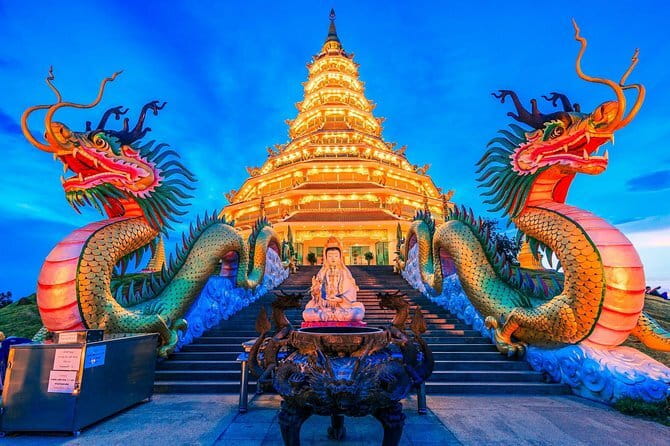
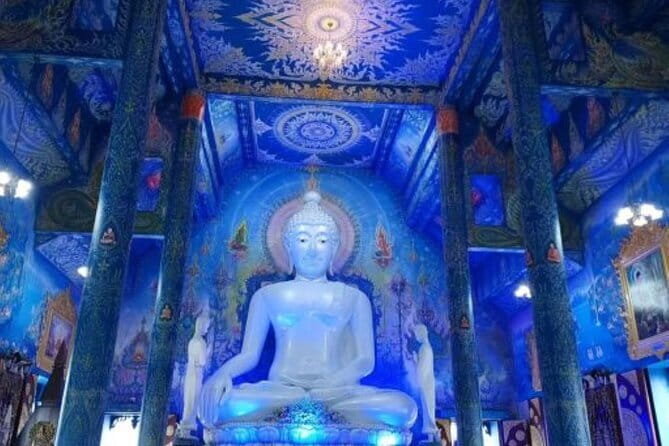
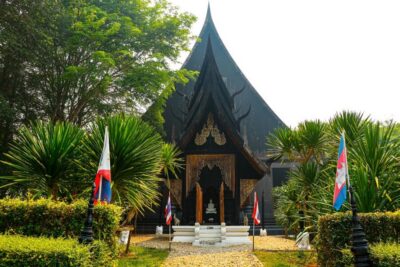
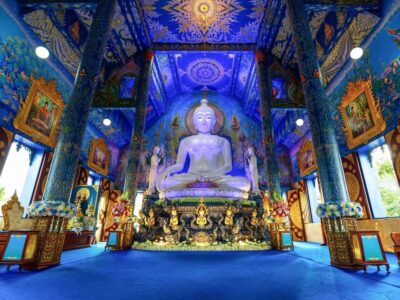
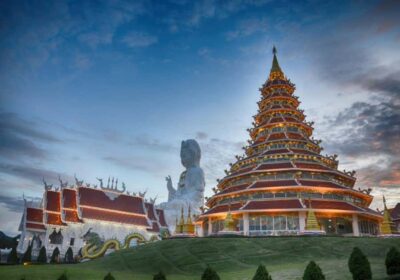
Wat Rong Seur Ten, often called the Blue Temple, brings you a second temple style after the White Temple. This one is located in the Rong Suea Ten community, Rim Kok subdistrict, and it’s described as restored by Phutta Kabkaew, who is known as Sala Nok, a local artist of Chiang Rai.
What I like about including a second temple on the same day is the contrast. You can compare design choices side by side, not days apart. Your guide can point out what’s different in the feel, color treatment, and symbolism, which helps you see the region’s artistic identity beyond a single “pretty temple” impression.
Since this stop is about an hour, keep your attention focused on the elements that make it distinct. If you try to copy someone else’s photo angles without understanding what you’re aiming at, you can end up with a camera full of shots that don’t actually teach you anything.
Baan Dam Museum, Black House art in dark teak wood
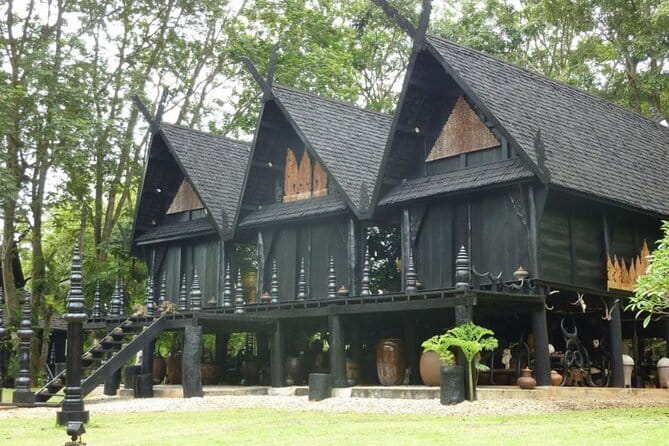
The Black House, also known as Baan Dam Museum, is one of those stops that often surprises people. It’s described as a complex of 40 buildings, with many structures made of dark teak wood, set in gardens. In Thai, Baan Dam means Black House, and the buildings hold an art and installation collection.
The catch is that admission here is listed as not included. So if you want to see everything at the Black House, plan to pay the entry cost yourself when you arrive. Even without knowing the exact price in advance, it’s important to include this in your budget so you don’t feel hit with an unexpected extra expense.
Why I think it’s worth it: compared with the temples, this is more modern and art-installation oriented. If you enjoy unusual sculpture and curated-looking arrangements (even if the term feels formal), you’ll probably get why this place is memorable. It’s also a great photo stop because the dark wood and garden layout create strong contrast.
Tea plantations and Chui Fong’s end-of-rain season appeal
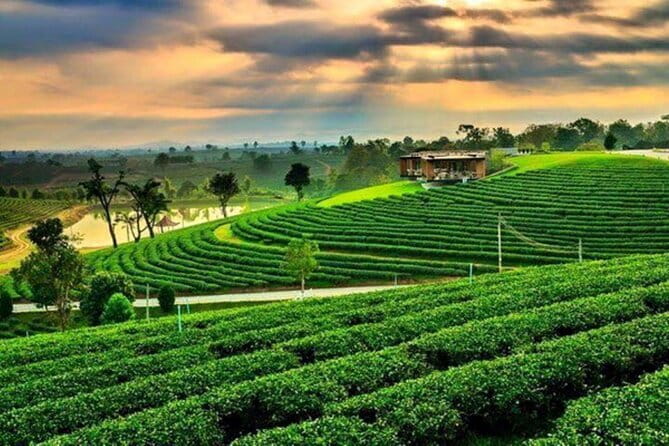
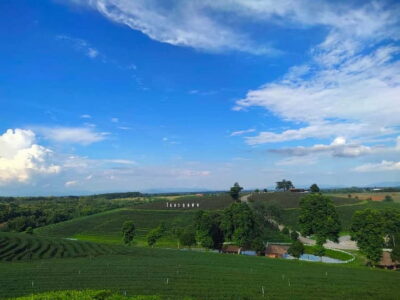
Finally, you’ll make your way to the tea plantation stop. This tour specifically points to Chui Fong Tea Plantation, and notes that the scenery is especially attractive at the end of raining season and the beginning of winter.
You’ll spend about an hour here, which is enough time to enjoy the grounds and take in the views if the weather cooperates. If you’re hoping for dramatic photo light, plan around the day’s timing and cloud cover. The plantation experience can shift depending on rain and mist, so bring a basic layer in case it feels cooler in the hills.
Also, tea stops are often “see and walk” more than “wander endlessly.” If you want to buy tea products or snacks, keep some spending money ready. The tour includes the tea plantation admission ticket, but it does not automatically cover shopping.
Price and what you should budget beyond the tour cost
At $82.61 per person, this tour is priced for value if you want a lot of named stops in one day. Here’s what’s included according to the tour information:
- Lunch buffet
- Air-conditioned vehicle
- Insurance
- Drinking water
- Professional English guide
- Standard fees or tickets (with one clear exception)
There are two main “budget reminders”:
1) Tip is not included.
2) Boat riding is THB 300 per person if you choose it.
Also, Baan Dam Museum entry is listed as not included, so you should be ready for that extra fee.
When you compare this to paying separately for a driver, buying multiple tickets, and arranging a route across several districts, the value starts to make sense. You’re paying for convenience and for an English guide to connect the dots between very different sights.
The guide makes the day: what to look for in your group
A repeating theme in the experience is how much the guide shapes your understanding. Names that have come up include Ping, Fido, Yolk, and M, along with attentive drivers such as Mr. A and Tony. The point is not name recognition, it’s communication.
In particular, I love when a guide does two things well on tours like this. First, they keep the schedule moving so you don’t feel lost. Second, they explain what you’re seeing in plain language, so the temples and museums stop being just photo stops.
One practical detail I’ve seen mentioned is using WhatsApp for extra information when language needs come up. If you know you’ll need help following along, that kind of backup is a real comfort. It’s also a reason to choose an English-guide tour when you’re short on time.
Who this tour is best for (and who should skip it)
This is a good fit for:
- First-timers in Chiang Rai who want a high-hit itinerary
- People who like guided explanation and don’t want to plan a route
- Travelers who want temples plus a museum and a borderland viewpoint in one go
- Groups who can handle a full day with steady movement
You might want to consider another option if:
- You hate feeling rushed or you prefer long breaks between stops
- You have mobility limitations that make stairs and hills hard
- You want a deep, slow cultural experience rather than a one-day overview
Because it’s a joint tour with a max of 12, it sits in a middle zone. It’s not private, but it also isn’t overcrowded. That balance is a big part of why the day feels workable for many people.
Should you book this Chiang Rai 3 Temples and Golden Triangle tour?
I’d book it if you want a well-structured sampler of Chiang Rai, with the classic White Temple and Blue Temple anchoring the day. The value is strongest when you factor in that lunch buffet, air-conditioned transport, drinking water, insurance, and English guiding are included, plus most tickets are handled for you.
I would hesitate only if you’re budgeting tightly for add-ons, since Baan Dam entry is not included and boat riding costs THB 300 if you want it. Also, if you’re someone who needs downtime, treat this as a full-day tour, not a relaxed excursion.
If your goal is to see the big-name sights and come away with a clearer sense of the region, this kind of route does the job. It’s not just a checklist, it’s a guided way to connect art, museums, and borderland scenery into one day in northern Thailand.
FAQ
What time does the tour start in Chiang Rai?
The tour starts at 8:00 am.
How long is the Chiang Rai 3 Temples, Golden Triangle, and Tea Plantation tour?
The duration is approximately 10 hours.
Is this tour private?
No. It is a joint tour, not a private tour, with a maximum of 12 travelers.
What’s included in the price?
The tour includes lunch buffet, air-conditioned vehicle, insurance, drinking water, a professional English guide, and standard fees or tickets.
Which stops have admission tickets included, and what is not included?
Admission tickets are included for several stops, and Baan Dam Museum, also called the Black House, is listed as admission ticket not included.
Is hotel pickup and drop-off included?
Yes, pickup is offered from your hotel in Chiang Rai, and the tour also returns you to Chiang Rai.
Are there extra costs you might need to pay during the day?
Tip is not included, and boat riding is listed as THB 300 per person (not included).
Does the tour include a guide and language support?
Yes, it includes a professional English-speaking guide.
What happens if the weather is poor?
This experience requires good weather. If it is canceled due to poor weather, you are offered a different date or a full refund.
What else made it into the Thailand notebook
Up at the Golden Triangle, continued
The White Temple and the Blue Temple, continued
What else made it into the Chiang Rai notebook
- Ancient City Tour from Chiang Rai with Golden Triangle and Royal Villa
★ 4.5 · 9 reviews - Chiang Rai: Excursion White, Blue,Red Temples & Lalitta Café
★ 4.0 · 9 reviews - Explore Chiang Rai: City and Temples Experience
★ 5.0 · 10 reviews - Chiang Rai: Top Temples & Signature Attractions ~Free Buffet
★ 4.7 · 10 reviews - Chiang Rai: City Highlights One-Day Tour with Thai Lunch
★ 4.8 · 10 reviews - Trekking with Lunch cooked by Bamboo in the Chiang Rai jungle
★ 5.0 · 12 reviews
Chiang Rai White and Blue Temple Tours, compared.
 ★ 4.6Chiang Rai White Temple and Blue Temple Day TourFrom $273,366 reviews
 ★ 4.9Guided Highlights Guided Tour with Buffet LunchFrom $371,532 reviews
 ★ 5.0Chiang Rai Temples: Private Tour from Chiang MaiFrom $1441,267 reviews
 ★ 4.5Chiang Rai’s Temples Exploration Day TripFrom $51871 reviews
 ★ 4.9Iconic Temples & 7 Major Sites—River View BuffetFrom $37692 reviews
 ★ 4.5Chiangmai to Chiangrai: 3 Temples, Hot Springs& Lalitta CafeFrom $41659 reviews
 ★ 4.8White, Blue, Red Temples, Long Neck TourFrom $57652 reviews
 ★ 4.5Chiang Rai White Temple, Blue Temple and more from Chiang MaiFrom $39605 reviews
Browse the lists this tour appears in