
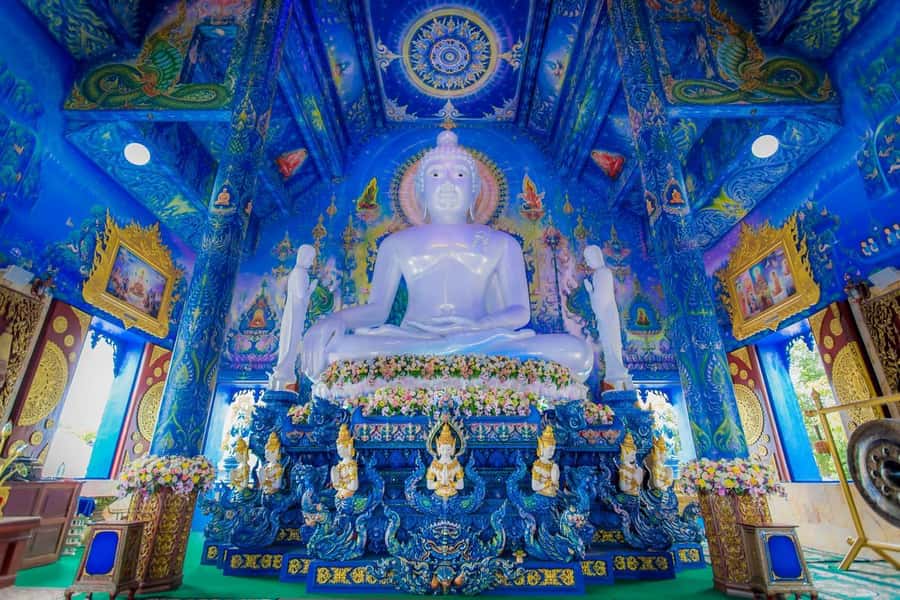
REVIEW · CHIANG RAI WHITE AND BLUE TEMPLE TOURS
Chiang Rai Must-See Tour – 7 Icons, Lunch & Small Group(9pp)
Chiang Rai, in one long day, done the easy way. This small-group tour hits the big sights like the White Temple, Blue Temple, Black House, tea farm, Golden Triangle, and hill-tribe villages without turning your day into a bus nap. The big plus is you get flexible entrance fees, so you only pay to enter what you actually want to see.
I especially like the human touch: guides such as Shia, Jackie, Doan, Sunny, and Wat show up prepared, funny, and ready to answer questions, while still giving you time to roam and take photos. And yes, the comfort details matter, like an air-conditioned van, Thai lunch, and little comforts such as bottled water and cold towels.
One consideration: it is a long day, and some costs are on top of the $42 price once you decide which sites to enter. Have cash ready, and if you care about your time budget, plan for a few stops where you might want to skip optional extras like the Long Neck Karen area.
In This Review
- Key things that make this tour worth your time
- A 7-icon Chiang Rai day built for real priorities
- Pickup, timing, and how a long day stays manageable
- White Temple at Wat Rong Khun: modern temple art in bright white
- Blue Temple at Wat Rong Suea Ten: sapphire murals and golden accents
- Black House, Baan Dam: art museum energy in an unusual setting
- Lunch in Chiang Rai: Thai food with vegetarian options, plus cooling breaks
- Choui Fong Tea Plantation: tea views with a calm reset
- Golden Triangle and Opium House: border history you can actually picture
- Hill-tribe village visits: interaction time and optional cultural detours
- Entrance fees and real value for $42
- Small-group feel: what it changes on temple days
- What to bring, plus the rules that matter
- Who should book this tour, and who might want a different plan
- Should you book the Chiang Rai Must-See Tour?
- FAQ
- What does the Chiang Rai Must-See Tour include?
- Are entrance fees included in the tour price?
- Is lunch included, and can you get vegetarian food?
- What group size and transportation should I expect?
- When does pickup happen and when do you return?
- What should I bring, and are there any restrictions?
Key things that make this tour worth your time
- Max 9 travelers means more help, faster photo support, and less waiting around
- Flexible entrance fees lets you choose priorities instead of paying for everything
- Cold towels and bottled water keep you comfortable during a nonstop sightseeing day
- White Temple plus Blue Temple plus Black House gives you modern art and temple contrast in one run
- Golden Triangle and Opium House add context to Chiang Rai’s border history
- Hill-tribe village visits let you interact with communities without an automatic long detour
Wat Rong Khun runs also got a going over
- Chiang Rai: Guided Highlights Guided Tour with Buffet Lunch★ 4.9 · 1,532 reviews
- Chiang Rai: Iconic Temples & 7 Major Sites—River View Buffet★ 4.9 · 692 reviews
- Chiang Rai: White, Blue, Red Temples, Long Neck Tour★ 4.8 · 652 reviews
- Sightseeing Join Tour Chiang Rai / PICK UP ONLY IN CHIANG RAI★ 4.5 · 398 reviews
A 7-icon Chiang Rai day built for real priorities
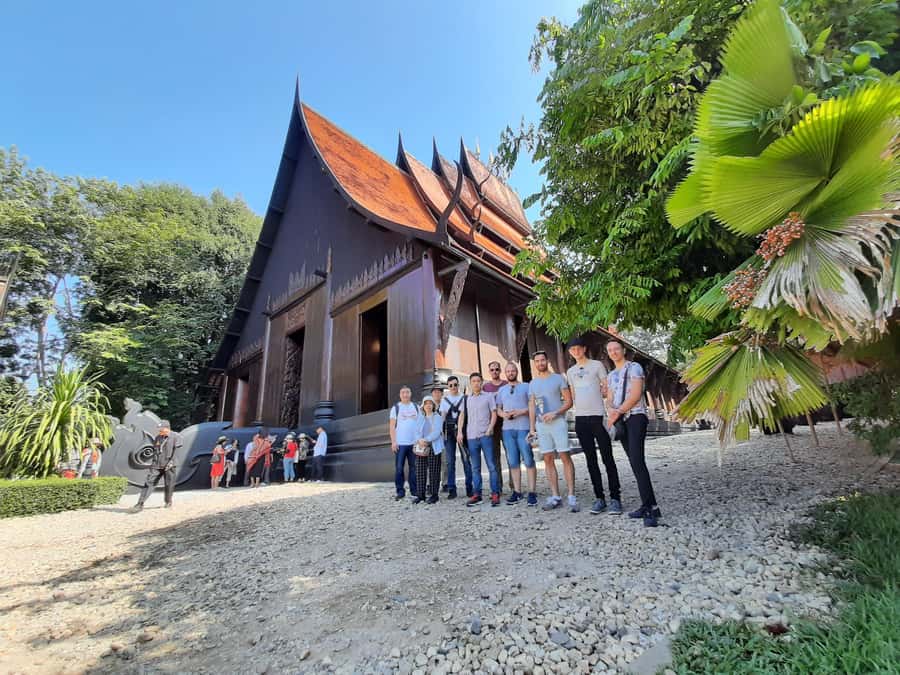
If your Chiang Rai time is short, this tour is the practical answer. You get one full-day loop that strings together the most famous sights in the region, from highly designed temple art to museum-like cultural spaces and the iconic Golden Triangle area.
The format also fits how many people travel through northern Thailand. You spend most of the day moving with a guide, but you are not trapped in a scripted “pay for everything” mindset. The key idea here is control: you choose whether to enter specific attractions, and you can also wait outside if you already saw something or you just want a break from temples.
That approach matters because Chiang Rai’s best-known sites are visually intense. The White Temple is a whole experience in itself. The Blue Temple is different, more luminous and ceremonial. The Black House shifts gears into architecture and art. If you feel temple fatigue, it is nice to have options instead of feeling stuck paying and entering everything anyway.
Pickup, timing, and how a long day stays manageable
Your day starts with hotel pickup in Chiang Rai city, typically around 08:00 to 08:30, and you return around 19:00. It runs roughly from morning to early evening, so think of it as a commitment day, not a “quick stop.”
That timing is why I recommend pairing it with a multi-day Chiang Rai stay rather than trying to cram it into a travel shuffle back to Chiang Mai the same day. Even with a good pace, it is still a full day on the go.
Logistics also matter for comfort. You ride in an air-conditioned minivan, and you get bottled water and cold towels during the day. Several guides and drivers mentioned in customer feedback were praised for staying on time and keeping the day smooth, which is exactly what you want with an itinerary like this. One practical tip from how the day tends to run: bring cash, even if you have already paid for the tour. Entrance fees are flexible and personal choices drive what you pay.
White Temple at Wat Rong Khun: modern temple art in bright white
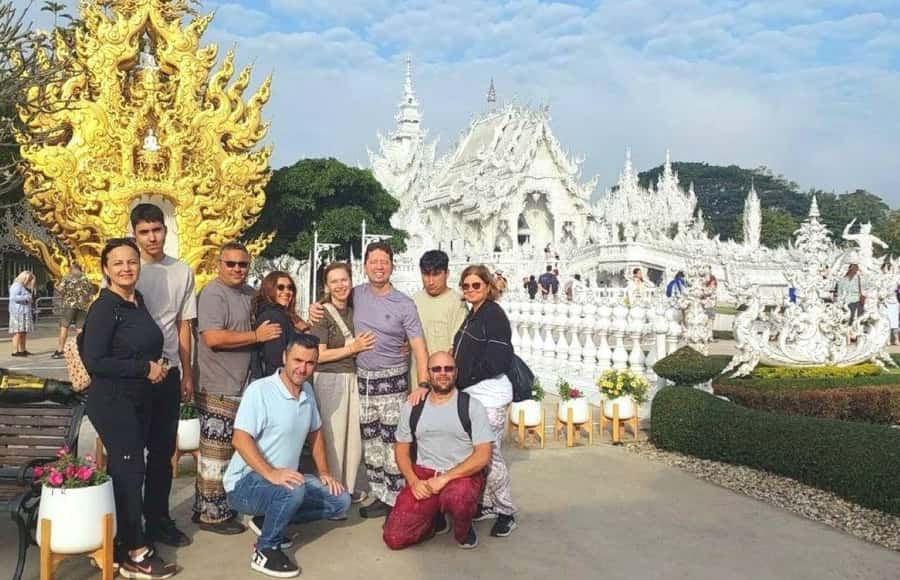
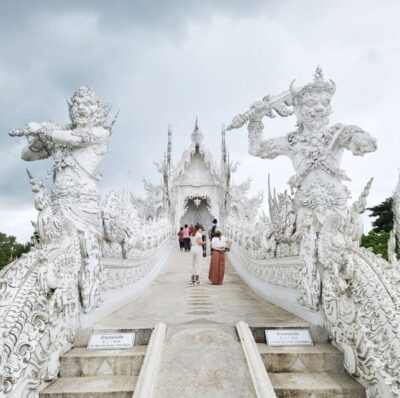
Wat Rong Khun, the White Temple, is the headline attraction for many good reason. This place is all about detail: intricate white carvings, reflective surfaces, and a look that feels contemporary compared to the traditional temple structures you might expect in Thailand.
What I like about including it in a tight one-day circuit is the contrast it creates. You see it first, then you move to the Blue Temple, which flips the mood again. Later, the Black House adds even more contrast, turning the art direction from temple symbolism toward design, architecture, and museum-like exhibits.
How much time to plan? The day is structured so you should have enough time to wander, take photos, and still keep the schedule moving. If your photo style is slow and careful, pace yourself on the White Temple first, because the day includes several other major stops.
Also, remember the tour rules: bring a camera and have cash for entrances. Drones are not allowed, and you should avoid anything that could slow down the group.
Blue Temple at Wat Rong Suea Ten: sapphire murals and golden accents
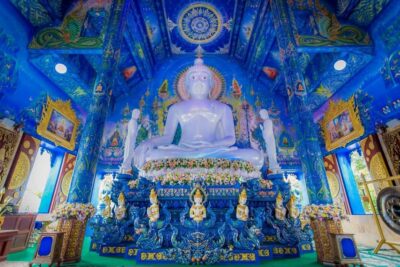
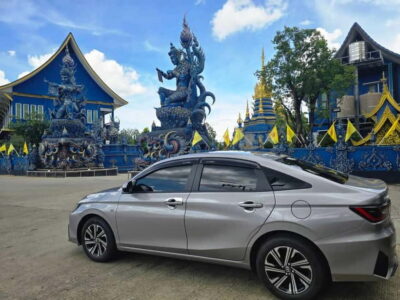
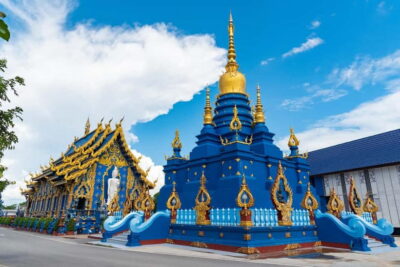
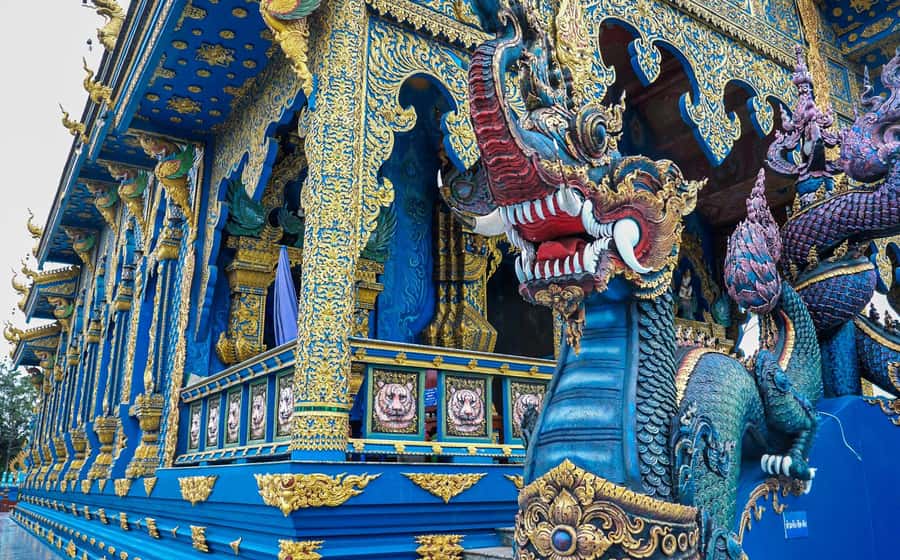
After the White Temple’s pure brightness, Wat Rong Suea Ten is a mood swing. The Blue Temple is known for its deep blue tones and dramatic mural style, plus golden elements that catch the light.
This is one of those stops where it helps to have a guide who can explain what you are seeing without making it feel like a lecture. In feedback, many guides were praised for balancing history, humor, and room to explore on your own. That balance is what makes the Blue Temple enjoyable rather than just a quick photo stop.
If you tend to travel fast, this is still a good stop to slow down for a few minutes. Stand back and look at the overall design first, then move in for the details. You will get more out of it, and the photos come out better too.

Black House, Baan Dam: art museum energy in an unusual setting
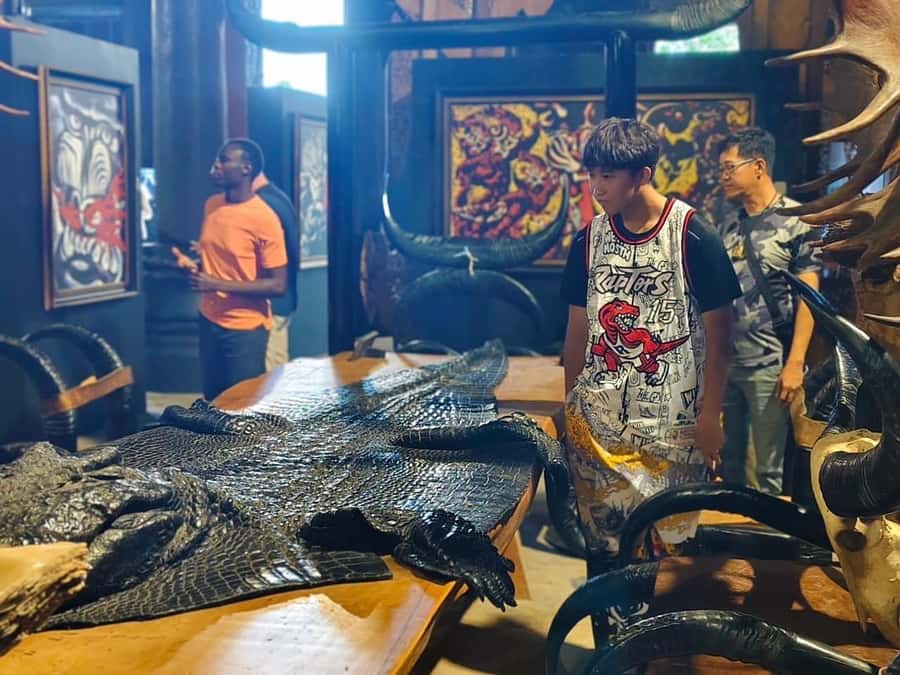
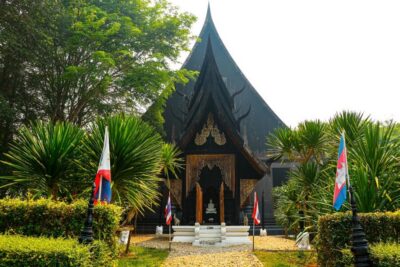
The Black House, or Baan Dam, is where Chiang Rai’s creative side shows up in a less conventional way. Think architecture and art installations, not just a temple you walk through quickly.
This stop often becomes a highlight for people who like visual art and design. The tour’s structure keeps it as a strong anchor point. You go from temples into something that feels like a curated art world, which makes the day feel less repetitive.
One practical caution: if you are not an art-and-objects person, you might find yourself wishing you had one more minute somewhere else. A few people suggested they wanted more time in other spots and felt the Black House visit was enough but not essential. That is not a reason to skip it entirely, but it is a reason to stay flexible mentally. If you are more temple-focused, treat Baan Dam as your art detour, not your only museum moment of the day.
Lunch in Chiang Rai: Thai food with vegetarian options, plus cooling breaks
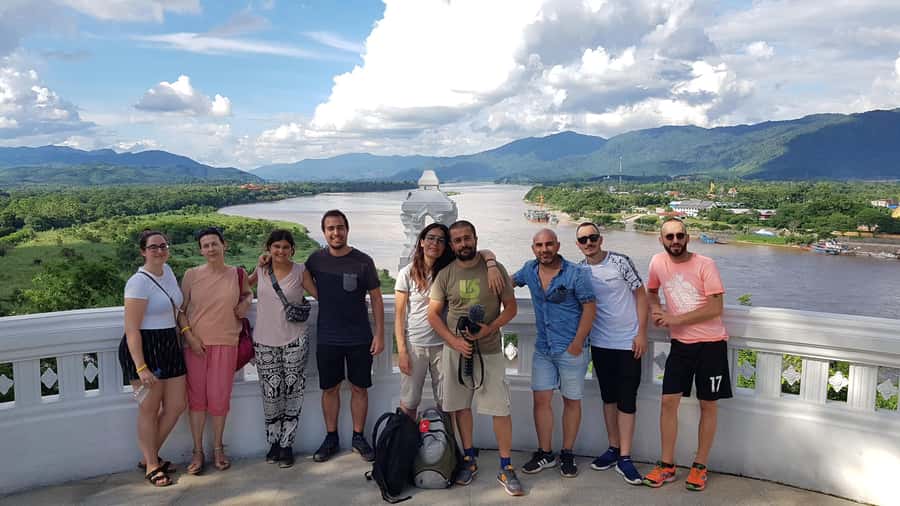
Lunch is included, and it is a solid part of keeping a long day comfortable. You can request vegetarian options, and you get bottled water.
The real value here is the timing. With seven major icons and multiple cultural stops, food can turn into a stress point if it is not scheduled. Having lunch built in, rather than “good luck finding something,” makes the day work.
Also, remember the small comforts. Cold towels and bottled water help you avoid the usual late-morning tourist sluggishness. It is a tiny thing, but it makes a big difference when you are moving between temples and outdoor areas.
Choui Fong Tea Plantation: tea views with a calm reset
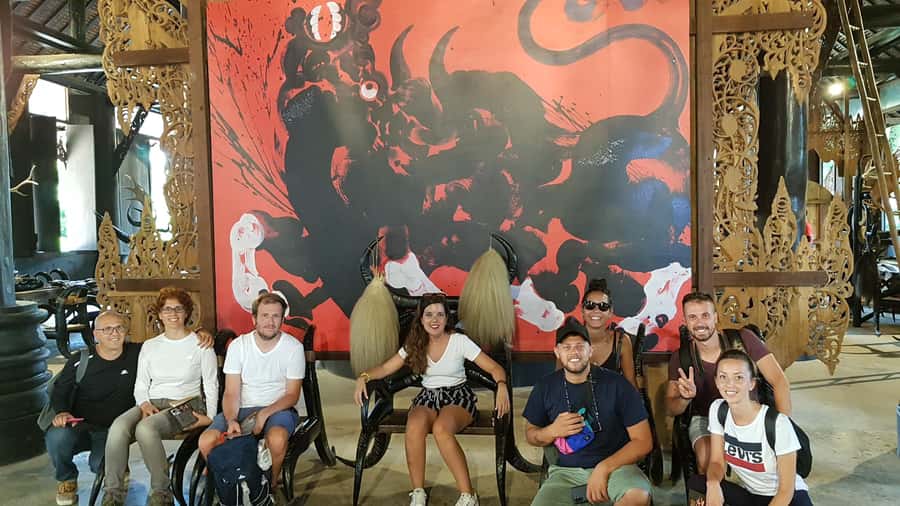
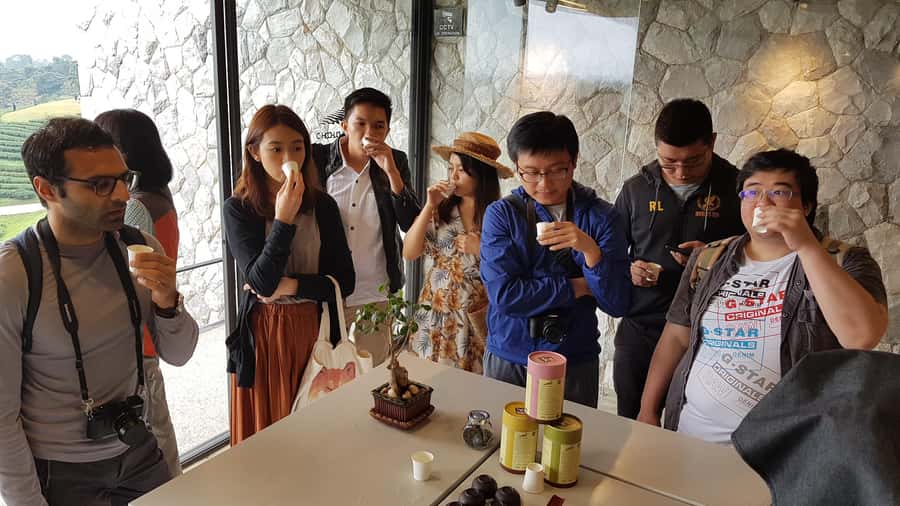
Between the heavier sights, you get a pause at Choui Fong Tea Plantation. This is less about temples and more about scenery and a taste of the region’s tea culture. You can enjoy fresh tea and views here, which feels like a reset after earlier stop intensity.
What I like about placing tea here is the pacing. By the time you reach the Golden Triangle, you will want your brain switched on, not drained. A tea plantation stop gives you a break while still staying in Chiang Rai’s story.
If you love food and drink tourism, this is one of the best moments to slow down, chat with your guide if you can, and enjoy the setting before the border-history portion of the day.
Golden Triangle and Opium House: border history you can actually picture
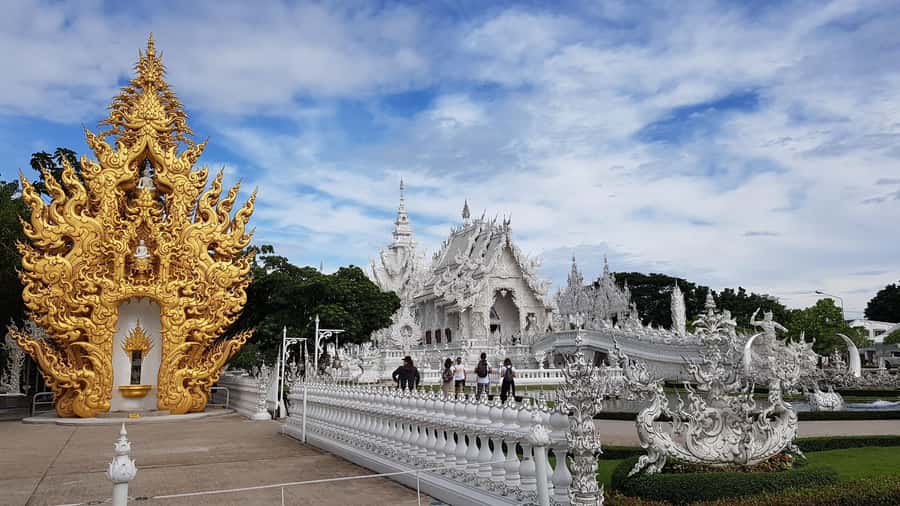
The Golden Triangle is the famous meeting area of Thailand, Laos, and Myanmar. Even if you have seen it in photos, visiting the site helps you understand why this region matters historically and culturally.
The tour includes the Opium House, a small museum that explains the region’s past. This stop gives the day more meaning. Without it, Chiang Rai can feel like a “look at the pretty things” day. With it, you get context for why artifacts, stories, and local histories are tied to this geography.
If you like museums but hate sitting still, you will probably find this one manageable because it is positioned as a short, understandable history stop in the middle of a day of movement.
One tip: bring cash for any entrances that apply and keep your phone ready for directions and quick checks. You will move fast enough that you do not want to fumble.
Hill-tribe village visits: interaction time and optional cultural detours
One of the most meaningful parts of this day is the hill-tribe village visit, where you can interact with communities such as Yao, Akha, and Lahu. According to the tour format, this interaction is free of charge.
That matters because it changes the vibe from shopping to meeting. You are not just buying souvenirs to justify the visit. You get time to observe and connect at a human level.
There is also an optional add-on: the Long Neck Karen area costs an additional 300 THB per person. This is your choice, not a compulsory stop.
Here is how I would decide. If you feel emotionally okay with optional cultural detours that can involve paid entry, then go for it and treat it as a learning moment. If you prefer to keep the day less transactional and more interaction-based, you can skip it and still feel like you got the hill-tribe portion of the story.
Entrance fees and real value for $42
The advertised price is $42 per person, and the tour’s value depends on how you use the flexible entrance-fee setup.
Some entrance fees are known in the tour details:
- White Temple: 100 THB per person
- Black House: 80 THB per person
- Opium House: 50 THB per person
- Optional Long Neck Karen: 300 THB per person
What makes this approach fair is you are not forced to pay for everything. If you already visited a site or you do not want to enter, you can wait outside and focus elsewhere. That can keep your day from turning expensive just because the schedule includes multiple iconic stops.
Now the realistic part: you will likely enter most of the major sights, because that is why you booked this. If you do, your total day spend will rise beyond the $42 tour price. Still, it often works out as good value because the tour bundles hotel pickup, transport, an English-speaking guide, lunch, and the time-saving logistics of fitting seven icons into one day.
My practical advice is simple: set aside cash for at least the big temple entries and the Opium House, then decide on Long Neck Karen closer to the moment based on how your day feels.
Small-group feel: what it changes on temple days
This is one of those tours where group size changes the experience. With up to nine people, it is easier for your guide to:
- help with photos
- explain what you are looking at
- keep the timing sensible without pushing everyone at once
In feedback, guides like Shia, Doan, Sunny, and Wat were praised for doing exactly that. People also noted enough time at stops so it did not feel like a frantic rush. That “enough time” factor is the difference between seeing Chiang Rai and just passing through it.
One pacing note to keep in mind: because it is a full day and temples can get crowded, your guide may not stay right next to you for every minute. If you want deeper explanations while inside, ask questions at the briefing stage and again when the group reforms. Most guides are happy to answer.
What to bring, plus the rules that matter
Bring:
- A camera
- Cash for entrance fees
Avoid:
- Drones
- Smoking in the vehicle
- Alcohol and drugs
These rules are not just formalities. Chiang Rai’s sites can be tight and busy, and having your cash ready keeps you from losing time to quick ATM detours.
Also, dress for long daylight hours. You will likely spend meaningful time outdoors and in sun-exposed areas, especially once you get to tea plantation and hill-tribe village areas.
Who should book this tour, and who might want a different plan
This tour fits best if you:
- only have a day or two in Chiang Rai
- want the top icons without figuring out transport
- like a guide’s context but also want time to explore on your own
- appreciate a small group and a smoother pace than big bus tours
It might not be the best match if you want a slow, unstructured Chiang Rai day with deep museum time and long lingering lunches. This itinerary is designed to cover a lot, so it is not the quiet, sit-down-and-wander style for people who hate schedules.
If you are art-forward, the Black House can be a strong reason to choose this tour. If you are temple-forward, the White Temple and Blue Temple are the main pull.
Should you book the Chiang Rai Must-See Tour?
I would book it if your goal is smart coverage. The combination of hotel pickup, an English-speaking guide, included lunch, and the option to pay entrance fees based on what you choose is a practical mix of convenience and control.
Book it confidently if you like structure but still want breathing room. The best version of this day is when you treat it like a highlight reel with optional add-ons, not a forced checklist.
If you hate long days or dislike paying extra entrances once you arrive, then you should think twice. The tour is great value when you plan for entrance cash and accept the full-day pace.
FAQ
What does the Chiang Rai Must-See Tour include?
The tour covers 7 major Chiang Rai highlights: the White Temple, Blue Temple, Black House, a tea farm visit, the Golden Triangle and Opium House, and a hill-tribe village visit. You also get hotel pickup and drop-off in Chiang Rai city, an English-speaking guide, and Thai lunch.
Are entrance fees included in the tour price?
Not fully. The tour lists entrance fees that are paid separately for White Temple, Black House, and Opium House. There is also an optional additional fee for the Long Neck Karen area.
Is lunch included, and can you get vegetarian food?
Yes. Thai lunch is included, and vegetarian options are available on request.
What group size and transportation should I expect?
It is a premium small-group tour with a maximum of 9 people. You travel in an air-conditioned minivan or car with a driver.
When does pickup happen and when do you return?
Pickup is typically between 08:00 and 08:30 in Chiang Rai city. The tour returns around 19:00.
What should I bring, and are there any restrictions?
Bring a camera and cash for entrance fees. Drones are not allowed, smoking in the vehicle is not allowed, and alcohol and drugs are not allowed.
Guided Thai outings, continued
What else made it into the Thailand notebook
The White Temple and the Blue Temple, continued
What else made it into the Chiang Rai notebook
- One Day Group Tour Experience in Chiangrai
★ 5.0 · 22 reviews - Chiang Mai to Chiang Rai: 3 Temples & Hot Springs & Pickup
★ 4.0 · 22 reviews - Chiang Rai: Discover 7 Must-See Spots & Lunch Included
★ 4.7 · 26 reviews - Private Choui Fong and Golden Triangle Explorer from Chiang Rai
★ 4.0 · 27 reviews - Chiang Rai: Guided Full-Day Highlights tour with Lunch
★ 5.0 · 30 reviews - Chiang Rai: Discover 7 Must-See Spots & Lunch Buffet
★ 5.0 · 47 reviews
Chiang Rai White and Blue Temple Tours, compared.
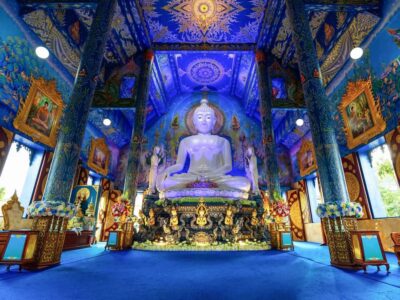 ★ 4.6Chiang Rai White Temple and Blue Temple Day TourFrom $273,366 reviews
 ★ 4.9Guided Highlights Guided Tour with Buffet LunchFrom $371,532 reviews
 ★ 5.0Chiang Rai Temples: Private Tour from Chiang MaiFrom $1441,267 reviews
 ★ 4.5Chiang Rai’s Temples Exploration Day TripFrom $51871 reviews
 ★ 4.9Iconic Temples & 7 Major Sites—River View BuffetFrom $37692 reviews
 ★ 4.5Chiangmai to Chiangrai: 3 Temples, Hot Springs& Lalitta CafeFrom $41659 reviews
 ★ 4.8White, Blue, Red Temples, Long Neck TourFrom $57652 reviews
 ★ 4.5Chiang Rai White Temple, Blue Temple and more from Chiang MaiFrom $39605 reviews
Browse the lists this tour appears in