
REVIEW · CHIANG RAI WHITE AND BLUE TEMPLE TOURS
Chiang Rai: 7 Major Sites, Golden Triangle & Tea Plantation
Seven stops, one well-planned day. This tour is interesting because it strings together Chiang Rai’s art temples and the Golden Triangle in a tight loop, guided in English by people like Guitar or Ping. I like that you get solid time at each venue, not just a quick stop for photos, and I also like the small-group feel, limited to 10. One consideration: it starts early, with pickup around 8:00 to 8:30, so plan for a morning jump.
The trip is built around comfort and flow, with an air-conditioned minibus, drinking water, and a buffet Thai lunch. If you care about pace, you’ll likely appreciate the way the itinerary keeps moving but still gives room to look around at each site. Another thing to watch: there are ticket options, including one that excludes entry fees, so check what you’ll pay on the day.
In This Review
- Key highlights worth your attention
- The temple trio: why Chiang Rai feels more creative than expected
- Entering Wat Rong Khun, the White Temple, without missing the point
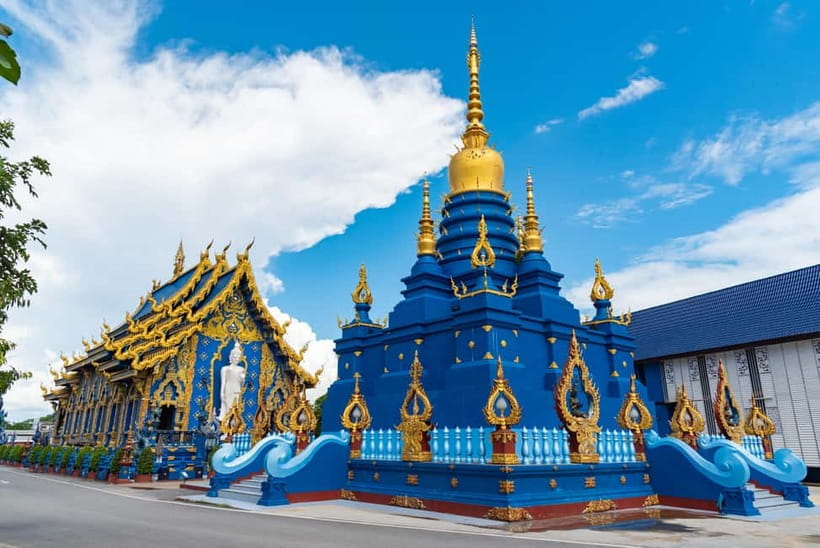
- The Blue Temple next: Buddhist roots paired with bold design
- The Black House: a museum stop that can feel odd, in a good way
- Golden Triangle area: seeing the region through context
- Chui Fong Tea Plantation: a real change of pace
- Karen Hilltribe Village option: choose it for what you want, not for a checklist
- Opium Museum: why it makes the day feel complete
- Lunch, timing, and that early pickup reality
- Price and ticket options, so you can budget without stress
- Who this tour suits, and who should look elsewhere
- Should you book this Chiang Rai 7 Major Sites tour?
- FAQ
- What time does pickup happen?
- How long is the tour?
- Is lunch included?
- Are entry tickets included?
- Is there an option to visit the Karen Hilltribe Village?
- What is included in the tour besides sightseeing?
- What should I bring, and are there restrictions?
- Is the tour suitable for everyone?
Key highlights worth your attention
- Temple art trio first: White Temple, Blue Temple, and Black House all in one day.
- English guides that actually explain: names you may get include Guitar and Ping.
- Golden Triangle time, not rushed: a full sightseeing run with stops that fit the day.
- Chui Fong Tea Plantation included: a break that shifts you from temple mode.
- Opium Museum visit: adds context to the region’s story after the Golden Triangle area.
- Karen Hilltribe village is optional: choose whether it fits your interests.
Wat Rong Khun runs also got a going over
- Chiang Rai: Guided Highlights Guided Tour with Buffet Lunch★ 4.9 · 1,532 reviews
- Chiang Rai: Iconic Temples & 7 Major Sites—River View Buffet★ 4.9 · 692 reviews
- Chiang Rai: White, Blue, Red Temples, Long Neck Tour★ 4.8 · 652 reviews
- Sightseeing Join Tour Chiang Rai / PICK UP ONLY IN CHIANG RAI★ 4.5 · 398 reviews
The temple trio: why Chiang Rai feels more creative than expected
Chiang Rai has a reputation for art-driven temples, and this tour gives you that side of northern Thailand in one packed day. The plan is simple: you start with the White Temple, continue to the Blue Temple, then finish with the Black House (which is more museum than temple). It’s a smart way to see the city’s most famous modern artworks without spending your whole day figuring out routes.
I like that the itinerary is clearly built around contrasts. The White Temple leans modern and imaginative, the Blue Temple connects Buddhism with bold color and design, and the Black House is different again, with a strange, story-heavy museum vibe.
Here’s the one drawback to keep in mind. The Black House is not described as everyone’s cup of tea, and if you prefer classic temple architecture only, you might find that part more weird than meaningful.
Entering Wat Rong Khun, the White Temple, without missing the point
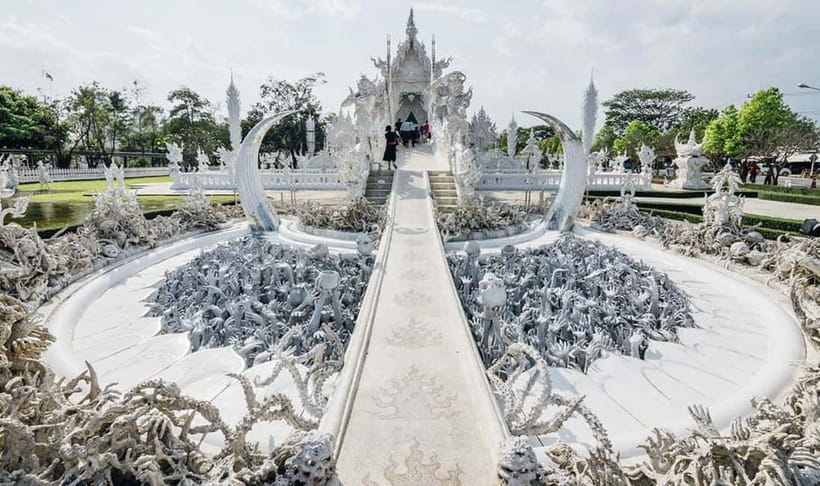
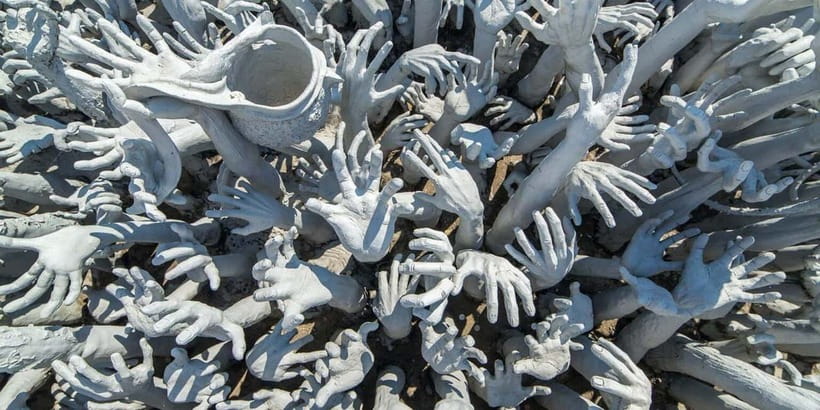
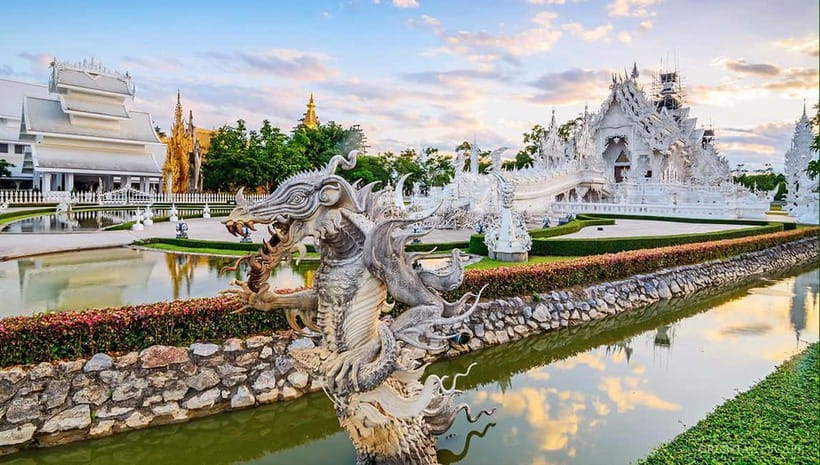
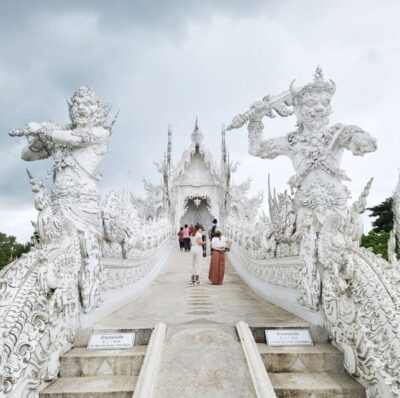
Wat Rong Khun, the White Temple, is the headline stop for a reason. It’s described as a modern structure and a work of art by a legendary Thai artist, and the whole idea is about imagination. If you’re the type who likes to think about what an artist is trying to say, this is a great start to the day.
You won’t just be looking at something “pretty.” The tour frames the White Temple as a concept, almost like a visual story you can walk through. And because the day is organized around multiple sites, you can still keep momentum afterward instead of turning the White Temple into a whole-day commitment.
Ticket note that matters for value: the White Temple ticket is listed as 200 baht per person if your option excludes tickets. If you choose the option that includes tickets, you should expect a standard ticket to be handled for you.
The Blue Temple next: Buddhist roots paired with bold design
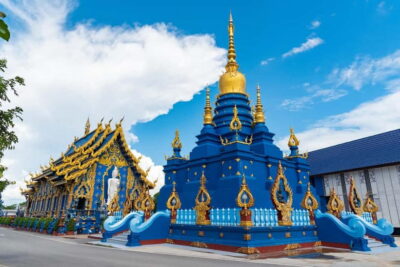
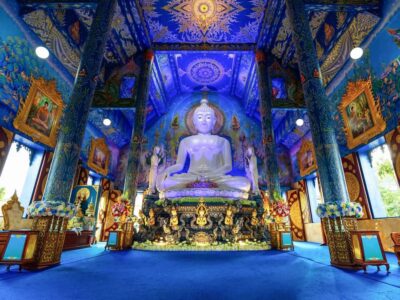
After the White Temple, you head to the Blue Temple. The way it’s described is direct, it’s bright and it’s clearly meant to show how Chiang Rai mixes modern art with Buddhist history. Even if you’re not super religious, you can still read the symbolism through the visuals, and your guide can help connect the dots in plain language.
This stop also helps you understand Chiang Rai’s “why.” The city is not just ancient temples and tourist postcards. It’s a place where modern artists get to play inside spiritual spaces, and the result is a style you don’t see everywhere.
A practical tip: if you’re photographing a lot, go slower than you think you need. The day is packed, but several guides in the past have been praised for giving time at each venue, so take advantage of that breathing room rather than sprinting.
The Black House: a museum stop that can feel odd, in a good way
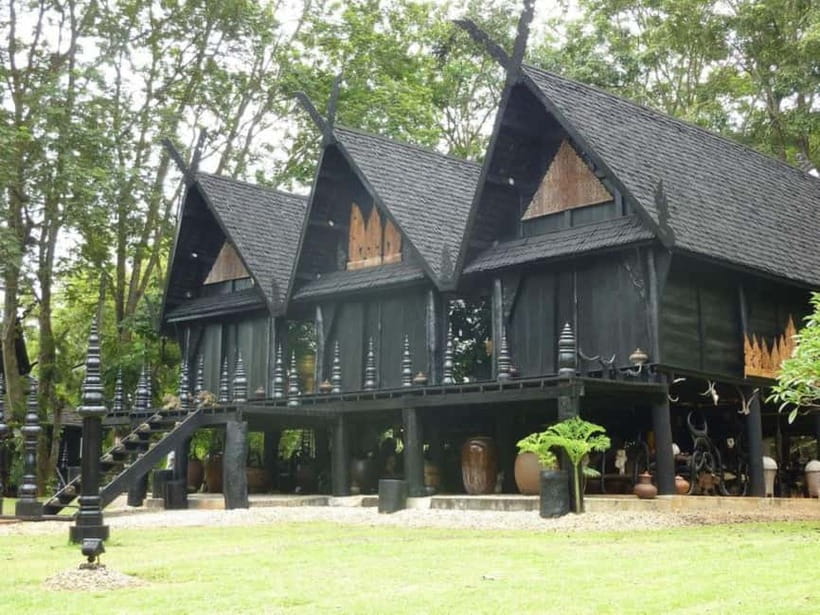
The Black House is described as not really a temple, but a museum. That distinction matters, because it changes how you’ll want to experience it. If you love art and history and the kind of storytelling that’s slightly eerie or strange, this can be one of the most memorable parts of the day.
If you prefer traditional worship spaces only, this is the stop you should mentally flag as optional in your own head, even if it’s on the itinerary. Some people will love it instantly, and others will just find it… different. Either reaction is fair.
Golden Triangle days also got written up
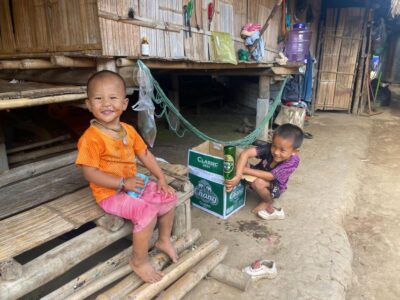
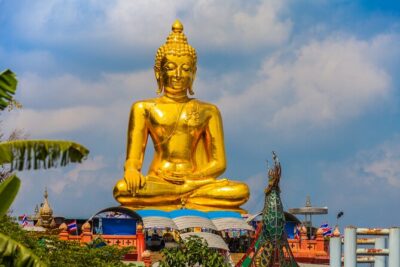
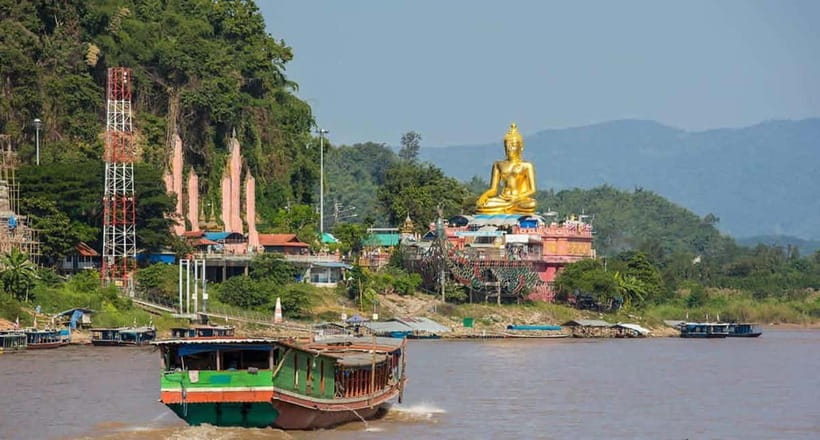
Golden Triangle area: seeing the region through context
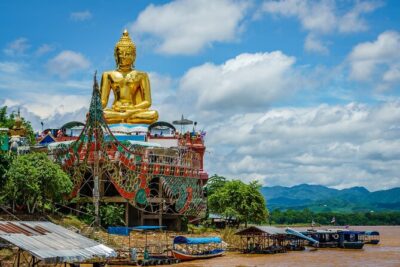
From the temple stops, the route continues toward the Golden Triangle area. The experience here is described as exploring the area, and the day is designed so that you’re not stuck just sightseeing without meaning.
The key is what comes next. The Opium Museum visit is built into the schedule, and that’s where a lot of the “context work” gets done. If you’re the kind of person who likes to understand why a place is famous, you’ll likely appreciate that the museum doesn’t come hours later. It’s paired to help you connect the dots.
One more value point: the tour keeps transportation handled for you via minibus with an air-conditioned comfort level. That matters in northern Thailand, where distances can add up quickly when you’re moving between temples and out-of-the-way stops.
Chui Fong Tea Plantation: a real change of pace
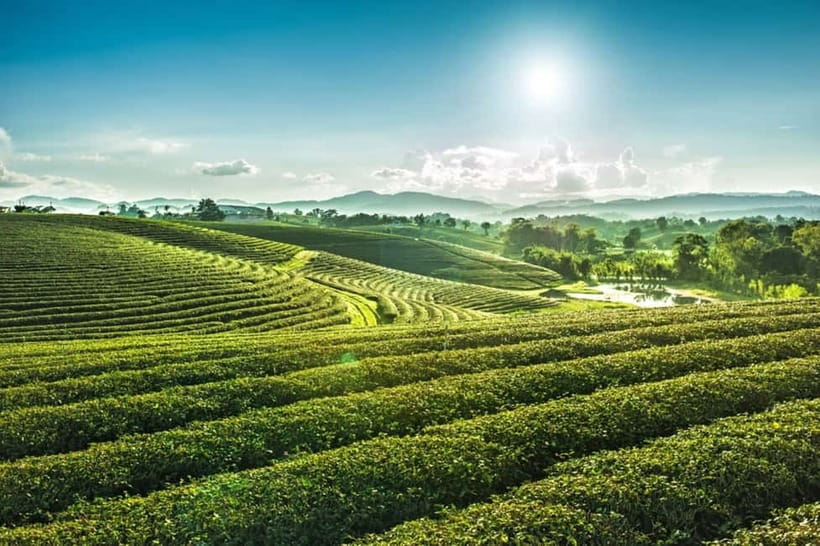
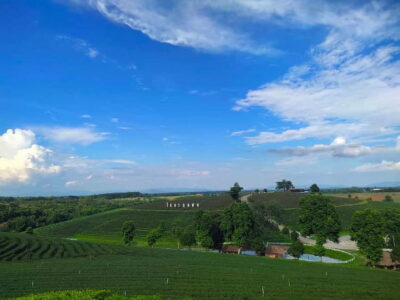
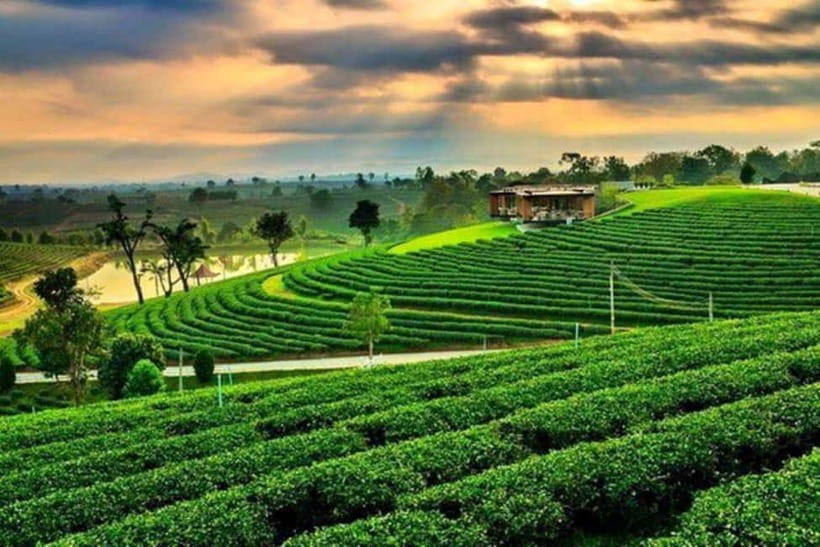
Then you shift to the Chui Fong Tea Plantation. This is the break from temples, and that’s a good thing on a one-day schedule. It’s part of the route because it gives you a different kind of Chiang Rai experience, more nature and agriculture, less artwork and exhibits.
You can expect to explore the plantation grounds. Beyond that, the tour doesn’t oversell a specific style of activity in the details you have here, so it’s best to treat it as a sightseeing and strolling stop, not a high-energy adventure.
Practical idea: bring your hat and sunscreen, because you’ll be outside for stretches. The tour specifically says these items are worth packing.
Karen Hilltribe Village option: choose it for what you want, not for a checklist
Karen Hilltribe Village is listed as an option. That’s useful because it lets you decide how you want to spend the time on your day.
If you’re drawn to cultural villages and want to see life beyond the city’s main sights, this can be a good addition. If you’d rather spend more time on temples, museums, or the plantation, you may choose to skip it and keep your day feeling balanced.
Also, guides in the past have been praised for offering choice about doing activities, which suggests you’ll have some flexibility in practice. Still, confirm what’s possible when you check in with your guide that morning.
Opium Museum: why it makes the day feel complete
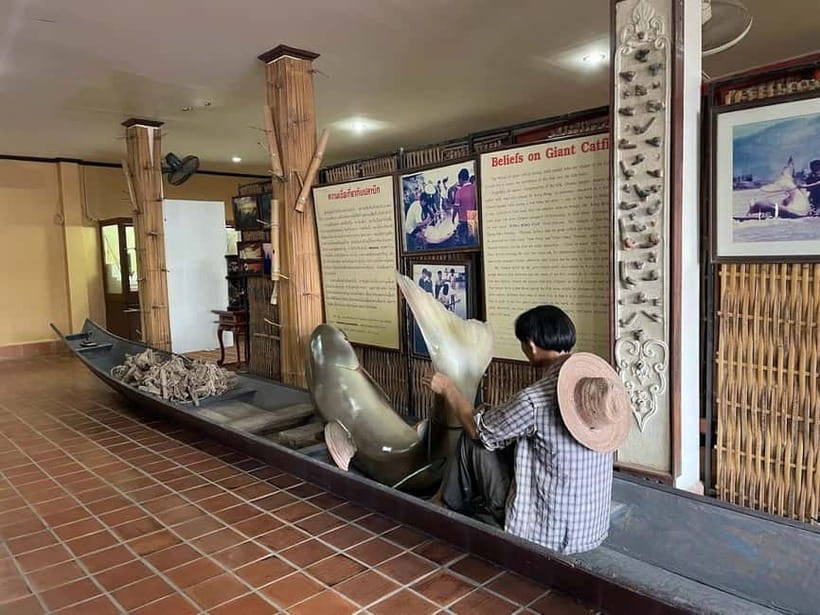
The Opium Museum is one of the core stops listed for this tour, and it’s the piece that adds a different kind of understanding to the day. Instead of leaving the Golden Triangle area as just a scenic or historical name, the museum gives you something concrete to look at.
This is the stop you’ll probably remember differently than the temples. It’s not about design and photo angles. It’s about information and story, and it can turn what you saw outside into a clearer picture of the region’s past.
If you like museums that explain complicated topics in approachable ways, this is a strong fit. If museums aren’t your thing, it can still be worth it because it anchors the rest of the day.
Lunch, timing, and that early pickup reality
The day runs as a full outing with pickup in the morning and a return to Chiang Rai in the evening. Pickup is scheduled in a 30-minute window from 8:00 to 8:30. If you’re not a morning person, you can still make it work, just set expectations that this is a start-early trip.
Lunch is a buffet Thai meal, and the tour notes that you should share food restrictions in advance. Vegetarian food can be served upon request. Reviews also mention guides working hard to get meals right for limited diets, so if you have needs, tell your guide clearly.
Comfort is a big part of the value here. You travel in an air-conditioned minibus with a driver, and the transport has been rated highly, with 92% of reviewers scoring it perfect. Add in the fact that you’ll have drinking water included, and the logistics stop feeling like a hassle.
Small-group detail that matters: the group is limited to 10 participants. In practical terms, that means less waiting around and more human attention from the guide.
Price and ticket options, so you can budget without stress
You’re looking at a price listed at $72 per group up to 1, but the key value question is not just the total. It’s what’s included for entry fees.
There are two options:
- One option includes all tickets.
- Another option excludes all tickets.
If you’re in the ticket-excluded option, the White Temple ticket is specifically listed at 200 baht per person. Other tickets might be handled similarly depending on the option you choose, but the details you have here only spell out the White Temple amount.
My advice: before you book, match the ticket option to your style.
- If you like the cleanest day, pick the option that includes tickets.
- If you’re okay handling entry fees, the excluded option can still be fine, but you’ll want to be prepared to pay at the sites.
Also budget for souvenirs and tipping. Tipping personnel is listed as not included. That’s common in Thailand, but it’s still better to plan than to improvise.
Who this tour suits, and who should look elsewhere
This trip is a good match if you want an efficient day that covers Chiang Rai’s top sites without the mental load of planning. You’ll also get an English tour guide, and the reviews highlight strong English and smooth coordination from guides such as Guitar and Ping, plus drivers like Gui.
It’s not a good fit if you need wheelchair access. The tour is not suitable for wheelchair users. It’s also not suitable for people over 70, so check your comfort level and mobility needs carefully.
If you’re traveling solo, the small-group setup can still feel friendly because you’re not packed with a huge crowd. And because the guide is private English speaking, you should be able to ask questions and get explanations in real time.
Should you book this Chiang Rai 7 Major Sites tour?
Book this tour if you want a one-day plan that hits the classics and the art temples, plus the Golden Triangle area and the Opium Museum, without making you do route math. It’s also a smart choice if you enjoy learning as you go, because guides named Guitar and Ping have earned praise for making explanations clear and helpful.
Skip or reconsider if you dislike early starts, if you’re strict about which kind of museum or art stops you will tolerate, or if accessibility is an issue for you. Also, if you’re picky about tickets, decide between included vs excluded entry fees before you go so you don’t get caught mid-day with unexpected costs.
If you’re ready for a full day of temples, museums, and a tea stop that changes the tone, this is a strong way to cover Chiang Rai in one shot.
FAQ
What time does pickup happen?
Pickup is scheduled in a 30-minute period from 8:00 to 8:30 am.
How long is the tour?
The tour duration is 1 day, and you return to Chiang Rai in the evening.
Is lunch included?
Yes. The tour includes a buffet Thai lunch, and vegetarian food can be served upon request. Let the guide know about dietary restrictions or allergies.
Are entry tickets included?
There are two options: one includes all tickets, and the other excludes all tickets. If tickets are excluded, the White Temple ticket is 200 baht per person.
Is there an option to visit the Karen Hilltribe Village?
Yes, the Karen Hilltribe Village visit is listed as an option.
What is included in the tour besides sightseeing?
You get transportation in an air-conditioned minibus with a driver, a private English-speaking tour guide, drinking water, travel accident insurance, and pickup and drop-off within 6 kilometers of the city center.
What should I bring, and are there restrictions?
Bring a hat and sunscreen. Pets are not allowed, and alcohol and drugs are not allowed.
Is the tour suitable for everyone?
It is not suitable for wheelchair users and people over 70 years.
What else made it into the Thailand notebook
Up at the Golden Triangle, continued
The White Temple and the Blue Temple, continued
What else made it into the Chiang Rai notebook
- One Day Group Tour Experience in Chiangrai
★ 5.0 · 22 reviews - Chiang Mai to Chiang Rai: 3 Temples & Hot Springs & Pickup
★ 4.0 · 22 reviews - Chiang Rai: Discover 7 Must-See Spots & Lunch Included
★ 4.7 · 26 reviews - Private Choui Fong and Golden Triangle Explorer from Chiang Rai
★ 4.0 · 27 reviews - Chiang Rai: Guided Full-Day Highlights tour with Lunch
★ 5.0 · 30 reviews - Chiang Rai: Discover 7 Must-See Spots & Lunch Buffet
★ 5.0 · 47 reviews
Chiang Rai White and Blue Temple Tours, compared.
 ★ 4.6Chiang Rai White Temple and Blue Temple Day TourFrom $273,366 reviews
 ★ 4.9Guided Highlights Guided Tour with Buffet LunchFrom $371,532 reviews
 ★ 5.0Chiang Rai Temples: Private Tour from Chiang MaiFrom $1441,267 reviews
 ★ 4.5Chiang Rai’s Temples Exploration Day TripFrom $51871 reviews
 ★ 4.9Iconic Temples & 7 Major Sites—River View BuffetFrom $37692 reviews
 ★ 4.5Chiangmai to Chiangrai: 3 Temples, Hot Springs& Lalitta CafeFrom $41659 reviews
 ★ 4.8White, Blue, Red Temples, Long Neck TourFrom $57652 reviews
 ★ 4.5Chiang Rai White Temple, Blue Temple and more from Chiang MaiFrom $39605 reviews
Browse the lists this tour appears in