
REVIEW · CHIANG RAI WHITE AND BLUE TEMPLE TOURS
Chiang Rai: Northern Thailand Tour with Golden Triangle
Tea, borders, and temples in one long day. This Chiang Rai Golden Triangle tour strings together tea country, mountain viewpoints over Thailand and Myanmar, and the border-history stop at the Golden Triangle in one smooth, small-group day. I especially like the way the day builds around real flavors, starting with Choui Fong Tea Plantation’s Oolong, and then shifting into hill-tribe coffee breaks where the mountain air does half the work for you.
I also like the photo-friendly variety, from panoramic viewpoints like Doi Chang Moob to the northernmost-town energy of Mae Sai, including the glass skywalk option. One thing to plan for: it is a full day with extra costs for optional entrances like the Mae Sai glass skywalk and the House of Opium museum, plus food and drinks are not included.
In This Review
- Key highlights at a glance
- Why this Chiang Rai Golden Triangle day trip feels different
- The tea start at Choui Fong Tea Plantation (and how to enjoy it)
- Doi Chang Moob Border Viewpoint: where the photos get serious
- Hill tribe villages, Ban Pha Hee and Ban Pha Mi: coffee with context
- Wat Phra That Doi Wao: the temple break that adds balance
- Mae Sai and the glass skywalk option
- Golden Triangle: where three countries meet, plus the Opium House story
- The driving route and countryside feel on the way back
- Group size, guide style, and transport: the “small things” that matter
- What you need to bring (so the day stays fun)
- Price and value: is $79 a good deal for this route?
- Who this tour suits best (and who might want to rethink it)
- Should you book this Chiang Rai Golden Triangle day trip?
- FAQ
- FAQ
- What is the duration of the Chiang Rai Golden Triangle tour?
- How much does the tour cost?
- Is the tour in English?
- How big is the group?
- What is included in the tour price?
- Are entrance fees included for the skywalk and museum?
- Are food and drinks included?
- What should I bring, and what is not allowed?
Key highlights at a glance
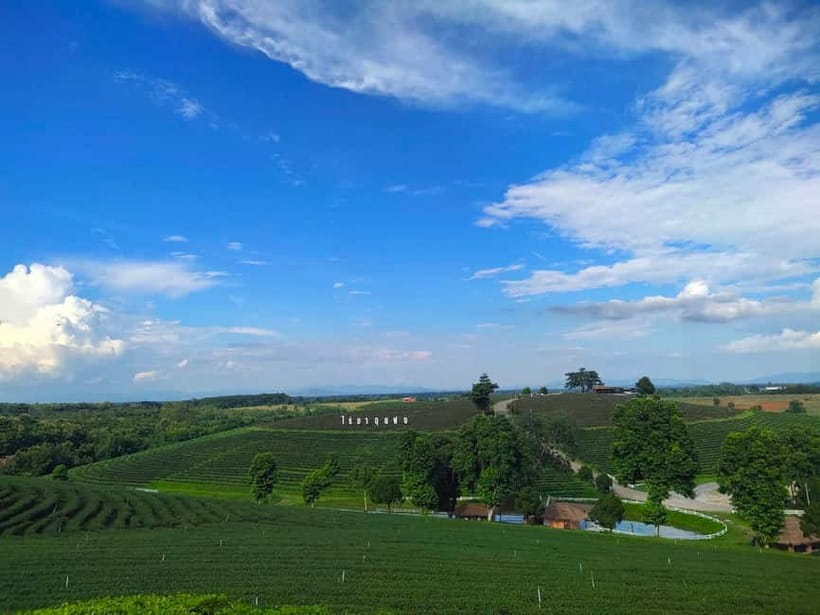
- Choui Fong Tea Plantation Oolong tasting that focuses on aroma and flavor, not just photos
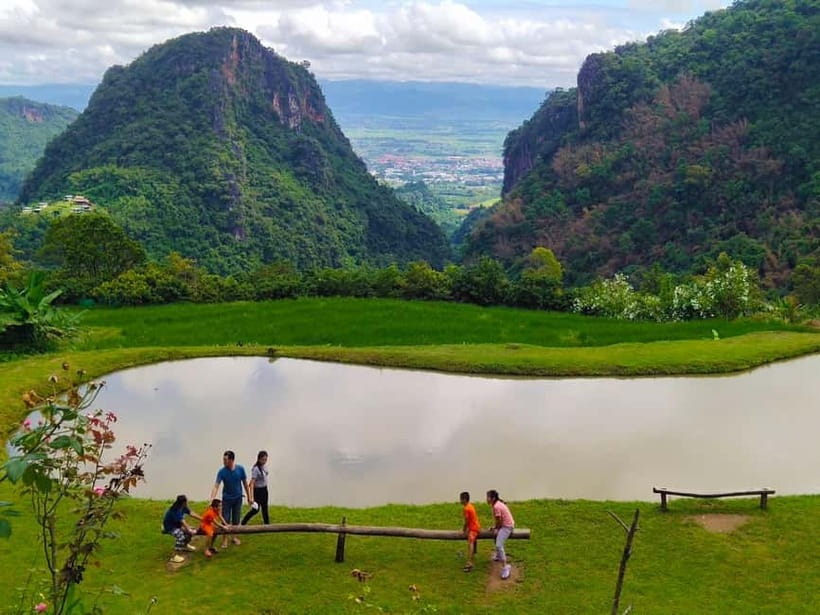
- Doi Chang Moob Border Viewpoint for wide views across misty highlands into Myanmar
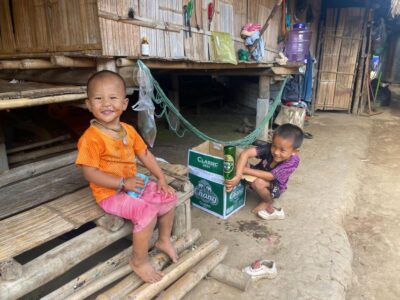
- Ban Pha Hee and Ban Pha Mi hill tribe hospitality with coffee breaks and local village rhythm
- Mae Sai, Thailand’s northernmost town with an optional glass skywalk for skyline views
- Golden Triangle + House of Opium for the three-country border story in one stop
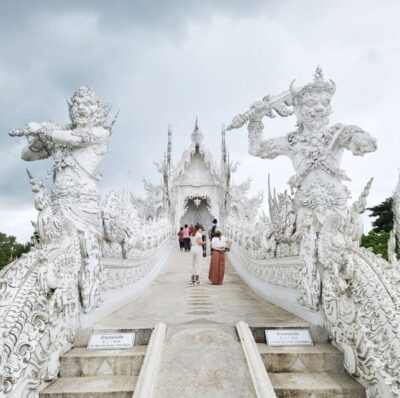
Wat Rong Khun runs also got a going over
- Chiang Rai: Guided Highlights Guided Tour with Buffet Lunch★ 4.9 · 1,532 reviews
- Chiang Rai: Iconic Temples & 7 Major Sites—River View Buffet★ 4.9 · 692 reviews
- Chiang Rai: White, Blue, Red Temples, Long Neck Tour★ 4.8 · 652 reviews
- Sightseeing Join Tour Chiang Rai / PICK UP ONLY IN CHIANG RAI★ 4.5 · 398 reviews
Why this Chiang Rai Golden Triangle day trip feels different
This is the kind of Chiang Rai day trip that avoids the usual checklist vibe. Yes, you hit the big-name border area, but the route keeps switching gears in a way that feels practical and fun. One moment you’re smelling tea leaves at a plantation. Next, you’re looking out from a viewpoint perched near the Thailand Myanmar line. Then you’re in small mountain villages where you’re not just walking through, you’re pausing for coffee and conversation.
With a small group capped at 9 people, you tend to get more breathing room at each stop. The guides are also a standout. In the guide names that come up again and again, you’ll see people like Ping, Yok, Inkham, Lotte, Wi, Gift, and Miss Suttiruk. The consistent theme is clear explanations, patient photo help, and a pace that doesn’t feel like a race.
The price, $79 per person, is what makes this interesting for most travelers. You’re paying for a licensed local guide and driver, round-trip pickup and drop-off (for hotels within 3 km of downtown), and a lot of movement across northern Chiang Rai. If you tried to assemble this yourself, you’d likely spend more on transport alone, and you’d still have to coordinate the tea and village breaks.
The tea start at Choui Fong Tea Plantation (and how to enjoy it)
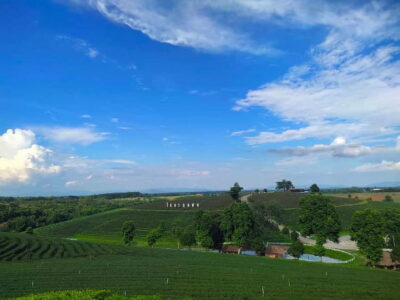
You start the day at Choui Fong Tea Plantation, and it sets the tone fast. Plan on time for a photo stop and a proper visit, plus a bit of free time for shopping. The best part is the tea tasting. You’ll get a chance to enjoy Chiang Rai Oolong tea with attention to aroma and flavor. This is one of those stops where slowing down for one cup can be the difference between pass-by sightseeing and a real memory.
Practical tips for the tea farm:
- Wear comfortable shoes. You’ll want to walk the grounds.
- Bring sunscreen and a hat. Morning to midday sun can be strong.
- If you like tea, bring cash in case you want to buy blends to take home. The tour notes you should have cash on hand.
Also, keep expectations realistic. Tea farms are a mix of scenic walking and sales. The value here is that the tour frames it as a tasting and explanation, so you understand what you’re buying instead of guessing.
Doi Chang Moob Border Viewpoint: where the photos get serious
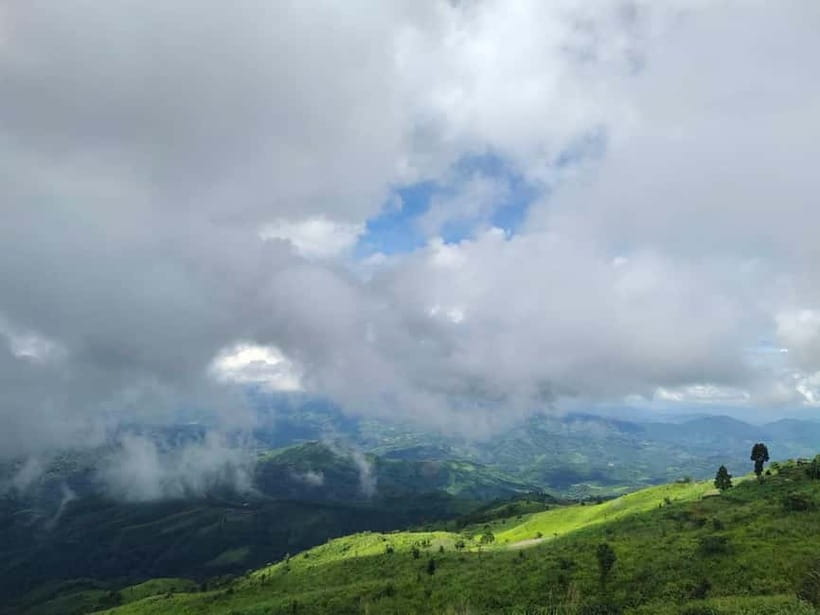
After tea, the tour heads to Doi Chang Moob, a viewpoint near the border of Thailand and Myanmar. This is a pure “look and photograph” stop, and it works because the views are the point. Expect a short walk, guided context, and time to soak in the highland scenery.
This viewpoint is popular for a reason: it’s the kind of spot where you feel the geography of the region. The day isn’t just about borders on a map. You’re seeing how mountains and mist shape life and travel routes up north.
How to make this stop easier:
- Pack a camera you can actually take out quickly. This is a “blink and you miss it” lighting moment.
- Bring sunglasses. The haze and brightness can be tricky for photos.
- If it’s rainy, use the umbrella and rain gear listed for the tour. Views are still possible, just harder to shoot.
Hill tribe villages, Ban Pha Hee and Ban Pha Mi: coffee with context
Next you’ll visit Ban Pha Hee and Ban Pha Mi. These aren’t just named stops. The tour builds in guided time, photo time, and free time, plus a coffee tasting moment. The idea is simple: you get to experience hill tribe hospitality and take a pause in the cool mountain air.
What makes this stop valuable is the pacing. There’s enough time to step back and observe daily rhythms, not just hurry through. You also get to interact with the setting through coffee, which is usually more enjoyable than a quick snack stop.
A practical note: food and drinks are generally not included. So if you want a bigger meal, you’ll have to explore the options there. The tour encourages supporting the community, and that matters more in these villages than at big-city attractions.
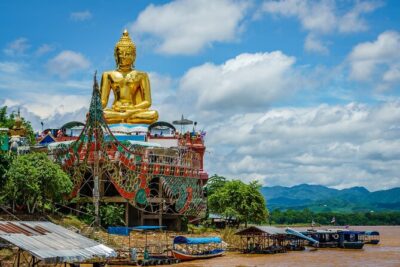
Golden Triangle days also got written up
Wat Phra That Doi Wao: the temple break that adds balance
Between border views and the Golden Triangle, you get a temple stop: Wat Phra That Doi Wao. Expect a photo stop, visit time, guided tour, and a longer window for sightseeing and wandering.
This is a nice “breather” in the itinerary. After viewpoints and village walks, a temple visit gives you a chance to reset your legs while still seeing something culturally anchored. Also, it’s a good spot to check your photos so far and plan what you want from the final border-history section.
Dress smart here. Temples often mean you’ll be closer to religious spaces than you expect, and the tour asks for comfortable shoes, which usually means you’ll walk more than you think.
Mae Sai and the glass skywalk option
Then you reach Mae Sai, described as Thailand’s northernmost town. The tour includes visiting the border town area and gives you a chance to experience a temple complex there, plus an optional glass skywalk.
Two things to know before you go:
- The glass skywalk entrance fee is 50 THB per person, and it’s paid on site if you choose to enter.
- The tour notes that entrance fees for the skywalk and the House of Opium are optional. So if you want these views, bring extra cash.
If you do go up, this is the payoff for the border theme in a different way. Instead of standing at a viewpoint in the hills, you’re looking out from a temple hilltop area. That glass floor makes for fun photos too.
If you’d rather save energy, you can skip the skywalk and spend that time exploring the town at ground level. Either way, Mae Sai works because it feels like the end of the road in Thailand, not just another attraction.
Golden Triangle: where three countries meet, plus the Opium House story
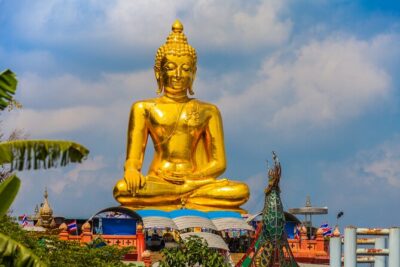
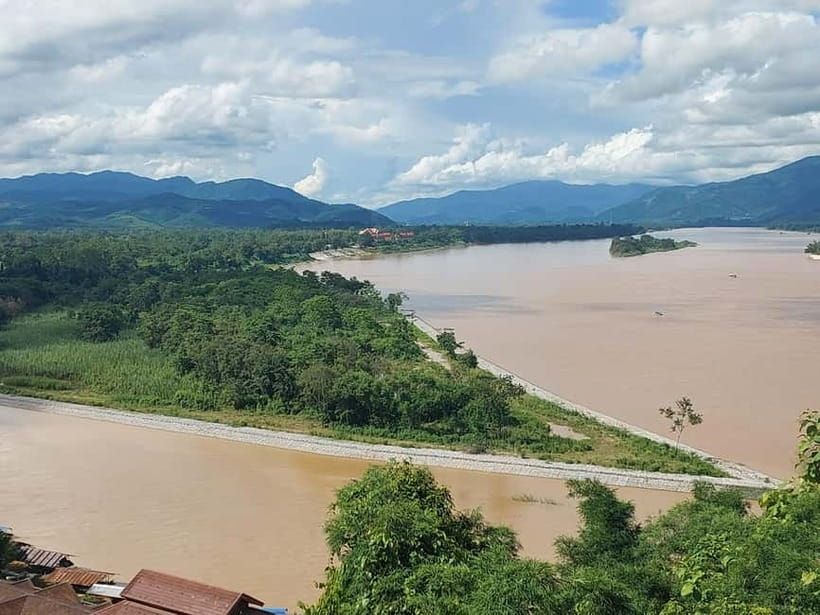
Finally, you stand at the Golden Triangle, where Thailand, Laos, and Myanmar meet at a river confluence. This is one of those stops that can feel heavy or fascinating depending on what you pay attention to.
You’ll also have a chance to visit the House of Opium museum. It’s optional, and the entrance fee is 50 THB per person, paid on site. If you choose to go in, it adds meaning to the geography. You understand why this region became known for the opium trade routes, and you get context for the border history behind the headlines.
Even if you skip the museum, the Golden Triangle stop is still worth it for the location and the guided explanation. Borders in Southeast Asia are not abstract lines. They affect how people live, trade, and move.
The driving route and countryside feel on the way back
One reason this day trip feels more “northern Thailand” than “tour desk Thailand” is the return drive. The tour specifically mentions skipping the highway and taking a picturesque countryside drive. You’ll pass rice paddies, traditional villages, and rolling hills on the way back.
You should treat this as part of the experience, not filler. This is where the day becomes more than a chain of stops. It gives you a slow view of what the region looks like between major attractions.
Tip: if you care about the countryside photos, sit where you’ll get the best window angles and keep your camera ready.
Group size, guide style, and transport: the “small things” that matter
This tour runs with a licensed local guide and driver and is limited to 9 participants, which is a big deal in a day packed with different settings. In places like villages and viewpoint areas, the difference between a group of 9 and a group of 25 is comfort and patience.
The tour’s transport scores highly, with 95% of reviewers giving it a perfect score. That usually matters on long days, because roads can be uneven and stops can be spaced out.
Guide style also seems to be a strong point. Many guide names that come up repeatedly are described as friendly and helpful with questions and photos. Some guides even use phone videos to make explanations easier, which is a smart move when you’re learning about borders and tea agriculture without a classroom.
What you need to bring (so the day stays fun)
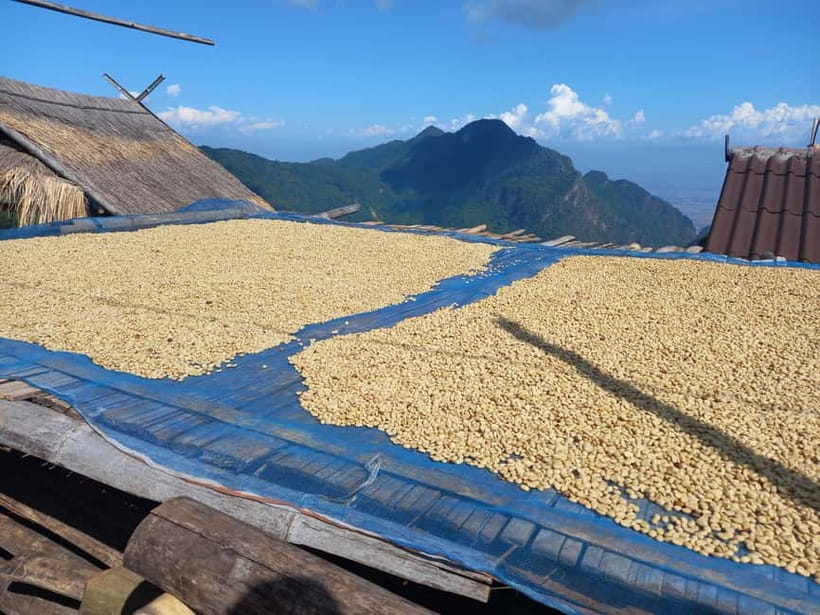
The essentials for this tour are pretty clear. Pack:
- Comfortable shoes
- Sun hat, sunglasses, and sunscreen
- Umbrella and rain gear
- Camera and power bank
- Water
- Cash (because optional entrances are paid on site)
- Passport or ID card copy accepted
And a reminder: no alcohol and drugs are allowed.
This is a full-day outing, so bring what helps you feel good, not just what you think you need for photos.
Price and value: is $79 a good deal for this route?
At $79 per person for a 1-day itinerary, you’re paying for:
- Hotel pickup and drop-off within 3 km of downtown Chiang Rai
- A small group experience with a live English guide
- Visits to multiple key locations across Chiang Rai province
- Scenic countryside driving
- Round-trip transport included
The main “extras” to budget for are:
- Mae Sai glass skywalk: 50 THB per person, optional
- House of Opium: 50 THB per person, optional
- Food and drinks, not included
Whether it’s worth it depends on how many optional entrances you want and how much you’d pay for a full-day private driver if you planned it on your own. For most visitors, paying for the guide and transport makes sense because the schedule is tight enough that DIY can turn into wasted time.
Who this tour suits best (and who might want to rethink it)
This fits you best if:
- You want a full-day introduction to northern Chiang Rai beyond the usual temple circuit
- You like a mix of nature views, cultural stops, and border history
- You prefer a small group with time for photos and questions
- You enjoy tea culture and coffee breaks, not just monuments
You might rethink it if:
- You get tired easily with a long, multi-stop day
- You only want one or two major attractions and would rather travel slower
- You hate optional paid add-ons, since skywalk and museum entrances are not included
Should you book this Chiang Rai Golden Triangle day trip?
I think this is a strong pick if you’re in Chiang Rai for a short stay and you want your day to feel like northern Thailand, not just a list of famous dots. The best reason to book is the combination: tea tasting, border viewpoints, hill tribe village time, and the Golden Triangle history stop all in one organized day with small-group comfort.
If you want to maximize value, plan to bring cash for the optional skywalk and House of Opium. Also, pack for weather. This region can change fast, and being ready keeps the viewpoints and walks enjoyable.
FAQ
FAQ
What is the duration of the Chiang Rai Golden Triangle tour?
It is a 1-day experience.
How much does the tour cost?
The price is $79 per person.
Is the tour in English?
Yes. The tour includes a live English guide.
How big is the group?
The group is small, limited to 9 participants.
What is included in the tour price?
Included are visits to the Choui Fong Tea Plantation, Doi Chang Moob border viewpoint, Ban Pha Hee and Ban Pha Mi villages, Mae Sai border town, Golden Triangle, and a scenic countryside drive, plus licensed local guide and driver and round-trip hotel pickup/drop-off for hotels within 3 km of downtown.
Are entrance fees included for the skywalk and museum?
No. The Mae Sai glass skywalk and the House of Opium museum are optional, with entrance fees of 50 THB per person each, paid on site if you choose to enter.
Are food and drinks included?
No. Food and drinks are not included, so you’ll want to budget for meals or snacks during free time.
What should I bring, and what is not allowed?
Bring comfortable shoes, sunglasses, a sun hat, umbrella, camera, sunscreen, water, rain gear, cash, and an ID or passport copy. Alcohol and drugs are not allowed.
What else made it into the Thailand notebook
Up at the Golden Triangle, continued
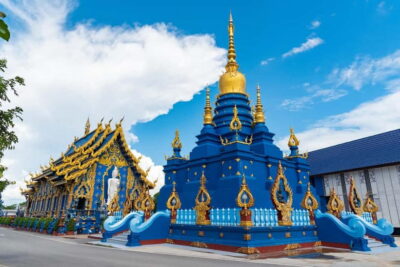
The White Temple and the Blue Temple, continued
What else made it into the Chiang Rai notebook
- One Day Group Tour Experience in Chiangrai
★ 5.0 · 22 reviews - Chiang Mai to Chiang Rai: 3 Temples & Hot Springs & Pickup
★ 4.0 · 22 reviews - Chiang Rai: Discover 7 Must-See Spots & Lunch Included
★ 4.7 · 26 reviews - Private Choui Fong and Golden Triangle Explorer from Chiang Rai
★ 4.0 · 27 reviews - Chiang Rai: Guided Full-Day Highlights tour with Lunch
★ 5.0 · 30 reviews - Chiang Rai: Discover 7 Must-See Spots & Lunch Buffet
★ 5.0 · 47 reviews
Chiang Rai White and Blue Temple Tours, compared.
 ★ 4.6Chiang Rai White Temple and Blue Temple Day TourFrom $273,366 reviews
 ★ 4.9Guided Highlights Guided Tour with Buffet LunchFrom $371,532 reviews
 ★ 5.0Chiang Rai Temples: Private Tour from Chiang MaiFrom $1441,267 reviews
 ★ 4.5Chiang Rai’s Temples Exploration Day TripFrom $51871 reviews
 ★ 4.9Iconic Temples & 7 Major Sites—River View BuffetFrom $37692 reviews
 ★ 4.5Chiangmai to Chiangrai: 3 Temples, Hot Springs& Lalitta CafeFrom $41659 reviews
 ★ 4.8White, Blue, Red Temples, Long Neck TourFrom $57652 reviews
 ★ 4.5Chiang Rai White Temple, Blue Temple and more from Chiang MaiFrom $39605 reviews
Browse the lists this tour appears in