

REVIEW · COOKING CLASSES
Choose Your Own Dishes: Half-Day Thai Cooking Class in Phuket
Thai cooking gets personal in Phuket. In this half-day class, you choose four dishes, tour a local market, and cook at your own station near Patong Beach. What makes it fun is the combo of culture and technique, not just standing around watching.
Two things I love: you pick your menu (so it feels like your vacation, not a template), and the small group setup means you can actually get help while you cook. One thing to consider is that the market visit is more about ingredient lessons than heavy shopping, so go in ready to learn, not just browse.
The payoff is real food skills. You’ll follow step-by-step instruction from Thai chefs, you’ll taste what you make, and you’ll leave with digital recipes you can use back home.
In This Review
- Key highlights worth planning for
- Phuket half-day timing, pickup, and what 3.5 hours really means
- From your hotel to Kathu: how the pickup keeps the day easy
- The market tour: learning spices and herbs before you touch the stove
- Choosing your menu: how the 4-dish format helps you cook better
- Cooking stations and the class rhythm: hands-on, not sit-and-watch
- What you’ll cook: Thai comfort food with real technique behind it
- Learning flavor structure, not just a recipe
- Partial prep, full skill
- Tasting and digital recipes: the part that makes it usable later
- Price and value in Phuket: what you’re paying for beyond the meal
- Who this class fits best, and who might want a different plan
- My booking verdict: should you choose this half-day class near Patong?
- FAQ
- FAQ
- What’s the duration of the Phuket Thai cooking class?
- Do I get to choose which dishes I cook?
- Are there morning and afternoon class times?
- Is a vegetarian option available?
- Is hotel pickup and drop-off included?
- How many people are in the class?
- Are alcoholic drinks included?
Key highlights worth planning for
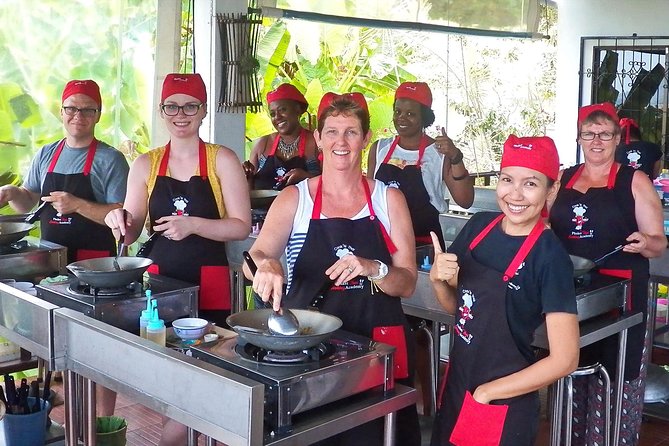
- Hotel pickup and drop-off from select hotels makes Phuket traffic less of a headache.
- Guided market tour included helps you recognize Thai herbs, spices, and vegetables for the dishes you chose.
- Choose exactly 4 dishes from the menu, with options to adjust for your tastes and dietary needs.
- Private cooking station setup with equipment and a burner so you’re not waiting your turn.
- Max 9 travelers keeps the pace lively and the instruction practical.
- Digital recipes to take home so the class doesn’t end when you walk out the door.
Thai kitchens got sat through and written up
- Phuket Thai Cooking Class with Market Tour Option★ 5.0 · 2,665 reviews
- Hands-on Thai Cooking Class Phuket with Market Tour Option!★ 5.0 · 808 reviews
- Thai Cooking Class in Phuket★ 5.0 · 375 reviews
- Half day Thai cooking Class + Market tour+Garden tour★ 5.0 · 237 reviews
Phuket half-day timing, pickup, and what 3.5 hours really means
This is a half-day Thai cooking class in Phuket that runs about 3 hours 30 minutes. There’s a morning start around 9:00am and an afternoon start around 1:30pm, so you can pick based on when you want to be active and when you want beach time.
The experience is built around momentum. Hotel pickup gets you out of your resort area, then you head to a market, then you cook, taste, and wrap up. With a time-boxed format, you should expect a bit of urgency, especially because the class is hands-on and you have a full plate of tasks.
Price-wise, it sits at about $71.71 per person. For Phuket, that’s a fair rate because you’re getting more than a meal. You get guided instruction, ingredients for the dishes you select, market time, and transport. You’re also limited to a maximum of 9 travelers, which helps justify the cost versus larger group tours that can feel rushed.
From your hotel to Kathu: how the pickup keeps the day easy
Pickup is included, but only for select hotels. That matters because Phuket can be a patchwork of pickup convenience. If your hotel is outside their pickup coverage, you could end up dealing with transport on your own, so I recommend you double-check your pickup details as part of booking.
Once you’re picked up, you ride by air-conditioned vehicle to the Phuket Thai Cooking Academy area in Kathu. The academy is listed as being about five minutes from Patong Beach, so you’re not dealing with a long day trip into the far countryside. That proximity is part of the value. You get Thai food culture without sacrificing the rest of your Phuket day.
Also, you’ll likely travel with an English-speaking and Chinese-speaking Thai chef or guide team. If you’re worried about language, this is one of the strong points. Clear instruction is the difference between learning recipes you can repeat and learning a show you forget.
The market tour: learning spices and herbs before you touch the stove
A local market visit is included, and it’s not random. The point is to help you identify Thai ingredients so the cooking makes sense.
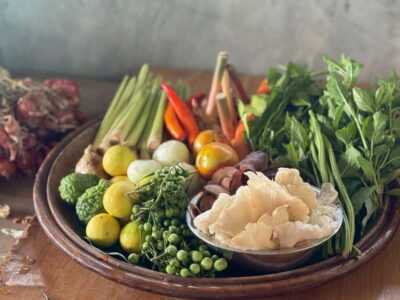
During the market stop, your instructor walks you through Thai herbs, spices, and vegetables, explaining how these ingredients shape flavor in Thai cooking. If you’ve ever thought Thai food tastes complicated, this is where the class starts to simplify it. You’re learning what goes where and why, not just memorizing a list of steps.
A couple of practical notes based on what people experience in class:
- Some ingredients may be partially prepared for time reasons, so don’t expect to do everything from scratch at the market.
- The market time is typically better for recognizing and choosing ingredients than for a long shopping spree.
That’s the main consideration. If you love browsing local goods and want time for extra purchases, you might feel the market is more of a guided lesson than a free-for-all marketplace. Still, even a short market tour can pay off, because you’re connecting ingredients to the dishes you’ll cook next.
Choosing your menu: how the 4-dish format helps you cook better
This is where the class feels personal. You’re asked to choose four dishes you want to be taught. You can also request vegetarian options, and you can advise dietary needs ahead of time.
That “choose your dishes” policy is the difference between a generic cooking demo and a skill-building class. If you like Pad Thai, Tom Yum, curries, stir-fries, or desserts, you can build your lesson around what you actually want to eat later.
It also lets you correct for your own comfort level. If you prefer less spice, you can request balance adjustments. Past classes have described chefs fine-tuning flavor profiles, including dialing spice and sweet-sour balance with the help of instructors like Ploy and Ms King. The takeaway for you is simple: ask for adjustments early, not at the end when the sauce is already in the pan.
If you have allergies or are avoiding gluten or dairy, you should list that in the special requirements box during checkout. The class supports dietary needs, but you need to communicate them clearly so the kitchen can prep appropriately.





Cooking stations and the class rhythm: hands-on, not sit-and-watch
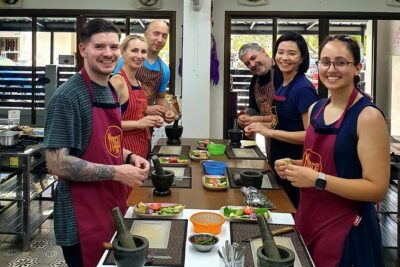
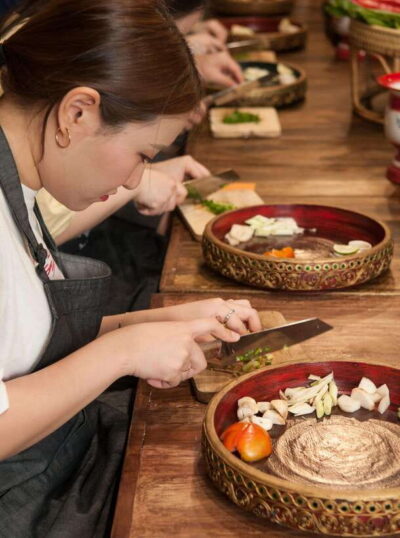
Back at the academy, the setup is designed for you to cook. Each guest has a private cooking station with equipment provided, including burners. That means you’re not sharing a wok and hoping someone notices your timing.
The chef demonstrates techniques first, then you do it. Instruction tends to be step-by-step, which helps whether you’re a total beginner or you’ve cooked before and just want Thai seasoning and methods dialed in.
The classroom pacing is fast, but in a structured way. You’ll be moving through a workflow:
1) prep for your selected dishes
2) cook with guidance
3) adjust seasoning using Thai flavor cues
4) taste and refine as you go
One small comfort factor mentioned in past experiences: the main gathering area is air-conditioned, and there are fans available, which helps during Phuket heat. The kitchen vibe is practical, focused, and meant for productivity. You’re there to cook, not to tour a museum.
What you’ll cook: Thai comfort food with real technique behind it
Your menu can include classic hits and sweeter finishes. The class overview specifically references dishes such as:
- Pad Thai
- Tom Yum
- curries and stir-fries
- desserts
Here’s what that means for you, practically. Thai food isn’t just one flavor system. It’s a balancing act across categories like sour, salty, spicy, sweet, and aromatic. When you learn to build those layers, you can replicate the dishes later even if the exact brand of ingredient changes.
Learning flavor structure, not just a recipe
In a good Thai kitchen, you don’t treat sauces like bottled shortcuts. You learn how ingredients behave. For example, acidic and herbal notes need the right timing. Aromatics should bloom early, then the dish should settle into balance.
This class format supports that because you’re cooking multiple items with different flavor goals. Even if your four dishes are all favorites, you’re still training different technique patterns.
Partial prep, full skill
A practical consideration: ingredients may be partially prepared. That’s not a bad thing. It keeps the class on schedule and helps you focus on the cooking steps that matter: heat control, seasoning timing, and texture.
So your goal is to come away knowing how to recreate the dish, not how to process every ingredient from scratch.
Tasting and digital recipes: the part that makes it usable later
After you cook, you’ll taste your creations together. This matters more than it sounds. You get a quick feedback loop, and you also learn what the dish should taste like when it’s properly balanced.
Then you take home digital recipes. That’s a big quality-of-life detail. Cooking classes can be fun, but the real value is being able to repeat the results when you’re back in your own kitchen. Digital recipes are especially helpful if you want to cook on a weeknight without pulling out a guidebook.
If you’re cooking for friends at home, this is also where the class pays back socially. You can tell a straightforward story: we learned the market ingredients, then we made these four dishes, and here are the exact steps.
Price and value in Phuket: what you’re paying for beyond the meal
At $71.71 per person, it’s not a bargain bargain. But it also isn’t overpriced for what you get.
Here’s where the value comes from:
- Round-trip hotel transport (from select hotels)
- Market tour included
- All necessary ingredients and cooking lessons
- A small group cap of 9 travelers
- Private cooking station setup
- Digital recipes to take home
- Beverages included, with alcohol sold separately
If you compare this to the cost of a paid cooking class in many destinations, the menu choice and the small-group size make a real difference. You’re not just paying for food. You’re paying for instruction and context, plus time saved by pickup and a well-paced program.
One more value note: because you cook four dishes, you get a larger sampling of Thai cooking styles than you would at a class that only teaches one main item plus sides.
Who this class fits best, and who might want a different plan
This Phuket cooking class is best if you want:
- a hands-on activity that teaches real technique
- a short day plan (morning or afternoon) without long travel
- to learn how Thai flavor is built, especially through herbs, spices, and balance
- to cook dishes you actually want to eat later
It’s also a good choice for couples. Many cooking classes work well for couples because it’s not only romantic, it’s also efficient. With private stations and clear instruction, you both have a meaningful role.
You might consider another option if:
- you really want extensive free time for market shopping rather than guided ingredient learning
- you prefer a slower, calmer class with lots of downtime
- you’re expecting every ingredient to be fully processed from scratch with hands-on prep
My booking verdict: should you choose this half-day class near Patong?
Yes, I’d book it if your goal is practical Thai cooking skills in a short Phuket window. The combination of menu choice, market ingredient lessons, and private station cooking makes it feel like an actual lesson, not a single meal experience.
The one thing I’d watch is your expectations for the market segment. It’s included to teach you what to look for and why, not to give you unlimited shopping time. If you’re okay with that, you’ll walk away with both satisfaction and usable recipes.
Also, if you like flexibility, pick based on your energy. The morning slot is great if you want to start fresh. The afternoon slot works well if you’ve already done the beach and you want a food-focused activity to close the day. And if plans change, the experience offers free cancellation up to 24 hours in advance.
FAQ
FAQ
What’s the duration of the Phuket Thai cooking class?
It runs for about 3 hours 30 minutes.
Do I get to choose which dishes I cook?
Yes. You choose 4 dishes you want to be taught during your class.
Are there morning and afternoon class times?
Yes. You can select either 9:00am or 1:30pm.
Is a vegetarian option available?
Vegetarian options are available. You should advise that when booking.
Is hotel pickup and drop-off included?
Yes, hotel pickup and drop-off are included for select hotels.
How many people are in the class?
The class has a maximum of 9 travelers, which keeps it small-group.
Are alcoholic drinks included?
No. Alcoholic drinks are not included, but they may be available to purchase.
Thai kitchens you can book into
What else made it into the Thailand notebook
What else made it into the Phuket notebook
- Phuket Adventure with White Water Rafting, Monkey cave and Zip Line+Optional ATV
★ 3.0 · 20 reviews - Phi Phi Islands Speedboat Full-Day Tour from Phuket+ Buffet Lunch
★ 4.5 · 20 reviews - Phang Nga Bay Starlight by John Gray Sea Canoe
★ 5.0 · 20 reviews - Private Muay Thai Workshop at Phuket King Gym
★ 5.0 · 20 reviews - Phi Phi , Maya Bay & Khai Island snorkeling trip by Speed Boat
★ 4.0 · 20 reviews - 150 Minutes Phuket Coco Mojito Massage
★ 5.0 · 20 reviews
Cooking Classes, compared.
 ★ 5.0Half-Day Thai Cooking Class at Organic Farm in Chiang MaiFrom $2919,087 reviews
 ★ 4.9Cooking Class, Market & Thai Herbs Garden TourFrom $314,824 reviews
 ★ 4.9Authentic Cooking Class with Market & Farm VisitFrom $344,546 reviews
 ★ 5.0Thai and Akha Cooking Class in Chiang MaiFrom $424,358 reviews
 ★ 5.0Phuket Thai Cooking Class with Market Tour OptionFrom $652,665 reviews
 ★ 4.9Hands-on Thai Cooking Class and Market TourFrom $451,614 reviews
 ★ 4.9Cooking Class with Market and PickupFrom $251,365 reviews
 ★ 4.9Tingly Thai Cooking School Half-Day Cooking ClassFrom $411,191 reviews
Browse the lists this tour appears in