
REVIEW · HILL TRIBE VILLAGE VISITS
Chiang Mai: Elephant Sanctuary Local Hill Tribe Caretakers
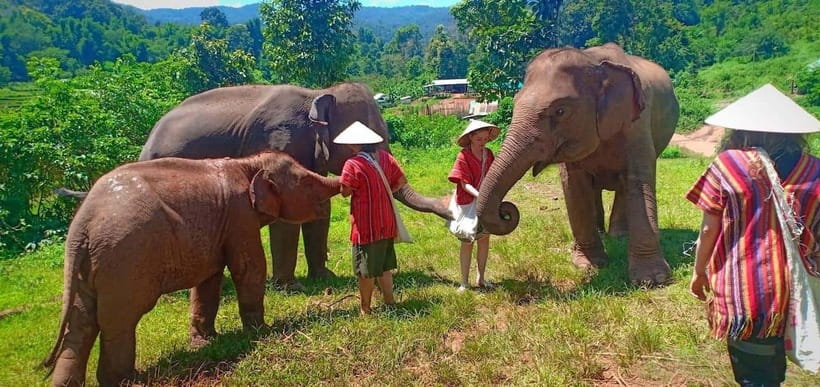
Elephants, forests, and a real sanctuary feel. This Chiang Mai half-day pairs stress-free elephant care with a Mae Wang Waterfall hike, so you get more than a photo stop. I like that the focus stays on feeding, walking, and bathing with caretakers rather than riding or show tricks, and I also love the hands-on mud bath and river time that help you understand elephant comfort, not just entertainment. One drawback to plan for: the day can run longer than the 4-hour label, so keep a loose schedule.
I also appreciate how the program tries to connect you with local life, including Karen and Hmong perspectives, instead of keeping everything sealed behind fences. The tone feels practical: you’re there to learn how elephants are cared for, what they need, and how humans can help without crowding them.
This isn’t a sit-and-stretch outing. You’ll hike for about an hour, and you’ll likely get wet, so come ready. If you have back issues, are pregnant, or you’re traveling with kids under 2, this one is not a good fit.
In This Review
- Key things I’d circle on your plan
- Why This Elephant Sanctuary Day Feels Different in Chiang Mai
- Pickup, the drive to the camp, and how to keep your timing sane
- Meeting the elephants: feeding, walking, and mud-bath lessons
- What the river bath is really like (and what to pack for it)
- Karen and Hmong way of life: learning with caretakers, not just watching
- The Mae Wang Waterfall hike through lush forest paths
- Lunch at the sanctuary and why this included meal is part of the value
- Price and value: what $51 gets you, and what can surprise you
- Who this elephant sanctuary experience is best for
- Small practical tips that make the day smoother
- Should You Book This Chiang Mai Elephant Sanctuary and Mae Wang Waterfall Tour?
- FAQ
- How long is this tour in Chiang Mai?
- What’s included, and what do I need to pay for separately?
- What time is pickup, and when do I return?
- Do I need to bring swimwear?
- Is there an English-speaking guide?
- What is not allowed during the tour?
- Who should not book this experience?
Key things I’d circle on your plan
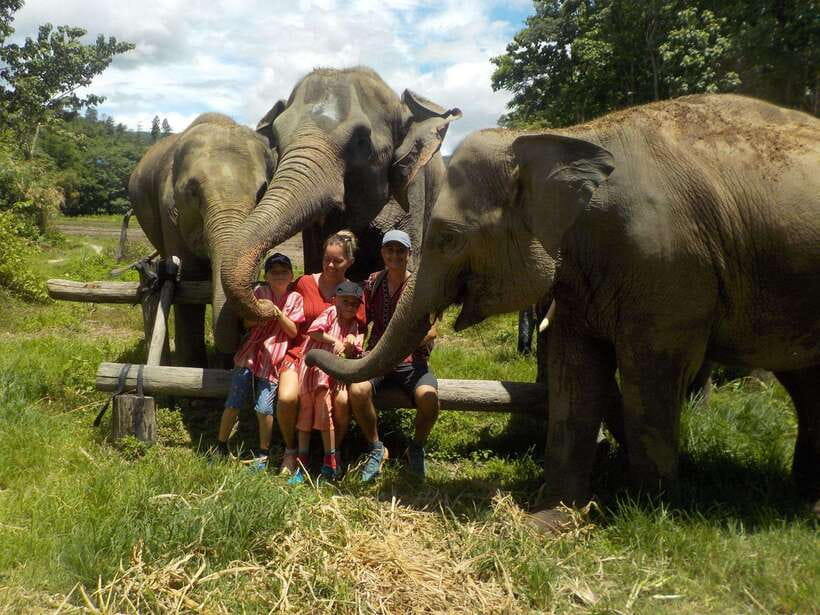
- Ethical, no show, no ride approach: interaction stays focused on care, not performance.
- Feeding, walking, mud baths, and a river wash: multiple ways to see elephant routines.
- Karen and Hmong way-of-life time: you learn context for local caretaking culture.
- Mae Wang Waterfall trek: about a one-hour hike through forest to reach the falls.
- Transport and lunch included: it’s easier than piecing together a day on your own.
Thai sanctuary visits got read closely, riding-free
- Chiang Mai: Elephant Sanctuary, Waterfall & Bamboo Rafting★ 4.9 · 9,160 reviews
- Chiang Mai: Elephant Sanctuary & Waterfall Group Tour★ 4.9 · 5,780 reviews
- Chiang Mai: Elephant Sanctuary Feeding Program Half-Day Tour★ 4.8 · 4,527 reviews
- Chiang Mai: Elephant Sanctuary, Long Neck & Sticky Waterfall★ 4.9 · 2,262 reviews
Why This Elephant Sanctuary Day Feels Different in Chiang Mai
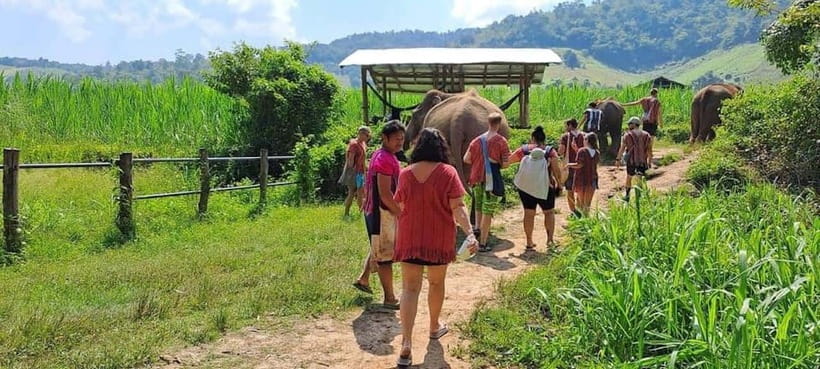
Most Chiang Mai elephant tours are sold like a theme park day. This one aims for a different goal: ethical conservation with real daily caretaking tasks. The big promise is that you won’t be doing rides or watching staged entertainment. Instead, you’re feeding, walking, and joining elephants for bathing moments in a natural setting.
That matters because elephant welfare is not the same as visitor convenience. When you pay attention to mud baths, river time, and guided feeding, the experience starts to feel like you’re learning a system that keeps elephants calm. It also changes your mindset. You stop thinking, look at the cute elephant, and you start thinking, how do they cool off, how do they move, and how does a sanctuary reduce stress?
The “local hill tribe caretakers” angle adds another layer. You’re not only meeting elephants, you’re also seeing how caretaking fits into community life. The highlights specifically point to Karen and Hmong communities, and I think that’s part of why people come away feeling the day meant something.
Pickup, the drive to the camp, and how to keep your timing sane
Your day starts with round-trip transport from Chiang Mai. Pickup can be in the morning from 8:00AM to 8:30AM, or in the late morning from 11:30AM to 11:45AM. The program returns to Chiang Mai around 2:00PM, and the ride to the elephant camp takes about 1 hour.
Now here’s the practical part. Even though the duration is listed as 4 hours, at least a few people report their day running longer once they were actually with the group. Translation: build in buffer time. If you have a tight second booking right after pickup time, you might end up stressed. If you’re flexible, you’ll enjoy the pace more.
Also, you should expect that the schedule includes both elephant care time and a hike. That means you’ll want to be ready to move, get changed quickly, and handle the sun if you’re there on a bright day.
Meeting the elephants: feeding, walking, and mud-bath lessons
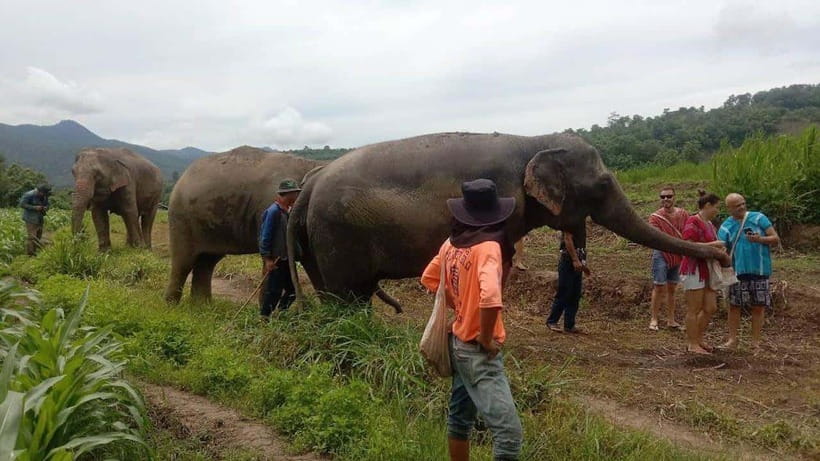
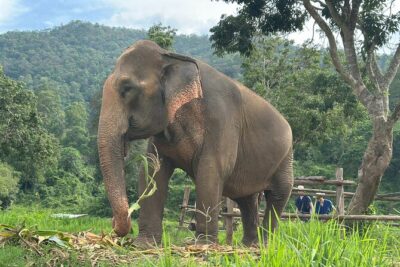
Once you arrive, you’ll spend time learning the sanctuary’s mission and meeting the elephants. The heart of the experience is active, guided interaction. You’ll prepare and feed elephants while learning about their behavior. Then you’ll join the elephants as they cool off with a mud bath.
Why mud baths matter. In the program description, mud is part of skin protection and comfort. In real terms, it’s how elephants regulate heat and feel at ease. When you watch them roll or move through mud, it stops feeling like a trick and starts feeling like you’re observing an everyday need.
The bathing segment is also a key reason this tour stands out. You’ll meet the elephants in the river for a bath, and you’re not just standing on the bank. The activity description includes river bathing with the elephants, so plan your clothing around getting wet.
Two important notes on behavior and rules:
- You won’t be smoking during the activity.
- You also won’t be “feeding animals” on your own. The program is about feeding with instruction and caretaker guidance, so follow directions rather than improvising.
If you’ve done elephant tours before that were mostly for posing, this is a different vibe. You’ll feel more like a participant in care routines.
What the river bath is really like (and what to pack for it)
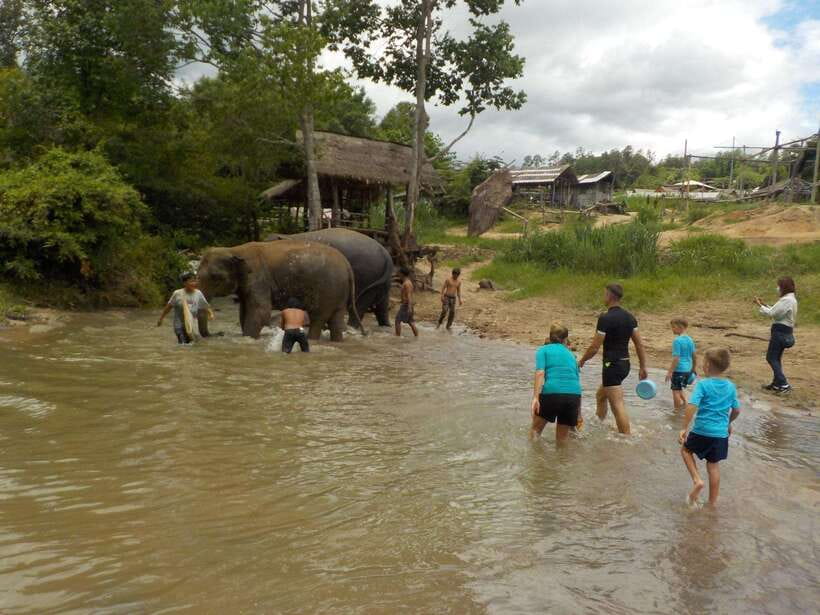
This tour strongly signals water time. The required packing list is basically your clue: swimwear, a change of clothes, and a towel. They also recommend flip-flops, which is practical once your feet are wet and the ground is slick.
Camera, sunscreen, and insect repellent are also on the list. That makes sense, because you’ll be outside during elephant care and again on the Mae Wang hike.
My practical advice is to keep your wet and dry items separate. Bring a small bag for the clothes you’ll change into later. Sunscreen and repellent should go on before you enter the busier outdoor stretches. And if you’re the type who hates feeling sandy, quick-dry fabric is your friend.
You should also assume you might be splashed more than you expect. This isn’t a pool day, it’s a river day with elephants. Embrace it, don’t fight it.
Thai village visits got read for the small print

Karen and Hmong way of life: learning with caretakers, not just watching
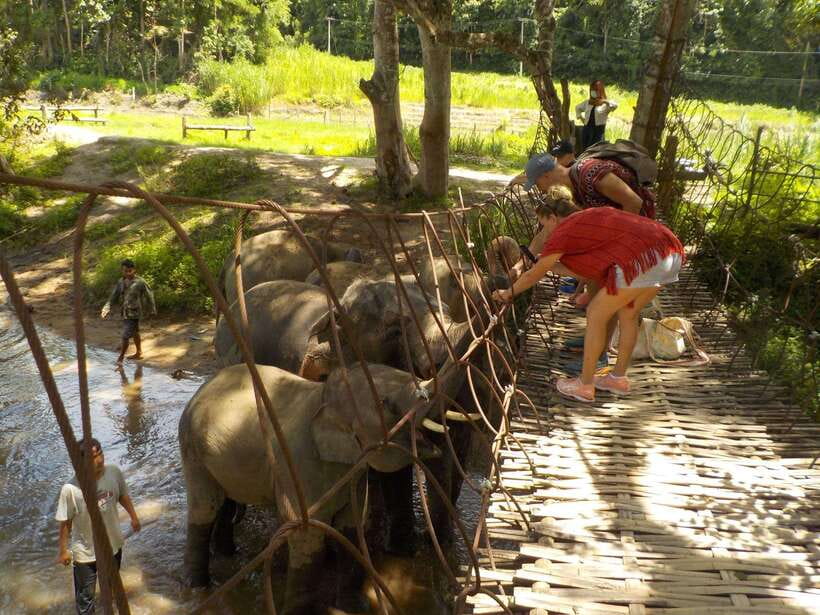
One of the highlights is exploring the way of life of local Karen and Hmong communities. That can be a marketing term in some tours, so I look for what it changes in the day.
Here, the value is that the elephant program is positioned as caretaking work tied to local knowledge. You’re learning about elephant care in a way that connects to human communities around the sanctuary. That means you get context for why the program is built around sustainable tourism, not only around visitor attraction.
Even if you do not know much about hill tribe cultures before you arrive, you’ll likely leave with a clearer sense that caretaking is not a one-off job. It’s part of local life and a shared responsibility.
And since the guide is English-speaking, you can ask questions in a way that feels respectful. This is one of the reasons I like doing these kinds of encounters in a guided format rather than DIY. You’ll catch meaning you’d otherwise miss.
The Mae Wang Waterfall hike through lush forest paths
After elephant time, the program includes a 1-hour jungle hike trek to Mae Wang Waterfall. This is not an all-day trek. It’s a focused walk through forest to reach the falls, and it’s part of why the day feels like a real half-day outing rather than only a sanctuary stop.
The upside is variety. You’re not repeating the same setting for four hours. You get movement, fresh air, and a payoff at the waterfall.
The potential drawback is effort. You’re walking for around an hour, and the route is described as lush forest. That usually means uneven ground and bugs. This is why insect repellent is on the packing list. It’s also why the tour is marked as not suitable for people with back problems.
If you’re comfortable walking in humid weather and you’ll pack decent footwear, you’ll likely enjoy this part a lot. If you’re expecting flat, easy terrain, you might not.
Lunch at the sanctuary and why this included meal is part of the value
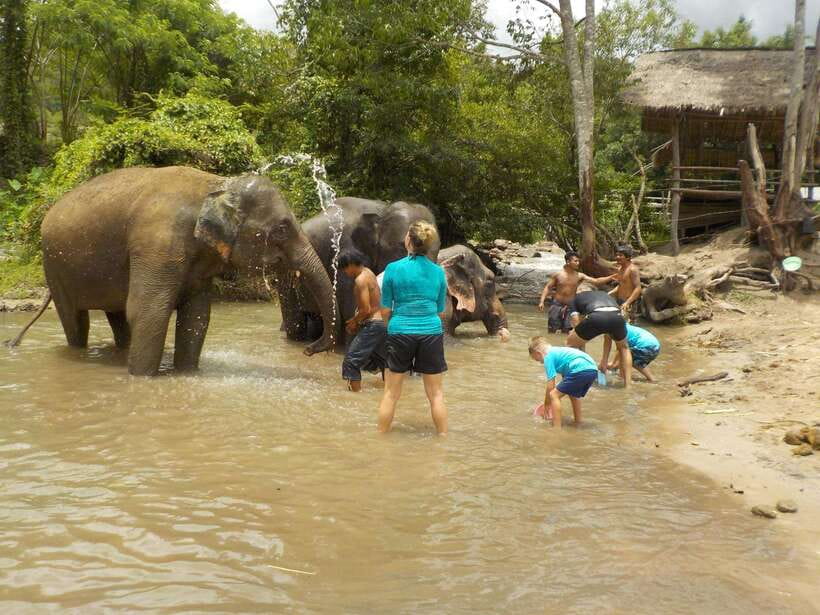
Lunch is included, and it’s described as a traditional Thai meal in the peaceful sanctuary surroundings. That sounds simple, but it actually matters.
When elephant tours and waterfall hikes are separate, you can end up spending time hunting food and negotiating with restaurants that aren’t geared for your schedule. Here, the meal is placed inside the day flow. You’re also more likely to eat something you can digest comfortably before the river time and the hike.
If you’re picky about spicy food, you might want to be ready to ask for mild options when you can. The tour data doesn’t specify spice levels, so I’d treat this as a normal Thai meal first, adjustable to your preferences second.
Price and value: what $51 gets you, and what can surprise you
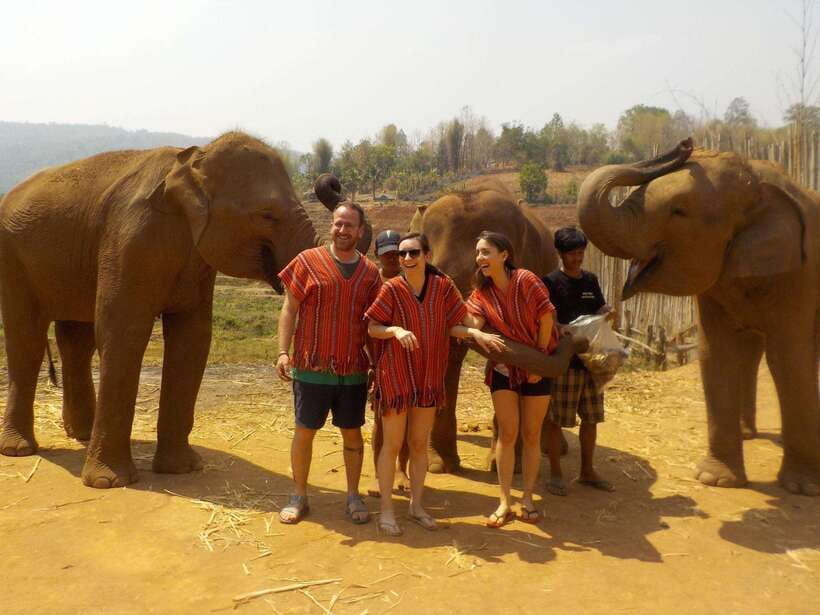
The price is listed at $51 per person for a program labeled 4 hours, with round-trip transport from Chiang Mai and lunch included.
So where is the value? In my view, it comes from three things that are hard to replicate on your own:
- Transport from Chiang Mai, since the camp is about an hour away.
- Guided elephant care time that emphasizes feeding, walking, mud baths, and river bathing with instruction.
- A second big activity, the Mae Wang Waterfall hike, plus a meal.
When ethical elephant programs are done right, you’re paying for time, training, and supervision. You’re also paying to avoid the worst version of elephant tourism where visitors treat animals like rides. This tour specifically presents itself as non-commercialized, with no shows and no rides.
What can surprise you is time. The duration is listed as 4 hours, but some participants describe a full day feeling. If you like tight plans, you’ll want to keep your afternoon open and avoid chaining appointments.
Also keep expectations grounded. A sanctuary interaction is not a luxury spa experience. You’re outdoors, you’ll likely get wet, and you’re there to observe and help in a controlled, guided way.
Who this elephant sanctuary experience is best for
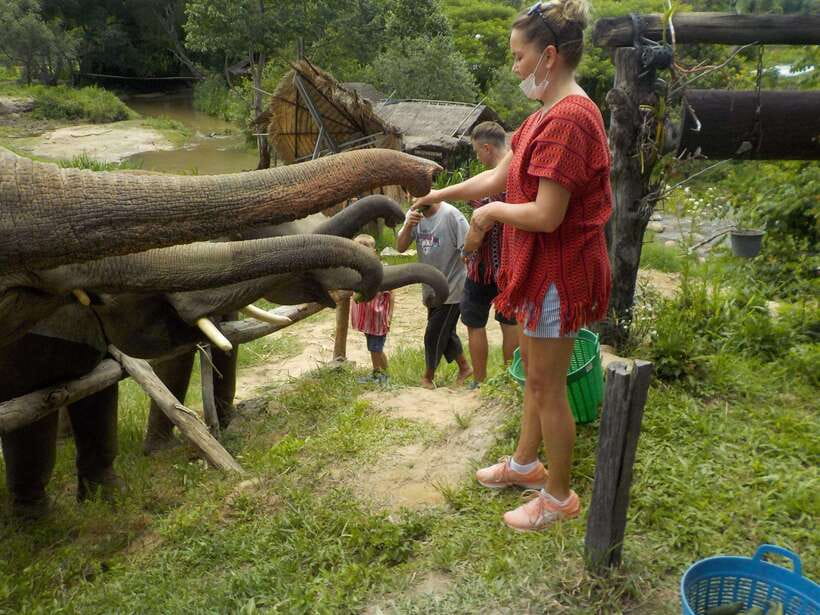
This is a great fit if you want a hands-on, ethical-feeling day in Chiang Mai that includes more than elephants. The combination of elephant care and the Mae Wang Waterfall hike makes it feel like you’re seeing a slice of northern Thailand, not only ticking off a single attraction.
You’ll probably love it if you:
- Care about elephant welfare and want a no-rides, no-shows setup.
- Enjoy guided learning, especially about local community context (Karen and Hmong way of life).
- Are okay getting wet and walking on uneven ground for about an hour.
You should skip it if:
- You’re traveling with children under 2.
- You are pregnant.
- You have back problems.
Those limitations are not random. They match the kind of movement involved and the physical demands of hiking and bathing.
Small practical tips that make the day smoother
Here are the details that matter once you’re there:
- Pack swimwear early in your day bag. You’ll likely need it quickly once the bathing part comes.
- Bring a change of clothes and keep it separate from damp items.
- Wear flip-flops if your group does river entry and you want easy footwear, but consider that for the hike you may want something stable. The tour lists flip-flops, so plan around that guidance rather than expecting hiking boots.
- Use sunscreen and insect repellent before you get deep into outdoor time.
- Bring a camera if you love elephant moments, but keep it protected from splashes.
And one more piece of advice: if your schedule is tight, treat this as a day plan, not a quick errand. Some people find the experience expands beyond what they expected, and being calm about that is the key to enjoying it.
Should You Book This Chiang Mai Elephant Sanctuary and Mae Wang Waterfall Tour?
If your goal is to do elephants in a more ethical, care-focused way, this is a strong choice. You get a structured elephant interaction that includes feeding, walking, mud baths, and river bathing, plus the Mae Wang Waterfall hike and an included Thai lunch. At $51, with transport and meal built in, it’s priced like a real activity day rather than a bargain tour.
I’d book it if you’re flexible with timing and you’re comfortable getting wet and walking for about an hour. I’d also book it if you like learning from guides and caretakers instead of only watching from a distance.
I’d think twice if you have a very fixed afternoon plan, or if you fall into the not-suitable categories like pregnancy or back problems. And if pickup matters for you, make sure your Chiang Mai location is clearly covered, because pickup issues are the kind of problem that can derail a day.
If you want a meaningful elephant encounter that also gives you a nature outing, this one makes a lot of sense.
FAQ
How long is this tour in Chiang Mai?
The experience is listed as 4 hours. Starting times depend on availability.
What’s included, and what do I need to pay for separately?
Round-trip transportation from Chiang Mai and lunch are included. Hotel accommodation and personal expenses are not included.
What time is pickup, and when do I return?
Pickup is in the morning between 8:00AM and 8:30AM, or in the afternoon between 11:30AM and 11:45AM. The tour returns to Chiang Mai around 2:00PM.
Do I need to bring swimwear?
Yes. You should bring swimwear, plus a change of clothes and a towel, since you will bathe in a river with the elephants.
Is there an English-speaking guide?
Yes. The tour includes a live tour guide in English.
What is not allowed during the tour?
Smoking is not allowed. Feeding animals is listed as not allowed, and alcoholic drinks in the vehicle are not allowed.
Who should not book this experience?
It is not suitable for children under 2 years old, pregnant women, and people with back problems.
What else made it into the Thailand notebook
Village visits, and who the money reaches
Sanctuary visits, and how the elephants are actually kept
What else made it into the Chiang Mai notebook
- Walk With Monks Collecting Alms(meeting point maybe change)
★ 4.9 · 8 reviews - Doi Suthep and Hmong Hilltribe Half Day Tour in Chiang Mai
★ 3.5 · 8 reviews - Aroidee’s Farm-Fresh Thai Cooking Experience
★ 5.0 · 8 reviews - 2- Days in Doi Inthanon National Park
★ 4.5 · 8 reviews - Khantoke Dinner Experience & Cultural Dance Show with Transfers
★ 4.0 · 8 reviews - Sticky Waterfalls Private Half Day Fun Escapades
★ 4.5 · 8 reviews
Hill Tribe Village Visits, compared.
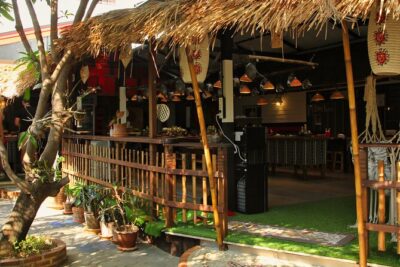 ★ 5.0Thai and Akha Cooking Class in Chiang MaiFrom $424,358 reviews
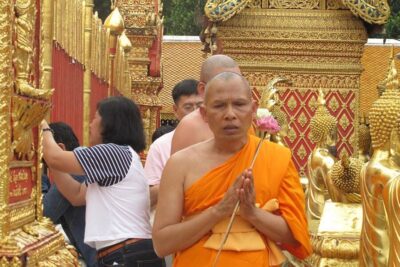 ★ 4.74-Hour Doi Suthep & Hmong Hill Tribe Village from Chiang MaiFrom $36696 reviews
 ★ 4.8White, Blue, Red Temples, Long Neck TourFrom $57652 reviews
 ★ 4.3Long Neck Village & Chiang Rai’s Iconic TemplesFrom $55338 reviews
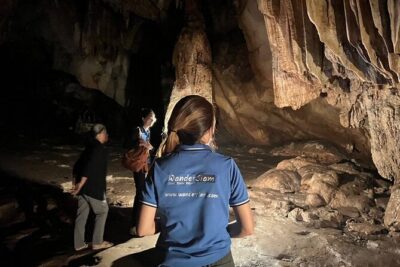 ★ 5.0Chiang Dao Cave & 5 Hill Tribe villagesFrom $52181 reviews
 ★ 5.04 in 1 Elephants Long Neck Rafting and Sticky Waterfall TourFrom $88126 reviews
 ★ 4.0Chiang Rai Full Day Tour with Boat Trip and Longneck VillageFrom $55112 reviews
 ★ 4.5Chiang Dao Cave & 5 Hill Tribe VillagesFrom $5175 reviews
Browse the lists this tour appears in