
REVIEW · COOKING CLASSES
Bangkok: Thai Cooking Class With 4 Dishes & Thai Drink
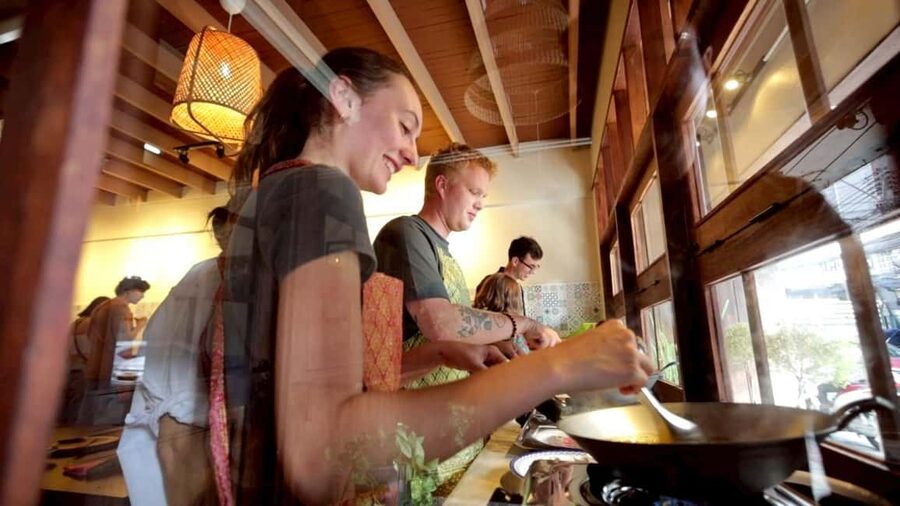
Thai cooking class turns Bangkok into a hands-on lesson. In four hours, you go from a nearby market walk to a cozy kitchen where you actually make the flavors you usually just order. I love how small-group attention keeps things personal, and how the class includes both spicy and sweet Thai favorites, so you leave with a full “Thai meal” mindset. One thing to plan for: the menu includes Tom Yum Goong (spicy shrimp soup), so if you avoid heat or seafood, you’ll want to request an option ahead of time.
You’ll meet at Huai Khwang MRT station and get a quick tuktuk transfer to Homies Thai Cooking School. I also like the practical setup, each person gets their own station with ingredients and equipment, which means you spend time cooking instead of watching. The only real drawback is pace, four dishes in four hours takes focus, and it’s not the kind of class where you can wander slowly or hang back.
In This Review
- Key highlights worth your attention
- Huai Khwang MRT to a Real Thai Meal, in 4 Hours
- The Market Walk: Learning What Thai Flavor Starts With
- Tuktuk Transfer to a Homie-Style Kitchen
- Small Group Cooking: Up to 8, With Your Own Station
- Four Dishes, One Thai Flavor Course
- Tom Yum Goong, the Spicy Shrimp Soup Lesson
- Pad Thai: Noodles That Teach Balance
- Som Tum: Papaya Salad and the Art of Fresh Crunch
- Mango Sticky Rice: The Sweet Ending Done Right
- Sharing the Meal Like a Family
- Price and Value: What $46 Gets You
- How to Get the Most Out of Your Cooking Session
- Timing and Location: Easy Start, Easy Exit
- Should You Book This Thai Cooking Class?
- FAQ
- Where is the meeting point?
- How long is the cooking class?
- What dishes will I cook?
- Is the class taught in English?
- Can I request vegetarian, vegan, or halal options?
- What is the group size?
- Are there any rules for children or extra people like translators and photographers?
- Do I get recipes to take home?
Key highlights worth your attention
- Huai Khwang MRT Exit 3 meet-up keeps the start simple, especially if you’re already exploring by train
- Market walk for ingredient shopping helps you understand what makes each dish taste the way it does
- Cozy homie-style kitchen for small groups (up to 8) means more hands-on coaching
- Your own cooking station with everything provided cuts down on waiting and confusion
- Four iconic dishes including Pad Thai, Som Tum, Tom Yum Goong, and Mango Sticky Rice
- English instruction plus recipe take-home so you can repeat the dishes later
Thai kitchens got sat through and written up
- Bangkok: Hands-on Thai Cooking Class and Market Tour★ 4.9 · 1,614 reviews
- Bangkok: Tingly Thai Cooking School Half-Day Cooking Class★ 4.9 · 1,191 reviews
- Bangkok: Maliwan Thai Cooking Class with Market Tour★ 4.9 · 1,133 reviews
- Hands on Thai Cooking Class and Market Tour★ 5.0 · 660 reviews
Huai Khwang MRT to a Real Thai Meal, in 4 Hours
This class is built for people who want Thailand food that tastes like Thailand, not just a tourist plate. You start at Huai Khwang MRT station, Exit 3, which is a big help in a city where getting across town can eat time. From there, the day doesn’t drag. You’re guided from the local market scene into a kitchen where you can work with the ingredients you just saw.
The duration is a compact four hours, and that matters. A short class keeps your day moving and makes it easier to fit cooking into Bangkok without sacrificing other plans. I also like that it ends near Sutthisan MRT station, one stop away from the meeting area, so you can get back out the door quickly.
The Market Walk: Learning What Thai Flavor Starts With
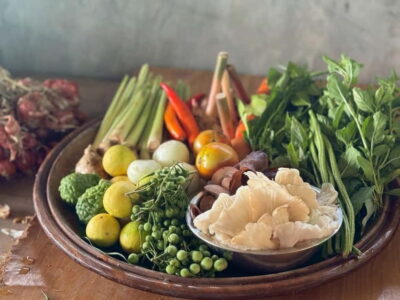
Before you cook, you head out to explore the local Thai market near the meeting point. This is one of the most valuable parts because it turns Thai cooking from a mystery into ingredients you can recognize. You’re not just picking something to snack on. You’re seeing the items that show up in dishes like Tom Yum Goong and Som Tum, and that makes the rest of the lesson click.
Here’s how this helps you as a cook at home. When you later recreate Pad Thai or mango sticky rice, you’ll know what you’re looking for, and you’ll understand why those flavors work together. Thai cuisine is about balance, and that balance comes from herbs, spices, and key components, not just one magic sauce.
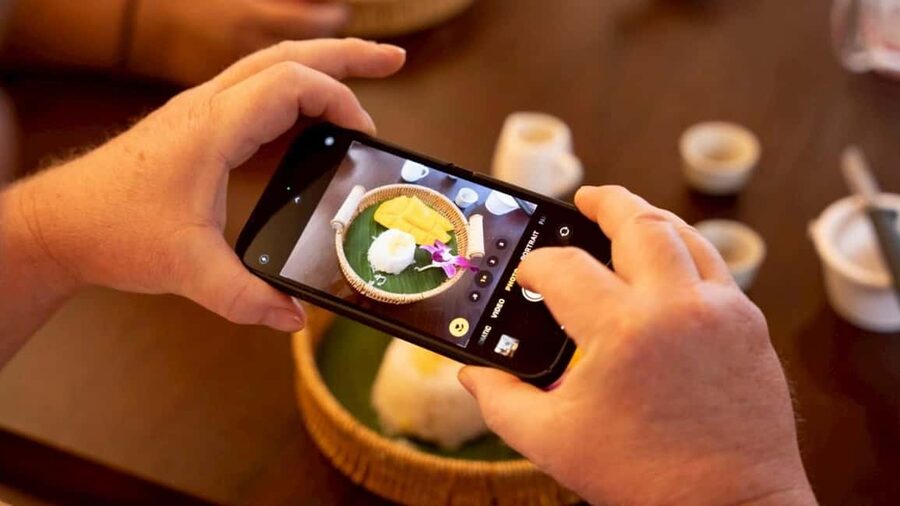
Practical tip: if you’re the kind of person who likes to photograph food, bring your camera ready. This market portion is naturally photo-friendly, and it also gives you visual reference for ingredients that might look similar in a grocery store back home.
Tuktuk Transfer to a Homie-Style Kitchen
After the market, you hop into a tuktuk for the short ride to the cooking studio. This is partly fun, partly useful. It signals the shift from browsing to cooking, and it also breaks up the timeline so your four hours feel lively rather than like a long workshop.
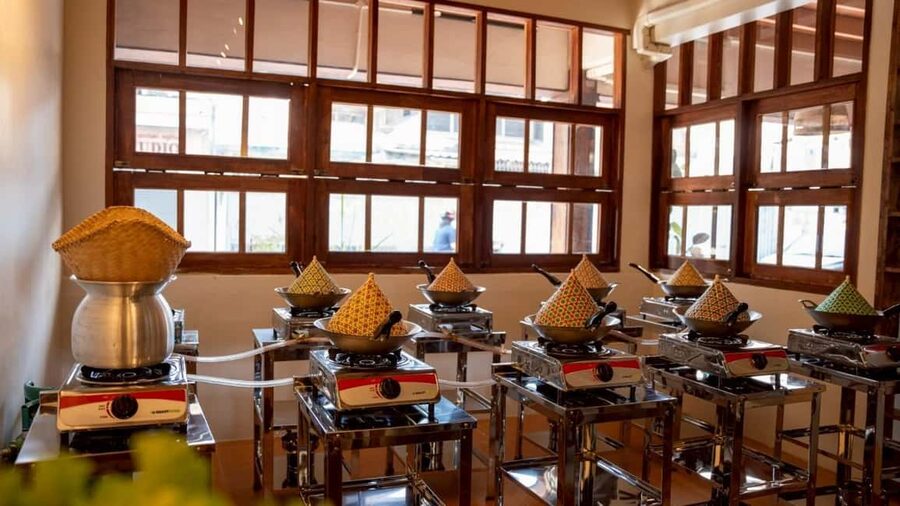
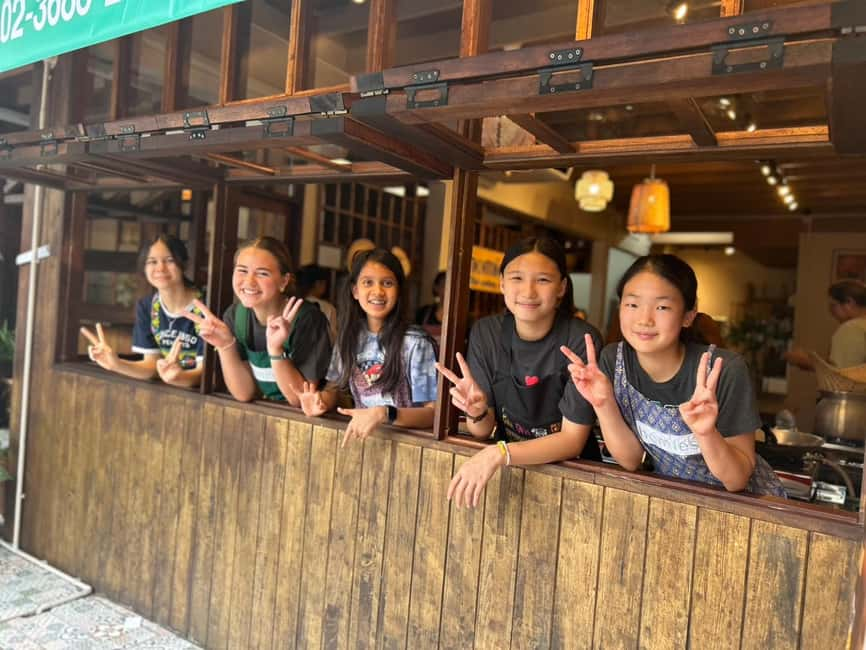
The kitchen setup is described as cozy and homie-style, designed especially for small groups. That detail matters more than it sounds. In a kitchen built for learning, you’re not squeezed into one crowded counter, and you’re not forced to watch from the sidelines. The studio aims to keep the experience comfortable so you can focus on the steps.
Small Group Cooking: Up to 8, With Your Own Station
The class is limited to 8 participants. That small size is a big deal in Bangkok, where many tours feel packed and rushed. With fewer people, the instructor can keep an eye on what you’re doing and correct small mistakes before they become big flavor problems.
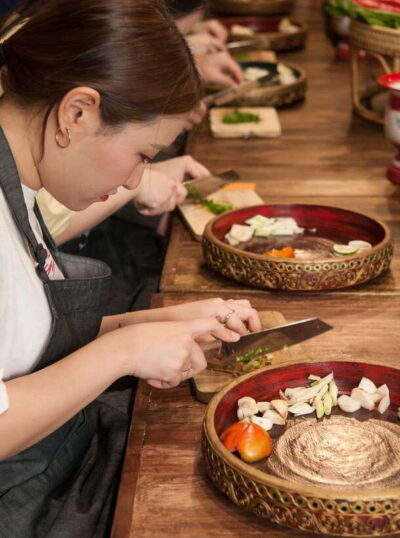
You also get your own cooking station with ingredients and equipment provided. This is one of the reasons the class feels efficient. You don’t spend half the time searching for utensils or waiting for a shared ingredient. You can follow the process step by step and actually cook.
Another good sign: the instructor teaches in English. That reduces friction, especially if you’ve never cooked Thai before. And based on the experience, the guidance is friendly and easy to follow, with one instructor named Nut highlighted for making the lesson straightforward.


Four Dishes, One Thai Flavor Course
You cook four iconic Thai dishes during the session, guided from step to step: Tom Yum Goong, Pad Thai, Som Tum (papaya salad), and Mango Sticky Rice. The smart part is that these aren’t all similar meals. They cover soup, noodles, a fresh salad, and a dessert, so you learn different techniques and flavor structures.
Also, the class is built to support dietary needs. Vegetarian, vegan, and halal options are available upon request. If you have restrictions, this is where you should plan ahead so the ingredients and steps match what you can eat.
Let’s break down each dish and what you’ll learn from it.
Tom Yum Goong, the Spicy Shrimp Soup Lesson
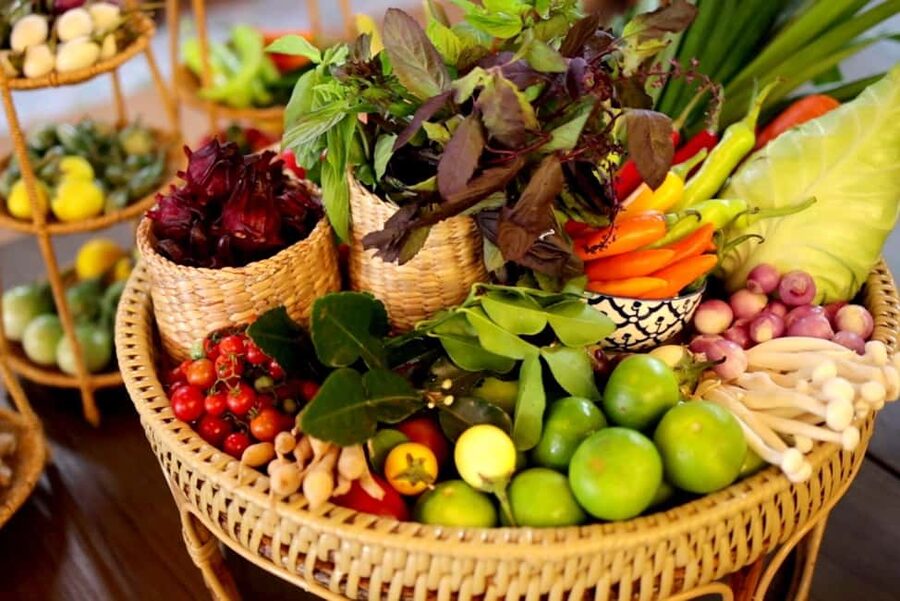
Tom Yum Goong is the dish that tells you Thai cooking doesn’t play safe. It’s a spicy shrimp soup, so it brings heat and bold aroma to the table. Even if you’re not chasing extreme spice at home, this dish teaches you the role of herbs and spices in creating that characteristic Thai “lift.”
In a hands-on class, the value isn’t just tasting the soup. It’s watching how the instructor guides you through the key steps and how you build flavor instead of simply dumping ingredients. This is the kind of lesson that helps you later because it teaches the process, not just the final result.
Consideration for you: if shrimp or high spice is an issue, request your option. The class can handle restrictions, but you need to communicate them so the right version is prepared for you.
Pad Thai: Noodles That Teach Balance
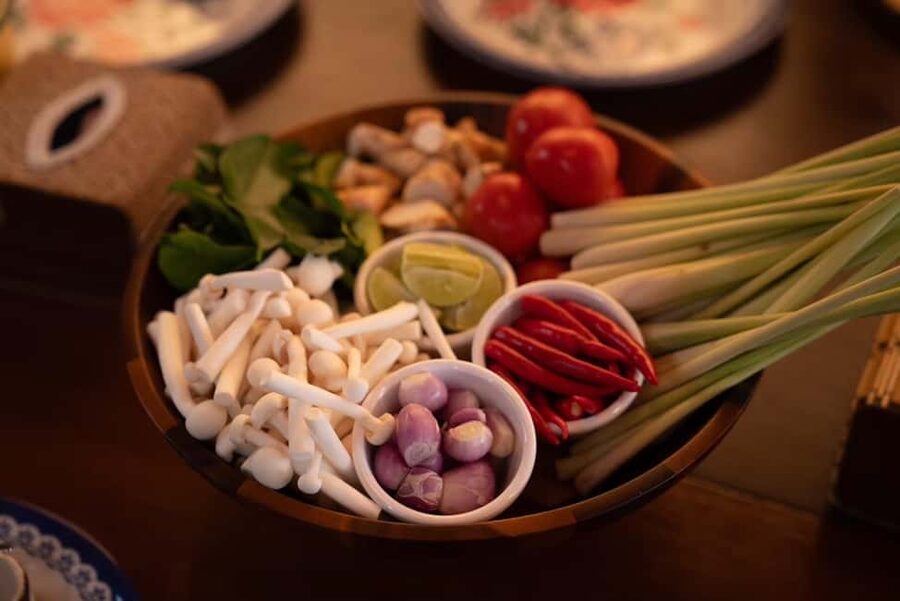
Pad Thai is the Thai classic everyone recognizes, but it’s also one of the dishes that can go wrong if you treat it like just stir-fried noodles. In this class, Pad Thai becomes more than comfort food. It’s a practical way to understand how Thai flavors work together in one pan.
You’ll follow steps to create the dish at your station, which helps you understand how timing affects the texture of noodles and how the different components contribute to the final flavor. This is also a dish that’s great to practice if you want to cook Thai at home later because many ingredients are easier to source than in more obscure regional dishes.
When you sit down to share the meal afterward, Pad Thai is usually a highlight because it’s familiar enough to evaluate and still complex enough to feel like a real cooking win.
Som Tum: Papaya Salad and the Art of Fresh Crunch
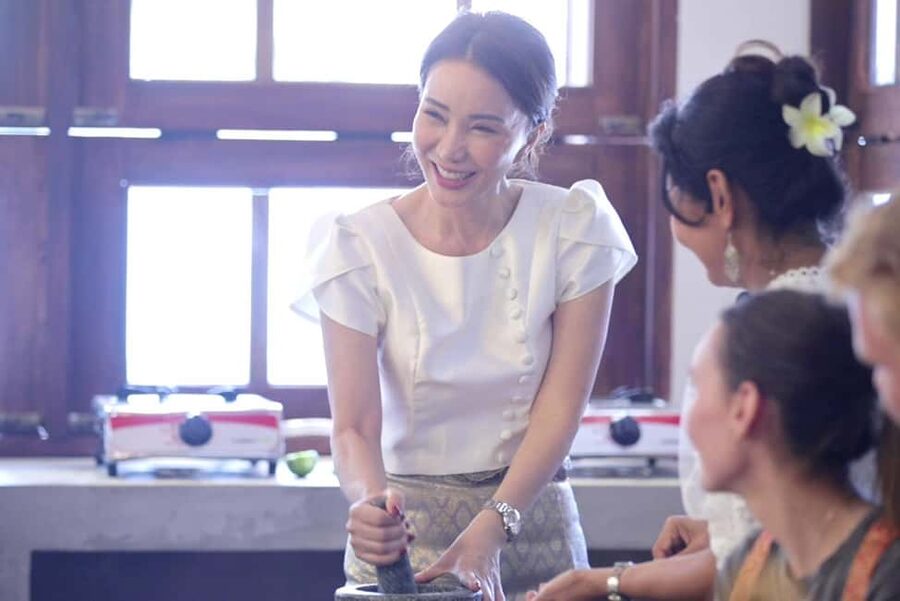
Som Tum is papaya salad, and it’s the dish that shifts the mood from warm and savory to bright and crisp. This is a great counterpoint in the menu because it introduces freshness and tang into the same meal.
The best part of cooking Som Tum in class is learning how herbs and spices contribute to a salad’s bite. Instead of thinking of it as just chopped fruit and dressing, you learn how the flavor balance makes it addictive. It also teaches you a useful Thai-cooking principle: not everything is about heat. Many Thai flavors are about sharpness, aroma, and balance.
If you’re planning for dietary needs, this dish is one of the easiest to adjust, and the class offers vegetarian, vegan, and halal options upon request.
Mango Sticky Rice: The Sweet Ending Done Right
Then comes Mango Sticky Rice, the dessert that makes your final bites feel like Thailand has a sweet tooth too. This dish matters because it’s where you learn that Thai desserts are not just sugar. They have texture, aroma, and careful balance.
In a hands-on cooking class, desserts are often skipped or rushed. Here, Mango Sticky Rice is one of the four core dishes, so you get a full learning experience rather than a quick finish. You’ll follow the steps to create the dessert and end the meal satisfied, not just full.
And if you’re the type of person who always forgets how desserts should taste, you’ll appreciate having recipes to take home. The class includes recipes, which helps you recreate the flavors instead of guessing later.
Sharing the Meal Like a Family
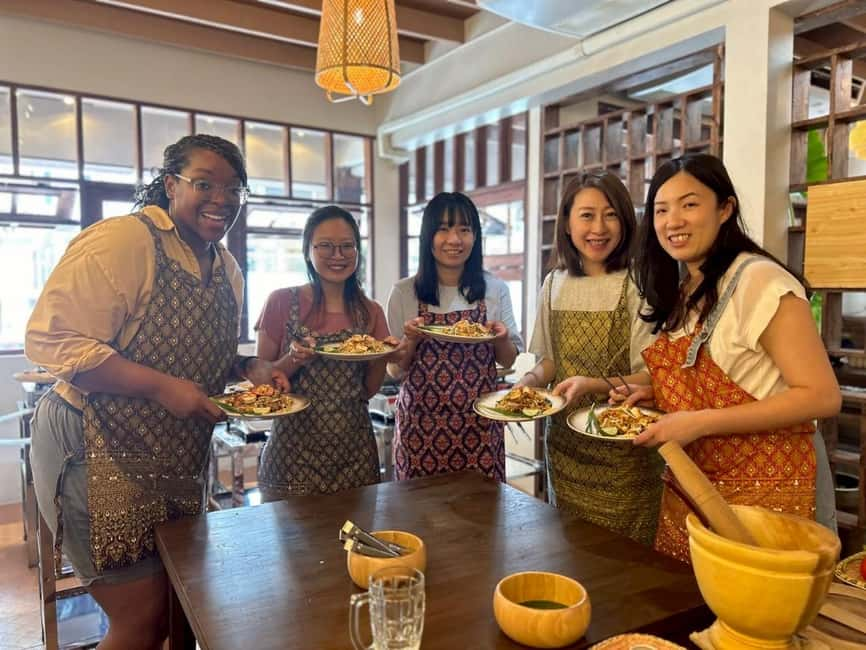
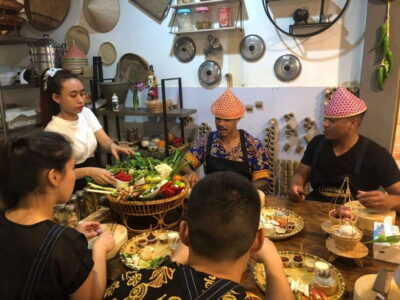
After cooking, you sit down together to share the Thai meal you created. This family-style setup turns the class into a social experience, not just a technical workshop. It also gives you a quick reality check: does the dish taste balanced? Does it match what you expected?
This shared eating part is where the “fun” shows up for real. It’s one thing to cook, it’s another thing to eat what you made with the people in your group. It also makes the class feel warm and friendly, a point that shows up consistently in the overall experience.
Photo tip: take a few pictures while serving. Once everyone starts eating, the moment moves fast.
Price and Value: What $46 Gets You
At $46 per person for a four-hour experience, you’re paying for more than a meal. You’re paying for instruction, ingredients, and a kitchen setup that gives you real station time.
Here’s what you’re getting for your money:
- Hands-on class in Bangkok with an English-speaking instructor
- All fresh ingredients and cooking equipment
- Your own cooking station
- Four dishes you cook yourself
- Shared meal to enjoy what you made
- Recipes to take home
When you put it that way, the value is easier to see. You’re not just buying food. You’re buying a structured way to learn, plus the ingredients and tools that make practice possible. For a short Bangkok day, that’s a smart use of time, especially if you want to leave with recipes you can try again instead of just memories.
How to Get the Most Out of Your Cooking Session
Because the class is only four hours, you’ll do best if you come in ready to focus. Dress comfortably for a kitchen setting, and keep your phone handy for photos during prep and plating.
Here are a few practical habits that improve the outcome:
- Tell the instructor your dietary needs before you start cooking so your substitutions are integrated into the steps
- If you’re sensitive to spicy flavors, flag it early since Tom Yum Goong is explicitly spicy shrimp soup
- Take notes or screenshots on your phone when recipes are provided, so you can cook later without reconstructing everything from memory
Also, since your guide teaches in English, it helps to ask small questions as you go. With a small group, questions don’t get lost in the shuffle.
Timing and Location: Easy Start, Easy Exit
The meeting point is Huai Khwang MRT station, Exit 3. From there, you walk to a nearby market and then take a tuktuk to the kitchen. The activity ends at Homies Thai Cooking School at Sutthisan MRT station, one stop away from the meeting point.
That one-stop connection is useful for two reasons. First, it reduces stress about getting across town after a class. Second, it makes it easier to plan the rest of your day, whether you’re heading to a nearby area for dinner or continuing on to another part of Bangkok.
If your schedule is tight, this is exactly the kind of activity that fits without turning into a whole day of logistics.
Should You Book This Thai Cooking Class?
I think you should book if you want a hands-on Thai cooking experience in Bangkok that feels friendly and manageable. The small group size, your own cooking station, and the chance to cook four real dishes are the big reasons to pick this one. It’s also strong if you want to learn more than one flavor style, soup and noodles and salad and dessert, so you can recreate a fuller Thai meal later.
You might skip it if you hate spicy food or seafood and don’t want to communicate dietary needs in advance, since Tom Yum Goong is part of the core menu. It’s also not the best fit if you want a slow, casual strolling experience. This is cooking class energy, active and focused.
FAQ
Where is the meeting point?
You meet at Huai Khwang MRT Station, Exit 3.
How long is the cooking class?
The class runs for about 4 hours.
What dishes will I cook?
You’ll prepare four dishes: Tom Yum Goong (spicy shrimp soup), Pad Thai, Som Tum (papaya salad), and Mango Sticky Rice.
Is the class taught in English?
Yes, instruction is in English.
Can I request vegetarian, vegan, or halal options?
Yes. Vegetarian, vegan, and halal options are available upon request.
What is the group size?
It is a small group limited to 8 participants.
Are there any rules for children or extra people like translators and photographers?
Children under 10 can accompany for free only if they do not participate in the class. Also, anyone entering the cooking facility must be a paid participant, including personal translators and photographers or videographers.
Do I get recipes to take home?
Yes, you receive recipes to take home after the class.
Thai kitchens you can book into
What else made it into the Thailand notebook
What else made it into the Bangkok notebook
- Discover UNESCO World Heritage Sites – Ayutthaya to Khao Yai National Park
★ 5.0 · 7 reviews - Damnoen Saduak Floating Market & Maeklong Train Market Tour
★ 5.0 · 7 reviews - Unique and Scenic Slow Boat Tour from Bangkok to Ayutthaya
★ 5.0 · 7 reviews - Bangkok Tour: Highlights & Hidden Gems & Long Tail Boat
★ 4.5 · 7 reviews - Silom Thai Cooking Experience with Market Visit
★ 5.0 · 7 reviews - Private Tour: Grand Palace,Wat Phra Kaew, Museum&Cooking Class
★ 5.0 · 7 reviews
Cooking Classes, compared.
 ★ 5.0Half-Day Thai Cooking Class at Organic Farm in Chiang MaiFrom $2919,087 reviews
 ★ 4.9Cooking Class, Market & Thai Herbs Garden TourFrom $314,824 reviews
 ★ 4.9Authentic Cooking Class with Market & Farm VisitFrom $344,546 reviews
 ★ 5.0Thai and Akha Cooking Class in Chiang MaiFrom $424,358 reviews
 ★ 5.0Phuket Thai Cooking Class with Market Tour OptionFrom $652,665 reviews
 ★ 4.9Hands-on Thai Cooking Class and Market TourFrom $451,614 reviews
 ★ 4.9Cooking Class with Market and PickupFrom $251,365 reviews
 ★ 4.9Tingly Thai Cooking School Half-Day Cooking ClassFrom $411,191 reviews
Browse the lists this tour appears in