
REVIEW · WORKSHOPS
Bangkok Photography Masterclass – Private Photography Lesson
Bangkok looks different through a camera lens. This private Bangkok Photography Masterclass is a 3-hour street-focused lesson with a local instructor, built around your skill level and whether you want daytime scenes or nighttime glow. You move through classic areas like Chinatown and the temple-and-river side of Bangkok, so you practice on real subjects, not stock demo shots.
Two things I like a lot: first, the coaching style. Paul brings clear, practical guidance on things like composition, and you get the feeling you can actually improve, not just collect photos. Second, the format is flexible, you choose day or night, and the route uses several distinct neighborhoods instead of repeating the same view from one angle. Bottled water is included, which matters more than it sounds when you are walking and shooting.
One consideration: it is a short, 3-hour sprint. Also, like any small, person-run activity, there is some risk of a last-minute cancellation if a guide gets sick, so if it is your last day in Bangkok, I would keep a backup plan nearby.
In This Review
- Key Takeaways Before You Go
- Private 3-Hour Photo Coaching, With Paul
- Daytime vs Nighttime: Bangkok’s Two Different Photo Personalities
- Meeting at Hua Lamphong: Starting Point and Walking Reality
- Chinatown Street Scenes: Learning to Tell Stories Fast
- Erawan Shrine (Thao Mahaprom): Shapes, Symbols, and Clean Framing
- Benjasiri Park: Practice Perspective Without the Pressure
- Wat Arun (Temple of Dawn) and Sao Chingcha (Giant Swing)
- Train Night Market Ratchada: Night Photography Practice That Feels Real
- The So/ Spa Stop: A Breather in the Middle of a Photo Sprint
- Price and Value: Is $160 Worth It?
- Who Should Book This Masterclass?
- Should You Book?
- FAQ
- How long is the Bangkok Photography Masterclass?
- Is this experience private?
- Where does the tour start?
- What does the tour include?
- Can I choose a daytime or nighttime tour?
- Which stops are included on the route?
- Is bottled water provided during the tour?
- What is the cancellation policy?
- Is the meeting point near public transportation?
Key Takeaways Before You Go
- Private coaching with Paul means you get feedback geared to your level, not generic advice.
- Day or night options let you practice two very different Bangkok “looks.”
- A temple and landmark mix includes Wat Arun and Sao Chingcha, great for scale, angles, and storytelling.
- Chinatown plus night markets gives you variety in light, crowds, and textures for street photography.
- Free bottled water keeps the session comfortable when you are moving nonstop.
- A set 3-hour route makes it focused, but you will want to plan extra time for your favorite spots afterward.
Thai photo sessions also got a going over
- Bangkok: Bubble in the Forest Cafe Photography Journey★ 3.6 · 35 reviews
Private 3-Hour Photo Coaching, With Paul
This is not a camera scavenger hunt. It is closer to a personal lesson where you learn by shooting your way through Bangkok. The tour runs about 3 hours, and it is private, meaning only your group goes with the instructor. That matters because in street photography, the best improvements often come from quick feedback in the exact moment you are framing.
Paul stands out in the way he teaches. People describe his enthusiasm and his ability to help with composition, and that is exactly what you need in Bangkok. The city throws visual information at you all day. Your job is to pick what matters, control the frame, and make the scene read well in a single shot.
What makes it feel valuable is that the plan is built around multiple neighborhoods. You are not stuck photographing only temples or only street stalls. You get practice across different “types” of scenes, which helps you learn faster because the skills you use, like angle changes or balancing highlights, carry over.
Daytime vs Nighttime: Bangkok’s Two Different Photo Personalities
You choose a daytime or nighttime tour. That choice changes more than lighting. It changes how you see the city and what you practice.
In daytime, you can work on clarity and structure. Bangkok is packed with edges, signs, faces, architecture, and layered streets. Daytime is the time to build confidence with framing, perspective, and how to use landmarks without letting them dominate the story.
Night photography is a different discipline. The city becomes a mix of bright points, dark shadows, and reflections. On the nighttime version, the tour focuses on night photography skills and a route that includes Chinatown and night market areas. This is a great setup if you have ever felt frustrated by blurry shots at night, or if you want to understand exposure and light balance in a practical way.
If you are deciding between the two, pick based on what you want to learn most. If you want a foundation, go daytime. If you want a challenge and you like the mood, go nighttime.
Meeting at Hua Lamphong: Starting Point and Walking Reality
The tour starts at สถานีรถไฟหัวลำโพง (Rong Mueang), Pathum Wan, Bangkok, and it ends back at the meeting point. That is convenient because you are not stuck figuring out how to get back after a photo session.
Because the tour is about 3 hours and designed around multiple stops, you should expect a walking loop. You will spend time moving between areas and repositioning for new angles. So plan for comfortable shoes and a camera strap you trust. If you use a phone, that is fine too. The big point is that you will be shooting often enough that you benefit from the coach’s feedback.
Also, since it is near public transportation, you can connect easily to other parts of your day. This makes it easy to pair with other Bangkok plans, like temple time or a night market snack run, as long as you give yourself buffer time to slow down and shoot.
Chinatown Street Scenes: Learning to Tell Stories Fast
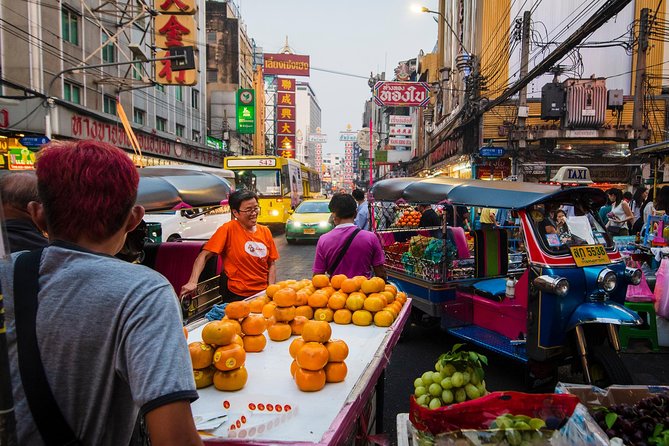
Chinatown is where a lot of Bangkok photographers start, and it is also where you can learn quickest. The reason is simple: there are strong visual elements all around you, so you can practice selection. What do you include, what do you cut, and how do you guide attention through the frame?
In this experience, Chinatown is the first stop. That timing helps. You begin in a high-energy environment, then you get coaching while you are still fresh and able to apply tips immediately. Paul’s role here is likely less about saying where to stand, and more about helping you see. People who did this describe learning composition and improving skills, and Chinatown is the perfect place for that kind of feedback.
A practical tip for Chinatown shooting is to think in layers. Even without getting fancy, you can try foreground, midground, and background. It is an easy way to stop your photos from looking flat, and it helps you use the chaos in a controlled way.
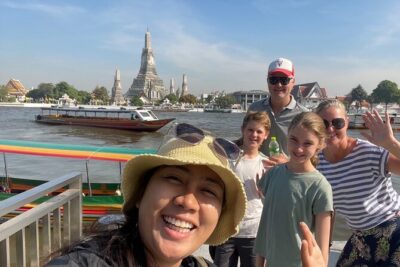
Erawan Shrine (Thao Mahaprom): Shapes, Symbols, and Clean Framing
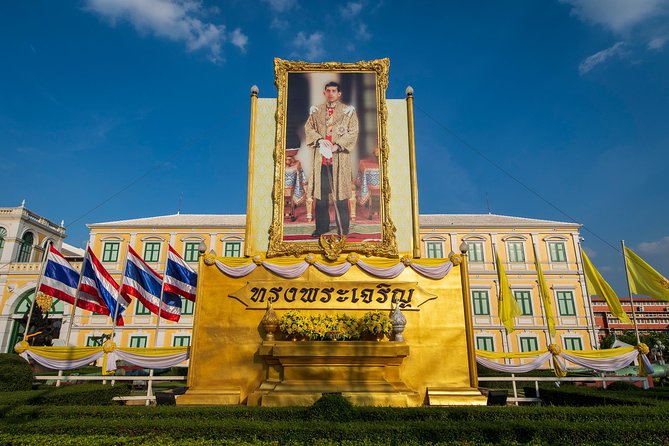
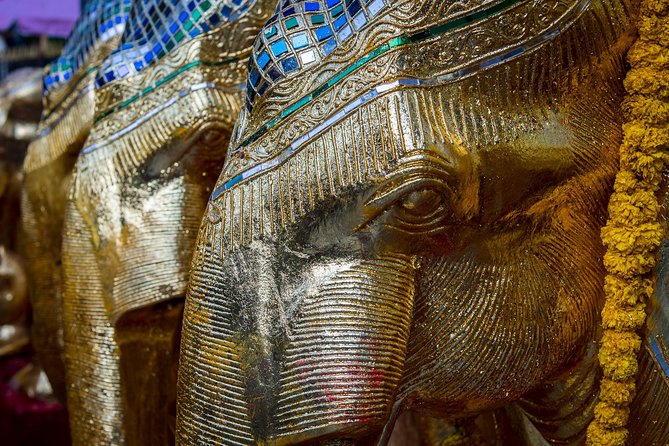
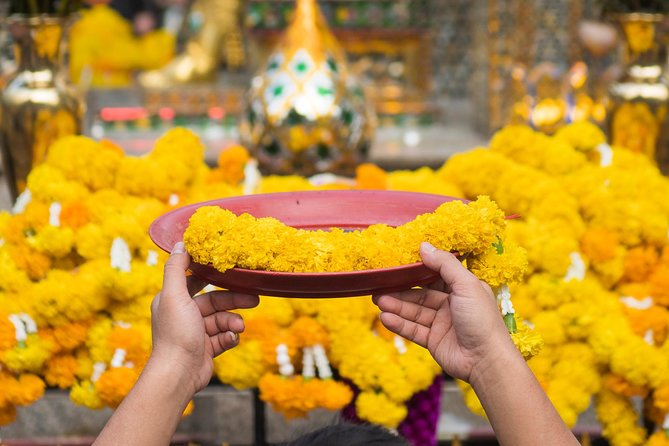
The route includes Erawan Shrine (Thao Mahaprom Shrine). Shrines and other sacred landmarks are great for photographers because they bring strong shapes and obvious focal points. They also create a lot of detail, so you can practice deciding how much information to include.
This stop is useful if you want to learn how to shoot something recognizable without making every photo a variation of the same angle. With coaching, you can work on how to align lines, how to control background distractions, and how to frame the main subject clearly.
One consideration: sacred places often have a calm rhythm, and people may be part of your scene. Be respectful with your pacing and positioning. If your coach suggests a composition, take it seriously. In places like this, small shifts in angle can make a big difference between a cluttered shot and a clean, powerful image.
Benjasiri Park: Practice Perspective Without the Pressure
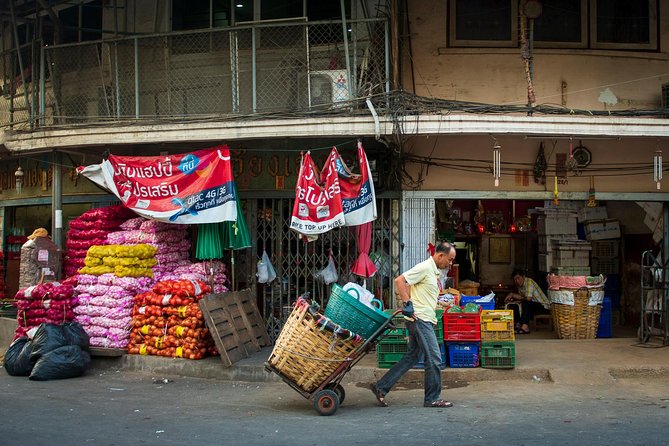
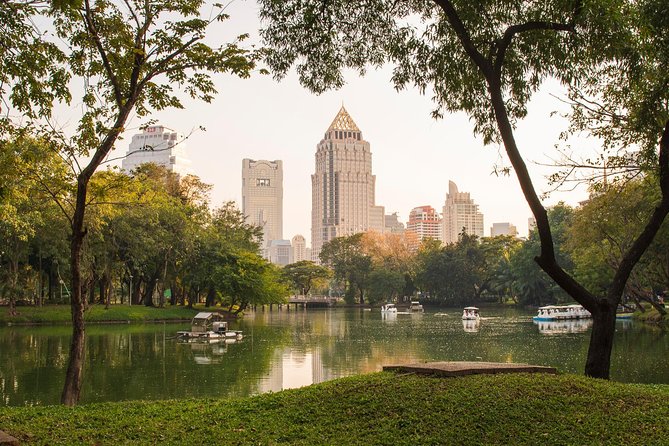
Next up is Benjasiri Park. A park stop in the middle of a street photography session is smart. It gives you room to breathe, reset your settings, and practice with less visual overload.
This is also a chance to work on perspective. Parks give you lines, open space, trees or structures, and people moving at different speeds. You can experiment with framing choices in a more forgiving environment than a dense market street.
If you have been shooting non-stop, this stop can be your “check your work” moment. Ask yourself: Are my photos all too wide? Are my subjects too small? Am I ignoring light direction? Your coach can help you correct those patterns quickly.
Wat Arun (Temple of Dawn) and Sao Chingcha (Giant Swing)
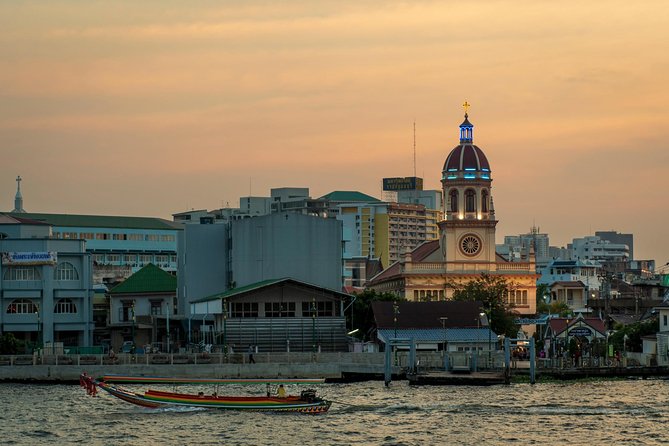
Two of the most photo-friendly landmarks on the route are Temple of Dawn (Wat Arun) and Sao Chingcha (the Giant Swing). Even if you have seen photos of both, photographing them in person is a different story. They offer big scale, strong geometry, and multiple angles, so you can practice turning one location into many distinct shots.
At Wat Arun, focus on how you frame the temple against its surroundings. A coach can help you think about vertical lines, symmetry versus asymmetry, and where to place the horizon or other reference points. Landmark photography often fails when the image becomes just “a postcard.” The goal here is to use the landmark as context for a stronger composition.
At Sao Chingcha, the “Giant Swing” gives you a bold, instantly recognizable subject. This is perfect for practicing how to handle a dominant focal point. Your challenge is to avoid making the rest of the scene irrelevant. Try different distances and crop decisions, because changing your position can shift the whole story.
These are also high-demand photo spots. If your coach guides you to specific angles, take the lead. In busy areas, good placement beats random luck.
Train Night Market Ratchada: Night Photography Practice That Feels Real
If you choose the nighttime option, the itinerary includes Train Night Market Ratchada. Night markets are where night photography stops being theoretical. You have movement, light sources, and constant scene changes.
This is valuable because your brain has to work fast. You are balancing brightness, dealing with shadows, and trying to freeze motion or embrace blur with intention. A coach can help you test settings and improve consistency rather than just hoping one shot works.
Chinatown plus night market areas means you practice in different “night lighting styles.” You can compare how faces and signage behave under mixed light. That contrast improves your skill quickly, especially if you have been stuck with the same problem, like underexposed scenes or overly bright highlights.
One more practical note: with night markets, expect crowds at peak moments. If your coach has you wait for a better gap in the flow of people, it is worth it. In street photography, timing is as important as camera settings.
The So/ Spa Stop: A Breather in the Middle of a Photo Sprint
The route includes a stop at So/ Spa. The data does not explain what this stop is for, but in a tour like this, you can treat it as a scheduled pause in the session. After moving between landmarks and street scenes, a break helps you reset and keep your attention sharp for the next photos.
Even if you do not use any facilities, this kind of stop matters for photography. It gives you time to review what you just shot, check your settings, and make a plan for the next leg. A coach can also spot patterns, like too many photos that look similar, and suggest adjustments.
Price and Value: Is $160 Worth It?
At $160 per person for about 3 hours, the value depends on what you want most. If you just want a casual walk and some sightseeing, there are cheaper options. If you want targeted help with how to frame and shoot Bangkok, this price can make sense because you are buying a private instructor time slot plus a structured route through key photographic areas.
What pushes the value up is the pairing of coaching and locations. You practice in Chinatown, at major landmarks like Wat Arun and Sao Chingcha, and, if you book night, in the Train Night Market Ratchada area. Instead of learning in a classroom and then hoping it transfers, you learn and shoot right away.
It also helps that the tour is scheduled as a private format. You get attention and flexibility that you usually do not get on group tours, especially when you are trying to solve a specific photography problem, like composition decisions or night exposure challenges.
One small practical point: it is commonly booked about 9 days in advance. If you want a specific day or night slot, I would book early enough to avoid timing stress.
Who Should Book This Masterclass?
This works best if you want hands-on practice and a coach who can give actionable feedback. If you are a beginner who feels overwhelmed by Bangkok’s visual chaos, you will likely appreciate a route designed to help you learn step-by-step.
It also fits intermediate photographers who want to refine composition. A lot of photographers already know the basics and still struggle with what to include, how to simplify, and how to make images feel intentional. The coaching focus on composition and skills is exactly aimed at that.
You might skip it if you want only sightseeing with zero attention to camera craft, or if you are looking for a very long tour. At 3 hours, this is a focused training session, not a full-day photo expedition.
Should You Book?
I would book this if your goal is to leave Bangkok with better photos and a clearer photo process. The combination of private instruction, a real-world route, and Paul’s coaching style is a strong fit for people who want to improve, not just collect pictures.
I would hesitate if you are booking as a last-day activity with no backup. There is a rare chance a guide can fall ill and cancel close to the start time, and it would be a shame to have your schedule wiped out. If you build in a little flexibility, the payoff can be excellent.
If you are choosing between day and night, I suggest matching it to your learning goal. Day helps you build foundations fast. Night helps you grow your night skills in the streets where it matters.
FAQ
How long is the Bangkok Photography Masterclass?
It lasts about 3 hours.
Is this experience private?
Yes. It is a private tour, so only your group participates.
Where does the tour start?
The tour starts at สถานีรถไฟหัวลำโพง (Rong Mueang), Pathum Wan, Bangkok 10330, Thailand.
What does the tour include?
You get bottled water.
Can I choose a daytime or nighttime tour?
Yes. You can choose either a daytime or a nighttime tour.
Which stops are included on the route?
Stops listed include Chinatown, Erawan Shrine (Thao Mahaprom Shrine), Benjasiri Park, Temple of Dawn (Wat Arun), Sao Chingcha (the Giant Swing), Train Night Market Ratchada, and So/ Spa.
Is bottled water provided during the tour?
Yes, free bottled water is included.
What is the cancellation policy?
Free cancellation is available. You can cancel up to 24 hours in advance for a full refund.
Is the meeting point near public transportation?
Yes, it is near public transportation.
Thai photo sessions, continued
What else made it into the Thailand notebook
What else made it into the Bangkok notebook
- Bangkok hotel to Pattaya hotel transportation
★ 4.5 · 20 reviews - Private Longtail Boat Bangkok Canal Tour
★ 4.5 · 20 reviews - Nakhon Nayok adventure full day trip with lunch
★ 5.0 · 20 reviews - Mystical Waterfall and River Kwai Tour (Private & All-Inclusive)
★ 5.0 · 20 reviews - From Bangkok: Full Day Customizable Private Tour to Pattaya City
★ 5.0 · 20 reviews - Bangkok by Night Tuk Tuk Tour: Markets, Temples & Food
★ 4.5 · 20 reviews
Workshops, compared.
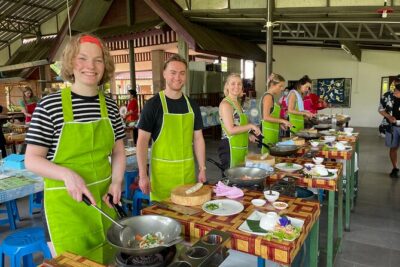 ★ 5.0Half-Day Thai Cooking Class at Organic Farm in Chiang MaiFrom $2919,087 reviews
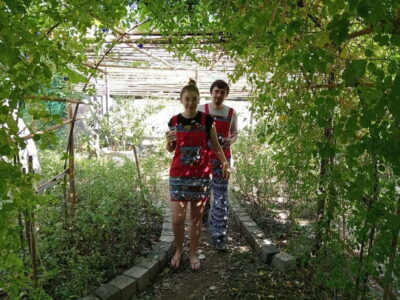 ★ 4.9Cooking Class, Market & Thai Herbs Garden TourFrom $314,824 reviews
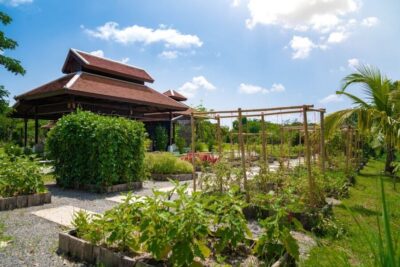 ★ 4.9Authentic Cooking Class with Market & Farm VisitFrom $344,546 reviews
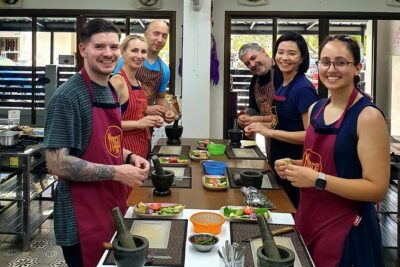
 ★ 5.0Thai and Akha Cooking Class in Chiang MaiFrom $424,358 reviews
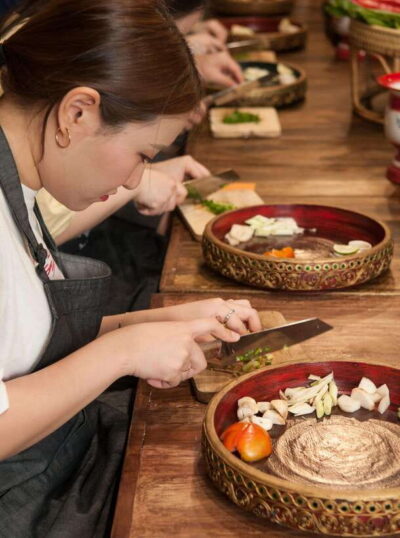
 ★ 5.0Phuket Thai Cooking Class with Market Tour OptionFrom $652,665 reviews
 ★ 4.9Hands-on Thai Cooking Class and Market TourFrom $451,614 reviews
 ★ 4.9Cooking Class with Market and PickupFrom $251,365 reviews
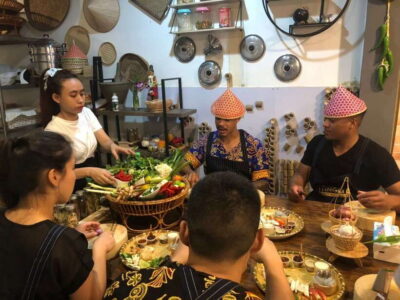 ★ 4.9Tingly Thai Cooking School Half-Day Cooking ClassFrom $411,191 reviews
Browse the lists this tour appears in