
REVIEW · COOKING CLASSES
Bangkok: Favourite Thai Flavors Cooking Class by Smart Cook
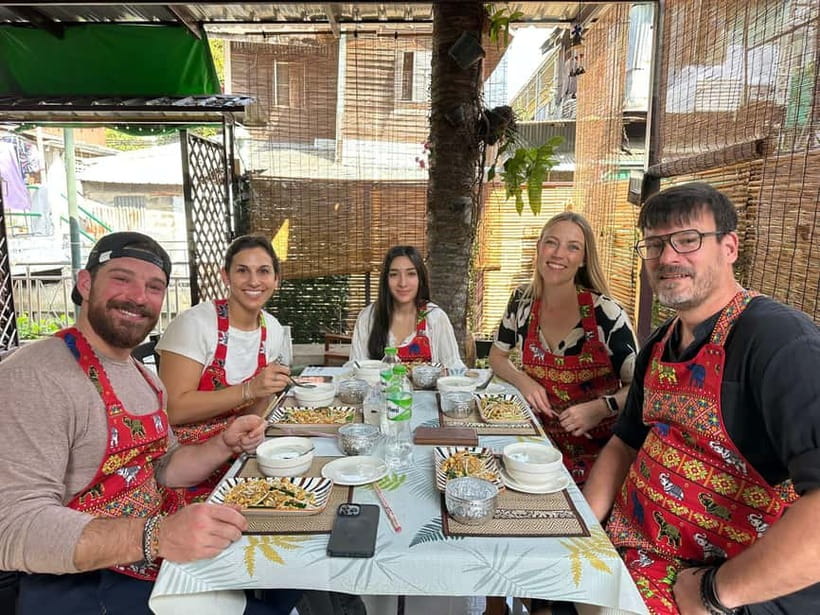
Bangkok can be great for food, but this class turns eating into learning. This hands-on Thai cooking experience at Smart Cook is built around three classic dishes, plus a real look at ingredients in a family setting. I especially like the step-by-step teaching that keeps even beginners on track, and the fact it is a small group lesson limited to 8 people. One watch-out, the meeting place is a traditional teak wood house and can take a minute to find, so I recommend arriving early.
What makes it feel genuinely Thai is the combination of cooking and ingredient guidance. You do more than follow a recipe, you learn what to look for and how Thai flavor is built, from the sweet-salty balance of Pad Thai to the creamy comfort of chicken in coconut milk and the sticky, bright finish of mango with sticky rice.
The sessions run about 150 minutes, and the price is about $32 per person. For a full afternoon with ingredients, instruction, and a take-home style recipe book, it is strong value if you actually want to cook, not just watch.
In This Review
- Key Moments That Make This Class Work
- Where You Cook, and Why the Setting Matters
- Starting the Lesson: Welcome, Recipes, and a Thai Flavor Mindset
- Pad Thai: Getting the Stir-Fry Rhythm and Flavor Balance Right
- Chicken in Coconut Milk: Making It Creamy Without Losing Thai Clarity
- Mango Sticky Rice: The Sticky Finale That Tastes Like Thailand
- Thai Family Home Ingredient Time: Learn What to Buy and Why
- What You Actually Take Home: Food, PDF Recipes, and Confidence
- Practical Tips So You Don’t Lose Time
- Who Should Book This Class, and Who Might Skip It
- Should You Book Smart Cook Bangkok for Thai Cooking Lessons?
- FAQ
- How long is the cooking class?
- What dishes will I learn to cook?
- How big is the class group?
- Is the instructor English-speaking?
- What is included in the price?
- What should I bring with me?
- Is alcohol included or allowed?
- Is the experience wheelchair accessible?
Key Moments That Make This Class Work
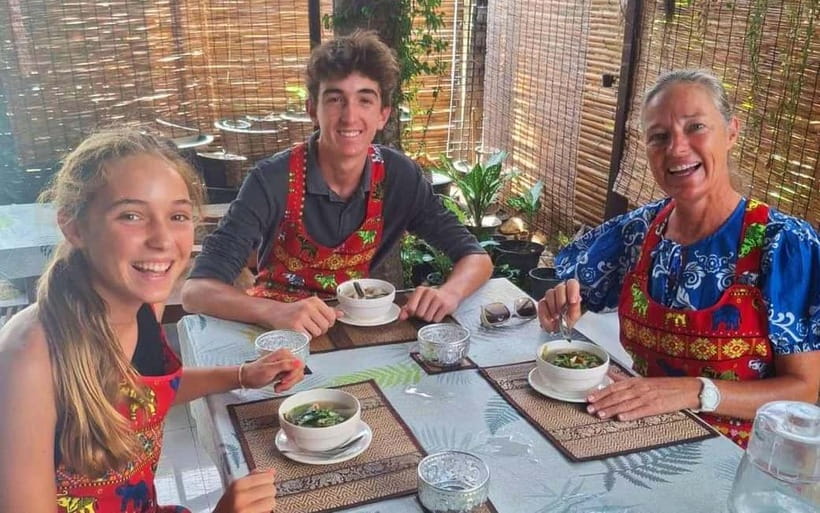
- Three dishes, done hands-on: Pad Thai, chicken in coconut milk, and sweet sticky rice with mango
- Small group energy: limited to 8 participants, so you get real guidance
- A family-home ingredient stop: learn how to choose Thai basics and spices
- Clear English instruction: the instructor teaches in English and breaks down each step
- Cook, then taste what you made: you leave with a complete meal, not scraps
Thai kitchens got sat through and written up
- Bangkok: Hands-on Thai Cooking Class and Market Tour★ 4.9 · 1,614 reviews
- Bangkok: Tingly Thai Cooking School Half-Day Cooking Class★ 4.9 · 1,191 reviews
- Bangkok: Maliwan Thai Cooking Class with Market Tour★ 4.9 · 1,133 reviews
- Hands on Thai Cooking Class and Market Tour★ 5.0 · 660 reviews
Where You Cook, and Why the Setting Matters
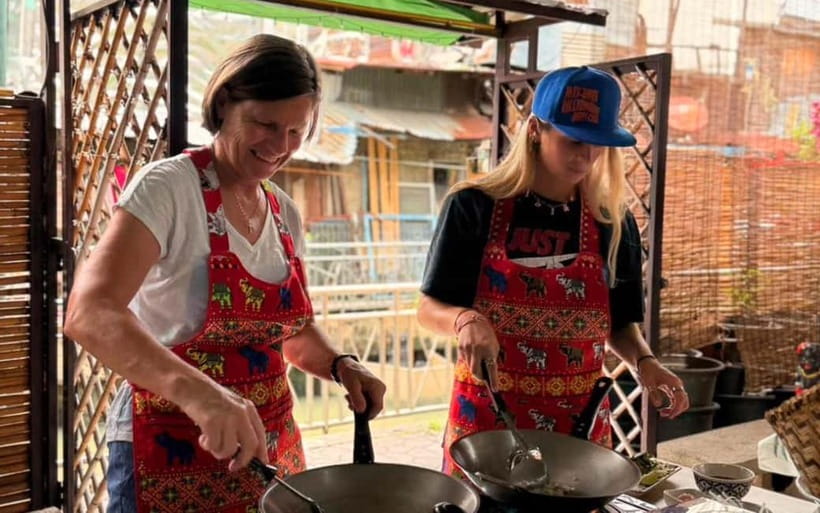
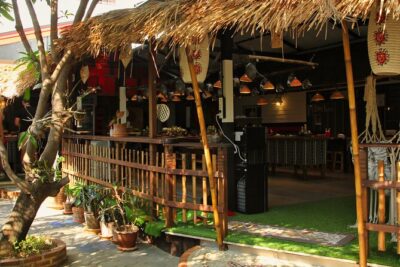
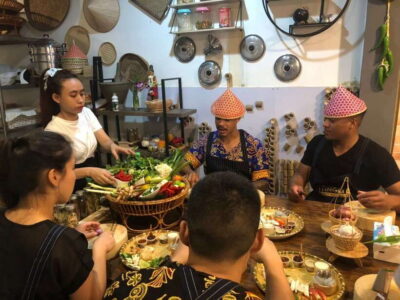
Smart Cook Thai Cooking School runs this class in Bangkok from a traditional 2-story teak wood house, and you meet at the house directly. It is not a big commercial cooking factory. The layout is private and calm, which helps when you are concentrating on small, fast stir-fry steps and measuring flavor by feel.
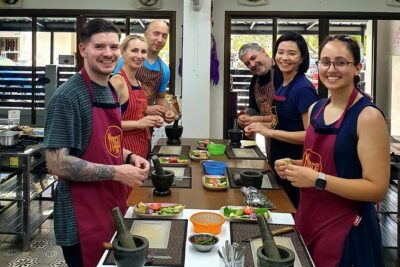
The class is designed for a small group of up to 8. That size is a big deal in a cooking class. In a larger room you end up waiting. Here, you get enough space to move around your station, ask questions, and still keep the pace of cooking.
The school is family-run, with operation roots in Chiang Mai since 1999 and then expanding to Ao Nang, Krabi in 2004 before reaching Bangkok. That matters because it signals they have kept refining their teaching over time, not just throwing together one-off lessons.
You also get tea, coffee, and drinking water during the session. No alcohol is included, and it is not allowed in the activity. That keeps the focus where it should be: cooking, tasting, and learning the technique.
If you want to get the most out of it, dress for standing and working with food. Comfortable clothes are a must, and a camera is a good idea for the kitchen prep and the meal you build.
Starting the Lesson: Welcome, Recipes, and a Thai Flavor Mindset
The class is taught by a professional Thai instructor who teaches in English. In the teaching style shown across recent sessions, the instructors such as Snow White and Poppy are known for being friendly and for explaining not just what to do, but why the method matters.
You start with an orientation that sets you up for success. In Thai cooking, a lot of flavor comes from balancing ingredients, controlling heat, and adding things at the right time. If you get the sequence wrong, the dish can taste flat. If you get it right, it tastes like the restaurant version but with your own hands on it.
You will also get an online recipe book in PDF format. This is useful because it gives you a home base for the flavors you tasted. You can take your notes from memory and still have a guide to recreate the dish later without guessing.
A subtle benefit here is mindset. Instead of thinking of Pad Thai or coconut chicken as a single recipe, you learn how Thai cooking builds flavor in layers. That helps you adjust to what you have at home, and it is exactly the kind of skill that makes a cooking class worth repeating.
Pad Thai: Getting the Stir-Fry Rhythm and Flavor Balance Right
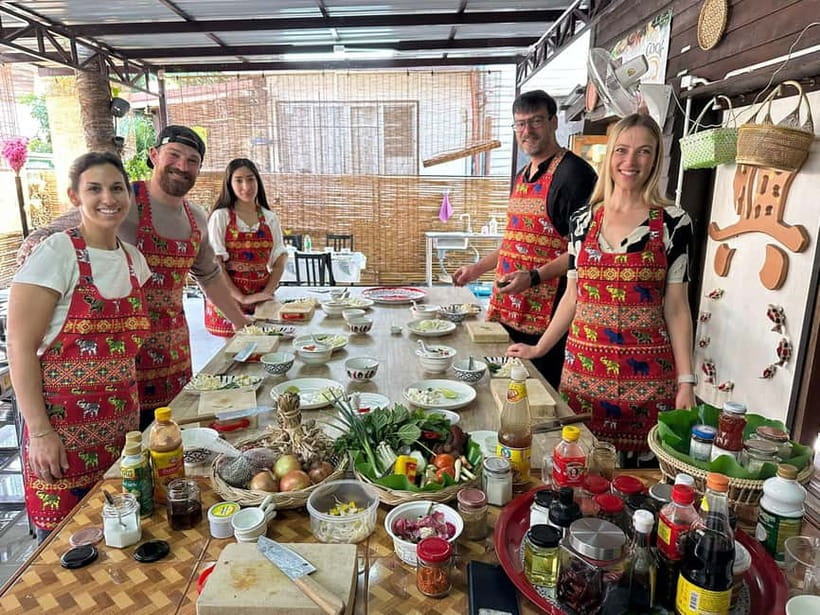
Pad Thai is one of the world’s most famous Thai dishes, but it can be surprisingly easy to mess up if you treat it like a one-step noodle dish. In this class, you actually cook it, learning how to handle the noodles and how to hit the right sweet, salty, and tangy balance.
Expect the instructor to guide you through manageable steps. The class format matters here: with a limited group size, you can get help when you need it, especially during the stir-fry stage where timing matters. The teaching approach you are likely to feel, especially with instructors like Snow White, is calm, clear, and friendly, with lots of little tips to prevent common mistakes.
A key value of this session is ingredient guidance. Thai flavor often depends on correct sauces and seasonings, and then on how long you apply heat. If you add sauces too early or too late, the taste shifts. If you stir too aggressively, the noodles can clump. If you do it right, Pad Thai turns out glossy, aromatic, and satisfying rather than soggy.
At the end, you get to eat what you made. That is not just a reward. Tasting your own Pad Thai right after cooking teaches you what the balance should feel like in your mouth. Then when you use the PDF recipe book later, you will have a real reference for whether you are on track.
Chicken in Coconut Milk: Making It Creamy Without Losing Thai Clarity
Chicken in coconut milk sounds simple, but Thai versions are all about controlling richness. Too much heat or poor timing can make it heavy. Done well, it tastes creamy, fragrant, and still bright.
In this class, you cook it yourself with ingredients supplied for the session. That is important for two reasons. First, you do not waste time hunting for obscure items in a market right before class. Second, you learn what the ingredients are supposed to do together, because you are working with the same setup the instructor uses.
The instructor in English also helps you understand the method, not just the recipe. That is where the class becomes practical. You learn what to watch for as the sauce develops, and how Thai cooking treats coconut milk as part of the overall balance, not as the whole flavor.
This dish often works well even if you are not an experienced cook. Coconut chicken is forgiving compared to dishes that require super fast knife work. Still, it benefits from good instruction, and the small group teaching style makes sure you are not left behind.
When you eat, you are tasting the final result in the same session. You can notice the differences in texture and aroma right away, which makes it easier to reproduce at home later from your PDF recipe notes.





Mango Sticky Rice: The Sticky Finale That Tastes Like Thailand
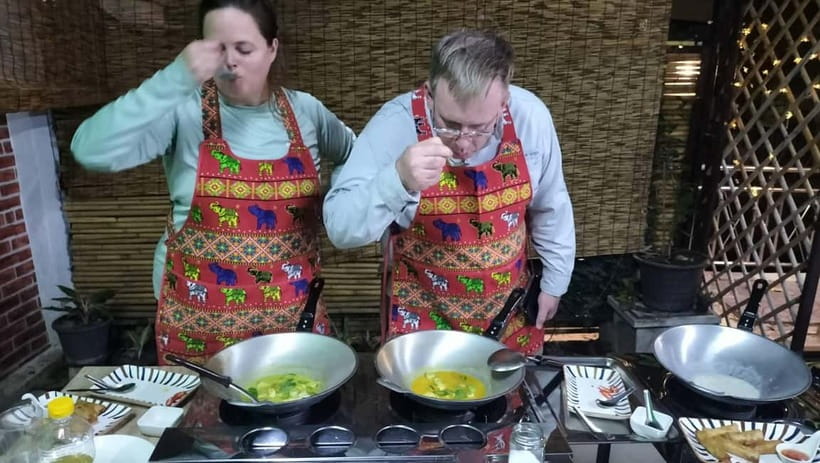
Sticky rice with mango is a classic Thai dessert and a fun one to learn because it is not just about sweetness. It is about texture. The rice should be sticky, slightly fragrant, and not crunchy. The mango should taste fresh and ripe. The sauce should taste smooth and balanced.
This class includes the sweet sticky rice with mango as one of the three core dishes, so you will go through the steps rather than just getting a plated dessert at the end. The instructor guides you so you understand what you are aiming for, especially with sticky rice, which tends to be the hardest part for people trying to recreate Thai flavors at home.
The best value here is that you get to practice the technique in the same learning environment. Instead of guessing whether your rice is too firm or too loose, you compare with what you made in class, and you can check your memory against your online PDF recipe book.
Another plus: the instructor often shares practical flavor logic, like how Thai sweets rely on balance rather than just sugar. That helps you adjust if you substitute ingredients later, which you are likely to do once you return home.
If mango is not available where you live, the experience still gives you a base idea for pairing fruit with sticky rice. In at least one session, the instructor guided students using banana when mango was not in season, which shows the teaching is flexible around real-world availability.
Thai Family Home Ingredient Time: Learn What to Buy and Why
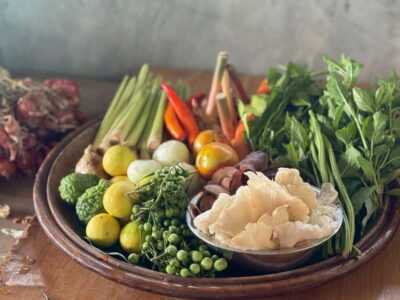
One of the most interesting parts is the ingredient stop at a Thai family home. You do not just learn recipes. You get a chance to learn about Thai ingredients and how to choose them.
This matters because Thai cooking is ingredient-led. Spices, herbs, and sauces have specific roles. If you pick a substitute that looks similar but tastes different, your dish changes. And if you do not know what to look for, you might end up with bland food or overly strong flavor.
The family-home approach helps you learn in context. Ingredients are not treated like random items on a shopping list. You learn the function of ingredients in Thai food, how they connect to the dish you just cooked, and what to look for in quality.
There is also a strong practical streak in the teaching style shown by instructors. In some sessions, the instructor gave helpful notes on what you can use back in other countries, like how certain ingredients can be substituted or found. That is exactly what you want from a cooking class. Not trivia. Real usefulness.
What You Actually Take Home: Food, PDF Recipes, and Confidence
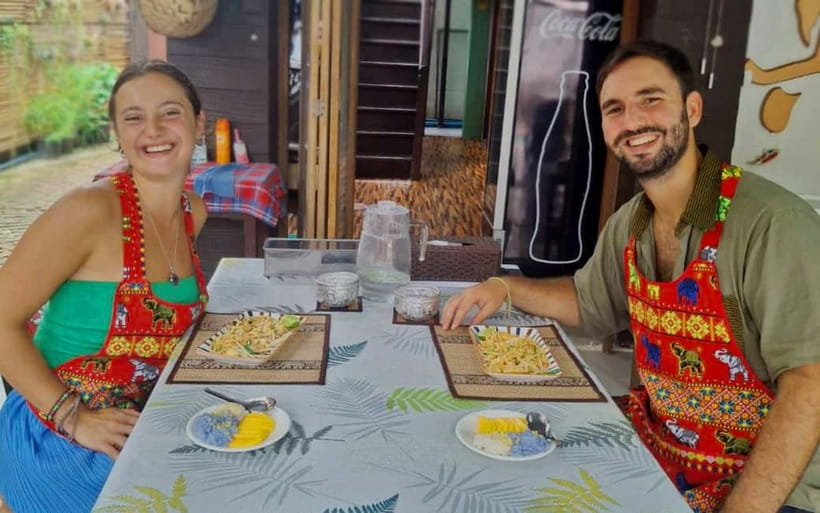
After about 150 minutes, you walk away with a full meal you cooked yourself, plus the PDF recipe book online. The PDF part is genuinely handy. It means you can cook again without trying to recreate every step from memory while your kitchen is chaos.
The lesson includes all ingredients for the dishes, plus tea, coffee, and drinking water. There is no beer or alcoholic beverage included, and alcohol is not allowed during the activity. That keeps the class focused, and it also means you are not paying extra for drinks you might not even want.
Price-wise, $32 per person can be a good deal in Bangkok if you value instruction you can use. You are paying for three hands-on recipes, a pro English-speaking instructor, ingredients, and the recipe book afterward. For people who enjoy food and want skills, it feels like an afternoon that gives you something to do again at home.
The small group size helps with confidence. When you can ask questions and fix problems mid-cook, you leave feeling capable rather than just entertained.
Practical Tips So You Don’t Lose Time
The meeting point is at the house, a 2-story old Thai style teak wood home. That sounds straightforward, but one practical tip from real class experiences is to arrive early because the location may take some time to find. If you are relying on a rideshare drop-off, double-check where the entrance is and give yourself buffer time.
Wear comfortable clothes for standing and cooking. You will likely spend time prepping and cooking, so flexible shoes help. Bring a camera if you want photos of the dishes and the home setting.
This activity is taught in English, so it is a good match if you want clear directions rather than guessing. The class is also limited to small groups, up to 8 participants, which is ideal if you like hands-on teaching.
Not every body setup works here. Wheelchair users are not suitable for this activity based on the provided information, so plan an alternative if mobility is a concern.
And remember the rules: no alcohol or drugs. That keeps it friendly and focused.
Who Should Book This Class, and Who Might Skip It
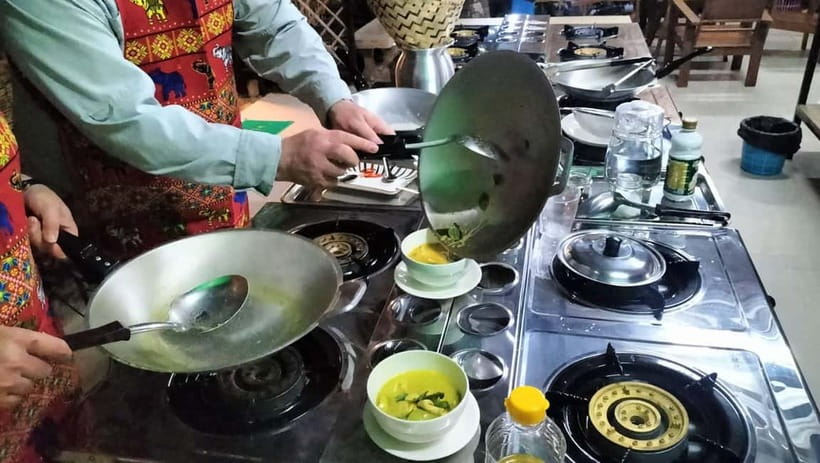
This class is a great fit if you want more than a meal. If you enjoy learning techniques and want to repeat the dishes later at home, the combination of hands-on cooking, ingredient guidance, and the PDF recipe book makes sense.
It is also a strong choice for first-time Thai cooking fans. Pad Thai, coconut chicken, and mango sticky rice are popular, and learning them gives you a good starter toolkit for more Thai dishes later. If you are kitchen-challenged, clear step-by-step instruction helps a lot.
If you just want a quick food stop and have no interest in cooking, you might feel the time is better spent elsewhere. This is a class, so you will be working in the kitchen.
If you are traveling with kids, you might find the instructor flexible in how kids can participate, but that is not guaranteed in every situation. If your plan includes toddlers or very young kids, I would message ahead to confirm what is possible for your specific session.
Should You Book Smart Cook Bangkok for Thai Cooking Lessons?
Yes, if you want a practical Thai food skill session that you can recreate at home. The biggest reasons are the hands-on cooking of three iconic dishes, the English-speaking professional instructor, and the ingredient learning at a Thai family home. The small group limit helps the teaching actually reach you, not just float over your head.
Book it especially if you are staying in Bangkok long enough for an afternoon class and you want value out of that time. At around $32 for ingredients, instruction, and a PDF recipe book, it makes sense for people who cook or want to start.
If you are worried about finding the location, plan to arrive early and keep your phone charged. And if mobility access is a factor, this one is not listed as wheelchair-friendly.
If you like food that tastes like Thailand but you want to understand how it gets there, this is a smart pick.
FAQ
How long is the cooking class?
The class lasts 150 minutes.
What dishes will I learn to cook?
You will learn to cook Pad Thai, chicken in coconut milk, and sweet sticky rice with mango.
How big is the class group?
It is a small group, limited to 8 participants.
Is the instructor English-speaking?
Yes, the instructor teaches in English.
What is included in the price?
The price includes the hands-on cooking experience, all ingredients, instruction, tea, coffee, and drinking water, plus an online PDF recipe book.
What should I bring with me?
Bring a camera and wear comfortable clothes.
Is alcohol included or allowed?
Alcohol is not included, and alcohol is not allowed during the activity.
Is the experience wheelchair accessible?
No, it is not suitable for wheelchair users.
Thai kitchens you can book into
What else made it into the Thailand notebook
What else made it into the Bangkok notebook
- Bangkok hotel to Pattaya hotel transportation
★ 4.5 · 20 reviews - Private Longtail Boat Bangkok Canal Tour
★ 4.5 · 20 reviews - Nakhon Nayok adventure full day trip with lunch
★ 5.0 · 20 reviews - Mystical Waterfall and River Kwai Tour (Private & All-Inclusive)
★ 5.0 · 20 reviews - From Bangkok: Full Day Customizable Private Tour to Pattaya City
★ 5.0 · 20 reviews - Bangkok by Night Tuk Tuk Tour: Markets, Temples & Food
★ 4.5 · 20 reviews
Cooking Classes, compared.
 ★ 5.0Half-Day Thai Cooking Class at Organic Farm in Chiang MaiFrom $2919,087 reviews
 ★ 4.9Cooking Class, Market & Thai Herbs Garden TourFrom $314,824 reviews
 ★ 4.9Authentic Cooking Class with Market & Farm VisitFrom $344,546 reviews
 ★ 5.0Thai and Akha Cooking Class in Chiang MaiFrom $424,358 reviews
 ★ 5.0Phuket Thai Cooking Class with Market Tour OptionFrom $652,665 reviews
 ★ 4.9Hands-on Thai Cooking Class and Market TourFrom $451,614 reviews
 ★ 4.9Cooking Class with Market and PickupFrom $251,365 reviews
 ★ 4.9Tingly Thai Cooking School Half-Day Cooking ClassFrom $411,191 reviews
Browse the lists this tour appears in