
REVIEW · COOKING CLASSES
Backstreet Bangkok Exploring the Cradle of Thai Cooking
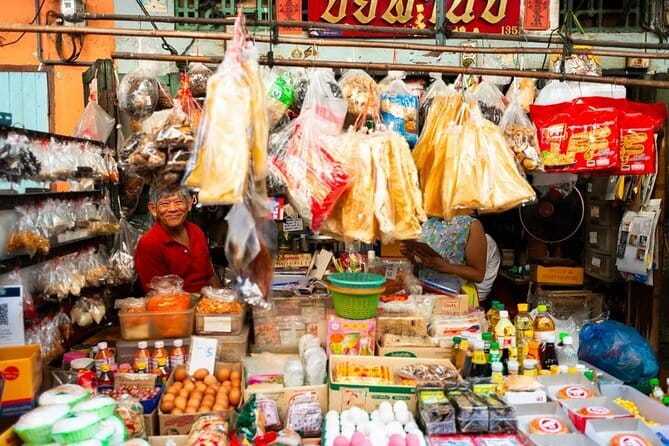
Thai food roots start in the backstreets.
This 5-hour walk is designed around Bangkok’s older neighborhoods and the way Thai cooking grew from trade routes, belief, and everyday street eating. I really like how the day mixes temple landmark time with market time, so the food makes sense in context, not just as random samples. One watch-out: you will be on your feet and eating a lot, so go in ready to pace yourself, especially with alcoholic beverages included.
The route also keeps your group small, with a maximum of 7 people, which usually means you get more back-and-forth with your licensed guide, not just a whistle-stop tour. If you prefer a slow, quiet sightseeing day or you want private, door-to-door transport, this may not match your style, since private transportation is not included.
In This Review
- Key highlights worth planning for
- Starting Point at Sam Yot MRT: Why It Matters for a Food Walk
- Wat Ratchaburana Ratchaworawihan: How a Temple Sets the Table
- Rattanakosin Island Near Wang Burapha: Landmarks You Can Taste
- Phahurat Market, Little India: Spices and Textiles in the Same Streets
- Sampeng Market in Chinatown: More Than Souvenirs Between Snacks
- Yaowarat Area Connections: Street Life You Can Spot Quickly
- Dinner, Snacks, and Alcohol: What You Actually Get for $125
- Walking Shoes, Food Pace, and How to Not Feel Stuffed
- The Guides: Why Anna and Lek Get Mentioned So Often
- Who Should Book This Walk (and Who Might Skip It)
- Should You Book Backstreet Bangkok: Exploring the Cradle of Thai Cooking?
- FAQ
- How long is the tour?
- Where does the tour start and end?
- What is included in the price?
- Is transportation included?
- How big is the group?
- Can I cancel and get a refund?
Key highlights worth planning for
- Small-group pace in the city’s older quarters with a maximum of 7 people
- Temple and island landmarks paired with nearby food neighborhoods for context
- Phahurat Market, often called Little India, for the spice-and-textile side of the story
- Chinatown’s Sampeng Market alley for shopping variety alongside snack stops
- Dinner and snacks included, plus bottled water and alcoholic beverages
- Route returns you to the start area, making it easier to plan the rest of your day
Thai kitchens got sat through and written up
- Bangkok: Hands-on Thai Cooking Class and Market Tour★ 4.9 · 1,614 reviews
- Bangkok: Tingly Thai Cooking School Half-Day Cooking Class★ 4.9 · 1,191 reviews
- Bangkok: Maliwan Thai Cooking Class with Market Tour★ 4.9 · 1,133 reviews
- Hands on Thai Cooking Class and Market Tour★ 5.0 · 660 reviews
Starting Point at Sam Yot MRT: Why It Matters for a Food Walk
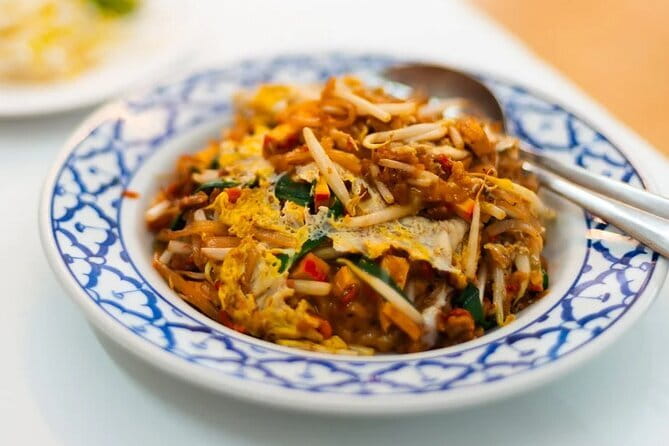
The day starts at Sam Yot MRT station, Exit 3111. I like this setup because you are not waiting around for a hotel pickup, and you can build the rest of your Bangkok day around transit rather than around a van schedule.
The tour runs about 5 hours, beginning at 9:00 am and ending back at the meeting point. That return-to-base detail is practical in Bangkok, where the easiest plans often involve staying oriented and not burning time crossing the whole city after you are full.
Also note the format: you get a mobile ticket, and confirmation is sent at booking. If you like having everything ready on your phone, this is a low-friction way to start the day.
Wat Ratchaburana Ratchaworawihan: How a Temple Sets the Table
Your first major stop is Wat Ratchaburana Ratchaworawihan, an ancient temple built in the 15th century. Entry is listed as free, and the guide uses this time to connect Bangkok’s food culture to older city life.
Even if you are not a hard-core architecture fan, temples like this tend to change how you see the neighborhood around them. You get a sense of how ideas, community, and routine life have been shaped over centuries, then you follow that thread into food areas where those cultural patterns still show up in ingredients, cooking styles, and the role of street meals in daily life.
Practical note: expect this portion to be time spent walking and looking around, not just standing in one spot. Wear comfy shoes and keep your water handy, since the day is built to move from one area to the next.
Rattanakosin Island Near Wang Burapha: Landmarks You Can Taste
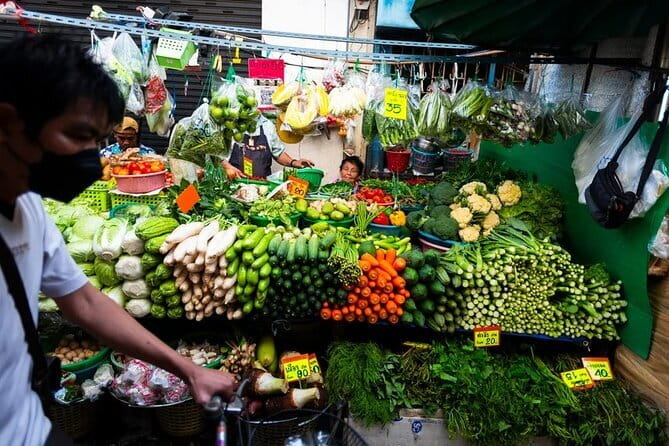
Next up is Rattanakosin Island, the historical core of Bangkok. This area connects directly to some of the city’s most famous landmarks, including the Grand Palace, Wat Phra Kaew (Temple of the Emerald Buddha), and Wat Pho.
I like this pairing because it is not just sightseeing. The island landmarks help you understand why food in Thailand is never only about flavor. It is also about community spaces, ritual life, and the way people gather. When you later sit down for dinner and snacks, the route makes more sense, because you have already seen the kind of city where public life and tradition stay close.
Entry for this stop is also listed as free. Still, give yourself time for the atmosphere and for the guide’s explanation, since this is where you will likely get the most cultural linking between the sites and the tastes you will sample later.
Phahurat Market, Little India: Spices and Textiles in the Same Streets
Then you head to Phahurat Market, widely known as Little India. This is a smart stop for anyone who wants Thai cooking to feel less mysterious.
Thai food is shaped by many influences, and Phahurat helps you see those influences in a very everyday way: you are surrounded by shops and street life tied to the Indian community, including textiles, jewelry, and food. Even if you do not buy anything, just watching how people shop for ingredients and snacks gives you a clearer picture of how cities trade, mix, and reinvent.
This stop lasts about 1 hour, so it is long enough to explore but short enough to keep the food momentum. If you are someone who gets overwhelmed in markets, this time limit can actually help you enjoy it without turning it into a sprint.
Practical tip: if you have clothing goals, like finding a scarf or small textile piece, this is one of the easier places to focus because it is concentrated in one market area.
Sampeng Market in Chinatown: More Than Souvenirs Between Snacks
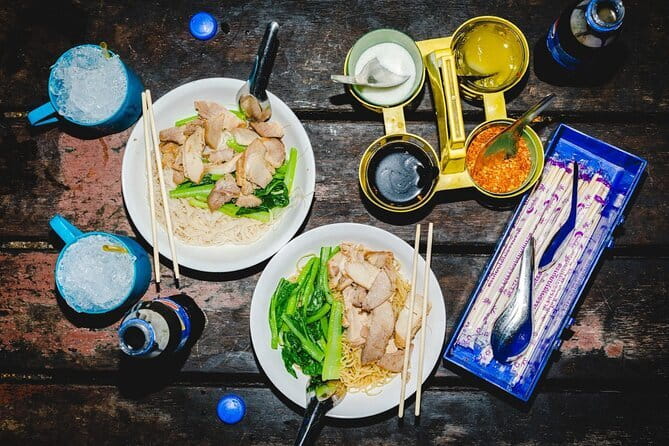
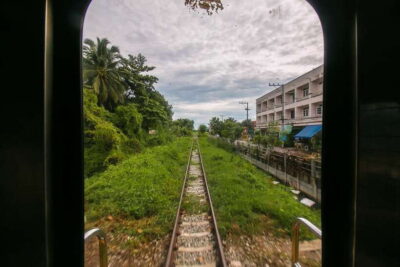
Your next market focus is Sampeng Market, a narrow alley that forms part of Chinatown. It is known for an eclectic mix of goods, from textiles to electronics, and it carries historical significance tied to how Chinatown became such an important trading zone.
This is one of those stops that can go in two directions depending on your interest. If you are shopping-minded, you can treat it like an alley-length street market where you can browse quickly. If you are food-minded, you can treat it like a change of pace that keeps your taste buds active while your guide explains why this area developed its particular mix of goods and food culture.
The stop is shorter, about 30 minutes, which means you will likely get a guided orientation and then a chance to look around. Keep your expectations realistic: this is not a full shopping spree. It is a quick, useful taste of Chinatown’s texture.
Yaowarat Area Connections: Street Life You Can Spot Quickly
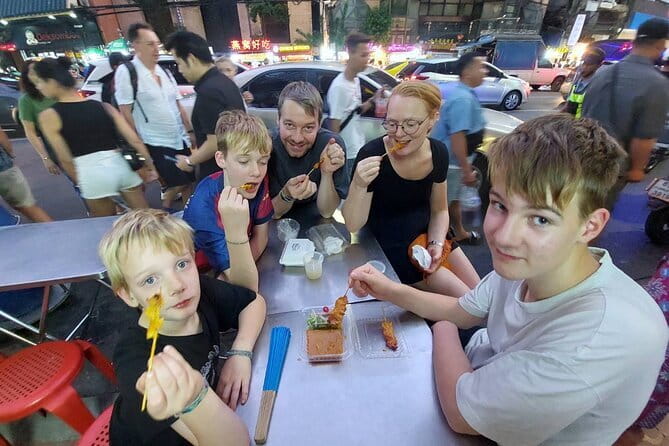
While the named stops focus on specific sites, the broader day also orients you toward the close-by area of Yaowarat, Bangkok’s Chinatown core. The point here is not to cram in everything. The point is to give you enough of the street-life energy to understand why Chinatown and surrounding neighborhoods matter for everyday eating.
That street connection matters for Thai food travelers because Bangkok food culture is built on patterns: markets nearby, cooking nearby, and people eating where they shop. Once you see it, you start noticing it everywhere else you go after the tour.
If you want to extend your day on your own, this kind of orientation is genuinely useful because it makes your next walk feel more informed and less like wandering.
Dinner, Snacks, and Alcohol: What You Actually Get for $125
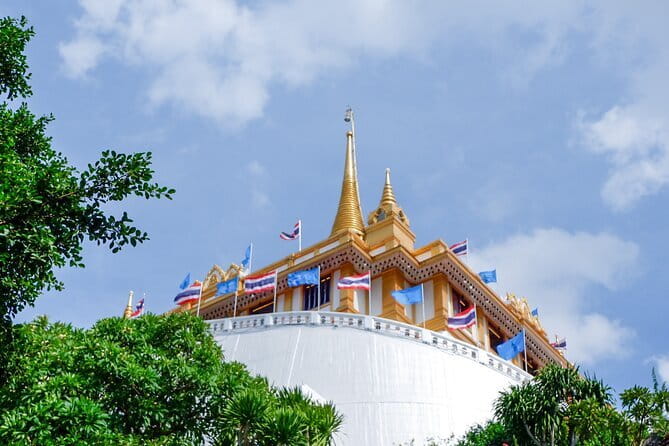
The tour includes a licensed guide, bottled water, snacks, and dinner. It also includes alcoholic beverages, which can be a plus if you enjoy pairing a drink with street food, and a consideration if you prefer to avoid alcohol or you want to stay fully focused.
Now let’s talk value. At $125 per person for about 5 hours, the price is easier to justify if you think beyond just food tasting. You are paying for:
- A structured route across key food neighborhoods
- The guide’s cultural explanations that connect markets and temples
- Meals and snacks that reduce decision fatigue
- A small-group setting (maximum 7 people) that keeps you from feeling like a numbered stop
Price comparisons in Bangkok can be tricky because some tours are only snack-sized and others are full meals. Here, dinner plus snacks helps explain why the cost sits at a mid-to-higher level. If you want a simple, guided way to eat well and understand what you are eating, it can feel like good value.
One more practical note from real experiences with guides like Anna and Lek: the food portion can feel substantial. One guide experience highlighted how the group ate a lot, and the guide was enthusiastic about keeping people happy with choices. That is exactly why you should pace yourself and arrive hungry.
Walking Shoes, Food Pace, and How to Not Feel Stuffed
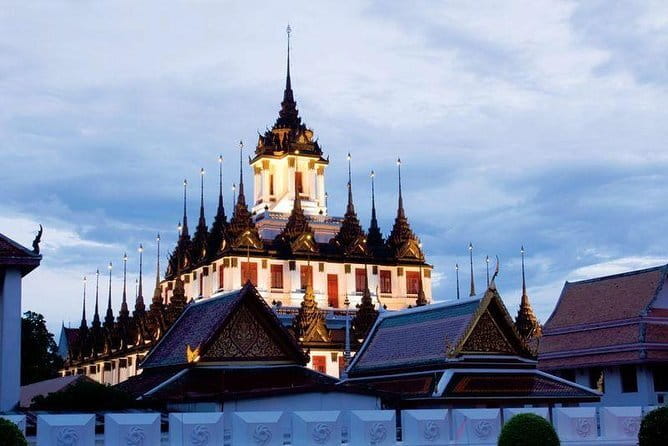
This is a walking tour, and the day moves through different neighborhoods and markets. That combination means two things: you need comfortable shoes, and you need a strategy for pacing.
Here is the approach I suggest:
- Eat slowly when something is explained, not when you are just rushing
- Drink water between stops
- Decide ahead of time what you will treat as a main meal versus snack bites
Your guide will likely encourage you to try things you would not pick on your own, which is one of the best reasons to book a food tour in the first place. But if you show up already full or if you try to eat everything all at once, you can end the day feeling uncomfortably heavy.
The Guides: Why Anna and Lek Get Mentioned So Often
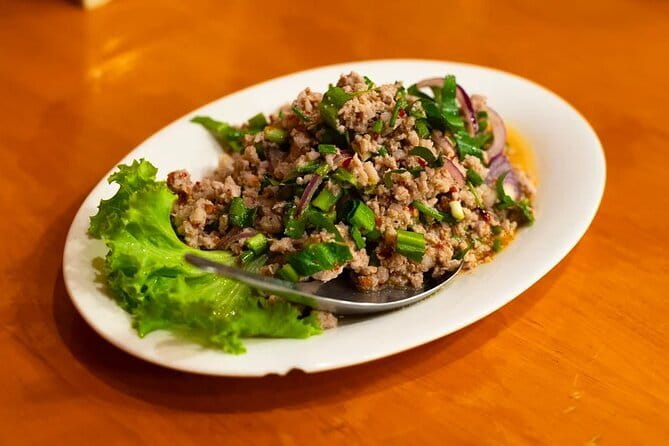
A big reason this tour earns strong marks is the guides themselves. In past experiences shared by customers, Anna is described as amazing, showing people everything, and guiding with warmth and energy. Another experience spotlights Lek, including the fact that he has lived in Bangkok for around 30 years and is of Thai descent, which gives him a natural feel for both the food and the cultural background behind it.
Some guides also work as a team. One experience mentions Annie joining alongside Lek on a tour. That matters because it can mean a smoother flow through market areas and more attention if someone has questions.
If you value a guide who can do two jobs at once, explain the connection between places and help you choose what to eat, this tour has a strong track record in that exact style.
Who Should Book This Walk (and Who Might Skip It)
This tour fits best if you want:
- A food-focused day that still includes cultural context
- To sample Thai food across multiple neighborhoods instead of repeating the same few dishes
- A guide-led route through older Bangkok areas, not random restaurant hopping
It may feel less ideal if:
- You want private transportation, since private transport is not included
- You dislike trying a lot of foods and prefer lighter snack-only experiences
- You strongly avoid alcohol, since alcoholic beverages are included in the package
Also consider timing. The average booking window is about 96 days in advance, which suggests this is not the kind of thing you want to leave to the last minute if your dates are fixed.
Should You Book Backstreet Bangkok: Exploring the Cradle of Thai Cooking?
I think you should book this if you want a structured, small-group way to eat deeply in Bangkok’s older neighborhoods while still getting the why behind what you taste. The combination of temple time, historical-island landmarks, and market stops across areas like Little India and Chinatown creates a day that feels connected, not random.
I would hold off if you prefer a quiet sightseeing day, if you want a very light meal experience, or if you are relying on private transport. But if you are comfortable walking and you like food plus context, this is a strong value play at $125 for a half-day meal-and-streets plan.
If you book, do two things: come hungry enough to enjoy dinner, and give yourself permission to slow down. This tour works best when you let the guide guide.
FAQ
How long is the tour?
The tour runs for about 5 hours.
Where does the tour start and end?
It starts at Sam Yot MRT station (Exit 3111) and ends back at the same meeting point.
What is included in the price?
The tour includes a licensed guide, bottled water, snacks, dinner, and alcoholic beverages.
Is transportation included?
Private transportation is not included. The tour is near public transportation.
How big is the group?
The maximum group size is 7 travelers.
Can I cancel and get a refund?
Yes. You can cancel for a full refund up to 24 hours in advance of the experience start time. If you cancel less than 24 hours before, the amount paid will not be refunded.
Thai kitchens you can book into
What else made it into the Thailand notebook
What else made it into the Bangkok notebook
- Discover UNESCO World Heritage Sites – Ayutthaya to Khao Yai National Park
★ 5.0 · 7 reviews - Damnoen Saduak Floating Market & Maeklong Train Market Tour
★ 5.0 · 7 reviews - Unique and Scenic Slow Boat Tour from Bangkok to Ayutthaya
★ 5.0 · 7 reviews - Bangkok Tour: Highlights & Hidden Gems & Long Tail Boat
★ 4.5 · 7 reviews - Silom Thai Cooking Experience with Market Visit
★ 5.0 · 7 reviews - Private Tour: Grand Palace,Wat Phra Kaew, Museum&Cooking Class
★ 5.0 · 7 reviews
Cooking Classes, compared.
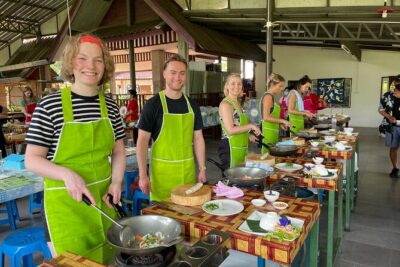 ★ 5.0Half-Day Thai Cooking Class at Organic Farm in Chiang MaiFrom $2919,087 reviews
 ★ 4.9Cooking Class, Market & Thai Herbs Garden TourFrom $314,824 reviews
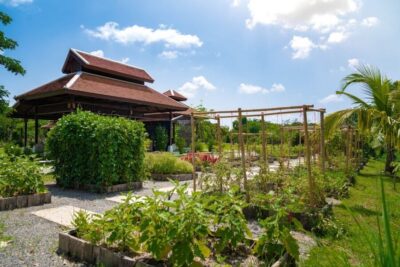 ★ 4.9Authentic Cooking Class with Market & Farm VisitFrom $344,546 reviews
 ★ 5.0Thai and Akha Cooking Class in Chiang MaiFrom $424,358 reviews
 ★ 5.0Phuket Thai Cooking Class with Market Tour OptionFrom $652,665 reviews
 ★ 4.9Hands-on Thai Cooking Class and Market TourFrom $451,614 reviews
 ★ 4.9Cooking Class with Market and PickupFrom $251,365 reviews
 ★ 4.9Tingly Thai Cooking School Half-Day Cooking ClassFrom $411,191 reviews
Browse the lists this tour appears in