
REVIEW · ELEPHANT SANCTUARY VISITS
Walk and Feed at Bukit Elephant Park Phuket
Elephants up close, without the tricks. This Bukit Elephant Park Walk and Feed experience focuses on observing natural behavior and feeding safely in a calm sanctuary, not on rides or shows. I especially liked how the setup keeps you at a respectful distance until feeding time, and how the guides weave in Thai culture along the way, like rubber tapping and coconut milk making. One thing to consider first, there is no elephant riding and no elephant bathing, so it’s for people who want quiet, nature-first interactions.
You’ll start with elephant feeding from a secure area, then move through the park while a guide and mahouts explain elephant habits and history. I also like that the rules are clearly about safety and welfare, including no loud noise and strict limits on how visitors behave around the animals. If you’re hoping for a big, action-heavy program, you may find the 1 hour 30 minutes format a bit short.
In This Review
- Key Highlights You Should Know Before You Go
- Walking and Feeding at Bukit Elephant Park, Not Riding
- Your Best Time Slot in Thailand: Morning, Late, or Afternoon
- The Sanctuary Rules That Protect Elephants and Your Photos
- Safe Feeding: Bananas and Rice Balls From a Secure Spot
- Learning Elephant Habits, Not Just Taking Photos
- Thai Culture Stops Built Into the Day
- Getting There: Pickup, Air-Conditioned Vehicle, and a Mobile Ticket
- Price and Value: Why $51.92 Might Make Sense
- What to Bring, What to Leave at Home, and How to Stay Comfortable
- Who This Tour Fits Best (And Who Might Want Another Option)
- Should You Book Bukit Elephant Park Walk and Feed?
- FAQ
- What activities are included in the Walk and Feed tour?
- Is elephant riding included?
- Is elephant bathing included?
- What time slots are available?
- Does the price include pickup and transportation?
- What is included for feeding the elephants?
- Are strollers allowed in the park?
- What is the cancellation policy?
Key Highlights You Should Know Before You Go
- Sanctuary rules over entertainment: no riding, no bathing, and no rough handling.
- Feeding from a fenced safe zone: you feed at close range, with staff watching closely.
- You make elephant food part of the experience: rice balls mixed with fruit, plus a banana basket.
- Thai culture lessons included: rubber tapping, coconut milk making, and Thai food cooking time.
- Small-group feel (max 30): easier to follow instructions and move around the park.
- Rainy-season gear provided: umbrellas and boots help you stay comfortable.
Narrowing it down? Here is what else got written up around Ko Phi Phi Don.
- From Phi Phi: Sunrise & Beat The Crowds to Maya Bay by Speedboat★ 5.0 · 124 reviews
- Highlights of Phi Phi Islands★ 4.5 · 86 reviews
- From Phi Phi: Half Day Discover Scuba (2 Dives)★ 5.0 · 77 reviews
- Phi Phi 7 Islands Full-Day Tour From Phi Phi by Longtail Boat★ 4.0 · 67 reviews
Walking and Feeding at Bukit Elephant Park, Not Riding

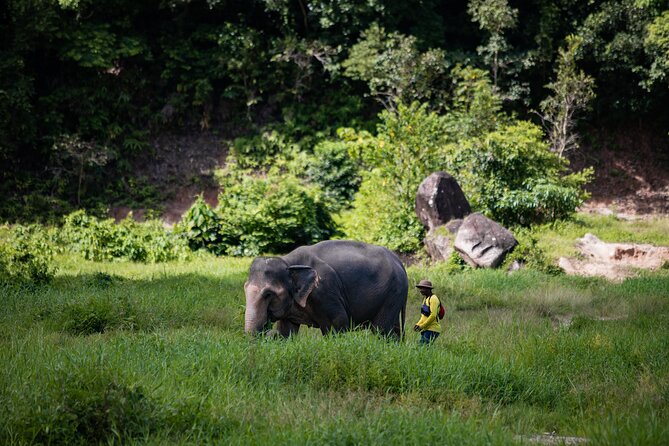
This tour is built around one idea: elephants should stay elephants. You won’t sit on them or wash them, which means your time feels calmer and more respectful. Instead, you’ll watch natural behaviors from a distance, then feed them at designated spots where there’s a fence between you and the elephants.
That difference matters. If you come to elephants expecting a theme-park experience, you’ll likely feel a mismatch. But if you want an ethical, low-impact visit where your role is observer and gentle feeder, the structure makes a lot of sense.
The best part is how the staff and mahouts keep things controlled. The tour explicitly prohibits physical or verbal violence toward the elephants, and it also limits visitor behavior like loud sounds and drone use. It’s not a vague promise, it’s part of the operating rules.
Your Best Time Slot in Thailand: Morning, Late, or Afternoon
The mini guided program runs at set times: 09:00-11:00, 11:00-13:00, or 14:00-16:00. Plan around your day, because this is only about 1 hour 30 minutes once you’re in the flow.
If you like starting early, the morning slot often feels best for photos and for getting your elephant time done before you spend the rest of the day on beaches or island hopping. If you prefer a slower late start, the 11:00-13:00 session can fit well after breakfast. For people who like that mid-afternoon energy, the 14:00-16:00 slot is there too.
Also note the park has rules about noise and movement. So whichever slot you pick, you’ll get the most out of it by arriving ready to follow instructions and keep your voice down.
The Sanctuary Rules That Protect Elephants and Your Photos
This experience is very strict on how the park works, and I think that’s a good sign. You’re told to keep quiet and avoid disruption, and the elephants are allowed to walk freely in the park without disturbance from visitors. That means you’re not herding animals toward you, and it also means your experience depends on their natural routine.
Expect these practical limits:
- No drones
- No flash photography
- No loud noises
- Follow guide and mahout instructions closely
If you’re traveling with a camera, plan for natural light and good angles without flash. If you’re used to taking fast “look at me” photos, you may need to slow down and wait for a better moment.
One more practical note: strollers are not allowed in the park. If you’re traveling with a baby, you’re encouraged to bring a baby holder instead. It’s not a deal breaker, but it does affect what you bring.
Safe Feeding: Bananas and Rice Balls From a Secure Spot
Feeding time is the heart of the tour, and it’s designed for safety. You feed elephants in a designated feeding area where there’s a fence separating visitors and elephants. Guides, mahouts, and staff stay close to help you feed correctly and safely, including keeping the interaction calm and controlled.
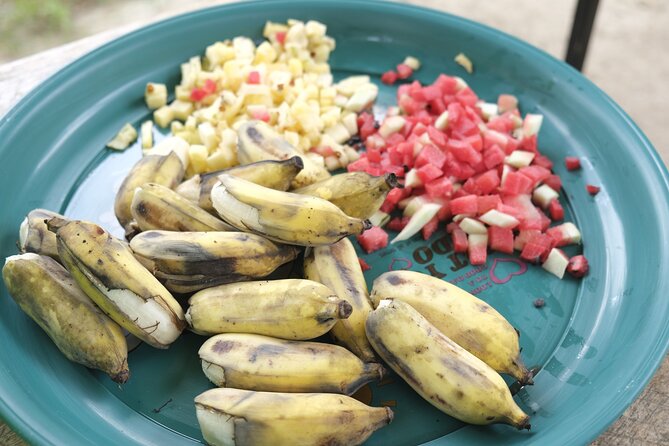
You’ll start with a basket of bananas for the elephants. The experience includes feeding them from a safe position, and the elephants take food using their trunks. This part can feel surprisingly gentle. Even though it’s close, the setup is meant to avoid risky reach, sudden movement, or crowding.
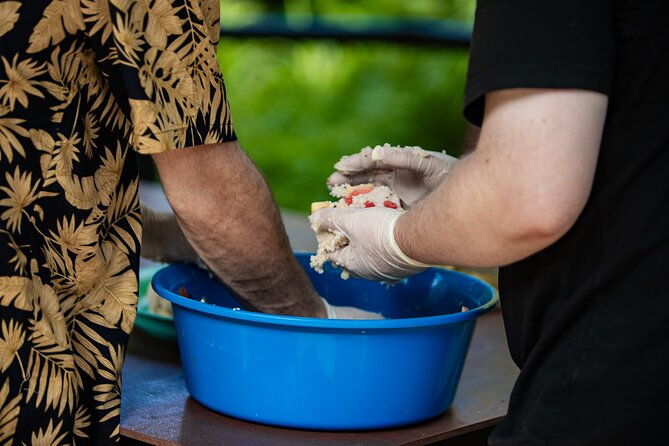
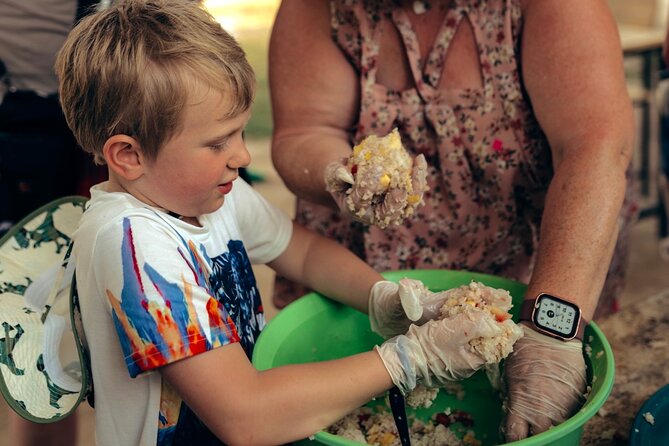
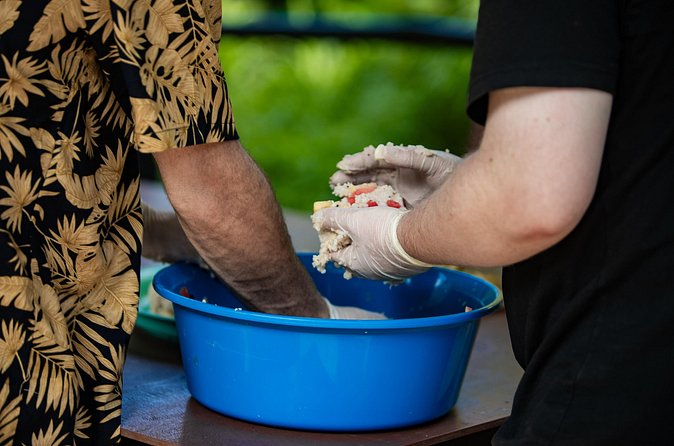
Then comes the food you help prepare: rice balls mixed with their favorite fruits. You’ll get the rice balls for feeding as part of the program, and you’ll feed them by placing the food into the elephant’s mouth area as directed by the guide. It’s more structured than random hand-feeding at a roadside spot, and that makes a difference for both safety and elephant welfare.
Also, keep expectations realistic. You’re feeding, but you’re not “taming” or commanding. You’re offering food while elephants move at their own pace. That’s the point, and it’s usually what people love most after the tour.





Learning Elephant Habits, Not Just Taking Photos
The guides explain elephant habits and their history, and you’ll also learn about why mahouts and staff handle daily care the way they do. The tour is focused on respectful observation, so you’ll spend time watching from a distance while a guide gives context and helps you interpret behavior.
In other words, you get the “why” behind the scene, not just the “what.” You learn what natural behaviors look like and what to look for when elephants are feeding, moving, or interacting with their environment.
This is also where the no-riding, no-bathing approach pays off. When you’re not forcing physical contact or staging a performance, you can see more real behavior. That makes the learning feel practical, because you’re watching something while someone explains it.
And yes, you still get photo opportunities, but they’re framed around rules like no flash and no disruption. It’s less about grabbing a quick selfie and more about capturing a calm moment.
Thai Culture Stops Built Into the Day
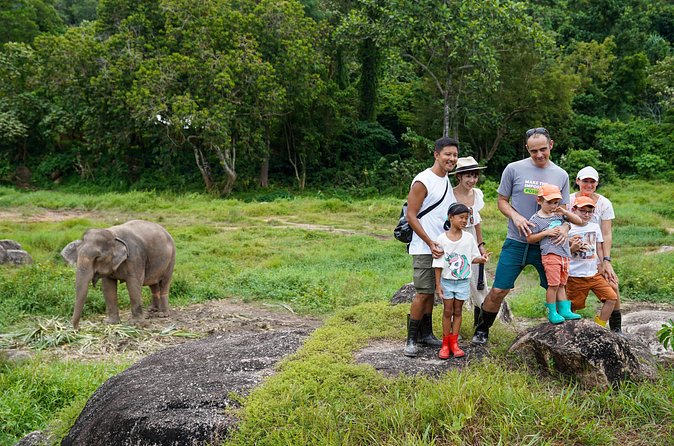
One of the most enjoyable parts for me is that this isn’t only an elephant visit. The experience is described as a way to learn Thai culture through hands-on activities, including:
- rubber tapping
- making coconut milk
- a Thai food cooking session
That cultural layer matters because it turns the tour into more than one animal encounter. Even if you’re short on time, you still get a sense of how people in Thailand turn local ingredients into everyday food.
Because the tour is scheduled as a short guided program, you won’t get a long classroom-style workshop. Instead, you get focused, practical learning that fits the time window, then you move on to the next stop.
If you like experiences that combine animals with local food and farming traditions, you’ll probably find this format satisfying. If you only came for elephants and nothing else, you may appreciate that the culture portion keeps the day from feeling one-note.
Getting There: Pickup, Air-Conditioned Vehicle, and a Mobile Ticket
Logistics are simple. The tour includes a joined transfer and pickup is offered, and transportation is by an air-conditioned vehicle. You also get a mobile ticket, which makes it easier to manage on a day where you’re moving between activities.
How this helps you: it removes the stress of finding the right entrance time and negotiating local transport. When you’re visiting an animal sanctuary, you want smooth timing, because the program depends on staying on schedule.
Also, the whole experience is capped for group size, with a maximum of 30 travelers. That’s big enough to meet other people, small enough that the guide can manage instructions without turning it into chaos.
In a 1 hour 30 minute program, every minute counts. So having transfer included is part of what makes the price feel reasonable.
Price and Value: Why $51.92 Might Make Sense
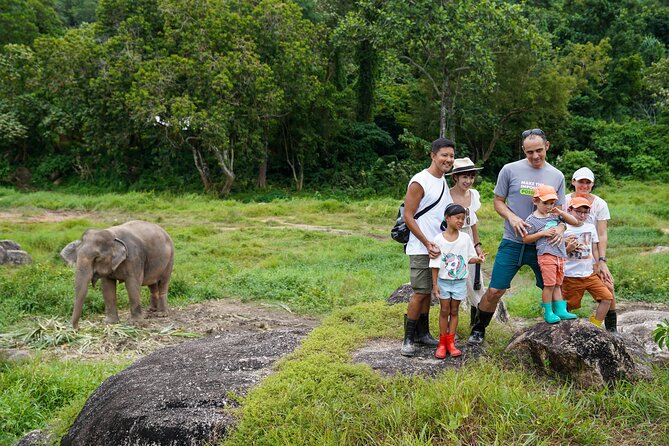
At $51.92 per person, you’re paying for more than “elephant viewing.” This price covers:
- an English and Thai guide
- a joined transfer (air-conditioned vehicle, pickup offered)
- coffee and/or tea (Thai traditional coffee or tea)
- elephant feeding items, including bananas and the rice balls you prepare
- ranger-style supervision for feeding safety
- umbrellas and boots for rainy season
If you compare this to higher-adrenaline elephant attractions, the biggest difference is what you do not get: no riding and no bathing. But value isn’t only about what activities are included. It’s about what kind of interaction you’re supporting.
Here, the tour is positioned as animal-friendly and safety-first, with elephants allowed to walk freely and strict visitor rules. For many people, that moral comfort adds real value, not just a feel-good label.
Still, it’s worth being honest about your priorities. If you came specifically for a ride, you’ll feel like you paid for something different than you expected. If you came to feed and observe respectfully, this is a solid, organized way to do it without improvising.
What to Bring, What to Leave at Home, and How to Stay Comfortable
This tour provides some comfort items, but you should still dress smart.
Rainy-season help is included: umbrellas and boots. That’s useful in a place where weather can change fast. Since hats and socks for rainy season are listed as optional, think about your own comfort too, especially if you get chilled easily.
You may also want to bring:
- insect repellent (optional)
- sunscreen (optional)
These aren’t included, but they’re listed as optional add-ons.
And follow the park photo rules. No flash. So bring a camera setting that works in softer light, or rely on your phone without flash.
Finally, mentally prepare for rules about quiet and behavior. If you’re the kind of person who likes to chat loudly, you’ll need to lower the volume. The park’s rules help create the calm conditions the elephants need.
Who This Tour Fits Best (And Who Might Want Another Option)
I think this is a great match for:
- people who want a respectful elephant encounter without riding
- families or small groups who prefer structured safety with guides and staff
- travelers who enjoy Thai culture and food preparation alongside nature
It may not be the best match for:
- anyone who specifically wants elephant riding or bathing as the main event
- people who need a stroller-friendly park setup, since strollers are not allowed
- travelers who want a long day or a very deep cultural workshop, because the program is about 1 hour 30 minutes
If you’re expecting a fast, orderly walk, a safe feeding moment, and a few focused culture stops, you’ll likely enjoy it.
Should You Book Bukit Elephant Park Walk and Feed?
If your priority is a calm, ethical elephant interaction with clear safety rules, I’d say book it. The structure makes sense: watch from a distance, feed from a fenced safe area, and keep things quiet so elephants can move naturally. The cultural activities also add value, especially if you like Thai food and local craft skills.
Skip it only if elephant riding or bathing is non-negotiable for you. Otherwise, this is one of those experiences where the “less dramatic” format actually leads to more meaningful moments.
If you can, pick the time slot that best matches your energy. And plan to follow the rules for no flash, no loud noise, and no drones, because that’s what keeps the whole place working for both you and the animals.
FAQ
What activities are included in the Walk and Feed tour?
You will observe elephants from a safe distance, feed them from designated safe feeding areas with a fence between elephants and visitors, and prepare and feed rice balls mixed with fruits. The experience also includes Thai cultural activities such as rubber tapping, making coconut milk, and a Thai food cooking session.
Is elephant riding included?
No. Elephant riding is not offered in this experience.
Is elephant bathing included?
No. Bathing with elephants is not offered here.
What time slots are available?
The mini guided program runs at 09:00-11:00, 11:00-13:00, and 14:00-16:00.
Does the price include pickup and transportation?
Pickup is offered, and a joined transfer is provided in an air-conditioned vehicle.
What is included for feeding the elephants?
You get a basket of bananas for the elephants, and you prepare rice balls mixed with their favorite fruits to feed them.
Are strollers allowed in the park?
No. Strollers are not allowed in the park, and the tour recommends bringing baby holders during the tour.
What is the cancellation policy?
Free cancellation is available if you cancel up to 24 hours in advance of the experience’s start time. If you cancel less than 24 hours before the start time, the amount paid is not refunded.
What else made it into the Thailand notebook
What else made it into the Ko Phi Phi Don notebook
- Walk and Feed at Bukit Elephant Park Phuket
★ 5.0 · 25 reviews - Early Bird Phi Phi Islands Tour From Phi Phi by Speedboat
★ 4.0 · 25 reviews - Phi Phi Island Half Day Tour From Phi Phi by Longtail Boat
★ 4.5 · 27 reviews - 6 Hours Private Tour Around Phi Phi Islands From Phi Phi
★ 4.5 · 27 reviews - Snorkeling Phi Phi Islands Tour From Phi Phi by Speedboat
★ 4.5 · 41 reviews - From Phi Phi: PADI Open Water Course *eLearning (2+ days)
★ 5.0 · 41 reviews
Elephant Sanctuary Visits, compared.
 ★ 4.9Elephant Sanctuary, Waterfall & Bamboo RaftingFrom $609,160 reviews
 ★ 4.9Elephant Sanctuary & Waterfall Group TourFrom $505,780 reviews
 ★ 4.8Elephant Sanctuary Feeding Program Half-Day TourFrom $274,527 reviews
 ★ 4.9Elephant Bathing Session at Krabi Elephant ShelterFrom $482,021 reviews
 ★ 4.8Elephant Sanctuary Guided Tour with Hotel TransfersFrom $412,020 reviews
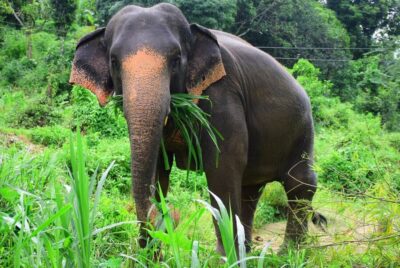 ★ 4.8Elephant Care Program and Nursery TourFrom $531,899 reviews
 ★ 5.0A Morning with the Elephants at Phuket Elephant SanctuaryFrom $971,693 reviews
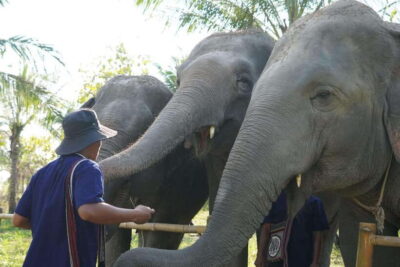 ★ 4.8Living Green Elephant Sanctuary Day TripFrom $571,541 reviews
Browse the lists this tour appears in