
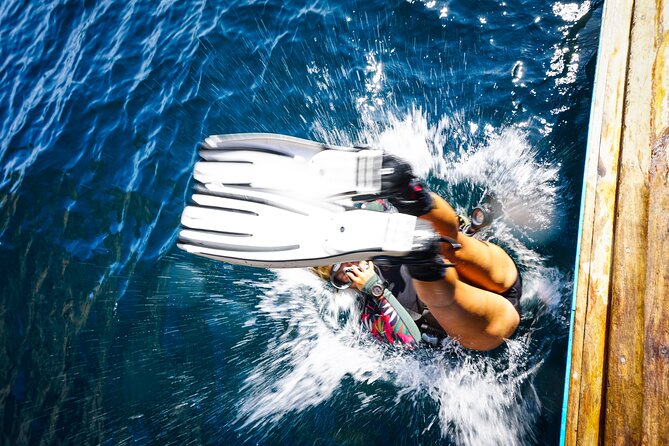
REVIEW · PHI PHI ISLANDS AND MAYA BAY TRIPS
From Phi Phi: Half Day Discover Scuba (2 Dives)
Two hours underwater can feel like a secret door to another world. This half-day PADI Discover Scuba experience pairs shallow reef time with professional coaching, so you get real confidence fast. I also like that the team keeps the group small, with a safety-first approach that suits first-timers.
My other big plus is the focus on conservation and responsible habits, plus the way the instruction feels personal, especially if your guide is Renzo, who is patient and adds humor without cutting corners. One thing to plan around: you must do pre-registration steps and complete PADI eLearning on a timeline set by the center, and it is not a fit if you have asthma or do not meet the medical requirements.
In This Review
- Key things to know before you go
- PADI Discover Scuba on Ko Phi Phi Don: what the small group really buys you
- Timing and training: how you fit two underwater sessions into a half-day
- What happens on the water: equipment, safety, and the PADI process
- Stop-by-stop: Ko Phi Phi Le, Viking Cave, Maya Bay, and Ko Bida Nok
- Ko Phi Phi Le: where your first close reef moments usually happen
- Viking Cave: a scenic pause that keeps the day from feeling like nonstop training
- Maya Bay: world-famous scenery, then back to the reef
- Ko Bida Nok: your final reef-oriented stretch with more chances at wildlife
- Marine life I would plan my attention around
- Eco-focused coaching: what it means in real behavior underwater
- Price and value: what you pay, what you still need to budget
- Who should book this, and who should skip
- Should you book Blue View Divers Discover Scuba on Phi Phi?
Key things to know before you go
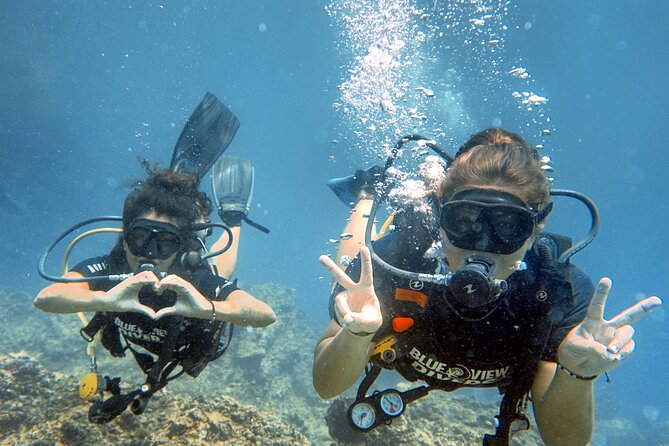
- Small group format with about two participants per instructor, which makes skill feedback easier.
- Two supervised shallow underwater sessions designed for beginners, with basic breathing and control taught first.
- Eco-focused PADI setup, using the official PADI online program plus conservation education.
- Marine life odds are high for turtles, clownfish, schools of fish, and even blacktip reef sharks (no guarantees, but the target habitat is right).
- You get a real break between sessions, with lunch, fruit, and drinks rather than rushing straight back out.
- Weather matters, and the center builds in a good-weather dependent plan for your outing.
Boats out to Phi Phi and Maya Bay also got written up
- From Phi Phi: Sunrise & Beat The Crowds to Maya Bay by Speedboat★ 5.0 · 124 reviews
- Highlights of Phi Phi Islands★ 4.5 · 86 reviews
- From Phi Phi: Half Day Discover Scuba (2 Dives)★ 5.0 · 77 reviews
- Phi Phi 7 Islands Full-Day Tour From Phi Phi by Longtail Boat★ 4.0 · 67 reviews
PADI Discover Scuba on Ko Phi Phi Don: what the small group really buys you
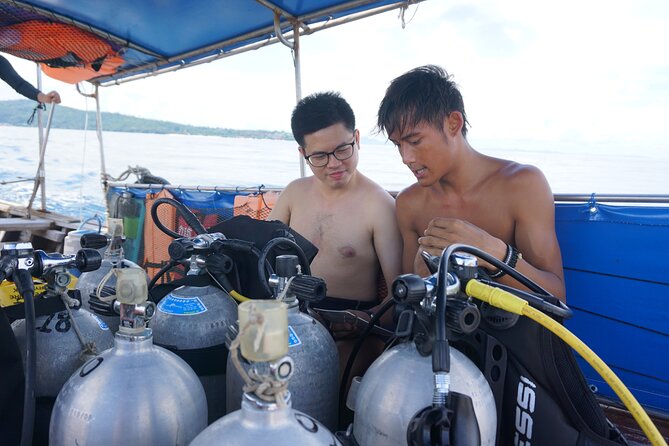
On Phi Phi, the hard part is not just finding clear water, it is getting comfortable enough to enjoy it. This Discover Scuba format keeps things controlled: you are not tossed into the deep end, and you are not stuck watching from the sidelines.
What I like is the two divers per instructor style. That ratio matters because underwater skills are physical and mental at the same time. When the instructor is close enough, you learn breathing control and buoyancy basics faster, and you are more likely to spend your attention on the reef instead of worrying whether you are doing it wrong.
The experience is run by PADI professionals, not training staff or trainees learning in front of you. That shows up in the tone and in the pacing. Even the eco message is taught as part of how you move underwater, not as a quick checklist.
There is also an “eco” angle that is not just marketing. The center frames the whole program around eco-friendly diving practices and building a genuine love for the ocean. If you care about reef protection, this kind of coaching is the difference between seeing coral and learning how not to damage it.
Timing and training: how you fit two underwater sessions into a half-day
This outing runs about 5 hours. In practice, it is built around your first-time needs, so the schedule includes training either on the beach or in shallow water before you go out.
You have two ways to make it work on your trip:
- If you arrive early enough, you can take the first boat to Phi Phi and do the same afternoon.
- If timing does not line up, arrive one day before and come back for the next morning.
You do not just show up. The center requires you to contact them 24 hours before to complete online PADI registration and the dive medical and waiver step. Your booking is only finalized after that.
Also, you must do PADI Discover Scuba eLearning by emailing or WhatsApp the dive center one day before. That is the main “admin” part of the trip. If you hate paperwork, do it first thing after you book. If you do not, it becomes the least fun part of your day, which is exactly what you do not want right before you want to be underwater.
Between sessions, you get a proper break with lunch plus fruit, and the boat plan is designed so you can enjoy the scenery of Phi Phi Leh while you reset.
What happens on the water: equipment, safety, and the PADI process
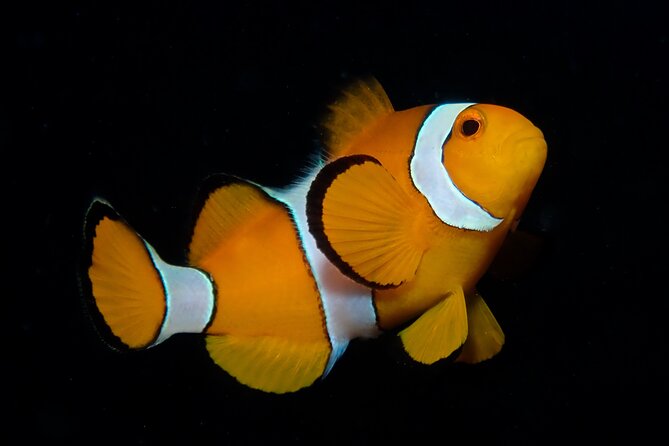
Scuba equipment is included. That means you spend your time learning, not shopping or guessing about gear sizes.
Safety is emphasized in a very practical way. The program is structured so you practice key skills first, then build into the underwater portion under supervision. You should expect instruction on breathing and basic underwater control, then you go into reef habitat with guidance close at hand.
The center also runs the official PADI program online. That matters because it standardizes how you prepare, so your instructor can focus on hands-on coaching rather than cramming theory at the boat.
One more practical detail: the tour notes it is insured through a Thai Basic Government redemption-only plan. That is not the same as fancy private adventure coverage, so if you are used to buying extra insurance for sports, double-check your own policy too.
Stop-by-stop: Ko Phi Phi Le, Viking Cave, Maya Bay, and Ko Bida Nok
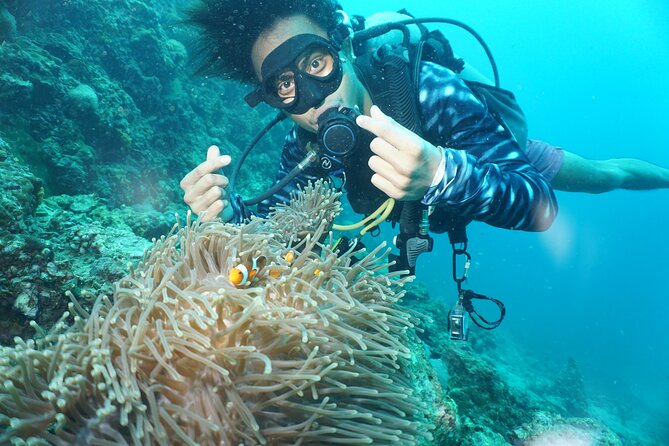
Your itinerary includes four named stops around Phi Phi: Ko Phi Phi Le, Viking Cave, Maya Bay, and Ko Bida Nok. Even if your real focus is the underwater sessions, the boat route is part of the experience. You get scenery time, then you return to the water when conditions are ready.
Thai dive courses got read for the small print
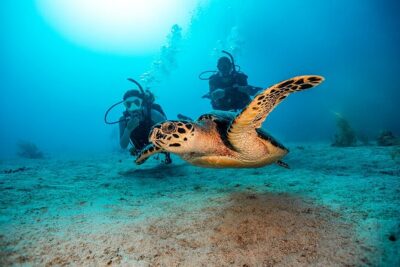
Ko Phi Phi Le: where your first close reef moments usually happen
Ko Phi Phi Le is one of the areas the crew visits, and it fits the overall theme of the day: shallow reef habitat with wildlife. You should expect to see coral and reef life, including the chance of spotting turtles and colorful marine creatures.
This is also where your beginner skills start paying off. When you get your breathing and buoyancy calm, you can actually look at the coral formations rather than constantly adjusting yourself. That is when the reef starts to feel like a place, not a test.
If you are the type who likes photo moments, this stop is likely the one you mentally prepare for, because it is the closest match to the experience description about coral reefs and a mix of marine life.
Viking Cave: a scenic pause that keeps the day from feeling like nonstop training
Viking Cave appears as a stop on the itinerary, which gives you a break from continuous focus on skills. Even if the underwater work is the main event, these surface stops help prevent the “too much, too fast” feeling that can happen on shorter first-timer trips.
The practical benefit is pacing. After training and before your second underwater session, you need a mental reset. Time topside helps you feel less rushed, and it lets the instructor adjust the plan based on how you are doing with comfort and breathing control.
A consideration: if you are prone to motion sickness, boat time can still be a factor. The schedule is short, but the day is still on the water.
Maya Bay: world-famous scenery, then back to the reef
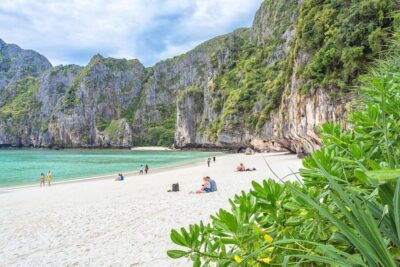
Maya Bay is another named stop on your route. This gives your half-day an extra layer beyond just learning scuba basics. You are getting the Phi Phi experience, with iconic views and the chance to look around between water sessions.
From a value standpoint, that is nice. A “training only” outing can feel like you paid to pass a test. This one keeps the day interesting so you feel like you did more than practice skills.
Tip for managing expectations: the underwater part is supervised and shallow, and conditions vary. Use the Maya Bay time as scenery time, not as a promise of specific underwater conditions.
Ko Bida Nok: your final reef-oriented stretch with more chances at wildlife
Ko Bida Nok is the last named stop on the itinerary. By this point, you should be more comfortable, which means you can spend more attention on what is around you.
The experience is designed around marine life highlights. That includes the possibility of clownfish, big schools of fish, and even the chance of blacktip reef sharks. If you got into the rhythm on the first underwater session, this is the part where you may feel more confident enough to look longer and move more calmly.
Remember, wildlife sightings are never guaranteed. But the repeated shallow reef focus across the route increases your odds of seeing something memorable.
Marine life I would plan my attention around
This outing is built to target real reef life, not just “pretty water.” You should expect turtles, coral, and diverse marine life, including clownfish and big schools of fish. There is also mention of blacktip reef sharks, plus Nemo-style clownfish spotting as part of the overall draw.
How to make the wildlife moments more likely, at least mentally:
- Move slowly underwater, because fast kicks can disturb animals and reduce your viewing time.
- Watch how your buoyancy feels. When you are steady, you can look longer.
- Keep your eyes on coral edges and open water spots where fish schools travel.
If you are new, you might feel like you are concentrating on everything. That is normal. The moment your breathing and control click, reef watching becomes easier, and the “I can finally see things” feeling shows up quickly in this type of beginner plan.
Eco-focused coaching: what it means in real behavior underwater
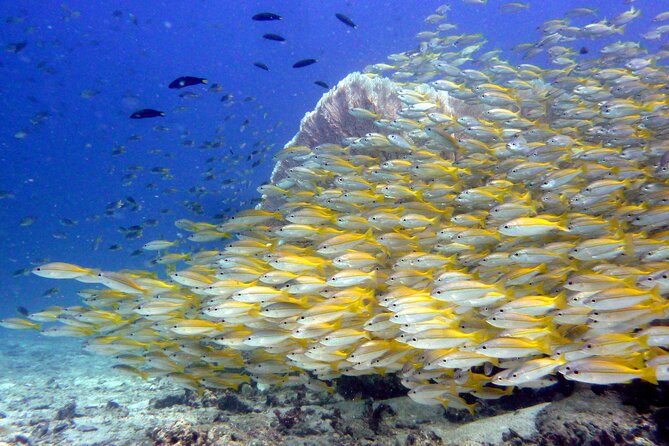
The center frames eco diving practices as part of the instruction. That means you are not just told to be careful in theory. You are coached on how to move so you do not kick coral or stress marine life.
This matters because in shallow reef areas, accidental contact happens fast for beginners. If the instructor sets habits early, you leave with a better understanding of how to interact responsibly.
If you care about reefs beyond a one-time visit, you will probably appreciate that the eco message is tied to the skills you practice. It turns the experience into education you can use again later.
Price and value: what you pay, what you still need to budget
The listed price is $127.13 per person. For a half-day with two supervised shallow underwater sessions, equipment included, and a small-group instructor setup, that can be good value, especially if you are comparing it to full-day programs that cost more and often feel more rushed.
What you should budget beyond the headline price:
- There is an extra THB 600.00 per person noted as not included (fees and taxes).
- Photography is optional and listed at THB 2,500 for the photography service.
- You also need time for the eLearning and pre-registration steps, which can affect your schedule, even if there is no added cost.
What is included in the value:
- Scuba equipment
- All fees and taxes are listed, but because THB 600 is separately called out as not included, plan for that extra payment
- Insurance described as Thai Basic Government redemption-only
- PADI Discover Scuba eLearning requirement (you do it as part of the process, coordinated by the center)
- Lunch, water, fruit, and coffee or tea
The real value is the coaching quality, not just the underwater time. This is a beginner-focused program with professional instruction and an intentional pace.
Who should book this, and who should skip
This is a great fit if you want an introduction to scuba skills in a controlled setting. It is especially suited to first-timers, since it includes beach training or shallow water training before your supervised underwater sessions.
You should also have moderate physical fitness. Scuba is not “gym hard,” but it does require comfort with floating, breathing control, and moving your gear underwater.
Two “skip” signals from the tour info:
- It is not recommended for travelers with asthma.
- You must review the diver medical statement before booking and make sure you meet requirements.
Also, you must be staying on Phi Phi or be willing to spend one night here. That requirement can be a dealbreaker if you are doing day trips only.
Should you book Blue View Divers Discover Scuba on Phi Phi?
I think you should book if you want a beginner-friendly scuba introduction with real structure, small group attention, and an eco message that connects to how you behave underwater. The “two supervised shallow underwater sessions” format is ideal when you want to learn the basics and still feel like you actually experienced the reef, not just practiced skills.
Skip it if your schedule cannot handle the pre-registration steps and eLearning timing, or if you have asthma or do not meet the medical requirements. Also, if you dislike boat days, know that this experience is built around getting out to reef areas and spending your half-day on the water.
If you are on Phi Phi and you want your first underwater time to feel safe and guided, this is a solid choice, especially if your instructor style matches what Renzo is known for: patient, supportive, and good at making first-timers feel at ease.
What else made it into the Thailand notebook
Dive courses, and what the certification actually covers
Boats to Phi Phi and Maya Bay, continued
What else made it into the Ko Phi Phi Don notebook
- Walk and Feed at Bukit Elephant Park Phuket
★ 5.0 · 25 reviews - Early Bird Phi Phi Islands Tour From Phi Phi by Speedboat
★ 4.0 · 25 reviews - Phi Phi Island Half Day Tour From Phi Phi by Longtail Boat
★ 4.5 · 27 reviews - 6 Hours Private Tour Around Phi Phi Islands From Phi Phi
★ 4.5 · 27 reviews - Snorkeling Phi Phi Islands Tour From Phi Phi by Speedboat
★ 4.5 · 41 reviews - From Phi Phi: PADI Open Water Course *eLearning (2+ days)
★ 5.0 · 41 reviews
Phi Phi Islands and Maya Bay Trips, compared.
 ★ 4.3Phi Phi Islands Speedboat Day TourFrom $513,340 reviews
 ★ 5.0Phi Phi Islands Adventure Day Trip w/ Seaview Lunch by V. MarineFrom $913,295 reviews
 ★ 4.4Phi Phi Islands and Maya Bay Day Trip with LunchFrom $343,204 reviews
 ★ 4.2Half-Day Longtail Boat Tour with SnorkelingFrom $241,733 reviews
 ★ 4.2PhiPhi, Maya Bay & Khai Island Day Tour with LunchFrom $471,607 reviews
 ★ 5.0Luxury Small Group Phi Phi Sunrise from PhuketFrom $1741,447 reviews
 ★ 5.0Full-Day Phi Phi Islands Tour with Lunch from KrabiFrom $1221,392 reviews
 ★ 4.1Phi Phi, Maya Bay, & Khai Islands Premium TripFrom $521,328 reviews
Browse the lists this tour appears in