
REVIEW · ELEPHANT SANCTUARY VISITS
Half-day with CHIANGMAI ELEPHANT CARE program (12pm-6pm.)
Elephants with a real purpose, not a show.
This half-day program in the Chiang Mai area is built around calm, close interaction, plus hands-on care tasks like making a herbal medicine ball and helping with feeding. I also like that the day is structured with clear elephant-focused education, so you come away understanding behavior, diet, and daily routines. A fair heads-up, the schedule can flex based on the elephants comfort, so bathing might not happen if conditions or the animals say no.
You start mid-day, get picked up, and by early afternoon you’re at the camp changing into activity uniforms and settling in for a vegetarian lunch. Then you spend a couple focused hours following the elephants on the grounds, feeding them, patting them when they approach, and learning from the English-speaking guide. In guides named from recent groups like Tong Cruise and Ford, you can expect a friendly, question-friendly style that mixes animal facts with Thai culture.
One possible drawback: this is still a close-contact experience. If you prefer zero physical closeness or zero river time, you may find the “bathing and brushing in the river” portion too hands-on for your comfort level.
In This Review
- Key Points You Actually Care About
- Chiang Mai Elephant Care, the Big Idea
- Mid-Day Pickup and the Drive to Maetang
- Arriving at the Camp, Uniform Change, Then Lunch
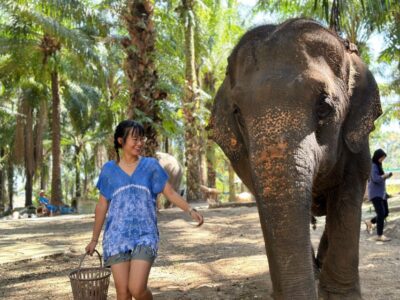
- Elephant Time on the Grounds, Feeding and Gentle Touch
- Making Herbal Medicine Balls, Why It Feels Different
- River Bathing and Brushing, When the Day Allows It
- The Mahouts, the Refresher Break, and Saying Goodbye
- Price and Value: Is 54 USD Worth It?
- Who This Experience Suits Best
- A Quick Checklist Before You Go
- Should You Book CHIANGMAI ELEPHANT CARE?
- FAQ
- What time is hotel pickup?
- How long is the drive from Chiang Mai to the sanctuary area?
- What do I do at the camp when I arrive?
- Is lunch included, and what is it like?
- What activities with elephants are included?
- Do I need to bring a swimsuit or extra clothes?
- What is included in the ticket price?
- What is the cancellation policy?
Key Points You Actually Care About
- Feeding and patting, done with the elephants choice in mind
- Make herbal medicine balls as part of a digestion-focused care routine
- River bathing and brushing if the elephants and conditions allow
- A structured, English-speaking guided visit with lots of animal education
- Uniforms, shower time, and a home-cooked vegetarian lunch to keep the day smooth
Thai sanctuary visits got read closely, riding-free
- Chiang Mai: Elephant Sanctuary, Waterfall & Bamboo Rafting★ 4.9 · 9,160 reviews
- Chiang Mai: Elephant Sanctuary & Waterfall Group Tour★ 4.9 · 5,780 reviews
- Chiang Mai: Elephant Sanctuary, Long Neck & Sticky Waterfall★ 4.9 · 2,262 reviews
- From Chiang Mai: Elephant Care Program and Nursery Tour★ 4.8 · 1,899 reviews
Chiang Mai Elephant Care, the Big Idea
If you’re shopping for elephant experiences in northern Thailand, you’ll quickly notice how many options fall into a simple pattern: ride, pose, and move on. This program is different in how it’s framed and how the day flows. You’re not being used as a prop, and you’re not asked to force anything.
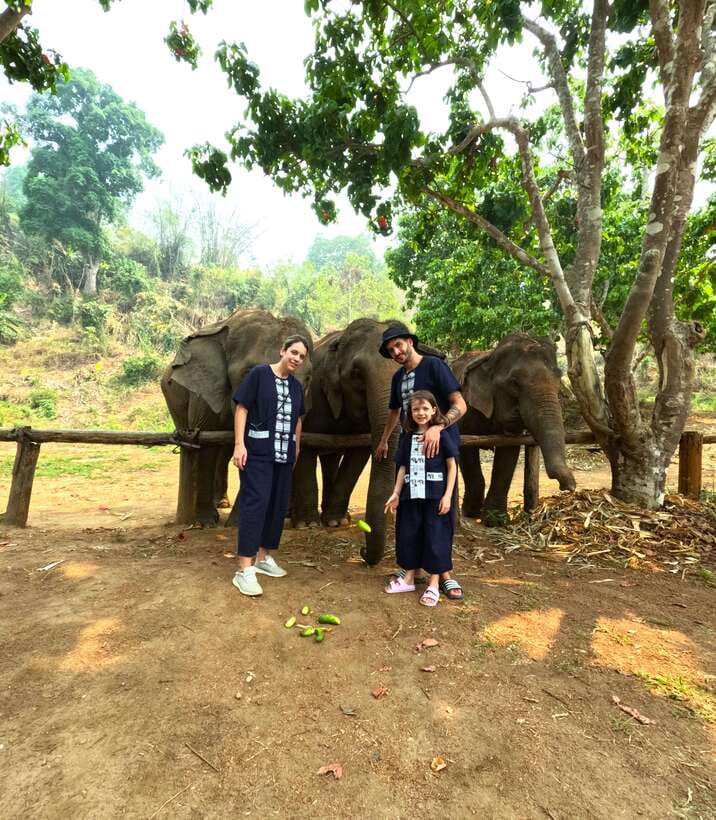
Instead, the focus is on respectful interaction and caretaking. You’ll feed, walk with the group, and do gentle touch when the elephants approach, then join in a care task that looks small but feels meaningful. Even the guide talk is aimed at helping you understand elephant behavior, not just entertaining you with facts.
The timing is also practical. A half-day format can fit better with Chiang Mai sightseeing than a full-day commitment, especially if you want to keep your mornings open for markets, temples, or a slower coffee start.
Mid-Day Pickup and the Drive to Maetang
Your day usually begins with hotel pickup around 12:00 to 12:30. The pickup can be shared, so you may stop for 2 or 3 hotels before heading out. That matters because Chiang Mai traffic can be unpredictable, and shared van rides can add a bit of waiting time while you find your route.
From there, expect roughly about 1.5 hours on the road to the Maetang area. It’s a simple transfer with a van, and once you arrive you’re immediately guided into the camp routine, including a uniform change.
Practical note: since pickup is lunch-adjacent, plan your own breakfast light. The lunch on the program is home-cooked vegetarian and comes later, so you don’t want to arrive hungry and overstuffed at the same time.
Arriving at the Camp, Uniform Change, Then Lunch
When you reach CHIANGMAI ELEPHANT CARE, you’ll change into provided uniforms for the activities. This is more than just a costume. It helps you stay comfortable during feeding and river time and keeps the day organized for everyone.
Then comes lunch, about 30 minutes. The meal is home-cooked vegetarian, plus fruits and drinking water. In a half-day format, lunch quality matters. This is not a sad roadside stop, it’s part of the camp rhythm.
Right after lunch, you get an introduction and briefing on what to do and what not to do around the elephants. I like this part because it sets expectations early. You’ll understand the boundaries that protect both you and the elephants, and you’ll know what behaviors count as safe and respectful.
Elephant Time on the Grounds, Feeding and Gentle Touch
Your guided interaction segment runs about two hours, and it’s the core of the experience. You’ll learn a lot while you follow the elephants around the grounds, with time built in for feeding, observing, and interacting.
Here’s what you can expect:
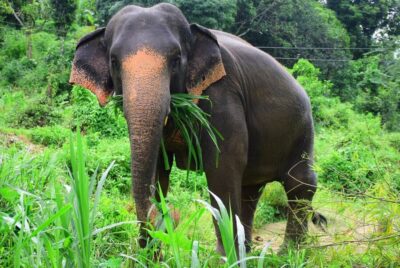
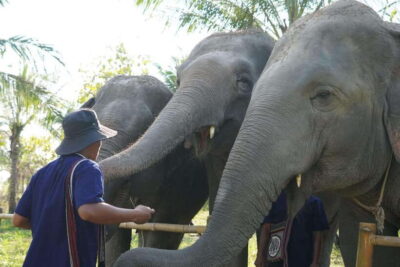
- Feeding bananas and other elephant foods that the program provides
- Close contact like touching and patting when appropriate
- Walking alongside the elephants for a sense of how they move through their space
- Photo opportunities, but not in the forced, rushed way that can feel like a photo-op treadmill
This is also where the elephants comfort-in-first approach shows up in the day. The program notes that activities with the elephants are based on their happy. In plain language, that means you’re not dragging, posing, or making the animals “perform” something for you.
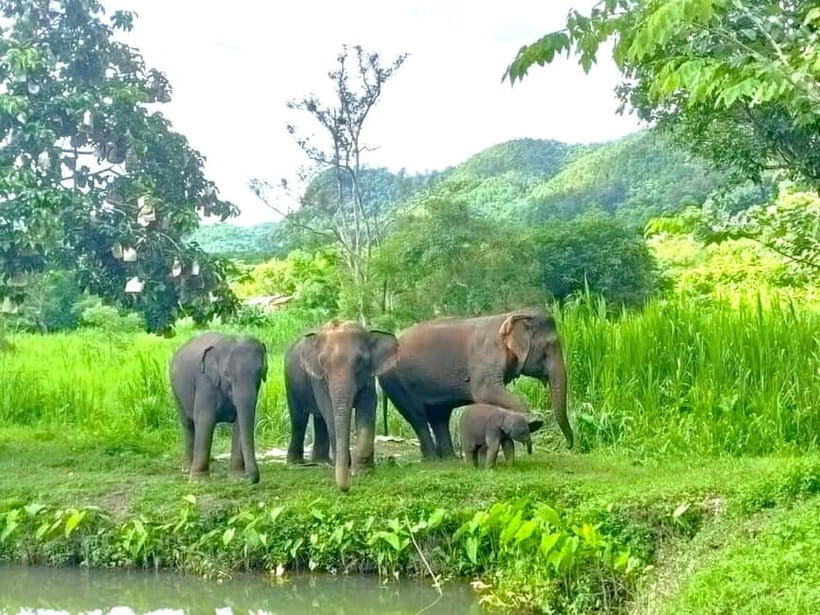
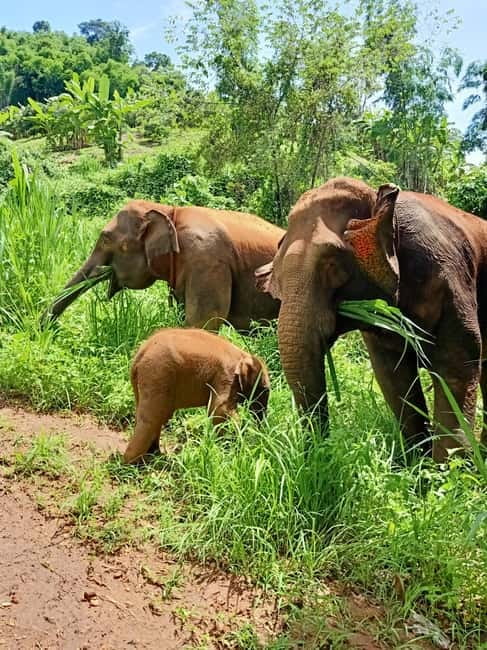
In recent guide-led groups, I’ve seen patterns like you meeting a small group of elephants, including two adult females and a baby male, with a keeper present for each animal. You should still keep expectations flexible, because animal routines change, but the overall approach remains: caretaking and observation over tricks.

Making Herbal Medicine Balls, Why It Feels Different
One of the most memorable parts is making herbal medicine balls for the elephants. The goal is tied to health, specifically supporting their digestion and overall wellness.
Instead of just watching the staff handle care behind the scenes, you help prepare a portion of it yourself. You learn how the ingredients fit into the elephant care routine, then you participate in feeding the medicine as part of their regular day.
Why this matters for you: it turns the experience from a single moment of cute contact into a small lesson about animal husbandry. You leave understanding that elephant care is practical work, not just feeding treats and taking photos.
And it’s not just hands-on. The guide also ties in facts and behavior education as you go, so you can connect what you’re doing with why it’s done.
River Bathing and Brushing, When the Day Allows It
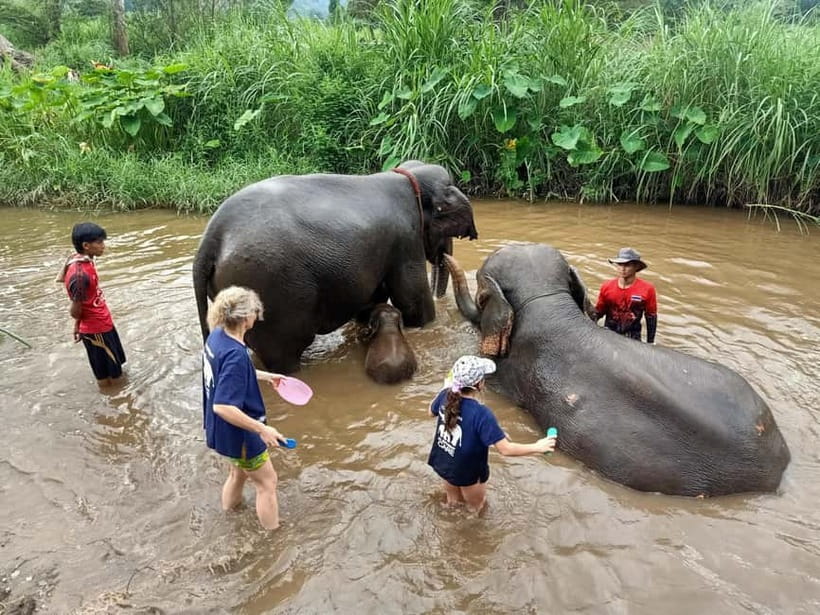
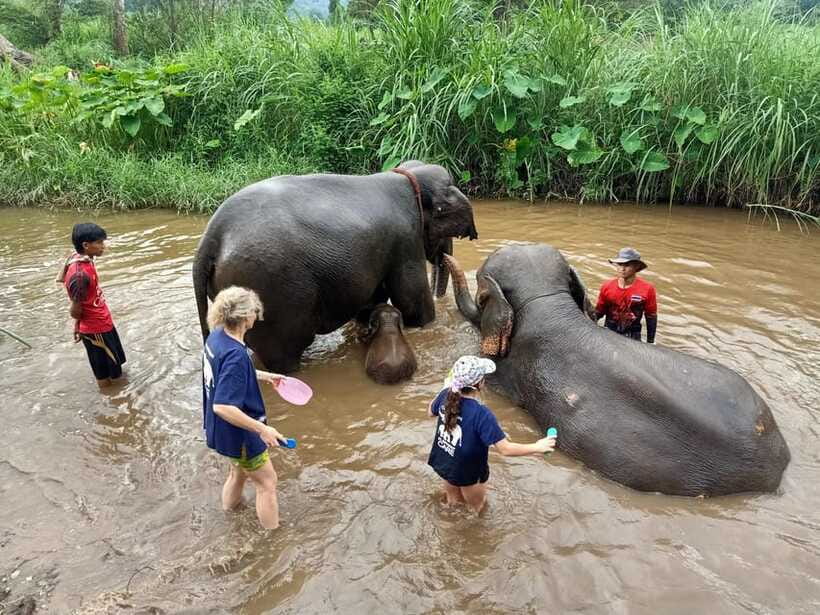
Bathe and brush elephants in the river is included as a scheduled activity, and it’s usually one of the headline parts for visitors. That said, the program explicitly notes the elephant activities are based on their happy, so you shouldn’t assume water time is guaranteed no matter what.
If it happens, you’ll see and participate in cleaning behaviors and gentle brushing. It’s also a good reminder that elephants are not props. They’re whole animals with preferences and comfort needs, and the caretakers keep that front and center.
If the elephants decide water time is not the plan, you might still see a calmer alternative routine. In that case, don’t worry that the day is ruined. You still get feeding, walking, education, and the care-prep activity.
Practical tip: bring a change of clothes and consider waterproof shoes or sandals you don’t mind getting wet. The camp provides showers and changing time afterward, which helps a lot.
The Mahouts, the Refresher Break, and Saying Goodbye
After your main elephant time, you’ll have a farewell moment with the elephants and the mahouts. This matters because it closes the loop between interaction and respect. You’re not just “done,” you’re leaving the elephants to their routine.
Then you get 30 minutes of refreshment, including showering and changing clothes before heading back. This is the part that makes a mid-day tour feel easier than it sounds. You’re not sweating through the rest of your afternoon or trying to get dinner in river mud.
Finally, you return to the city around or before 6pm, back to your hotel. If you’re planning evening activities, give yourself a little buffer. Traffic can move slowly during the late afternoon, especially when you’re crossing back through busy areas.
Price and Value: Is 54 USD Worth It?
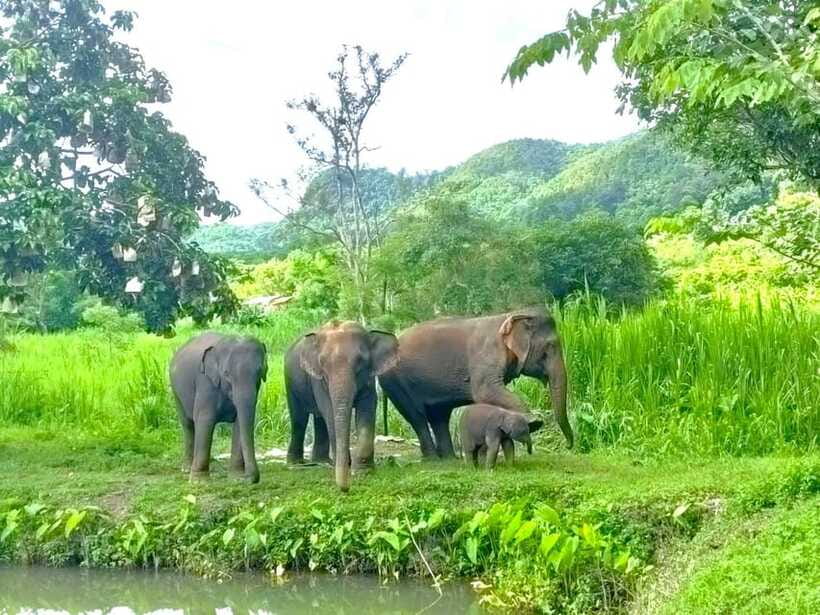
At about $54 per person for a half-day experience, the value comes down to what you’re actually buying.
You’re paying for:
- Entry to the sanctuary program
- An English-speaking guide
- Food for elephants
- Uniforms for activities
- Home-cooked vegetarian lunch, fruits, and water
- Day tour insurance
- Hotel pickup and return by van
In other words, you’re not just paying for “elephant time.” You’re also paying for the structure that makes the day work smoothly, including transportation, meals, and a care-focused guide-led format.
What makes it feel like good value to me is the combination:
1) You do hands-on care tasks like herbal medicine ball preparation
2) You get time for close, respectful interaction
3) You get a real educational component that helps you interpret elephant behavior
If you only want an elephant encounter that is mostly photos, you might find the medicine-making and education a bit too “hands-on.” But if you want to walk away with understanding, not just memories, the cost starts to feel reasonable.
Who This Experience Suits Best
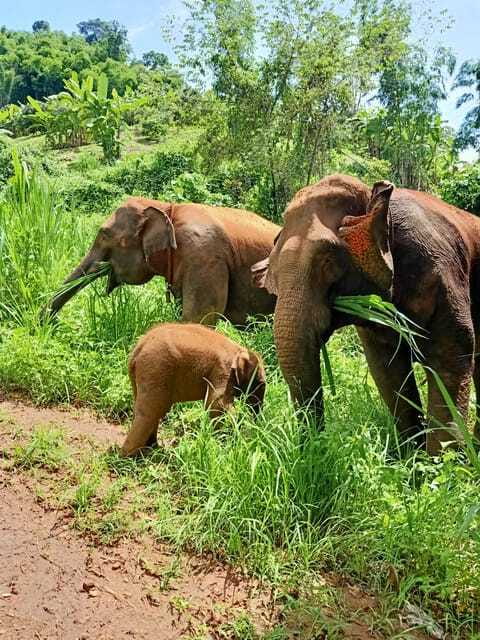
This program fits well if you:
- Want a calm, respectful elephant experience rather than rides and staged tricks
- Like learning while you do, especially about animal care and behavior
- Prefer a half-day format that still feels substantial
- Are comfortable with close touch like patting and feeding when the elephants come to you
It might not be ideal if you:
- Want strict no-touch interaction
- Strongly dislike the idea of river bathing, even if it’s based on conditions and elephant comfort
- Feel anxious around large animals up close, even with guidance and rules
A Quick Checklist Before You Go
For comfort on a mid-day tour that can include water:
- Bring a swimsuit and a quick-dry towel if you plan to use them
- Wear water-friendly footwear you can walk in
- Bring a change of dry clothes for after the shower time
- Bring sunscreen, since you’ll be outside during feeding and walking
- Pack light personal items, since the tour covers uniforms, food, and water
If you like photos, remember that photo opportunities are included, but you’ll also want time to watch elephant behavior. Try to do both without turning the day into a phone marathon.
Should You Book CHIANGMAI ELEPHANT CARE?
I think this is a solid choice if your priority is respectful interaction plus real education. The herbal medicine ball step, the elephant behavior talk, and the clear guidance on what to do and what not to do are the reasons to pick this over a more gimmick-heavy option.
One final decision rule: go with your comfort level around closeness and the river segment. If you’re okay with getting wet, touching when appropriate, and treating the elephants as the center of the day, you’ll probably love the calm, hands-on caretaking feel.
If that sounds like your kind of Chiang Mai day, book it.
FAQ
What time is hotel pickup?
Pickup is typically scheduled between 12:00 and 12:30, and it can be a shared van stop at 2 to 3 hotels.
How long is the drive from Chiang Mai to the sanctuary area?
The drive is about 1.5 hours to the Maetang area.
What do I do at the camp when I arrive?
You’ll change into provided uniforms, then have a vegetarian home-cooked lunch and a briefing on what to do and not do with the elephants.
Is lunch included, and what is it like?
Yes. Lunch is included and is described as home made, vegetarian, with fruits and drinking water.
What activities with elephants are included?
You’ll feed the elephants and be able to touch and pat when appropriate, make herbal medicine balls, and bathe and brush the elephants in the river as scheduled.
Do I need to bring a swimsuit or extra clothes?
The day includes shower and changing time before you return to the city, and river bathing is part of the program, so having swimwear and a change of clothes is a smart idea.
What is included in the ticket price?
Included are the sanctuary ticket, an English speaking tour guide, elephant foods, uniform for activities, day tour insurance, and lunch with fruits and water.
What is the cancellation policy?
Free cancellation is available up to 24 hours in advance for a full refund.
What else made it into the Thailand notebook
Sanctuary visits, and how the elephants are actually kept
What else made it into the Chiang Mai notebook
- Half day Long Neck hill tribe and Hmong hill tribe village
★ 5.0 · 21 reviews - Chiang Rai One Day: Golden Triangle, Laos Border, Long Neck Tribe
★ 3.5 · 21 reviews - Old Town Chiang Mai Food Tour with 10+ Local Dishes Tastings
★ 5.0 · 21 reviews - 5 Day Tuk Tuk Adventure in Chiang Mai – with driver
★ 5.0 · 21 reviews - 1 Hour Foot Relaxing – Free Transportation
★ 5.0 · 21 reviews - Rantong elephant sanctuary Chiangmai
★ 4.4 · 21 reviews
Elephant Sanctuary Visits, compared.
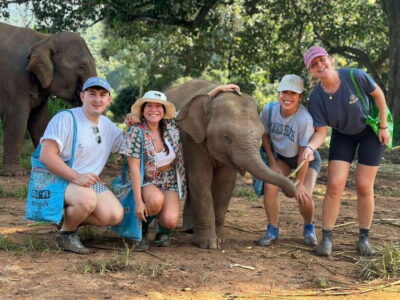 ★ 4.9Elephant Sanctuary, Waterfall & Bamboo RaftingFrom $609,160 reviews
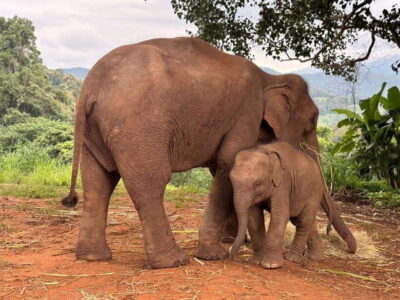 ★ 4.9Elephant Sanctuary & Waterfall Group TourFrom $505,780 reviews
 ★ 4.8Elephant Sanctuary Feeding Program Half-Day TourFrom $274,527 reviews
 ★ 4.9Elephant Bathing Session at Krabi Elephant ShelterFrom $482,021 reviews
 ★ 4.8Elephant Sanctuary Guided Tour with Hotel TransfersFrom $412,020 reviews
 ★ 4.8Elephant Care Program and Nursery TourFrom $531,899 reviews
 ★ 5.0A Morning with the Elephants at Phuket Elephant SanctuaryFrom $971,693 reviews
 ★ 4.8Living Green Elephant Sanctuary Day TripFrom $571,541 reviews
Browse the lists this tour appears in