

REVIEW · ELEPHANT SANCTUARY VISITS
Chiang Mai | TeeTee Elephant Home Elephant Care Half-Day
Elephant time here feels personal. At TeeTee Elephant Home near Kuet Chang, you get up close with named elephants like Nam Chok, plus older elephants such as Mo Jo Ko and Lam Yai, in a way that feels less like a show and more like real care.
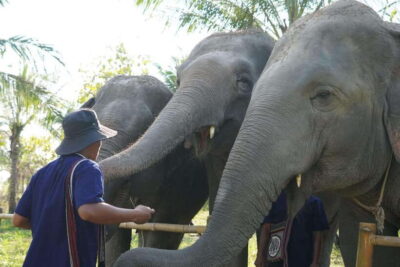
I especially love the hands-on elephant care parts, like helping feed fruit, making vitamin balls, walking with the elephants, and then joining in for shower time. It is active, guided, and gives you a real sense of what each elephant is doing and why.
One consideration: the drive from Chiang Mai City to Kuet Chang is about 1.30 hours, so the half day format can feel time-pressured compared with full day options where you usually settle in longer.
In This Review
- Key highlights at a glance
- TeeTee Elephant Home: Kuet Chang’s elephant care setting
- Getting there from Chiang Mai City (and why timing feels different)
- Your elephant care time: feeding, vitamin balls, and guided walking
- Shower time and close contact with older elephants
- Wildlife viewing blocks that make the day feel real
- Lunch with vegetarian Pad Thai, plus what to watch for
- Ethics and elephant well-being: what the experience seems to prioritize
- Price and value: is $57 a fair deal for a half day?
- Guides and how the day runs in practice
- Who should book TeeTee Elephant Home?
- Should you book this half day elephant care?
- FAQ
- How long is the Chiang Mai TeeTee Elephant Home half day experience?
- What does the half day itinerary include with the elephants?
- Is lunch included, and what do you eat?
- What is included in the price besides the elephant care?
- What languages are the tour guide?
- Do I get an outfit during the activity?
- What is the cancellation and payment flexibility?
Key highlights at a glance
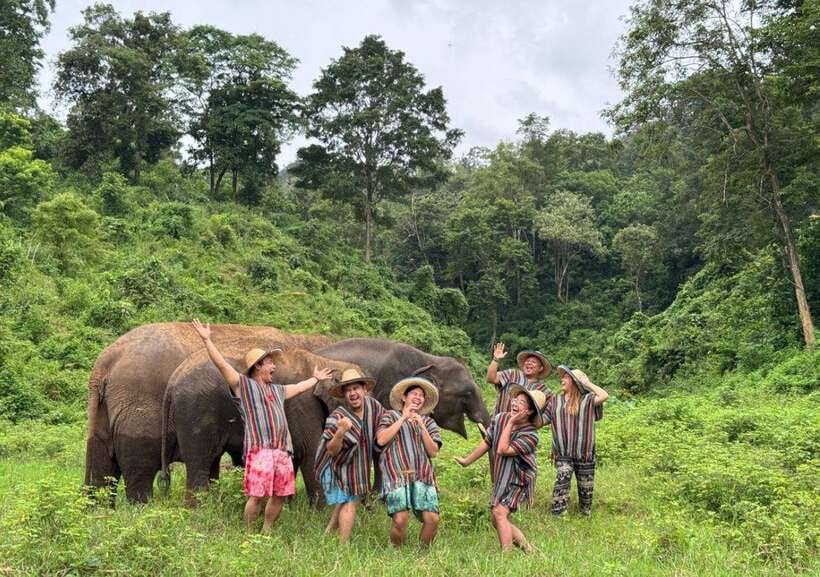
- Meet multiple named elephants like Nam Chok, Phu Pha, San Dee, Mo Jo Ko, and Lam Yai
- Hands-on feeding and vitamin ball making so you do more than watch
- Walk and shower with the elephants under guide direction
- A smaller, more intimate-feeling encounter that helps you learn individual personalities
- A care routine that includes daily freedom in the morning and good elephant health
- Vegetarian Thai lunch with Pad Thai after your elephant time
Thai sanctuary visits got read closely, riding-free
- Chiang Mai: Elephant Sanctuary, Waterfall & Bamboo Rafting★ 4.9 · 9,160 reviews
- Chiang Mai: Elephant Sanctuary & Waterfall Group Tour★ 4.9 · 5,780 reviews
- Chiang Mai: Elephant Sanctuary, Long Neck & Sticky Waterfall★ 4.9 · 2,262 reviews
- From Chiang Mai: Elephant Care Program and Nursery Tour★ 4.8 · 1,899 reviews
TeeTee Elephant Home: Kuet Chang’s elephant care setting
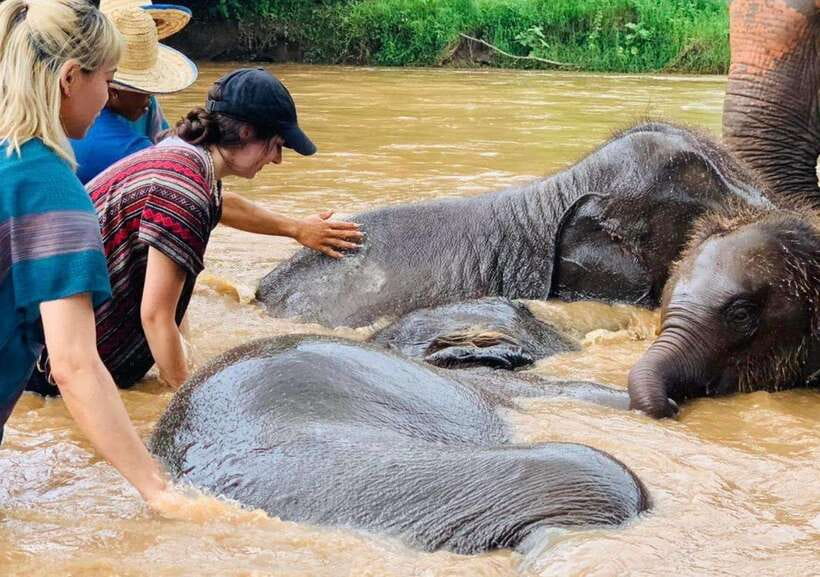
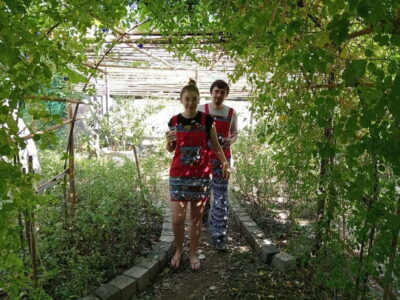
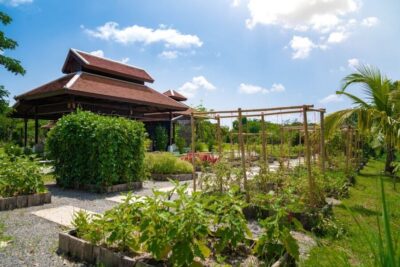
TeeTee Elephant Home is based outside Chiang Mai in the Kuet Chang district, where the setting is described as beautiful, with a riverside mountain feel. That matters because elephant encounters can either feel like a fenced roadside stop or like you are in an actual care environment.
This half day experience is built around interaction with a limited number of elephants, which is a big part of why people come away feeling like they really learned personalities instead of just ticking off a bucket list moment. You will work with several elephants across age groups, including a baby elephant experience focused on Nam Chok, growing elephants that eat a lot, and older elephants where you can enjoy warm, close contact like hugging with mother figures such as Lam Yai.
Getting there from Chiang Mai City (and why timing feels different)
From Chiang Mai City, you are picked up and driven to Kuet Chang, roughly 1.30 hours each way. That long transfer is the main thing that changes the vibe of a half day booking. You are not just “doing 150 minutes with elephants,” you are also spending time on the road.
I suggest you treat the trip like a full outing, even if the elephant program itself is relatively short. Wear something you can move in. You will get a local shirt, a hat, and flip-flops as part of the included outfit, but you still want your own comfort for the drive and any waiting time.
Your elephant care time: feeding, vitamin balls, and guided walking
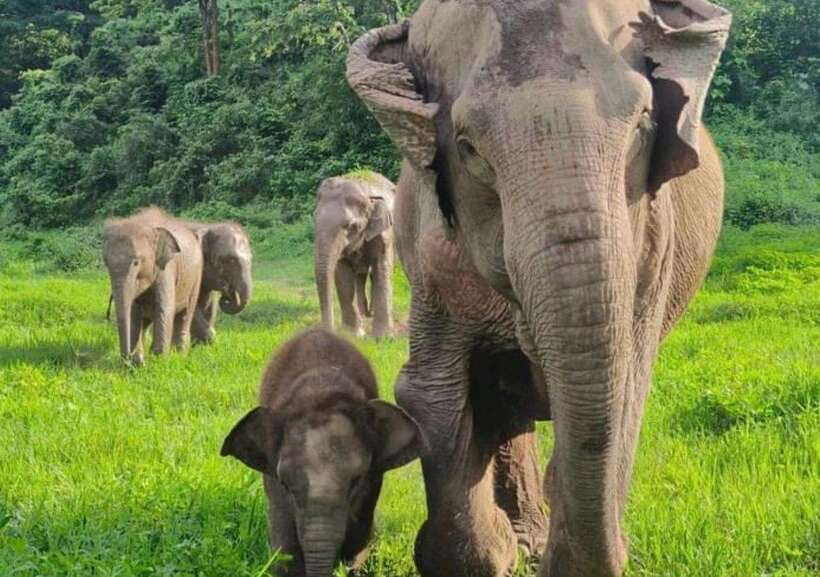
The heart of this experience is you doing care tasks alongside the staff. For the half day, the program focuses on the basics that elephant caretaking depends on: feeding, bonding through safe contact, and controlled movement.
First up, you feed fruit to the elephants. This is not just about throwing food. You are guided on how to offer it, when to stand, and how to behave around the elephants so it stays calm for both sides.
Then you make vitamin balls. This is one of the most memorable parts because it turns you from a spectator into a helper. You are not handed a task and left alone, either. The activity is run with a tour guide and the food and care steps are part of the process.
Next comes walking with the elephants. This is where you see personality quickly. Some elephants are more confident and curious. Others need a slower rhythm. With a good guide, you learn the subtle cues that help keep everything respectful and steady.
If you want a simple rule, it is this: let the elephant set the pace. Your job is to follow instructions and stay focused on the care routine, not to “perform” for photos.
Shower time and close contact with older elephants
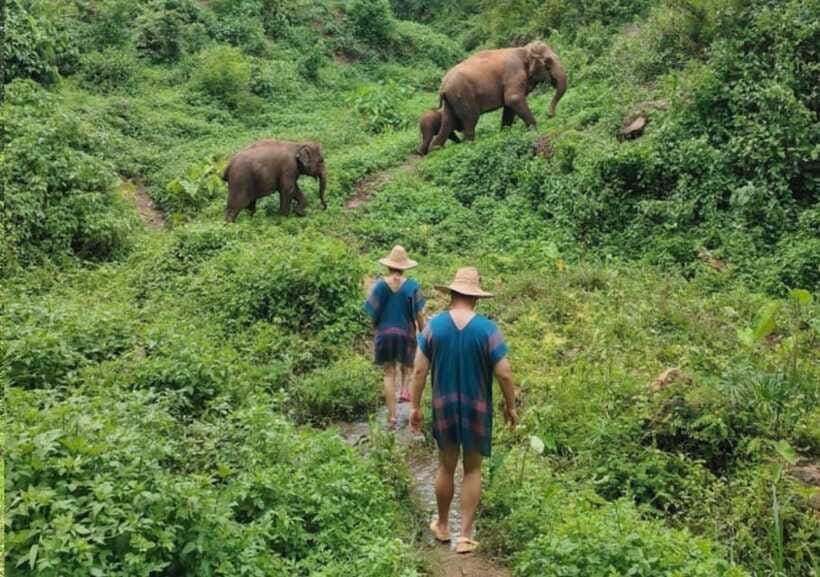
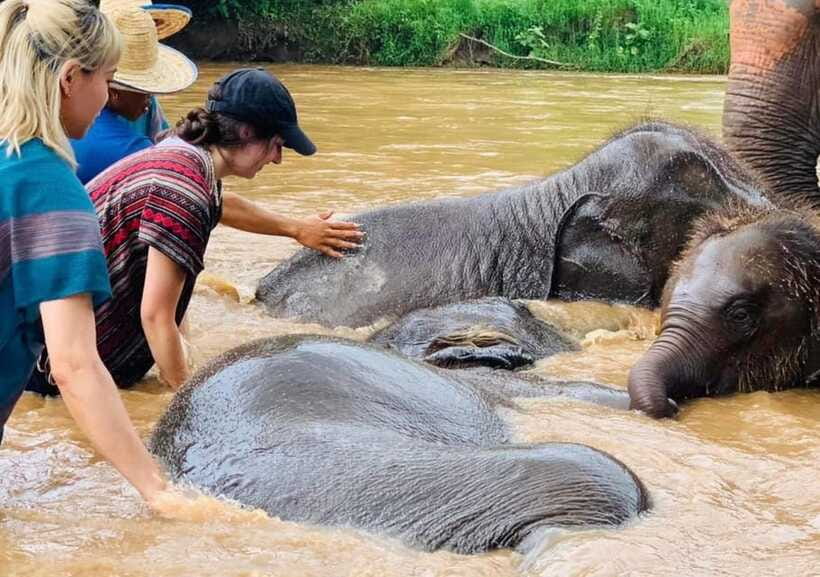
One of the highlights is shower time for the elephants. That is a practical, care-based moment. It is also a great chance to see that the staff treat hygiene and comfort as part of daily elephant management, not just a novelty activity.
The experience also includes warm contact with older elephants like Mo Jo Ko and Lam Yai. One of the reasons people rate this so highly is that older elephants are framed as mothers and caregivers in the group, not as props. Hugging warm, mature elephants can feel emotional, especially when you can see how gentle and grounded they are.
I recommend you go into this part ready for physical closeness. You will likely get wet and you might get splashed depending on conditions. Bring a dry bag for your phone or keep it in a safe pocket until the water part starts. The tour provides a towel, but you should still plan for damp items.

Wildlife viewing blocks that make the day feel real
Even in a half day version, there is a wildlife viewing element built into the schedule. You get time to observe the elephants and the surrounding environment without feeling rushed every second.
This part matters because it helps you understand what you are seeing. Elephant encounters can feel surreal if everything is fast and choreographed. A wildlife viewing window gives you a chance to notice behavior: how elephants rest, how they react to people, and how they move when staff guide them.
You also see that the care facility is organized around elephant well-being. The reviews emphasize that the elephants are in good health and that staff work at it every day, including a daily routine in the morning where elephants are set free. That type of routine is a key sign you are in a care environment, not just a tourist arena.
Lunch with vegetarian Pad Thai, plus what to watch for
After your main elephant time, you get lunch, described as generous, with a vegetarian Thai menu focused on Pad Thai. This is a smart pairing with the rest of the day because the activity is hands-on and a bit active, and you will likely work up an appetite.
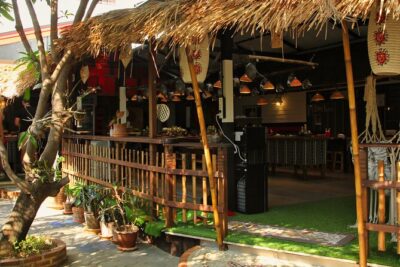
You also eat while watching elephants, which keeps the day feeling connected rather than cutting to a random restaurant stop. If you are sensitive to spicy food, you might want to check what the vegetarian Pad Thai is like and ask the guide to adjust if possible. The tour provides drinking water, so take sips throughout the day, not only when you feel thirsty.
Ethics and elephant well-being: what the experience seems to prioritize
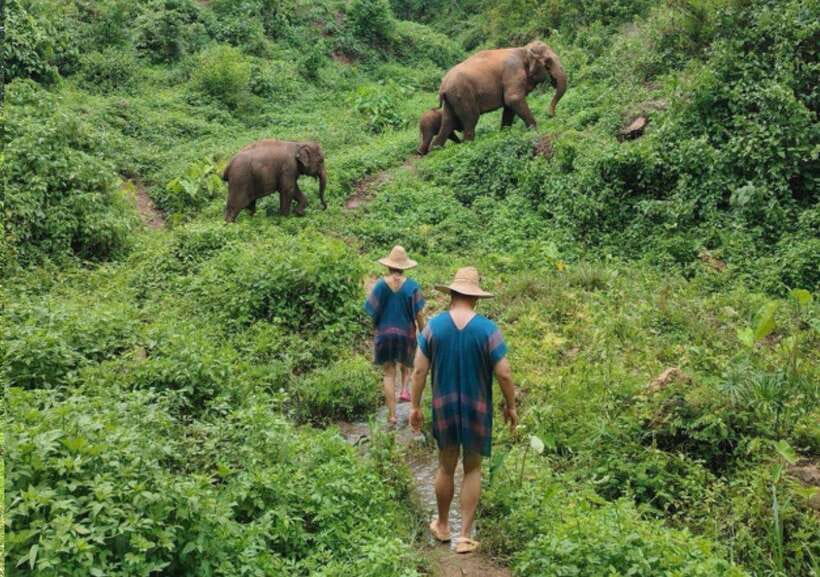
Many elephant encounters sell the idea of “meeting elephants.” This one leans into something more specific: care and health.
In the feedback, the most praised themes are that the place appears ethical, staff genuinely care, the elephants seem happy, and the interaction feels respectful. The mention of daily freedom in the morning is especially important, because it suggests the elephants have time for natural movement as part of their routine.
You can also tell a lot by the structure of the activities. When feeding, vitamin ball making, walking, shower time, and close contact are handled with clear guidance, it usually means staff are focused on keeping elephants calm and comfortable. That is what you want.
That said, no elephant encounter is risk-free or instantly “perfect.” Your best move is to treat the staff’s instructions like rules. If you follow them closely, you help keep the experience safe and humane.
Price and value: is $57 a fair deal for a half day?

At about $57 per person, this can look expensive if you only compare it to a typical half day tour. But once you look at what is included, the price starts to make more sense.
You get hotel pick up and drop off from Chiang Mai City, elephant food, an included outfit (local shirt, hat, and flip-flops), a towel, vegetarian lunch with Pad Thai, drinking water, and insurance. You also get a Chinese and English speaking guide.
That combination is what makes the price feel more like “paid access to a care experience” than “paid entry to a basic attraction.” You are also not just watching. You are making vitamin balls, feeding fruit, walking, and participating in shower time.
For value, the key question is simple: do you want hands-on elephant care for a short window? If yes, $57 is easier to justify. If you want deeper time with elephants and a slower pace, you might consider a full day format instead, since the drive takes time either way.
Guides and how the day runs in practice
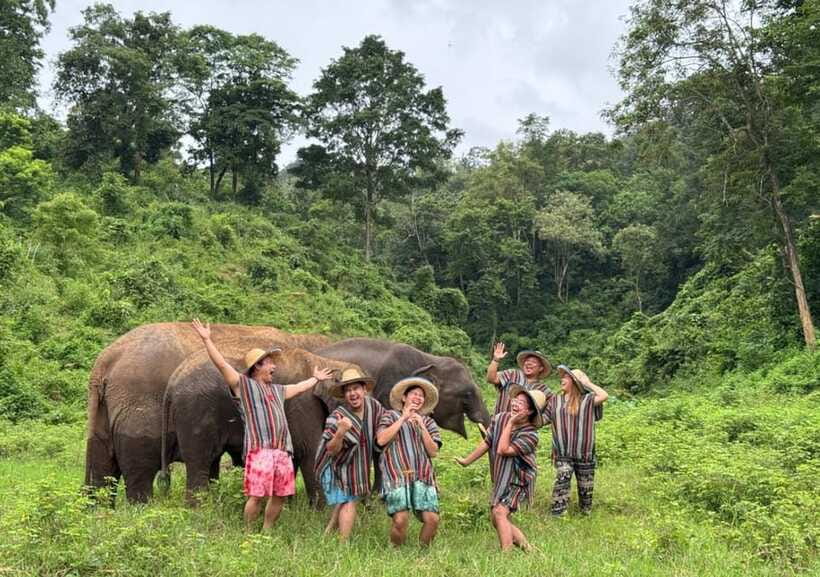
The experience includes a living tour guide who speaks English and Chinese. Some groups have been guided by Ping, who is described as kind and thoughtful, which fits the tone the whole day is aiming for.
In practice, your guide is your safety and comfort system. They manage spacing, tell you when to feed and where to stand, and help ensure the elephants remain comfortable during walks and shower time.
Tip: listen closely at the start. The first instructions tend to be the ones you need most later, especially around how to behave during close contact and during feeding.
Who should book TeeTee Elephant Home?
This half day is a good fit if you want:
- a hands-on elephant care experience without committing an entire day
- a chance to connect with multiple elephants, including older family-like figures
- an itinerary that includes Thai vegetarian lunch with Pad Thai
- an encounter that aims for respectful treatment, not high-speed performance
It might be less ideal if you dislike long drives or you need every hour to feel “elephant time.” With pickup from Chiang Mai and the Kuet Chang travel time, you are going to spend a chunk of the day getting there and back.
Should you book this half day elephant care?
I would book it if you want a respectful, guided experience where you do real care tasks, not just pose near elephants. The most convincing reasons are the hands-on feeding and vitamin ball making, the guided walking and shower time, and the fact that the elephants are described as healthy with a daily morning freedom routine.
Before you go, do one thing to make the experience better: set your mindset to follow caretaking rules. Your payoff is a closer, calmer connection with elephants like Nam Chok, Phu Pha, San Dee, Mo Jo Ko, and Lam Yai, in a setting that aims to protect their well-being.
FAQ
How long is the Chiang Mai TeeTee Elephant Home half day experience?
The duration listed for this half day booking is 150 minutes. You should still plan for pickup and travel time from Chiang Mai City since the drive to Kuet Chang takes about 1.30 hours.
What does the half day itinerary include with the elephants?
For the half day booking, you can expect fruit feeding, making vitamin balls, walking with the elephants, and shower time for the elephants.
Is lunch included, and what do you eat?
Yes. Lunch is included and it is a vegetarian Thai menu featuring Pad Thai. Drinking water is also included.
What is included in the price besides the elephant care?
The package includes hotel pick up and drop off, elephant food, an included outfit (local shirt, hat and flip-flop), a towel, vegetarian lunch, drinking water, insurance, and a Chinese or English speaking tour guide.
What languages are the tour guide?
The tour guide can speak English and Chinese.
Do I get an outfit during the activity?
Yes. You are provided a local shirt, hat, and flip-flops as part of the experience, along with a towel.
What is the cancellation and payment flexibility?
Free cancellation is available up to 24 hours in advance for a full refund. You can also reserve now and pay later, meaning you pay nothing today.
What else made it into the Thailand notebook
Sanctuary visits, and how the elephants are actually kept
What else made it into the Chiang Mai notebook
- Half day Long Neck hill tribe and Hmong hill tribe village
★ 5.0 · 21 reviews - Chiang Rai One Day: Golden Triangle, Laos Border, Long Neck Tribe
★ 3.5 · 21 reviews - Old Town Chiang Mai Food Tour with 10+ Local Dishes Tastings
★ 5.0 · 21 reviews - 5 Day Tuk Tuk Adventure in Chiang Mai – with driver
★ 5.0 · 21 reviews - 1 Hour Foot Relaxing – Free Transportation
★ 5.0 · 21 reviews - Rantong elephant sanctuary Chiangmai
★ 4.4 · 21 reviews
Elephant Sanctuary Visits, compared.
 ★ 4.9Elephant Sanctuary, Waterfall & Bamboo RaftingFrom $609,160 reviews
 ★ 4.9Elephant Sanctuary & Waterfall Group TourFrom $505,780 reviews
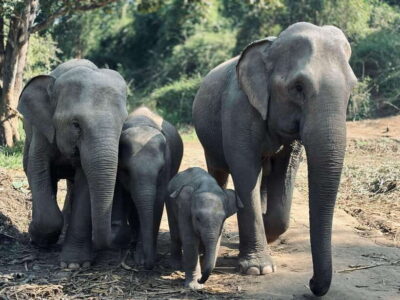 ★ 4.8Elephant Sanctuary Feeding Program Half-Day TourFrom $274,527 reviews
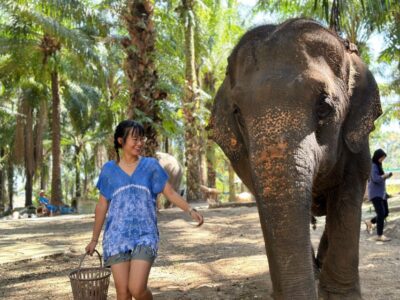 ★ 4.9Elephant Bathing Session at Krabi Elephant ShelterFrom $482,021 reviews
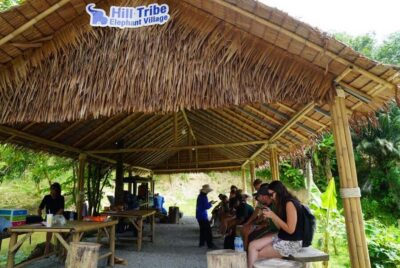 ★ 4.8Elephant Sanctuary Guided Tour with Hotel TransfersFrom $412,020 reviews
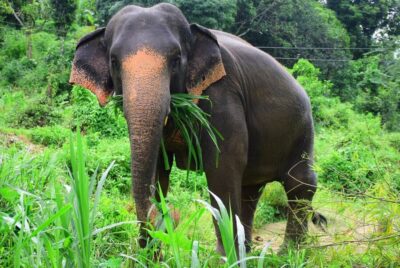 ★ 4.8Elephant Care Program and Nursery TourFrom $531,899 reviews
 ★ 5.0A Morning with the Elephants at Phuket Elephant SanctuaryFrom $971,693 reviews
 ★ 4.8Living Green Elephant Sanctuary Day TripFrom $571,541 reviews
Browse the lists this tour appears in