
REVIEW · CITY TOURS
Chiang Mai: Nighttime City Highlights by EV Tram
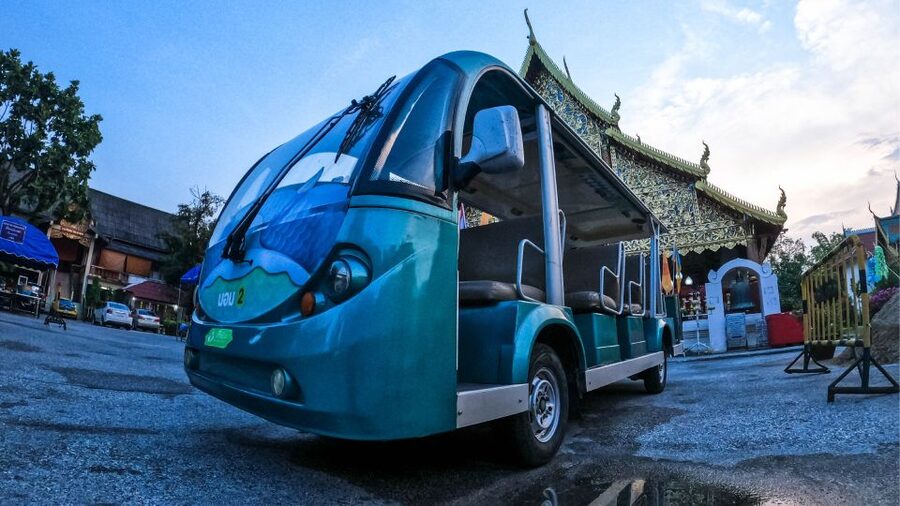
Chiang Mai at night feels like a secret you can cruise. This EV tram tour rolls you through the old city after dark, so you get temple highlights and food-market vibes without spending the evening on your feet. I especially like the quiet EV ride and the way it keeps things relaxed while you pass major sights around the moat.
My other favorite is the storytelling from guides such as John, who manages to explain what you are seeing in clear English with humor, so the streets make sense fast. One drawback to consider: it is only 2 hours, so you will see a focused set of stops rather than a full temple crawl, and the food time is intentionally brief.
In This Review
- Key highlights you will actually feel
- A Quiet EV Tram Ride Around Chiang Mai at Night
- Three Kings Monument, the 6:00 p.m. start, and quick orientation
- Wat Chiang Man and the first photo stop that sets the mood
- Wat Lok Moli (Lok Molee) and Wat Pa Pao, where the guide’s stories shine
- Wat Nong Kham and the Burmese-Shan style clue you can spot
- Warorot Market, Tha Phae Gate, and then Chiang Mai Gate Market for real street food time
- Wat Chedi Luang and Wat Phra Singh Woramahawihan: big silhouettes, best for photos
- EV comfort, group size energy, and why two hours can be the sweet spot
- Price and value: what $27 buys you in real terms
- Who should book this EV tram night tour
- Should you book the Chiang Mai night tram highlights tour?
- FAQ
- How long is the Chiang Mai night tram tour?
- What time does the tour meet and finish?
- Where is the meeting point?
- What language is the tour guide?
- How much does it cost?
- What is included in the price?
- Is hotel pickup or drop-off included?
- Which places do you visit during the tour?
- Can I get a refund if I cancel?
- Can I reserve without paying right away?
Key highlights you will actually feel
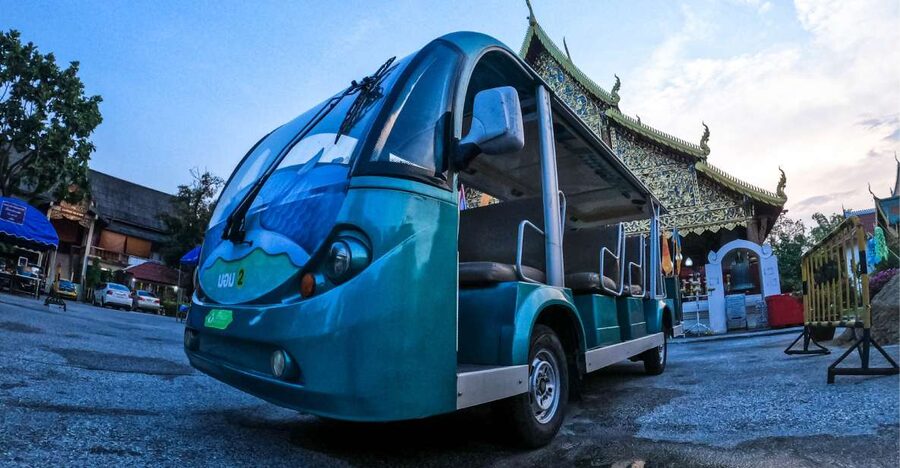
- Open-air EV tram keeps the pace easy while you cover more ground than walking
- English live guide helps you connect temples, gates, and markets to Chiang Mai’s story
- Temple mix in short, well-timed stops including Wat Lok Moli, Wat Pa Pao, and Wat Nong Kham
- Chiang Mai Gate Market snack time in the late evening food zone
- Old-city photo stops like Wat Chedi Luang and Wat Phra Singh Woramahawihan
- Low-stress first-night plan that helps you understand the city layout quickly
Thai city outings also got written up
- Chiang Mai: 3 Hour Old City and Temples Guided Walking Tour★ 4.6 · 1,568 reviews
- Chiang Mai: Historic Temples and City Guided Walking Tour★ 4.7 · 650 reviews
- Chiang Rai Day Trip from Chiang Mai City with Golden Triangle★ 4.5 · 531 reviews
- Chiang Mai: Historic Old City Bike Tour – Morning or Night★ 4.7 · 263 reviews
A Quiet EV Tram Ride Around Chiang Mai at Night
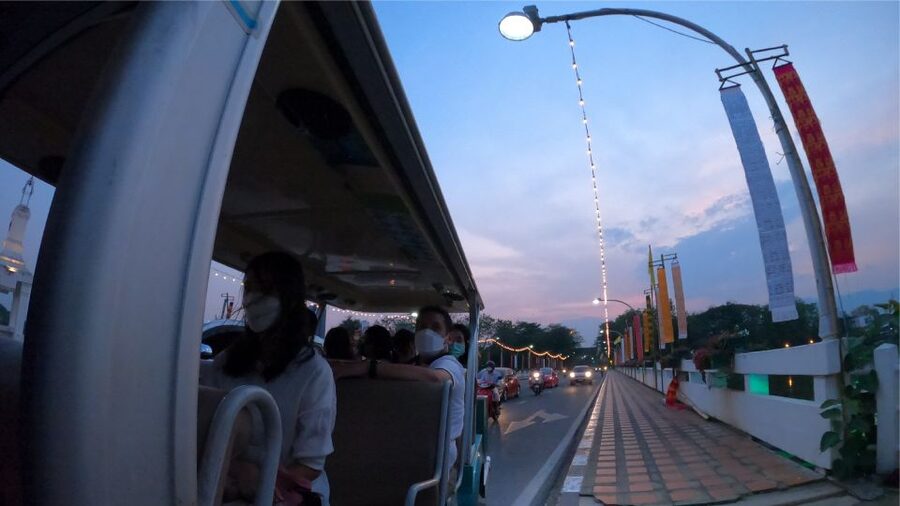
This is one of those Chiang Mai experiences that just works, because the transportation matches the vibe. The EV tram is designed for an evening outing, and it runs quietly. That matters more than you think. When traffic and noise are lower, the temples and street scenes feel more watchable, and you can actually hear the guide instead of straining.
You are also not stuck in a single posture. You get a chance to look out while the tram moves, then step in briefly at key stops. It is a good balance for people who love temples and markets but do not want the whole night to become a workout.
If you are the type who wants to understand a city on your first night, this format helps. You see the moat and city gates area, then you see the same streets again from a different angle at walking time near the markets.
Three Kings Monument, the 6:00 p.m. start, and quick orientation
The tour meets at the Three Kings Monument, and the guide starts you off with a short orientation around that area. This first chunk is more useful than it sounds. Chiang Mai can look like a jumble of lanes, temples, and markets, especially at night. Getting a basic sense of how the old city is laid out makes the rest of the ride feel less random.
The guide is easy to follow in English, and many guides (John is a standout example) will explain what you are about to see, not just list names. That means when you later spot a gate, a temple feature, or a market cluster, you are not just taking photos, you are placing it in context.
Logistically, plan to arrive a little early and locate the tour guide wearing a white shirt with the Touring Center logo. From the meeting point, the route begins with a short tram hop and then transitions into temple and market time.
Wat Chiang Man and the first photo stop that sets the mood
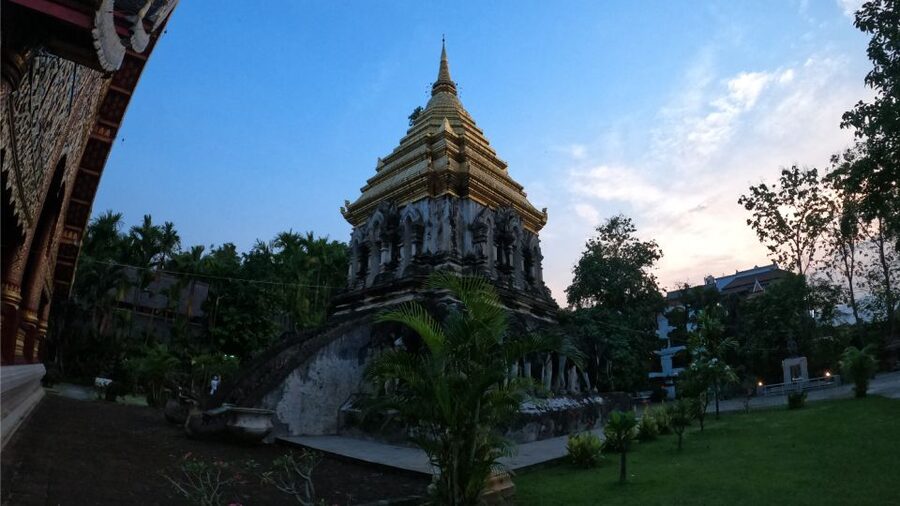
Early on, you get a photo stop or pass-by moment for Wat Chiang Man. Even if you have only seen the outside before, this is a helpful mental warm-up. The temple area is part of what makes Chiang Mai distinctive, because the old city is packed with sacred sites within walking distance.
The main value here is not a long visit. It is a gentle introduction. You see one of the older anchors first, then the tour shifts into deeper temple time as the night goes on.
If you are traveling with someone who worries about temple hours, this approach is calming. You get a taste immediately, but the heavier guided visiting comes next.
Wat Lok Moli (Lok Molee) and Wat Pa Pao, where the guide’s stories shine
This is where the tour earns its keep. After the tram starts moving you along the old-city perimeter, you spend guided time at Wat Lok Moli (also spelled Lok Molee). The guided portion is long enough to feel meaningful, around the 25-minute range, and it is paced for night conditions.
Why Wat Lok Moli matters: it is described as one of Chiang Mai’s oldest temples, so you are not just checking boxes. You are standing in a place that has been part of the city’s religious life for a very long time. A good guide helps you notice what makes a temple feel older and more established, from layout cues to worship activity.
Next comes Wat Pa Pao, with a shorter visit time. Here you can get a different feel from the first temple, and it helps you see that Chiang Mai’s temple scene is not copy-and-paste. You are seeing variety in sacred spaces and how people use them.
One practical tip: if you want the best photos, keep your camera ready before you arrive at each temple point. Night lighting can be tricky, and you do not want to miss quick guided angles while fumbling for settings.




Wat Nong Kham and the Burmese-Shan style clue you can spot
Another highlight in the route is a stop for Wat Nong Kham (วัดหนองคำ). This temple is noted for its special Burmese-Shan temple style, which is exactly the kind of detail a guide can make you appreciate.
Even without expert-level architecture knowledge, you can learn what to look for once someone points out the style cues. That turns a photo stop into something more memorable: you are not just capturing a building, you are recognizing a cultural signature.
Also, this stop is a good reminder that Chiang Mai’s religious world has influences from beyond Thailand. If you come into the tour open to learning small details, it pays off quickly.
Warorot Market, Tha Phae Gate, and then Chiang Mai Gate Market for real street food time
After temple time, the tour shifts back into the city’s everyday rhythm. You pass Warorot Market and Tha Phae Gate, then you move into the main food stop: Chiang Mai Gate Market.
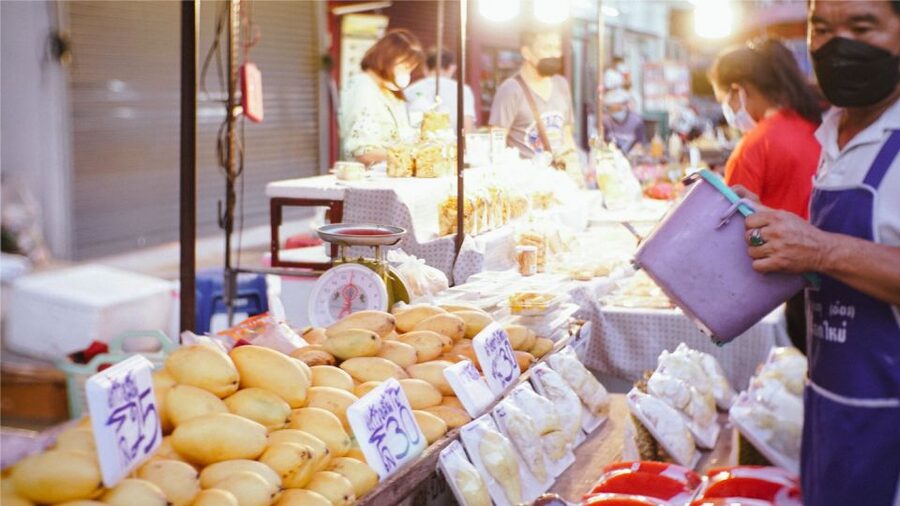
This is the part many people remember, because it is where Chiang Mai feels most like Chiang Mai. The guide keeps the experience organized, and you get a guided visit plus time to grab local snacks.
Here is the key practical value: if you are new to the city, markets can be overwhelming. A guided food time helps you avoid the common mistakes, like wandering too long, guessing at what will be safe and tasty, or missing the best stalls because you did not know what you were looking for.
One sweet note based on what I would prioritize at this stop: look out for mango sticky rice. It is specifically called out as a do-not-miss favorite. If you do not see it immediately, ask what is available that night, and let the guide point you toward what tastes best right then.
Also, remember that this is evening food time. Some stalls may be busier than others. Pace yourself, take breaks, and enjoy the atmosphere without rushing.
Wat Chedi Luang and Wat Phra Singh Woramahawihan: big silhouettes, best for photos
As the tour returns toward the old city core, you get pass-by or photo moments for major landmarks, including Wat Chedi Luang and Wat Phra Singh Woramahawihan.
Wat Chedi Luang is described as enormous and tied to the most important city and religious ceremonies. Even as a photo stop, it is the type of temple that helps you understand why Chiang Mai holds such strong cultural weight. Scale is everything here. The guide’s framing makes it more than a name on a map.
Wat Phra Singh Woramahawihan also shows up as a photo stop or pass-by. This is the kind of sight where a quick, well-placed look is worth it because you are getting a famous visual without being stuck for hours.
If you love nighttime photography, these pass-by moments are your chance to capture dramatic temple shapes with less daytime heat. Just keep your movement slow around people, especially near gates and market edges.
EV comfort, group size energy, and why two hours can be the sweet spot
This tour runs for about 2 hours, with a meet time at 6:00 p.m. and a drop-off back at the Three Kings Monument around 8:00 p.m.
That timing is smart. You hit the early night window when it is cooler, temple areas are calmer than daytime crowds, and market lights start turning on. It is also a period when you can actually enjoy the city without feeling rushed by sunset hours.
Group size matters on these kinds of tours, and the available formats include private or small groups. In a smaller setup, the guide can answer questions more easily and adjust pacing when someone needs a short break.
The tram also helps with family-friendliness. If you are traveling with kids or you simply want to reduce walking after a full day in Chiang Mai, the ride portion keeps the night manageable. I like that it stays practical: you still get temple encounters and food-market fun, but you avoid the constant start-stop walking grind.
Price and value: what $27 buys you in real terms
The price is listed as $27 per person for a 2-hour night experience. On paper, that can sound like a short tour, but the value is in the combination.
You get:
- Tram transport during the tour
- A professional English-speaking guide
- Admission fees and activities as mentioned in the route
- Drinking water and some snack
- Travel accident insurance
For comparison, if you were to do this independently, you would likely spend money on transport, pay for temple entries, and still spend time figuring out what to prioritize at night. Here, the guide does the heavy lifting in choosing the order and timing the key stops around the old-city area.
Also, the included admissions are not a small detail. Temples can add up quickly once you start stacking multiple sites in one evening. Having that covered makes the total feel more predictable.
My advice: treat this as an orientation plus highlight pass. If you already know Chiang Mai’s temples well and you want a solo long crawl, you might feel the tour is short. If you want an efficient first night, it is a strong deal.
Who should book this EV tram night tour
I think this tour fits best if you:
- Want a first-night plan that helps you understand Chiang Mai’s layout fast
- Prefer a low-stress pace compared with a full walking tour
- Enjoy temples but want them explained, not just photographed
- Like mixing sacred sites with a real night market food stop
- Are traveling with kids or anyone who tires easily but still wants to see important sights
If you are the kind of traveler who hates guides talking and prefers total freedom, this might feel structured for your taste. But if you want guidance that makes the places click, you will likely appreciate the format.
Should you book the Chiang Mai night tram highlights tour?
If you are on your first trip to Chiang Mai and you want the city to make sense quickly, I would book this. The EV tram handles the distance, the guide adds context so names become real, and the food-market stop gives you a memorable evening without turning it into a long slog.
I would skip or choose a different style of tour if you have already mapped out every temple you want to see and you want total independence. Also, if you are hoping for a long, unbroken market feast, you should know this is a short, curated food time, not an all-night food festival.
If your goal is a smart, organized, night-friendly overview with temples plus snacks, this is exactly the kind of tour that pays back quickly.
FAQ
How long is the Chiang Mai night tram tour?
The tour lasts 2 hours.
What time does the tour meet and finish?
You meet at 6:00 p.m. at the meeting point, and the tour drops off at 8:00 p.m.
Where is the meeting point?
The meeting point is the Three Kings Monument. The guide wears a white shirt with the Touring Center’s logo.
What language is the tour guide?
The tour guide speaks English.
How much does it cost?
The price is $27 per person.
What is included in the price?
Included are the tram for the tour, a professional English-speaking guide, admission fees and activities as mentioned, drinking water and some snack, and travel accident insurance.
Is hotel pickup or drop-off included?
No, hotel pickup and drop-off are not included.
Which places do you visit during the tour?
You start around the Three Kings Monument area, then go to or see Wat Chiang Man (photo stop or pass by), Wat Lok Moli (photo stop plus guided tour), Wat Pa Pao (visit), Wat Nong Kham (photo stop or pass by), Warorot Market and Tha Phae Gate (pass by), Chiang Mai Gate Market (visit with street food and guided tour plus local snacks), Wat Chedi Luang (photo stop or pass by), and Wat Phra Singh Woramahawihan (photo stop or pass by). Drop-off is back at the Three Kings Monument.
Can I get a refund if I cancel?
Yes. Free cancellation is available up to 24 hours in advance for a full refund.
Can I reserve without paying right away?
Yes. The option listed is Reserve now & pay later, meaning you can book a spot and pay nothing today.
Thai city outings, continued
What else made it into the Thailand notebook
What else made it into the Chiang Mai notebook
- Full-Day Doi Inthanon National Park Tour with Trek and Pagodas
★ 4.5 · 20 reviews - Chiang Mai Private Tourist Guide with Private Transportation
★ 5.0 · 20 reviews - Private Luxury Car rental + English speaking driver:
★ 5.0 · 20 reviews - Half day Long Neck hill tribe and Hmong hill tribe village
★ 5.0 · 21 reviews - Chiang Rai One Day: Golden Triangle, Laos Border, Long Neck Tribe
★ 3.5 · 21 reviews - Old Town Chiang Mai Food Tour with 10+ Local Dishes Tastings
★ 5.0 · 21 reviews
City Tours, compared.
 ★ 4.5City Highlights Temple and Market Walking TourFrom $423,990 reviews
 ★ 4.5Full Day City Tour with Night MarketFrom $312,888 reviews
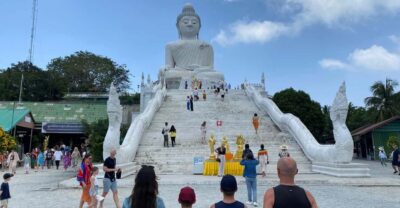 ★ 4.7Guided Tour of Phuket City with Hotel TransfersFrom $382,527 reviews
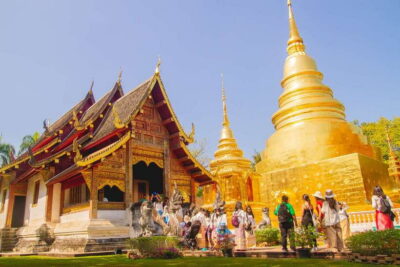 ★ 4.63 Hour Old City and Temples Guided Walking TourFrom $161,568 reviews
 ★ 4.5Phuket City Tour with Wat Chalong, Big Buddha & Famous ViewpointsFrom $271,285 reviews
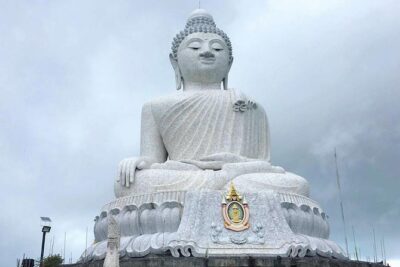 ★ 4.5Travstore Original Phuket Discovery Tour – Shared Half Day City TourFrom $211,103 reviews
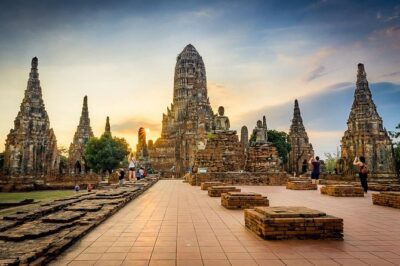 ★ 5.0Historical City of Ayutthaya – Unesco Full Day Tour From BangkokFrom $41847 reviews
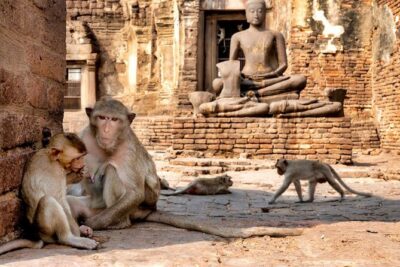 ★ 5.0Lopburi Monkey Temple & Ayutthaya Old City Tour From BangkokFrom $61719 reviews
Browse the lists this tour appears in