
REVIEW · DOI INTHANON NATIONAL PARK TOURS
Chiang Mai: Inthanon, Elephant Sanctuary Observation & Waterfall
Elephants, waterfalls, and cool mountain air in one day. This Chiang Mai outing pairs responsible elephant observation with Karen cultural moments, then climbs into Doi Inthanon’s misty highlands for pagodas and a rewarding hike.
I especially like the calm, no-touch style of the elephant program, plus the way the day balances animals, culture, and outdoors rather than rushing one thing only. My one watch-out is that it is a long day with lots of road time, including winding, small roads on the way out.
You start early (around 6:30 am) and end late (roughly 6:30 pm), so plan for fatigue. The top of Doi Inthanon can feel cold, and the Pha Dok Siew section is a real nature walk, so bring warm layers and shoes you trust.
In This Review
- Key Highlights You Should Know
- From Chiang Mai to the Mountains: Why This Day Feels Like Two Trips
- Joy Elephant Sanctuary: An Observation-Style Elephant Day (Not a Show)
- Karen Culture Moment: Clothing, Forest Living, and Handmade Souvenirs
- The Doi Inthanon Shift: Highest Peak, Real Biodiversity Feel
- Twin Royal Stupas and the Short Stops That Still Matter
- Pha Dok Siew Nature Trail and Waterfall: Where Your Energy Will Go
- The Ban Mae Klang Luang Village Stop: A Museum Feel That’s Also Outdoors
- Road Time and Timing: The Real Logistics of a 6:30 am Start
- What’s Included, What You’ll Still Need, and How It Adds Up
- What to Pack: Make the Hike and Elephant Time Easy
- Who This Tour Fits Best (And Who Might Want a Different Plan)
- Final Verdict: Should You Book This Chiang Mai Experience?
- FAQ
- FAQ
- How long is the tour?
- What time does the tour start and when do I get back?
- Is pickup included?
- What is included in the price?
- What is not included?
- What should I bring for the hike?
- Is this tour suitable for kids?
- What is the elephant experience like?
- Are pets allowed?
- How big is the group?
Key Highlights You Should Know
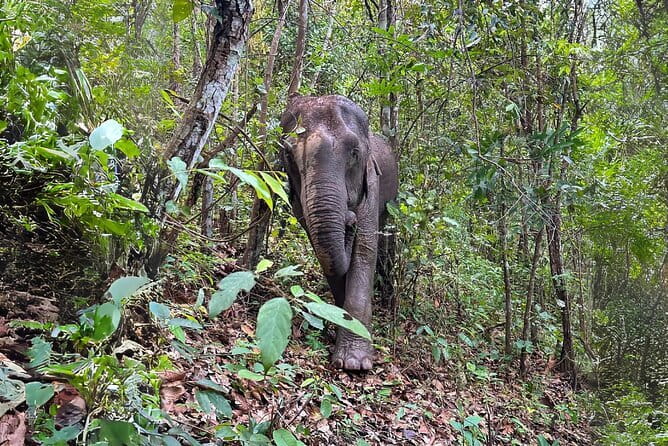
- Observation-first elephant time, with feeding and a jungle walk that keeps a safe distance
- Karen cultural touches, including dressing in Karen clothing and visiting a Karen community village museum
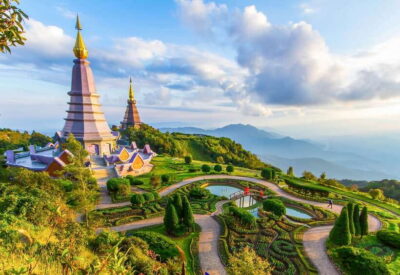
- Doi Inthanon’s big sights, including the Twin Royal Stupas on the highest mountain in Thailand
- Pha Dok Siew Nature Trail, a nature-and-waterfall hike that takes you beyond the main viewpoint areas
- A packed-but-managed day, with lunch, water, tea/coffee, and park tickets included
- Small group feel, capped at 48 travelers
Thai sanctuary visits got read closely, riding-free
- Chiang Mai: Elephant Sanctuary, Waterfall & Bamboo Rafting★ 4.9 · 9,160 reviews
- Chiang Mai: Elephant Sanctuary & Waterfall Group Tour★ 4.9 · 5,780 reviews
- Chiang Mai: Elephant Sanctuary, Long Neck & Sticky Waterfall★ 4.9 · 2,262 reviews
- From Chiang Mai: Elephant Care Program and Nursery Tour★ 4.8 · 1,899 reviews
From Chiang Mai to the Mountains: Why This Day Feels Like Two Trips
This is the kind of tour that actually changes your scenery, not just your seat. One part of the day stays close to rural Chiang Mai, with a dedicated elephant sanctuary stop. Then the schedule swings upward into Doi Inthanon country, where air gets cooler and the views shift from farmland to forested slopes.
What makes it work is the pacing. You get your early-morning start, then you stack meaningful stops: elephants first, then the highland highlights, then a nature trail and waterfall time. It is not a “see everything for five minutes” checklist.
The day is also built for practical comfort. You receive bottled drinking water, towel, lunch, and coffee or tea, which matters on a 11 to 12 hour outing where you are otherwise rationing snacks and planning bathroom breaks around the drive.
Joy Elephant Sanctuary: An Observation-Style Elephant Day (Not a Show)
The sanctuary portion is the heart of this tour. The elephant experience is described as responsible tourism focused on elephant observation while maintaining safe distance. Instead of riding or tricks, you feed the elephants and walk with them while watching natural behavior.
This is one of those rare tour formats where your time with the elephants feels slower and more respectful. Feeding is hands-on, but it is still guided and structured. The jungle walk is also about being present, not performing. Even the lunch break is tied to the elephants’ world, with time described as observing them while you eat.
From the experience description and the consistent feedback, the approach is no-touch focused. People also specifically praised an ethical stance like no bathing and no riding. If you care about avoiding animal “entertainment,” this is the right direction.
One practical note for your expectations: elephant sanctuaries are not theme parks. You may not get nonstop action. You get calm time, nature time, and the chance to observe how elephants behave when they are not being pushed.
Karen Culture Moment: Clothing, Forest Living, and Handmade Souvenirs
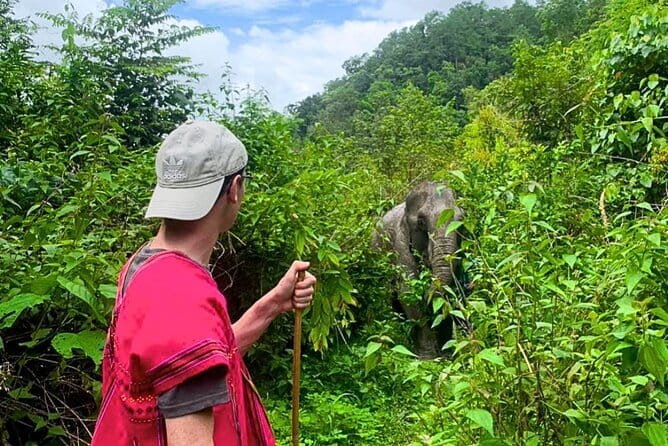
This tour makes room for culture beyond temple photos. You can change into traditional Karen clothing at the sanctuary, and you get a hands-on angle on learning and preparing elephant food before observation time.
Later in the day, you also stop at Ban Mae Klang Luang, described as a cultural and artistic museum of the Karen community. The theme is people living with the forest, and it is framed as a low-carbon tourist destination. Even if you are not the type who seeks out village visits, this stop gives context for why the sanctuary approach matters. It links wildlife care to local life and forest knowledge, not just animal welfare headlines.
There is also mention of learning how to craft a Thai cultural handmade souvenir. That is a small add-on, but it turns the day from watching into bringing something home that feels connected to what you did.
The Doi Inthanon Shift: Highest Peak, Real Biodiversity Feel
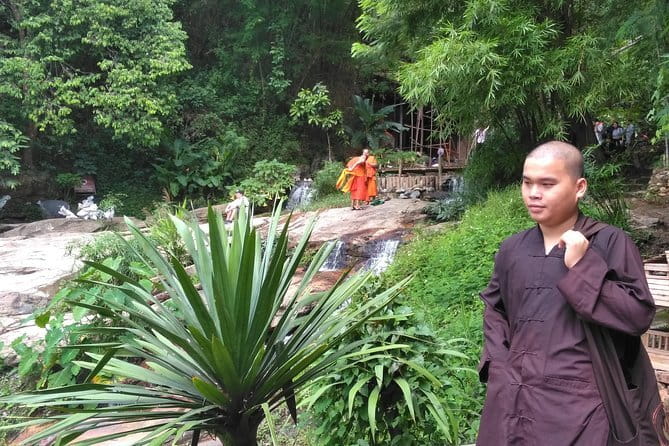
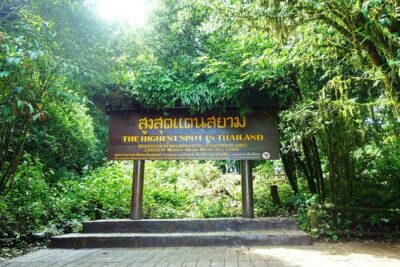
Then comes the climb into Doi Inthanon. Doi Inthanon is the highest mountain in Thailand at 2,565 meters, and the tour takes you there for key landmarks rather than a long scramble for every viewpoint.
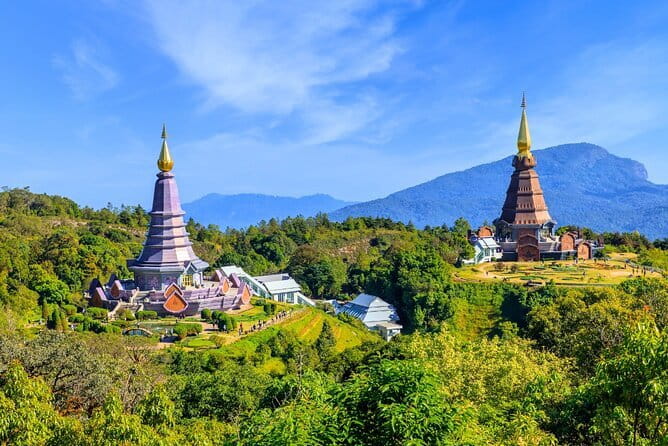
You get a quick but scenic stop at Doi Inthanon itself, followed by the Twin Royal Stupas. This gives you two important things in one stretch:
1) a sense of place at the top
2) a strong visual payoff that ties the mountain to Thai royal history
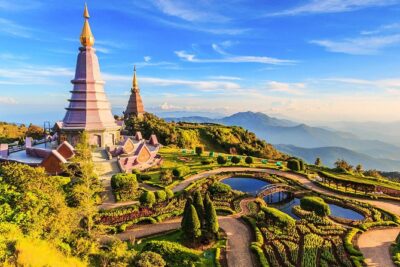
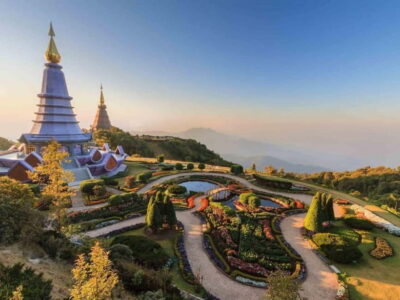
The Twin Royal Stupas are built to honor King Bhumibol Adulyadej (Rama IX) and Queen Sirikit. They are described as majestic monuments, and the stop time is set aside so you can actually look around and not just pass through. If you like places where you can sit for a minute and take in cool air and big sky, this part delivers.
Doi Inthanon days sat in the same notebook
Twin Royal Stupas and the Short Stops That Still Matter
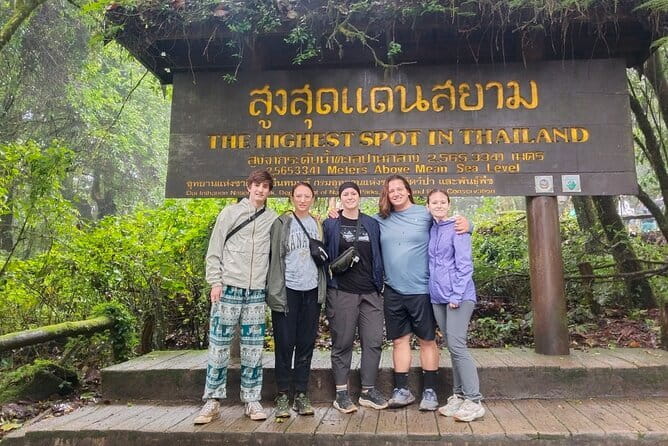
Some tours cram pagodas into a rushed walk. Here, the schedule sets aside time at the Twin Royal Stupas and includes admission tickets. That may sound basic, but it changes your experience.
In practice, it means you can:
- pause for photos without racing the group
- take in the view from the stupa area
- enjoy the atmosphere of being high up, even if you do not hike far
If you are coming from Chiang Mai city heat, the altitude can feel like a mini reset.
Also, the time between the pagodas and the next nature stop sets expectations. You are not going from peak to peak at full speed. You have short windows that let you catch your breath, adjust your layers, and prepare for the more active portion later.
Pha Dok Siew Nature Trail and Waterfall: Where Your Energy Will Go

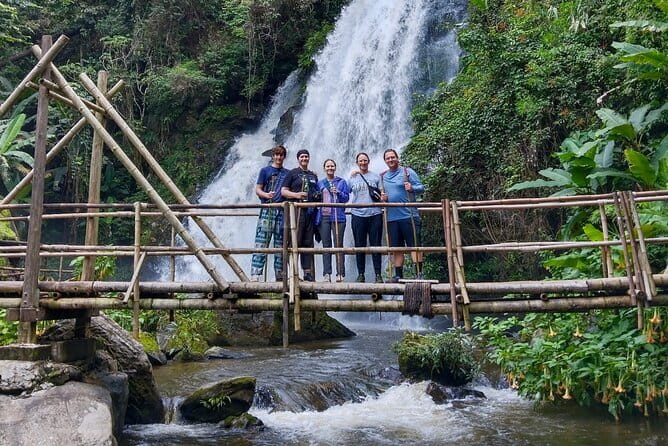
After the stupa time, the tour heads to Pha Dok Sieo Nature Trail. This is positioned as eco-cultural tourism focused on sustainable preservation of nature and local culture.
The trail time is about 2 hours, with the big payoff described as hiking along river and reaching a waterfall. In the feedback, people called the hike to the waterfall breathtaking and said the trail is the part that feels like a real nature walk rather than a photo stop.
Two practical things to know before you go:
- This is outdoors and you will want hiking shoes, not slick sandals.
- The tour recommends Pha Dok Siew for children above 5 years old, which hints it is not a flat stroll in a park.
Bring layers even if Chiang Mai feels warm that morning. The hill climate can surprise you. The tour notes to bring a jacket or clothes that keep you warm on top of the hill.
If you want an easy day overall, this is still manageable for moderate fitness, but you should treat the waterfall hike as the physical moment of the day, not an optional detour.
The Ban Mae Klang Luang Village Stop: A Museum Feel That’s Also Outdoors
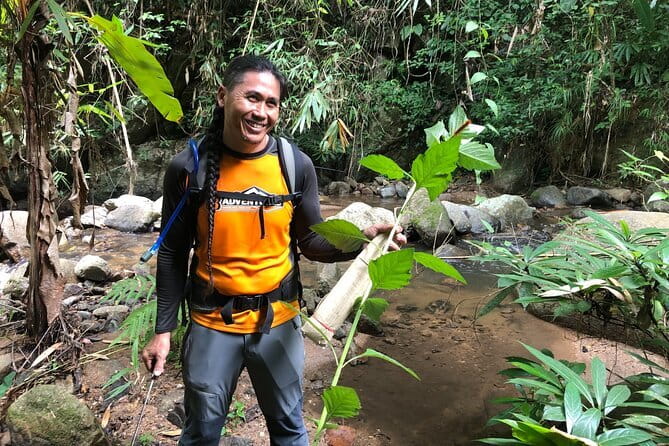
The Ban Mae Klang Luang village stop is short, about 30 minutes, but it is described as a Karen cultural and artistic museum and centered on the idea of people living with the forest.
That “museum plus life” angle is useful because it frames the sanctuary day in a broader way. Elephants are not separate from humans in northern Thailand. If you care about animals, this is the kind of stop that helps you understand the human side of conservation and forest living.
It is not a long sit-down show. It is more like a quick visit to get perspective, ask questions if you can, and then move on. If you love wandering, you might wish you had more time. If you prefer tight schedules, this timing works.
Road Time and Timing: The Real Logistics of a 6:30 am Start
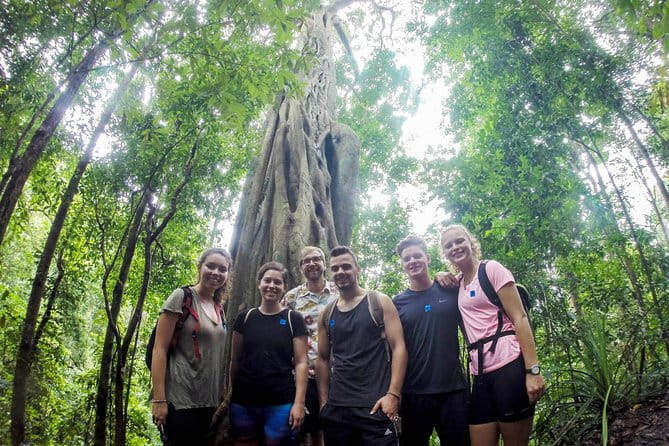
Here is the deal with this tour: you are spending serious time in the van. The driving from the city to the first attraction is about 3 hours total, roughly 1.5 hours each way. The rest of the Doi Inthanon area time is about 45 minutes, meaning the itinerary is packed, but the big time chunk is the transfer.
In plain terms, if you hate sitting, this might test your patience. That said, the tour can feel worth it because the stops are not small. You are not doing a quick look at one thing and then commuting again. The day is built so you earn that ride.
Also, a comfortable van plus a morning schedule helps. One feedback note called out a comfort stop halfway through the drive. That is the kind of practical detail that makes early starts survivable.
Start time is 6:30 am. Based on the described day length, you should plan on returning around 6:30 pm. That is why packing light snacks beyond what is included can be smart, even though lunch is provided.
What’s Included, What You’ll Still Need, and How It Adds Up
At $81.12 per person, this price may feel like a lot until you price out all the moving pieces yourself. You get:
- Elephant’s food & snack
- Lunch
- Coffee and/or tea
- Drinking water
- Insurance
- Towel
- Ticket for Inthanon National Park and Twin Pagodas
That inclusion matters because Doi Inthanon admission and the pagoda ticket are not always included on cheaper half-day trips. Here, you are paying for a full structured day, and the meals and basic essentials reduce the little cash surprises.
What is not included is also clear:
- other personal expenses
- you should bring a jacket or warm clothing for the hill top
From a value standpoint, you are paying for a full-day package that covers entrance fees and food, with the elephant time as the main anchor and the hiking/waterfall time as the adventure half.
What to Pack: Make the Hike and Elephant Time Easy
You do not need a backpack the size of a summit pack, but you do need the right comfort items. The tour suggests:
- extra clothes
- swimming suit
- sandals
- trekking or hiking shoes
- sunblock lotion
- insect spray
- allergy medication if you need it
Swimming suit sounds odd until you realize water and waterfall hikes can get wet. Even if you do not plan to swim, having it means you are ready if things splash or you decide to cool off.
And for the big one: bring something warm. Even in Thailand, higher elevation can be chilly, and the tour specifically asks for clothes that keep you warm on top of the hill.
Who This Tour Fits Best (And Who Might Want a Different Plan)
This is a strong match if you:
- want a responsible elephant experience that avoids riding and keeps a focus on observation and safe distance
- enjoy national park days with more than one highlight
- are okay with a long day that mixes culture and trekking
- prefer guided timing where key sites are handled for you
It may not be the best match if you:
- want a short Chiang Mai day, because this is an all-day outing
- dislike winding roads, since the drive to the sanctuary area is substantial and involves small routes
- are looking for a high-altitude “walk only” day, since Pha Dok Siew includes a nature trail and waterfall hike
Also, the tour asks for moderate physical fitness and notes that the Pha Dok Siew hike is recommended for children above 5.
Final Verdict: Should You Book This Chiang Mai Experience?
If your goal is an ethical elephant day plus Doi Inthanon’s top sights and a real waterfall hike, I would book this. The best part is the balance: you get elephant observation that avoids exploitative formats, then you climb into one of Thailand’s most striking mountain environments, then you earn your views on foot.
Book it if you can handle early mornings and long road time. Bring warm layers, solid shoes, and insect protection, and you will start the day prepared instead of annoyed. If you want a laid-back city-only day, this is probably not your pick.
FAQ
FAQ
How long is the tour?
The total duration is about 11 to 12 hours.
What time does the tour start and when do I get back?
The start time is 6:30 am, and the day typically runs until around 6:30 pm.
Is pickup included?
Pickup is offered.
What is included in the price?
Included items are elephant’s food and snack, lunch, coffee and/or tea, drinking water, insurance, towel, and tickets for Inthanon National Park and the Twin Pagodas.
What is not included?
Other personal expenses are not included, and you are asked to bring a jacket or warm clothes for the hilltop.
What should I bring for the hike?
You should bring extra clothes, sandals, trekking or hiking shoes, sunblock, insect spray, and any allergy medication you need. A swimming suit is also suggested.
Is this tour suitable for kids?
The Pha Dok Sieo hike is recommended for children above 5 years old. The tour requires moderate physical fitness.
What is the elephant experience like?
The elephant program is observation-focused, with feeding and walking while keeping safe distance. It is described as no-touch, and the experience is described as not including bathing or riding.
Are pets allowed?
Pets are prohibited.
How big is the group?
The tour has a maximum group size of 48 travelers.
What else made it into the Thailand notebook
Doi Inthanon, continued
Sanctuary visits, and how the elephants are actually kept
What else made it into the Chiang Mai notebook
- Half day Long Neck hill tribe and Hmong hill tribe village
★ 5.0 · 21 reviews - Chiang Rai One Day: Golden Triangle, Laos Border, Long Neck Tribe
★ 3.5 · 21 reviews - Old Town Chiang Mai Food Tour with 10+ Local Dishes Tastings
★ 5.0 · 21 reviews - 5 Day Tuk Tuk Adventure in Chiang Mai – with driver
★ 5.0 · 21 reviews - 1 Hour Foot Relaxing – Free Transportation
★ 5.0 · 21 reviews - Rantong elephant sanctuary Chiangmai
★ 4.4 · 21 reviews
Doi Inthanon National Park Tours, compared.
 ★ 4.6Doi Inthanon National Park Eco-Friendly TourFrom $466,667 reviews
 ★ 5.0Doi Inthanon Waterfall and Royal Project Chiang MaiFrom $501,735 reviews
 ★ 5.03-in-1: Doi Inthanon Tour, Elephant Sanctuary, and Trekking TrailFrom $481,087 reviews
 ★ 4.6Doi Inthanon Trip with Pha Dok Siew Guided TrekFrom $50910 reviews
 ★ 4.7Doi Inthanon Park with Kew Mae Pan Hike Day TripFrom $62841 reviews
 ★ 4.6Doi Inthanon Park and Pha Dok Siew Trail TrekFrom $61752 reviews
 ★ 5.0Doi Inthanon Private Tour with Trek & Lunch from Chiang MaiFrom $135622 reviews
 ★ 4.5Doi Inthanon National Park and Pha Dok Siew TrekFrom $39527 reviews
Browse the lists this tour appears in