
REVIEW · ELEPHANT SANCTUARY VISITS
Chiang Mai: Ethical Half Day Elephant Sanctuary & Waterfall
You can watch elephants choose their own path. This half-day program with Joy Elephant Sanctuary puts you near elephants in the Mae Wang jungle, with feeding and observation built into the day, then finishes with a waterfall break and a small Thai craft you can take home.
I love the ethical rules here: no touching, no riding, and no elephant bathing, so the day stays focused on animal welfare instead of photo tricks. I also like how you walk alongside foraging elephants after feeding them, letting you see what they actually do when humans do not crowd them.
Do plan for travel and walking. The schedule totals about 7 hours, with roughly 1.5 hours each way by minivan, and the jungle portion means you need comfortable shoes and a steady pace.
In This Review
- Key things I’d circle before you book
- Why Joy Elephant Sanctuary’s elephant rules are the whole point
- Getting to Mae Wang: the minivan ride and why the timing feels longer than half-day
- The feeding and observation part: what you do and what you notice
- Walking alongside the herd: seeing foraging without pressure
- Mae Wang waterfall break: tea, a swim, and a clear “no bathing elephants” rule
- Lunch plus the Thai cultural souvenir: making it more than an animal day
- What’s included in the $54 price, and why that can be fair value
- Who this trip fits well (and who should rethink it)
- My booking advice: should you do Joy’s half-day elephant program?
- FAQ
- How long is the half-day Chiang Mai elephant sanctuary experience?
- Do they offer both morning and afternoon sessions?
- Where does hotel pickup happen?
- What’s included in the price?
- Is elephant bathing or touching allowed?
- Where does the waterfall fit into the day?
- What should I bring for the tour?
- Is the tour wheelchair accessible?
- Can I cancel and get a refund, and can I reserve without paying right away?
Key things I’d circle before you book
- Ethical elephant handling rules (no touching, no riding, and no bathing)
- Feeding plus close observation so you see normal behavior, not staged tricks
- A waterfall break with herbal tea and time to cool off
- Thai cultural DIY souvenir (Ya Dom, plus handmade scent craft)
- Hotel pickup in Chiang Mai Old City area plus guide, lunch, and basic safety items included
- Time in the elephants’ foraging zone with a respectful “follow at their pace” approach
Thai sanctuary visits got read closely, riding-free
- Chiang Mai: Elephant Sanctuary, Waterfall & Bamboo Rafting★ 4.9 · 9,160 reviews
- Chiang Mai: Elephant Sanctuary & Waterfall Group Tour★ 4.9 · 5,780 reviews
- Chiang Mai: Elephant Sanctuary Feeding Program Half-Day Tour★ 4.8 · 4,527 reviews
- Chiang Mai: Elephant Sanctuary, Long Neck & Sticky Waterfall★ 4.9 · 2,262 reviews
Why Joy Elephant Sanctuary’s elephant rules are the whole point
Elephant tourism in Chiang Mai can be a mixed bag, and this is one of the clearer choices if you want an ethical, observation-first day. The biggest difference is what you are not allowed to do. Here, there is no touching, no riding, and no elephant bathing, which keeps your interaction from turning into performance.
In the time you do spend with the herd, you still get the magic. Feeding happens in a structured way, and you are close enough to read their body language. That is where the experience feels real: you see calm, slow movement, you notice how they pause to check things, and you understand that their day is not built around your schedule.
Also, the sanctuary approach matters because elephants often get used for human entertainment. When the rules are strict about respect and distance, you can enjoy being near these animals without feeling like you are contributing to something harmful.
Getting to Mae Wang: the minivan ride and why the timing feels longer than half-day
Even though it is called half-day, the day runs about 7 hours from pickup to drop-off. That includes transportation from Mueang Chiang Mai District, with roughly 1.5 hours each way in a minivan. You will want to treat it like a full outing, just with breaks that keep it relaxed and scenic.
The drive also sets expectations. You are moving into Chiang Mai Province’s countryside, and the time on the road gives you that in-between feeling, from city to jungle. If you hate long car rides, this is your one real trade-off.
Once you arrive in the Mae Wang area, the day switches from transit mode to animal-watching mode fast. You start with guided time on site, then you move through the day in a steady rhythm: elephant time, jungle time, lunch, then the waterfall and the cultural craft.
The feeding and observation part: what you do and what you notice
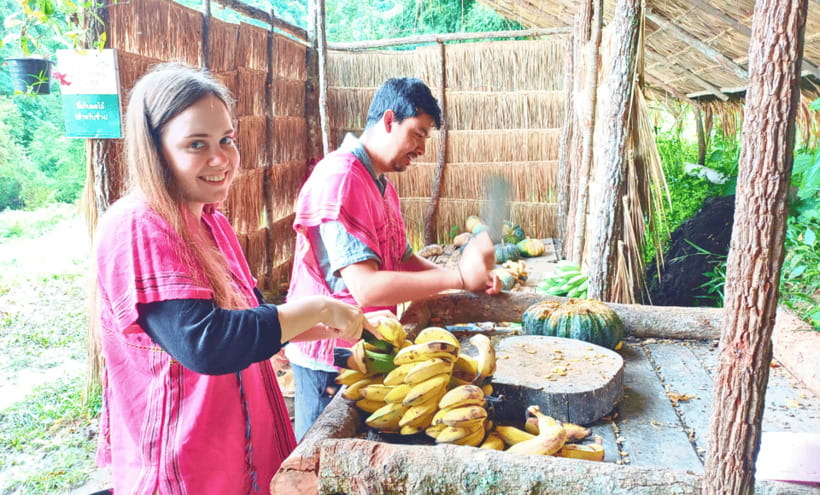
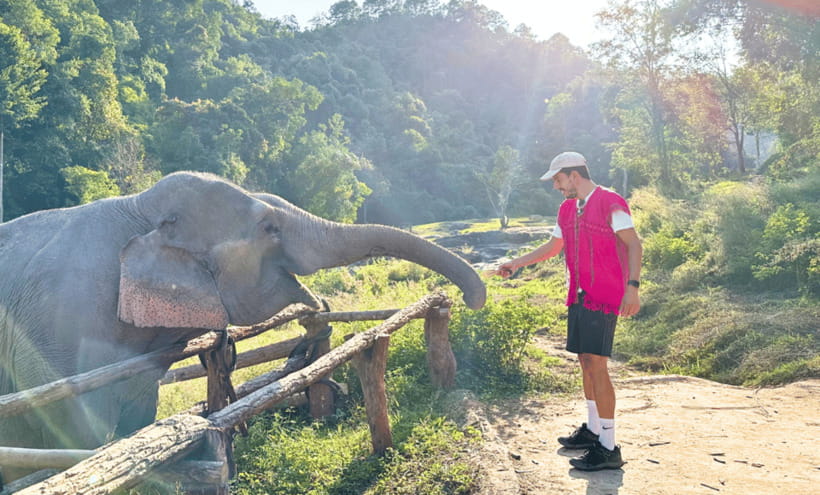
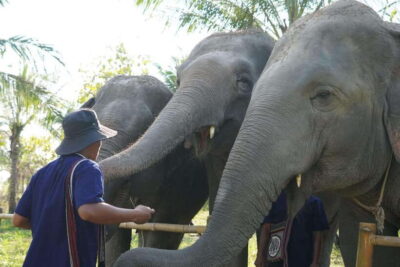
The experience starts with hands-on preparation and elephant feeding. You will learn what the elephants eat and how to handle food responsibly, then you feed them as part of a guided routine. You are not there to pet them or “hang out” casually. You are there to participate with clear boundaries.
This is where the trip wins for me. Feeding is direct, but it is not chaotic. It gives you a simple reason to slow down and pay attention, because elephants respond to behavior, not commands. When they approach, you can see how they choose their position, how they move as a group, and how they keep calm.
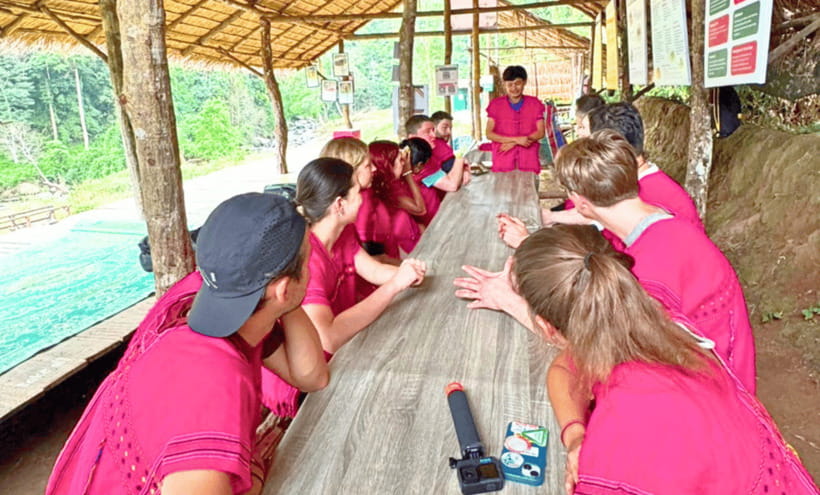
Your guide plays an important role here. The program is run with an English-speaking guide, and the focus is on explaining elephant behavior and care, not just “watch this animal do a trick.” You will likely come away understanding that ethical sanctuaries are not about doing more, they are about doing the right things.
Walking alongside the herd: seeing foraging without pressure
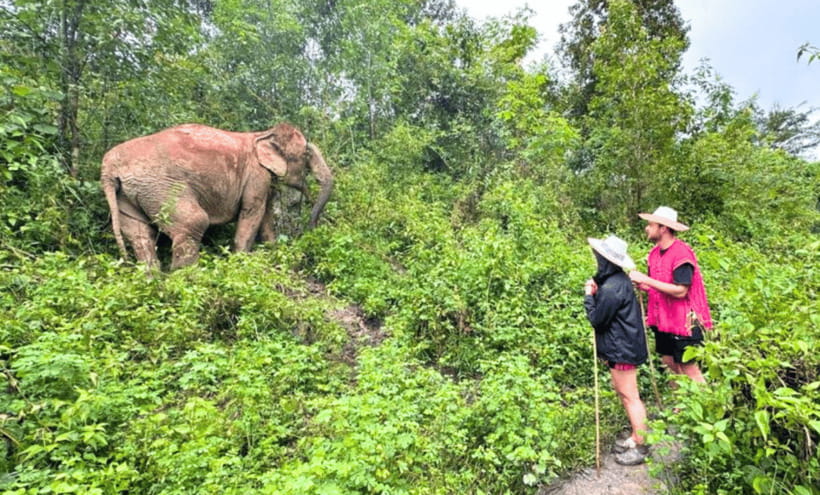
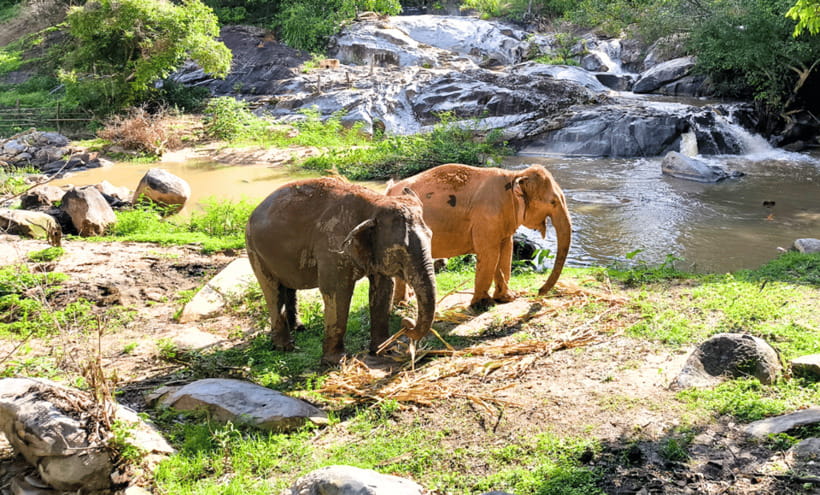
After feeding, you get a jungle walk where you follow the elephants as they forage. The idea is simple: you move alongside them at a respectful distance and keep pace with their herd decisions. You are not trying to lead them, and you are not trying to force a photo moment.
This section is often what people remember most, because it looks different from typical elephant attractions. You are watching grazing, drifting between patches, and slow movement through natural cover. It feels more like wildlife viewing than a supervised performance.
One practical note: the walk is in jungle conditions, so you will want to be ready to step carefully and keep your footing. Comfortable shoes are not optional. Bring insect repellent too, because you are outdoors and near vegetation.


Mae Wang waterfall break: tea, a swim, and a clear “no bathing elephants” rule
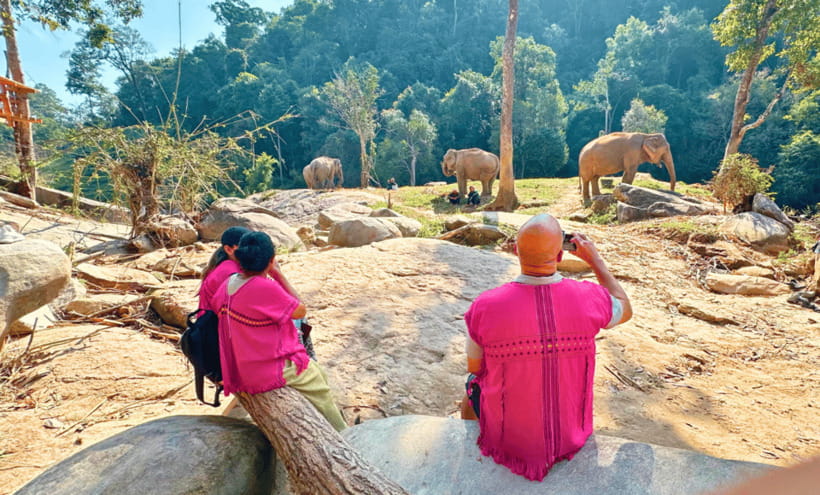
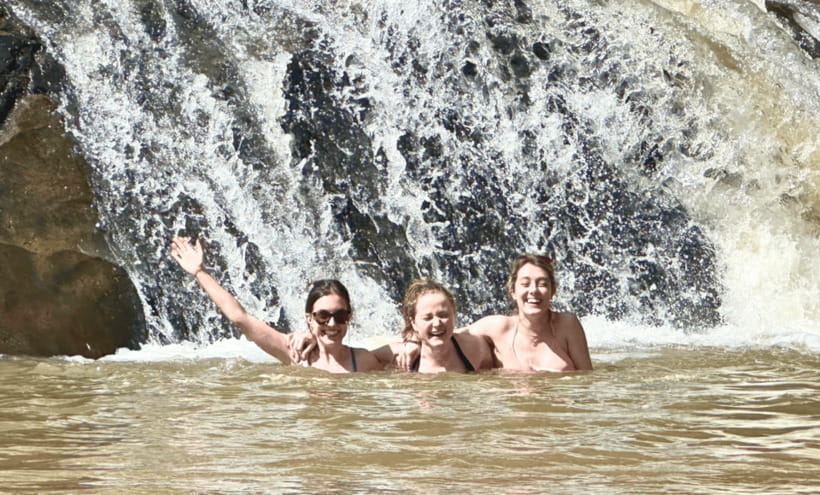
Later, the day shifts from elephant proximity to a relaxing break at the waterfall. The program explicitly avoids elephant bathing, and that boundary matters for your comfort and the animals’ well-being. You get a calmer setting where the elephants are not pulled into a show.
What you do here is straightforward and enjoyable. You get herbal tea, you get time to cool off, and in reviews you’ll see people mention swimming in the river or waterfall area. Importantly, the elephant presence is not turned into an entertainment feature at the water spot.
If you bring swimwear and a change of clothes, you can make the most of this stop. Dry clothes after the swim feel like a lifesaver, especially if you have been walking and standing in the heat.
The towel is included, which is a nice little value touch. It saves you from scrambling at the last minute, and it means you can focus on enjoying the break instead of managing logistics.
Lunch plus the Thai cultural souvenir: making it more than an animal day
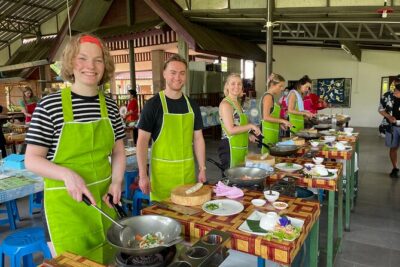
This is not only an animal day. Lunch is included, and it is served partway through the schedule so you do not burn out before the waterfall and craft. In the experience, the lunch is commonly described as pad Thai with fresh fruit, and it is vegetarian in at least some cases, so it can work well if you avoid meat while traveling.
After lunch and the cooling break, you finish with a Thai handmade activity. The souvenir is Thai cultural, and you will make your own Ya Dom, which is a type of natural scent inhaler created from herbs and spices. People love this part because it is hands-on and it gives you a useful, local-smelling take-home item.
Even if you do not normally buy souvenirs, this craft has a good feel. It turns the day into something you remember with your senses, not just photos. You also learn a bit about Thai herbal use as part of the process.
What’s included in the $54 price, and why that can be fair value
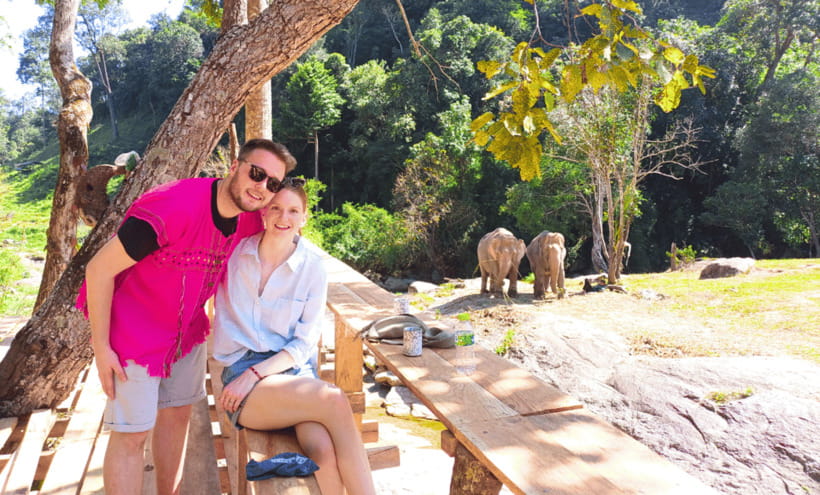
At $54 per person, this can represent good value if you weigh it against what you would pay for a guided, ethical elephant day on your own. The price includes hotel pickup and drop-off within a 5 km radius of Chiang Mai Old City, a guide, lunch, water, elephant food, insurance, and a towel.
Those inclusions matter more than they might sound. Pickup saves you time and hassle. Elephant food means you are participating in the feeding portion properly. Lunch prevents the usual “half-day turns into snack-only” problem. Insurance is also reassuring for an activity that involves walking outdoors.
The day itself is long enough to feel like more than a quick stop. You get about 3 hours in the Mae Wang area for wildlife viewing and guided time, plus the elephant feeding and jungle follow. When you account for the full time on the road and in nature, it stops feeling like a pricey single moment and starts feeling like a full guided outing.
Who this trip fits well (and who should rethink it)
This tour fits best if you want an elephant experience that stays ethical and rules-based. You will like it if you care about no touching, no riding, and no bathing, and if you want to see elephants behave naturally, not perform for human entertainment.
It also suits you if you enjoy walking at a steady pace in natural settings. The jungle walk and the waterfall stop pair well with a relaxed travel style. You do not need extreme hiking skills, but you do need shoes that can handle uneven ground.
Where it may not fit is mobility limitations. It is not suitable for wheelchair users. If you have balance issues or limited ability to walk outdoors, you should look for a different animal sanctuary option with a more accessible format.
One more “you should know” factor: you will be outside in hot weather and insects can be a factor. Plan to use sunscreen and insect repellent, and keep change of clothes ready for the waterfall.
My booking advice: should you do Joy’s half-day elephant program?
If you want a straightforward, ethics-forward elephant day with real observation time, I think this is a solid choice. The key selling point is the behavior-based approach: you feed and follow, you do not touch or ride, and the waterfall stop is a separate break with no elephant bathing.
Book it if:
- You want ethical elephant interaction with clear boundaries
- You like guided wildlife-style viewing, not staged entertainment
- You want a full day that includes lunch and a Thai cultural craft, not just animal viewing
Skip or reconsider it if:
- You strongly dislike long rides, because the day runs about 7 hours with travel time
- You cannot manage jungle walking conditions
- You want a “splash with elephants” style experience, because elephant bathing is not part of this program
If you show up with the right gear and the right mindset, this becomes one of those days where you learn more than you expected, and you feel good about what you participated in.
FAQ
How long is the half-day Chiang Mai elephant sanctuary experience?
The total duration is about 7 hours, even though it is described as a half-day program. This includes hotel pickup and drop-off plus time at the sanctuary and waterfall.
Do they offer both morning and afternoon sessions?
Yes. The Elephant Observation program is available in either a morning or an afternoon session, and starting times depend on availability.
Where does hotel pickup happen?
Pickup and drop-off are included for accommodations within 5 km of Chiang Mai Old City. Pickup starts from Mueang Chiang Mai District.
What’s included in the price?
The price includes hotel pickup and drop-off, a guide (English), lunch, water, elephant food, insurance, and a towel.
Is elephant bathing or touching allowed?
No elephant bathing is included, and the experience is run with rules that prevent touching. The day is designed around respectful observation.
Where does the waterfall fit into the day?
After elephant feeding and jungle observation time, you take a break at the waterfall area. You also get herbal tea and time to cool off there.
What should I bring for the tour?
Bring comfortable shoes, swimwear, a change of clothes, sandals, sunscreen, and insect repellent.
Is the tour wheelchair accessible?
No, the tour is not suitable for wheelchair users.
Can I cancel and get a refund, and can I reserve without paying right away?
Cancellation is free up to 24 hours in advance for a full refund. You can also reserve now and pay later to keep plans flexible.
What else made it into the Thailand notebook
Sanctuary visits, and how the elephants are actually kept
What else made it into the Chiang Mai notebook
- Full-Day Doi Inthanon National Park Tour with Trek and Pagodas
★ 4.5 · 20 reviews - Chiang Mai Private Tourist Guide with Private Transportation
★ 5.0 · 20 reviews - Private Luxury Car rental + English speaking driver:
★ 5.0 · 20 reviews - Half day Long Neck hill tribe and Hmong hill tribe village
★ 5.0 · 21 reviews - Chiang Rai One Day: Golden Triangle, Laos Border, Long Neck Tribe
★ 3.5 · 21 reviews - Old Town Chiang Mai Food Tour with 10+ Local Dishes Tastings
★ 5.0 · 21 reviews
Elephant Sanctuary Visits, compared.
 ★ 4.9Elephant Sanctuary, Waterfall & Bamboo RaftingFrom $609,160 reviews
 ★ 4.9Elephant Sanctuary & Waterfall Group TourFrom $505,780 reviews
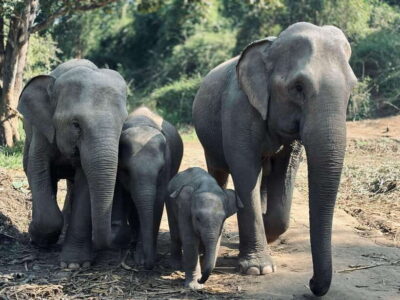 ★ 4.8Elephant Sanctuary Feeding Program Half-Day TourFrom $274,527 reviews
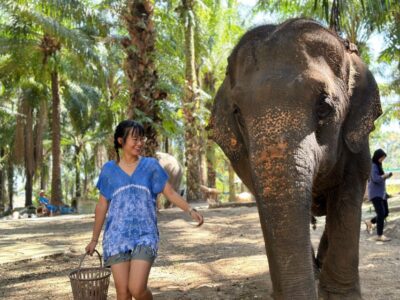 ★ 4.9Elephant Bathing Session at Krabi Elephant ShelterFrom $482,021 reviews
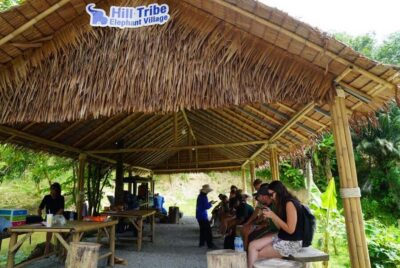 ★ 4.8Elephant Sanctuary Guided Tour with Hotel TransfersFrom $412,020 reviews
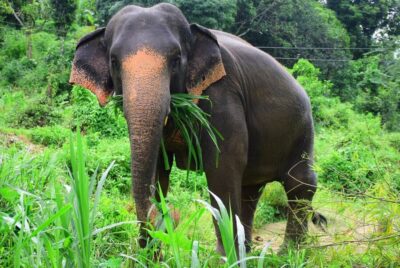 ★ 4.8Elephant Care Program and Nursery TourFrom $531,899 reviews
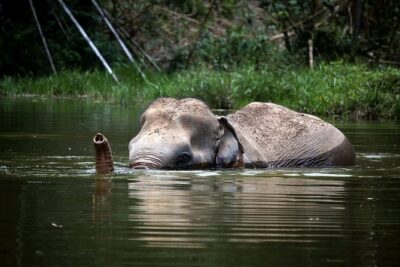 ★ 5.0A Morning with the Elephants at Phuket Elephant SanctuaryFrom $971,693 reviews
 ★ 4.8Living Green Elephant Sanctuary Day TripFrom $571,541 reviews
Browse the lists this tour appears in