
REVIEW · HIKING & TREKKING
3-Day Chiang Dao Mountain Trek
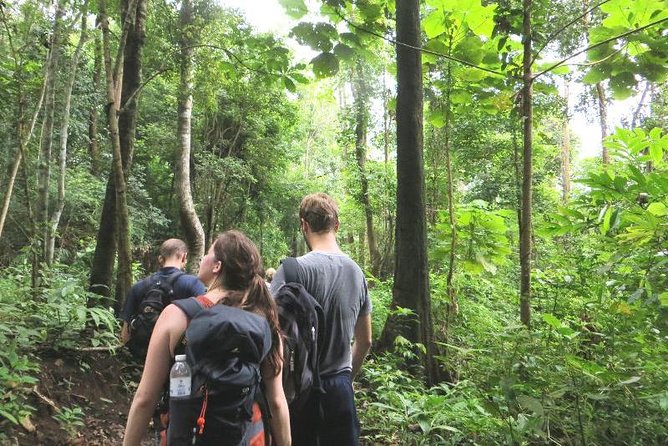
Three days in Chiang Dao feels like another world. I love the small-group feel and the homestay meals that keep things local. The hike is legitimately hard, with lots of uphill and downhill that can feel tough on your knees.
Our group rides north from Chiang Mai with a guide who can point out useful plants and explain how hill tribes live. Guides I saw mentioned include Tan and Sap, and they also build in little moments like tasting jungle finds and sipping tea or coffee grown nearby.
Pick up happens in Chiang Mai city within the second ring road radius, then you meet at Le Dta’ Wan Food Market around 9:00 am for the activity. You get round-trip transport, a mobile ticket, and a practical rule to pack light into a 45L backpack, plus a kit list for the season.
In This Review
- Key points to know before you go
- Why Chiang Dao, and why this trek feels far from the tourist trail
- Meeting point, pickup timing, and the transport plan
- Day 1: Leaving Chiang Mai, market stops, and your first homestay night
- Day 2: The challenging jungle day that most people remember
- Day 3: Descent to the Maetang River valley, waterfall break, and the river lunch
- Homestays, food, and the real-life comfort level
- Guides and group size: the difference between walking and getting a story
- Gear and fitness: how to prep for steep days and knee-friendly hiking
- Price and value: what you get for $256
- Weather, route changes, and how to stay flexible
- Who should book, and who should skip this trek
- Should you book this 3-day Chiang Dao Mountain Trek?
- FAQ
- What is the duration and typical pace?
- Where does the tour start and what time does it begin?
- Is hotel pickup included?
- How many people are in the group?
- What meals are included?
- What is not included in the price?
- Do you need to be a certain fitness level?
- Is the trek suitable for children?
- What should I pack?
- What is the cancellation policy?
Key points to know before you go
- Small group hiking: Kept tight, with a max of 10 stated for the trek, and a maximum of 12 listed for the activity.
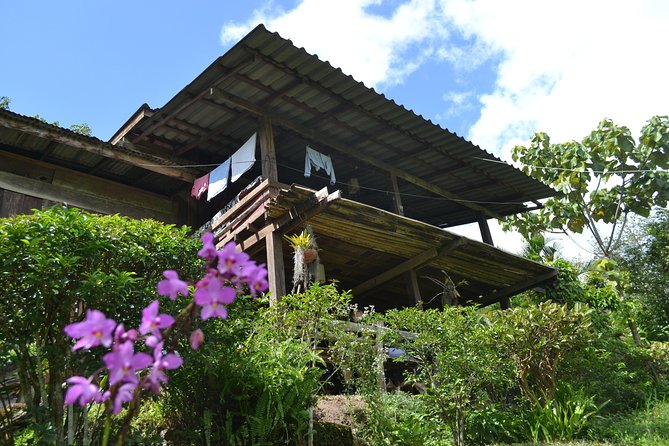
- Real homestay nights: Simple but clean, with the soundscape of village life (bring earplugs if you sleep lightly).
- A tough day 2: Expect the longest walking and the most climbing, plus a lot of up-and-down on uneven paths.
- Guides who teach as they lead: You’ll get plant explanations, village context, and practical help on the trail.
- Meals are part of the package: Breakfast, lunch, and dinner are included, but drinks at the homestay or meals aren’t.
- You travel light: You carry your own gear in a 45L backpack through the trek.
Thai treks got the same going over
- 3-in-1: Doi Inthanon Tour, Elephant Sanctuary, and Trekking Trail★ 5.0 · 1,087 reviews
- Chiang Mai: Doi Inthanon Trip with Pha Dok Siew Guided Trek★ 4.6 · 910 reviews
- Chiang Mai: Doi Inthanon Park with Kew Mae Pan Hike Day Trip★ 4.7 · 841 reviews
- Chiang Mai: Doi Inthanon Park and Pha Dok Siew Trail Trek★ 4.6 · 752 reviews
Why Chiang Dao, and why this trek feels far from the tourist trail
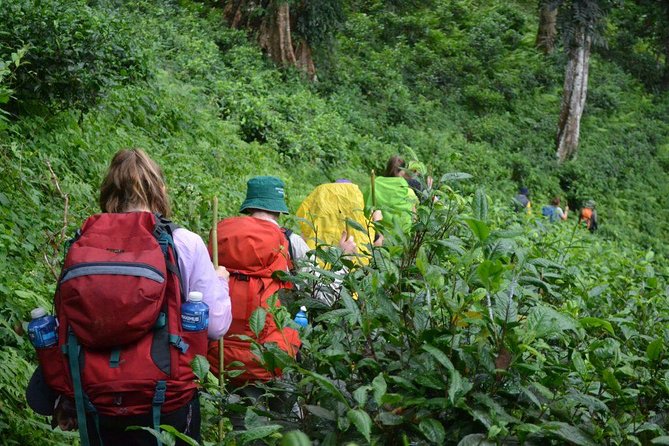
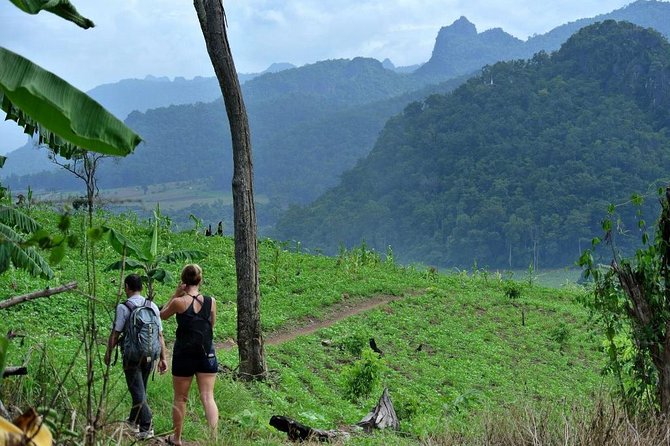
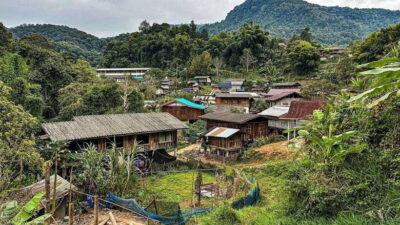
Chiang Dao sits in the highlands north of Chiang Mai, and the mountains there reward people who are willing to walk. Instead of ticking off easy sights, this trek takes you onto jungle trails, along mountain ridges, and through bamboo forests, with village visits along the way.
What makes it worth your time is how practical it all feels. You’re not just passing through nature, you’re learning what it means to live in these valleys, eat what’s cooked locally, and share a night in a hill-tribe community. The remote setting also helps the days feel real and lived-in, not like a staged photo route.
Meeting point, pickup timing, and the transport plan
You start from Le Dta’ Wan Food Market (Chang Khlan area) and the listed start time is 9:00 am. If you’re staying in Chiang Mai city, you may also get pickup within the second ring road radius, with pickup listed for 8:30 am from your accommodation.
From there, the plan is straightforward: drive north to escape the city, then begin the hike on days 1 through 3. You also get round-trip transport, so you’re not juggling taxis or finding your way at the end of a long day.
Two small notes that matter:
- You’ll want to be ready for an early start. Even if the driving seems calm, the walking comes fast.
- You’ll carry your own 45L backpack. That pack size limit is there for a reason, and you’ll feel the weight when the terrain turns steep.
Day 1: Leaving Chiang Mai, market stops, and your first homestay night
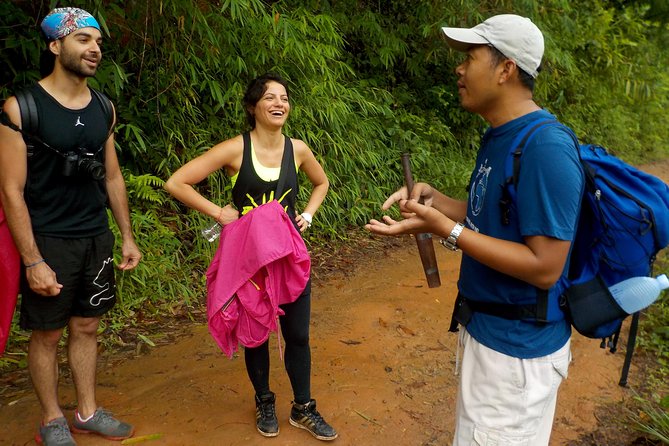
Day 1 starts with a pickup and a drive north. Along the way, there’s a local market stop where your guide can introduce ingredients, so you get an early feel for what you’ll be eating and why the food tastes the way it does.
After that, your first trekking day begins in the highland area around Chiang Dao. Your pace is set for the group, and the goal is to get you into the rhythm without exhausting you before the homestay.
That first overnight is part of the charm. One standout detail from the experience: the homestay vibe can be peaceful, and you may even get a campfire built for you. Another detail to expect is the basic-but-functional setup. It’s not a hotel, but it’s described as clean, and in some seasons there’s even mention of solar power for electricity.
What can catch you off guard: village life has its own daily soundtrack. On the second night in particular, some people report noise from dogs, roosters, and singing. If you’re a light sleeper, pack earplugs and you’ll enjoy the experience more.
Day 2: The challenging jungle day that most people remember
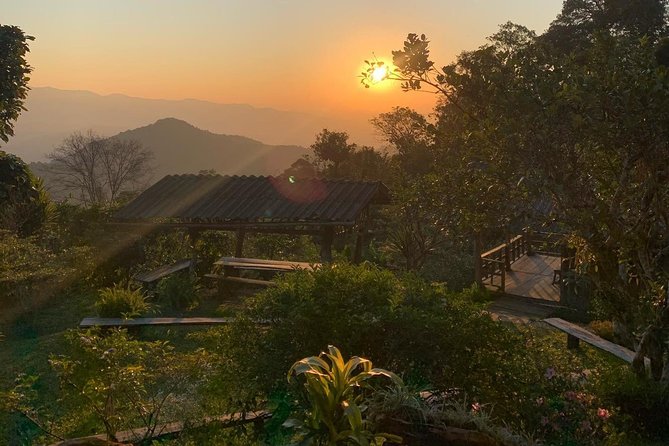
Day 2 is the big walking day. You’ll wake up to the mountain air, then have breakfast made with locally grown tea or coffee from nearby plantations.
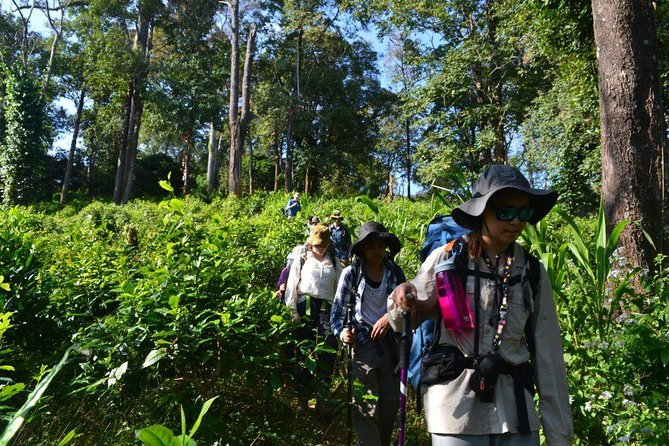
Then comes the challenging section through jungle and intersecting trails. The walking isn’t just “pretty” it’s work. Expect climbs, dips, and sections where paths are uneven or overgrown. This is where having a strong leader matters.
The most frequently praised part here is the guides’ trail skills and teaching style. In some cases, the trail may require clearing or cutting a path so you can keep moving. Your guide handles it, and you keep hiking instead of turning back.
You’ll also notice a theme: the guide doesn’t just move you forward, they explain what you’re seeing. From tasting cool plants to pointing out how local people relate to nature and everyday life, you get context as you go. It makes the hard parts feel purposeful.


Day 3: Descent to the Maetang River valley, waterfall break, and the river lunch
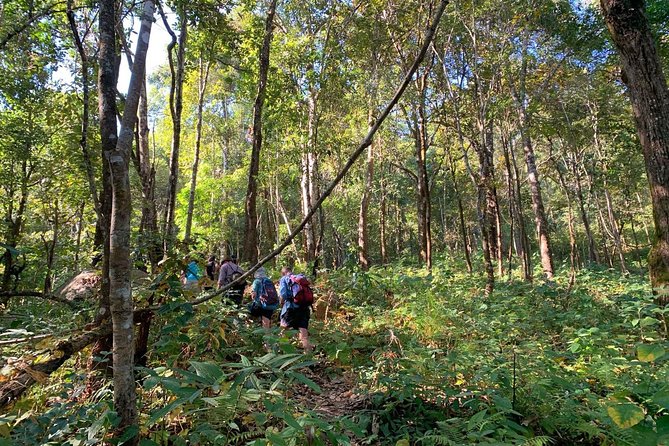
Day 3 starts with breakfast on the mountain, then you begin your final leg of the trek. The key physical moment is a three-hour descent down to the Maetang River valley.
This change in scenery is a big part of why people enjoy ending here. After days of ridges and jungle paths, you drop into a calmer river setting. You stop at a waterfall for a break, which is both a nice reset and a good chance to catch your breath.
Lunch happens riverside in a tranquil setting, giving you a proper recovery moment before the drive back. After that, you ride back toward the meeting point area, so the trek wraps neatly instead of turning into a full travel day on top of the hiking.
Homestays, food, and the real-life comfort level
This trek’s biggest appeal is the homestay experience tied to food that’s cooked locally. Meals included are:
- Breakfast (2)
- Lunch (3)
- Dinner (2)
In other words, you’re not constantly figuring out where to eat. And a lot of the praise goes straight to the cooking. Guides like Tan and Sap are described as excellent cooks, with Thai meals made on the trail and prepared for the group.
Two practical points so you don’t get surprised:
- Drinks are not included at homestays or restaurants. If you want bottled water or other beverages during stops, budget for it.
- Vegetarian meals need to be planned in advance. If you eat vegetarian, tell the operator when you book so they can arrange options.
Comfort level is “basic but good,” not luxury. Expect simple accommodations. Some nights can be noisy because village life includes dogs, roosters, and general evening activity. If that’s the kind of thing that ruins your sleep, earplugs can save the day.
Guides and group size: the difference between walking and getting a story
A trek becomes special when the guide turns a hike into a learning experience. Here, that happens in a few clear ways.
First, the guides explain what you’re seeing. You can learn about the plants along the trail, taste some of them, and understand how local people interact with their environment. Many people also highlight a friendly, patient approach from guides like Tan and Sap, plus assistants who help with day-to-day tasks.
Second, you get leadership that feels confident on rough terrain. One person described how the guide had to cut free the way with a knife when the path got blocked. That kind of know-how matters because you’re out in remote areas, not on manicured trails.
Third, you’re not swallowed by a huge crowd. The tour is positioned as small-group, with a stated maximum of 10 and an activity maximum listed up to 12. Either way, it’s built for a more personal feel, which is huge when you’re hiking for hours and need support.
Gear and fitness: how to prep for steep days and knee-friendly hiking
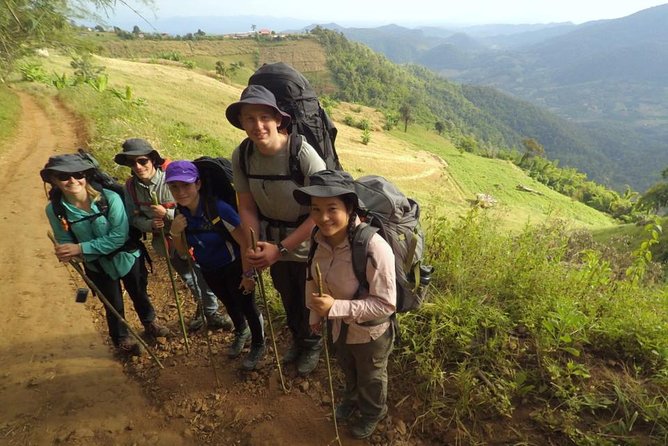
This is not a stroller stroll. The tour asks for moderate physical fitness, and you should be able to hike about 5 to 6 hours on undulating landscapes. Also, day 2 can be physically demanding due to climbing and descending.
So prep like a real trek:
- Wear hiking boots or runners with solid grip.
- Bring suitable outdoor clothing for mountain weather.
- Keep your personal effects to fit a 45L backpack, and know you carry it.
- Use the kit list provided for the season.
Also think about your knees. Downhills can be harder than uphills, especially when trails are uneven. If you usually skip strength work, start a simple routine now: squats, step-ups, and short walks on hills. It makes a noticeable difference on day 3 when you’re descending again.
If you’re traveling with kids, note the guidance: the trek isn’t suitable for children under 10 unless they’re already used to multiple hours of hiking.
Price and value: what you get for $256
$256 for a 3-day trek with round-trip transport and multiple meals can be a good value, mainly because the included parts are the costly ones in time and logistics.
Here’s what you’re paying for beyond the “walk”:
- Pickup and transport from Chiang Mai
- Local guide support for multiple days
- Breakfast, lunch, and dinner during the trek
- Homestay accommodation as part of the route
- A group size that stays small enough for real attention
What’s not included is mostly personal comfort and drinks: beverages at homestays or restaurants, and your personal spending. If you budget for water and snacks, you’ll avoid the common “I forgot drinks cost money out here” problem.
Weather, route changes, and how to stay flexible
This experience requires good weather. If conditions are poor, the operator will offer a different date or a full refund. That’s important because mountain areas can shift quickly.
Also, be mentally ready for small route changes. One account noted their route changed a bit, and that’s normal in remote hiking. Your job is to focus on the day’s walking, not on expecting every stop to match a perfect script.
Who should book, and who should skip this trek
You should book if:
- You want a challenging hike in real northern Thailand terrain.
- You enjoy learning from guides, especially plant info and how hill-tribe life works.
- You’re okay with basic homestays and you don’t need hotel-level quiet.
You might want to skip if:
- You don’t handle steep uneven trails well.
- You hate sleeping with noise. The village sounds can be loud at night, and while earplugs help, it still won’t feel like a silent getaway.
- You’re traveling with children under 10 who aren’t used to long hikes.
Should you book this 3-day Chiang Dao Mountain Trek?
If you want a trek that feels more human than tourist, I’d say yes, with the right expectations. The combination of small group hiking, strong guiding, and home-cooked meals in hill-tribe homestays is exactly what makes this stand out. It’s also clearly for people who are ready to work for the views and the experience.
Book it if you can hike 5 to 6 hours and you’re comfortable carrying a 45L backpack. If knees are an issue, plan for it and take your downhill pace seriously. And pack earplugs, because village nights can be loud.
If that all sounds like your kind of trip, this is one of those Thailand adventures that leaves you with more than photos. You come home with a story you can explain.
FAQ
What is the duration and typical pace?
The trek is about 3 days. You should be able to hike 5 to 6 hours on undulating terrain.
Where does the tour start and what time does it begin?
The meeting point is Le Dta’ Wan Food Market. The listed start time is 9:00 am.
Is hotel pickup included?
Pickup is offered for accommodations in Chiang Mai city within the second ring road radius, with pickup listed at 8:30 am before heading out.
How many people are in the group?
The tour is described as small group, with a maximum of 10 people. The activity also lists a maximum of 12 travelers.
What meals are included?
Breakfast is included for 2 days, lunch for 3 days, and dinner for 2 days.
What is not included in the price?
Beverages at local homestays and restaurants are not included, plus personal spending.
Do you need to be a certain fitness level?
Yes. The tour is listed as having a moderate fitness level requirement. It is not recommended for people who struggle with long hikes.
Is the trek suitable for children?
It is not suitable for children under 10 years old unless they are used to multiple hours of hiking.
What should I pack?
You should wear suitable outdoor clothing and hiking boots or runners. You also need to keep your personal effects to fit in a 45L backpack. A seasonal kit list is provided.
What is the cancellation policy?
You can cancel up to 3 days in advance for a full refund. Poor weather can lead to a different date or a full refund, and the tour may also be rescheduled or refunded if the minimum number of travelers is not met.
Thai treks, continued
What else made it into the Thailand notebook
What else made it into the Chiang Mai notebook
- Half day Long Neck hill tribe and Hmong hill tribe village
★ 5.0 · 21 reviews - Chiang Rai One Day: Golden Triangle, Laos Border, Long Neck Tribe
★ 3.5 · 21 reviews - Old Town Chiang Mai Food Tour with 10+ Local Dishes Tastings
★ 5.0 · 21 reviews - 5 Day Tuk Tuk Adventure in Chiang Mai – with driver
★ 5.0 · 21 reviews - 1 Hour Foot Relaxing – Free Transportation
★ 5.0 · 21 reviews - Rantong elephant sanctuary Chiangmai
★ 4.4 · 21 reviews
Hiking & Trekking, compared.
 ★ 5.03-in-1: Doi Inthanon Tour, Elephant Sanctuary, and Trekking TrailFrom $481,087 reviews
 ★ 4.6Doi Inthanon Trip with Pha Dok Siew Guided TrekFrom $50910 reviews
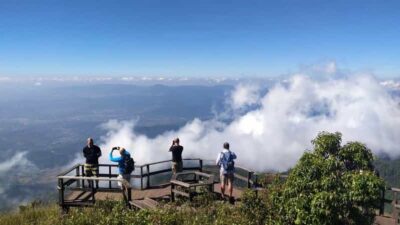 ★ 4.7Doi Inthanon Park with Kew Mae Pan Hike Day TripFrom $62841 reviews
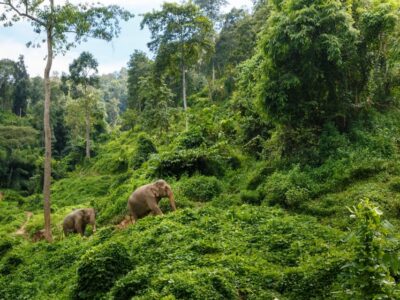 ★ 4.6Doi Inthanon Park and Pha Dok Siew Trail TrekFrom $61752 reviews
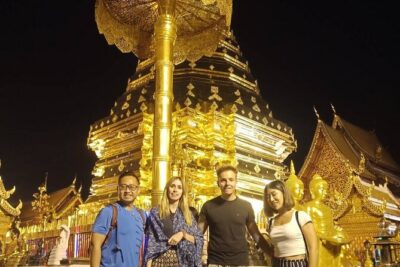 ★ 4.6Chiang Mai – Doi Suthep Temple & Wat Pha Lat HikeFrom $25740 reviews
★ 5.0Chiang Mai – Doi Suthep Temple & Wat Pha Lat HikeFrom $26657 reviews
★ 4.6Chiang Mai – Doi Suthep Temple & Wat Pha Lat HikeFrom $25740 reviews
★ 5.0Chiang Mai – Doi Suthep Temple & Wat Pha Lat HikeFrom $26657 reviews
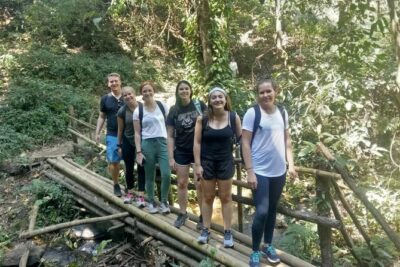 ★ 5.0Doi Inthanon Private Tour with Trek & Lunch from Chiang MaiFrom $135622 reviews
 ★ 4.5Doi Inthanon National Park and Pha Dok Siew TrekFrom $39527 reviews
Browse the lists this tour appears in