
REVIEW · KANCHANABURI AND THE DEATH RAILWAY
River Kwai Jungle Rafts: 2-Day Kanchanaburi Escape from Bangkok
Two days in Kanchanaburi can change how you see the war. This River Kwai escape pairs major WWII sites with an overnight on floating rafts, plus a Mon village visit and a train ride over the tracks built by POWs. You get a smooth, guided route that handles the tricky logistics so you can focus on the experience, not the planning.
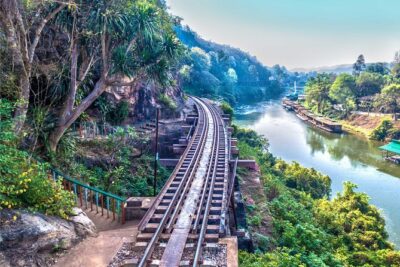
I especially love how the tour makes the story feel real, not textbook, at Hellfire Pass. You’ll also enjoy the Death Railway train ride over the actual line, with countryside views that feel calm right next to places of brutal forced labor.
One key consideration: the raft overnight is simple and off-grid. Expect hot, humid conditions and limited comfort, including limited or no electricity in the accommodation area, so pack accordingly.
In This Review
- Key highlights worth your attention
- Kanchanaburi hits harder when you sleep on the Kwai
- Day 1 from Bangkok: Railway Centre, the Bridge, and Hellfire Pass
- Thailand-Burma Railway Centre: facts you can hold onto
- River Kwai Bridge: quick photos, then you move on
- Hellfire Pass Interpretive Centre: the rock-cut story
- The jungle rafts overnight: off-grid reality and how to make it pleasant
- What the raft stay is really like
- What I’d pack for the “no electricity” reality
- Food, Mon culture, and the downtime effect
- Day 2: Mon tribal village hike, then the Death Railway train ride
- Mon tribal village: a jungle hike with real context
- Back to the rafts, then downstream and train time
- Train ride plus memorial stops is why it works
- Transport, pacing, and what the max-15 group size means for you
- Price and value: what $209 really buys you
- Who should book this, and who should skip it
- Skip it if you want comfort and electricity at night
- Think twice if mobility or health limitations apply
- Should you book the River Kwai Jungle Rafts 2-day Kanchanaburi escape?
- FAQ
- What time does the tour start?
- What’s included in the 2-day package price?
- Is there electricity on the jungle rafts?
- How does pickup work in Bangkok?
- What does the Death Railway part involve?
- What should I bring for the outdoor parts and water exposure?
- Is this tour suitable for people with mobility or health issues?
Key highlights worth your attention
- WWII sites with a guide that connects the dots between camps, labor, and memorials
- Hellfire Pass by boat plus an interpretive stop that explains what was done with hand tools
- Floating raft overnight on the Kwai, with Mon dance and real off-grid living
- Death Railway train ride on the line built by POWs, not just a museum stop
- Mon village with a short jungle hike and cultural time that goes beyond photos
- Small-group feel (max 15) with multiple transport legs handled for you
Kanchanaburi and Death Railway visits were reviewed the same way
- From Bangkok: Erawan Park & Kanchanaburi Small-Group Tour★ 4.5 · 1,582 reviews
- From Bangkok: Historical Day Tour to River Kwai★ 4.6 · 868 reviews
- Bridge on the River Kwai and Thailand-Burma Railway Tour★ 4.5 · 658 reviews
- Erawan Waterfalls and Bridge Over River Kwai Tour from Bangkok★ 4.5 · 372 reviews
Kanchanaburi hits harder when you sleep on the Kwai
Kanchanaburi can be an emotional place, even if you think you’re ready. What makes this 2-day tour work is the contrast: you start with big memorial sites, you travel by river and train, then you actually spend the night on the water. That night matters. It slows everything down, so the history has space to land.
And the planning is practical. You leave Bangkok early, you’re shuttled between key stops, and meals and entry fees are handled. If you’ve ever tried to piece together “museum, cemetery, bridge, boat, train, overnight” on your own, you know how quickly the day turns into a logistics puzzle. This keeps the effort on your side low and the meaning high.
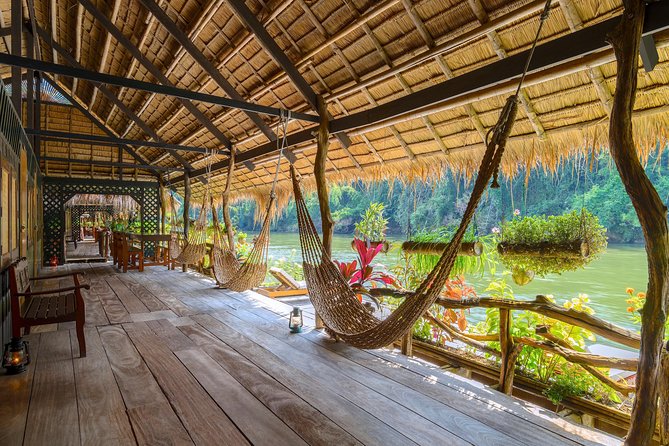
The setting is also a big part of the value. The jungle raft stay is described as simple, sometimes with basic rooms that may have fan-only cooling and limited amenities. That’s not a downgrade. It’s part of the point, because this is a soft-adventure experience where the river and heat set the rhythm.
Day 1 from Bangkok: Railway Centre, the Bridge, and Hellfire Pass
Your day starts early, around 6:00 am, with pickup offered in downtown Bangkok areas at main hotels. Expect a drive that takes time. One common theme from the experience is that you spend a fair amount of time on the road between Bangkok and Kanchanaburi, and that’s normal for this kind of all-inclusive route.
Thailand-Burma Railway Centre: facts you can hold onto
The first stop is the Thailand-Burma Railway Centre, with free admission included in the experience. This is where you get the bigger framework before you start moving from site to site. It’s interactive and built for understanding, not just looking.
What makes this stop useful is that it helps you read what you’re seeing later. You learn how the railway effort connects to POW labor, the scale of the work, and the timeline. In one account, visitors even described doing a record search tied to POW records during the 1942 to 1945 period, with a printed copy from the museum. If that kind of research matters to you, arrive mentally ready to focus, because this is the place where details click.
What to watch for: This is mostly indoor and early in the day, which can be a nice reset before the river portions start.
River Kwai Bridge: quick photos, then you move on
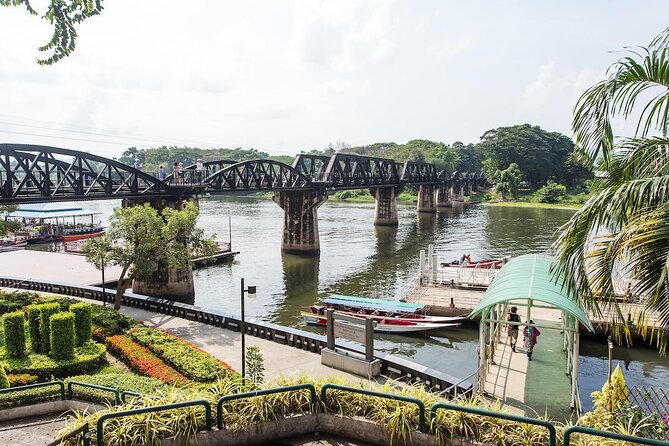
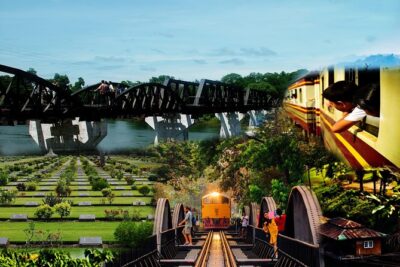
Next you hit the Bridge over the River Kwai. You’ll have time to snap photos, then the day shifts from monuments to motion.
After the bridge, you board a long-tail boat and drift along the river toward the jungle rafts. This matters more than it sounds. The river ride gives you a buffer between heavy museum information and the overnight setting. It also helps the itinerary flow, because you’re not trying to cram everything into one bus-heavy day.
Tip for comfort: long-tail boats can be a bit of a hop-in, hop-out situation. If you have knee issues, go slow and grab what you can for balance during transfers.
Hellfire Pass Interpretive Centre: the rock-cut story
After lunch, you cruise by boat to the Hellfire Pass area and the interpretive stop there. This is one of the emotional anchors of the trip.
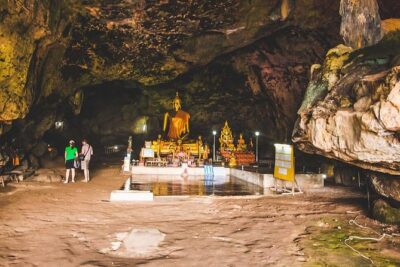
Hellfire Pass is described as a place where POWs hacked through sheer rock using basic hand tools and explosives to create a cutting through granite. That description is not light. The interpretive centre gives you the context to understand what you’re looking at, including why this location is remembered the way it is.
A practical note: sometimes closures happen due to local holidays. One experience mentioned Hellfire Pass being unavailable and a substitute site being used. You can’t plan for every operational twist, but knowing that it’s possible keeps you from feeling blindsided if your day doesn’t match every expectation perfectly.
The jungle rafts overnight: off-grid reality and how to make it pleasant
Then comes the overnight on the jungle rafts, your floating base for Day 1 and the morning of Day 2. This is where the tour becomes more than sightseeing.
What the raft stay is really like
The accommodation is simple, with basic amenities. The tour information notes it may include no air-conditioning (fan only), and you might see limited Wi-Fi and limited or warm water.
Most importantly, multiple accounts make it clear that there is no electricity on the rafts. That means no charging frenzy, no late-night screens to rescue you, and no cool-room comfort. It’s a real trade. But you’re also right on the river, and that can make the heat feel more tolerable than you’d expect, especially if you’re okay with a slower pace.
What I’d pack for the “no electricity” reality
Since you’ll be outdoors and near water, pack like you’re camping with a history degree.
- Sunglasses, a hat or cap, and high SPF sunscreen are specifically recommended for this tour.
- Bring a dry bag or proper protection for electronics. Water can be destructive, and the tour info puts responsibility on you to wrap and protect devices.
- If you like to use your phone for navigation or photos, bring a power bank fully charged before you arrive at the raft area.
Food, Mon culture, and the downtime effect
Meals are included: breakfast and lunch are on the program, plus snacks and drinks during the day. One review highlight was that the raft food was lovely and plentiful, and that the Mon hospitality made the stay feel welcoming instead of purely rustic.
You’ll also see a traditional Mon dance performance at the raft base. That cultural moment is a good counterweight to the WW2 sites. It doesn’t erase the sadness. It adds texture and shows the living culture of the region.
My advice: use the overnight downtime on purpose. Don’t just treat it as waiting. Take a slow moment after dinner, watch the river, then revisit what you learned at Hellfire Pass in your own words.
Day 2: Mon tribal village hike, then the Death Railway train ride
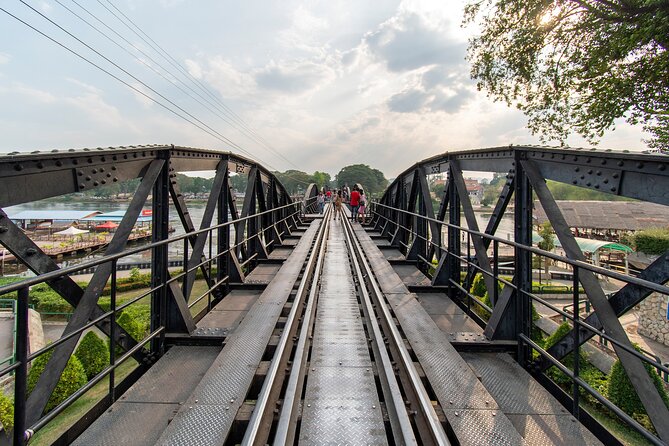
Day 2 is where the tour turns from emotional memorial stops to forward motion. It starts with breakfast, then you go out to the Mon Tribal Village.
Mon tribal village: a jungle hike with real context
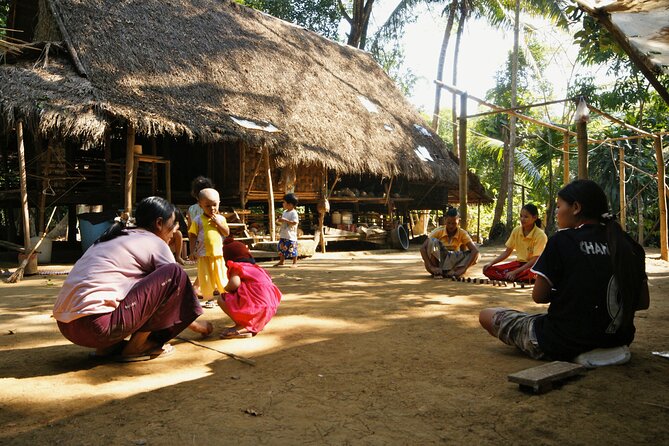
You’ll head to a nearby rural village where the Mon tribe has lived for generations. The plan includes a short hike into the jungle area and time to experience village life.
This part is valuable because it stops the trip from becoming only about war. You get a sense of place. You also get to see culture in motion, not only displayed behind a fence.
What to consider: This is still outdoors. Combine that with the heat, and pace yourself. Wear shoes you trust, and bring water if you tend to run thirsty.
Back to the rafts, then downstream and train time
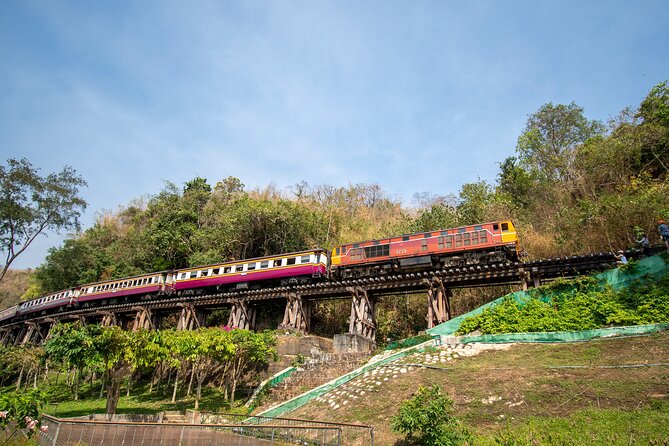
After you return to the raft area, you check out and board a boat for the downstream journey. Then you transfer to a local train ride over the Death Railway along the actual tracks built by POWs.
This is the moment many people remember most. You’re not just reading about rail lines. You’re riding a living artifact of forced labor history. The setting can feel unexpectedly normal for something so heavy: countryside, motion, and the everyday rhythm of a train.
One practical tip from real-world accounts: the boats and transfers can be hard on legs. If you’re older or have balance issues, consider traveling with a support strategy, like walking poles if you use them, and give yourself extra time during boarding.
Train ride plus memorial stops is why it works
The tour does a good job of sequencing. You see the bridge, you understand the brutal engineering story at Hellfire Pass, you spend the night off-grid, and then you ride the line the next day. That order helps you connect the full journey from labor to structure to memory.
Transport, pacing, and what the max-15 group size means for you
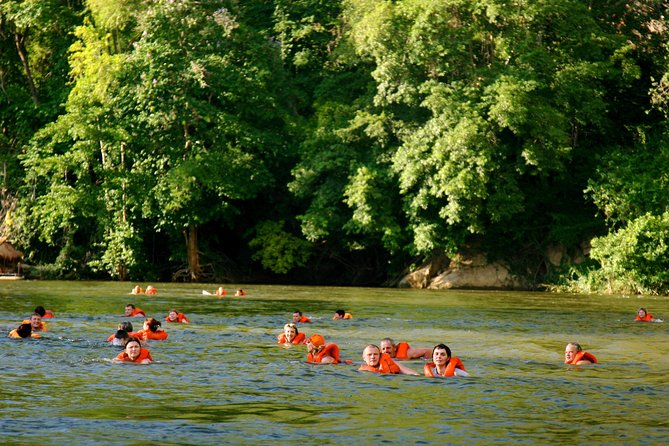
This is run with a maximum group size of 15 travelers, and it can operate as a private tour or shared seat-in-coach option. The small-group limit is one of the quieter advantages. It tends to make it easier for guides to manage timing across several legs: car or mini-van, museum stops, long-tail boats, raft accommodation, and the train.
Still, don’t expect this to feel like a relaxed city stroll. The itinerary has multiple transfers. The tour information also warns about driving over uneven paths and off-road bumpy roads. That makes it a poor fit if you have limited mobility, neck or back problems, or if you’re pregnant.
Who this pace suits:
- You like clear structure and don’t want to solve transit problems
- You’re okay with early starts and long driving days
- You want a guided story, not just a list of stops
Who might struggle:
- Anyone who needs lots of stairs, tight boat transfers, and long travel days to be minimized
- People who need steady climate control and consistent electricity at night
Price and value: what $209 really buys you
At $209 per person for a 2-day tour, the value comes from the fact that a lot is bundled into one price. You’re getting:
- A 2-day guided experience with a professional English-speaking guide
- Hotel-style logistics replaced by floating raft accommodation for the overnight
- Transport by car or mini-van or coach with a professional driver
- Long-tail boat transfers as included in the program
- A traditional Mon dance performance at the raft base
- Train ticket over the Death Railway
- All entrance fees mentioned in the tour description
- Breakfast and lunch, plus snacks and drinks and/or refreshments during the day
The best way to judge value is to compare it to what it would cost to plan pieces yourself: guide time across multiple sites, correct sequencing, boat transfers, raft accommodation, and the train arrangement. Also, the guide context is not optional here. If you walk into Hellfire Pass without background, you might get a view. With background, you get meaning.
What’s slightly tricky is that not every comfort expectation matches hotel standards. The accommodation is simple, sometimes fan-only, often no electricity. If you need modern comforts, the bargain turns into a mismatch. But if you’re open to off-grid living for one night, the price starts to look fair.
Who should book this, and who should skip it
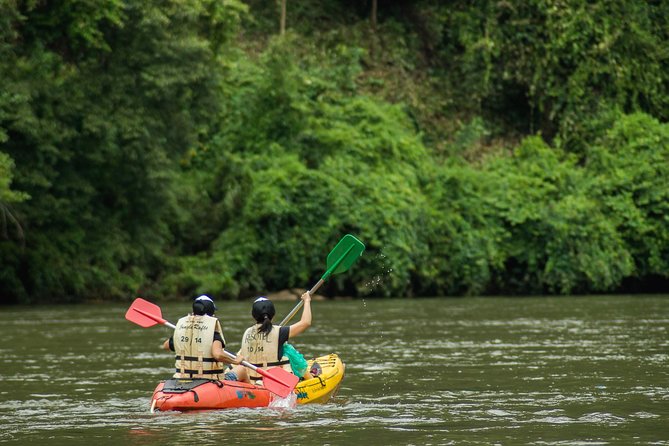
I’d put this tour at the top of your list if you want WWII history that feels grounded in real places, not staged. You’ll likely enjoy it if you’re the type who likes interpretive centres, memorial sites, and a guided narrative that explains why each stop matters.
You should also book if the raft overnight is a draw. The floating stay seems to be one of the most praised parts of the whole experience, with many accounts saying it exceeded the basic expectations and felt special.
Skip it if you want comfort and electricity at night
If you’re hoping for a sleek hotel room with power outlets and a cool shower whenever you want it, this won’t fit. The raft stay is part of the experience, and it comes with limited amenities.
Think twice if mobility or health limitations apply
Because there are uneven roads, off-road bumpy driving, and boat transfers, this is not a great match for people with limited mobility or significant back or neck issues. The tour info also flags pregnancy as a reason it may be unsuitable.
Should you book the River Kwai Jungle Rafts 2-day Kanchanaburi escape?
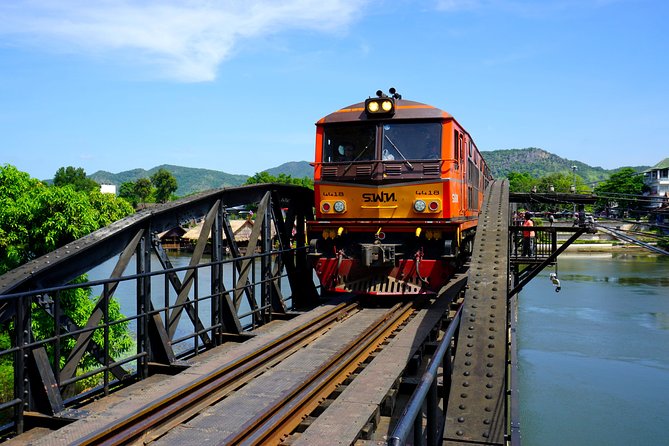
Yes, if you want a guided, all-in-one way to experience the Bridge over the River Kwai, Hellfire Pass, and the Death Railway with an overnight that actually puts you on the water. This works best when you’re okay trading hotel comfort for atmosphere.
Hold off or choose a different style of tour if you need electricity and modern amenities, or if you’re not comfortable with early starts and multiple transport legs that can involve steps and tricky boat boarding.
My quick decision rule: if you’re excited by the idea of learning WWII history in the exact places it unfolded, and you can handle basic off-grid lodging for one night, this is a strong book.
FAQ
What time does the tour start?
The start time is 6:00 am in Bangkok.
What’s included in the 2-day package price?
The tour includes a 2-day guided experience with an English-speaking guide, breakfast and lunch, snacks and drinks and/or refreshments, floating raft accommodation for the overnight, transport from Bangkok, long-tail boat transfers, a Mon dance performance, train ticket over the Death Railway, and entrance fees for listed stops.
Is there electricity on the jungle rafts?
Expect off-grid basic accommodation. The raft stay is described as having no electricity in multiple accounts, and the tour also notes limited amenities such as possible lack of Wi-Fi and warm water.
How does pickup work in Bangkok?
Pickup is offered within downtown Bangkok areas and at main hotels. Areas outside the central business district may require supplementary charges, and if you stay outside the supported pickup setup, you may be asked to meet at a nearby hotel.
What does the Death Railway part involve?
On Day 2, after checking out and traveling downstream by boat, you take a local train ride over the Death Railway on the actual tracks built by POWs.
What should I bring for the outdoor parts and water exposure?
Bring sunglasses, a hat or cap, and high SPF sunscreen. Also protect electronics from water, since water can damage devices and the tour advises wrapping and protecting your own equipment.
Is this tour suitable for people with mobility or health issues?
The tour information says it involves driving over uneven paths and off-road bumpy roads, so it is unsuitable for pregnant women, people with neck and back problems, and those with limited mobility.
What else made it into the Thailand notebook
The Death Railway and the war cemeteries, continued
What else made it into the Bangkok notebook
- Mahanakhon SkyWalk Entry Ticket
★ 4.3 · 20 reviews - Bangkok: Nimitr Rooftop by 137 Pillars
★ 4.8 · 20 reviews - Bangkok: Cook authentic Thai food with Smart Cook
★ 5.0 · 20 reviews - Bangkok: Travstore Original Bangkok Discovery Tour
★ 4.5 · 20 reviews - Bangkok: Chao Phraya Princess Dinner Cruise & Hotel Transfer
★ 4.2 · 20 reviews - 1 Hr Private Bangkok Canal Boat Tour: Traditional Flat Boat
★ 4.5 · 20 reviews
Kanchanaburi and the Death Railway, compared.
 ★ 4.5Erawan Park & Kanchanaburi Small-Group TourFrom $591,582 reviews
 ★ 4.6Historical Day Tour to River KwaiFrom $51868 reviews
 ★ 4.5Bridge on the River Kwai and Thailand-Burma Railway TourFrom $108658 reviews
 ★ 4.5Erawan Waterfalls and Bridge Over River Kwai Tour from BangkokFrom $56372 reviews
 ★ 4.5Bridge on the River Kwai and Thailand-Burma Railway Guided TourFrom $94353 reviews
 ★ 5.0Erawan Waterfall and Elephant Care: Private Tour to KanchanaburFrom $227339 reviews
 ★ 5.0Kanchanaburi Full Day Tour: River Kwai and Erawan FallsFrom $87327 reviews
 ★ 4.0Floating Markets and Bridge on River Kwai Tour from BangkokFrom $85253 reviews
Browse the lists this tour appears in