
REVIEW · ELEPHANT SANCTUARY VISITS
Phuket: Half Day or 2-Hour Ethical Elephant Care Sanctuary
Elephants deserve calm, respectful care. This Phuket tour gives you hands-on elephant interaction plus real education about behavior, not a quick photo stop. I especially loved the guides who keep things upbeat while explaining how the elephants live and what they need, and I liked that the half-day option includes the mud spa and bathing in a structured, welfare-first way. One thing to plan for, the shared pickup can stretch the day, so build in buffer time.
This is based at Nai Dee Elephant Care Park, Phuket’s ecological elephant sanctuary spread over more than 100,000 square meters of natural habitat. You’ll also get Thai cooking class time and included meals (option A includes buffet meals), which makes the visit feel like more than just a single activity. For some people, the mess factor is real, so you will want the right gear and a willingness to get splashed.
You can choose a 2-hour feeding experience if you’re short on time, or go for the half-day feeding, bathing and mud spa experience for a longer, more hands-on day. The tour runs about 2 to 4 hours total, with English-speaking staff and round-trip transfers depending on your selection. If you’re pregnant, a wheelchair user, or traveling with a cruise schedule, you’ll want to double-check fit before you book.
In This Review
- Key takeaways before you go
- Nai Dee Elephant Care Park: ethical elephant care in real life
- Two program choices: 2-hour feeding vs half-day mud spa
- Hotel pickup and timing: shared transfers can add up
- Making elephant food: hands-on prep that teaches behavior
- Feeding the elephants: respectful interaction and safety basics
- Mud spa and elephant bathing in option A
- Thai cooking class and lunch: where the value really shows
- Photo shooting: turning a wet day into real keepsakes
- What to bring, what not to bring, and who should skip
- Price and value: is $36 fair for ethical elephant care?
- Who this Phuket elephant care experience suits best
- Should you book this ethical elephant care visit in Phuket?
- FAQ
- How long is the Phuket elephant care visit?
- What are the differences between the 2-hour and half-day options?
- Does the tour include meals and Thai cooking?
- Is hotel pickup included, and where does it pick you up from?
- What should I bring for the elephant bathing and mud spa?
- Is the park experience suitable for everyone?
Key takeaways before you go
- Two program lengths, same sanctuary focus: a 2-hour feeding option or a longer half-day that adds bathing and mud spa.
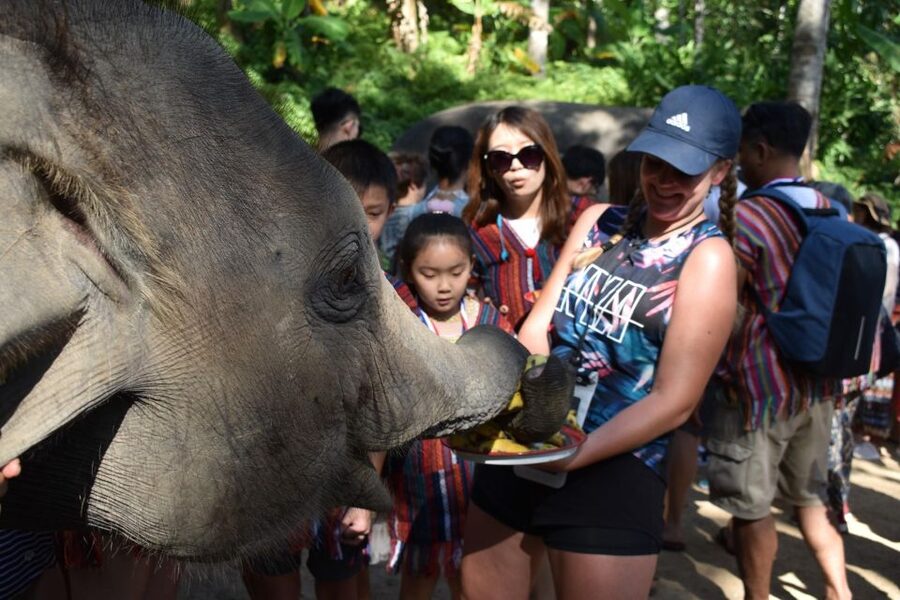
- You help prepare food first: you’ll make or prep treats and feed elephants by hand with guidance.
- Guides turn the day into a story: many participants highlight funny, engaging English guidance that keeps everyone involved.
- Photos are part of the value: photo shooting is included, and people report getting a downloadable link after the visit.
- Weather and splash are part of the deal: bring a change of clothes and expect to get wet, especially in option A.
- Shared transfers take time: pickup is group-based and starts from the first pickup point, so plan for a longer total door-to-door experience.
Thai sanctuary visits got read closely, riding-free
- Phuket: Elephant Experience with Lunch or Dinner and Pickup★ 4.7 · 1,387 reviews
- Phuket: Bukit Elephant Park Sanctuary Walk and Feed Tour★ 4.9 · 926 reviews
- Phuket: Half Day or 2-Hour Ethical Elephant Care Sanctuary★ 4.5 · 481 reviews
- Phuket: Elephant Nature Reserve Entry Ticket and Guided Tour★ 4.9 · 223 reviews
Nai Dee Elephant Care Park: ethical elephant care in real life
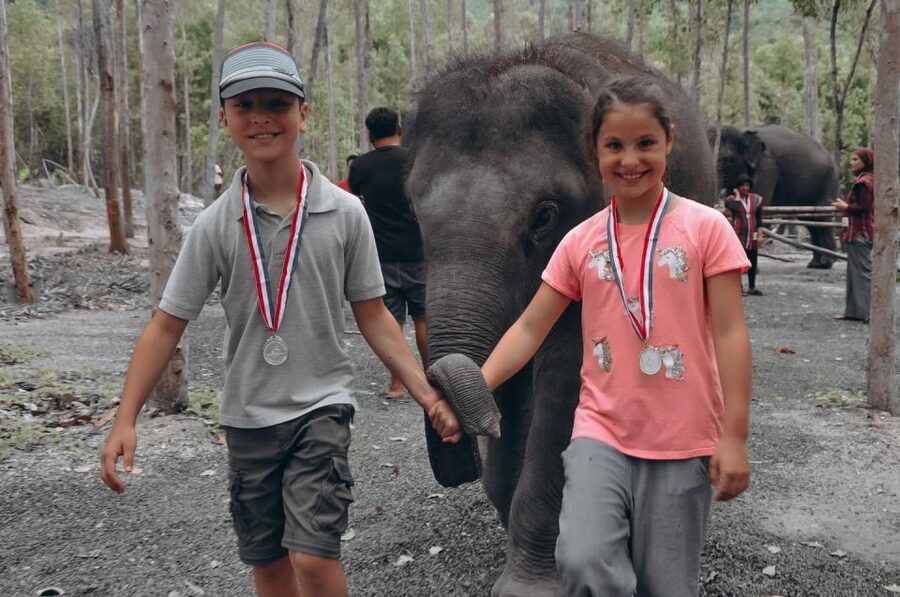
Nai Dee Elephant Care Park is built around the idea that responsible interaction is about rhythm and respect, not performance. In practice, that means your time centers on feeding and, for option A, bathing and a mud spa session, with staff guiding you through what to do and how to behave around the elephants.
I like that the experience is educational in tone, not just scenic. Even with a short session, you get explanations about elephant lives and behavior while you’re actually doing the care activity. That’s a big difference from the kind of wildlife outing where you stand back, take a picture, and move on with no context.
The setting also matters for the vibe. You’re in a large natural area (more than 100,000 square meters), and that scale helps the encounter feel less crowded and more like you are visiting an environment built for welfare.
Two program choices: 2-hour feeding vs half-day mud spa
You have two clear options, and the best one depends on how much messy fun you want and how much time you can spare.
Option B: 2-hour Elephant Feeding Experience
This is the fast, focused plan. After hotel pickup, you prepare food and feed the elephants by hand. The program includes a light lunch, and you head back to your hotel afterward. This is ideal if you want to meet the elephants and still keep the rest of your Phuket day free.
Option A: Half-Day Feeding, Bathing and Mud Spa Experience
This is the fuller experience. You start with hotel pickup, then move into feeding and hands-on care learning. Next comes the mud spa and bathing with the elephants, which is the highlight for many people because it turns the visit from hands-on feeding into a full sensory day. You also wrap up with buffet meals and return to your hotel around the scheduled time for the session.
If you’re deciding between them, think like this: option B is about connection through feeding, option A adds the bonding through bathing and mud play. Both fit an ethical, welfare-focused style, but option A is simply more immersive because it includes more activities.
Hotel pickup and timing: shared transfers can add up
The schedule looks simple on paper, but the shared transfer system can change your day. The tour is a shared transfer, starting from the first pickup point either 07:30 or 12:30, and the operator confirms your exact pickup time again.
What that means for you: door-to-door time might be longer than the activity duration. One person noted it took about 2 hours to get there due to multiple pickup stops, while the return got faster with fewer pickups. You don’t need to panic, but you should expect some waiting, especially on busy roads.
Two more logistics notes to keep in mind:
- If you stay on Coconut Island, the pickup service cannot access the island. You’ll need to meet at the entrance of Laem Hin Seafood for your scheduled pickup.
- This activity may not be suitable for cruise ship passengers because of tender boat timing and potential waiting time.
For a smooth day, I’d plan a slower morning or afternoon around this booking and avoid scheduling your next tour immediately afterward.
Making elephant food: hands-on prep that teaches behavior
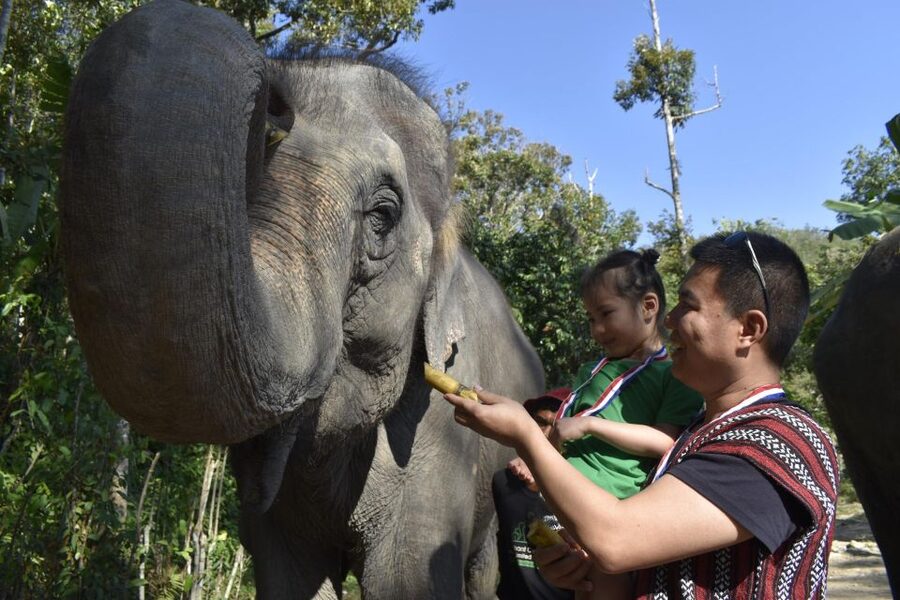
A key part of the experience is food preparation. You’re not just handed treats at the start. Before feeding, you’ll prepare healthy treats and learn about elephant care and diet as you do it.
This prep time is valuable because it gives you a role. You start understanding portioning, timing, and what the staff is watching for while you feed. It also helps you shift from spectator mode into participant mode, which makes the whole thing feel more meaningful.
For many people, feeding by hand is the moment they remember most. But you get there faster and with more confidence when you’ve already learned the basics during the food prep step. You’re less likely to fumble, and the interaction feels safer because you know what you’re doing and why.



Feeding the elephants: respectful interaction and safety basics
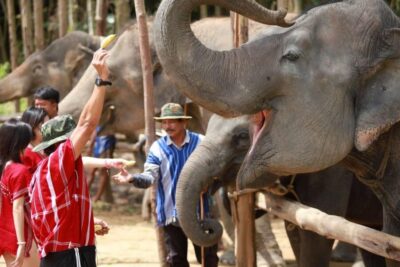
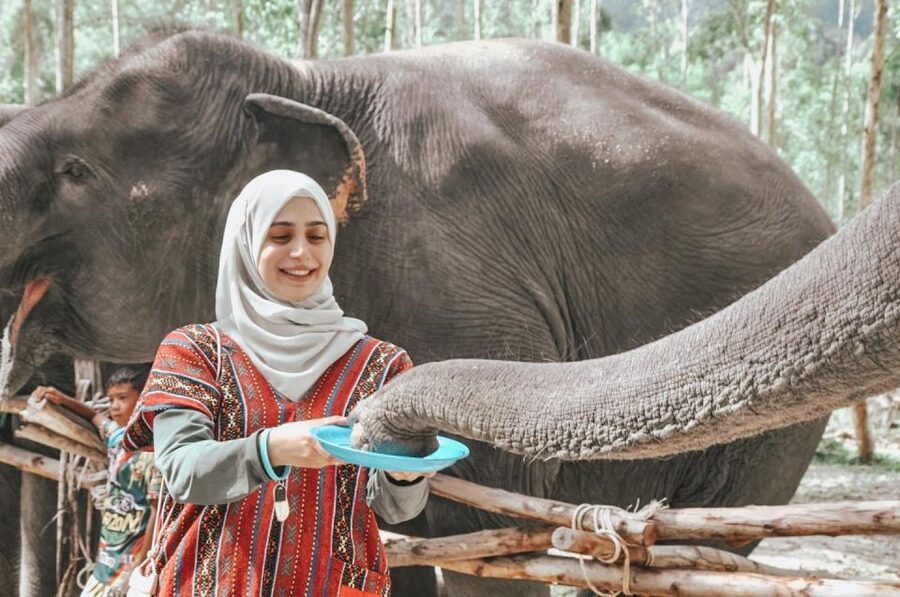
Feeding is the core of both options. You’ll feed the elephants by hand while English-speaking staff guide you through the rules and behavior expectations.
The best practical advice here is to follow the guide’s instructions closely, especially when elephants approach. Elephants can move quickly and gently at the same time, and you will want to be ready for that shift in space. Also, keep your body relaxed and avoid sudden actions. Staff are there to help you position safely.
A small but important health tip from real experiences: be careful about bath water. One participant got violently ill after accidentally swallowing elephant bathing water when an elephant sprayed them. It’s a reminder that even if the whole mud and water setup is friendly, you still need to protect your mouth and eyes during splash time, particularly for option A.
If you come in expecting a casual photo moment, you’ll enjoy it more if you treat it like an animal-care activity. You’re participating in their routines, not interrupting them for entertainment.
Mud spa and elephant bathing in option A
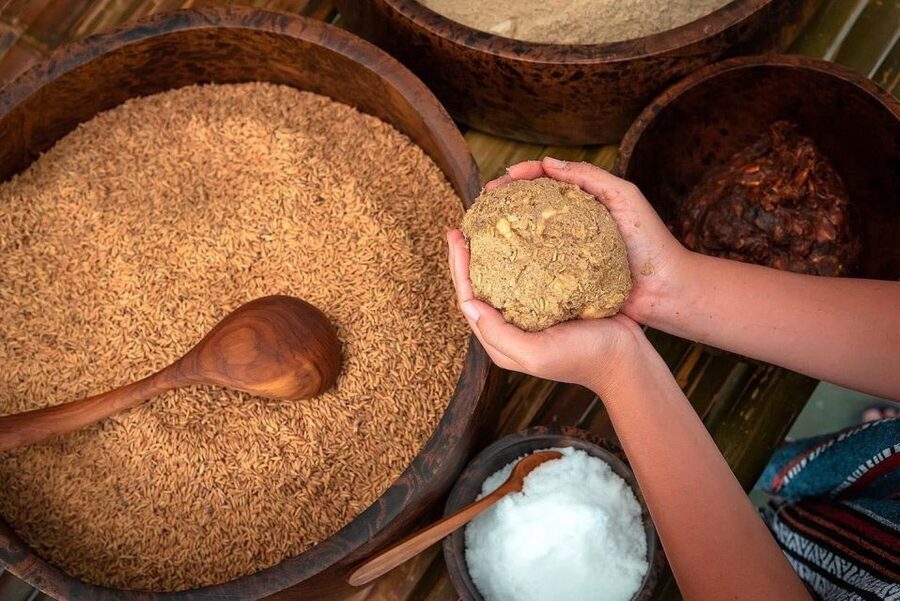
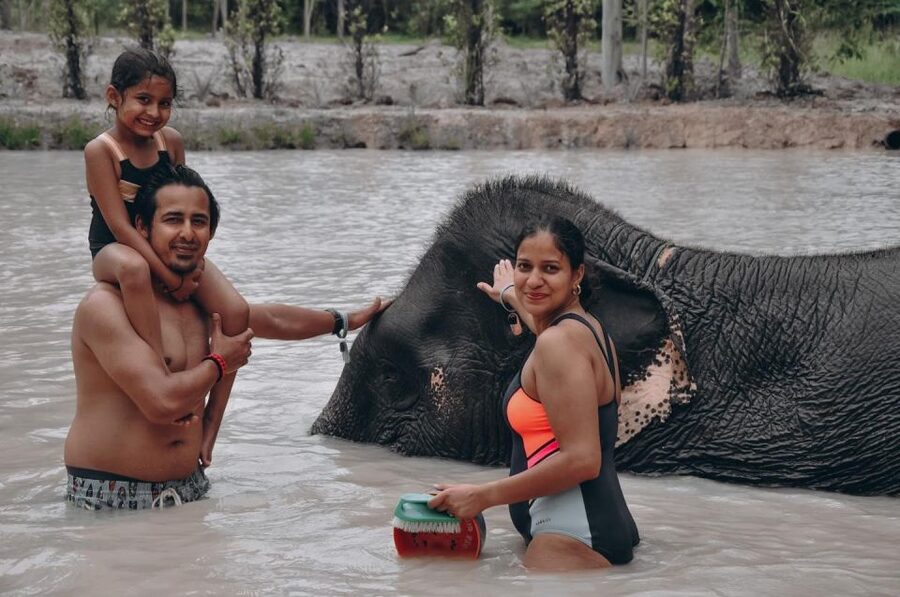
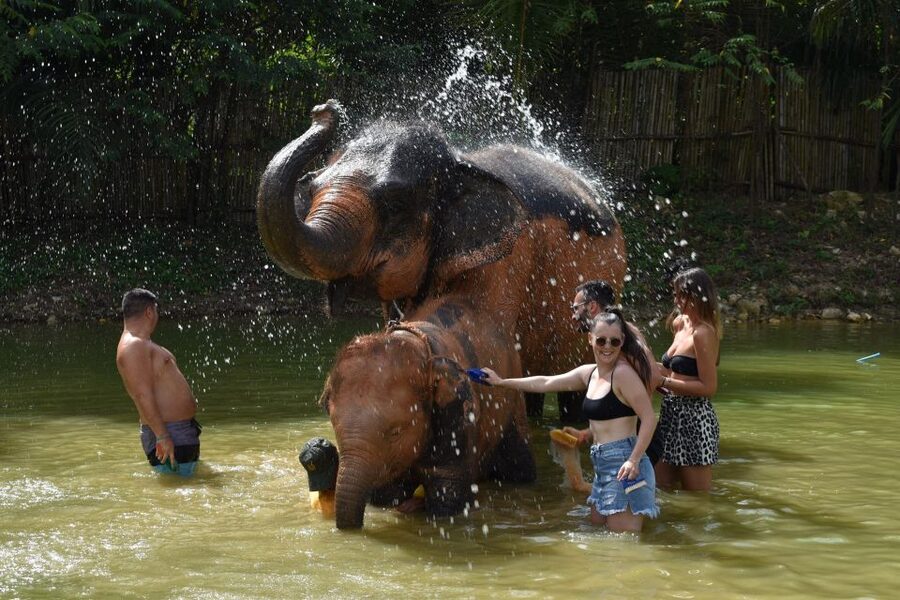
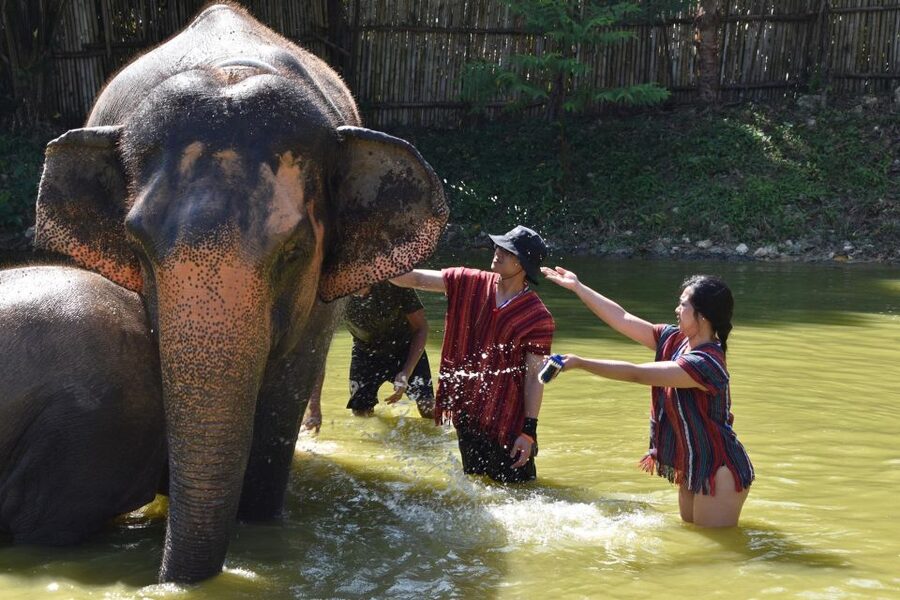
If you choose option A, the mud spa and bathing segment is where the day becomes more playful and more wet. Many participants call this the best part because it creates a genuine interaction that feels both joyful and calm, with guides managing the flow.
Expect a change in your role here. During feeding, you’re focused on food and proximity. During mud and bathing, you’re also involved in helping the elephants get comfortable and clean, while following staff safety guidance.
A practical expectation adjustment: bathing can look more like a pond or bathing area than the sweeping river you might imagine in Thailand. Don’t judge the spot by postcards. What matters is the elephant-friendly setup and how the experience is managed.
Also plan your wardrobe like a pro:
- Bring swimwear even if you think you won’t need it.
- Bring a towel and change of clothes.
- Consider extra underwear if you have it, because even with provided activity uniform in option A, you may want something fresh underneath during the messy moments.
Thai cooking class and lunch: where the value really shows
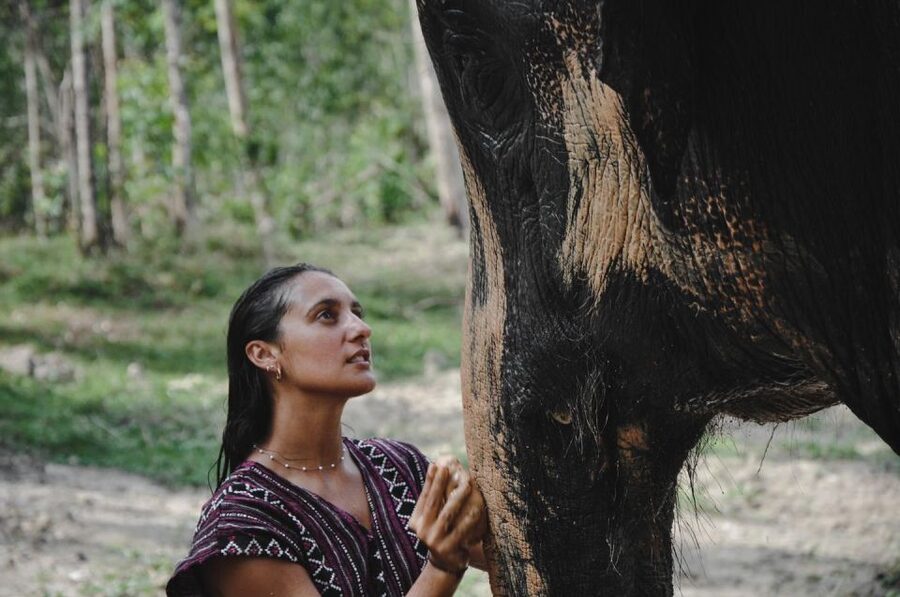
You’re not left hungry with a basic snack. Thai cooking class is included, and meals are part of the schedule. Option A includes buffet meals, and option B includes a light lunch.
The cooking component adds real value because it gives you a skill you can take home, not just a memory. Many participants specifically mention dishes like pad thai and papaya salad, and the overall vibe is upbeat and instructional, not formal.
One detail that stands out for practical travelers: if you have dietary needs, it can be worth mentioning ahead of time. In one case, a participant noted a separate portion was made for a peanut allergy. The tour data does not spell out allergy policy, so treat it as a reason to communicate early, not a guarantee.
For me, the best part of having food included is that it keeps the day from feeling chopped up. You spend time cooking, eating what you helped make (or what’s being prepared), then head back to the hotel without scrambling for lunch in the middle.
Photo shooting: turning a wet day into real keepsakes
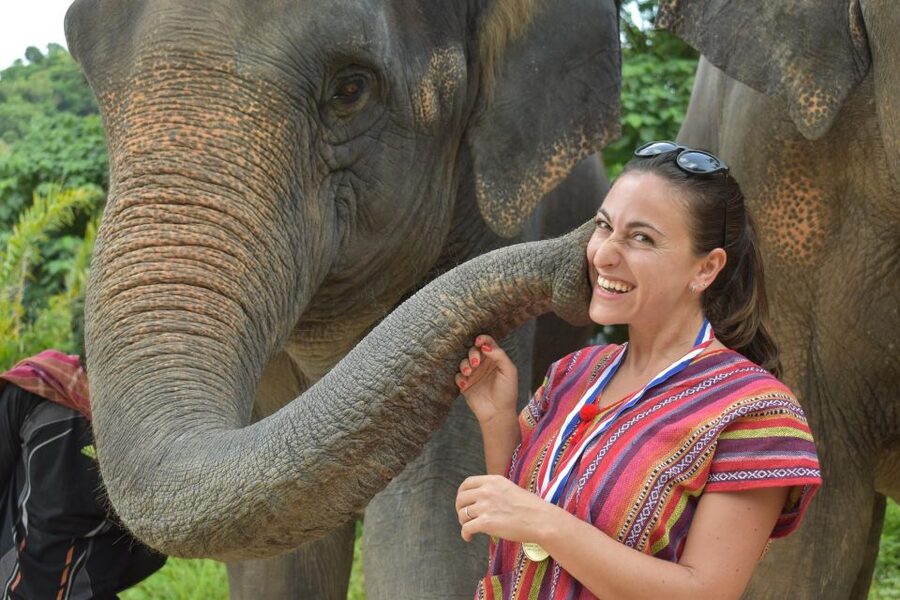
Photo shooting is included for all options, which matters because it reduces your mental load. You don’t have to ask strangers to take pictures, and you get more consistent results across the group.
Multiple experiences point to professional photos being provided after the visit, often via a link. That’s a big plus if you’re traveling with family or want more than a shaky phone selfie while elephants are right in front of you.
One practical suggestion: keep your phone ready for a quick snap during clean moments, but during the mud and bathing phase, treat it like a hazard. Put it away when staff instruct you to, so you don’t risk damage or, worse, focusing on your camera at the wrong time.
What to bring, what not to bring, and who should skip
The tour gives a clear packing list, and you’ll be glad you followed it:
- Hat
- Swimwear
- Change of clothes
- Towel
- Sunscreen
Not allowed: pets.
Also note who may want to choose something else. The program is not suitable for:
- Pregnant women
- Wheelchair users
If any of those apply, look for another wildlife experience that matches your needs better. This is an active, wet, hands-on setting.
Finally, Coconut Island pickup can be a surprise. If you are staying there, you will need to meet at the entrance of Laem Hin Seafood, because the pickup cannot access the island. I’d confirm the meeting point early so you don’t lose time searching on arrival day.
Price and value: is $36 fair for ethical elephant care?
At $36 per person, the pricing can feel like a deal or a gamble depending on what you’re comparing it to. Here’s why it looks like strong value based on what you get.
You’re paying for:
- Admission to the elephant care park
- English-speaking staff
- Round-trip transfers from your hotel (depending on your selection)
- Insurance provided by the operator
- A Thai cooking class
- Photo shooting
- And depending on option, elephant bathing and mud spa plus buffet meals and an activity uniform
That package matters because it turns the cost into multiple parts. Many Phuket “only elephants” activities charge separately for transfers, guidance, photos, and meals. In this program, those extras are bundled, which keeps the overall experience smoother.
Option A is usually the best value if you can spare the time. You get more than feeding because you also get the mud spa and bathing, plus the heavier meal setup. Option B is a solid choice if you just want the elephant interaction and feeding without adding the extra water activities.
The one cost consideration is time. Shared transfers can stretch your day, so if you have tight plans, option B often feels easier to fit. If you want the full experience and don’t mind being out for a longer chunk of the afternoon, option A is the way to go.
Who this Phuket elephant care experience suits best
This is a great fit if you want an ethical elephant encounter that feels active and educational. You’ll likely enjoy it most if you:
- Like hands-on learning and don’t mind getting wet
- Want an elephant experience that centers on care activities like feeding and bathing
- Prefer a guided day with English explanations and included meals
- Are traveling as a family, since multiple participants mention kids having a great time
If you’re looking for a quiet, luxury-style day with minimal contact and no mess, you might find the mud and bathing portion too intense. But if you want a memorable, practical experience, this park setup is built for that.
Should you book this ethical elephant care visit in Phuket?
Yes, you should book it if you want a structured, welfare-focused elephant outing where you participate in care rather than just watch. The combination of feeding, optional bathing and mud spa, plus Thai cooking class and included photo shooting makes it feel like more than a one-note attraction.
Book option B if you’re short on time, want the feeding experience, and would rather spend the rest of your Phuket day on your own. Book option A if you want the full package, including mud spa and bathing, and you’re comfortable with getting splashed and following staff safety instructions.
If you are pregnant, use a wheelchair, or have a cruise schedule with tender boat constraints, skip this one and look for an alternative that fits your situation better.
FAQ
How long is the Phuket elephant care visit?
The experience runs about 2 to 4 hours total, depending on which option you choose.
What are the differences between the 2-hour and half-day options?
The 2-hour option focuses on preparing food and feeding the elephants by hand, and it does not include bathing or mud spa. The half-day option includes feeding plus elephant bathing and a mud spa experience.
Does the tour include meals and Thai cooking?
Yes. Thai cooking class is included. Option A includes buffet meals, while option B includes a light lunch.
Is hotel pickup included, and where does it pick you up from?
Round-trip transfers are included depending on your selected option. The pickup is a shared transfer, and it starts from the first pickup point at either 07:30 or 12:30. For Coconut Island stays, pickup cannot access the island, and you must meet at the entrance of Laem Hin Seafood.
What should I bring for the elephant bathing and mud spa?
Bring a hat, swimwear, a change of clothes, a towel, and sunscreen.
Is the park experience suitable for everyone?
No. It is not suitable for pregnant women or wheelchair users, and pets are not allowed.
What else made it into the Thailand notebook
Sanctuary visits, and how the elephants are actually kept
What else made it into the Phuket City notebook
- Phuket: Rainforest Eco Zipline Expedition
★ 4.8 · 21 reviews - Phuket: Jungle Xtrem Adventures and Zipline Park
★ 4.7 · 27 reviews - Phuket City Tour – Old Town, Local Food, Temple & Viewpoint
★ 3.9 · 30 reviews - Phuket: Big Buddha View Wat Chalong, Old Town Guided Tour
★ 3.6 · 38 reviews - Phuket City Tour & Scenic Viewpoints / Night Market
★ 4.0 · 43 reviews - Phuket: Half-Day Viewpoint, Big Buddha and Wat Chalong Tour
★ 4.0 · 45 reviews
Elephant Sanctuary Visits, compared.
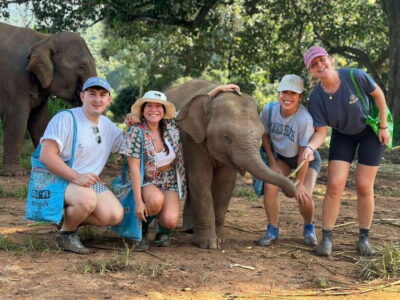 ★ 4.9Elephant Sanctuary, Waterfall & Bamboo RaftingFrom $609,160 reviews
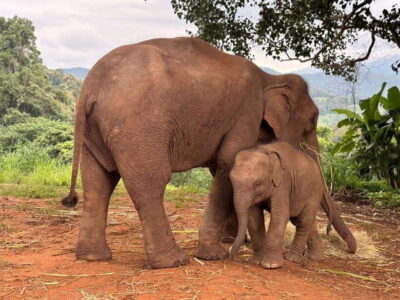 ★ 4.9Elephant Sanctuary & Waterfall Group TourFrom $505,780 reviews
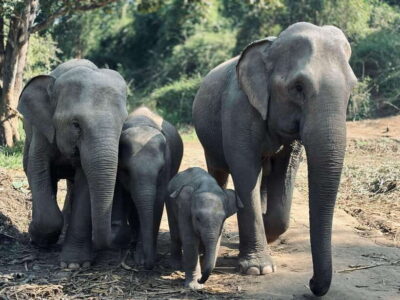 ★ 4.8Elephant Sanctuary Feeding Program Half-Day TourFrom $274,527 reviews
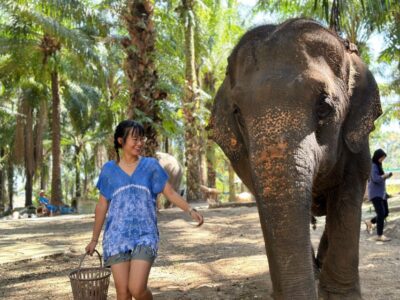 ★ 4.9Elephant Bathing Session at Krabi Elephant ShelterFrom $482,021 reviews
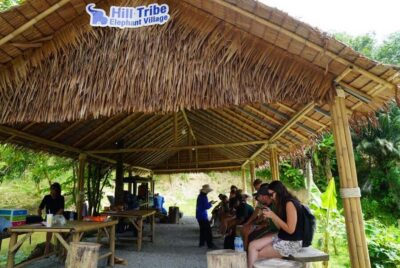 ★ 4.8Elephant Sanctuary Guided Tour with Hotel TransfersFrom $412,020 reviews
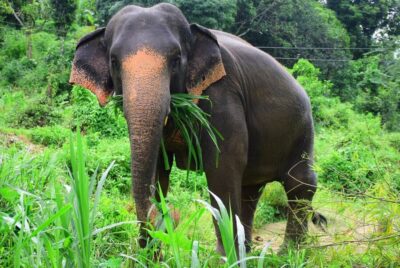 ★ 4.8Elephant Care Program and Nursery TourFrom $531,899 reviews
 ★ 5.0A Morning with the Elephants at Phuket Elephant SanctuaryFrom $971,693 reviews
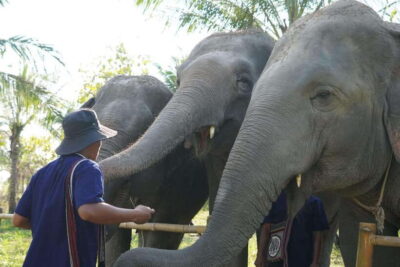 ★ 4.8Living Green Elephant Sanctuary Day TripFrom $571,541 reviews
Browse the lists this tour appears in