
REVIEW · ELEPHANT SANCTUARY VISITS
Phuket Elephant Nature Reserve Ethical Sanctuary
A great elephant trip is rare, not staged. At Phuket Elephant Nature Reserve, you get close views while the elephants live the way they want, with no riding or bathing. I like that the whole focus stays on wellbeing, plus you do real hands-on help like making vitamin balls. One heads-up: it’s mostly outdoors, and it can get very hot and humid.
What really makes this half-day feel worth it is the combo of elephant time plus education. You’ll watch the elephants move through jungle areas and watering spots, then join the mahouts in preparing elephant food in a hands-off way.
The Thai food part is the other big win. You’ll follow a cooking class demo and then eat what you cook, so the visit doesn’t feel like a quick look-and-leave. The only drawback to plan for is that the reserve is in the heat, so bring sun protection and wear shoes you can stand in.
In This Review
- Key things to know before you go
- Ethical Elephant Nature Reserve, Not a Show
- How the 3.5-hour flow works on site
- Stop 1: Briefing, food prep, and jungle watering-hole watching
- Making vitamin balls with the mahouts
- The dung recycling center: why it’s part of ethical care
- Thai cooking demo and lunch you can actually enjoy
- Price and value at about $39.11 per person
- What to bring, and what to expect in Phuket heat
- Who will love this and who might pass
- Should you book Phuket Elephant Nature Reserve?
- FAQ
- How long is the Phuket Elephant Nature Reserve half-day experience?
- How much does it cost?
- What is included in the half-day program?
- Is lunch included?
- Do I get to touch or bathe the elephants?
- Will I feed the elephants by hand?
- What do I do with the mahouts during the tour?
- What happens at the dung recycling center?
- Is transport included?
- Do I get water during the tour?
- Are service animals allowed?
- What is the cancellation policy?
Key things to know before you go
- Hands-off elephant encounters: No touching, no bathing, no hand feeding, but you still get a close-up view.
- Vitamin balls with the mahouts: You prepare snacks to support daily care, then watch the elephants at their watering areas.
- Dung recycling center visit: You’ll learn how the sanctuary handles elephant waste as part of its care system.
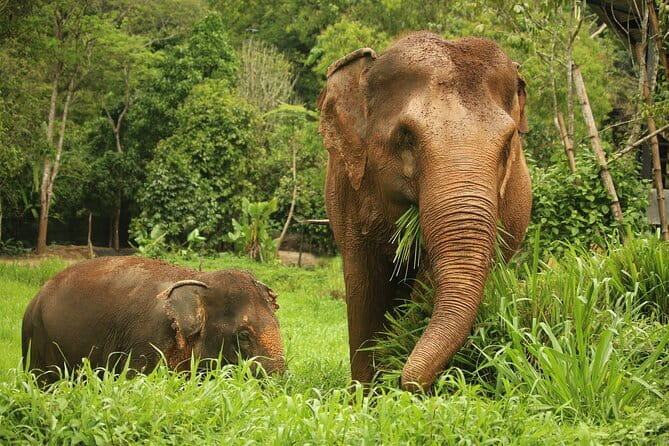
- Jungle observation time: Watch elephants roam freely through natural ponds and features.
- Thai cooking lunch included: A cooking demonstration plus a meal you actually make and eat.
- Small, focused experience: Many people say the shorter format is easier in Phuket heat than longer elephant tours.
Thai sanctuary visits got read closely, riding-free
- Phuket: Elephant Jungle Sanctuary Ethical Feeding Experience★ 4.8 · 4,359 reviews
- A Morning with the Elephants at Phuket Elephant Sanctuary★ 5.0 · 1,693 reviews
- From Phuket: Elephant Jungle Sanctuary Feed and Shower Trip★ 4.8 · 1,056 reviews
- Phuket:Beach walk with elephants, rain & care. 2.5 hours★ 4.9 · 969 reviews
Ethical Elephant Nature Reserve, Not a Show
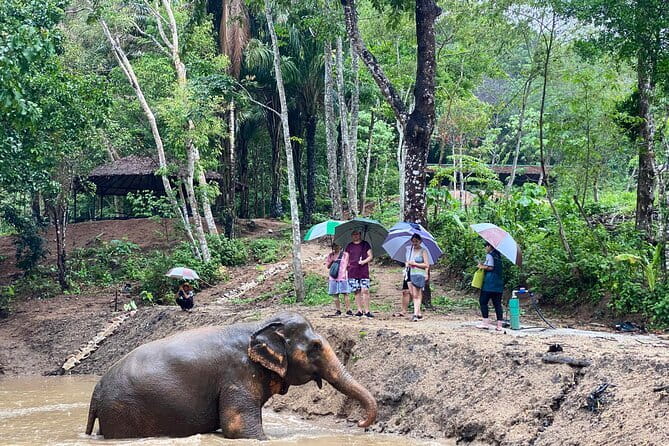
Phuket Elephant Nature Reserve is built around one simple idea: elephants should not perform for visitors. Instead of riding or bathing, you observe and photograph them as they go about their day, with handlers (mahouts) guiding care. You do not get the usual tourist interactions. That’s a good thing. It also keeps your time feeling calmer, less like a theme park.
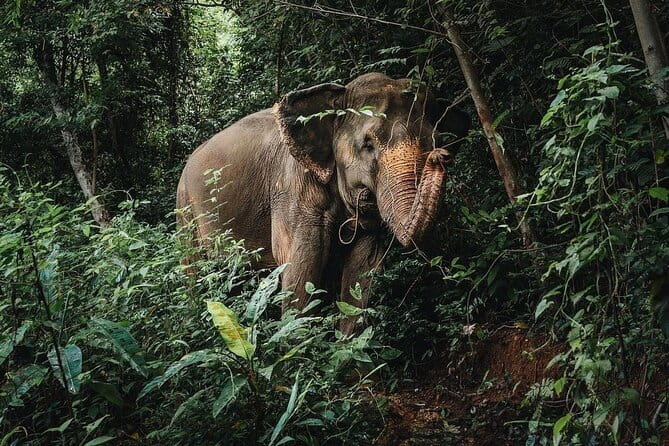
Even though there’s no touching or hand feeding, you still get that rare feeling of seeing elephants at their own speed. The elephants roam at the reserve, and you watch them approach natural water areas when they want. In the reviews, people repeatedly highlight how the elephants look well cared for, not pressured. The site also stresses ethics, and it’s the kind of place where you learn what’s wrong with the ride-and-bath model before you ever see anything up close.
One other reason I think this works well in Phuket: it avoids the long, sweaty endurance test that some longer elephant tours turn into. This is a half-day program, and people often say the shorter visit is the right amount of time. You still get plenty to see, plus extra learning built in.
How the 3.5-hour flow works on site
This is listed as about 3 hours 30 minutes, which makes it a true half-day even if you start thinking it will stretch. The schedule is straightforward, and it moves in a logical order: briefing, elephant care prep, observation time, then learning stops, and finally Thai cooking and lunch.
Here’s the rhythm you can expect:
- You start with a briefing and introduction so you understand what is and is not allowed.
- Then you move into elephant-care activities, including preparing food with the mahouts and watching elephants in the jungle and around natural water ponds.
- Next comes the education portion at the dung recycling center.
- Then you make vitamin balls.
- After the elephant portion, you shift to Thai cooking, including a cooking class demo and your Thai lunch.
That structure matters. It’s not just photos and walking. You get context for each moment, so you can tell the difference between an ethical sanctuary model and the older “entertainment” model that many people grew up assuming was normal.
Stop 1: Briefing, food prep, and jungle watering-hole watching
Your first real moment happens at the reserve itself. You’ll get a briefing that sets expectations clearly: no touching, no bathing, no hand feeding. That can feel strict at first, especially if you came wanting a fully interactive encounter. But once you’re there, you usually realize it’s what makes the experience humane while still being rewarding.
From there, you’ll help prepare elephant food with the mahouts. The sanctuary runs a hands-off approach, so you are part of the process without putting your hands on the animals. This is a subtle but important difference from many elephant experiences. It means the focus stays on care and routine, not “perform for me” interaction.
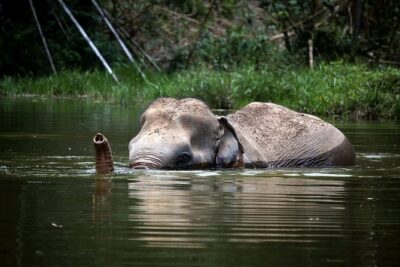
Then you move into observation time. The reserve includes areas where elephants gather near natural water ponds and features, so you can watch normal behavior like walking, stopping to drink, and moving through the area at their own pace. People often mention taking photos, and the watering-hole moments are usually where you’ll get the most satisfying shots because the elephants naturally pause.
A small practical note: because you’re observing outdoors, you’ll want to manage your comfort. The reviews repeatedly mention heat and humidity, and multiple people say the shorter time helps. If you’re booking from the afternoon, plan your energy carefully. Early is often kinder.
Making vitamin balls with the mahouts
The vitamin balls are one of the most praised parts of the experience, and it’s easy to see why. You’re not just walking past elephants. You’re participating in daily care support in a way that matches the sanctuary’s rules.
You’ll prepare the vitamin balls and then watch the feeding process from a hands-off position. The mahouts coordinate, and you’re part of the caring workflow. In reviews, people describe this as a meaningful activity because it turns your visit into something practical, not just viewing.
I like this because it feels educational and grounded. You can connect what you’re learning about ethics and wellbeing to what’s actually happening: elephants get appropriate foods, handled through trained staff. It’s not a “tour souvenir” moment. It’s a care-support moment.
And if you’re worried it will feel too hands-off, don’t. Several reviews specifically say they were able to interact with multiple elephants without touching or bathing, and that the encounter still felt close and personal. You’re present in their space, just with the right boundaries.
Thai park days also got a going over


The dung recycling center: why it’s part of ethical care

One stop that people often remember is the elephant dung recycling center. This isn’t just a quirky photo stop. The point is to show how the sanctuary handles waste responsibly, and how the place is managed as a care facility rather than an attraction.
In practical terms, it helps you understand that a sanctuary has real operations: feeding, health routines, cleanup, and waste handling. Seeing the dung recycling process makes the whole visit feel more serious. You’re not only learning animal behavior. You’re learning how an ethical operation runs.
This also ties back to the ethics talk you get on site. Multiple reviews mention education about why bathing and riding elephants is cruel, and why ethical sanctuaries keep distance and reduce stress. Even without getting into graphic detail, the message is consistent: if the animals’ wellbeing is the priority, then the rules around interaction make sense.
Thai cooking demo and lunch you can actually enjoy

The Thai cooking portion is included for half-day programs, and it’s not just a passive demo. You’ll get a cooking class demo and then have Thai lunch. Many people say the food is very nice, and that making lunch as part of the day makes it feel more complete.
Timing varies by departure, but the experience is structured so cooking fits neatly around the elephant activities. In reviews, some visitors describe starting with cooking and then eating what they learned. That means you get a proper meal at a point when you’re probably ready for a break from the heat.
What I find smart here is value. If you just booked an elephant viewing tour, you might end up scrambling for food later. This way, lunch is already handled and included, and it gives your day a cultural anchor beyond animals.
Price and value at about $39.11 per person
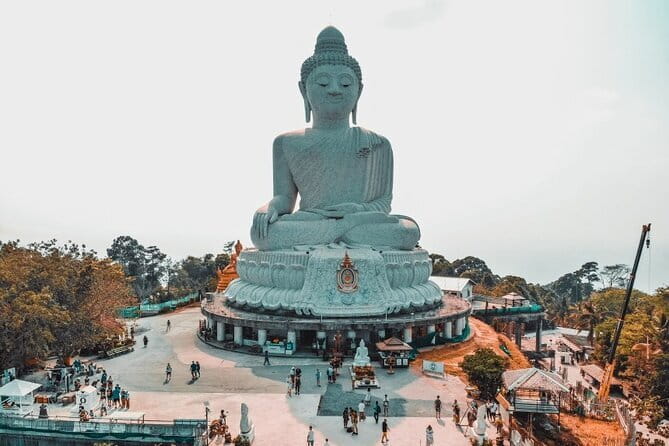
At about $39.11 per person, the big question is: what do you get for the money? In this case, you’re paying for a well-run half-day program that includes several things most standalone experiences charge extra for.
Included items add up:
- A Thai cooking class demo and Thai lunch
- Elephant jungle observation with a guide
- Elephant food preparation with a hands-off approach
- Making vitamin balls
- A stop at the dung recycling center
- Water, plus insurance
- Experience guide, and admission ticket is included for the half-day program
Not included is also clearly listed: transport is not included, and basic comfort items like comfortable shoes and sun protection aren’t provided. If you’re traveling without a driver, you’ll need to sort your own way to the meeting area. On the plus side, the reserve is noted as being near public transportation.
So, is it good value? I’d say yes, especially if you care about ethical elephant treatment and want more than a quick photo stop. You’re getting education plus participation, and lunch is part of the package.
Also, a lot of people mention that the shorter format is the key to enjoying it in Phuket heat. If you’ve ever done a longer elephant tour and felt stuck in the sun, this half-day approach is a real advantage.
What to bring, and what to expect in Phuket heat
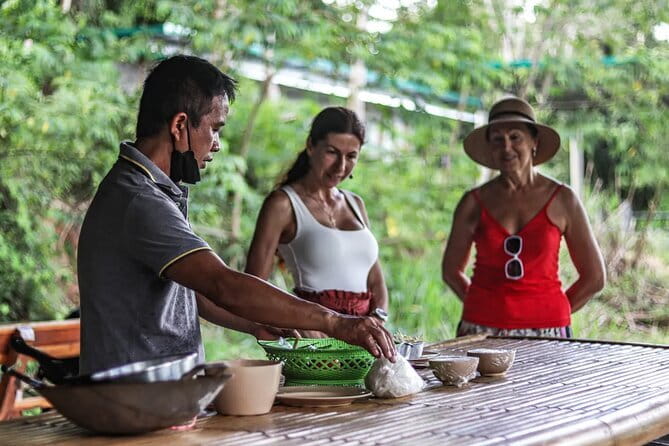
Since a big portion of the time is outdoors, your comfort choices matter. Here’s what I’d prioritize:
- Comfortable shoes you can stand and walk in
- A hat and sunglasses for sun coverage (these are not included)
- Your own water bottle is not included, but the tour provides water and refill opportunities, so plan to refill
The reservation rules are also part of your expectations. You will not touch, bathe, or hand feed elephants. You’ll see elephants close up in an ethical way, but you won’t get the physical interaction some elephant shows advertise.
If you go in expecting a hands-off sanctuary, you’ll enjoy it more. The reward is watching elephants roam freely, at watering points, while learning how an ethical sanctuary works behind the scenes.
As for who it suits, it’s a strong fit for:
- Families who want an animal encounter with clear ethics education
- Travelers who want photo opportunities without riding or bathing
- Anyone who prefers a shorter, heat-friendly schedule
Who will love this and who might pass
You’ll probably love this if:
- You want an elephant experience that prioritizes wellbeing
- You want to help with care tasks like vitamin balls, not just watch
- You’re happy with boundaries like no touching and no bathing
- Thai cooking plus lunch sounds like a good use of half a day
You might pass if:
- You came specifically for bathing or riding, because those are not part of the program
- You strongly dislike outdoor heat and sun. You can manage it, but the reserve is open-air and active
Should you book Phuket Elephant Nature Reserve?
If you want an ethical elephant encounter that combines real observation, practical elephant-care participation, and Thai lunch, I think this is a smart booking. The value is helped by what’s included, and the ethical model is clear: no touching, bathing, or hand feeding.
My final check before booking is simple: confirm you’re comfortable with a hands-off experience. Once you’re on board with that, you’ll likely come away feeling like you supported an operation that cares for rescued elephants, and you’ll leave with more than just photos. You’ll also leave with concrete understanding about what responsible elephant care looks like, plus a meal you don’t have to hunt down afterward.
FAQ
How long is the Phuket Elephant Nature Reserve half-day experience?
The experience runs for approximately 3 hours 30 minutes.
How much does it cost?
It is priced at $39.11 per person.
What is included in the half-day program?
The half-day program includes a Thai cooking class demo and Thai lunch, elephant jungle nature observation, hands-off elephant feeding, vitamin ball preparation, and a dung recycling center visit. It also includes water, an experience tour guide, and insurance.
Is lunch included?
Yes. A Thai cooking class demo plus Thai lunch is included.
Do I get to touch or bathe the elephants?
No. The experience does not permit touching, bathing, or hand feeding.
Will I feed the elephants by hand?
No. The program uses a hands-off approach, and the mahouts handle the care process while you participate in activities like preparing food and vitamin balls.
What do I do with the mahouts during the tour?
You prepare elephant food and help make vitamin balls as part of the sanctuary’s hands-off care approach.
What happens at the dung recycling center?
You’ll visit the elephant dung recycling center and learn about how the sanctuary recycles elephant dung as part of its care system.
Is transport included?
No. Transport is not included.
Do I get water during the tour?
Yes. Water is included, and there is a refill station.
Are service animals allowed?
Yes, service animals are allowed.
What is the cancellation policy?
Free cancellation is available. You can cancel up to 24 hours in advance of the experience for a full refund.
Thai national park days, continued
What else made it into the Thailand notebook
Sanctuary visits, and how the elephants are actually kept
What else made it into the Phuket notebook
- Phuket Adventure with White Water Rafting, Monkey cave and Zip Line+Optional ATV
★ 3.0 · 20 reviews - Phi Phi Islands Speedboat Full-Day Tour from Phuket+ Buffet Lunch
★ 4.5 · 20 reviews - Phang Nga Bay Starlight by John Gray Sea Canoe
★ 5.0 · 20 reviews - Private Muay Thai Workshop at Phuket King Gym
★ 5.0 · 20 reviews - Phi Phi , Maya Bay & Khai Island snorkeling trip by Speed Boat
★ 4.0 · 20 reviews - 150 Minutes Phuket Coco Mojito Massage
★ 5.0 · 20 reviews
Elephant Sanctuary Visits, compared.
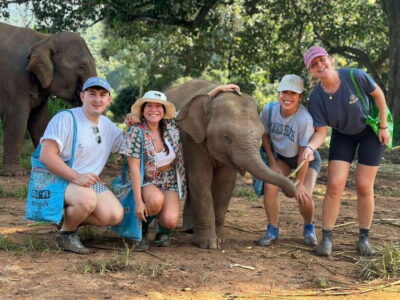 ★ 4.9Elephant Sanctuary, Waterfall & Bamboo RaftingFrom $609,160 reviews
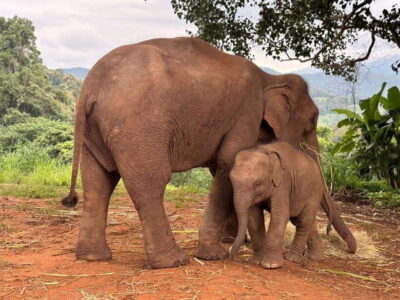 ★ 4.9Elephant Sanctuary & Waterfall Group TourFrom $505,780 reviews
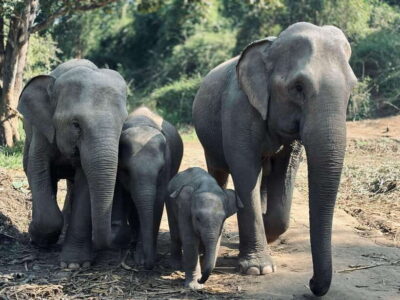 ★ 4.8Elephant Sanctuary Feeding Program Half-Day TourFrom $274,527 reviews
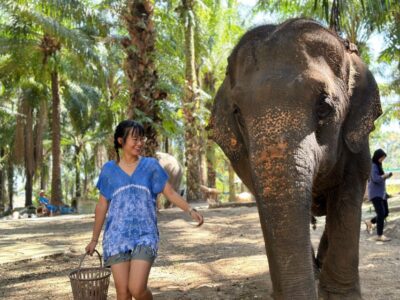 ★ 4.9Elephant Bathing Session at Krabi Elephant ShelterFrom $482,021 reviews
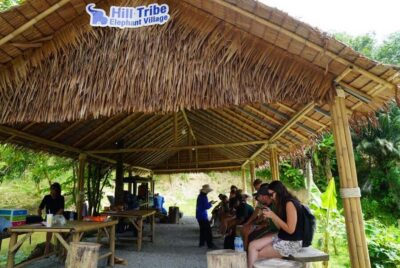 ★ 4.8Elephant Sanctuary Guided Tour with Hotel TransfersFrom $412,020 reviews
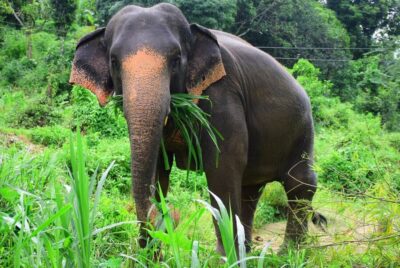 ★ 4.8Elephant Care Program and Nursery TourFrom $531,899 reviews
 ★ 5.0A Morning with the Elephants at Phuket Elephant SanctuaryFrom $971,693 reviews
 ★ 4.8Living Green Elephant Sanctuary Day TripFrom $571,541 reviews
Browse the lists this tour appears in