
REVIEW · ELEPHANT SANCTUARY VISITS
Phuket: Eco Guided Tour at Elephant Sanctuary
Elephants deserve a day on their terms. This quick Phuket sanctuary visit shows you how mahouts care for captive elephants, and it includes a hands-on food-prep moment before you meet them.
I love the focus on real daily care, plus the clear lessons on how captive elephants are managed differently than wild elephants. I also like the herbal vitamin ball workshop, because you’re not just watching, you’re helping with care in a respectful way.
One possible drawback: it is a short experience, so if you want a long, slow elephant day, you may wish it lasted longer than the core 30 minutes.
In This Review
- Key things I’d plan around
- Why This Phuket Elephant Sanctuary Tour Feels Different
- Getting There: Van Time and Drop-Offs Across Phuket
- The Briefing That Sets the Tone: Mahouts, Daily Care, and Ethics
- Herbal Vitamin Balls: A Hands-On Lesson in Elephant Digestion
- Walking the Sanctuary and Feeding in a Natural Setting
- Captive vs Wild Elephants: What You’ll Actually Take Away
- The Rules That Keep This Ethical (and Why You Should Care)
- Price and Value: Is $32 Worth It?
- Who This Tour Suits Best (And Who Should Skip It)
- Small Practical Tips That Make the 30 Minutes Better
- Should You Book This Phuket Eco Guided Tour?
- FAQ
- How long is the Phuket elephant sanctuary tour?
- What’s included in the $32 per person experience?
- Do I need to bring my own water bottle?
- Can I take photos with a camera?
- Is there a live guide, and is the tour in English?
- Is the tour suitable for people with mobility impairments?
- What should I bring to the tour?
- Is the tour suitable for everyone?
Key things I’d plan around
- A real meet and feed, done in a natural elephant setting with respectful rules
- Mahout-first learning, including how caretakers support elephants day to day
- Herbal vitamin balls workshop, a hands-on way to understand nutrition and digestion
- No forced behaviors, including no forced bathing and no mud play
- Fast, focused timing, great for a quick Phuket stop, but not for a half-day
Thai sanctuary visits got read closely, riding-free
- Phuket: Elephant Jungle Sanctuary Ethical Feeding Experience★ 4.8 · 4,359 reviews
- A Morning with the Elephants at Phuket Elephant Sanctuary★ 5.0 · 1,693 reviews
- From Phuket: Elephant Jungle Sanctuary Feed and Shower Trip★ 4.8 · 1,056 reviews
- Phuket:Beach walk with elephants, rain & care. 2.5 hours★ 4.9 · 969 reviews
Why This Phuket Elephant Sanctuary Tour Feels Different
This isn’t built around hype. The sanctuary approach is about elephant welfare and natural behavior, so the day is paced around the elephants, not around a crowd. You get a guide who explains what you’re seeing and why the rules matter, which turns the experience from casual sightseeing into something you can carry home.
I also like that the tour takes captive elephant care seriously. You learn what the mahouts do, how daily routines support wellbeing, and how that differs from wild life. And then the herbal activity gives you a practical anchor, because digestion and nutrition are talked about in a way that makes sense.
There is joy here, but it’s grounded. You’ll be walking and feeding, yet the sanctuary keeps strict boundaries. If you care about doing this ethically, that balance is the whole point.
Getting There: Van Time and Drop-Offs Across Phuket
Your day starts with a van transfer, about 30 minutes, depending on where you’re picked up. If you choose the option with round-trip transfers, you’ll get that convenience baked in.
One helpful detail for planning: the drop-offs cover a wide spread of Phuket. You might get dropped near Kata Beach, Karon Beach, Rawai Beach, Panwa Beach side, Bang Tao Beach, Ao Po Pier, Laem Hin Lagoon Pier, and even the Coconut Island ferry crossing area. That matters because it can affect what you do after. If your schedule is tight, I’d think about where you’ll land and then plan your next activity around that.
The Briefing That Sets the Tone: Mahouts, Daily Care, and Ethics
Before you meet the elephants, you get a briefing from an English-speaking guide. This is where you learn the basics you actually need to understand what happens next.
The guide introduces the mahouts, the caretakers who work with the elephants every day. The emphasis is on relationship and routine, not performance. You also get a clear explanation of captive elephants versus wild elephants. That difference is a key part of the experience, because it helps you stop comparing what you see with a movie idea of nature, and start thinking about welfare and care.
There’s also an important cultural thread. Hill tribe families from Mae Wang, Chiang Mai have settled in Patong, continuing traditional practices around elephant care. That connection shows up in how the sanctuary talks about responsibility and respect.
In this kind of setting, learning matters. If you know what mahouts are doing and why certain behaviors are restricted, you can be a better participant. You’ll also understand why some activities you might expect at a theme-style elephant event are simply not allowed.
Herbal Vitamin Balls: A Hands-On Lesson in Elephant Digestion
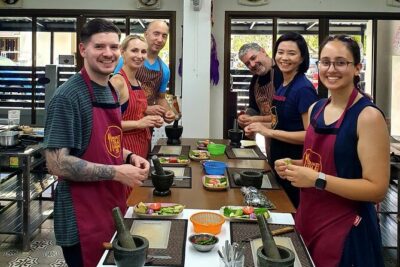
Then comes the workshop. In a short but hands-on session, you prepare the elephants’ favorite herbal vitamin balls. The ingredients are natural and the goal is digestion and health support.
This is one of those activities that makes the whole tour click. You’re not just told elephants need good nutrition, you’re involved in making something intended to support their wellbeing. Even in a brief time window, it gives you a reason to slow down and pay attention.
The sanctuary also frames the food prep as part of daily care. That means your involvement feels more like learning a routine than doing a one-time trick. You’ll hear guidance from the team on elephant nutrition and care, including how the mahout caretakers think about health day to day.
Bring patience for this part. When you make the food, you’re often watching your hands and listening to instructions at the same time. Comfortable shoes help, hat and sunscreen help too, since the session happens outdoors.




Walking the Sanctuary and Feeding in a Natural Setting
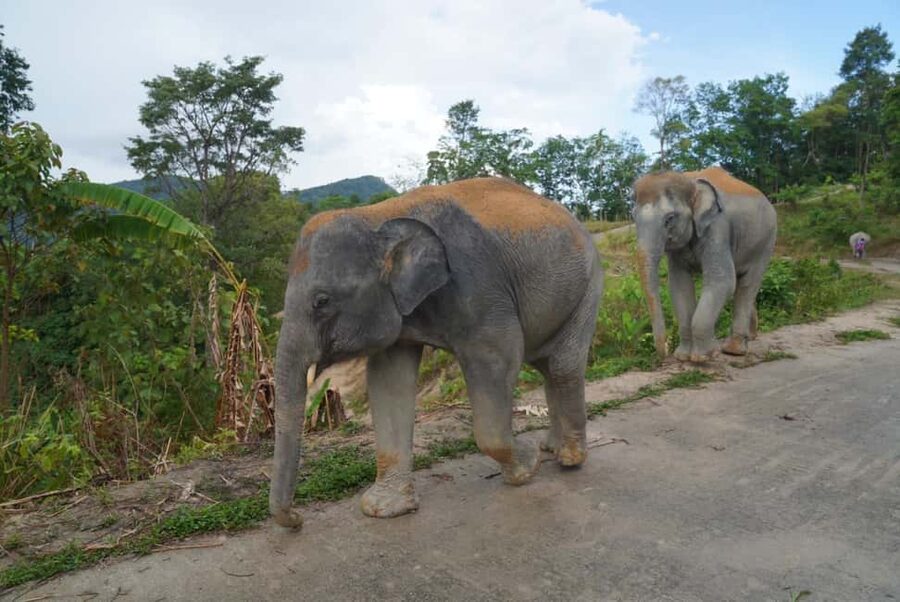
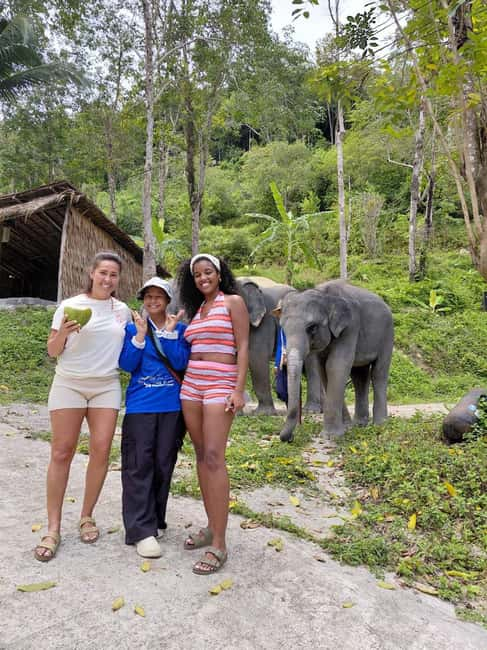
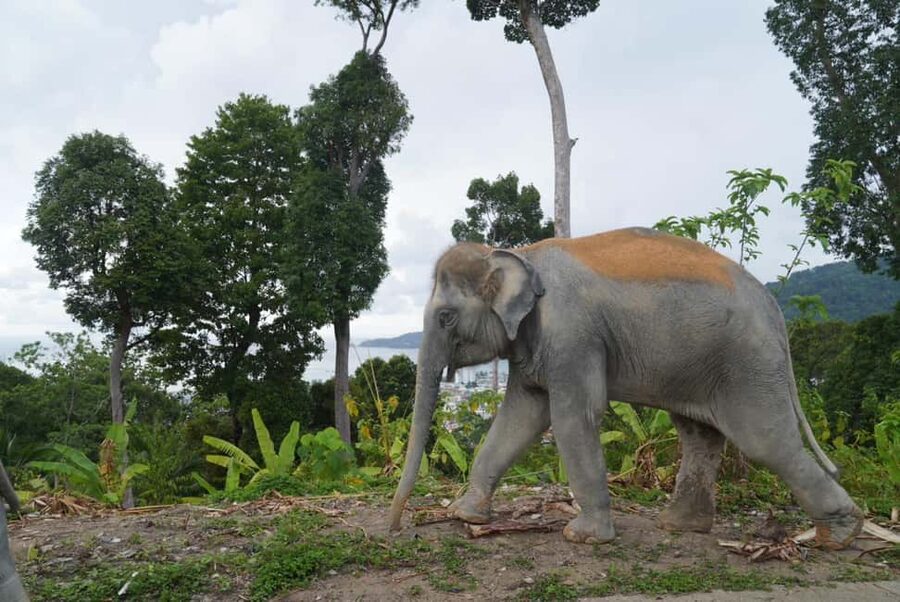
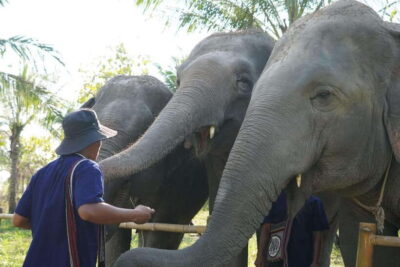
After the workshop, you meet the elephants and feed them the treats you made. The experience is described as a joyful, up-close moment, and the key is that it’s done in their natural setting rather than in a staged environment.
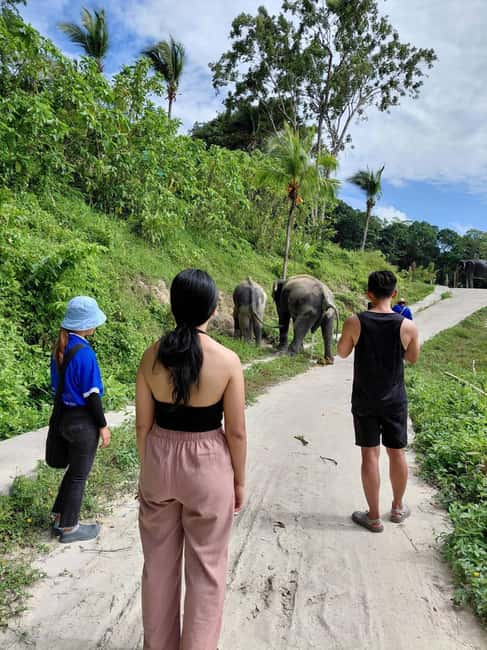
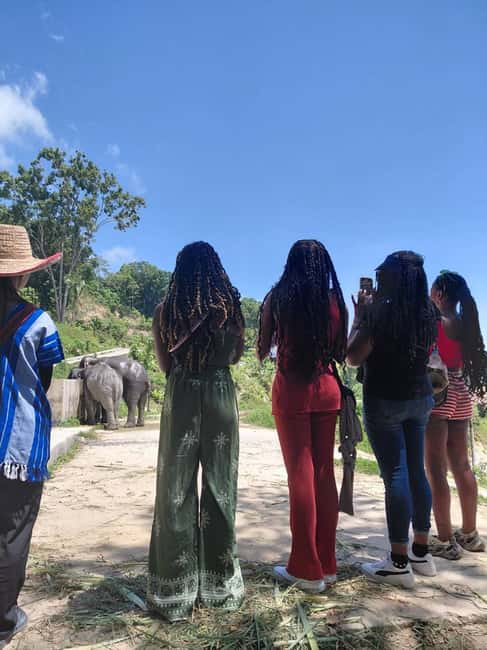
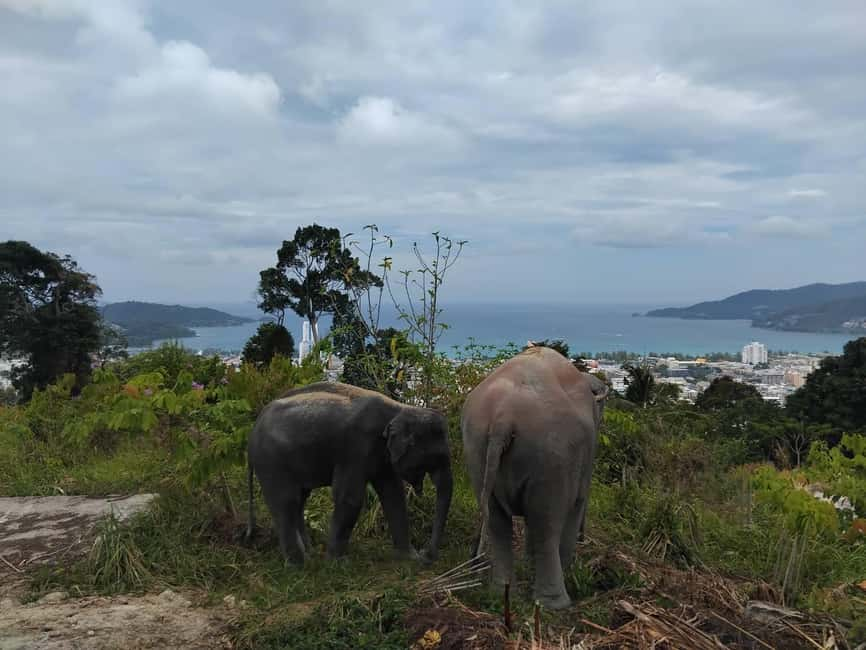
Walking through the sanctuary lets you observe elephant behavior without the expectation that the elephants will perform on command. The sanctuary respects that elephants enjoy their day on their own terms. That’s a big ethical difference. It can be tempting to think the best photo or the fastest interaction is the goal, but here the goal is calm, respectful participation.
Feeding matters because it’s structured. The tour is built around gentle contact and guided handling, not forced posing. You’ll also be reminded to keep respectful and quiet behavior around the elephants. If you’re the type who likes to talk loudly or treat animals like attractions, this is your cue to adjust your style.
Also, remember the camera rule: flash photography is not permitted. Bring a camera if you want, but plan to shoot without flash. That usually means your photos will be more natural, but you’ll want to steady your hands.
Captive vs Wild Elephants: What You’ll Actually Take Away
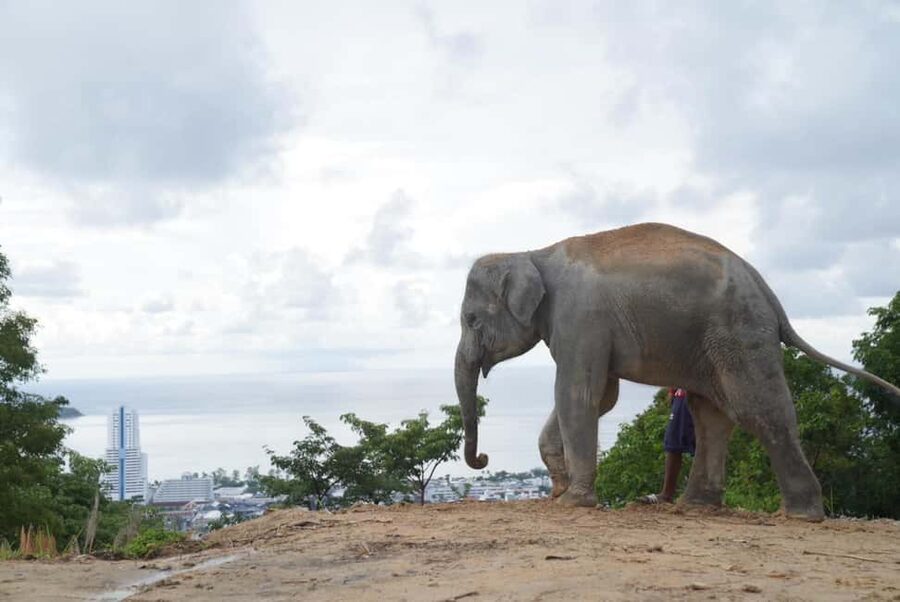
Most people come in with a mix of curiosity and guilt. Curiosity about elephants. Guilt about whether any elephant tourism can be ethical.
This tour doesn’t try to sweep that question away. It gives you a practical way to think about the differences between wild and captive elephants, focusing on daily needs and caretaking rather than on sentiment. You learn that elephants in different environments depend on different support systems. In a sanctuary setting, that means mahouts and structured care routines matter a lot.
It also helps that the sanctuary explicitly restricts certain behaviors. The tour explains that the sanctuary does not allow forced bathing or mud play. That’s not just a rule for show. It reflects the idea that elephants should not be pushed into behaviors that are primarily for human entertainment.
If you take those lessons with you, you’ll understand your role better. You’ll also be more likely to judge elephant experiences using welfare standards, not just excitement level.
The Rules That Keep This Ethical (and Why You Should Care)
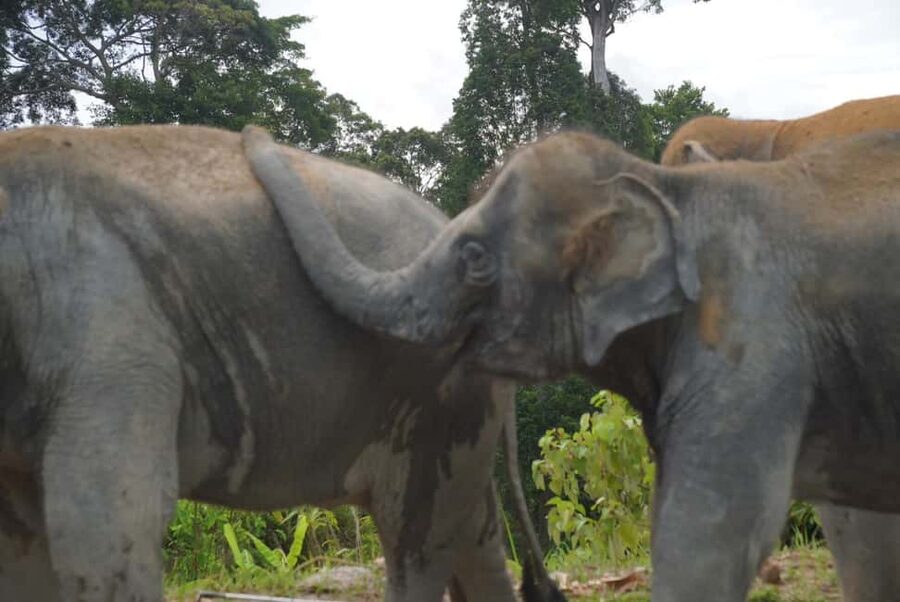
The tour includes a few important boundaries, and they protect both you and the elephants.
First, forced interactions with elephants are not allowed. That’s the big one. The sanctuary doesn’t turn the elephants into props. You’ll be guided on respectful behavior and quiet conduct, and you’re expected to follow it.
Second, flash photography is not permitted. This is a small restriction, but it matters because it reduces stress and keeps the experience calm.
Third, the sanctuary specifically states it does not allow forced bathing or mud play. Those are common “attraction moments” at lower-standard venues. Here, the point is to protect natural behavior and wellbeing.
One more planning note: you’ll be asked to respect quiet behavior and follow staff guidance. If you’re coming with friends who tend to move fast for photos, set the tone before you arrive. The more calmly everyone behaves, the better the whole walk and feeding session feels.
Price and Value: Is $32 Worth It?
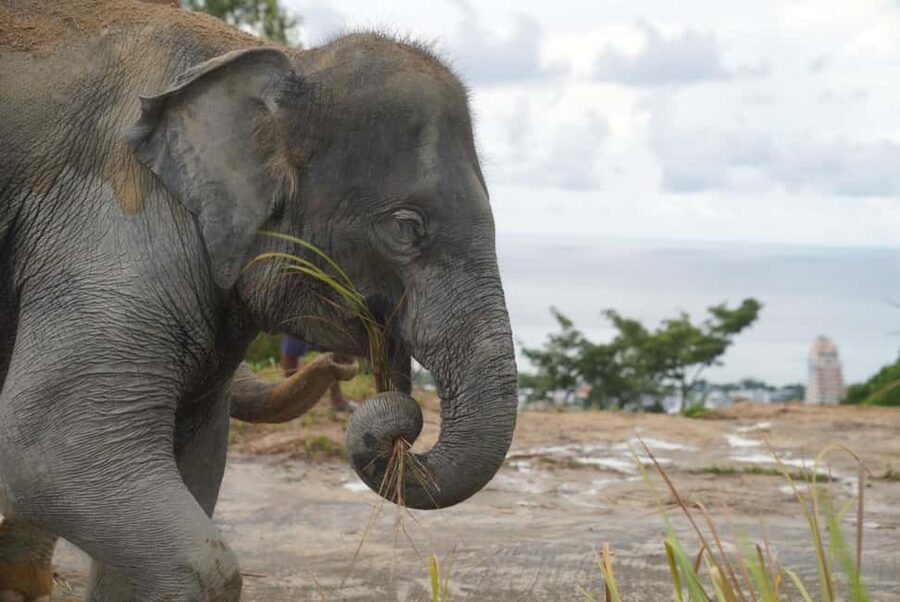
At about $32 per person, this is priced like a short, structured learning stop rather than a full-day experience. That’s not a bad thing. You’re paying for three core elements: expert-guided briefing, hands-on herbal food prep, and feeding in a respectful setting, plus round-trip transfers if you select the transfer option.
Here’s why I think the value makes sense. The educational parts are not just talk. You prepare the vitamin balls, then you feed the treats you made. That link between knowledge and action is usually where value shows up, even in a brief tour.
Also, the ethical element is part of what you’re paying for. The sanctuary’s approach, including no forced bathing and no mud play, is a real differentiator. If you care about doing this responsibly, it’s worth paying for a format that clearly sets boundaries.
The only value question to ask yourself is time. If you want a longer elephant encounter, a 30-minute guided experience may not satisfy. But if you want an ethical, educational stop with meaningful participation, it’s a solid use of a short window in Phuket.
Who This Tour Suits Best (And Who Should Skip It)
This is a great fit if you want an ethical elephant experience without a long time commitment. You’ll especially enjoy it if you like learning, hands-on activities, and guided context about animal care.
It’s also a good choice if you care about supporting sustainable, ethical elephant tourism. The tour is framed around the sanctuary model, mahout caretakers, and natural elephant behaviors.
On the other hand, it is listed as not suitable for pregnant women, and it also says it is not suitable for people with mobility impairments. At the same time, it’s listed as wheelchair accessible, which is a contradiction worth sorting out before you book. I’d contact the provider directly and ask what the route and walking requirements actually are.
If you have an animal allergy, the tour is not suitable. And if you hate the idea of being quiet and respectful around animals, you might find the rules hard to follow.
Small Practical Tips That Make the 30 Minutes Better
This tour is short, so comfort and preparation really count.
Wear comfortable shoes. You’ll be walking through the sanctuary, and you’ll want stable footing. Bring a hat, sunscreen, and insect repellent, because this is done outdoors in Phuket.
Hydration is handled, but you should still bring a reused bottle. Drinking water is included, and having your own bottle keeps things simple.
For photos, bring a camera and plan for no flash. Flash is not allowed, so avoid counting on flash shots.
Finally, go in ready to listen. The guide’s briefing on mahouts, captive vs wild elephants, and why forced behaviors are banned is the difference between just seeing elephants and understanding what ethical care looks like.
Should You Book This Phuket Eco Guided Tour?
Book it if you want an ethical elephant sanctuary visit that combines education with hands-on participation. The herbal vitamin ball workshop and the respectful meet-and-feed format make the experience feel purposeful, not just entertaining.
Skip or rethink it if you’re expecting a long, leisurely elephant day, or if you need a totally no-walking setup. Also check suitability carefully if you have mobility limitations or any animal allergies.
If you’re short on time in Phuket but still want to do something meaningful, this one is a strong option. It’s compact, guided, and built around welfare rules that help you feel confident about the experience.
FAQ
How long is the Phuket elephant sanctuary tour?
The guided tour portion is listed as 30 minutes, with a van transfer time of about 30 minutes included in the itinerary. The exact start time depends on the selected option.
What’s included in the $32 per person experience?
The activity includes herbal food preparation, feeding the elephants, drinking water (bring a reused bottle), insurance, and round-trip transfers if you select the transfer option.
Do I need to bring my own water bottle?
Drinking water is included, but you should bring a reused bottle so you can use it during the tour.
Can I take photos with a camera?
Yes, camera use is allowed, but flash photography is not permitted.
Is there a live guide, and is the tour in English?
Yes, there is a live tour guide, and the tour language is English.
Is the tour suitable for people with mobility impairments?
The activity is listed as not suitable for people with mobility impairments. It is also described as wheelchair accessible, so it’s smart to confirm details with the provider before booking.
What should I bring to the tour?
Bring comfortable shoes, a hat, sunscreen, a camera, and insect repellent.
Is the tour suitable for everyone?
No. It is listed as not suitable for pregnant women and people with animal allergies.
Guided Thai outings, continued
What else made it into the Thailand notebook
Sanctuary visits, and how the elephants are actually kept
What else made it into the Phuket notebook
- The Phuket Rites of Passage Eco Adventure
★ 5.0 · 8 reviews - Thai Cooking Class with Market Tour in Phuket by VJ
★ 5.0 · 8 reviews - Similan Islands Snorkeling Tour By Speed Catamaran From Phuket
★ 4.5 · 8 reviews - Phuket Night Food Walking tour
★ 5.0 · 8 reviews - Refresher scuba diving trip, 3 dives at Racha Noi and Racha Yai
★ 5.0 · 8 reviews - Private Tour: Phuket Highlights by Van and Licensed Guide
★ 4.5 · 8 reviews
Elephant Sanctuary Visits, compared.
 ★ 4.9Elephant Sanctuary, Waterfall & Bamboo RaftingFrom $609,160 reviews
 ★ 4.9Elephant Sanctuary & Waterfall Group TourFrom $505,780 reviews
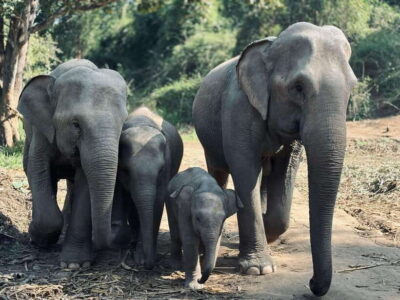 ★ 4.8Elephant Sanctuary Feeding Program Half-Day TourFrom $274,527 reviews
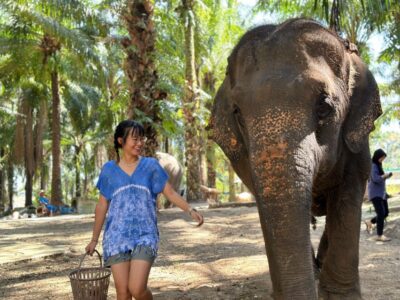 ★ 4.9Elephant Bathing Session at Krabi Elephant ShelterFrom $482,021 reviews
 ★ 4.8Elephant Sanctuary Guided Tour with Hotel TransfersFrom $412,020 reviews
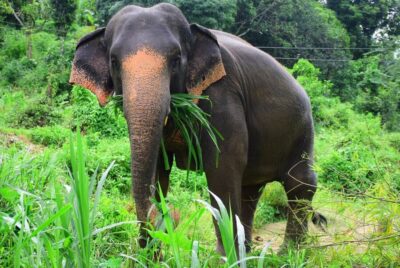 ★ 4.8Elephant Care Program and Nursery TourFrom $531,899 reviews
 ★ 5.0A Morning with the Elephants at Phuket Elephant SanctuaryFrom $971,693 reviews
 ★ 4.8Living Green Elephant Sanctuary Day TripFrom $571,541 reviews
Browse the lists this tour appears in