
REVIEW · ELEPHANT SANCTUARY VISITS
Krabi: Elephant Care House Guided Tour with Hotel Transfers
A quiet elephant encounter beats the loud tourist stuff. In Krabi Elephant Care House, you spend your time learning, feeding, and getting hands-on with elephants in open jungle. I like how the day is built around the animals’ comfort first, not forced tricks.
What I really like is the focus on human-elephant interaction that feels natural. You can walk beside them along a stream, watch their muddy bath behavior, and join in with skin cleaning and bathing when the elephants choose to engage. That human contact is the payoff, while the staff keeps the energy calm and controlled.
The one drawback to plan for is timing. Even though the tour lists 4 hours, real time with the elephants can feel closer to a shorter window once you factor in pickup and travel, and your exact schedule can depend on what the elephants decide to do.
In This Review
- Key points before you go
- Where Krabi Elephant Care House fits in Khao Phanom Bencha
- Pickup and transfers, from Krabi Town to Railay
- The 15-minute safety talk that sets the tone
- The stream walk: jungle quiet and a 45-minute elephant rhythm
- Muddy bath watching, then camp activities that feel practical
- Bath time with the elephants: the moment you’ll talk about for years
- The hour of sightseeing and welcome refreshments
- Timing reality: 4 hours on paper, shorter in the elephant moments
- Price and value: is $57 a fair deal?
- What to pack: your “don’t ruin the day” checklist
- The ethical feel: elephants with room, and people who step back
- Who should book this elephant care tour
- Should you book Krabi Elephant Care House?
- FAQ
- How long is the Krabi Elephant Care House guided tour?
- Where are pickup and drop-off available?
- Do you get hotel transfers included?
- Can I ride the elephants?
- What elephant activities are included?
- What languages are the guides available in?
- What should I bring?
- What is the cancellation policy?
Key points before you go
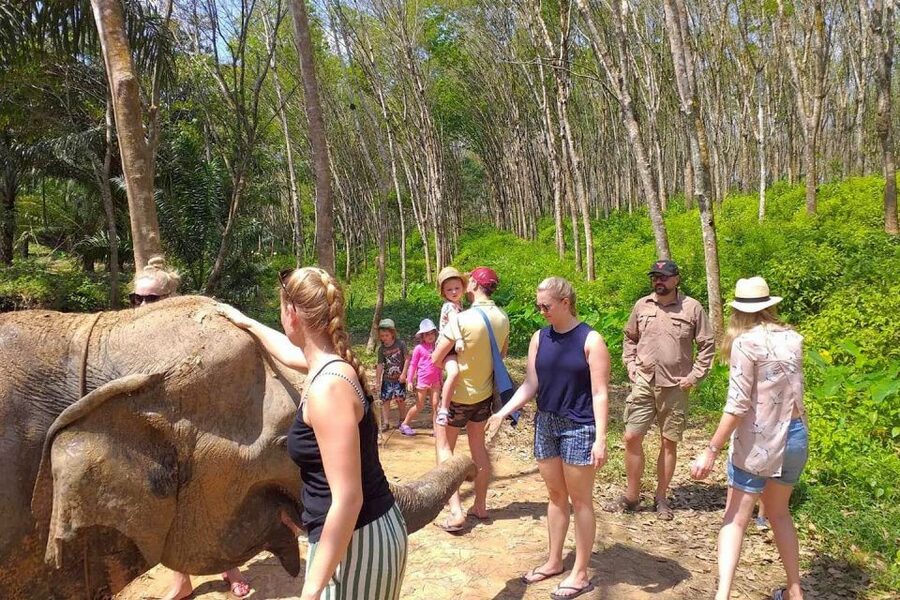
- Khao Phanom Bencha National Park setting: forest, streams, and mountain terrain that stays wild around the care house
- Elephant-first pacing: elephants can disengage, and the program is designed around their comfort
- A wet, muddy day: stream walking, muddy baths to observe, plus elephant bathing and skin cleaning
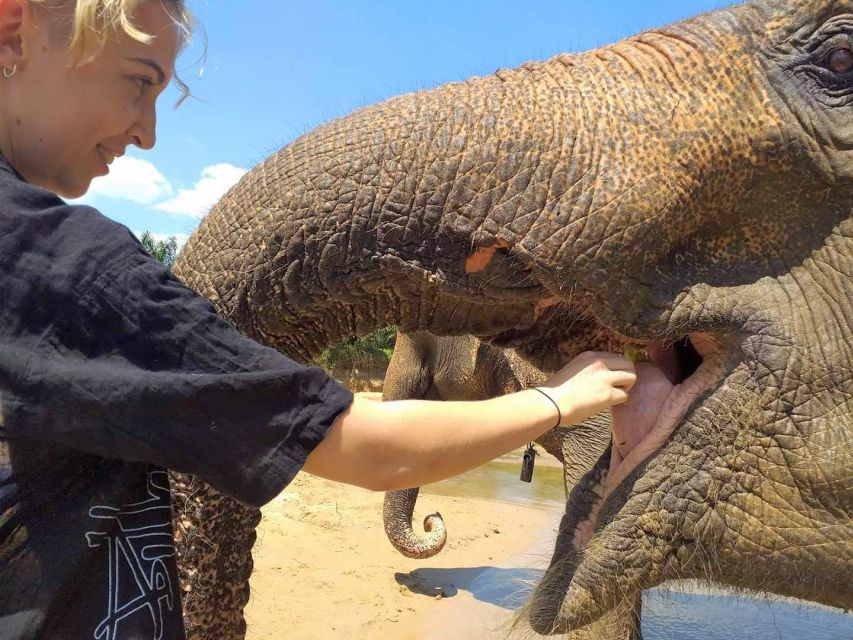
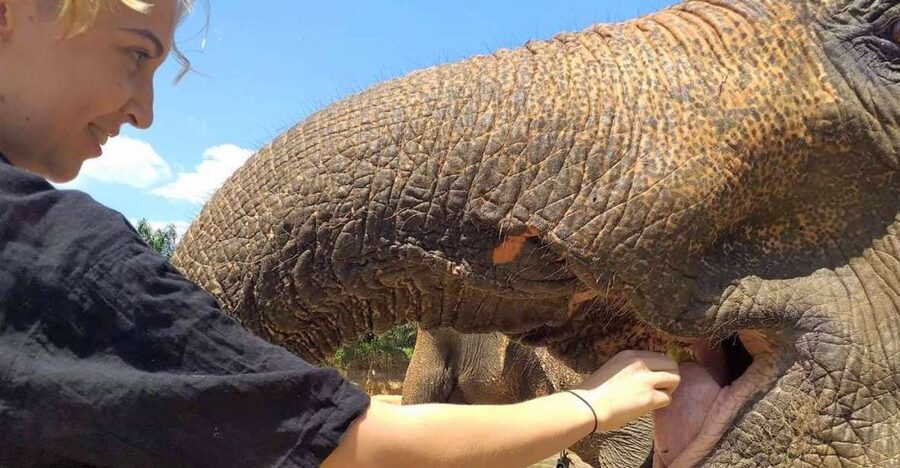
- Feeding that matches the setting: you offer pineapples and bananas as part of the interaction
- Hotel transfers included: pickup covers common bases like Ao Nang, Krabi Town, Klong Muang, Tubkaek, and more
- Small-group feel: many recent visitors praised the calmer vibe and more interaction time
Thai sanctuary visits got read closely, riding-free
- Krabi: Elephant Care House Guided Tour with Hotel Transfers★ 4.7 · 543 reviews
- Krabi: Love Elephant Sanctuary Tour★ 4.9 · 368 reviews
- Krabi: Elephant Feeding Program with Food Preparation★ 4.8 · 43 reviews
Where Krabi Elephant Care House fits in Khao Phanom Bencha
This experience runs in Khao Phanom Bencha National Park, about a 15-minute drive from Krabi Town. You are not going to a beach-adjacent attraction. Instead, you’re heading into a higher, greener part of the region, at 1,397 meters above sea level, where the air and scenery feel more mountainous and forested. The park area is known for waterfalls, streams, and caves, and even if you do not see all of it in a half day, the setting matters. It helps explain why elephants here can roam more naturally than in tight enclosures.
What makes the care house feel different is the story behind the elephants. They belong to local people and are treated like family. That shows up in the way the visit is structured: you interact, but you do not take control. There is a strong belief in human-elephant interaction, and the staff aims to make it relaxed, educational, and safe.
Pickup and transfers, from Krabi Town to Railay
Hotel round-trip transfers are included, which is a big deal because you do not want to spend half your day figuring out transport. Pickup can cover Ao Nang, Krabi Town, Ao Nam Mao, Klong Muang, and Tubkaek Beach. If you’re staying around Railay, the option uses a boat connection from Ao Nam Mao Pier, about 15 minutes by longtail boat from Railay East. Tonsai Beach has you meeting at Phra Nang Inn reception in Ao Nang.
Two practical tips help here:
- Get clear on your exact pickup time by email after booking. The tour uses confirmed times rather than a fixed one you guess at.
- Plan a little buffer if you are traveling from farther points like Railay or Nong Thale, since travel time varies by hotel location and routing.
One small reality check: one visitor noted a pickup driver was hard to identify. That can happen anywhere. Bring your booking confirmation, and if you’re unsure, ask your hotel front desk to help you spot the right van or driver before you step out.
The 15-minute safety talk that sets the tone
Before you start any touching or water time, you’ll get a safety briefing. It lasts about 15 minutes. This is not just legal formality. It’s how the staff explains what elephants can and cannot do in contact situations, and how you should move around them.
The key point I’d remember is simple: elephants roam free, and they can disengage from contact at will. That changes how you should approach the whole experience. You’re not trying to force closeness. You’re learning to read comfort signals and give them space when they want it.
You also get set up for the day’s main theme: calm interaction. You are going to walk, feed, clean, and bathe, so the briefing helps keep everyone on the same page so the elephants stay comfortable.
The stream walk: jungle quiet and a 45-minute elephant rhythm
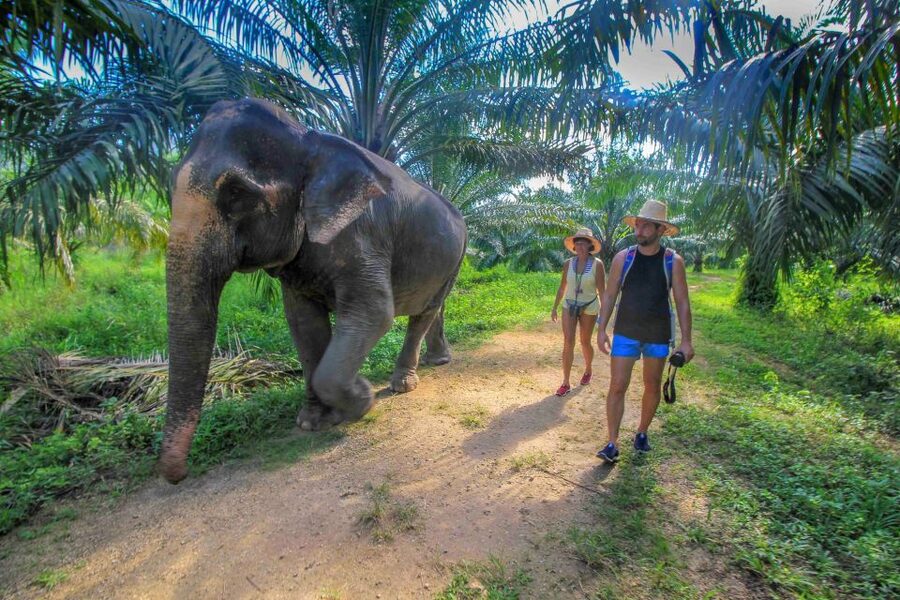
The heart of the visit starts with a walk along a stream in the jungle. The walking portion is scheduled for about 45 minutes. This is where the day stops feeling like an attraction and starts feeling like an encounter.
Expect to move slowly and stay aware of uneven ground, especially around water edges. This is not an obstacle course, but it is outdoors in a natural area. You’ll likely be guided on where to stand and how to hold still during the moment, so you do not crowd the elephants.
What makes this part valuable is how it frames elephant behavior. Watching them walk through their environment tells you a lot more than a static photo would. You see how they use the terrain. You see how people and animals share space without pushing for constant contact.
And it sets up the next step. The walk makes the muddy bath feel less like a performance and more like what elephants do naturally when they want to cool down and care for their skin.



Muddy bath watching, then camp activities that feel practical
Right after the walk time, the program shifts into camp activities for about 15 minutes. This is when the day focuses on hands-on preparation and interaction. The highlights you can look forward to include:
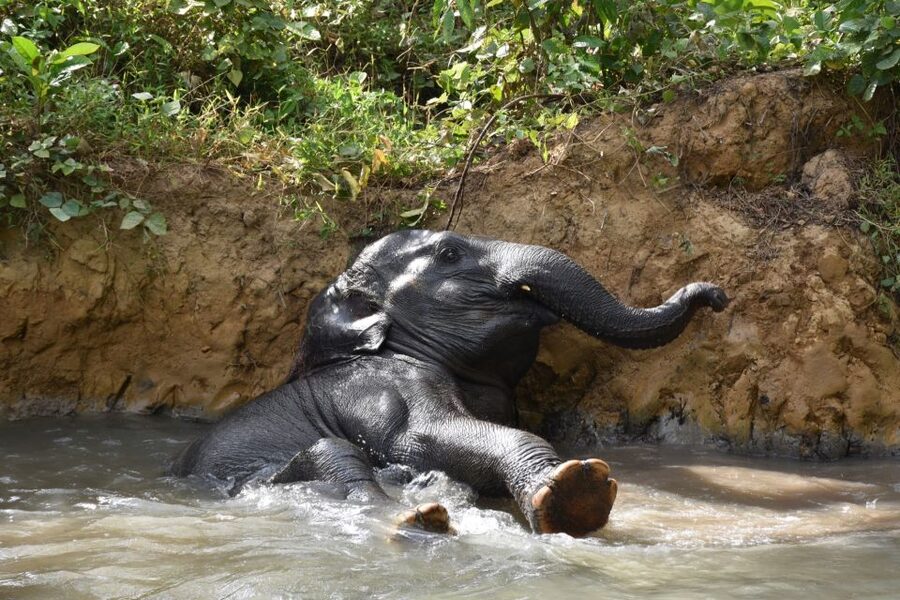
- Watching the elephants take a muddy bath
- Cleaning the elephant’s skin
- Feeding them pineapples and bananas
The muddy bath moment matters for two reasons. First, it’s a visible behavior that helps you understand elephant comfort. Second, it reminds you that this visit is not about tricks, it’s about everyday care.
For skin cleaning, think of it as gentle, guided assistance. You are joining a routine that helps elephants feel better. You’re not wrestling them into position. The staff manages timing and spacing so the interaction stays calm.
For feeding, the tour specifically includes pineapples and bananas. That’s a straightforward, memorable activity, and it also helps explain why the staff encourages you to interact in a controlled way. Feeding is part of the care rhythm, not a free-for-all.
Bath time with the elephants: the moment you’ll talk about for years
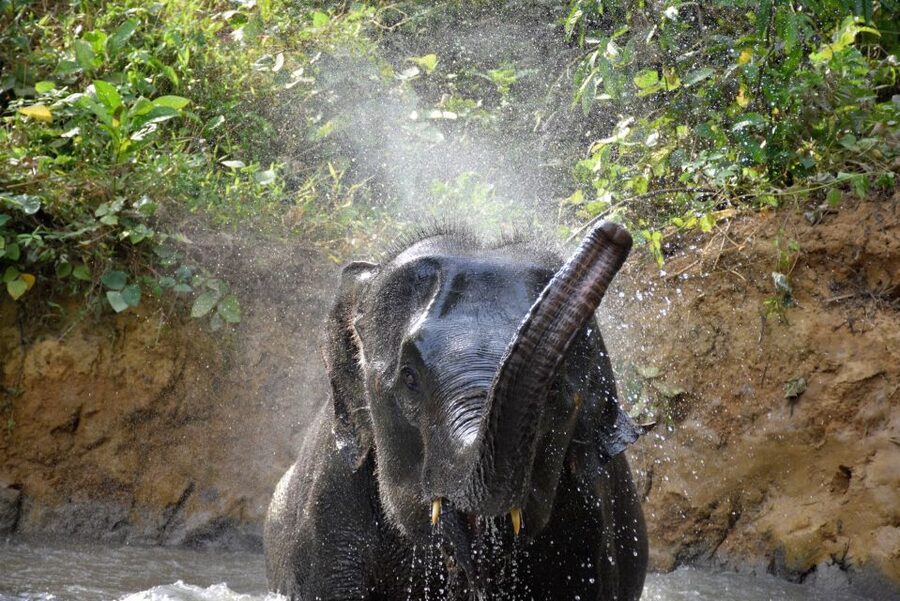
One of the biggest highlights is taking a bath with the elephants. The tour also includes “take a bath with the elephants,” plus skin cleaning. So yes, you should assume you’ll get wet and muddy.
What you’ll likely do during the bath window:
- join the activity with staff guidance
- use a calm, careful approach so the elephant stays comfortable
- take the photos you came for, but in a way that doesn’t block others or stress the animal
Here’s the mindset that makes this part better. If you want the best memories, you’ll focus on the behavior. Watch how the elephant responds to the water and the people. The best photos often come when you pause and let the elephant choose closeness, instead of trying to rush for a perfect pose.
Also, plan for sensory reality. Water plus mud equals slippery ground and splashes. Bring swimwear, change clothes, and protect anything you do not want ruined.
The hour of sightseeing and welcome refreshments
After the main elephant interactions, you’ll spend about 1 hour on sightseeing and welcome refreshments. The exact sights are not described in detail, but this block is clearly meant to slow you down and give your body a break after water activities.
Use this hour well:
- dry off enough to feel human again
- take a breather before the return ride
- ask questions if your guide is available, because this is where you can get context beyond the immediate contact
I also like this part because it reduces the feeling that the day is rushed. You’re not just wet, then out. You get a small window to process what you saw and learn what the interaction is trying to teach.
Timing reality: 4 hours on paper, shorter in the elephant moments
The tour lists 4 hours total. That’s a helpful planning number. But a couple of practical notes come from how the day runs:
- pickup and transfers add time
- the real elephant contact window can be shorter than you expect
In one detailed experience report, the schedule felt closer to about 2 hours on-site, with roughly 1.5 hours actually spent with the elephants. I would treat that as a sign to keep your expectations flexible. You’re not buying an all-day project. You’re buying a focused, half-day encounter, and that can still be worth it even if it feels tighter than the headline number.
The upside is that the elephants are the center of the day, and that keeps things calmer. Many visitors specifically praised the small, intimate vibe.
Price and value: is $57 a fair deal?
At $57 per person, the value here comes from what’s included. You’re not just paying for elephant time. You’re paying for:
- round-trip hotel transfers
- a professional guide who can speak English and Chinese
- drinking water and fruits
- basic accident insurance
For most people in Krabi, transfers and a guide alone would cost a chunk of that amount if you arranged them separately. And because the activity is in a protected natural area, you are getting access to a specific kind of experience that is not the standard city sightseeing day.
So when you judge value, don’t just ask how many minutes you see elephants. Ask whether you’re comfortable with the format:
- a wet, hands-on care experience
- controlled contact, with safety rules
- a time-boxed program that stays relaxed
If that matches your idea of a good day in Thailand, the price likely feels fair.
What to pack: your “don’t ruin the day” checklist
The tour recommends:
- sunglasses
- sun hat
- swimwear
- change of clothes
- camera
- sunscreen
- comfortable clothes
- insect repellent
Not allowed: riding the animals. So you can skip anything meant for riding gear.
If you want to be extra prepared, I’d add a few practical items based on how these moments usually go with water and mud:
- waterproof phone protection (a waterproof phone case or water bag)
- swim shoes or shoes you do not mind getting muddy
- a small towel or extra dry shirt in your bag
Also, insect repellent really matters here because you’re in a jungle environment. You’re going to be outside.
The ethical feel: elephants with room, and people who step back
One reason so many people seem happy with this tour is that elephants are described as well cared for and allowed to live in open jungle. You can also disengage from contact. That matters because it makes the interaction feel less like a demand and more like a shared moment.
I’m also paying attention to staff behavior. Multiple guides are praised for being patient and supportive, including help when someone needed extra support walking. Names that show up in feedback include Cocky and Cookie, and both get credit for guiding the day well and helping with photos.
That is also why the “no riding” rule is a big plus. You get contact through care and environment, not through performance.
Who should book this elephant care tour
This is a strong match if you:
- want a half-day animal interaction that prioritizes comfort and consent
- like hands-on learning, not just looking from a distance
- do not mind getting wet, muddy, and a little sweaty
- want a small-group feel rather than a massive crowd day
It’s likely not the right match if you:
- want dry, easy sightseeing only
- expect constant elephant contact the entire time
- are uncomfortable with outdoor walking on uneven ground and splashes during bath activities
If you’re traveling as a family, it can work well because the format is structured and guided. If you’re traveling solo or as a couple, the more personal pace can feel especially good.
Should you book Krabi Elephant Care House?
Yes, if your goal is a calm, ethical-feeling elephant care experience with real interaction. The pricing is reasonable when you include transfers and a guided day in a natural park setting. The walk, skin cleaning, feeding, and bath time are exactly the kind of “this is the memory” activities that don’t feel generic.
Before you book, make two calls to yourself:
- Are you okay with a wet and muddy experience? If not, you’ll probably be annoyed the moment the stream walk begins.
- Are you okay with the fact that elephants set the pace? If you want nonstop contact, this is the wrong style of experience.
Book it if you want something different from beach days, and you can roll with a forest schedule.
FAQ
How long is the Krabi Elephant Care House guided tour?
The tour duration is listed as 4 hours.
Where are pickup and drop-off available?
Pickup and drop-off options include Krabi and Nong Thale. The tour also mentions hotel pickup from Ao Nang, Krabi Town, Ao Nam Mao, Klong Muang, and Tubkaek Beach, and meeting details for Railay and Tonsai.
Do you get hotel transfers included?
Yes, hotel round-trip transfer is included.
Can I ride the elephants?
No. Riding the animals is not allowed.
What elephant activities are included?
You can walk with the elephants along a stream, watch them take a muddy bath, clean their skin, take a bath with them, and feed them pineapples and bananas.
What languages are the guides available in?
The tour provides a live tour guide in English and Chinese, and it also lists Thai among the available languages.
What should I bring?
Bring sunglasses, sun hat, swimwear, change of clothes, camera, sunscreen, comfortable clothes, and insect repellent.
What is the cancellation policy?
Free cancellation is available up to 24 hours in advance for a full refund.
Guided Thai outings, continued
What else made it into the Thailand notebook
Sanctuary visits, and how the elephants are actually kept
What else made it into the Krabi notebook
- From Krabi: Hong Island Sunset Tour+Bioluminescent Plankton
★ 4.3 · 20 reviews - Ao Nang to Koh Phi Phi by Ao Nang Princess Ferry
★ 3.5 · 21 reviews - Blue Dragon Cabaret Show Ticket – Krabi
★ 4.5 · 21 reviews - 7 Island sunset tour by Speedboat | Catamaran plus BBQ & Plankton
★ 4.0 · 21 reviews - Krabi: Hong Island Tour by Longtail Boat with Kayak Option
★ 3.8 · 21 reviews - Krabi: Emerald Pool, Hot Springs, and Kayaking Tour
★ 4.4 · 21 reviews
Elephant Sanctuary Visits, compared.
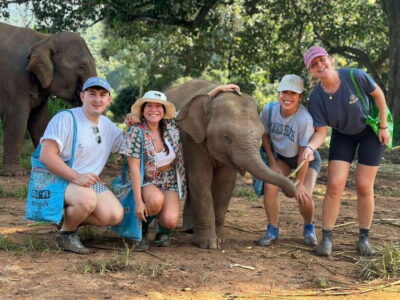 ★ 4.9Elephant Sanctuary, Waterfall & Bamboo RaftingFrom $609,160 reviews
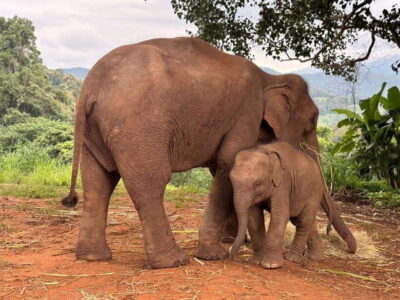 ★ 4.9Elephant Sanctuary & Waterfall Group TourFrom $505,780 reviews
 ★ 4.8Elephant Sanctuary Feeding Program Half-Day TourFrom $274,527 reviews
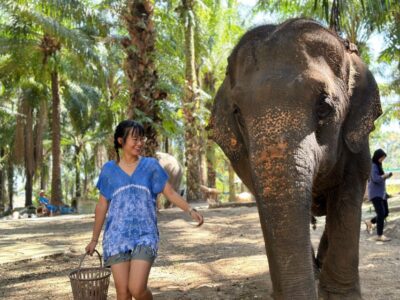 ★ 4.9Elephant Bathing Session at Krabi Elephant ShelterFrom $482,021 reviews
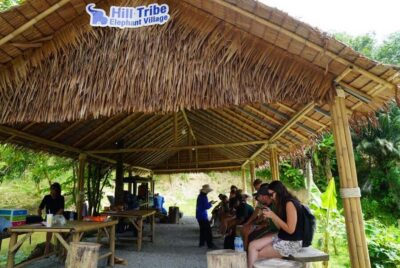 ★ 4.8Elephant Sanctuary Guided Tour with Hotel TransfersFrom $412,020 reviews
 ★ 4.8Elephant Care Program and Nursery TourFrom $531,899 reviews
 ★ 5.0A Morning with the Elephants at Phuket Elephant SanctuaryFrom $971,693 reviews
 ★ 4.8Living Green Elephant Sanctuary Day TripFrom $571,541 reviews
Browse the lists this tour appears in