
REVIEW · TUK-TUKS
11 Day Tuk Tuk Adventure in Northern Thailand
A tuk-tuk is the best kind of chaos.
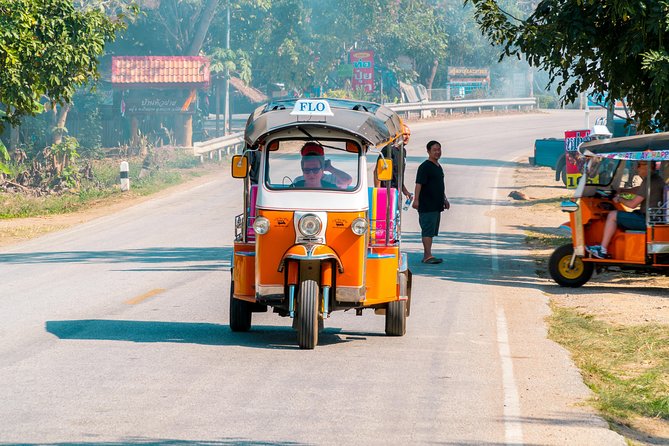
This 11-day northern Thailand route turns you into the driver, not just a passenger, while still handling the hotels, park fees, and most meals. You start in Chiang Mai, then work your way through mountain roads, hill-tribe villages, and two of the region’s most scenic towns, Mae Hong Son and Pai.
What I like most is the small group size (max 15) plus the hands-on guide support that keeps the trip feeling personal. You get a full training day, and the day-by-day plan gives you enough structure to relax, but not so much that you feel penned in.
One thing to consider: you must have the right driving documents. The tour requires a valid driving license plus an International Driving Permit (IDP), and only adults 18+ can drive a tuk-tuk.
In This Review
- Key highlights worth plotting on your map
- Tuk-tuk training in Mae Wang, plus a hillside blessing to set the tone
- Day 2: your driver seat meets elephants and a bamboo raft
- Doi Inthanon foothills: mountain roads and a hill-tribe village overnight
- Day 4: trekking around Doi Inthanon and waterfalls, plus community time
- Day 5: west to Mae Sariang, then pool time by the river
- Day 6 and 7: over the mountains to Mae Hong Son, then a full free day
- Day 8 and 9: drive to Pai for mountain roads, views, and pool recovery
- Day 10 and 11: rural back roads back to base for a farewell dinner, then Chiang Mai
- What the price buys you: more than just driving, you’re paying for the whole machine
- Guide teamwork and daily care, from training through farewells
- Driving reality: documents, expectations, and how to stay comfortable
- Who should book this and who should skip it
- Should you book the 11 Day Tuk Tuk Adventure in Northern Thailand?
- FAQ
- How many people are in the group?
- Where does the tour start, and what time?
- Do I need an International Driving Permit (IDP) to drive?
- What meals are included?
- Is there tuk-tuk training before you drive on the tour?
- Can I request vegetarian meals?
Key highlights worth plotting on your map
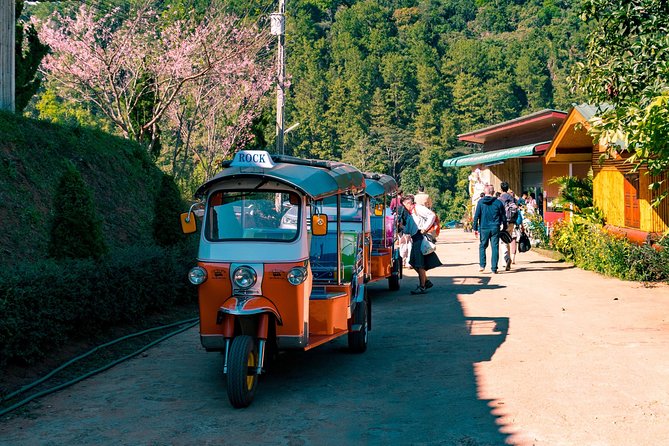
- Start with tuk-tuk training in Mae Wang, then get a blessing at a remote hillside temple
- Drive yourself daily, with a support vehicle traveling with you for backup and sanity
- Doi Inthanon area trekking and waterfalls, plus time with a hill-tribe village community
- Elephants at a forward-thinking elephant home, followed by a relaxing bamboo-raft ride
- Mountain road days between towns like Mae Hong Son and Pai, with frequent viewpoints to pause
- Guides who stay “on duty”, with practical care that shows up every morning
Thai tuk tuk routes also got written up
- Chiang Mai Temples and Market Tuk-Tuk Evening Night Tour★ 4.5 · 201 reviews
- Private Chiang Mai Old City Half Day Tuk Tuk Tour★ 4.5 · 157 reviews
- Full-Day Guided Tuk Tuk Chiang Mai Adventure and Rafting★ 5.0 · 140 reviews
- Chiang Mai: Exploration of Old City by Private Tuk-Tuk★ 4.3 · 127 reviews
Tuk-tuk training in Mae Wang, plus a hillside blessing to set the tone
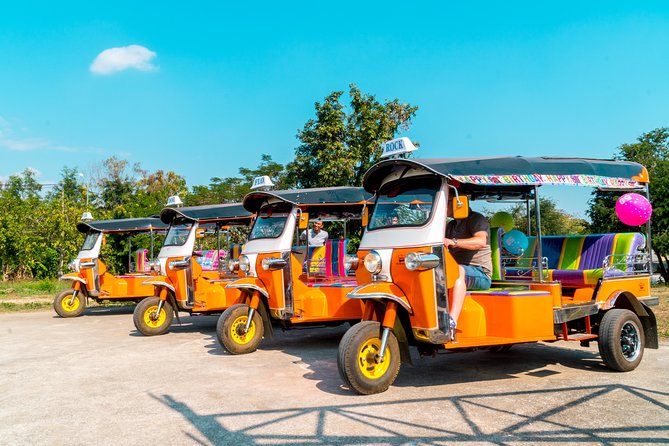
The tour kicks off in Chiang Mai at the Chiang Mai Gate Hotel area (Wua Lai Walking Street), meeting at 10:00 am. From there, you transfer about an hour to Mae Wang, where your real learning begins. This is not a quick “here’s the key, good luck” start. You get a detailed training session, focused on getting comfortable in different conditions.
After you learn the basics, you visit a remote hillside temple and receive a blessing for the adventure ahead. It sounds like a nice cultural touch, but it also does something practical: it grounds the whole trip before you hit real mountain driving. You feel like you’re joining the rhythm of the region, not just passing through it.
The training day also helps you set expectations for what comes next. Northern Thailand roads can be curvy, sometimes busy, and sometimes quiet in the way that makes you notice every turn. The earlier you get confidence, the more you can enjoy the views later.
Day 2: your driver seat meets elephants and a bamboo raft
Day 2 builds confidence and variety fast. You get more time to practise your driving, so the controls feel natural before the tour starts adding bigger scenery days. Then you shift gears to something Thailand does well: animals and nature with a clear focus on respect.
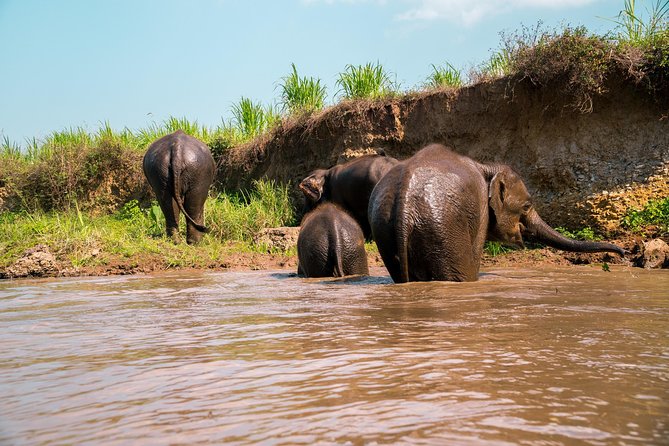
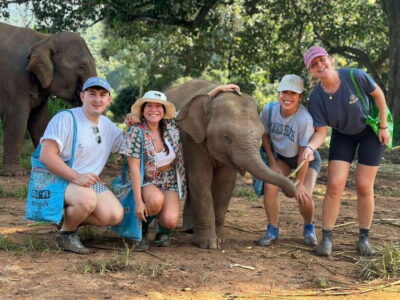
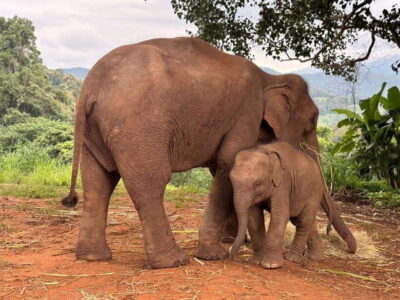
You meet elephants at a forward-thinking elephant home. The itinerary doesn’t list every activity in detail, but the most important point is that you’re not just watching from a distance. In participant accounts, people describe hands-on time such as feeding and walking during the elephant experience.
Then the evening moves from high energy to slow motion: you end the day on a bamboo raft down the local river. This is one of those “wipe the road dust off your brain” moments. After steering a tuk-tuk through mountain air, floating on a raft is a great reset.
Doi Inthanon foothills: mountain roads and a hill-tribe village overnight
Day 3 turns up the scenery. It’s your first serious driving day heading into the foothills of Doi Inthanon. This is the part of the trip where your tuk-tuk starts to feel like your own travel bubble.
You overnight in a small hill-tribe village, which changes the whole feel from what you might get from staying only in city hotels. Instead of one base and day trips, you actually build your experience around where people live. That matters in a tour like this, because the roads are the attraction, and the villages are the point.
The tradeoff is that you’re never just sightseeing from a car. You’re present. You’ll notice small details, sounds, and pacing that city stays can blur. If you like travel that feels real, this night is a highlight.
Day 4: trekking around Doi Inthanon and waterfalls, plus community time
Day 4 is the active day for the Doi Inthanon area: forests, waterfalls, and trekking. Expect a full day outdoors, with the kind of walking that feels rewarding because you’re moving through the same terrain that shapes the region’s daily life.
You also get the chance to explore a hill-tribe village. This is where cultural interactions can be a make-or-break moment. The best way to get value here is to keep your questions simple and your attitude curious. You don’t need to force a deep connection. You just need to show up respectfully and listen more than you talk.
The practical benefit of this day within the tour format is pacing. You’re not doing last-minute planning, guessing routes, or rushing between stops. The itinerary keeps the flow tight enough that you feel the countryside, but flexible enough to take your time when the waterfall or view demands it.


Day 5: west to Mae Sariang, then pool time by the river
On Day 5, you head west and land in Mae Sariang, a small town that feels like a breath of normal life. The plan includes downtime by the river, with a chance to relax in a pool next to the river.
This is a smart stop after a couple of more intense days in the mountains. Mae Sariang gives your body a break, and it gives you time to reset your driving stamina for the longer stretches ahead.
It’s also a useful reminder that this tour is not just about big sights. You get room to slow down, watch daily life pass, and let the trip sink in.
Day 6 and 7: over the mountains to Mae Hong Son, then a full free day
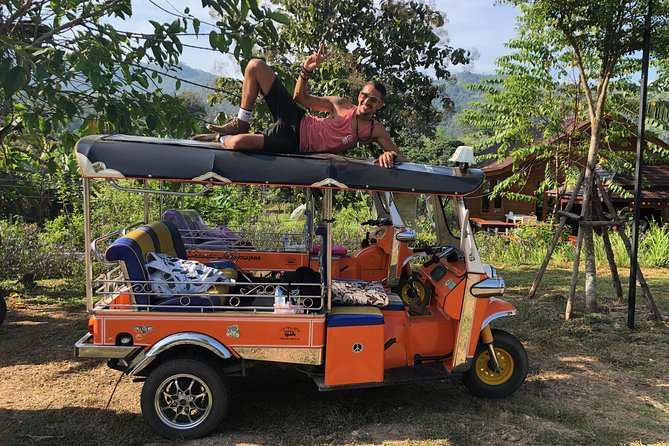
Day 6 is another “behind the wheel” day as you drive to Mae Hong Son, one of northern Thailand’s most photogenic towns. The route includes stunning views and lots of stops for experiencing local life. This is one of the strengths of the self-drive approach. You can pause when something catches your eye, instead of waiting for a strict bus schedule.
By Day 7, you get an actual free day in Mae Hong Son. That’s valuable. It gives you control. You can take it easy if you’re tired from road days, or you can use the town as a base for your own exploration.
Mae Hong Son is exactly the kind of place where travel feels better at your pace. You might want a slow morning, a casual meal, and then a walk that turns into a few hours. The tour respects that with the free day.
Day 8 and 9: drive to Pai for mountain roads, views, and pool recovery
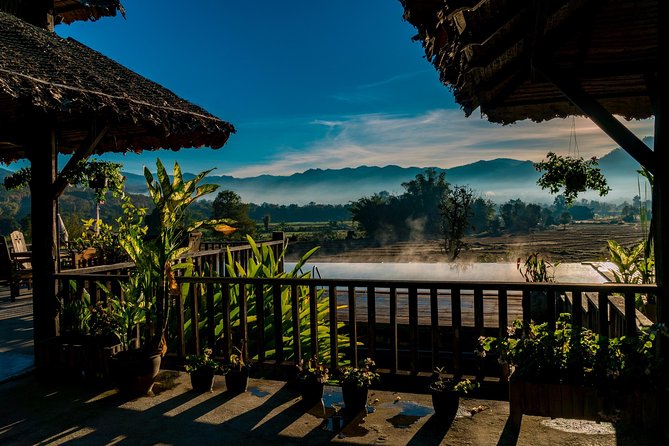
Day 8 moves you on to Pai. This is a drive day built around scenery, with mountain roads and plenty of chances to stop for views. After a week of winding routes, Pai feels like a reward: more energy, more laid-back travel vibe, and still close to the countryside feel.
You also get time at the end of the day to relax, with the itinerary calling out a chance to enjoy the hotel pool. That small detail matters more than people think. Road trips are physical, even if you’re not the one climbing hills. The pool is a practical recovery tool.
Day 9 is another flexibility day. You explore Pai at your own pace, with downtime built in. If you want an easy day, it’s there. If you want to wander, it’s also there.
Day 10 and 11: rural back roads back to base for a farewell dinner, then Chiang Mai
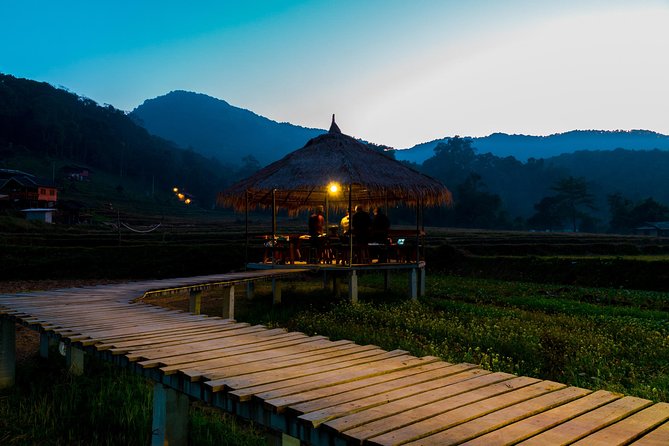
Day 10 is the return journey back toward the training base in Mae Wang, using amazing rural back roads. It’s not rushed. The tone is more reflective, and the itinerary ends with a farewell dinner.
Day 11 finishes cleanly. You transfer back to Chiang Mai city by minivan, arriving around late morning to midday. It’s a good ending because you don’t feel like you’re sprinting on your last day.
The overall structure here is what makes the trip work. You start with skill building, then stack experiences, and then taper off with recovery and wrap-up.
What the price buys you: more than just driving, you’re paying for the whole machine
At $2,148.21 per person, this isn’t a budget spur-of-the-moment tour. But it also isn’t just a “maps and vibes” trip. You’re paying for logistics that would otherwise eat your time.
Here’s what’s included that actually changes your day-to-day life:
- 10 nights twin share accommodation across the route
- Meals: 10 breakfasts, 5 dinners, 3 lunches
- National park fees
- Bottled water
- Local guides plus tuk-tuk training
- A support vehicle that travels with you throughout
- 10 days of built-in structure so you’re not researching hotel locations every night
There’s also a small-group factor that adds value. When the group is limited to 15 travelers, guides can manage the pace, answer questions faster, and keep the driving experience smooth for everyone.
When you compare this to piecing together your own northern Thailand route, the biggest savings are planning time and moving parts. Someone is handling park fees, lodging sequencing, meals, and route flow. You still get agency, but you avoid the headaches.
Guide teamwork and daily care, from training through farewells
The most consistent praise from participants is the guide team. Names that show up again and again include Boyz, Yuth, Ou, Worn, Yaya, Bruce, Nahm, Win, Ya Ya, and Bigg. That matters because this tour depends on trust.
In practice, that trust shows up in routine details. People describe mornings where the tuk-tuks are cleaned and fueled, and supplies like ice in an esky are handled so you’re not juggling roadside errands before you start driving. It’s a small thing that makes a big difference when you’re on the road all day.
They also sound flexible about real-world problems. One participant described weather forcing a route reversal, and the key point was how smoothly the guides adapted. That is not guaranteed on every tour, and it’s a big reason to pick a program like this.
Driving reality: documents, expectations, and how to stay comfortable
This is a true self-drive tour. The terms are clear: you need a driving license plus an International Driving Permit (IDP). The tour sets a minimum age of 18 to drive, while 7 is the minimum age to travel.
So before you book, make sure your documents are in order. Getting an IDP at the last minute can turn into a stress spiral.
What else should you expect?
- You’ll get training first, but you’ll still spend days on mountain roads.
- The support vehicle traveling with you gives you a safety net and reduces pressure if something feels off.
- You’ll likely do more stopping and pausing than a standard tour because the route is designed around scenic viewpoints and flexible moments.
Comfort tip that applies to most tuk-tuk self-drive trips: travel light, and keep essentials easy to reach. You’ll appreciate it when you want to grab water, sunscreen, or a camera without turning the whole vehicle into a mess.
Who should book this and who should skip it
This tour fits best if you want northern Thailand to feel hands-on. You’ll enjoy it if:
- You like driving through scenery, not only looking out the window
- You’re curious about temples and hill-tribe villages as living places
- You want a guided plan that still gives you control over timing
- You value a small group and a team that stays involved throughout the trip
You might want to look elsewhere if you:
- Don’t have an IDP and license ready
- Prefer fully passive travel where you never touch the driving
- Want a trip with fewer road days and more city-based downtime
Should you book the 11 Day Tuk Tuk Adventure in Northern Thailand?
I’d book it if you’re the type who enjoys learning on the go and then using that skill immediately. The structure is built for first-timers: training first, then gradual escalation into mountains, elephants, trekking, and two major towns. Add the small group limit and the support vehicle, and it feels like the right balance of adventure and oversight.
I’d think twice if documents are uncertain or if you know you dislike long driving days. This is a route built on movement. Even with breaks like Mae Sariang and the pool time in Pai, the days still revolve around roads.
If you’re ready to trade tour buses for three wheels, this trip is a strong choice.
FAQ
How many people are in the group?
The tour has a maximum of 15 travelers, which keeps it small enough for more personal attention.
Where does the tour start, and what time?
You start at the Chiang Mai Gate Hotel (Wua Lai Walking Street), with a 10:00 am start time.
Do I need an International Driving Permit (IDP) to drive?
Yes. The tour requires a driving license and an International Driving Permit (IDP). The minimum age to drive a tuk-tuk is 18.
What meals are included?
You get 10 breakfasts, 3 lunches, and 5 dinners included in the itinerary.
Is there tuk-tuk training before you drive on the tour?
Yes. Day 1 includes tuk-tuk training at the Mae Wang base, after a transfer from Chiang Mai.
Can I request vegetarian meals?
Yes. A vegetarian option is available, and you should advise the provider at the time of booking.
Routes done by tuk tuk, continued
What else made it into the Thailand notebook
What else made it into the Chiang Mai notebook
- Full-Day Doi Inthanon National Park Tour with Trek and Pagodas
★ 4.5 · 20 reviews - Chiang Mai Private Tourist Guide with Private Transportation
★ 5.0 · 20 reviews - Private Luxury Car rental + English speaking driver:
★ 5.0 · 20 reviews - Half day Long Neck hill tribe and Hmong hill tribe village
★ 5.0 · 21 reviews - Chiang Rai One Day: Golden Triangle, Laos Border, Long Neck Tribe
★ 3.5 · 21 reviews - Old Town Chiang Mai Food Tour with 10+ Local Dishes Tastings
★ 5.0 · 21 reviews
Tuk-Tuks, compared.
 ★ 5.0Bangkok by Night: Temples, Markets and Food Tuk-Tuk TourFrom $793,752 reviews
 ★ 4.7Guided Tour in a Typical Thai Tuk-TukFrom $28830 reviews
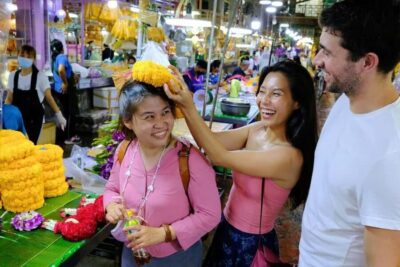 ★ 4.3Tuk Tuk Adventure Chinatown Michelin Food & TemplesFrom $18725 reviews
 ★ 4.6Evening Tour with Wat Arun, Wat Pho & Tuk Tuk RideFrom $41701 reviews
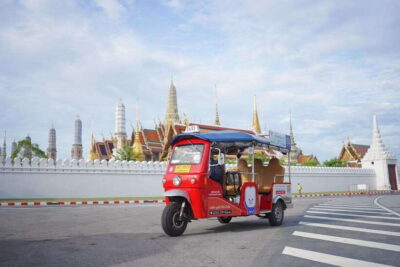 ★ 4.2Tuk Tuk Day Pass App & Boat Chao Phraya RiverFrom $22593 reviews
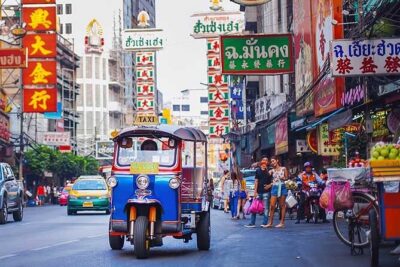 ★ 5.0Bangkok Tuk Tuk Tour – Hotel-pickup & DinnerFrom $81373 reviews
 ★ 5.0Authentic Thai Cooking with the Largest market visit &TukTuk rideFrom $44350 reviews
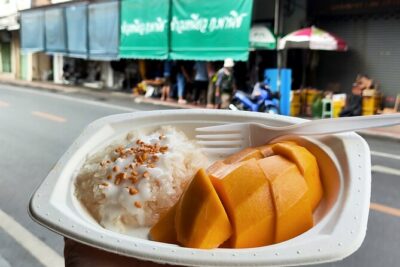 ★ 5.0Bangkok Michelin Food by Tuk Tuk – Hotel-pickup Lunch or DinnerFrom $89324 reviews
Browse the lists this tour appears in