
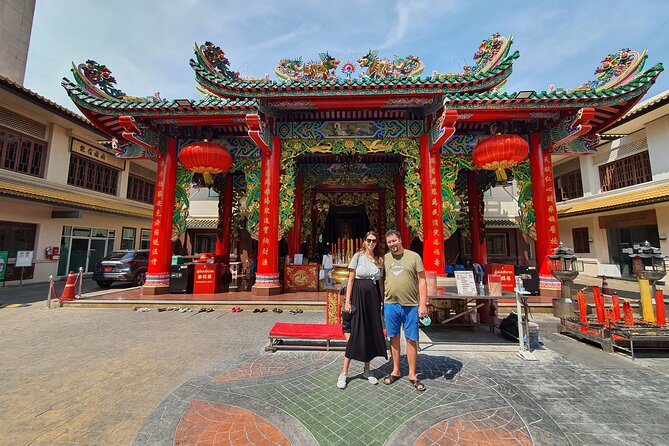
REVIEW · BANGKOK CHINATOWN FOOD WALKS
Small-Group: Unseen Bangkok’s Chinatown Walking Tour
Bangkok’s Chinatown is a maze with a story. This small-group walk threads Sampeng Market back alleys, temple stops, and food tastings into one easy half-day plan. I like that you get both the street-level sights and the human context behind the community.
What makes it work is the guide-led pacing and the mix of stops. I especially love the food and drink samples plus a Thai-Chinese lunch that helps you recharge without turning the day into a long sit-down. And with guides like Bobby, Mai, Eng, and Gee mentioned for being clear, friendly, and practical, you can expect explanations that match what you’re actually seeing.
One thing to consider: it’s a walking tour with plenty of time in tight lanes and market aisles, so comfortable shoes matter. Also, it’s not a pure shopping marathon, so if you want hours of structured bargain hunting, you may want to pair it with time afterward on your own.
In This Review
- Key things you’ll notice on this Chinatown walk
- Entering Sampeng Market Lanes with a Small-Group Guide
- Meeting at Hua Lamphong and Staying Comfortable on a 3-Hour Walk
- Ancient Chinese Temples, a Hidden School, and a Coffee Pause
- Shrine Stops, a Street Art Area, and the Oldest Chinese House
- Talat Noi Market Nods, a Former Red-Light District, and a 150-Year Market
- Street Snacks and a Thai-Chinese Lunch That Actually Fills You Up
- How This Tour Feels Less Touristy, More Like Daily Life
- Price and Value: What You Get for $52.14
- Who This Walk Fits Best (and Who Might Want a Different Plan)
- Should You Book This Unseen Bangkok Chinatown Walking Tour?
- FAQ
- How long is the Small-Group Unseen Bangkok Chinatown Walking Tour?
- What time does the tour start?
- Where do I meet the guide?
- Is hotel pickup included?
- How many people are in the group?
- What’s included in the price?
- Are drinks included?
- Does the tour run in bad weather?
- Is a mobile ticket used?
- What is the cancellation policy?
Key things you’ll notice on this Chinatown walk
- Small group size (up to eight, capped at 10), so your guide can slow down and answer questions
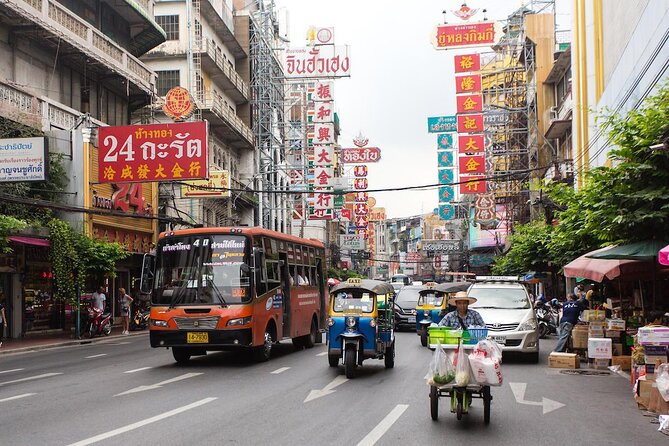
- Sampeng Market lanes and wholesale shopping areas, not just the postcard streets
- Temple and shrine stops, with time built in to understand what you’re looking at
- A Thai-Chinese lunch after snack sampling, so you leave full, not peckish
- Clear, story-driven guide style, with multiple guides praised for friendly, on-the-ground context
Yaowarat eating walks sat in the same folder
- Bangkok: Tuk Tuk Adventure Chinatown Michelin Food & Temples★ 4.3 · 725 reviews
- Bangkok Tuk-Tuk Tour by Night with Chinatown Street Food Meal★ 5.0 · 635 reviews
- Bangkok by Night Food Tour with 10+ Tastings in Chinatown★ 5.0 · 545 reviews
- Bangkok Tuk-Tuk by Night with Chinatown Street Food Meal★ 4.6 · 263 reviews
Entering Sampeng Market Lanes with a Small-Group Guide
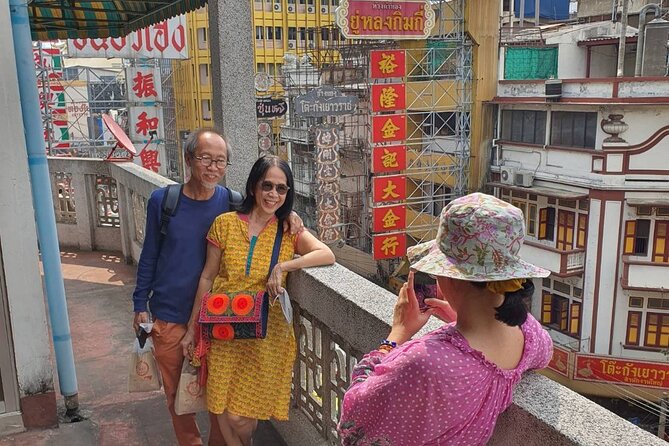
Chinatown in Bangkok can feel like sensory overload at first. This tour helps you make sense of it by giving your eyes a route and your ears a reason. You’re not just walking past storefronts. You’re learning how the area’s daily rhythm ties into community identity, old buildings, and religious sites you might otherwise ignore.
A big part of the appeal is how this day blends three things that usually fight each other on tours: movement, food, and meaning. You get snack sampling along the way, temple and shrine visits, and market exploration. That means you can be curious and hungry at the same time, which is exactly how walking tours should feel.
The guide component is the other key. People repeatedly mention guides like Bobby, Aom, Mai, Eng, Gee, George, and Pat for being clear and supportive, not just reciting facts. One guest even called out a guide staying a bit longer, and another highlighted photo and video help. That kind of extra effort matters in a place where it’s easy to feel lost.
Meeting at Hua Lamphong and Staying Comfortable on a 3-Hour Walk
The tour starts at 10:00 am at Better Coffee Bldg., 1st Fl, 320 TangHuaPak, near MRT Hua Lamphong station. You meet at street level at Exit 1. The activity ends back at the same meeting point, which is handy in Bangkok, where backtracking can take time.
Plan on a 3 to 4 hour walking schedule, with breaks. The pace is described as comfortable, not a nonstop slog. In tight market areas, “comfortable” usually means your guide pauses often, explains what you’re looking at, and then moves you to the next lane before it gets too hectic.
Practical tip: you’re on your feet around markets, alleys, and temple areas. Bring shoes that can handle uneven pavement and crowded sidewalks. If you’re visiting during a rainy season day, the tour still runs in all weather conditions, so expect wet pavement and bring a small umbrella or rain layer.
Also note the group cap. This is sold as small-group, limited to eight, with the maximum listed at 10 travelers. That size hits a sweet spot: you get variety in the questions, but you’re not stuck in a long line.
Ancient Chinese Temples, a Hidden School, and a Coffee Pause
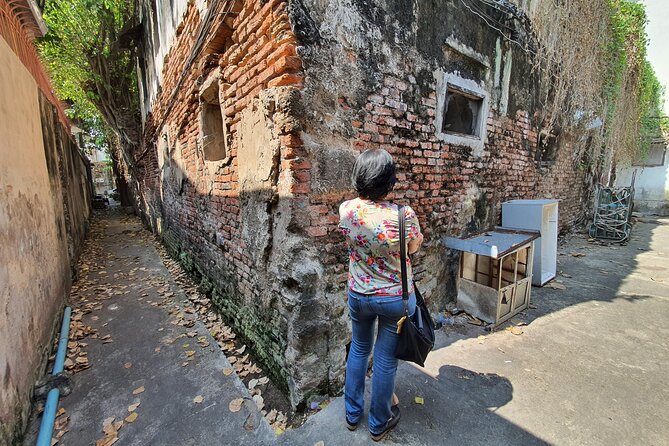
Before the market gets loud, you start with context. Early stops include ancient Chinese temples, a hidden school stop, and a local coffee shop where you can get a drink. This matters because Chinatown isn’t only commerce. It’s also a lived-in neighborhood with spiritual spaces and institutions that shape daily life.
The temple and shrine time is not just about sightseeing. It’s there to help you recognize symbols and roles when you see them again later in the day. If you’ve ever walked into a temple area and felt like you were guessing, you’ll likely appreciate the guide’s focus on what you’re seeing and why it matters locally.
The coffee break is also more useful than it sounds. Market walking can wear you down faster than sightseeing in big open squares. A pause for tea or coffee helps reset your energy, and it makes the later lunch feel earned instead of scheduled.
One more small detail I like: the flow is designed so you don’t hit the busiest commercial spots immediately. You start with learning and orientation, then you move into the lanes.
Shrine Stops, a Street Art Area, and the Oldest Chinese House
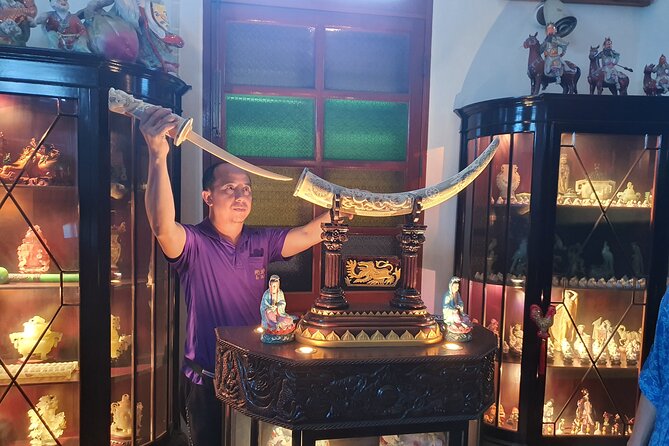
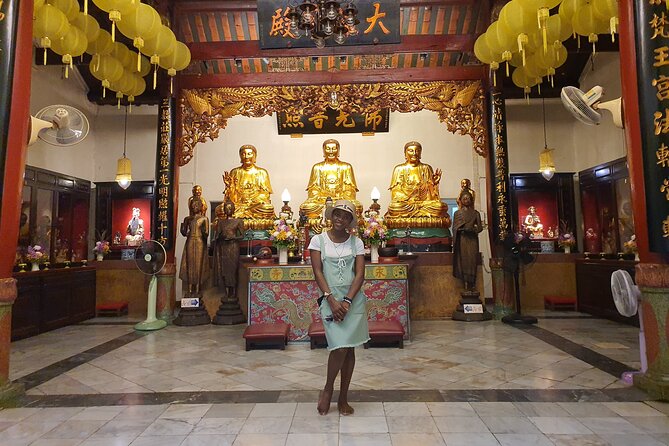
Once you transition into deeper Chinatown, you spend time at several specific landmarks. You’ll walk to a street art area, then visit a Chinese shrine and the Oldest Chinese house in Bangkok. Admission tickets are included for these stops, so you’re not stopping at random places for photos only.
These moments are where the tour shifts from “here’s Chinatown” to “here’s why this place exists.” Shrines are visual language. They show beliefs, community ties, and the way people mark important spaces. The oldest house stop adds another layer by putting a physical timeframe on what you’re seeing, which is useful in a neighborhood where the streets can look timeless even when new things keep appearing.
Why the street art stop works: it keeps the tour from freezing Chinatown in the past. You see how modern expression sits next to older community identity. That mix can make the whole area feel less like a museum and more like a place people still shape.
In one review, a guide’s storytelling and photo help came up again and again. That’s the best-case scenario here. With good guidance, the shrine and historic house stops become the moments you remember later, not the ones you pass through quickly.
Thai walking routes sat in the same notebook

Talat Noi Market Nods, a Former Red-Light District, and a 150-Year Market
Chinatown has parts that are easy to romanticize and parts that need more honesty. This tour includes a segment tied to the former red-light district in Chinatown. It’s scheduled as a short stop, but it’s important because it adds real-world context. Without it, you can end up with a one-note Chinatown story that misses the tough sides of city history.
Next, you visit a 150-years-old fresh market. That stop is brief, but markets move fast, and ten minutes can be perfect if your guide is steering your attention. You’ll likely see how vendors sell, what’s available, and how locals navigate the space. This is the kind of stop that gives you “how it’s used” information, not just “what it looks like.”
Then you move toward snack time and lunch. This structure is smart. You get the market sensory experience in chunks, so you don’t overload before you eat.
A note on expectations: this is not a sterile, curated market hall. It’s a working area. You may feel the crowds and the close spacing, especially around peak times. The guide helps you step into it without losing your sense of direction.
Street Snacks and a Thai-Chinese Lunch That Actually Fills You Up
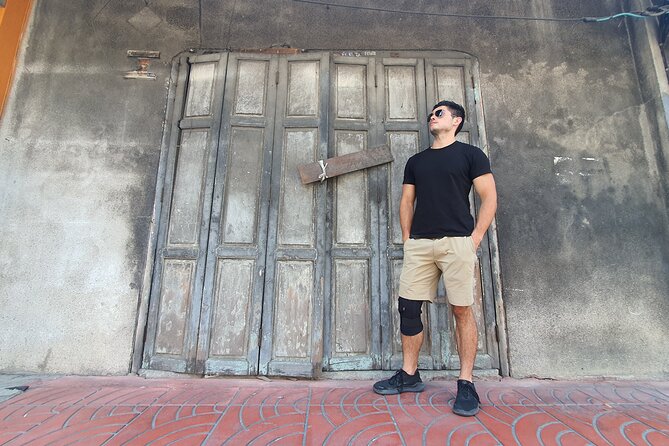
Food is baked into the route. There are Chinese street vendor snack samples during the walking portion, and the day ends with lunch at a restaurant that has been open for 30 years. Drinks are available for purchase, but alcoholic beverages are not included.
I like this setup because it’s both generous and flexible. Snack sampling keeps you curious while you walk. Lunch gives you a proper meal, so you can explore afterward without running on fumes.
The lunch itself is described as typical Thai-Chinese dishes, which is the right kind of crossover for Chinatown. If you only eat Thai food in other neighborhoods, you’ll miss how this community’s flavors and cooking traditions blend. This tour is designed to get you that taste in one sitting.
If you’re a picky eater, take note: you’ll be trying dishes selected by the tour format. You can still manage your day by using lunch as your main meal and keeping snack portions modest if you prefer to control your appetite.
One practical tip from the general tone of the feedback: people praise guides for making stops feel organized and not chaotic. That’s especially helpful around food. In a market area, you don’t want to be hunting for the right dish while everyone else has already moved on.
How This Tour Feels Less Touristy, More Like Daily Life
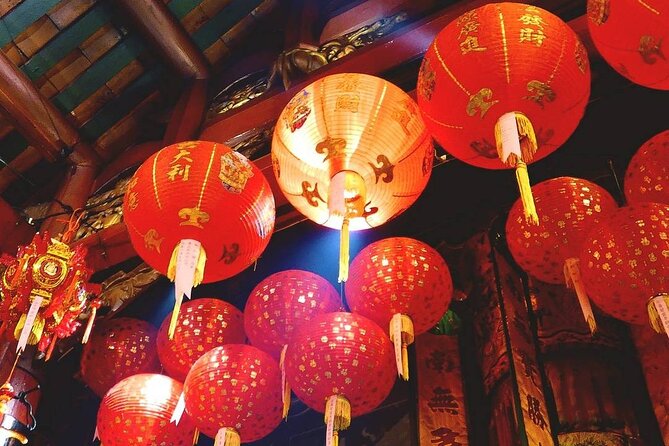
A theme that shows up in the feedback is that this is about daily life, not just tourist highlights. People specifically call out discovering quieter lanes, older neighborhoods, and areas like Talat Noi that you might skip if you only stick to the famous main roads.
This matters because “Chinatown” can become a single big shopping street in your mind. Here, the route nudges you into small alleys and side streets where the community is doing what it does every day. That’s also why the tour uses a guide. In Bangkok, side streets are where the real texture is, and navigation is half the experience.
You’ll also notice that temple and shrine visits aren’t tacked on randomly. They’re placed alongside the neighborhoods and markets, so you understand how spiritual life and commerce coexist here.
If you’re the type who likes seeing where people actually eat, buy, and gather, this style of tour will fit you well. If you only want dramatic sights, you might find you spend more time observing everyday rhythm than posing for landmark photos. But the reward is a Chinatown that feels lived-in, not staged.
Price and Value: What You Get for $52.14
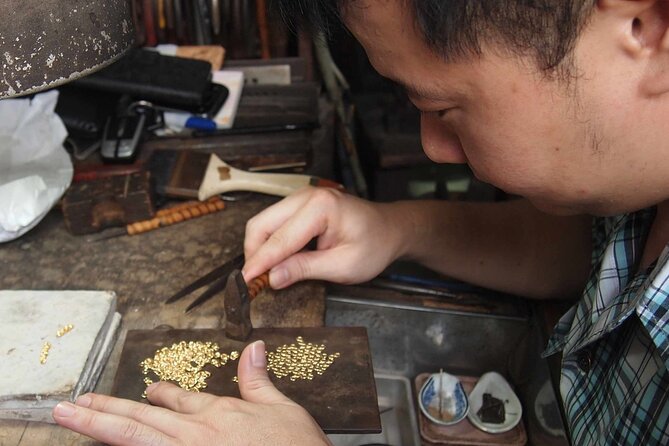
At $52.14 per person, you’re paying for more than a guide. The tour includes food and drink samples, a Thai-Chinese lunch, local transportation fees, and admission tickets for certain stops. That’s a big deal in Bangkok, where entrance fees and transport add up quickly once you start moving between neighborhoods.
What makes it feel like value is the mix. Many tours either focus on sights or focus on food. This one gives you both, plus temple and shrine context, within a short timeframe. You’re not committing to a full day, but you still get enough structure to feel like you used your time well.
Also, the small group size can justify the price. In a tiny group, you can ask why a shrine looks a certain way, or what a market scene says about the community. That turns the walk into a learning experience without turning it into a classroom.
One more value note: the tour uses a mobile ticket. That’s small, but it removes a headache when you’re moving through transit and crowds.
Who This Walk Fits Best (and Who Might Want a Different Plan)
This is a great fit if you:
- want a short, guided introduction to Chinatown beyond the main streets
- enjoy eating while you explore, not after you’re done walking
- like history that’s tied to real places like markets, shrines, and old buildings
- prefer a small-group day where your guide can slow down
It might not be ideal if you:
- want a long, structured shopping tour where you’re buying lots of items
- dislike crowds and narrow lanes, even with breaks built in
- have very limited walking tolerance
If you’re traveling with kids, this is harder to judge. The tour asks for moderate physical fitness. It could work with older kids who enjoy walking and food, but it’s still very much an adult-style neighborhood walk.
If you’re on a first visit to Bangkok, I think this is a smart add-on because it gives you a framework for understanding Chinatown in a way you can keep using later.
Should You Book This Unseen Bangkok Chinatown Walking Tour?
If your goal is to see Chinatown as a working neighborhood, not a theme park, I’d book it. The combination of Sampeng Market lanes, temple and shrine stops, and a Thai-Chinese lunch makes the day feel full without being overstuffed. The best part is that the route is structured around understanding, not just wandering.
Do it if you like food, you can handle a walking schedule, and you want a guide to help you spot what matters. Consider a different style of tour only if you’re mainly after hours of shopping or you strongly prefer open, low-crowd routes.
FAQ
How long is the Small-Group Unseen Bangkok Chinatown Walking Tour?
It runs for about 3 to 4 hours.
What time does the tour start?
The start time is 10:00 am.
Where do I meet the guide?
You meet at Better Coffee Bldg., 1st Fl 320 TangHuaPak. The guide meets you at street level at MRT Hua Lamphong station, Exit 1.
Is hotel pickup included?
No. Hotel pickup and drop-off are not included.
How many people are in the group?
The tour is limited to a small group of no more than eight, and the maximum is listed as 10 travelers.
What’s included in the price?
The tour includes a local guide, food and drink samples, local transportation fee during the trip, and admission tickets for selected stops. Lunch is included as part of the tour experience.
Are drinks included?
Non-alcoholic drinks are available during the tour as samples, and drinks are available for purchase with lunch. Alcoholic beverages are not included.
Does the tour run in bad weather?
Yes, it operates in all weather conditions, so dress appropriately.
Is a mobile ticket used?
Yes, it includes a mobile ticket.
What is the cancellation policy?
You can cancel for a full refund if you cancel up to 24 hours in advance of the experience start time. Changes less than 24 hours before start time are not accepted.
Guided Thai outings, continued
What else made it into the Thailand notebook
Yaowarat after dark, plate by plate
What else made it into the Bangkok notebook
- Mahanakhon SkyWalk Entry Ticket
★ 4.3 · 20 reviews - Bangkok: Nimitr Rooftop by 137 Pillars
★ 4.8 · 20 reviews - Bangkok: Cook authentic Thai food with Smart Cook
★ 5.0 · 20 reviews - Bangkok: Travstore Original Bangkok Discovery Tour
★ 4.5 · 20 reviews - Bangkok: Chao Phraya Princess Dinner Cruise & Hotel Transfer
★ 4.2 · 20 reviews - 1 Hr Private Bangkok Canal Boat Tour: Traditional Flat Boat
★ 4.5 · 20 reviews
Bangkok Chinatown Food Walks, compared.
 ★ 4.9Bangkok Authentic Tasting Thai-Chinatown Walking Food TourFrom $43852 reviews
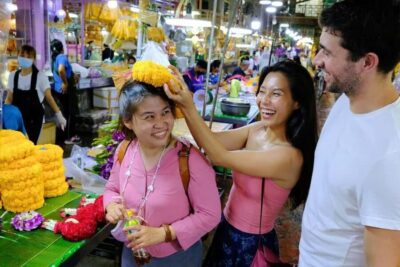 ★ 4.3Tuk Tuk Adventure Chinatown Michelin Food & TemplesFrom $18725 reviews
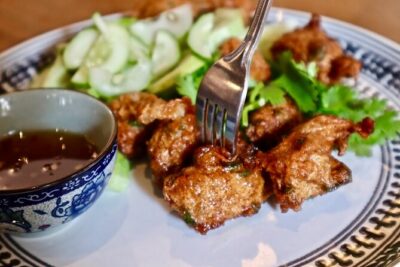 ★ 5.0Bangkok by Night Food Tour with 10+ Tastings in ChinatownFrom $46545 reviews
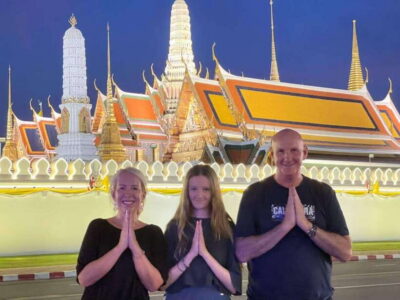 ★ 4.6Bangkok Tuk-Tuk by Night with Chinatown Street Food MealFrom $40263 reviews
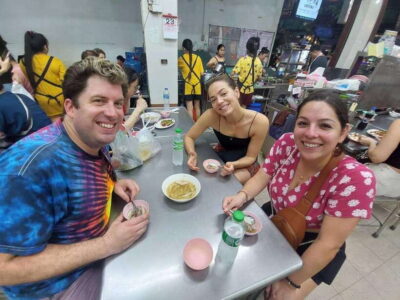 ★ 4.8Chinatown Food Tour with Michelin Food StallsFrom $36226 reviews
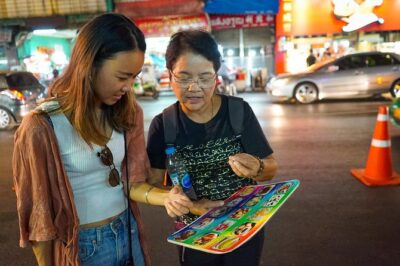 ★ 5.0Bangkok Night Michelin Foodie Tour in Chinatown with 15+ tastingsFrom $56189 reviews
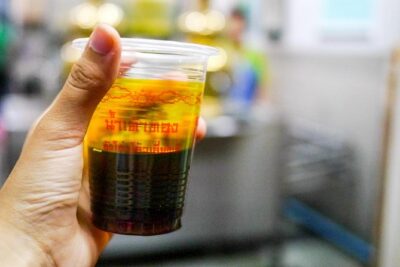 ★ 5.0Night Street Food Tour of Bangkok’s ChinatownFrom $58173 reviews
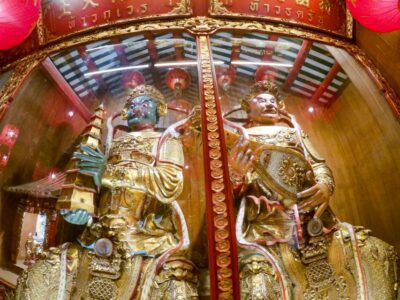 ★ 4.2Discover a Taste of Chinatown – 2 Hr Walking TourFrom $64152 reviews
Browse the lists this tour appears in