
REVIEW · KANCHANABURI AND THE DEATH RAILWAY
River Kwai Day Tour from Bangkok – History, Scenery & Culture
A sobering train day from Bangkok. This trip strings together the places you always hear about, the River Kwai Bridge and the Death Railway, plus the POW memorials that make the story feel real. I especially like the small-group size (max 15) and the included lunch stop at Wang Po station. The main thing to watch is the long day, plus some stops can feel rushed if you want lots of on-the-spot explanation.
You’ll ride out of Bangkok by minibus with an English-speaking guide and return the same way, with admission tickets covered for the key sites and a train segment along the old rail line. In the best cases, your guide makes the difference, and names like Rach, Oom, Nina, and Jira keep showing up for a reason, because they connect the history to what you’re actually seeing.
In This Review
- Key things to know before you go
- Why River Kwai feels different when you see it in daylight
- Bangkok to Kanchanaburi: a long day, planned stops, real comfort
- Stop 1: Kanchanaburi War Cemetery, where the story turns personal
- Stop 2: JEATH War Museum and the POW camp recreation
- Stop 3: Walking the River Kwai Bridge, close enough to feel exposed
- Stop 4: Death Railway Museum and a real train ride segment
- Lunch at Wang Po station: a scheduled break with good views
- Stop 5: Tham Kra Sae Bridge area and getting back to Bangkok
- The guides: why names like Rach, Oom, Nina, and Jira matter
- Price and value: is $97.77 worth it?
- Who this tour suits best, and who should reconsider
- Should you book this River Kwai day tour?
- FAQ
- How long is the River Kwai day tour from Bangkok?
- What is the group size for this tour?
- Does the tour include hotel pickup in Bangkok?
- What stops are included in the itinerary?
- Is lunch included, and where is it served?
- What is included besides lunch?
- How are children priced?
Key things to know before you go
- Max 15 guests means more room to ask questions and move through memorial sites without getting shoved into a crowd.
- Kanchanaburi War Cemetery sets the tone fast, and it’s one of the most moving stops on the route.
- JEATH War Museum mixes WWII exhibits with a POW camp recreation, but English explanations can vary.
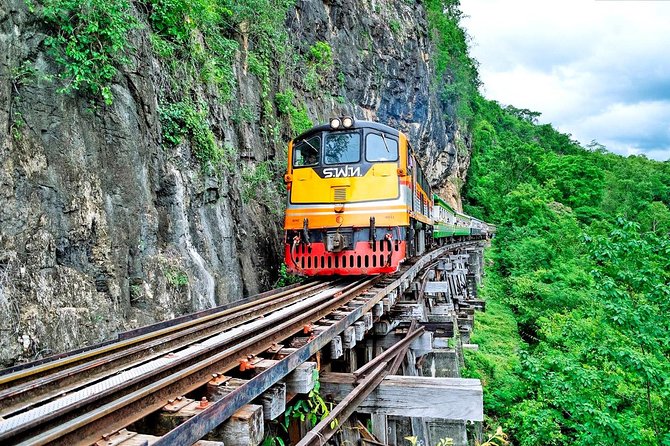
- A train ride on the Death Railway stretch is the highlight for most people, views include countryside and wooden viaducts.
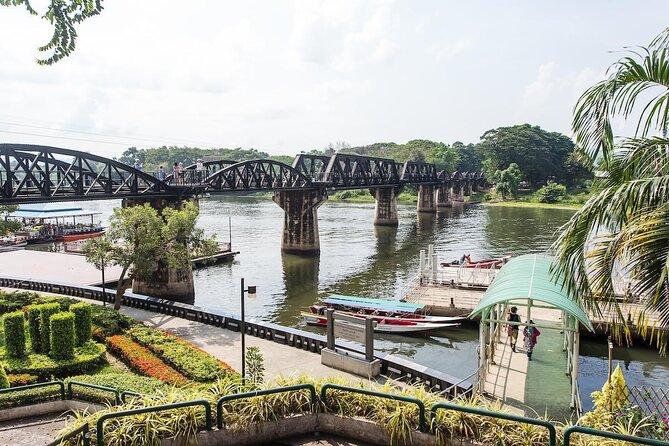
- Walk on the River Kwai Bridge gives you a physical sense of how narrow, high, and exposed the crossing is.
- Lunch at Wang Po station is part of the schedule, so you’re not stuck hunting for food mid-journey.
Kanchanaburi and Death Railway visits were reviewed the same way
- From Bangkok: Erawan Park & Kanchanaburi Small-Group Tour★ 4.5 · 1,582 reviews
- From Bangkok: Historical Day Tour to River Kwai★ 4.6 · 868 reviews
- Bridge on the River Kwai and Thailand-Burma Railway Tour★ 4.5 · 658 reviews
- Erawan Waterfalls and Bridge Over River Kwai Tour from Bangkok★ 4.5 · 372 reviews
Why River Kwai feels different when you see it in daylight
The River Kwai story is famous for movies. But this day tour is built around the real WWII sites, the memorials, and the surviving rail details. The tone is educational and respectful, and it lands hardest at the cemetery and the POW-focused exhibits.
I like that you’re not just taking photos at the bridge and moving on. You get the full arc, from allied POW burial grounds, to a museum and camp reconstruction, to a train segment along the Death Railway corridor. You’ll still feel the emotional weight, but you’ll also get the geography and scale that movies flatten.
Bangkok to Kanchanaburi: a long day, planned stops, real comfort
This is an approximately 11-hour day with round-trip transfers. Pickup is available from Bangkok hotels on request, and the driving is done by minibus in an air-conditioned vehicle. Translation: it’s a road trip day, not a quick hop.
Plan to treat the schedule like a sequence of different “modes.”
- Early hours are for getting out there.
- Midday is for museum and bridge walking.
- Later is for the train ride and the Wang Po station lunch break.
- The return to Bangkok is the button, not the adventure.
Traffic can stretch things. The operator notes the driver can be late due to traffic, and the activity timing can shift with weather, equipment maintenance, or safety checks. That’s not a problem if you mentally budget for it, and it helps to keep snacks and water handy even though lunch is included.
Stop 1: Kanchanaburi War Cemetery, where the story turns personal
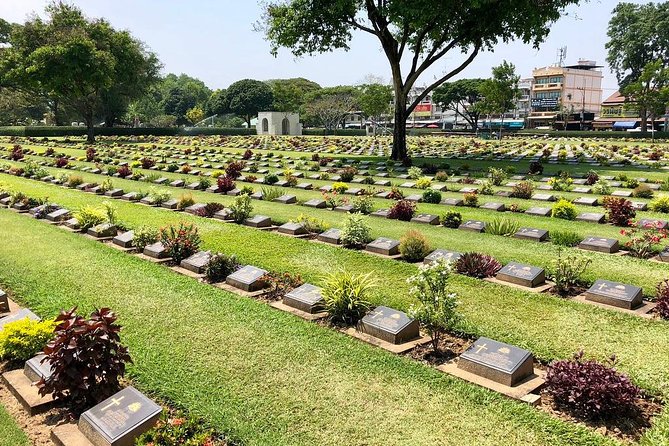
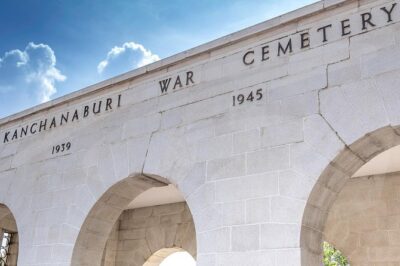
Your first real anchor point is the Kanchanaburi War Cemetery. This is the cemetery for allied prisoners of WWII who died in and around the bridge and rail construction. Expect a quiet, structured visit, and expect your mood to change the moment you understand how many people are buried here.
The value of this stop is simple: it turns the rest of the day from facts into people. If you’re the type who likes to connect the dots, you’ll walk around with a different kind of attention after you see names and graves.
A small practical tip: give yourself a little space for photos, and don’t overpack the cemetery with your phone. You’ll enjoy it more if you linger and read at your own pace.
Stop 2: JEATH War Museum and the POW camp recreation
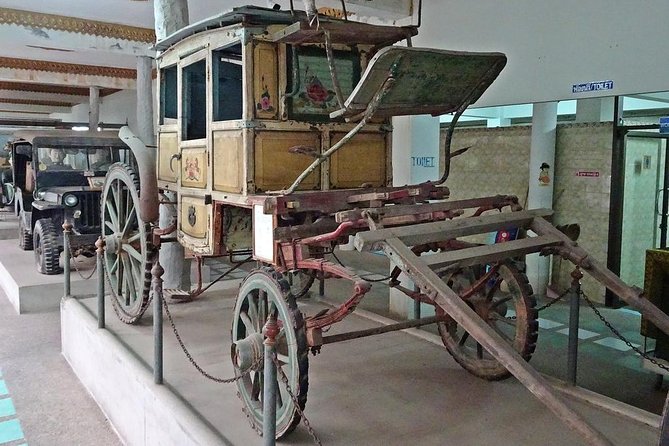
Next up is the JEATH War Museum, which focuses on WWII in the region. You’ll spend around an hour here, looking at exhibits and a recreation-style display of a POW camp setting.
What I like is the way this museum gives you an idea of how the POW experience was described, staged, and remembered. It helps you understand why the bridge and railway story carries such a heavy moral weight.
One thing to consider: English support quality can vary. Some visitors found that the English descriptions were limited and that the museum could feel more visual than explanatory. If you care a lot about narrative detail, that’s where a strong guide matters. If your guide is active and conversational, you’ll get more out of this hour.
Thai history outings also got written up


Stop 3: Walking the River Kwai Bridge, close enough to feel exposed
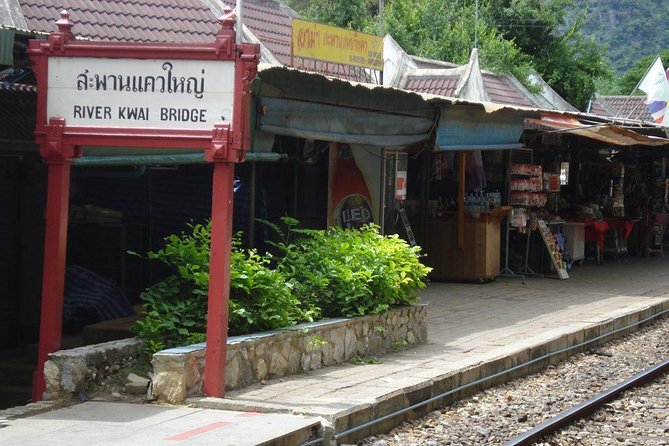
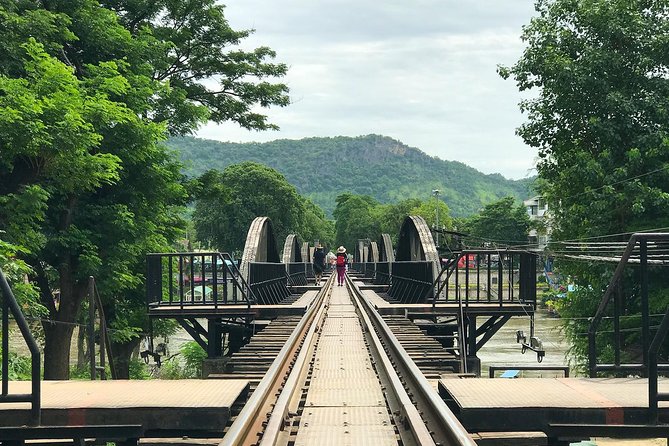
Then comes the part people talk about most, the walk across the River Kwai Bridge. You’ll spend about an hour here, and the walk is the moment where history becomes physical. The bridge crossing helps you understand why the railway and bridge were such a big engineering and strategic target.
Here’s the practical benefit: you get to see the bridge from your own angle. You can check the width, the height, and the river situation under you, which is hard to grasp from a postcard.
Wear comfortable shoes. It’s a walking stop, and it’s not a quick photo sprint. Also, if you’re sensitive to crowds, this is usually better handled early in the visit window so you’re not trying to pose while people surge.
Stop 4: Death Railway Museum and a real train ride segment
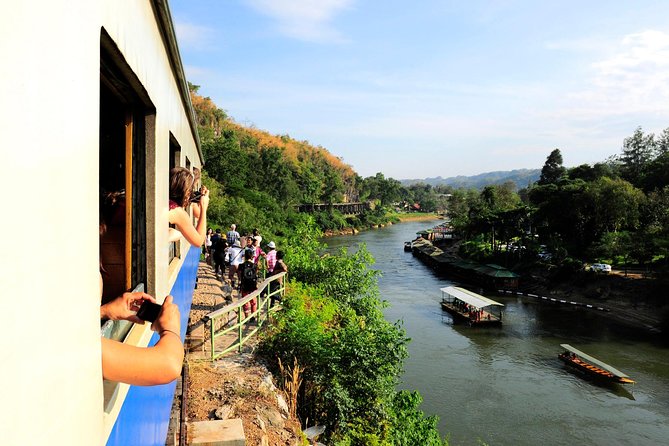
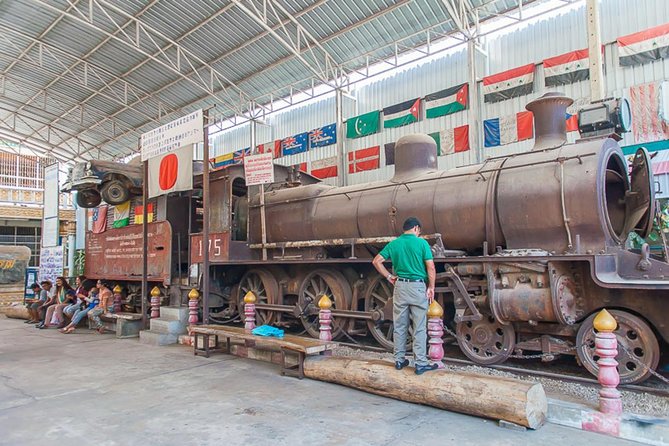
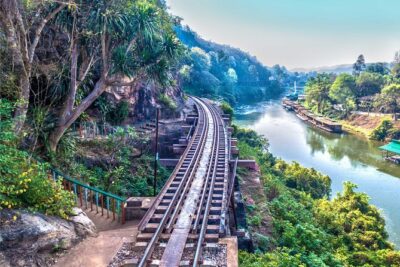
After the bridge, you’ll reach the Death Railway Museum and Research Centre area and then board a train for a sightseeing stretch along the Death Railway line. The schedule lists about 30 minutes for the train segment, and that short window is exactly why this portion is so popular.
From the notes and on-the-ground feedback you can expect:
- Countryside views as the train moves along.
- Wooden viaduct structures connected to the POW-built rail line.
- Passages that feel dramatic because the viaducts sit over steep drops toward the river.
It’s also where the day can get messy, in a real-life way. Some people mention dust and smoke along the rail ride. If you’re worried about that, bring a mask or a light scarf. Even if it’s not constant, you’ll thank yourself for being prepared.
Seat expectations matter too. A few reviews mention a possible upgrade option for train seating, including an option to pay for a better seat arrangement (one mentioned price was 500 BHT). If the operator offers it on the day and you hate cramped seating, ask early. You might get a better result, and you’ll avoid the last-minute scramble.
Lunch at Wang Po station: a scheduled break with good views
Lunch is provided at a restaurant near Wang Po station, close to the Burmese border area. The tour includes a Thai-style lunch buffet, and it’s meant to be a real break in a long day.
What’s smart here is the timing. You get a proper sit-down meal and a chance to reset your legs before the return drive. Also, because it’s near the river/rail setting, people often remember lunch not just for the food but for the scenery around the station area.
If you’re picky about buffet crowds, go with a plan. Eat early when the group settles in, and then take a short walk afterward. It’s a small thing, but it improves your energy for the final leg back.
Stop 5: Tham Kra Sae Bridge area and getting back to Bangkok
The itinerary finishes with arrival at Wang Po railway station and the lunch segment, then the drive back to Bangkok. One more bridge-related stop is listed as Tham Kra Sae Bridge, which ties the day together with additional rail and river landmarks.
Then it’s time to head home. People often say the day is long, and they’re right. But the tour structure helps, because you’re not stuck in one long bus-only segment without breaks. You’ll still be tired when you return, just not mentally bored.
The guides: why names like Rach, Oom, Nina, and Jira matter
A day tour like this lives or dies by the guide. The best experiences you’ll get are the ones where the guide doesn’t just point at a sign. They explain what you’re seeing, and they connect it to the wider WWII story.
Names you’ll see in this tour’s feedback include Rach, Oom, Nina, Jira, and even Oil, with varying results. The pattern is clear: when the guide is engaged and speaks strong English, you get commentary along the way and you can ask questions without struggling.
When English skill is weaker, the tour can feel more like self-reading at each stop. If you like storytelling, look for a guide who’s proactive. In practice, that means you’ll hear history context while you’re traveling and not only when you reach the museum doors.
Price and value: is $97.77 worth it?
This costs $97.77 per person, and that price is tied to the reality of a Bangkok to Kanchanaburi round trip.
Here’s what you’re getting for your money based on the included items:
- Round-trip transfer in an air-conditioned vehicle
- English-speaking guide
- Lunch
- Admission tickets for the main stops and the train-related experience segment
That means you’re paying for time, transport, guide interpretation, and admissions. If you tried to do this on your own, you’d likely spend a similar amount just on transport plus admissions, and you’d lose the benefit of someone translating the story into something coherent.
So is it value? For most people, yes, because the train ride and the POW memorial focus are hard to replicate as a DIY day without careful planning. The main reason it might feel pricey is if the guide delivery is weaker or if you personally prefer slower, more detailed museum time.
Who this tour suits best, and who should reconsider
This tour is a strong fit if you want a guided WWII day that includes the big moral sites, not just sightseeing.
You’ll likely enjoy it most if you:
- Care about the Bridge and Death Railway beyond the movie version.
- Want a small group so it feels respectful rather than chaotic.
- Like the mix of walking, museums, and a train segment.
You might want to reconsider if:
- You hate long travel days and want lots of downtime.
- You need very detailed English narration at every stop, because museum description quality can vary.
- You get easily annoyed by dust during open-air rail viewing.
Should you book this River Kwai day tour?
If you’re choosing between a quick bridge photo stop and a full WWII day with memorial context, I’d book this. The combination of cemetery visit, JEATH Museum, bridge walk, and the Death Railway train segment gives you a complete experience in one long push.
I’d also book it if you value a small group and plan to lean on your guide for the story, especially if the guide in your slot is someone like Rach, Oom, Nina, or Jira. If your schedule is tight, or you want a very relaxed pace, then the length is the real tradeoff, because this is a structured day, not a wander-at-will afternoon.
In short: if you can handle a full day and you want the history to land where it belongs, this is a solid pick.
FAQ
How long is the River Kwai day tour from Bangkok?
The tour runs for approximately 11 hours.
What is the group size for this tour?
The tour has a maximum of 15 travelers.
Does the tour include hotel pickup in Bangkok?
Yes, Bangkok hotel pickup is available on request.
What stops are included in the itinerary?
The day includes Kanchanaburi War Cemetery, JEATH War Museum, a walk on the River Kwai Bridge, the Death Railway Museum and Research Centre with a train sightseeing ride, and arrival at Wang Po railway station for lunch.
Is lunch included, and where is it served?
Lunch is included at Wang Po station and is described as a Thai-style buffet at a local restaurant.
What is included besides lunch?
Round-trip transfers, an English-speaking guide, air-conditioned vehicle, and admission tickets for the listed stops are included.
How are children priced?
The notes say children over 120 cm are charged as adults, and another note says if the height is over 110 cm you should use the adult price. Confirm the exact threshold when booking.
Guided Thai outings, continued
What else made it into the Thailand notebook
The Death Railway and the war cemeteries, continued
What else made it into the Bangkok notebook
- Mahanakhon SkyWalk Entry Ticket
★ 4.3 · 20 reviews - Bangkok: Nimitr Rooftop by 137 Pillars
★ 4.8 · 20 reviews - Bangkok: Cook authentic Thai food with Smart Cook
★ 5.0 · 20 reviews - Bangkok: Travstore Original Bangkok Discovery Tour
★ 4.5 · 20 reviews - Bangkok: Chao Phraya Princess Dinner Cruise & Hotel Transfer
★ 4.2 · 20 reviews - 1 Hr Private Bangkok Canal Boat Tour: Traditional Flat Boat
★ 4.5 · 20 reviews
Kanchanaburi and the Death Railway, compared.
 ★ 4.5Erawan Park & Kanchanaburi Small-Group TourFrom $591,582 reviews
 ★ 4.6Historical Day Tour to River KwaiFrom $51868 reviews
 ★ 4.5Bridge on the River Kwai and Thailand-Burma Railway TourFrom $108658 reviews
 ★ 4.5Erawan Waterfalls and Bridge Over River Kwai Tour from BangkokFrom $56372 reviews
 ★ 4.5Bridge on the River Kwai and Thailand-Burma Railway Guided TourFrom $94353 reviews
 ★ 5.0Erawan Waterfall and Elephant Care: Private Tour to KanchanaburFrom $227339 reviews
 ★ 5.0Kanchanaburi Full Day Tour: River Kwai and Erawan FallsFrom $87327 reviews
 ★ 4.0Floating Markets and Bridge on River Kwai Tour from BangkokFrom $85253 reviews
Browse the lists this tour appears in