
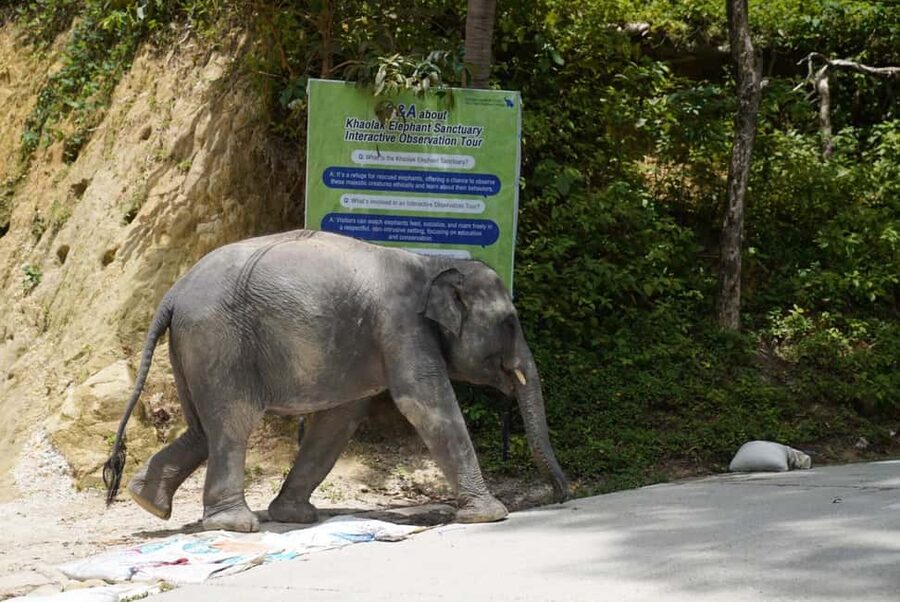
REVIEW · ELEPHANT SANCTUARY VISITS
Phuket: Guide Tour to Patong Elephant Sanctuary
Retired elephants change the whole day. I really liked the forest walk where you can watch elephants move, forage, and interact at an unhurried pace, and I also liked the hands-on banana tree and grass feeding activity that actually supports daily care. One thing to consider first, though: the sanctuary is newly established and there is currently no toilet facility, so plan accordingly.
This experience is led from a Hill Tribe community, with guides explaining the elephants’ history as well as how caretakers look after animals retired from tourism. My guide on my visit (and it matches what others have said) was caring and focused on calm elephant handling, with at least one guide named Jungle Man specifically mentioned for being helpful and photo-friendly.
In This Review
- Key Highlights You’ll Care About
- What Makes This Patong Elephant Sanctuary Tour Worth Your Time
- Hill Tribe Elephant Village: Meeting the People Behind the Care
- Walking the Forest With Elephants, Not Just Around Them
- Caretaker-Style Feeding: Cutting Banana Trees and Harvesting Grass
- Guide Energy, Photos, and How the Interaction Usually Feels
- Timing and Transfers: Don’t Let the 1-Hour Label Fool You
- Price and Value: What $45 Buys You in a Sanctuary Setting
- Practical Tips: What You Need to Bring (and What to Skip)
- Who Should Book This Elephant Sanctuary Experience
- Should You Book This Patong Elephant Sanctuary Tour?
- FAQ
- Where is pickup for the Phuket: Patong Elephant Sanctuary tour?
- How long is the experience?
- What activities are included during the tour?
- Is hotel transfer included?
- What should I bring?
- Are meals included?
- Is there a toilet facility on site?
- What language is the tour guide?
- Are there any restrictions during the tour?
Key Highlights You’ll Care About
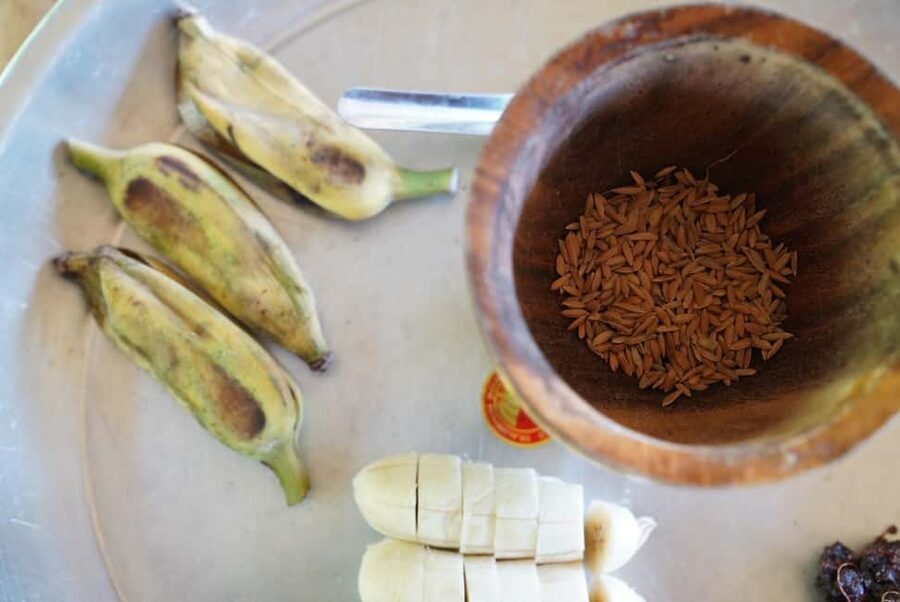
- Retired-from-tourism elephant care, explained by hill tribe caretakers
- Forest walk in the elephants’ natural routine, not a stunt show
- Caretaker-style feeding work, cutting banana trees and collecting grass
- Behavior and body-language education while you’re actually there
- Respectful interaction, with a slow, patient vibe around the animals
Thai sanctuary visits got read closely, riding-free
- Phuket: Elephant Feeding Program★ 4.8 · 46 reviews
What Makes This Patong Elephant Sanctuary Tour Worth Your Time
If you’re in Phuket and you want elephants, it’s easy to get pulled toward rides, tricks, or quick photo lines. This tour is different because it centers on a sanctuary-style day with elephants that are living their routine. You’re not trying to force an experience. You’re learning how caretakers think, what elephants need, and why “care” looks a lot like steady daily work.
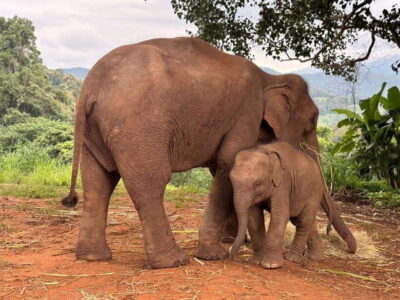
I also liked how the focus stays on the animals’ everyday lives. You’re introduced to their background and daily care approach, then you walk through the forest where elephants forage and explore like they do when nobody is asking them to perform. That slower rhythm is where the meaning shows up.
Hill Tribe Elephant Village: Meeting the People Behind the Care
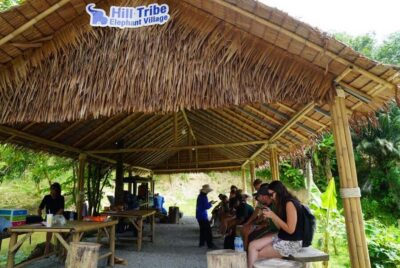
The day starts with a pickup in the Patong area (including Tri Trung and Kalim) and a transfer to the Hill Tribe Elephant Village. Once you arrive, you get an education session that’s meant to connect you with the caretakers, including the bond between mahouts and their elephants.
What makes this stop valuable is the framing. Instead of treating elephants as attractions, you’re shown them as animals with individual histories, routines, and needs. One review noted that the guide shared details on the story of each elephant, and that matters because it helps you understand why the sanctuary takes the approach it does.
You’ll also see this place is still building itself. One person described it as newly open for about six months, which can be a good sign that the focus is on space and environment, but it also explains why some facilities like toilets are not yet in place.
Walking the Forest With Elephants, Not Just Around Them
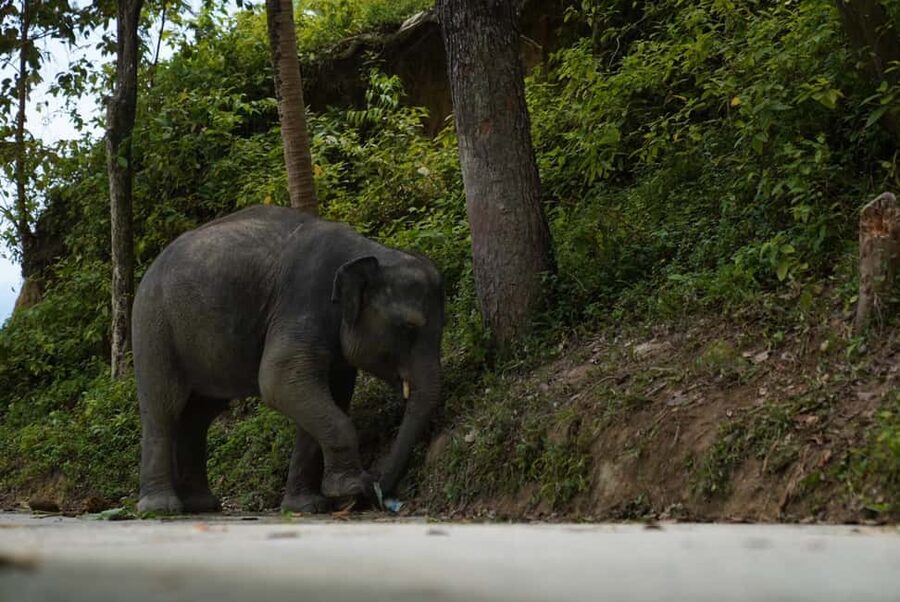
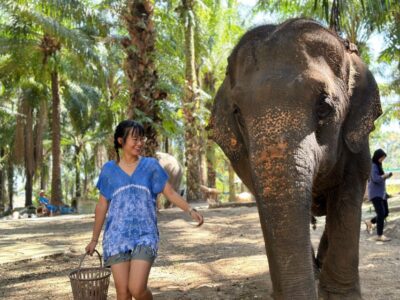
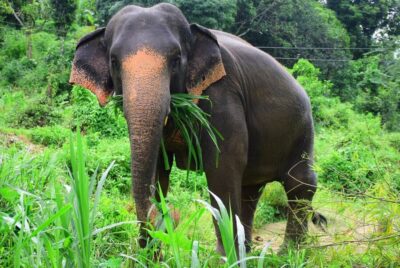
The main part of the experience is a guided walk in the forest with elephants. This is where you get to observe real behavior, including how they explore, forage, and interact when they’re not being rushed. Guides talk as you go, pointing out what to notice in body language and elephant habits.
Two things to know going in. First, the pace is meant to feel relaxed, and the goal is understanding rather than sprinting from one photo spot to another. Second, you may find the guiding style a bit talk-heavy. One review said they heard more talking than they expected and wanted more quiet time to just watch the elephants and take in the view.
If you prefer a quieter experience, bring the mindset of a gentle classroom outdoors. The education is part of why this tour costs what it costs. It’s also how you learn what respectful distance looks like.
Caretaker-Style Feeding: Cutting Banana Trees and Harvesting Grass
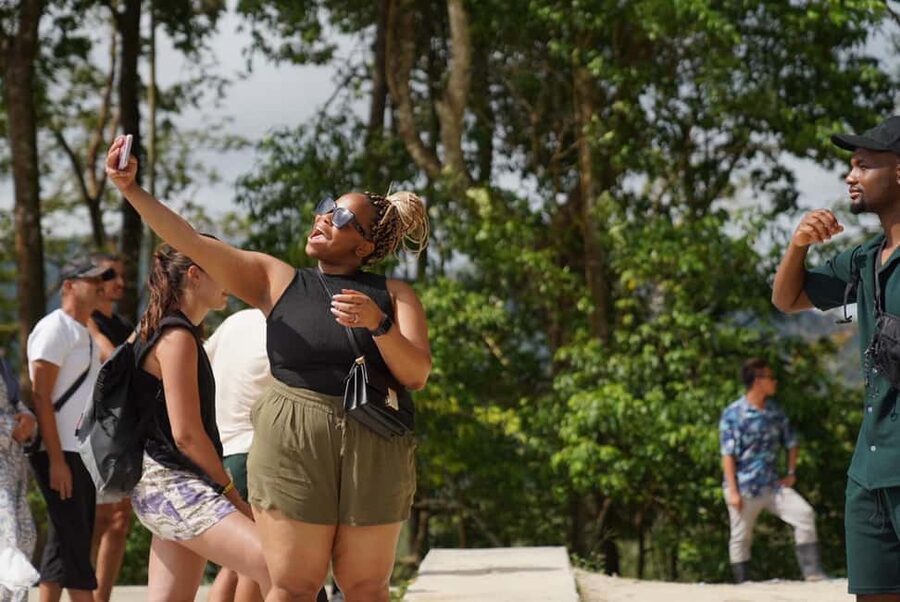
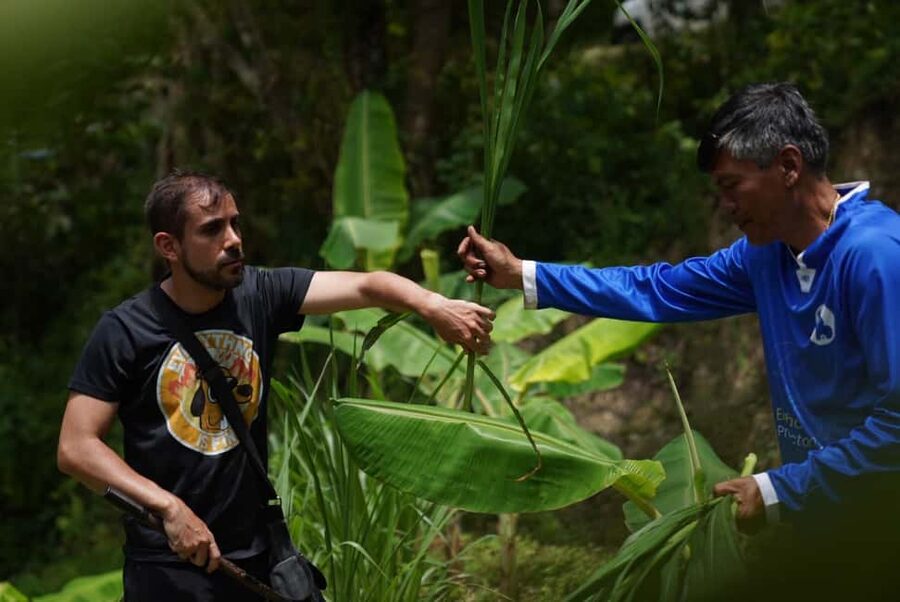
After the walk, you take part in preparing food for the elephants. The hands-on part is practical: you help cut banana trees and collect fresh grass to feed them. It’s simple work, and it connects what you observed earlier to daily care.
This is also where the “sanctuary” idea becomes real. In tourism settings, feeding can turn into a contact-and-photos routine. Here, the feeding activity is framed as supporting their needs as part of their daily diet. You’re not being asked to do anything unsafe or dramatic. It’s more like learning what keeps their routine steady.
One review highlighted that making food for the elephants and taking pictures was exciting. Just keep in mind that the activity is still a guided care session. Your job is to help calmly and follow instructions, not to turn it into a performance.
Guide Energy, Photos, and How the Interaction Usually Feels
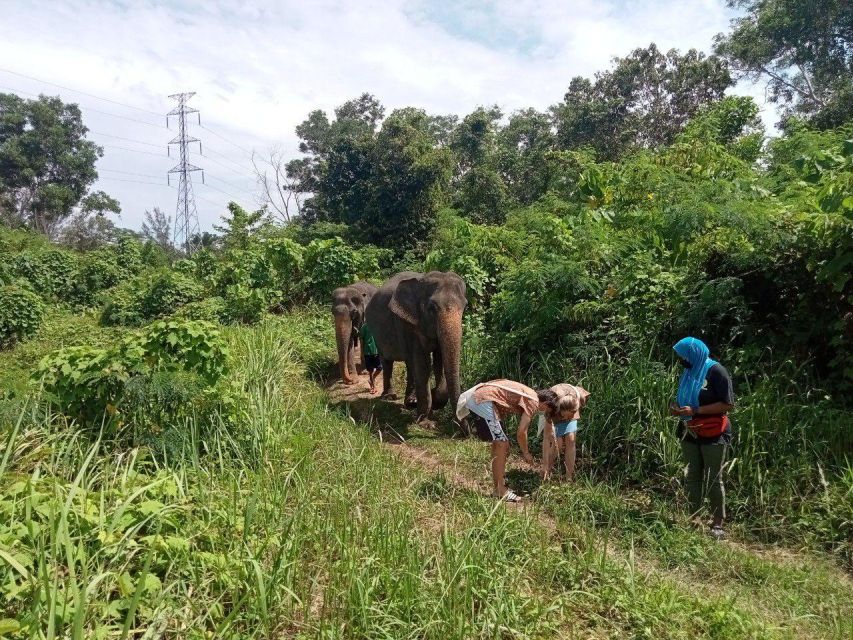
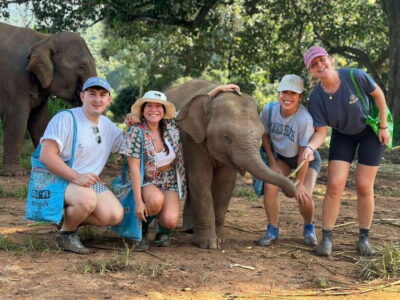
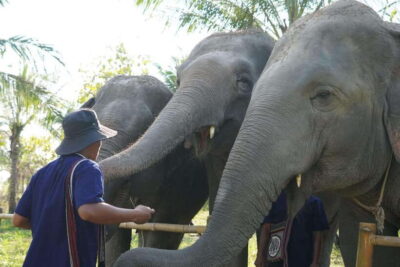
You’ll have a live English-speaking guide. Interaction around elephants is described as calm and respectful, and you can usually take photos. Reviews also mention that touching can be part of the experience, but it is done slowly and with care.
I’m glad the tour is open about what it is: a caretaker day with an education component, not a fast entertainment stop. One review even named Jungle Man and said he was very helpful, knowledgeable in a practical sense, and took great photos. That kind of guidance helps you get better shots without crossing boundaries.
At the same time, don’t expect a perfectly silent walk. Some guides are more talk-forward than others. If you want a lot of stillness, plan to balance listening with taking time to watch. Elephants spend a lot of the day doing ordinary elephant things, so you’ll get moments where you can just look.
Timing and Transfers: Don’t Let the 1-Hour Label Fool You
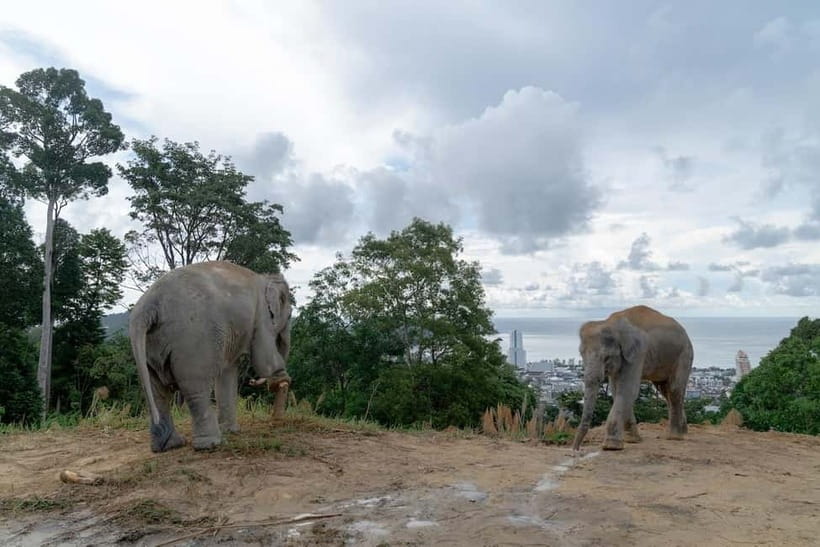
The tour is advertised as a 1-hour experience, but the full schedule includes van rides. Expect a pickup in Patong and nearby areas, plus a long enough transfer that you should treat this as more of a short outing than a quick in-and-out stop.
What matters for your planning is that the on-site portion includes both the village visit and the guided walking time, and that whole active block is listed as about two hours. Then you’ll return by van. So if you’re trying to fit this between beach plans, give yourself breathing room.
A real-world note from feedback: one person mentioned their transfer was delayed, which pushed the activity back. That’s not rare in Phuket, so keep your day flexible. If you’re booked tightly to other tours, buffer time.
Price and Value: What $45 Buys You in a Sanctuary Setting

At around $45 per person, this tour sits in the “you get something real” category rather than the cheapest options that often cut corners. Here’s what your money is actually supporting based on what’s included:
- A guided forest walk with elephants
- An elephant education session
- Food prep help (banana trees and grass harvesting)
- Drinking water, and they ask you to bring a reused bottle
- Insurance
- Optional hotel transfer based on your pickup selection
Meals are not included, so you’ll want to plan around that. Also, you’re paying for instruction and for time spent with caretakers, not for a brief photo line.
Is it a bargain? For an animal-care-focused experience with hands-on participation, I think it’s fair. The value rises if you care about learning behavior and understanding daily care, not just being near elephants.
Practical Tips: What You Need to Bring (and What to Skip)

Because the sanctuary currently does not have a toilet facility, this is the big practical item. Please plan your timing so you’re not stuck thinking about it mid-walk. Also, wear clothes you don’t mind getting slightly dusty, since you’re walking in a forest environment.
Bring:
- A reused water bottle, since water is included but they specifically request you bring your own
- Sunscreen and a hat, because you’ll be outside
- Comfortable walking shoes that handle uneven ground
Skip:
- Alcohol and drugs, which are not allowed
And remember meals are not included, so either eat before you go or plan a post-tour meal back in Patong.
Who Should Book This Elephant Sanctuary Experience
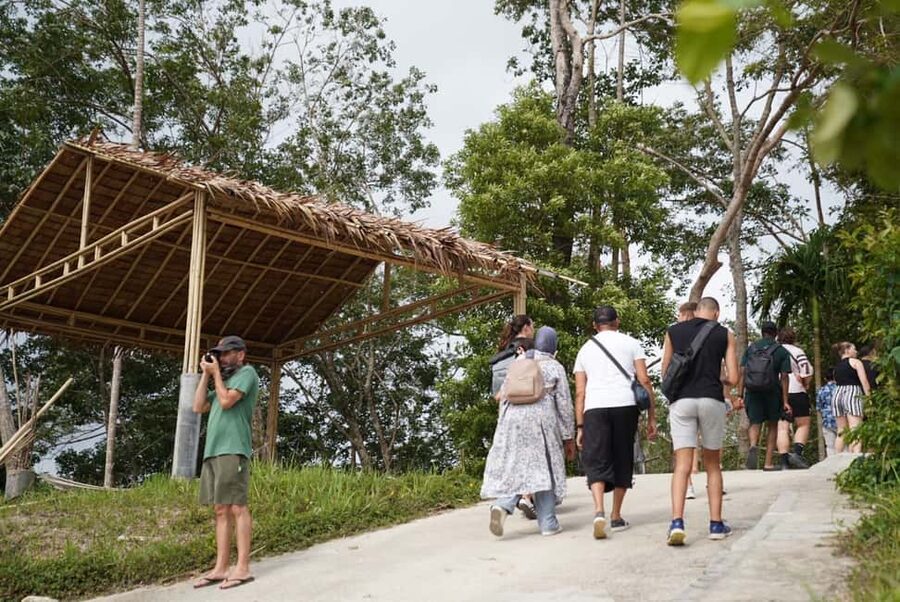
This tour is a strong match if you want:
- A sanctuary-style day focused on care and routine
- Real elephant observation, including behavior and body language
- A hands-on way to support feeding through banana tree and grass harvesting
- A calm interaction approach rather than a performance
It’s less ideal if:
- You hate guided talking and prefer long quiet viewing time
- You absolutely need toilet facilities during the outing
Because it’s wheelchair accessible, it can also work for people who need that level of access, but you’ll still be dealing with an outdoor forest walk, so it’s worth checking what “accessible” means for your specific mobility needs once you book.
Should You Book This Patong Elephant Sanctuary Tour?
I’d book it if your goal is an honest, respectful elephant encounter that centers on daily care. The combination of a forest walk, clear education about caretaking for retired elephants, and a feeding support activity makes it feel like more than a photo stop.
I would hesitate only if the lack of a toilet facility would genuinely disrupt your comfort, or if you need a totally low-talk experience. Also, keep your schedule flexible. Even good plans can get shifted by transport timing.
If you choose to go, go with the right expectations: this is a caretaker day with learning built in. You’ll leave with a better sense of how elephants are supported and a more respectful view of what sanctuary care looks like.
FAQ
Where is pickup for the Phuket: Patong Elephant Sanctuary tour?
Pickup is included from Patong, Tri Trung, and Kalim area to the Hill Tribe Elephant Village.
How long is the experience?
The tour duration is listed as 1 hour, and it includes time for van transfers and a guided visit and forest walk.
What activities are included during the tour?
You’ll do a guided forest walk with elephants, an elephant education session, and a banana tree and grass harvesting activity for feeding.
Is hotel transfer included?
Hotel transfer is included if you select the option.
What should I bring?
The tour includes drinking water, but you should bring your own reused bottle. It can also help to bring basics for outdoor walking like sun protection.
Are meals included?
No, meals are not included.
Is there a toilet facility on site?
No. The sanctuary does not currently have a toilet facility.
What language is the tour guide?
The live tour guide is English.
Are there any restrictions during the tour?
Alcohol and drugs are not allowed.
What else made it into the Thailand notebook
Sanctuary visits, and how the elephants are actually kept
What else made it into the Choeng Thale notebook
- Phuket: Elephant Feeding Program
★ 4.8 · 46 reviews
Elephant Sanctuary Visits, compared.
 ★ 4.9Elephant Sanctuary, Waterfall & Bamboo RaftingFrom $609,160 reviews
 ★ 4.9Elephant Sanctuary & Waterfall Group TourFrom $505,780 reviews
 ★ 4.8Elephant Sanctuary Feeding Program Half-Day TourFrom $274,527 reviews
 ★ 4.9Elephant Bathing Session at Krabi Elephant ShelterFrom $482,021 reviews
 ★ 4.8Elephant Sanctuary Guided Tour with Hotel TransfersFrom $412,020 reviews
 ★ 4.8Elephant Care Program and Nursery TourFrom $531,899 reviews
 ★ 5.0A Morning with the Elephants at Phuket Elephant SanctuaryFrom $971,693 reviews
 ★ 4.8Living Green Elephant Sanctuary Day TripFrom $571,541 reviews
Browse the lists this tour appears in