
REVIEW · KOH CHANG ISLAND TRIPS
Padi Freediver, learn how to freedive and get your first license (at Koh Chang)
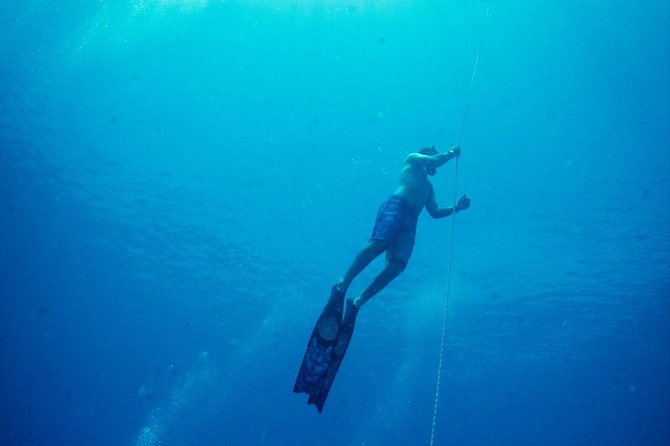
Breath-hold skills, step by step in Koh Chang. This PADI Freediver course focuses on small-group training (max 5) and teaches you to build confidence from first breaths to real ocean practice around Bang Bao.
I really like that the training moves in clear stages, land basics then pool skills, so you are not guessing when you get in the water. On top of that, you get lunch and snacks plus drinks, which matters because breath-hold sessions are mentally and physically tiring.
One thing to plan for is the THB 200 national park fee, since it is not included. Also, hotel transfers are only from the west coast of Koh Chang, so you may need a short local ride if you are elsewhere.
In This Review
- Key things I’d pay attention to
- Koh Chang Freediver: Why Bang Bao works so well
- Price and logistics that actually matter (what you really get)
- Meeting point and timing: be ready for an early start
- Day 1 at Bang Bao: breath-hold technique on land and in the pool
- Day 2 boat training: two reef stops and a full day rhythm
- What you learn for your PADI Freediver license
- Equipment and coaching: the small-group advantage
- Food and comfort: keeping energy up between sessions
- Weather and reef conditions: why flexibility is part of the plan
- Who this course fits best (and who should rethink)
- The real payoff: confidence you can take into the ocean
- Should you book this PADI Freediver course at Koh Chang?
- FAQ
- How many people are in the freediver course group?
- What time does the course start, and where do I meet?
- Is hotel pickup and drop-off included?
- What is included in the price?
- Is the national park entry fee included?
- What happens if weather is bad?
- What does the 2-day itinerary include?
Key things I’d pay attention to
- Max 5 students means more instructor attention and calmer pacing.
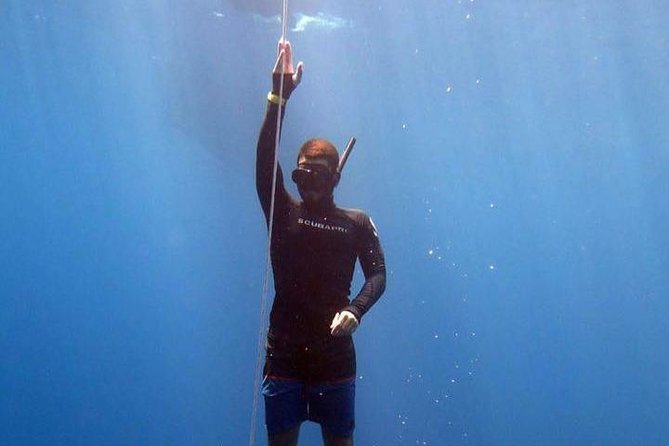
- Land, pool, then reef training helps your body learn the sequence before the ocean pressure shows up.
- Boat day with 2 reef training stops gives you structured practice time, not just time on the water.
- Meals and drinks included so you can keep energy up between sessions.
- Instructors get called out by name (like Joe Pawsey, Markus, Charles, Pierre, Chen, Adam, and Steve), which usually means consistent teaching and smooth logistics.
Thai dive courses got read for the small print
- Padi open water diver course, become a diver in 3 days★ 5.0 · 113 reviews
- Discover Scuba diving, try diving for beginners (starts from Koh Chang)★ 5.0 · 89 reviews
- PADI Discover Scuba Dive Experience★ 5.0 · 74 reviews
Koh Chang Freediver: Why Bang Bao works so well
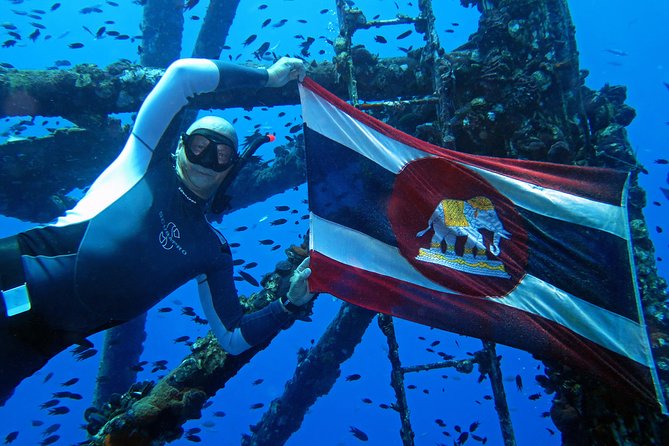
Koh Chang is a good place to learn because the training is built around real conditions, without turning it into a chaotic big-group experience. You start on shore at Bang Bao, then you graduate to pool work before you spend the full day on a boat doing open-water practice on the reefs.
For your first PADI Freediver license, this matters. Freediving is mostly about control, not toughness. If your first attempts are confusing, scary, or disorganized, your progress slows down. A small group and a planned progression helps you relax and learn faster.
And yes, you still get the Koh Chang feel. Two structured reef stops on the boat day means you are not just doing repetitive theory in the shallow end. You are actually getting to practice what you learned with ocean breathing cues and calm decision-making.
Price and logistics that actually matter (what you really get)
This course costs $389.96 per person for an approximately 2-day program. On paper, that looks like a lot, but what you are paying for is the whole package: professional instruction, equipment use, training time, and food. It is not just a check-the-box certification.
Here is what you should treat as value indicators:
- Small group cap (max 5): you are less likely to wait around, and you can ask questions without racing the schedule.
- Equipment included: you do not have to shop, guess sizes, or worry about what gear you will need.
- PADI online manual included: you get the course material you need for the theory side.
- Two meals plus snacks and drinks: these sessions drain focus. Staying fueled helps you learn better.
Two practical things to note:
- The national park entry fee (THB 200 per person) is not included. If you care about exact budgeting, set this aside now.
- Transfers are available only for west coast Koh Chang hotels. If you are on the east side, you might have to get yourself to the meeting point or arrange a local connection.
Meeting point and timing: be ready for an early start
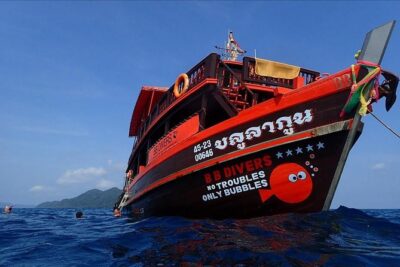
The activity starts at BB Divers, the PADI 5 star center in Koh Chang, at 16/2 หมู่ 1 Tambon Koh Chang Tai, Amphoe Ko Chang, Chang Wat Trat 23170, Thailand. The start time is 8:00 am, and the experience ends back at the meeting point.
Why this matters: freediving training is not the kind where you can roll in late and still learn well. You want to arrive rested enough to focus on breathing patterns, safety steps, and calm equalization habits.
Day 1 at Bang Bao: breath-hold technique on land and in the pool
Day 1 is built around one idea, reduce mystery. You begin with breath-holding and technique work on land, then you continue the training in the pool.
On land, you usually have the advantage of zero ocean surprises. That means you can focus on:
- how you pace your breathing,
- how you relax into the hold,
- and how you manage the mental side of staying calm.
Then the pool work adds feedback. In a pool, you can feel how your body responds when you are horizontal, when you are wearing gear, and when your breathing timing changes the whole experience. For a first license, the pool is where you learn your own rhythms in a controlled environment.
You can also see why instructors often emphasize safety and confidence here. One of the strongest themes in the teaching style is patience and a focus on being comfortable. Instructors such as Charles and Markus have been described as calm, safety-minded, and effective at helping students deal with fear and jitters. That is exactly what you want on day one.
Practical tip for day 1: bring a mind-set of practice, not performance. Your goal is to learn the sequence your body can repeat.
Koh Chang days also got a going over
Day 2 boat training: two reef stops and a full day rhythm
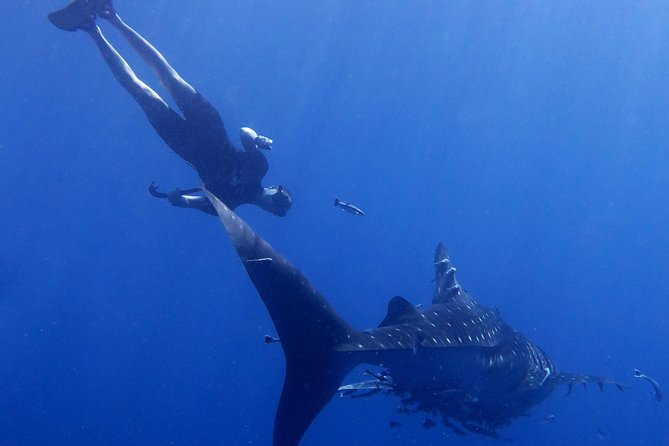
Day 2 runs longer, about 8 hours, and it is the open-water day. You join a boat trip for full-day freediving training, with 2 training stops on coral reefs.
Between training sessions, you relax and you eat. The boat includes a lunch buffet, plus you keep energy up while you wait between practice turns.
This structure is more than convenience. It is a training rhythm:
- You do focused attempts.
- You rest long enough to reset your calm.
- You repeat with better control.
That is how people often progress quickly in just two days. One theme that comes through is how instructors help students go beyond what they think is possible at first, including longer breath-holds and achieving depth and time goals that feel surprising early on. If you work with instructors like Pierre, Adam, or Chen, you are likely to get clear theory, careful safety cues, and hands-on coaching.
What might you notice on the boat?
- You are spending real time in open water, so you will feel the ocean’s scale.
- You will likely get more than one chance to practice key skills across two reef locations.
- You will need to listen closely during briefing moments, because calm decision-making is part of the technique.
What you learn for your PADI Freediver license
The course is centered on breath-holding techniques and building the fundamentals that make freediving safer and smoother. Your training goes from basics to real practice without skipping the skills that keep you in control.
While details can vary slightly by instructor and conditions, the progression is consistent:
- Land practice: learning breathing patterns and mental control.
- Pool practice: learning how technique translates underwater.
- Open-water practice on reefs: learning how to apply technique in real conditions with a boat-led safety structure.
Instructors in the BB Divers group have been praised for:
- thorough theory,
- strong safety focus,
- patient instruction,
- and coaching that builds confidence step by step.
That last point matters. Freediving is as much about self-management as it is about physical ability. If you go in tense, you will spend most of your time fighting your own panic signals. The teaching style described in the feedback, including calm and patient coaching by instructors like Pierre, Charles, and Markus, fits the way good learning should work.
Equipment and coaching: the small-group advantage
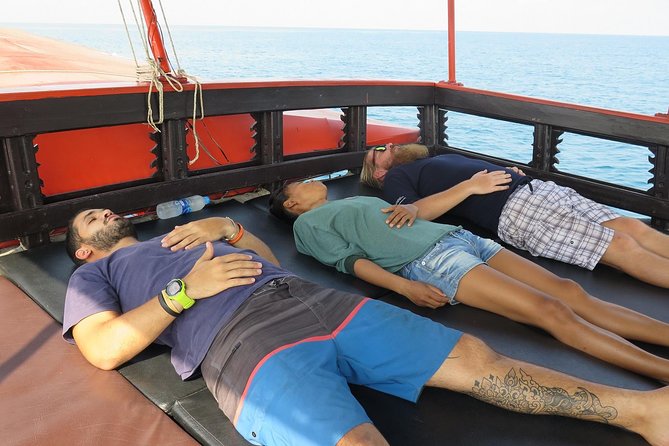
You get use of equipment included. That is a big deal for first-timers because freediving gear can be intimidating. When equipment is provided and explained, you avoid two common problems: wearing the wrong setup, or spending your energy wrestling with gear instead of learning technique.
Now add the maximum of 5 travelers. In a group that small, you are not stuck waiting for your turn while the whole day stalls. You also get faster feedback. That can mean the difference between repeating a mistake for an hour and correcting it in minutes.
Based on instructor names that have come up, you may work with a team that includes instructors such as:
- Joe Pawsey
- Steve (noted for managing the group and logistics)
- Markus (described as meticulous and calm)
- Charles (praised for patience and making students feel safe)
- Pierre (praised for calm confidence and instruction)
- Chen (mentioned alongside thorough theory)
- Adam (praised for encouraging confidence)
You do not need to memorize names. But it helps you understand the training vibe you are likely to experience: safety-forward, clear, and supportive.
Food and comfort: keeping energy up between sessions
The course includes light refreshments, drinks, and lunch (2), plus snacks. Day 1 is shorter, but it still includes a land session and pool practice, which can leave you hungry and mentally tired.
Day 2 is where food matters most. You are on a boat for about 8 hours, with training intervals and a lunch buffet on the boat. If you are prone to getting lightheaded or distracted when you are hungry, the included meals can help you learn better and stay calmer.
A practical strategy: eat what you can between sessions, then slow down and hydrate. Freediving is not just about the hold, it is about what you do before and after each attempt.
Weather and reef conditions: why flexibility is part of the plan
This course is subject to favorable weather conditions. If it gets canceled due to poor weather, you are offered an alternative date.
That is normal in open-water training. What you can do is plan your Koh Chang schedule with some breathing room. If your freediving course is one of the few fixed days, try not to stack it next to a strict travel deadline.
Also, reef training is the heart of the experience. You want conditions that allow safe, comfortable practice. The flexibility offered by the operator is your safety net when the sea does not cooperate.
Who this course fits best (and who should rethink)
This PADI Freediver course suits you if:
- you want your first license and you like structured coaching,
- you are a little nervous and want patient safety instruction,
- you prefer a small group where you can ask questions,
- you want both classroom theory support (via the PADI online manual) and hands-on technique.
You might rethink if:
- you are not able to do an early start (8:00 am),
- you need west-coast hotel pickup and you are staying outside that area,
- you dislike being out for a long day on a boat (about 8 hours on day two),
- you are not comfortable paying the THB 200 park fee separately.
The real payoff: confidence you can take into the ocean
The best part of a first freediving course is not the certification card. It is the ability to repeat the basics with calm. When day one teaches you breath-hold technique and day two shows you how it works in open water, you walk away with more than steps. You walk away with a feel for timing and self-control.
In the teaching style described, instructors are often credited with putting students at ease and helping them hit surprising milestones quickly, especially after pool training. That suggests the course is built for beginners who want progress without feeling rushed.
Afterward, you will be set up to keep learning in Koh Chang, where you can practice and refine. And freediving gets better fast when your fundamentals are solid and your safety habits are automatic.
Should you book this PADI Freediver course at Koh Chang?
Book it if you want a beginner-friendly, coached start with a small group and a clear progression from shore to pool to coral reefs. The inclusion of equipment, the PADI online manual, and meals makes it good value for your money, especially since the long boat day is already handled.
I would also book it if you tend to get nervous in the water, because multiple instructors have been praised for patience, calm instruction, and safety focus. That is the kind of teaching that turns fear into control.
Skip or double-check if your budget is tight due to the THB 200 park fee, or if your hotel is not on Koh Chang’s west coast since transfers are only offered there. If those fit, this course is a smart way to get your first freediving license in a place that gives you real ocean practice, not just theory.
FAQ
How many people are in the freediver course group?
The tour has a maximum of 5 travelers, so you are not squeezed into a huge group.
What time does the course start, and where do I meet?
It starts at 8:00 am at BB Divers, the PADI 5 star center in Koh Chang (16/2 หมู่ 1 Tambon Koh Chang Tai, Amphoe Ko Chang, Chang Wat Trat). The activity ends back at the meeting point.
Is hotel pickup and drop-off included?
Yes. Transfer is offered from hotels on the west coast of Koh Chang only.
What is included in the price?
Included items are professional guide, hotel pickup and drop-off (west coast), PADI online manual, use of equipment, light refreshments, drinks, and lunch (2).
Is the national park entry fee included?
No. There is a national park entry fee of THB 200 per person that is not included.
What happens if weather is bad?
The activity depends on favorable weather. If it is canceled due to poor weather, you are offered an alternative date.
What does the 2-day itinerary include?
Day 1 includes breath-hold technique practice on land and pool training at Bang Bao. Day 2 includes a full-day boat trip from Bang Bao for reef training with two stops, plus a lunch buffet on the boat.
What else made it into the Thailand notebook
Around Koh Chang, continued
Dive courses, and what the certification actually covers
What else made it into the Ko Chang notebook
- Koh Chang Explorer (joined)
★ 4.5 · 12 reviews - Trat Airport: Shared Transfers to/from Koh Chang with Ferry
★ 4.5 · 13 reviews - Padi Freediver, learn how to freedive and get your first license (at Koh Chang)
★ 5.0 · 17 reviews - Koh Chang: Half-Day Snorkeling Adventure on a Speedboat
★ 4.6 · 31 reviews - Koh Chang: 5 Island Guided Boat Tour with Lunch Buffet
★ 4.7 · 31 reviews - Koh Chang: Mangrove Forest Gondola Tour
★ 4.5 · 46 reviews
Koh Chang Island Trips, compared.
 ★ 4.3Koh Chang: 3 or 4 Islands Snorkel & Beach Tour by Big BoatFrom $28723 reviews
 ★ 4.6Koh Chang: Snorkeling Trip to Reefs or Wrecks with LunchFrom $32670 reviews
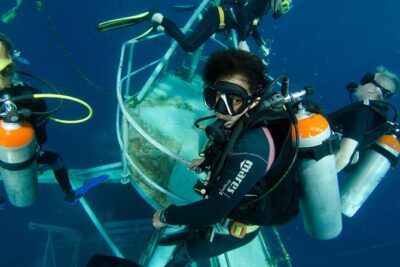 ★ 5.0Scuba Diving Day Trip at Koh Chang – 2 DivesFrom $130150 reviews
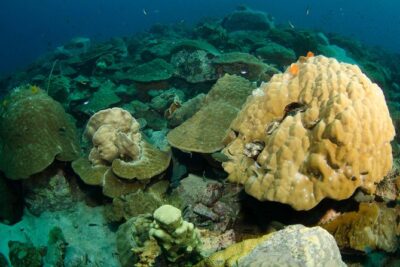 ★ 4.5Snorkeling Adventure at Koh Chang – Departing from Koh ChangFrom $32113 reviews
 ★ 4.7Trat: Koh Chang Muay Thai Admission TicketFrom $2890 reviews
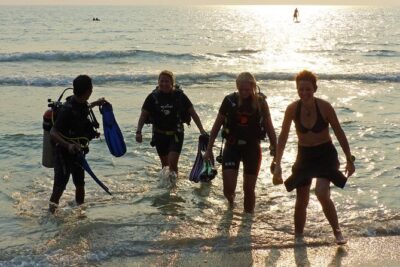 ★ 5.0Discover Scuba diving, try diving for beginners (starts from Koh Chang)From $17989 reviews
 ★ 5.0Koh Chang Dive Trip Including 3 Dives (Start at Koh Chang)From $16981 reviews
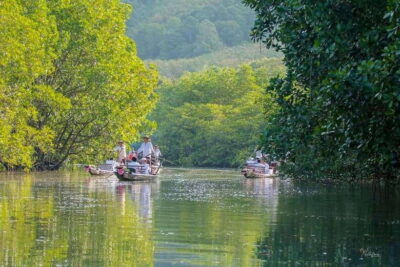 ★ 4.5Koh Chang: Mangrove Forest Gondola TourFrom $3346 reviews
Browse the lists this tour appears in